
11 Scenic Byways That Are Great for a Late Winter Drive
Late winter is a great time for a quiet, scenic drive through some of the most beautiful landscapes in the country. During February and March, many scenic byways remain peaceful, with far fewer cars and wide views of snow-covered mountains, valleys, and forests. Clear winter air often reveals distant ridges and dramatic scenery that can be harder to see during busier seasons. These scenic routes offer long stretches of open road, making it easy to enjoy big panoramic views without the usual travel crowds.
This post may contain affiliate links, which helps keep this content free. Please read our disclosure for more info.
Boreas Pass Road, Colorado
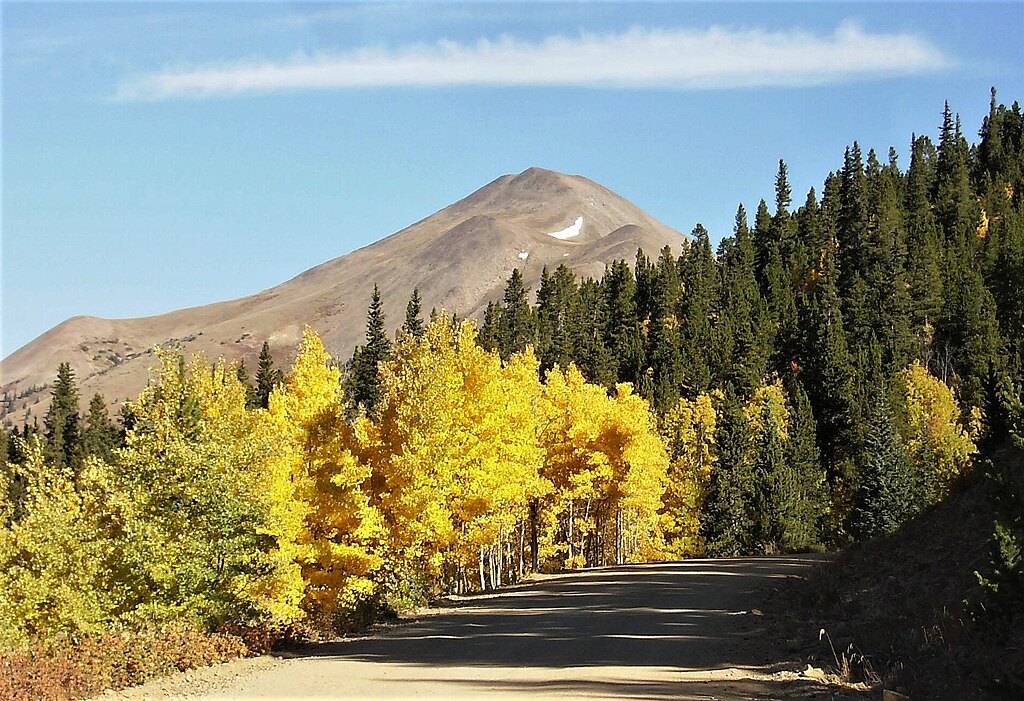
Boreas Pass Road climbs high above the towns of Breckenridge and Como, tracing the path of an old railroad that once carried supplies across the Rocky Mountains. The road winds through dense spruce and pine forests before opening to wide alpine slopes that reveal long views of the Tenmile Range. In late winter, the surrounding peaks remain coated in deep snow while the sky often turns a clear, crisp blue after passing storms. These conditions create a striking contrast between white mountains, dark forests, and bright sunlight that reflects off frozen ridgelines.
February and March often bring quieter conditions along this route compared with the busy summer and autumn travel seasons. Snowbanks line the road while frozen meadows stretch across the valley floor below the pass. Pull-off areas offer peaceful places to stop and take in views that seem to extend for miles in every direction. With fewer vehicles passing through, the drive feels calm and spacious, allowing travelers to appreciate the high mountain scenery without interruption.
Kancamagus Highway, New Hampshire
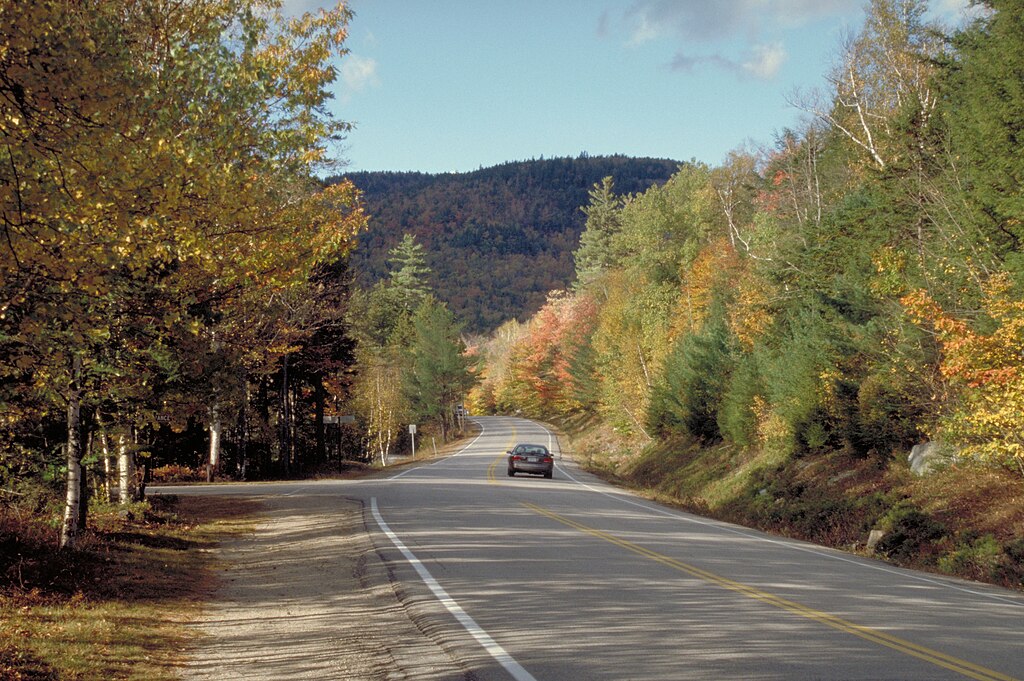
The Kancamagus Highway cuts across the White Mountains between the towns of Lincoln and Conway. This well-known scenic route follows the Swift River through a forested corridor filled with rocky cliffs, rushing water, and quiet mountain valleys. During winter, the surrounding hardwood forest stands bare, which opens wider views of distant ridges and mountain slopes that remain hidden during the leafy summer months.
Late winter often brings peaceful driving conditions along the highway. Snow rests on the forest floor and gathers along riverbanks while the mountains rise in the distance under a pale winter sun. Overlooks such as Sabbaday Falls and Pemigewasset provide clear vantage points across frozen valleys and wooded hills. Because most travelers visit during the autumn foliage season, February and March offer a slower, quieter experience that allows the scenery to feel almost untouched.
Yosemite Valley Scenic Drive, California
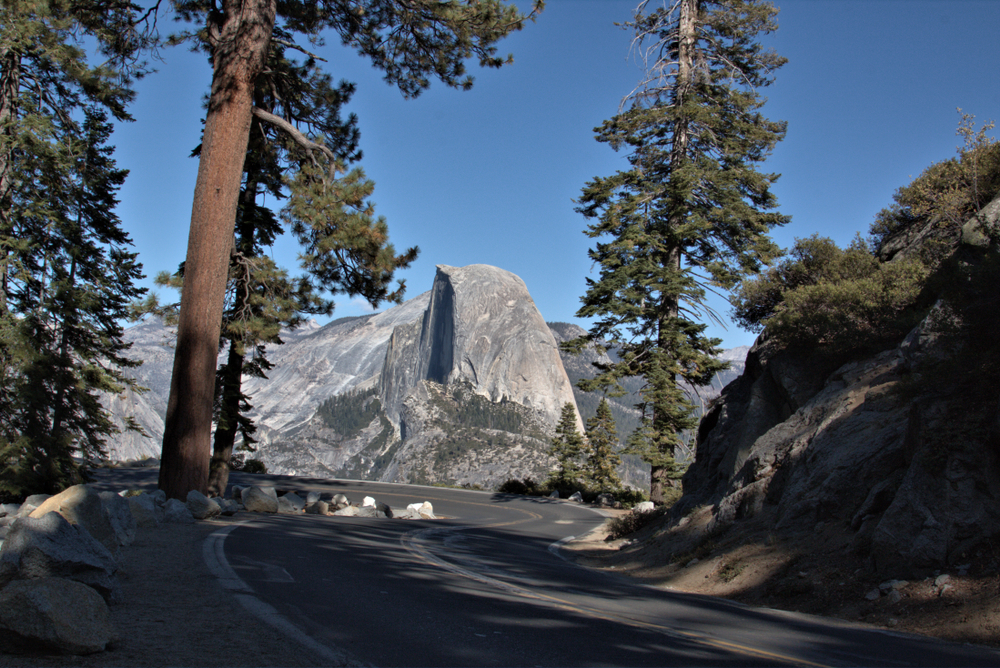
The road through Yosemite Valley runs beneath some of the tallest granite walls in North America. Massive cliffs rise thousands of feet above the valley floor, creating dramatic views around nearly every turn. Landmarks such as El Capitan and Half Dome dominate the skyline, while wide meadow areas open broad sightlines across the valley. Even a short drive through the valley reveals towering rock formations, frozen riverbanks, and distant snowy peaks.
Late winter is one of the most visually striking times to experience this route. Snow rests on the granite ledges while waterfalls begin to flow more strongly as seasonal melting begins. Morning light often fills the valley slowly, illuminating the cliffs and sending long shadows across open meadows. Because visitation tends to rise later in spring and summer, February and March allow travelers to experience these enormous views with far less congestion on the valley roads.
Columbia River Gorge Scenic Highway, Oregon
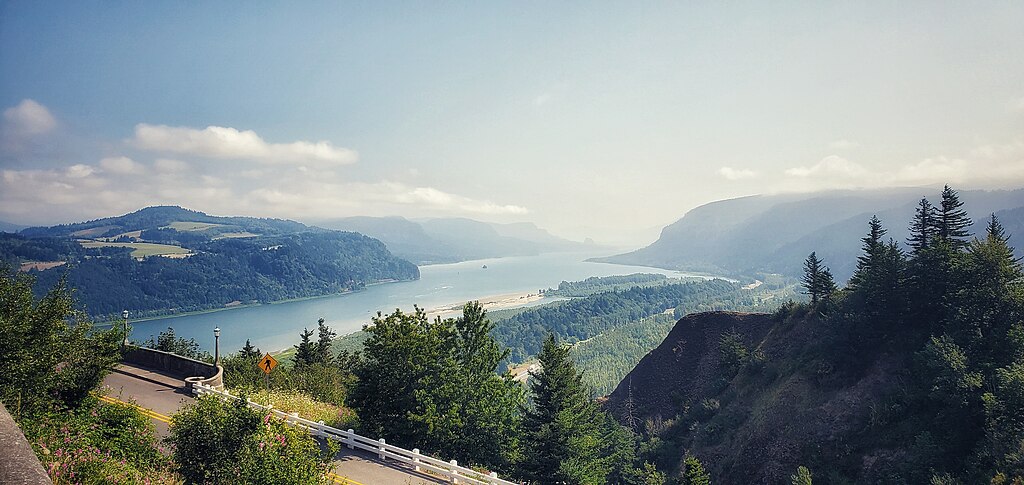
The Columbia River Gorge Scenic Highway follows the southern edge of the Columbia River through steep canyon walls and towering basalt cliffs. Waterfalls spill down rocky ledges along the route, including well-known falls such as Multnomah and Horsetail. The river itself stretches wide through the gorge, reflecting clouds and mountain slopes that rise dramatically above the shoreline.
At the end of winter, the waterfalls tend to flow with strong volume due to seasonal snowmelt and steady rainfall. Mist from the falls drifts across the roadside cliffs, creating a cool and quiet atmosphere along the drive. Traffic levels remain lower compared with summer months, which makes it easier to stop at viewpoints and short trails. The result is a scenic drive filled with powerful water features and wide river views that feel calm and uncrowded.
Blue Ridge Parkway, North Carolina and Virginia
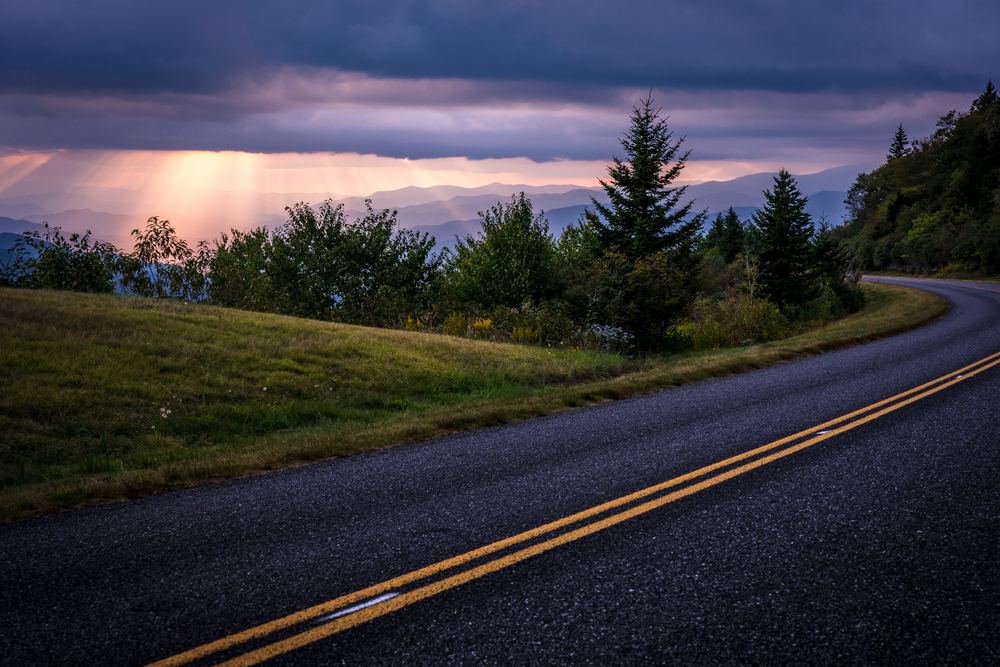
The Blue Ridge Parkway stretches for hundreds of miles along the crest of the Appalachian Mountains. The road follows a gentle ridgeline path that reveals rolling mountain views across North Carolina and Virginia. In late winter, the forests appear more open because the leaves have fallen, which reveals distant ridges layered across the horizon.
Driving the parkway in February or March can feel peaceful compared with the busy travel season of autumn foliage. Snow sometimes lingers along shaded slopes while the valleys below begin to warm. Overlooks provide sweeping views that stretch across multiple mountain ranges. Without heavy traffic, travelers can stop frequently to watch clouds move across the hills or to photograph the quiet mountain scenery.
Seward Highway, Alaska
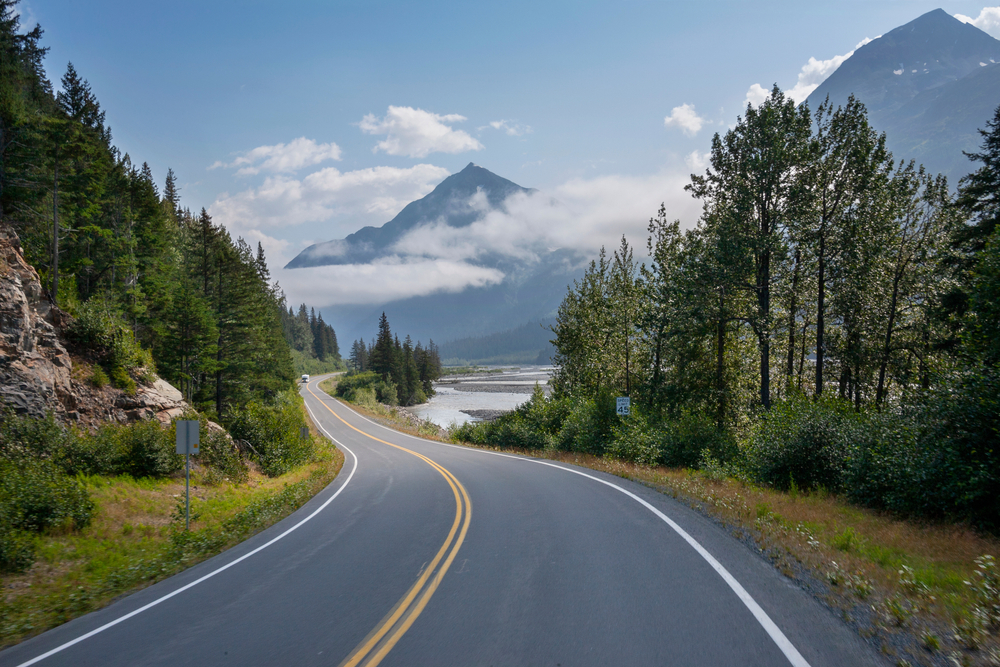
The Seward Highway connects Anchorage to the coastal town of Seward, passing through dramatic wilderness scenery along the way. Much of the drive follows Turnagain Arm, a narrow inlet surrounded by steep mountains that rise sharply from the water. Snow-covered peaks frame the entire route, while frozen tidal flats and icy shorelines add to the stark beauty of the area.
Late winter provides remarkable visibility along the highway when cold air clears the sky and sharpens distant views. Wildlife such as mountain goats and moose sometimes appear along the roadside slopes. With fewer travelers on the road, the drive feels quiet and expansive. Long stretches of open highway allow travelers to take in the wide mountain scenery without interruption.
Going to the Sun Road Lower Section, Montana
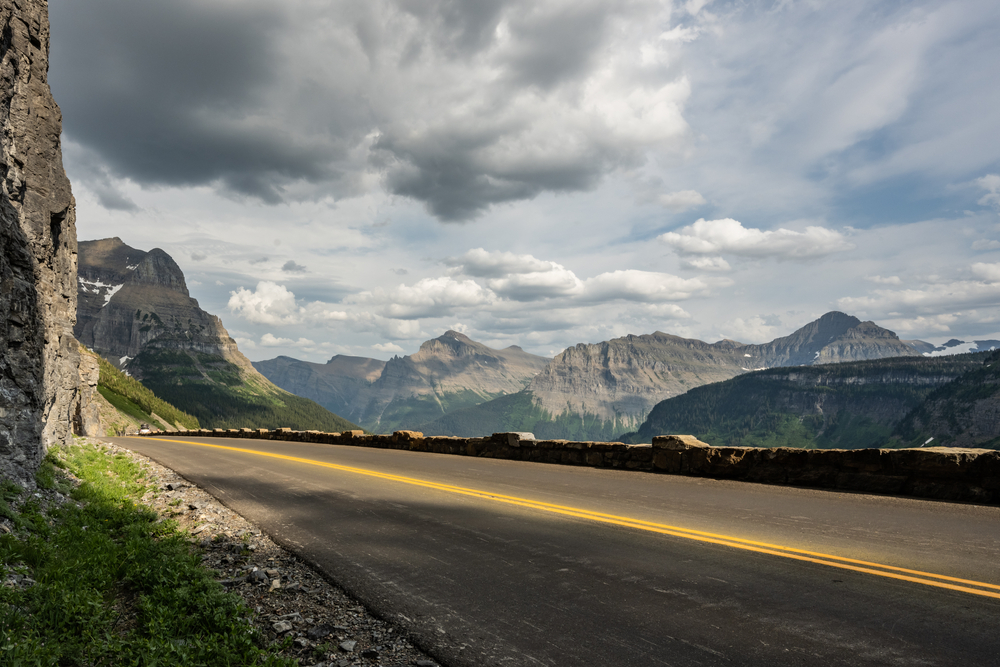
Although the highest portions of Going to the Sun Road remain closed during winter, the lower sections near the west entrance of Glacier National Park still offer striking scenery. The road follows the edge of Lake McDonald, where snowy peaks reflect across the still water. Evergreen forests frame the shoreline while distant mountains rise steeply beyond the lake.
Late winter brings a calm atmosphere along this section of the drive. Snow remains deep in the surrounding forest, giving the entire landscape a clean, quiet appearance. Because many visitors wait for summer access to the full route, this lower section often remains peaceful. Travelers can take in the mountain views and frozen lakeshore scenery without the crowds that arrive later in the year.
Highway 395 Eastern Sierra Scenic Byway, California
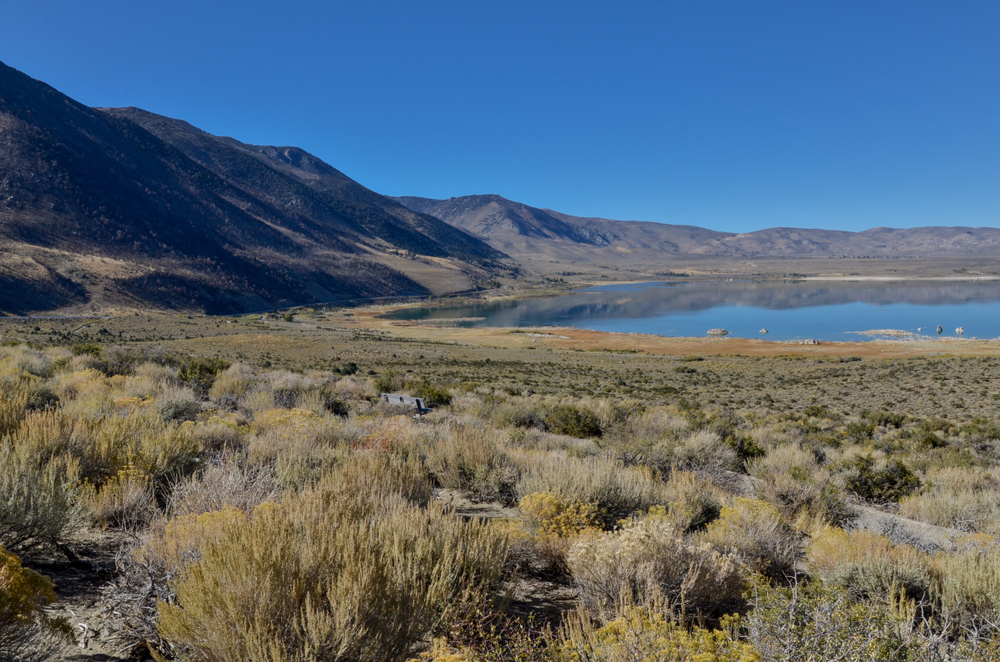
Highway 395 runs along the eastern edge of the Sierra Nevada, revealing dramatic views of some of the tallest peaks in California. The road passes through open desert valleys while the snow-covered Sierra crest rises sharply to the west. Towns such as Bishop and Lone Pine serve as small stops along the route, surrounded by enormous mountain backdrops.
Late winter conditions create a striking contrast between the pale desert floor and bright white peaks above it. The air often feels crisp and clear, which allows distant mountains to appear sharply defined. Traffic levels remain moderate outside major holiday periods, which makes the drive relaxed and unhurried. Wide pull-off areas allow travelers to pause and absorb the scale of the mountain scenery.
Mount Hood Scenic Byway, Oregon
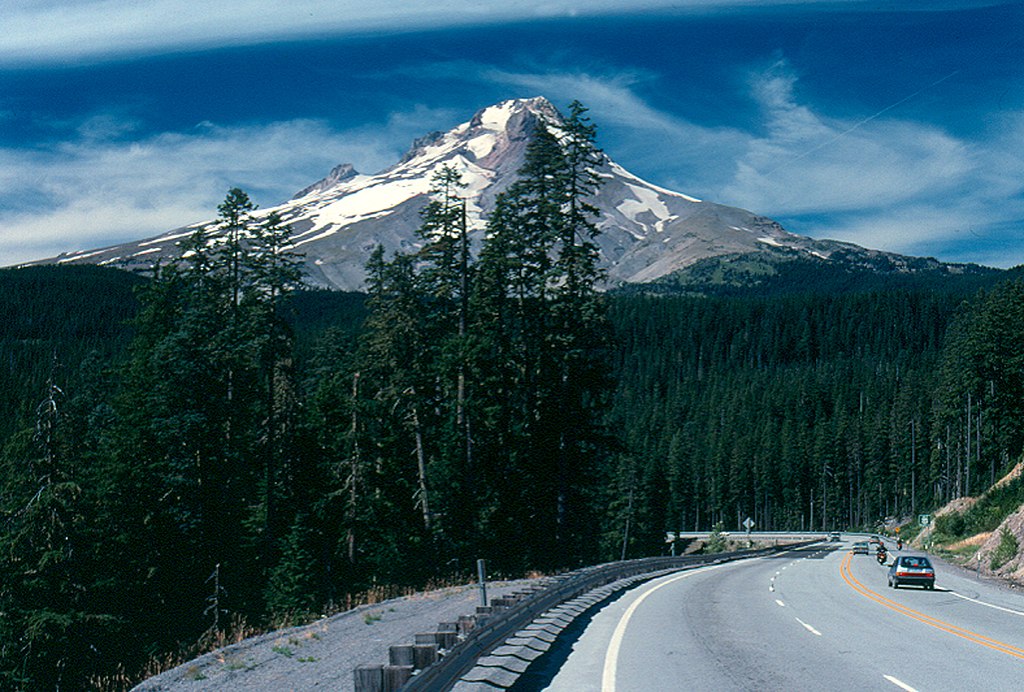
The Mount Hood Scenic Byway circles the slopes of Oregon’s tallest volcano, passing through forests, rivers, and mountain meadows. Mount Hood itself dominates the skyline, rising above the surrounding terrain with its snow-covered summit. The road climbs through thick evergreen forests before reaching open viewpoints that reveal the mountain’s full height.
During February and March, the mountain remains deeply covered in snow while the lower valleys begin to show signs of seasonal change. Ski areas remain active, yet the byway itself often feels calm outside peak weekends. Snow-lined roads lead toward clear vantage points where Mount Hood appears enormous against the sky. These conditions create a memorable drive that highlights the mountain’s dramatic scale.
North Cascades Highway Western Approach, Washington
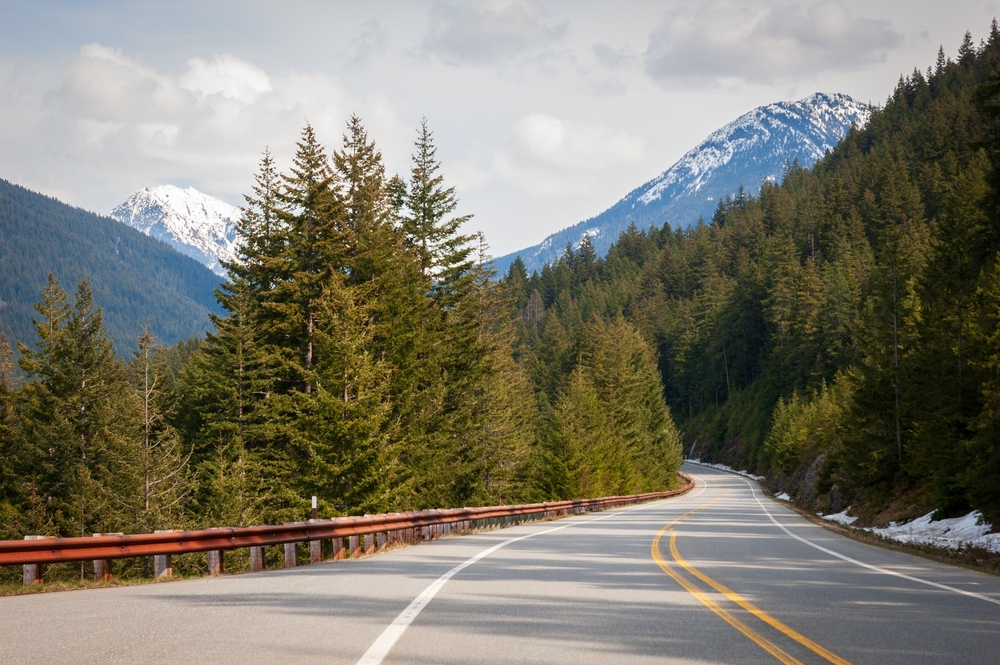
The western portion of the North Cascades Highway reveals dramatic mountain scenery before reaching the higher passes that often close during winter. The road winds through dense evergreen forest while rivers and waterfalls cut through deep valleys. Snow-covered peaks rise beyond the forest canopy, forming a rugged skyline.
Late winter drives along this section feel quiet because much of the seasonal tourist traffic arrives later in the year. Snow rests on the forest floor while cold rivers rush through rocky channels beside the road. Occasional clearings reveal wide views of jagged peaks rising above the treetops. The combination of forest scenery and mountain backdrops creates a peaceful drive filled with striking natural beauty.
Beartooth Highway Lower Approach, Montana
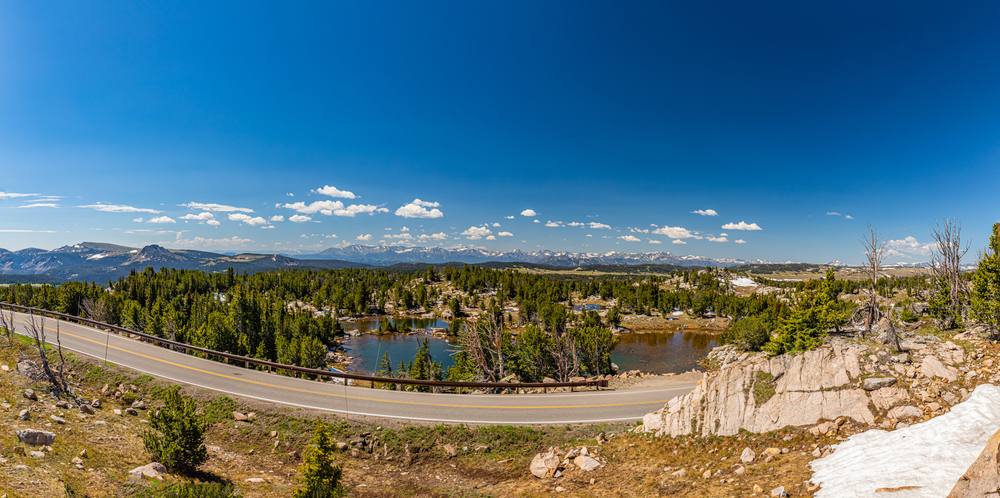
The lower portions of the Beartooth Highway near Red Lodge provide dramatic views even when the highest sections remain closed by winter snow. The road climbs gradually through open valleys where snow-covered peaks surround the route. Rocky cliffs and pine forests line the highway as it approaches the higher elevations.
End of winter travel offers quiet conditions along this mountain corridor. Snow lingers across the hillsides while frozen streams run through the valley floor. The absence of heavy summer traffic allows travelers to stop often and admire the surrounding peaks. Even the accessible lower sections reveal large mountain views that feel remote and peaceful.
This article originally appeared on Avocadu.