
13 Routine Habits That Feel Flexible Instead of Strict
We all know that routines are beneficial, but they should feel empowering, not restrictive. A flexible habit gives you structure while leaving room for spontaneity. You do not have to follow every step precisely to experience the benefits. The best routines are those that flow easily with your daily life. Take a look at how you can incorporate habits that give you control, without creating unnecessary pressure.
This post may contain affiliate links, which helps keep this content free. Please read our disclosure for more info.
Morning Stretching

Stretching in the morning can be a simple yet effective way to wake up your body. It is not about following a rigid set of movements but rather listening to your body and moving in ways that feel good. You can do a few minutes of light stretches or take a longer session, depending on how you feel that day. It is a flexible habit that fits into your routine regardless of time constraints.
Whether you focus on your neck, back, or legs, morning stretches help increase flexibility and circulation. There is no need for a strict routine, as you can just take a few moments to breathe deeply and move gently. Some people prefer to stretch in the living room, while others enjoy it outdoors for a more peaceful start. The key is consistency, not perfection.
Drinking Water Regularly

Staying hydrated is important, but how and when you drink water can be flexible. Instead of sticking to a set number of glasses per day, focus on drinking water whenever you feel thirsty. You can make it a habit to keep a water bottle nearby, so it is easy to take a sip when needed. This habit supports your health without the pressure of strict measurements.
The amount of water you need may vary depending on your activity level, the weather, and other factors. By simply keeping water within reach, you naturally remind yourself to hydrate throughout the day. This way, you avoid feeling restricted by exact rules but still maintain a healthy habit. Listen to your body and adjust your intake as needed.
Daily Walks

Taking a walk each day can be a great way to get some fresh air and stay active. Whether it is a short stroll around the block or a longer walk through the park, you can tailor the length and pace to your preferences. The best part of this habit is that it does not require any strict schedule, since you can walk whenever you find a moment in your day. It is a low-pressure habit that works for people with different schedules and fitness levels.
Walks offer a chance to clear your mind, get some exercise, and enjoy the outdoors. You do not need to aim for a specific step count or duration. Walks are adaptable, and you can even combine them with other activities, like listening to a podcast or chatting with a friend. The goal is simply to make walking a regular part of your routine without stressing over the details.
Reading for Pleasure

Reading can become a flexible habit if you focus on enjoying the process rather than meeting a set number of pages or books. Whether you read for 10 minutes or an hour, the key is to make time for it without pressure. Reading should feel like an escape, not a task. You can read when you have free moments, whether in the morning, during lunch, or before bed.
Instead of sticking to a rigid reading schedule, allow yourself the freedom to read what you feel interested in. Whether it is fiction, non-fiction, or magazines, it is important that the habit feels enjoyable. You can alternate between books or audiobooks depending on your mood and schedule. The flexibility to choose what you read makes this habit enjoyable and sustainable.
Journaling

Journaling is a wonderful way to reflect on your thoughts and emotions. The flexibility in this habit comes from how often and what you write about. You can jot down your thoughts daily or just when something significant happens. There is no need for a strict routine, and your journal entries can vary from short notes to longer reflections.
You might write in the morning to set intentions or in the evening to unwind. It is up to you how you approach journaling, sincesome people prefer bullet points, while others enjoy free writing. The habit is personal and can change depending on your needs at the time. By making journaling flexible, it becomes an enjoyable practice that does not feel like a chore.
Meal Planning
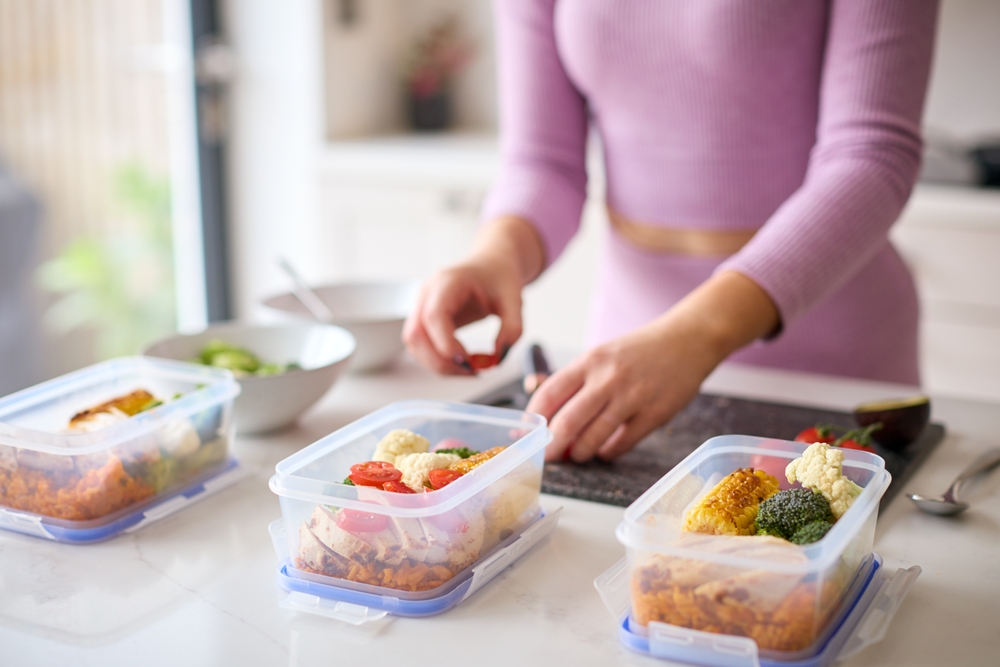
Meal planning does not have to be a strict, time-consuming task. You can create a flexible meal plan by choosing a few meals for the week and leaving room for adjustments. If you feel like having a salad instead of a planned soup, that is perfectly fine. The goal is to have options ready without being tied down to specific dishes every day.
Meal planning can be as simple as picking a few go-to recipes or prepping some ingredients for easy meals. The idea is to save time and reduce stress without rigidly following a fixed menu. You can mix things up each week to keep your meals exciting while still maintaining a sense of structure. It is all about balance and convenience.
Setting Priorities

Setting priorities is essential, but it should not feel like an overwhelming task. Instead of creating a strict to-do list, focus on identifying the most important tasks for the day. You can adjust your priorities as the day progresses, depending on how things unfold. The key is to remain flexible and realistic about what can be achieved.
A flexible approach to setting priorities allows for unexpected events and changes. Instead of stressing over a rigid schedule, focus on completing the most important tasks first, leaving room for smaller, less urgent ones later. You will find that this habit keeps you productive without feeling confined by a fixed structure. It is about being adaptable to your circumstances while still maintaining focus.
Practicing Gratitude

Gratitude is a powerful practice, but it does not need to follow any specific rules. You can express gratitude daily, but how and when you do it is up to you. Some people prefer writing in a journal, while others may simply reflect on the things they are grateful for throughout the day. It is a habit that can be as flexible as you need it to be.
There is no set format for practicing gratitude, as it can be a simple thought, a brief note, or a conversation with others. This practice does not require rigid schedules or detailed steps. The more flexible you make it, the easier it becomes to incorporate into your routine. The goal is to create a habit of gratitude, not to follow a set of rules.
Taking Breaks

Taking regular breaks throughout the day is essential for productivity, but they do not need to be strictly scheduled. Whether you take a five-minute break to stretch or a longer break for a walk, it is important to listen to your body. The timing and length of your breaks can vary depending on your work and energy levels. The habit is to take breaks when you need them, not when they are prescribed.
Flexible breaks allow you to recharge without disrupting your flow. You can decide when to step away from your work based on how you are feeling at the moment. Sometimes a short break is all you need to regain focus, while other times a longer break might be necessary. The beauty of this habit lies in its adaptability to your needs.
Decluttering

Decluttering can be an ongoing process, and it does not need to be confined to a single day or week. Instead of setting a strict schedule for decluttering, focus on small, manageable tasks that you can tackle whenever you feel ready. You can declutter one drawer at a time or take on an entire room, depending on your time and energy. This makes it a habit that evolves with your lifestyle.
It is about making small adjustments to your space over time, allowing for flexibility. Some days, you might feel motivated to do more, while other days, a small tidying task might be enough. This method keeps you from feeling overwhelmed and allows decluttering to fit into your schedule. It is an adaptable habit that makes your space more organized without pressure.
Socializing in Your Own Way

Socializing does not have to mean following a set routine of attending events or meetings. Instead, make socializing a habit that fits your preferences and energy levels. You can connect with friends in person, over the phone, or through text, as whatever feels right at the time. There is no need for a rigid schedule when it comes to spending time with others.
This habit can adapt to your needs and life circumstances. If you prefer smaller gatherings or quieter moments with friends, that is perfectly fine. You can decide how much social interaction you need based on your mood and personal preferences. The flexibility of this habit ensures you stay connected without feeling pressured.
Organizing Your Day
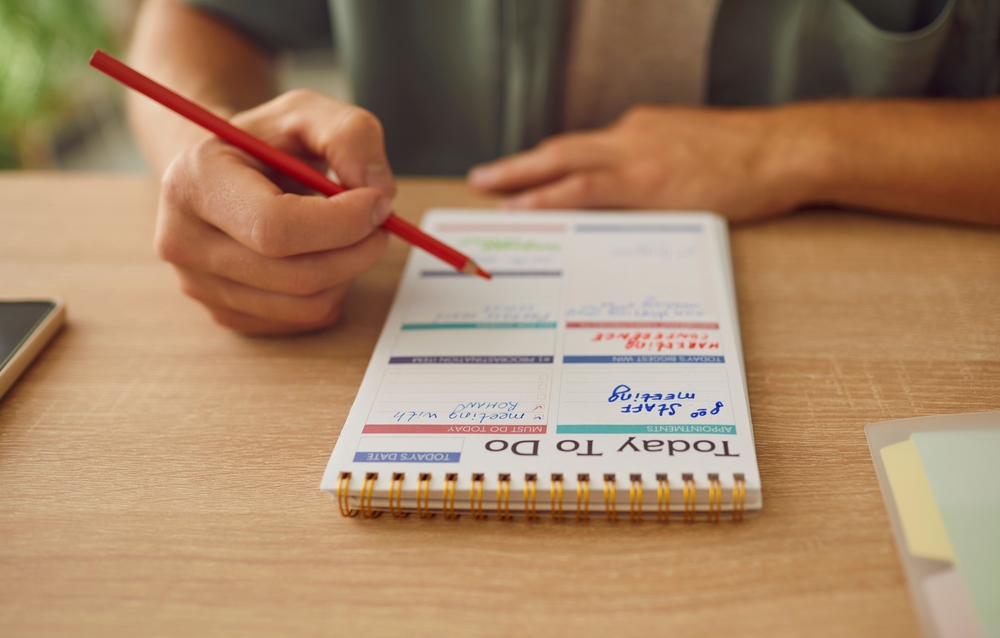
Organizing your day does not require a strict hour-by-hour plan. Instead, create a list of tasks that need to be done and prioritize them based on importance. You can shift tasks around as needed, making adjustments throughout the day. This allows you to maintain structure without feeling restricted by a rigid schedule.
Having a list of tasks with a flexible approach helps you stay on track while remaining adaptable. You do not need to stick to the exact time frame for every task. Instead, focus on completing what is most important and adjust your plans as things come up. The flexibility in this habit helps you manage your day without overwhelming yourself.
Practicing Mindfulness

Mindfulness is a habit that can fit into any part of your day, and it does not require strict rules. You can practice mindfulness while eating, walking, or during a quiet moment in your routine. Whether it is for a few minutes or longer, it is about focusing on the present moment and being aware of your surroundings. There is no need to force yourself into a specific routine.
Mindfulness allows for flexibility, and it can be done anywhere, anytime. You can practice it during your daily commute, in between meetings, or while relaxing at home. This habit does not require special equipment or a rigid schedule. The flexibility to practice mindfulness whenever it fits into your life makes it a valuable habit for maintaining mental well-being.
This article originally appeared on Avocadu.