
14 Rivers That Recovered Enough for Fish Runs to Return
Across many parts of the world, rivers that once looked worn down are showing signs of life again. Years of restoration work and cleaner water have allowed fish to return to places where they had been missing for decades. Watching salmon, trout, and other species move upstream once more is a hopeful sight for local communities. These changes did not happen overnight, and each river has its own story behind the recovery.
This post may contain affiliate links, which helps keep this content free. Please read our disclosure for more info.
Elwha River, Washington, United States
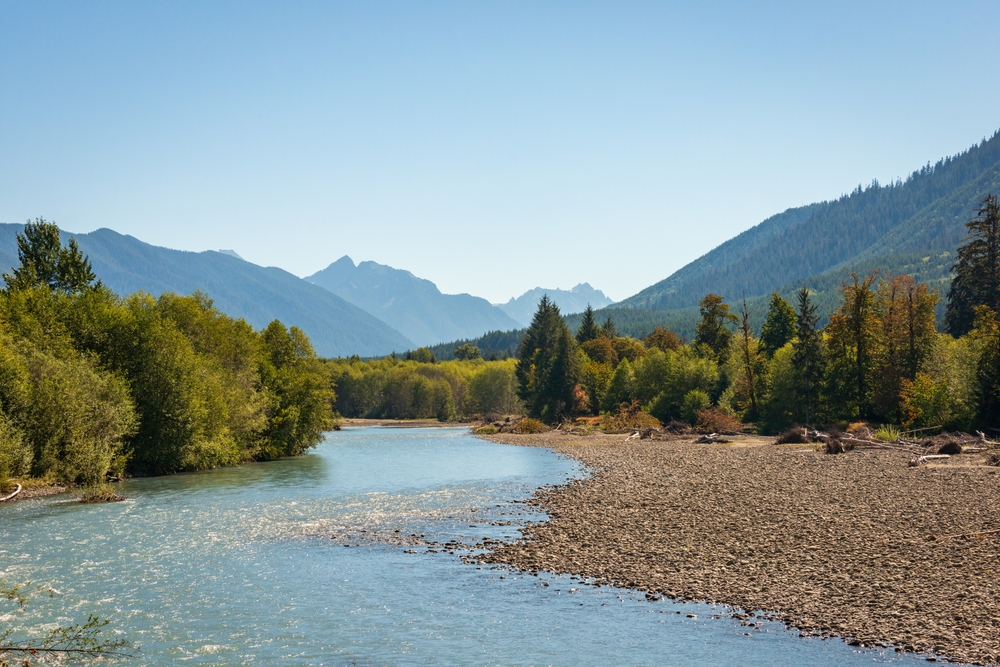
For nearly a century, two large dams blocked salmon and steelhead from reaching the upper stretches of the Elwha River on the Olympic Peninsula. These barriers cut off more than seventy miles of spawning habitat and greatly reduced fish runs that once supported the region. After the dams were removed in the early twenty-first century, the river began flowing freely from the mountains to the sea again. Sediment returned to the channel, and fish slowly started moving upstream into areas they had not reached in generations.
Biologists soon recorded several salmon species appearing in former spawning grounds. Chinook, coho, pink salmon, and steelhead were among the fish that returned as the river regained its natural flow. Local tribes, especially the Lower Elwha Klallam Tribe, had long pushed for this recovery because salmon were deeply tied to their culture and food supply. Today, the Elwha River stands as one of the most talked-about river restoration stories in North America.
Penobscot River, Maine, United States
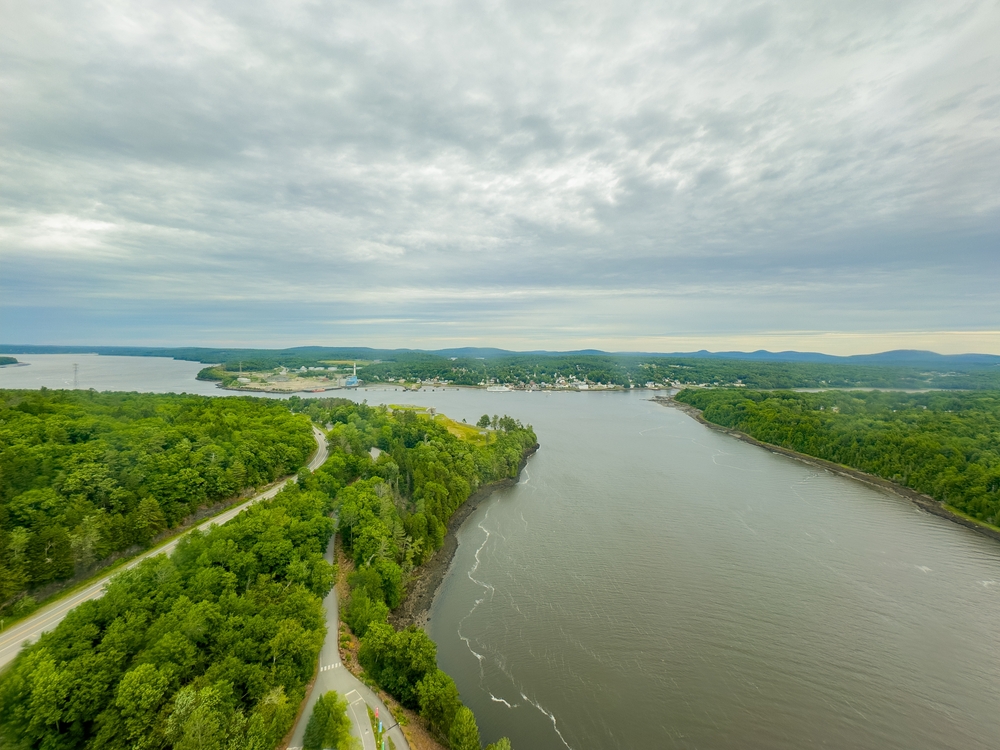
The Penobscot River once supported enormous runs of Atlantic salmon, shad, and river herring along the coast of Maine. During the nineteenth and twentieth centuries, dams and pollution reduced those runs and blocked fish from historic spawning areas. A large restoration effort began in the early two thousands with the removal of several dams and improvements to fish passage. These changes reopened hundreds of miles of habitat throughout the watershed.
Fish soon began returning to sections of the river that had been cut off for decades. Alewives, shad, and other migratory fish started moving upstream in larger numbers each year. The Penobscot Nation and conservation groups played key roles in supporting the restoration work. The river is now seen as an encouraging example of how large river systems can recover when barriers are removed.
River Thames, England
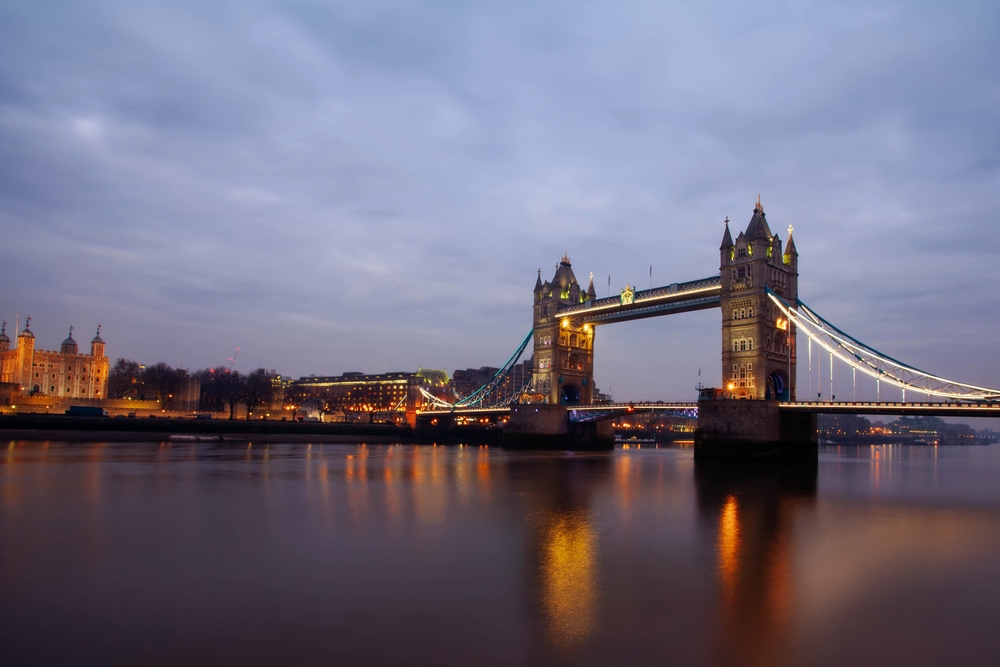
The River Thames once suffered from severe pollution during the mid-twentieth century. Industrial waste and untreated sewage pushed oxygen levels so low that fish could barely survive in certain stretches of the river. Cleanup efforts and new water treatment rules gradually improved conditions. Over time, the river began supporting a wider range of aquatic life again.
Today, dozens of fish species live in the Thames, including sea trout and salmon that move through the river during their migrations. Water quality improvements have allowed fish runs to return in areas close to London. Scientists now track fish movement as a sign that the river continues to improve. The Thames has changed from a polluted waterway into one of Europe’s most notable urban river recoveries.
Kennebec River, Maine, United States
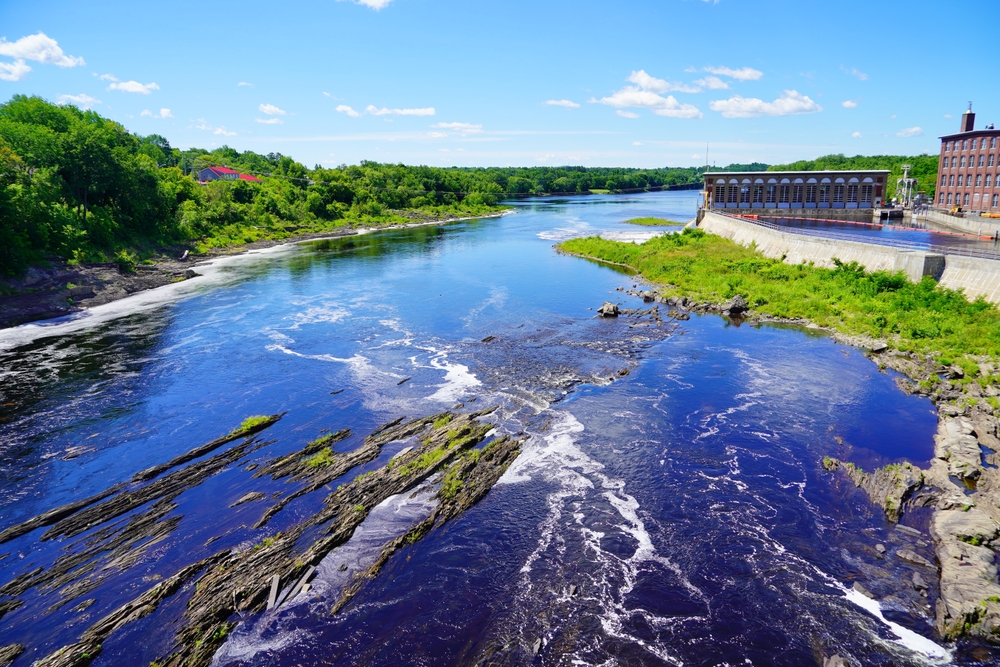
The Kennebec River has long been a major waterway in Maine, flowing from forested mountains to the Atlantic Ocean. Industrial use once caused pollution that harmed fish populations and disrupted natural spawning runs. After stricter water regulations and the removal of the Edwards Dam in 1999, the river began to change rapidly. The removal opened more than fifteen miles of river habitat almost immediately.
Fish runs responded quickly once the barrier disappeared. American shad, striped bass, and sturgeon started returning to areas they had not reached for many years. The river now supports one of the largest restored fish migrations in the region. Local communities often view the Kennebec as proof that river recovery can happen within a relatively short time.
Columbia River, United States and Canada
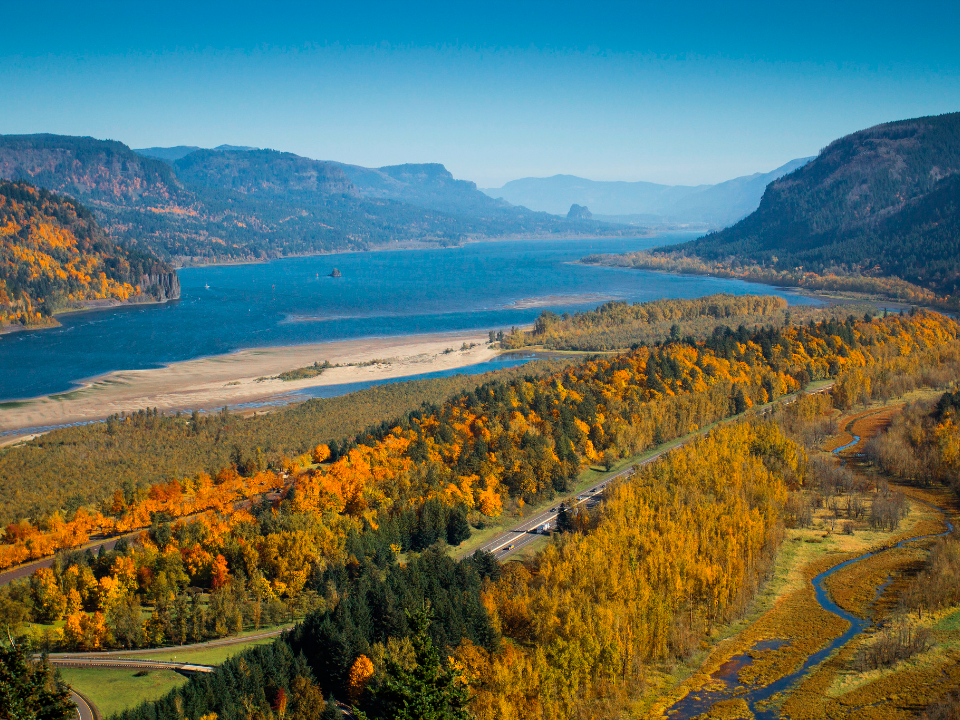
The Columbia River system once supported some of the largest salmon runs on Earth. Over time, dams, overfishing, and habitat changes reduced many of these runs across the basin. Restoration programs began focusing on fish passage systems and habitat improvement in tributaries. Hatcheries also played a role in rebuilding certain fish populations.
Many salmon species now continue their long migration from the Pacific Ocean into the Columbia River each year. Chinook, coho, and sockeye salmon are among the fish that travel hundreds of miles upstream. While challenges remain, improved passage systems have helped restore portions of the historic runs. The Columbia River remains one of the most important salmon rivers in North America.
Fraser River, British Columbia, Canada
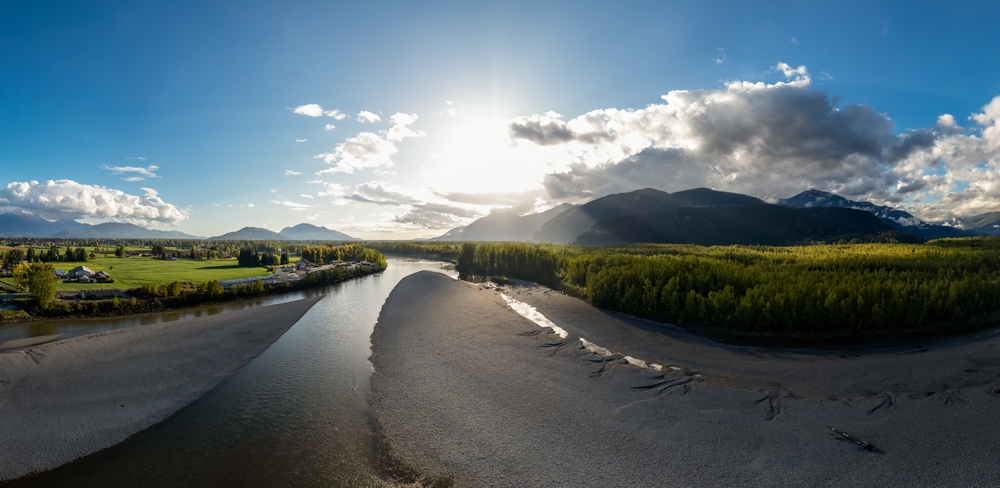
The Fraser River is famous for its massive salmon migrations that stretch deep into the mountains of British Columbia. Habitat damage and overfishing reduced several runs during the twentieth century. In response, conservation groups and government agencies began protecting spawning areas and improving river management. These efforts aimed to support both fish populations and the fishing communities that depend on them.
Sockeye salmon runs in particular have shown periods of strong recovery in recent years. Millions of fish travel through the river system during peak migration seasons. The Fraser River remains one of the largest salmon-producing rivers in the world. Its returning fish runs continue to support ecosystems, fisheries, and cultural traditions.
Sacramento River, California, United States
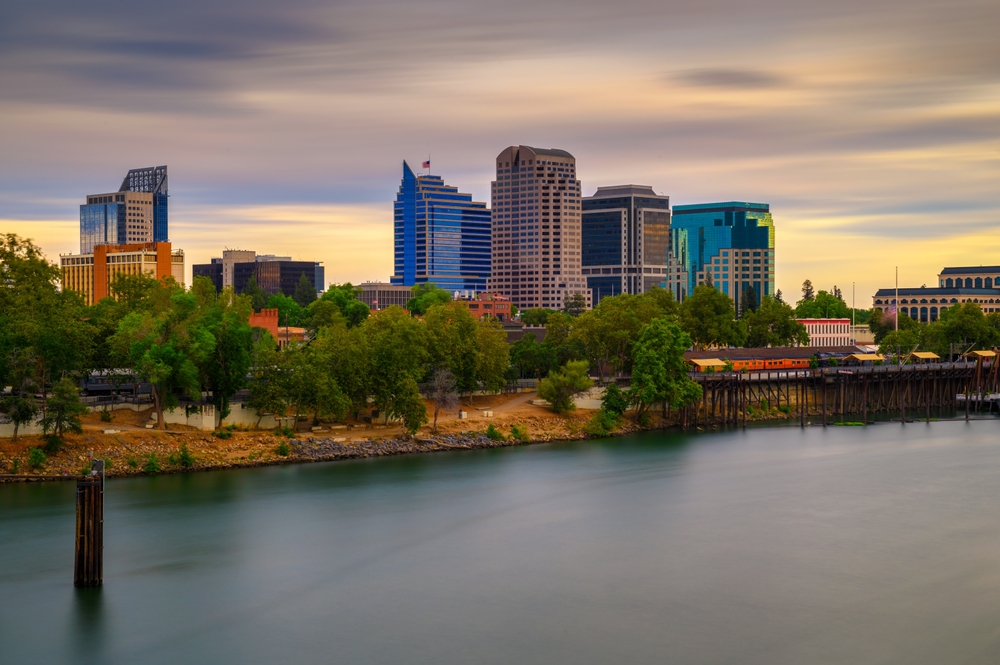
The Sacramento River once supported enormous runs of Chinook salmon that traveled inland from the Pacific Ocean into California’s Central Valley. Large dams, irrigation systems, and water diversions gradually reduced access to important spawning habitat. These changes caused salmon numbers to drop sharply during parts of the twentieth century. Over time, scientists and river managers began working to improve habitat and restore migration routes.
Water releases from upstream reservoirs now help maintain cooler river temperatures during important migration periods. Gravel restoration projects have rebuilt spawning areas that salmon rely on when they reach upstream sections of the river. Hatcheries also support returning populations while natural runs continue to rebuild. Today, many Chinook salmon still make the long journey upstream each fall and winter, showing that the Sacramento River remains vital to California’s salmon runs.
Rogue River, Oregon, United States
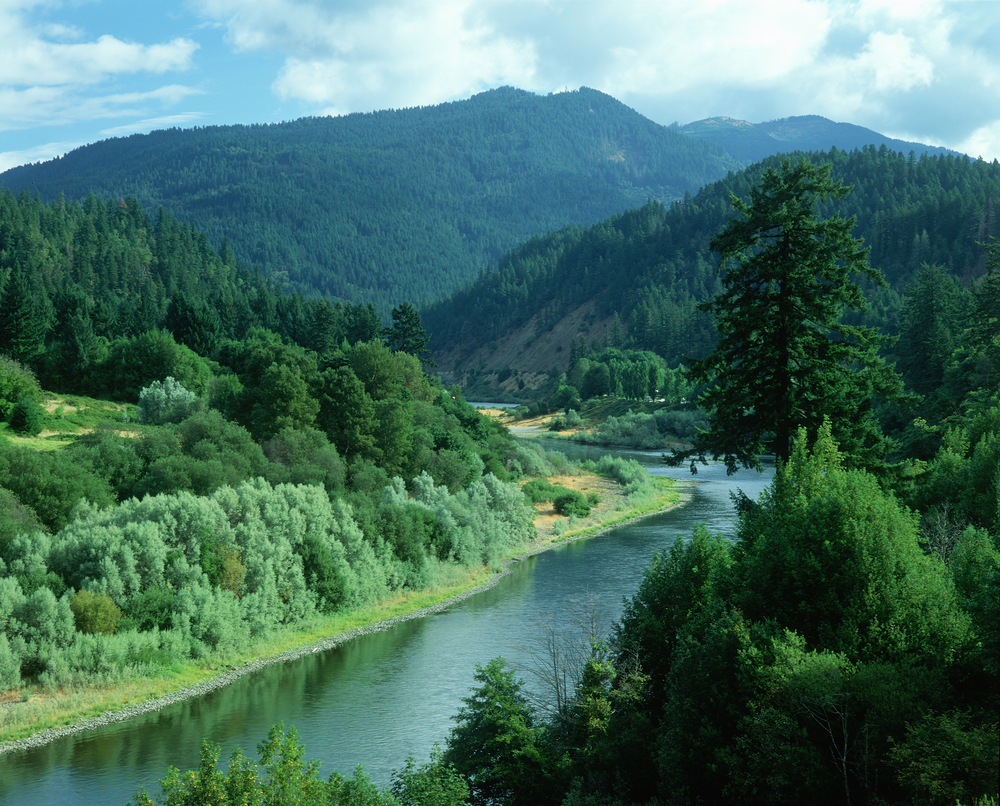
The Rogue River in southern Oregon flows from the Cascade Mountains toward the Pacific Ocean through forested valleys and rugged canyons. For generations, it has been known as one of the West Coast’s classic salmon and steelhead rivers. Logging, mining, and land use changes have damaged stream banks and affected water quality in several areas. Gradual restoration work helped repair damaged banks and reduce sediment entering the river.
Healthy seasonal runs of Chinook salmon and steelhead now return to the Rogue River each year. Anglers often gather along the river during migration periods when fish move steadily upstream. Large sections of the river pass through protected wilderness and scenic corridors. These protections help maintain clean water and support strong spawning habitat.
River Tyne, England
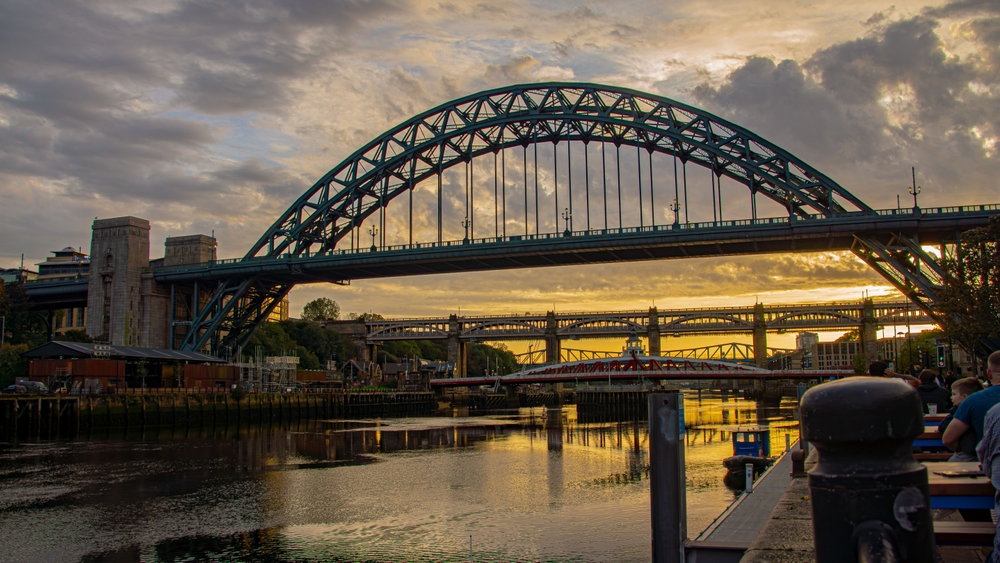
The River Tyne flows through northern England and once suffered from severe pollution during the height of the industrial era. Coal mining, shipbuilding, and factory waste left the water in poor condition for many decades. By the middle of the twentieth century, fish populations had nearly vanished from several stretches of the river. Cleanup efforts and environmental rules gradually improved water quality.
As the river became healthier, fish slowly began returning to areas where they had been absent for years. Atlantic salmon now migrate through the Tyne once again during spawning seasons. Anglers often gather along the riverbanks hoping to see or catch these returning fish. The Tyne now stands as a strong example of how industrial rivers can recover when pollution is reduced.
Loire River, France
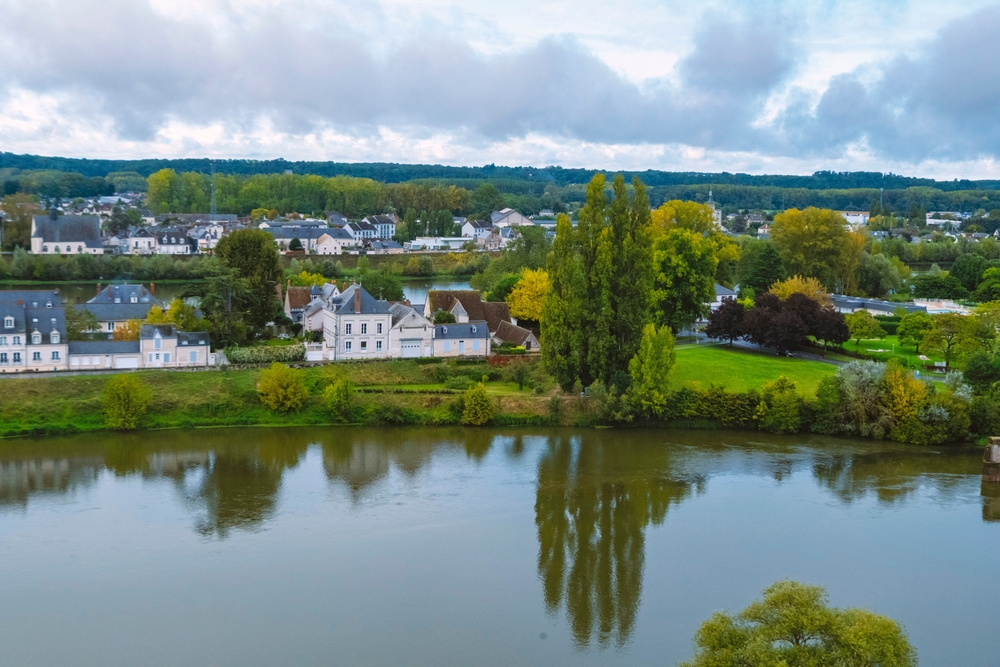
The Loire River stretches across central France and has long played an important role in the country’s natural history. In earlier centuries, Atlantic salmon traveled far upstream through the river system to reach mountain spawning grounds. Large dams built during the twentieth century blocked these migration routes and reduced salmon numbers. Over time, several barriers were removed while fish passage routes were improved.
These changes reopened sections of the river that had been closed to migratory fish for decades. Salmon once again appear in parts of the Loire where they had nearly vanished. Conservation groups continue working with local communities to protect tributaries and spawning areas. Although the runs remain smaller than historic levels, the river now shows clear signs of recovery.
Rhine River, Europe
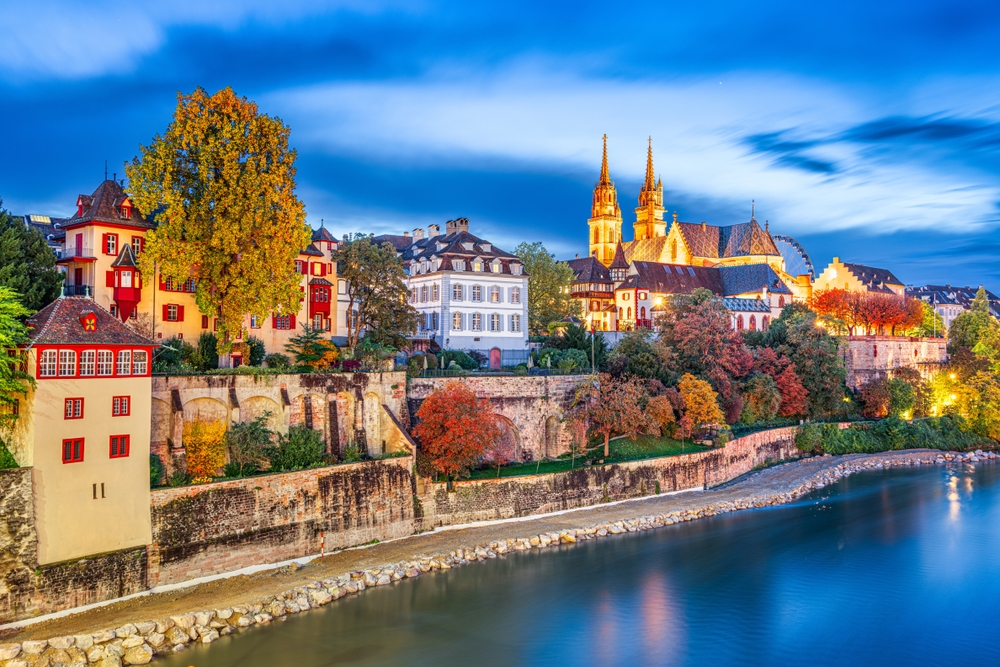
The Rhine River flows across several European countries and has long served as a major transportation route and cultural landmark. During much of the twentieth century, heavy industry and chemical plants released waste that severely damaged water quality. Fish populations declined sharply, and many migratory species disappeared from large sections of the river. By the late twentieth century, governments recognized that coordinated action was needed to restore the river’s health.
Countries along the Rhine began working together to reduce pollution and repair damaged waterways. Large cleanup programs improved water quality while new fish passages helped species move around dams. Atlantic salmon, which had vanished from the river for many years, began appearing again in some tributaries. Although numbers remain modest, their return signals a meaningful shift in the river’s condition and shows how international cooperation can help revive major waterways.
Snake River, United States
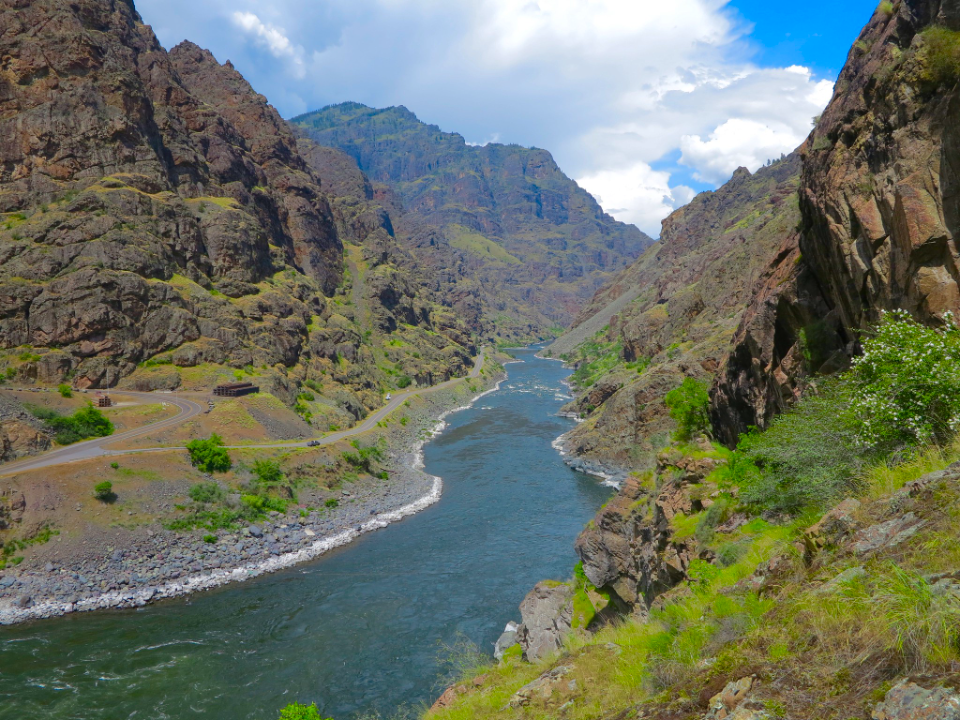
The Snake River winds through the Pacific Northwest and serves as one of the most important tributaries of the Columbia River system. In earlier times, it supported enormous runs of salmon and steelhead that traveled hundreds of miles inland to spawn. Hydroelectric dams built during the twentieth century blocked parts of these migration routes and reduced access to historic spawning areas. As fish numbers dropped, researchers and conservation groups began studying ways to help the runs recover.
Fish passage systems were installed at several dams to help migrating fish move upstream. Improvements to tributaries and spawning habitat also helped support returning runs. Today, salmon and steelhead continue to travel through parts of the Snake River basin during their seasonal migrations. Scientists track these movements carefully because the river remains central to the wider salmon migration network of the Pacific Northwest.
River Severn, United Kingdom
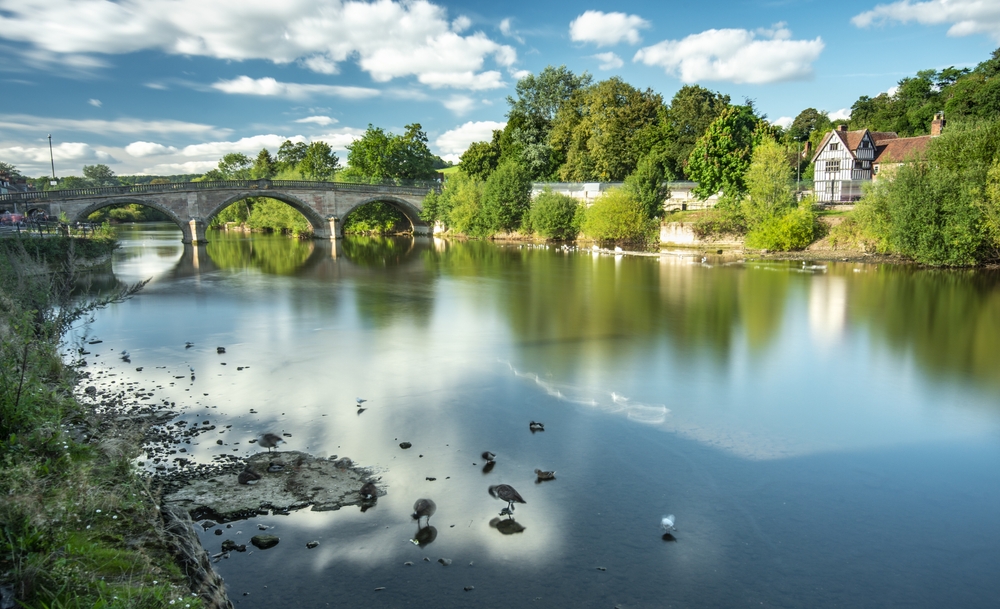
The River Severn begins in the mountains of Wales and flows through western England before reaching the Bristol Channel. For centuries, the river supported migratory fish that traveled upstream to reach spawning grounds in its tributaries. Industrial pollution and river modifications reduced fish numbers during the twentieth century. Water quality gradually improved as environmental regulations limited pollution entering the river.
As conditions improved, several fish species began appearing again during seasonal migrations. Atlantic salmon now return to parts of the Severn where they had been scarce for many years. The river is also known for powerful tidal surges that move upstream from the Bristol Channel. These dramatic tides create a unique environment that continues to shape fish movement and habitat along the river.
Hudson River, New York, United States
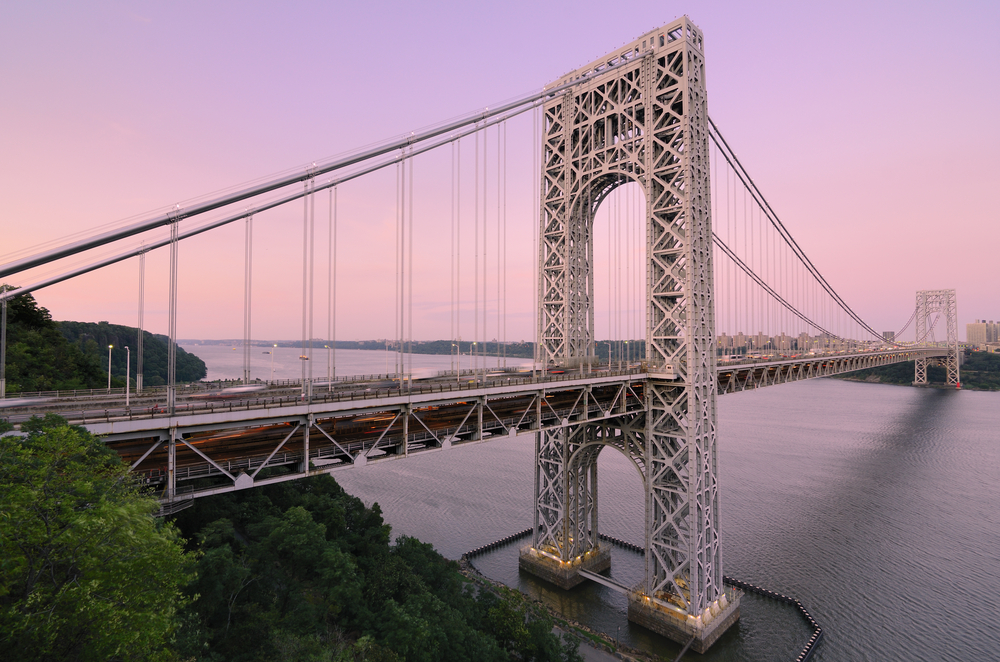
The Hudson River flows through eastern New York and has long played a major role in the region’s history and economy. During the twentieth century, factories released chemicals that polluted sections of the river and harmed fish populations. Over time, these pollutants accumulated in sediments and caused serious environmental concerns. Cleanup efforts began in the late twentieth century as stronger environmental laws were introduced.
Water quality slowly improved as restoration programs removed contaminated sediments and reduced industrial pollution. Migratory fish gradually returned to the river during seasonal spawning runs. American shad and striped bass now move upstream each spring, drawing anglers and wildlife watchers to the shoreline. Their return shows how a large river flowing through a major city can recover when long-term cleanup efforts are maintained.
This article originally appeared on Avocadu.