
11 River Delta Towns With Murals And Levee Walks
River delta towns along major American waterways often turn flood protection into shared public space. Many of these communities line their levees and flood walls with murals that reflect local history, river culture, and everyday life. The artwork adds visual interest while the levee paths provide scenic routes for walking and gathering near the water. Together, these spaces show how river towns blend safety, art, and outdoor activity in ways that feel natural and welcoming.
This post may contain affiliate links, which helps keep this content free. Please read our disclosure for more info.
Vicksburg
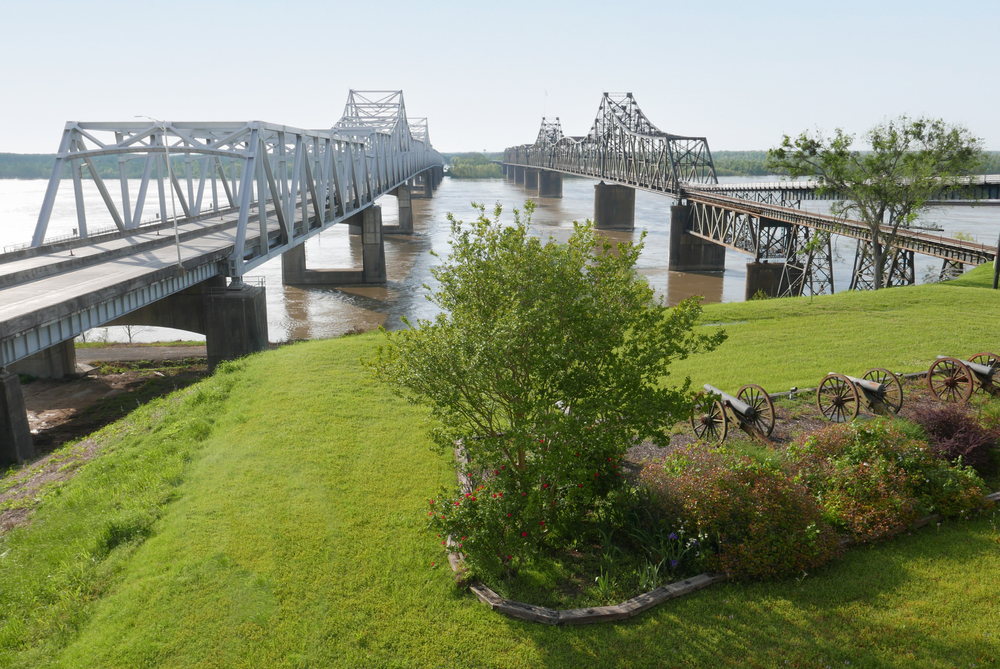
Vicksburg sits above a long bend in the Mississippi River, where its levees play a visible role in daily life. The flood walls along the riverfront are painted with murals that show riverboats, local workers, and moments tied to the city’s past. These painted surfaces turn plain barriers into visual storytelling spaces that connect residents to the river’s influence. Walking paths along the levee allow visitors to view the art while staying close to the water.
The levee walk feels open and unhurried, with wide paths and clear views of passing barges. Murals appear in sequence, encouraging slow movement rather than quick stops. This pairing of art and walking space reflects how the city treats river protection as part of its public identity. The result feels grounded in place rather than decorative.
Greenville
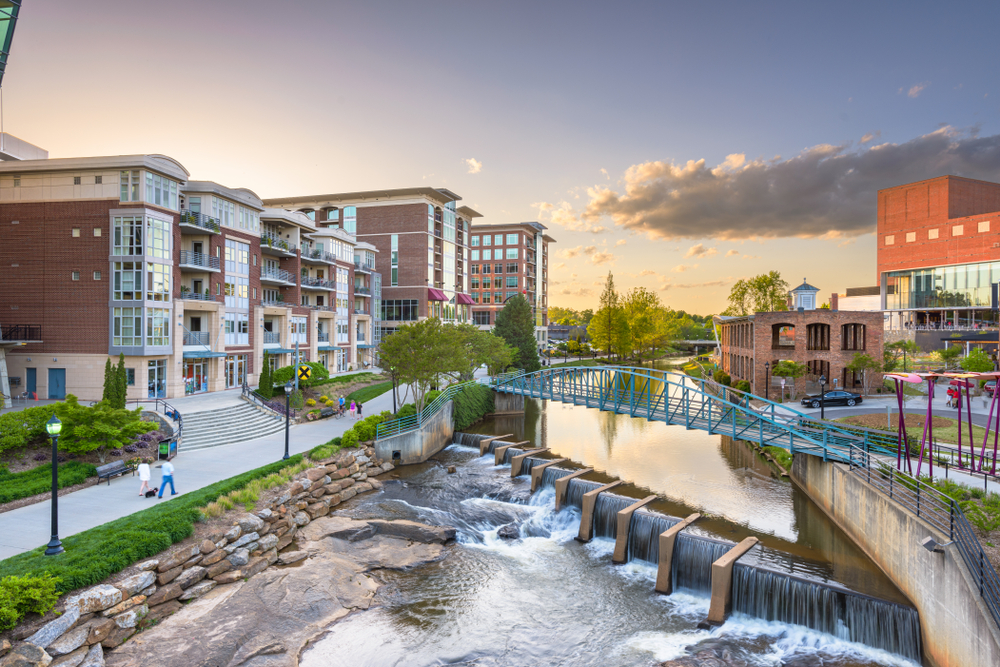
Greenville uses its flood walls as visual records of Delta culture and river history. Large murals along the levee depict blues musicians, cotton farming, and river commerce that shaped the town. These images soften the scale of the flood barriers while giving residents something familiar to connect with. The riverfront setting keeps the focus on how closely daily life remains tied to the Mississippi.
The levee path stretches along the water and stays active throughout the day. Walkers, cyclists, and families use the space as a casual route rather than a destination. Murals appear at intervals, creating a rhythm that matches the pace of walking. The protective structure becomes part of the town’s shared outdoor space.
Natchez
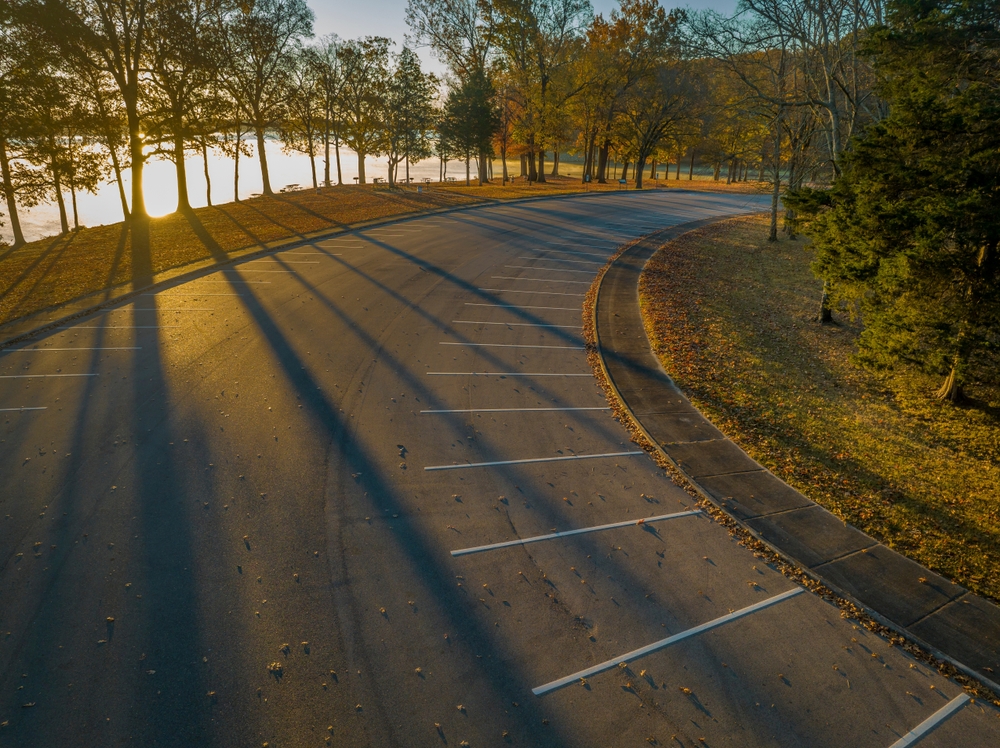
Natchez blends river protection with storytelling through murals painted along its flood walls. The artwork highlights Native history, river trade, and the city’s role as a port. These scenes add warmth and context to concrete structures that would otherwise feel imposing. The river remains visible from nearly every point along the levee.
Walking paths follow the length of the flood wall and connect overlooks, benches, and shaded areas. The murals invite people to pause without interrupting the flow of movement. This layout encourages both reflection and casual use. The levee functions as both a shield and a shared walkway.
Helena-West Helena
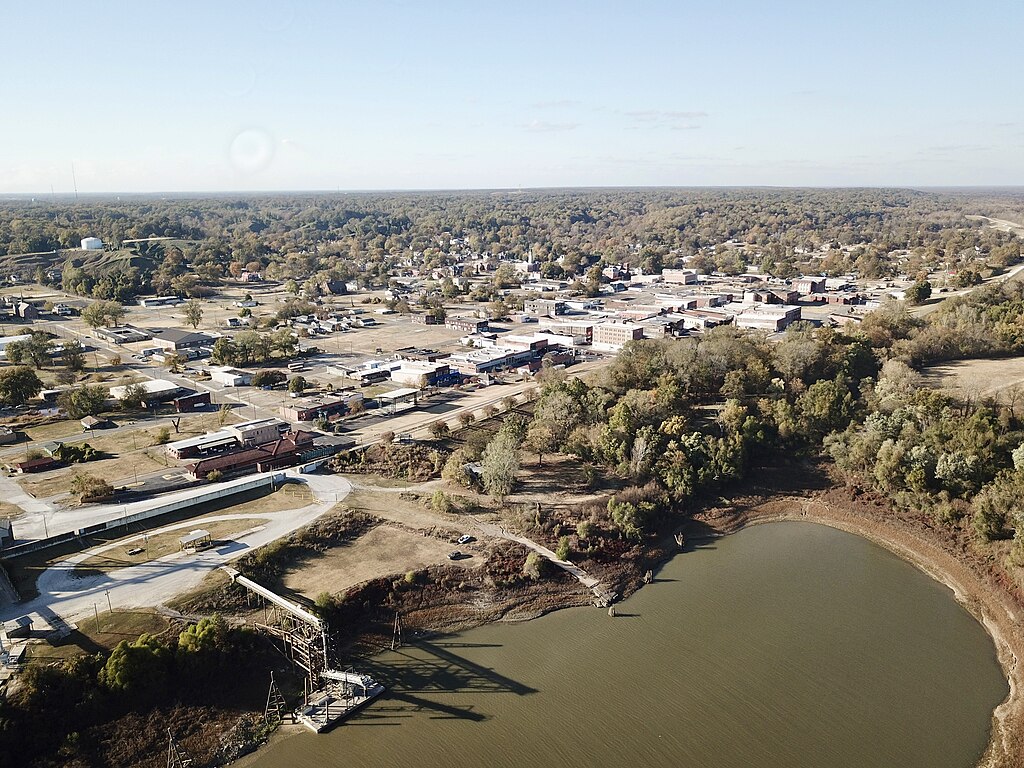
Helena-West Helena sits directly on the Mississippi River, where its flood walls feature murals tied to Delta music and river life. The paintings highlight blues legends, steamboats, and community scenes that feel closely tied to local memory. These murals help anchor the town’s identity to the riverfront. The artwork adds color and meaning to structures built for protection.
The levee walk runs parallel to the river and feels calm rather than busy. Open views allow walkers to watch river traffic while moving through the mural-lined route. The space encourages everyday use rather than special trips. Art and movement exist side by side without competing.
Baton Rouge
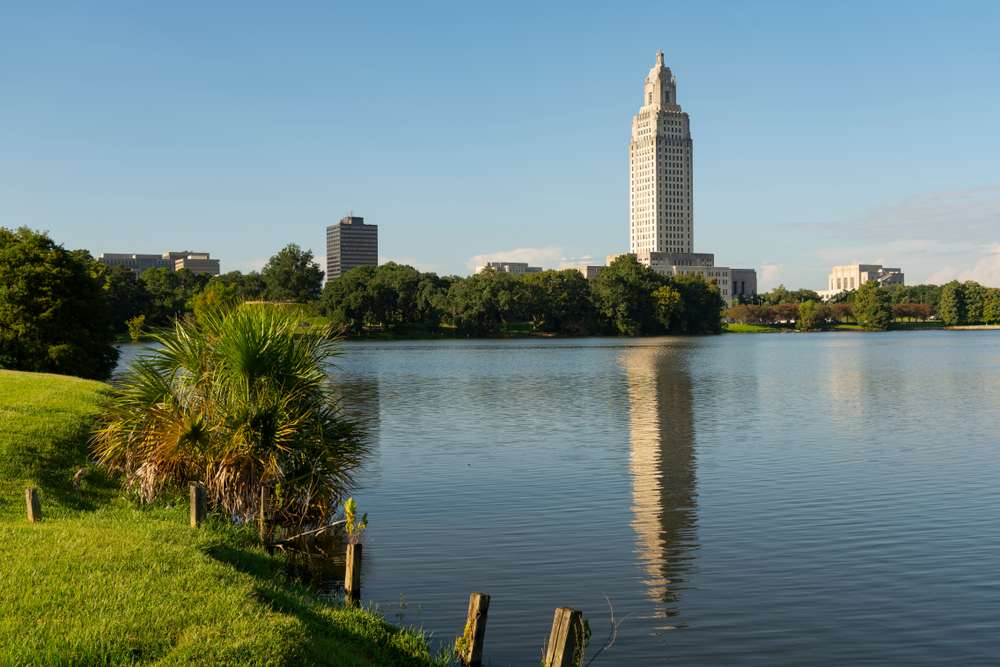
Baton Rouge uses sections of its Mississippi River flood walls as large public art surfaces. Murals portray river commerce, cultural gatherings, and regional traditions that shaped the city. These visuals bring a human scale to tall concrete walls near the water. The riverfront setting keeps the focus on movement and flow.
Levee paths in this area connect parks and open spaces along the river. Walkers pass murals as part of a longer route rather than stopping at a single point. The art feels integrated into daily routines. Protection and public use share the same footprint.
New Orleans
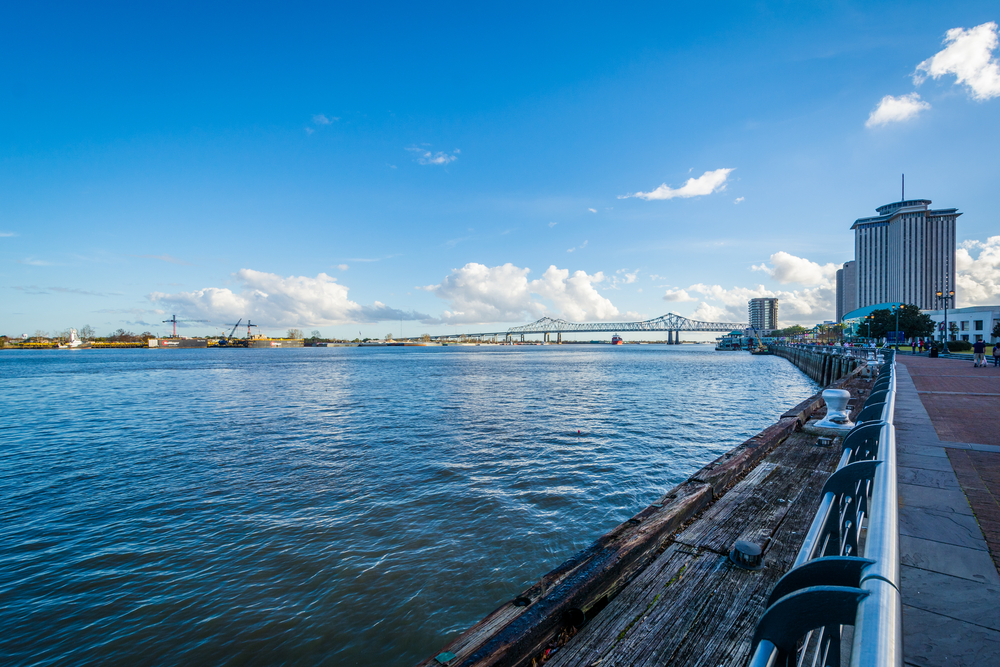
New Orleans treats its river defenses as cultural surfaces that reflect local history and creativity. Flood walls along the Mississippi feature murals showing music, parades, and river scenes tied to the city’s character. These paintings bring life to infrastructure built to manage water levels. The river remains a constant presence just beyond the walls.
Levee walks stretch across neighborhoods and provide steady pedestrian routes. Murals break up long sections of concrete and give walkers visual markers along the way. The experience feels layered rather than flat. Infrastructure becomes part of storytelling rather than background.
Memphis
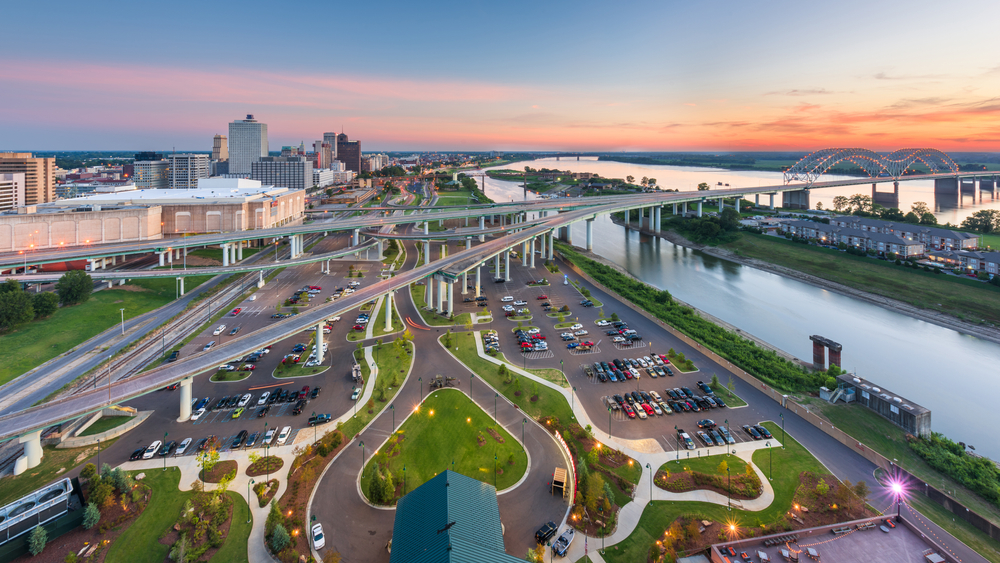
Memphis lines parts of its Mississippi River flood walls with murals tied to music and river commerce. The artwork highlights blues roots, shipping history, and everyday riverfront scenes. These images give depth to structures designed for flood control. The river’s movement mirrors the rhythm shown in the paintings.
Levee paths connect downtown spaces with quieter riverfront areas. Walkers pass murals while staying close to the water’s edge. The layout encourages steady movement with moments of visual interest. Art and walking share the same uninterrupted stretch.
Dubuque
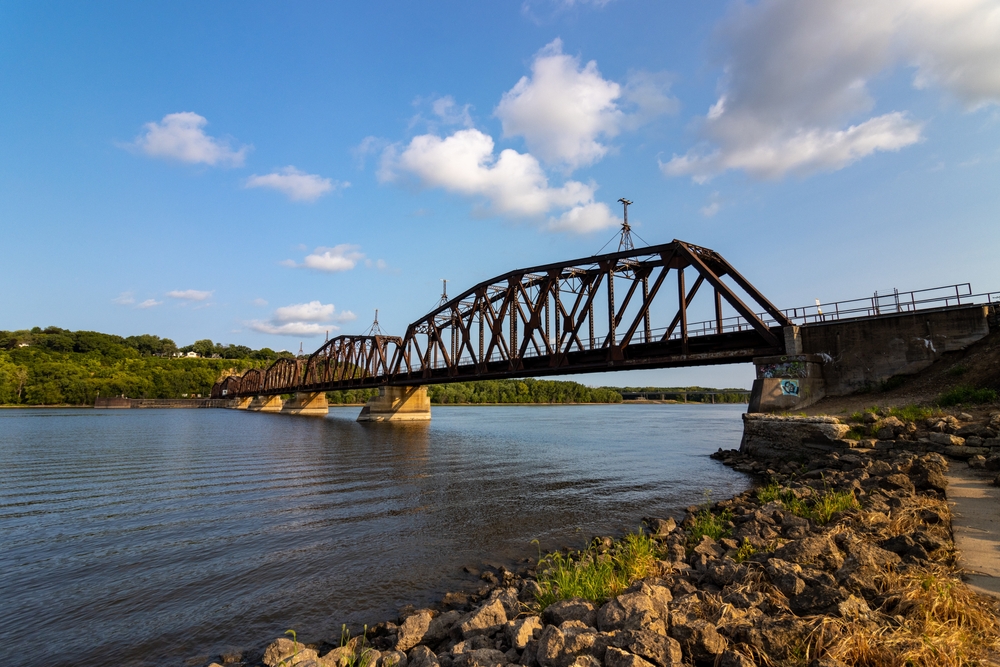
Dubuque uses its Mississippi River flood walls to display murals focused on river trade and regional history. The paintings reflect the city’s long relationship with shipping and industry. These visuals soften the look of protective barriers near the water. The riverfront feels more approachable as a result.
Levee walks run alongside these murals and connect parks and public spaces. The paths feel open and easy to follow. Murals appear as part of the walk rather than separate stops. The river remains visible and central throughout the route.
St. Joseph
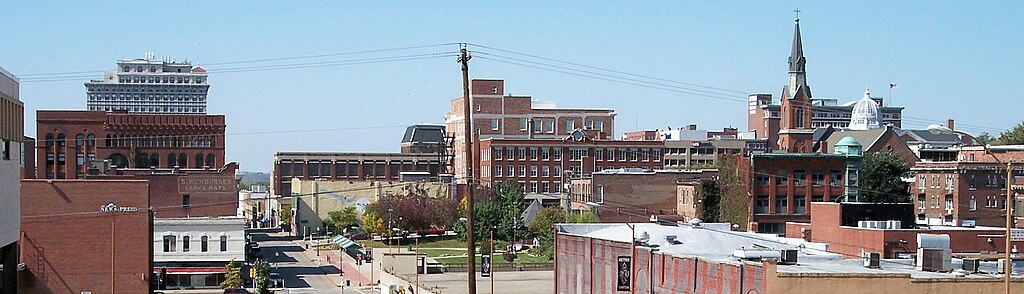
St. Joseph features flood murals along the Missouri River that highlight westward travel and river history. These large paintings add narrative detail to functional structures. The artwork reflects the town’s role as a river crossing and supply point. Concrete surfaces gain context through imagery.
The levee walk follows the river and provides clear sightlines across the water. Murals break the long stretch into readable sections. Walkers experience history while staying active. Protection and public use exist together naturally.
Alton
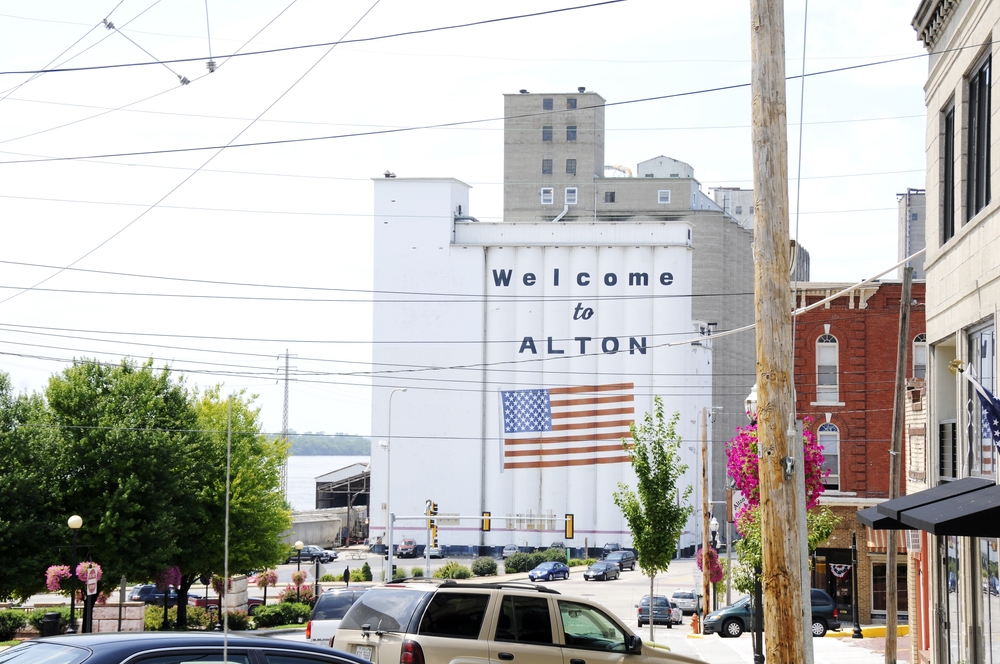
Alton’s Mississippi River flood walls display murals that focus on river travel and local events. The paintings bring warmth to tall protective surfaces near the downtown area. These images connect the town’s past with its present riverfront use. The river remains visible just beyond the walls.
Levee paths allow steady foot traffic along the water. Murals appear at intervals that match walking pace. The route feels inviting rather than industrial. Art becomes part of daily movement.
Stockton
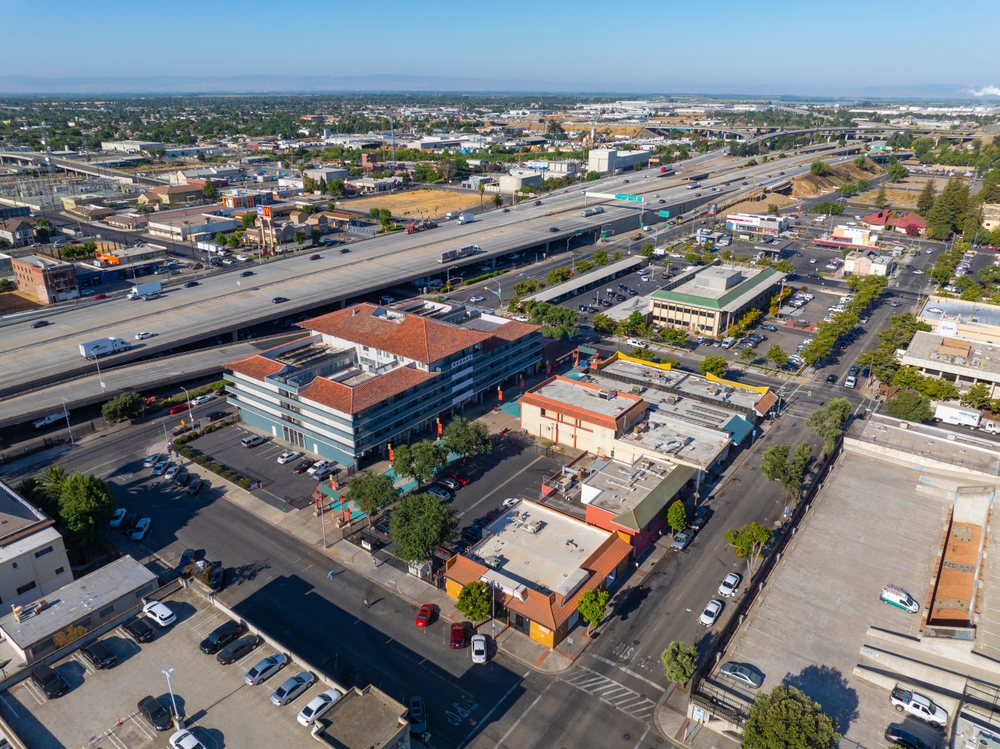
Stockton sits within the Sacramento-San Joaquin Delta, where levees shape both safety and public space. Murals along flood walls depict agricultural history and river life unique to the Delta. These paintings turn protective barriers into community landmarks. The riverfront gains visual depth through storytelling.
Levee walks run beside channels and waterways, offering flat and accessible routes. Murals give walkers visual reference points along longer stretches. The experience feels calm and grounded. Infrastructure supports both safety and daily activity.
This article originally appeared on Avocadu.