
13 Resilient Plants That Survive on Bare Cliffs With Almost No Soil
Cliffs can seem like an unlikely place for plants to thrive, but nature has found a way to make it possible. From steep rocky faces to windswept ledges, certain plants have developed unique adaptations to survive in these harsh environments. These resilient plants may not have the luxury of deep soil or abundant water, but they make do with what they can find. With roots that cling tightly to rocky surfaces, they endure strong winds, intense sunlight, and chilly temperatures. Many of these plants rely on their ability to store moisture or grow in small cracks, allowing them to hang on in places where few others can.
This post may contain affiliate links, which helps keep this content free. Please read our disclosure for more info.
Spanish Moss (Tillandsia usneoides)
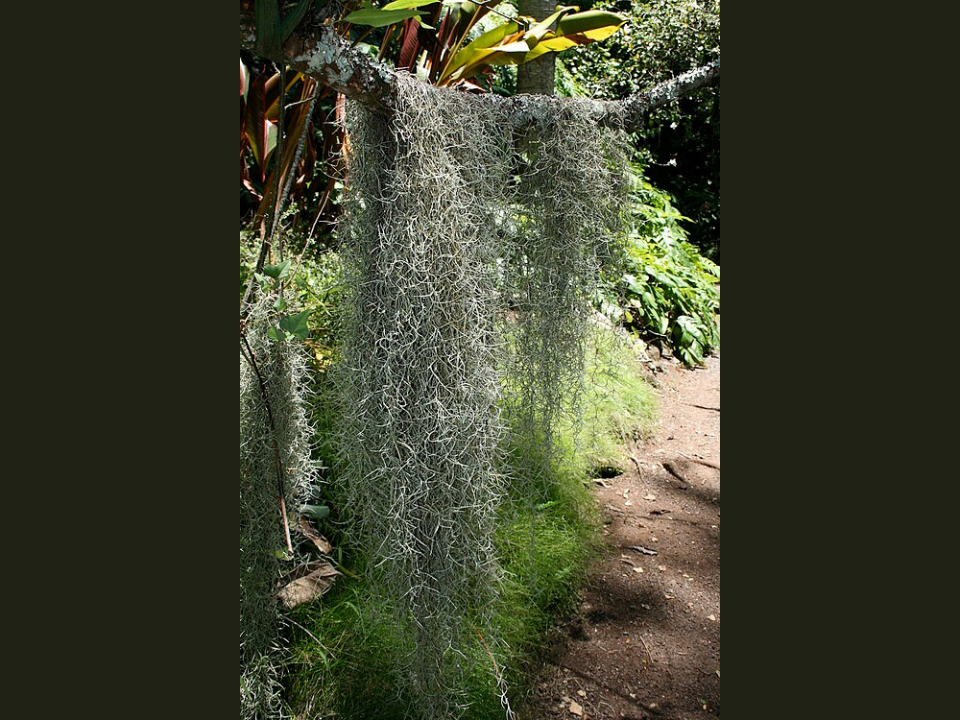
Spanish moss is often seen draping across the branches of trees in warm climates, but it thrives in cliff-side habitats where it can absorb moisture from the air. This plant is an epiphyte, meaning it does not need soil to grow.
Spanish moss uses its roots only to attach itself to trees or rocky surfaces. It depends on humidity and rainfall for nutrients, making it perfectly suited to the cliffs it calls home. While it may look delicate, Spanish moss can survive harsh conditions, including wind and direct sunlight. Its long, gray strands sway with the breeze, giving it a mysterious, floating appearance. Spanish moss is often found in subtropical and tropical regions, where it plays a role in creating unique ecological landscapes.
Fuchsia Heath (Epacris reclinata)
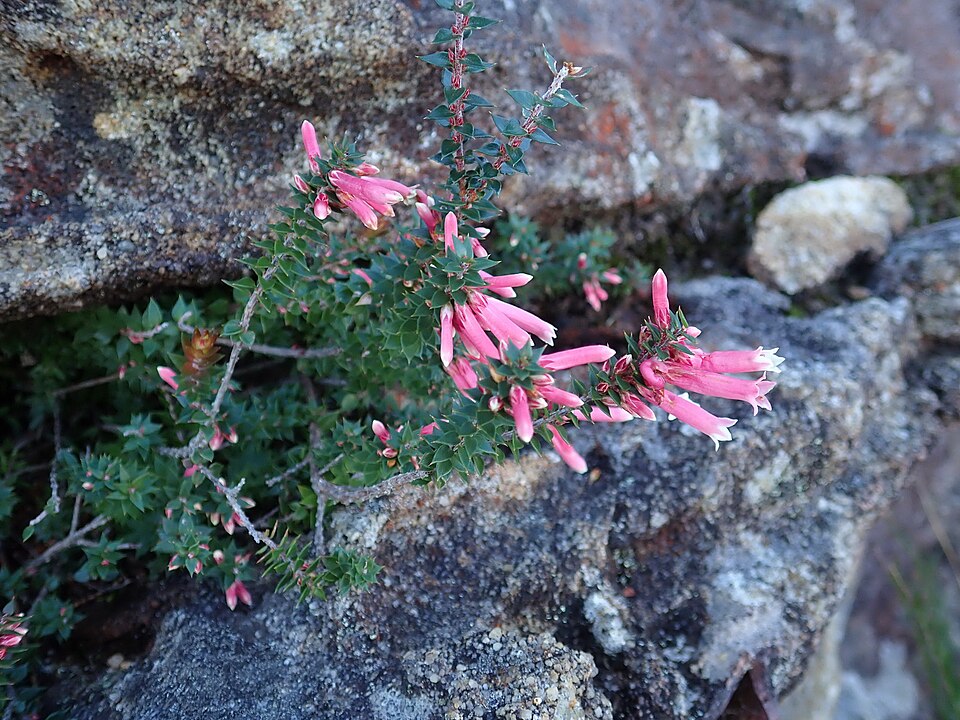
Native to the rocky cliffs and hillsides of California, the fuchsia heath is a resilient plant that grows in poor, well-drained soils. Known for its vibrant, tubular flowers, this plant thrives in full sun and can tolerate dry conditions. The fuchsia heath is drought-tolerant, making it a perfect addition to areas with limited water sources.
Its roots cling tightly to the rocks, providing it with stability as it weathers extreme temperatures. The bright flowers attract hummingbirds, adding an element of beauty to the stark cliffs. It can grow in cracks and crevices, utilizing minimal space to thrive. Fuchsia heath’s ability to endure wind and temperature fluctuations makes it a standout survivor in rocky environments.
Sedum Palmeri (Sedum spp.)
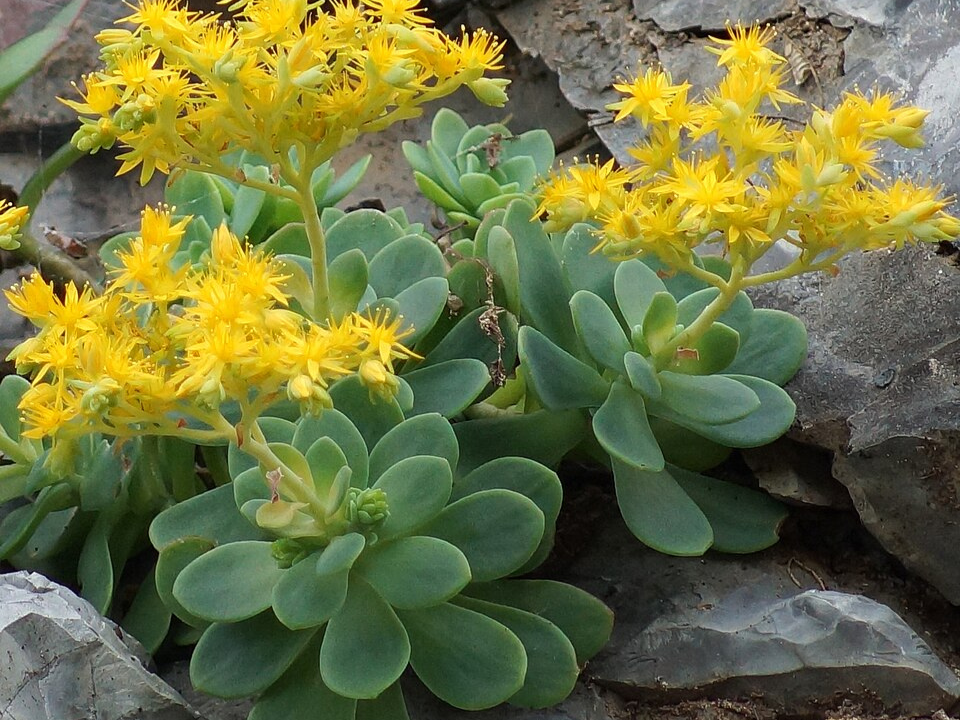
Sedum palmeri is a group of hardy succulents that grow well on cliffs and rocky slopes. Their thick, fleshy leaves help them retain moisture, allowing them to survive in areas with little water. Sedum palmeri can thrive in various environments, from high-altitude cliffs to dry, sun-baked ledges. They are often found in cracks and crevices, where their shallow root systems can anchor them to rocky surfaces.
Sedum palmeri produce clusters of tiny flowers, usually in shades of yellow, pink, or red, attracting pollinators to these otherwise inhospitable environments. Their ability to adapt to extreme conditions, such as direct sunlight and cold nights, makes them ideal for cliff-side growth. Additionally, they help prevent soil erosion, making them valuable in preserving the integrity of cliff habitats.
Alpine Buttercup (Ranunculus adoneus)
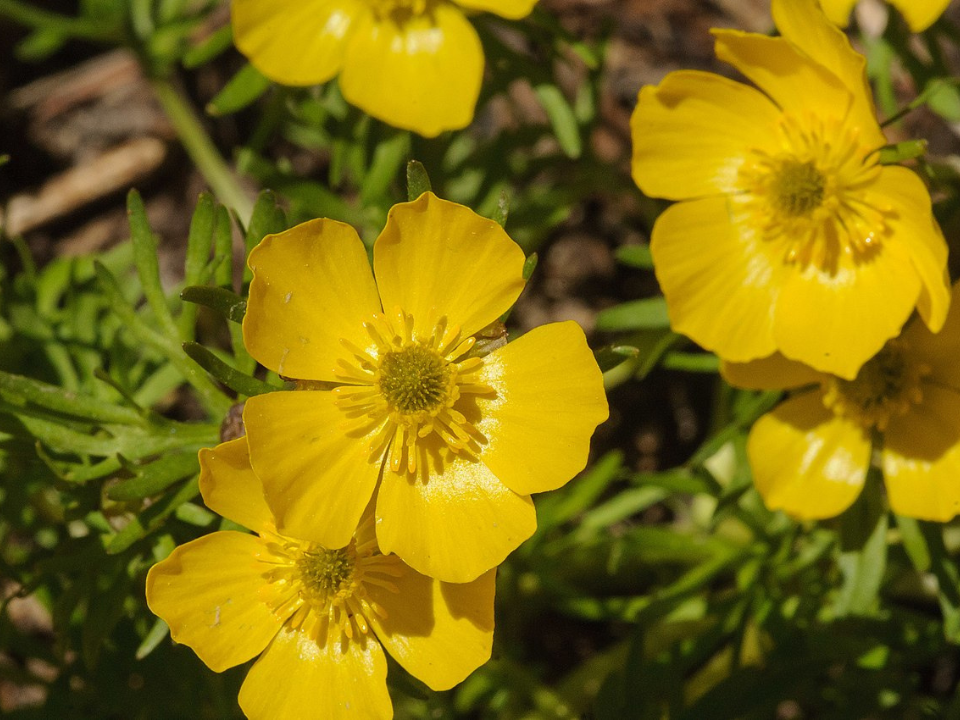
Alpine buttercup is a hardy perennial that thrives in high-altitude cliff habitats. Known for its striking yellow flowers, this plant is well-adapted to survive in cold, rocky environments. It has developed a deep root system that allows it to anchor securely into the soil or rock surfaces.
The buttercup’s ability to withstand harsh winds and freezing temperatures makes it a perfect candidate for cliff-side growth. During the summer, its bright flowers bloom, providing a splash of color against the otherwise rocky terrain. In winter, the plant enters a dormant phase, relying on its stored nutrients to survive the cold. Alpine buttercup’s resilience is a testament to its ability to thrive in tough conditions.
Moss Campion (Silene acaulis)
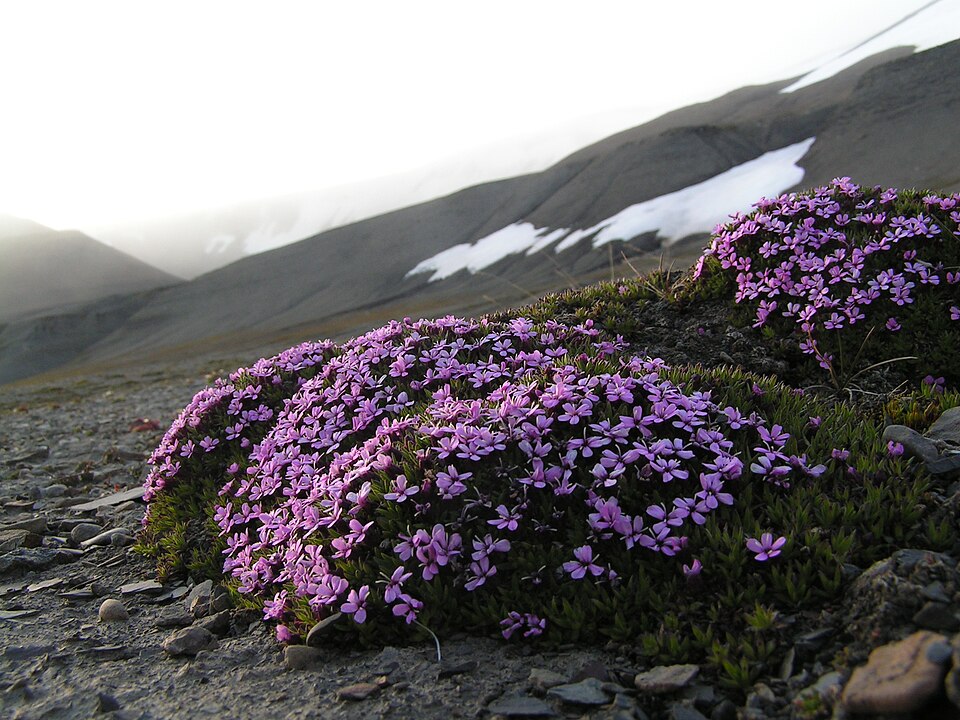
Moss campion is a small, cushion-like plant that thrives in high-altitude cliff habitats across North America and Europe. It is an excellent example of a plant that has adapted to harsh, rocky environments with minimal soil. The moss campion forms dense mats that provide insulation for its roots, helping it survive freezing temperatures.
This plant is often found clinging to cliffs, rock crevices, and even alpine meadows. Its small pink or white flowers bloom in the short summer months, attracting pollinators. Moss campion is a symbol of resilience, able to endure strong winds, cold, and snow. Its ability to spread and form tight cushions helps it retain moisture, making it one of the hardiest cliff dwellers.
Rock Jasmine (Androsace septempunctata)
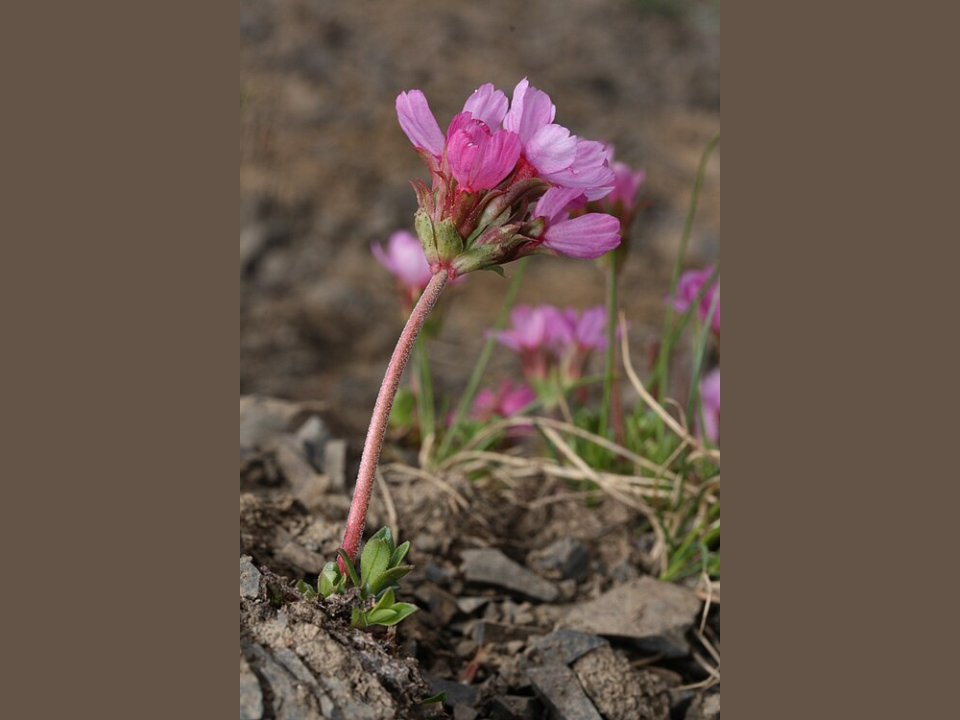
Rock jasmine is another alpine plant that thrives in rocky, steep cliff habitats. It is known for its delicate, fragrant flowers that range in color from white to pink. The plant has adapted to life on cliffs by developing a deep, fibrous root system that allows it to anchor to the rocks. This root system also helps it absorb the minimal nutrients available in these harsh environments.
Rock jasmine blooms during the summer, brightening the cliffs with its sweet-scented flowers. It is capable of surviving cold temperatures and low water availability, making it an ideal plant for growing in thin air. Its natural habitat includes high-altitude cliffs, where it continues to thrive despite extreme conditions.
Cliff Strawberry (Fragaria vesca)
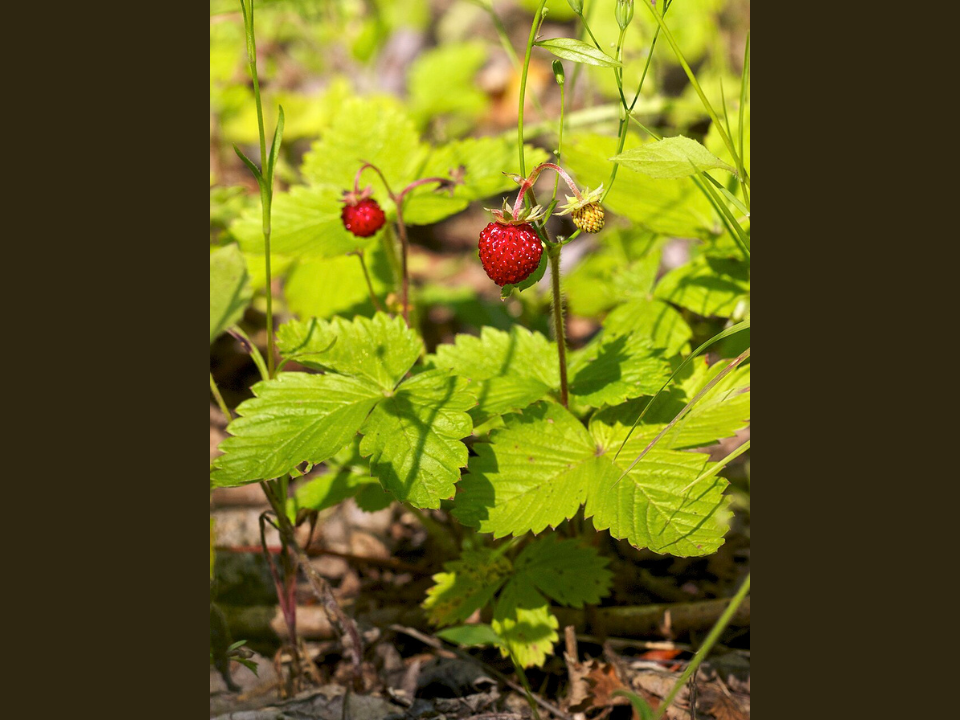
Cliff strawberry, also known as wild strawberry, is a low-growing plant that can be found in rocky, cliff-side environments across Europe and North America. Unlike its cultivated cousin, the cliff strawberry is small and compact, adapting perfectly to the rugged landscape. It produces sweet, edible berries that attract wildlife, making it an important part of the cliff ecosystem.
The plant’s root system is shallow but strong enough to anchor it to rocky surfaces. Its ability to grow in nutrient-poor, rocky soils makes it a survivor in areas where few other plants can thrive. Cliff strawberries often grow in cracks and crevices, taking advantage of the moisture trapped in these sheltered spaces. The plant is well-suited for the harsh, exposed cliff environments it calls home.
Crusty Lichen (Xanthoria spp.)
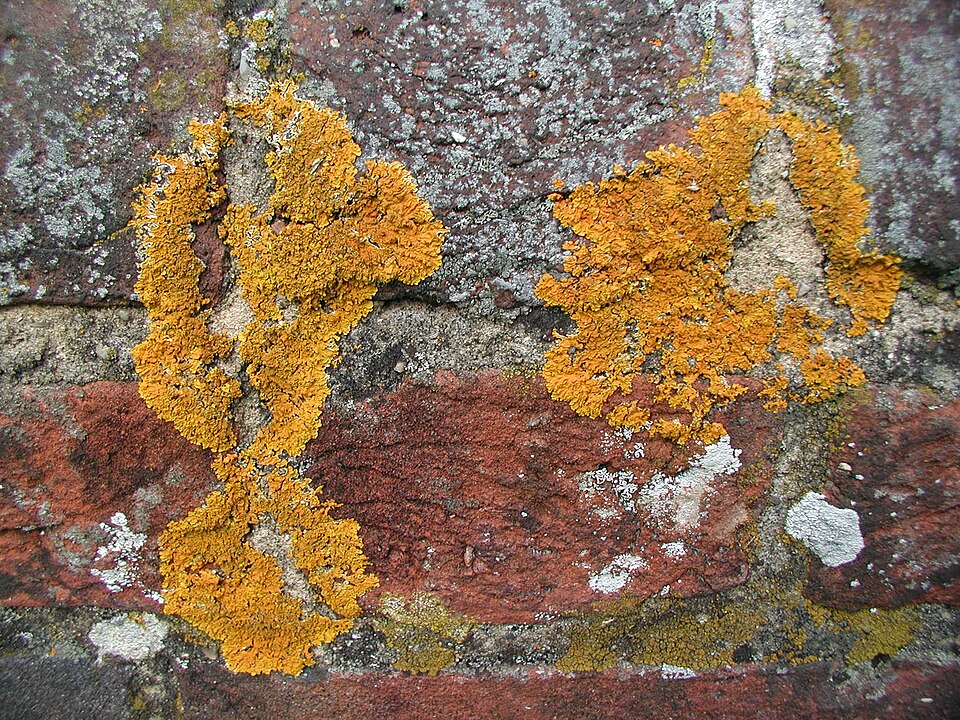
Lichens are one of nature’s most fascinating survivors, and crusty lichen is no exception. These organisms thrive in some of the harshest environments, including cliffs and rock faces where few plants can survive. Lichens are not just a single plant; they are symbiotic organisms made up of a fungus and an algae or cyanobacterium.
Crusty lichen can live in areas with little to no soil, obtaining nutrients from the air and rain. Their ability to cling tightly to rock surfaces helps them resist strong winds and other environmental stressors. Lichens play a vital role in the ecosystem by helping break down rocks, creating soil for other plants to grow. Their bright colors and patterns make them a fascinating addition to any cliffside habitat.
Stonecrop (Crassula Rupestris)
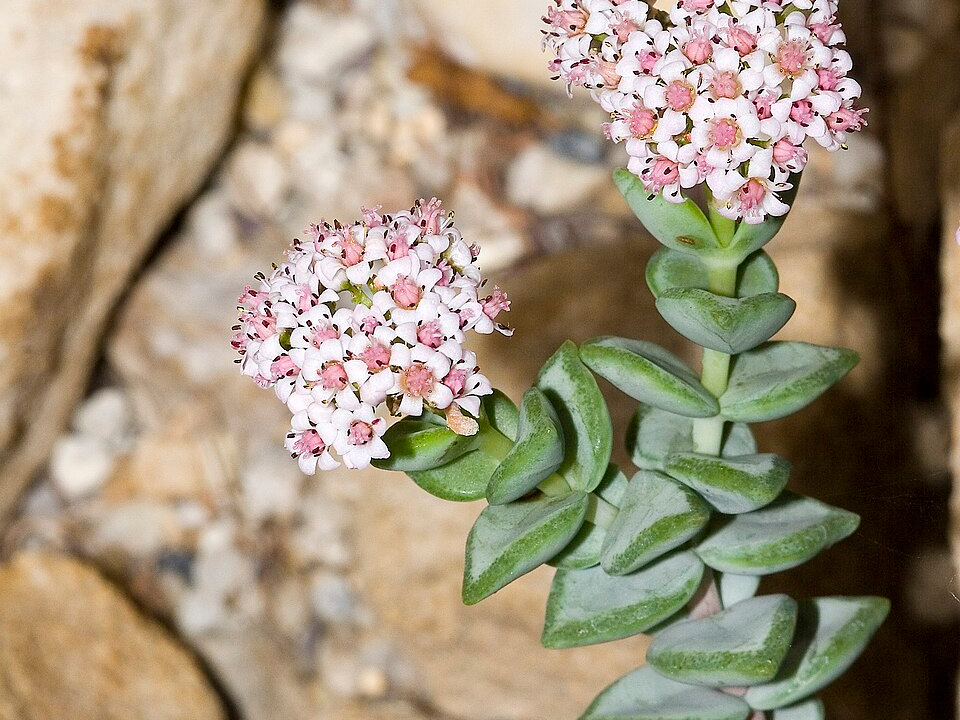
Stonecrop, like sedum, is a group of succulents that thrive in dry, rocky environments. These plants are highly drought-resistant and can store water in their fleshy leaves, allowing them to survive in cliff-side locations where rainfall is sparse. Stonecrop has a low, spreading growth habit, which helps it cling to rocks and prevents soil erosion.
The plant’s tiny flowers are usually white or yellow, providing a delicate contrast to the harsh, rocky cliffs. Its thick leaves protect it from the sun and allow it to conserve moisture, making it an ideal candidate for cliff-side growth. Stonecrop is commonly found in dry, rocky areas of North America and Europe, where it thrives despite the harsh conditions. Its ability to adapt to extreme temperatures and low water availability makes it a resilient survivor.
Alpine Aster (Aster alpinus)
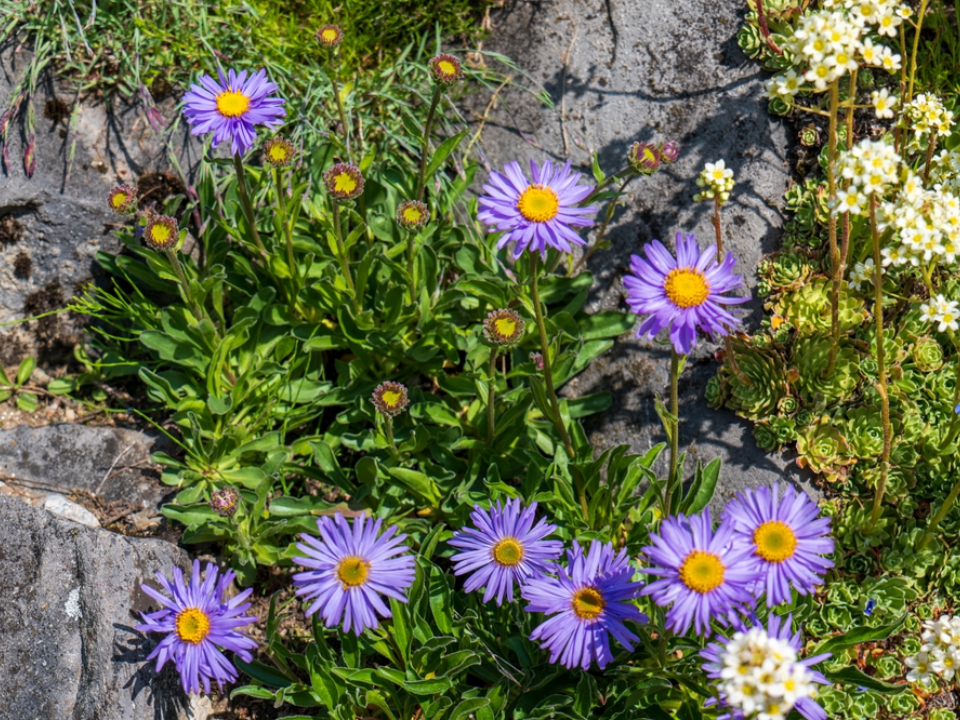
Alpine aster is a hardy perennial that thrives in the cold, rocky cliffs of high-altitude regions. It is known for its vibrant purple or blue flowers, which bloom during the short summer months. The plant has adapted to life in thin air by developing a deep, sturdy root system that helps it cling to rocky surfaces.
Alpine aster can survive cold temperatures and high winds, making it an excellent choice for cliff-side habitats. Its flowers attract pollinators, adding to the diversity of life on these barren cliffs. The plant’s resilience and ability to thrive in nutrient-poor soil make it a standout in alpine ecosystems. Alpine asters are a testament to the incredible adaptability of plants to extreme environments.
Alpine Forget-Me-Not (Myosotis alpestris)
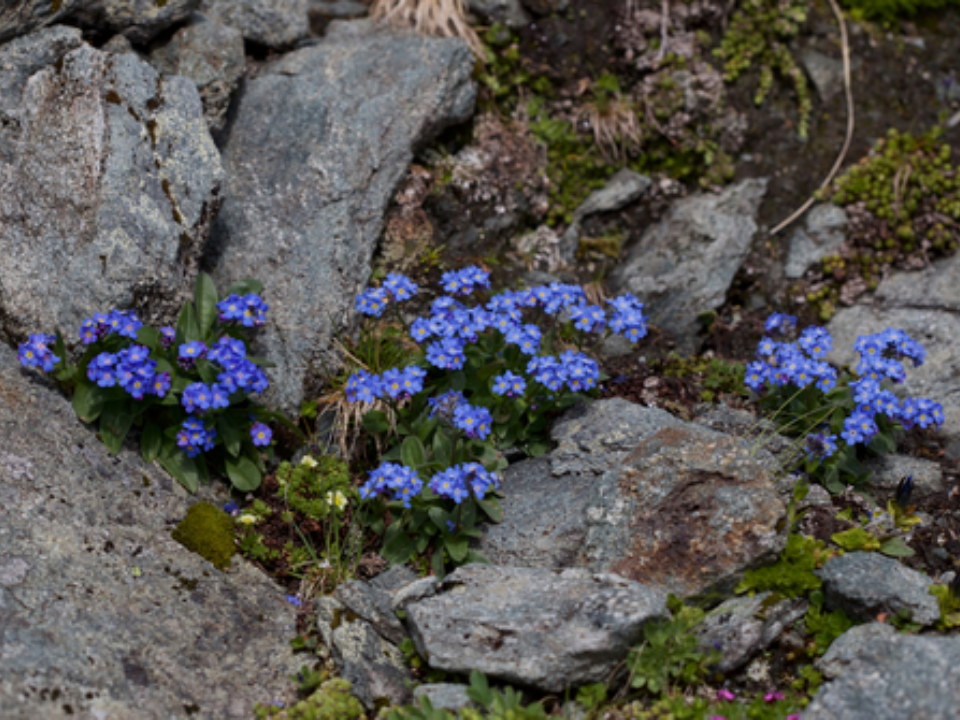
Alpine forget-me-not is a charming perennial found on rocky cliffs and alpine meadows. Known for its small, bright blue flowers, this plant thrives in high-altitude environments where the air is thin and temperatures are cold. The plant’s deep root system anchors it to the cliff face, helping it resist harsh winds.
Alpine forget-me-not is capable of enduring extreme weather, making it a valuable member of cliff-side ecosystems. Its flowers bloom during the brief summer months, attracting pollinators to these otherwise inhospitable areas. The plant is a symbol of resilience, adapting to life in nutrient-poor, rocky soils. Its beauty contrasts with the stark, rocky cliffs where it grows.
Purple Saxifrage (Saxifraga oppositifolia)
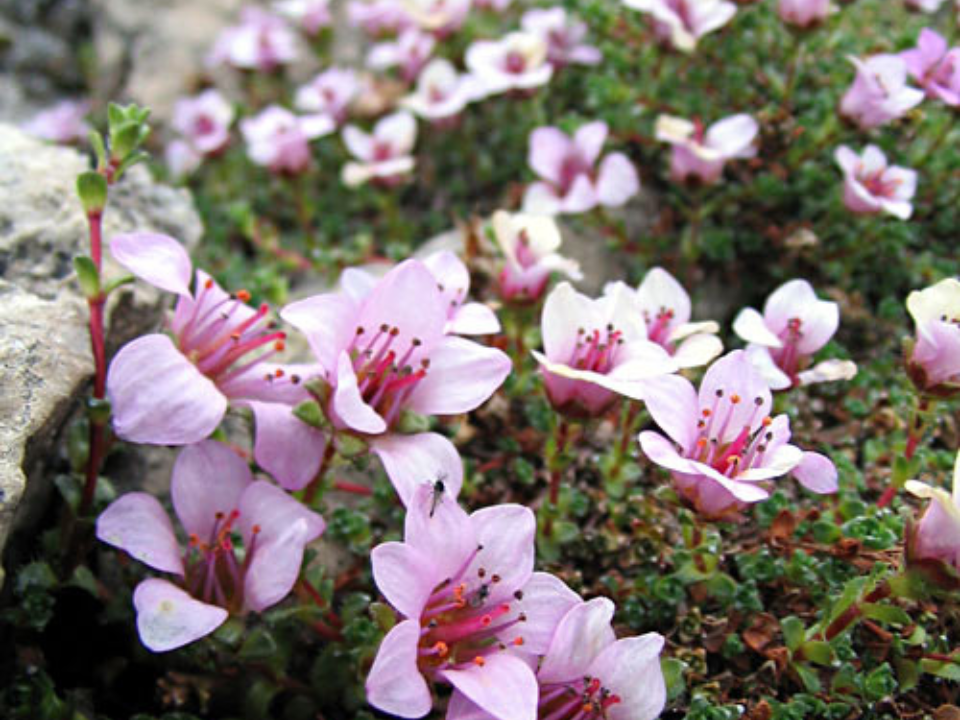
Purple saxifrage is one of the hardiest plants in the world, growing in cold, rocky environments such as cliffs and mountain slopes. It is known for its vibrant purple flowers, which bloom early in the spring before many other plants have begun to grow. Purple saxifrage is a cushion plant, forming dense mats that help protect it from the cold and wind.
The plant has a deep root system that allows it to cling securely to rocks, even in the harshest conditions. It thrives in alpine environments with short growing seasons, surviving on minimal nutrients. This plant’s ability to bloom in the cold, rocky habitats of northern latitudes makes it a remarkable survivor. Its bright flowers offer a stunning contrast to the stark, rocky landscape.
Glacier Lily (Erythronium grandiflorum)
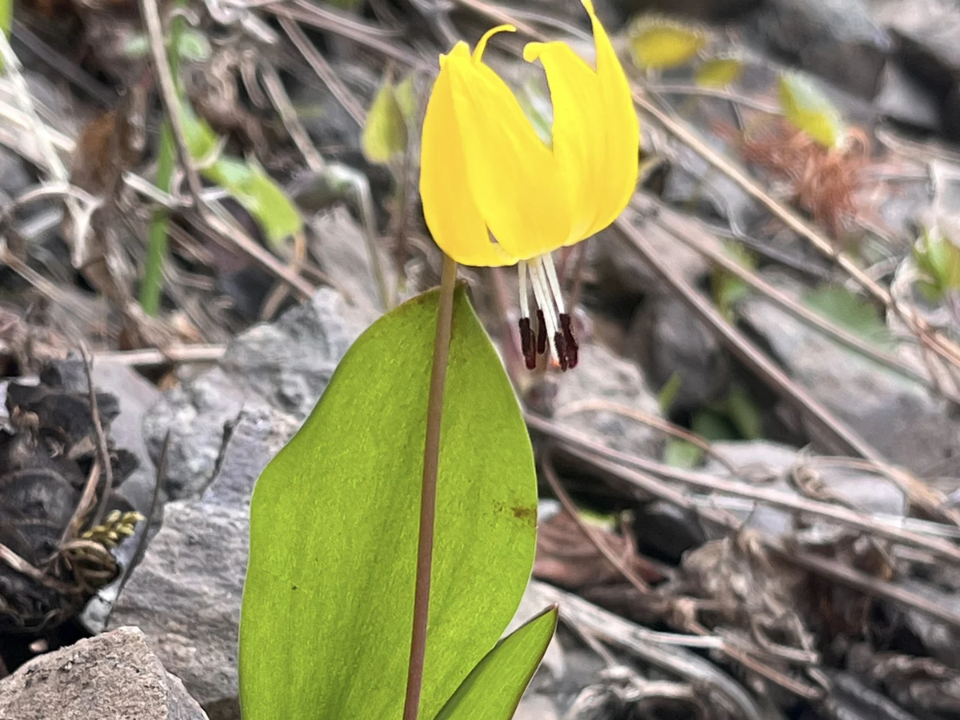
Glacier lily is a beautiful wildflower found in high-altitude cliff habitats in the western United States. This plant produces striking yellow flowers that bloom in the early spring, often before much of the snow has melted. The glacier lily thrives in rocky, well-drained soils and is perfectly suited for cliff environments where other plants may struggle.
Its long, slender stems and delicate flowers make it stand out against the rugged cliff backdrop. The plant’s ability to survive in nutrient-poor soils is due to its deep, spreading root system that anchors it firmly to the rocky surface. Glacier lily’s early blooming season and striking appearance make it a true survivor in the challenging environments of mountain cliffs.
This article originally appeared on Avocadu.