
15 Regional Cheeses That Taste Like the Place They Come From
Cheese has a way of capturing the essence of the land it comes from, reflecting the unique flavors and traditions of its region. From the rolling hills of Italy to the mountain pastures of Switzerland, each cheese tells a story of local culture, climate, and craftsmanship. Whether it is the rich, tangy taste of a French blue or the nutty, creamy texture of a Swiss wheel, every variety offers a glimpse into the place it was made. The ingredients, the methods, and the environment all come together to create something that goes beyond just flavor, it’s a taste of the region itself.
This post may contain affiliate links, which helps keep this content free. Please read our disclosure for more info.
Parmigiano Reggiano (Italy)
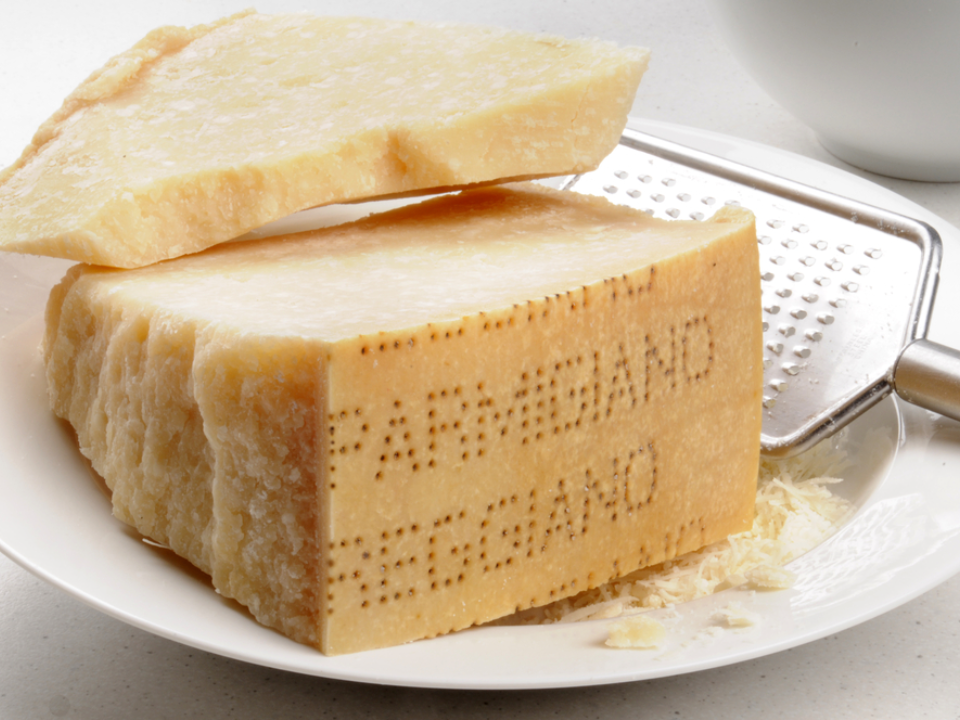
Parmigiano Reggiano is often called the “King of Cheeses” and has been crafted for over 800 years in the regions of Emilia-Romagna and Lombardy in northern Italy. This cheese carries a rich history, with each wheel aged for a minimum of 12 months. The cows that produce the milk for this cheese graze on the lush, green pastures of the Italian countryside, adding to the unique flavor profile of Parmigiano Reggiano.
Its texture is hard and granular, and it has a nutty, savory taste that intensifies with age. The cheese is carefully monitored during its maturation, and its natural rind ensures a perfect aging process. While this cheese is often grated over pastas and salads, its complex flavor is best enjoyed on its own or with a simple drizzle of balsamic vinegar. The landscape of the Po River Valley is reflected in the cheese’s character, embodying the depth and authenticity of Italian terroir.
Roquefort (France)
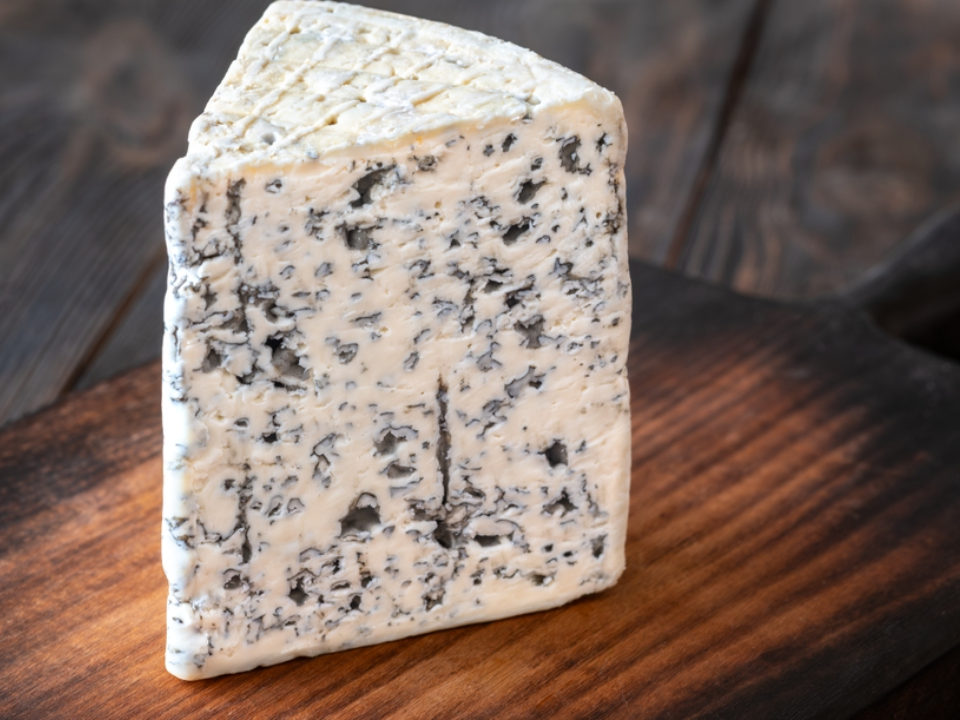
Roquefort is a blue cheese from the south of France, made from sheep’s milk and aged in the caves of Roquefort-sur-Soulzon. The caves, with their cool and damp conditions, provide the perfect environment for the Penicillium roqueforti mold to develop. This mold creates the characteristic veins of blue that run through the cheese, imparting a tangy and pungent flavor.
Roquefort has been a favorite of French kings, and its distinct sharpness is said to come from the richness of the local sheep’s milk. The flavor is bold and intense, with a creamy texture that contrasts beautifully with its crumbly edges. Roquefort is often enjoyed with fresh bread, pears, or a glass of robust red wine. The caves and the surrounding region’s history seep into each bite, making this cheese a true representation of the land it comes from.
Manchego (Spain)
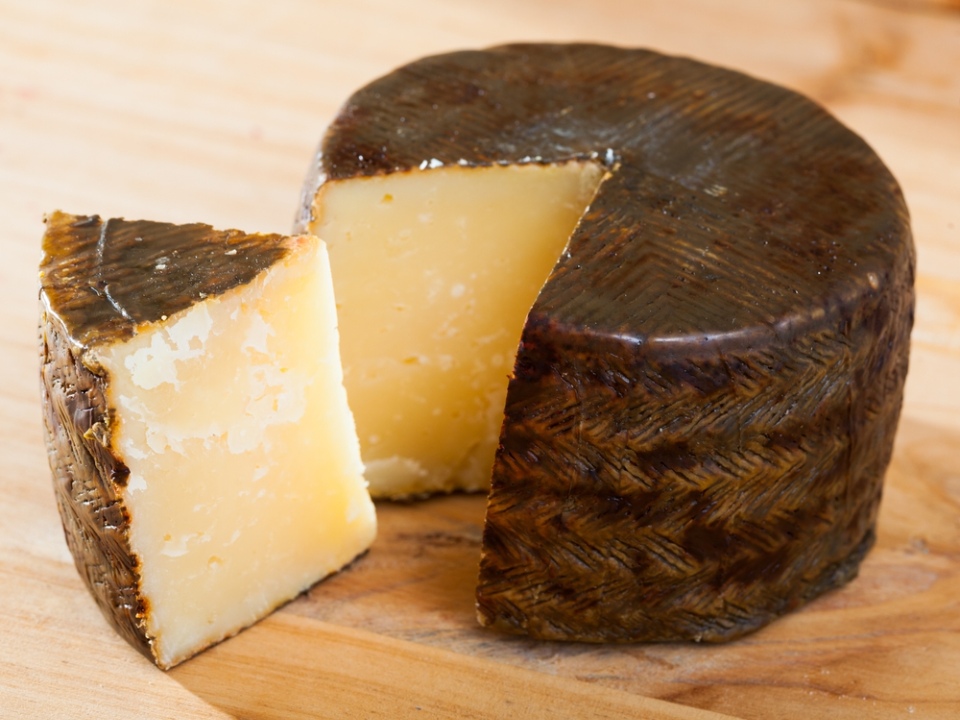
Manchego is a famous Spanish cheese originating from the La Mancha region, made from the milk of Manchega sheep. The cheese is produced in various ages, with the youngest being mild and soft, and the older varieties developing a sharper flavor. The rind of Manchego is firm and often waxed, which helps preserve the rich, nutty flavor that characterizes this cheese. Its interior is slightly crumbly, with a creamy texture that becomes firmer the longer it is aged.
Manchego pairs wonderfully with Spanish olives, cured meats, and a glass of red wine. The distinct flavor of this cheese reflects the dry, windswept plains of La Mancha, where the sheep graze on the native flora. The landscape, which is marked by expansive fields and rolling hills, offers a flavor that resonates with the earthy tones of the region.
Gorgonzola (Italy)
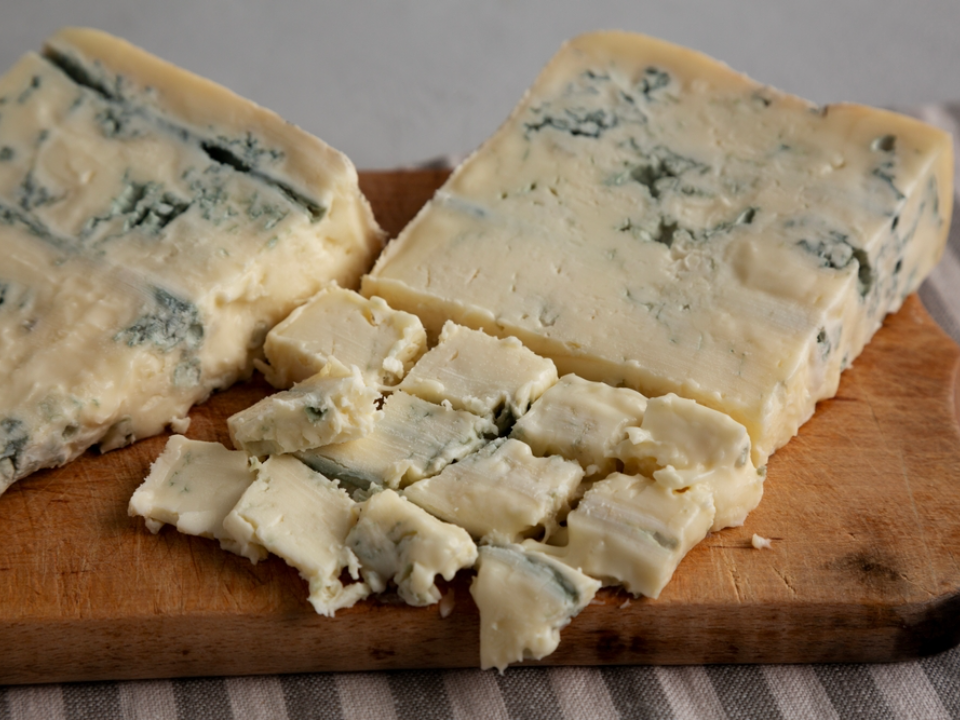
Gorgonzola is a creamy, blue-veined cheese originating from the northern regions of Italy, specifically Piedmont and Lombardy. Known for its distinctive blue mold and creamy texture, Gorgonzola has a mild, yet tangy flavor that is often described as earthy with a slight sweetness. The cheese is made from cow’s milk and undergoes an aging process where the blue mold develops naturally, thanks to the humid conditions of the caves where it is kept.
There are two types of Gorgonzola: dolce (sweet) and piccante (spicy), with the latter being sharper and more intense in flavor. Gorgonzola is versatile in the kitchen, often melted into risottos or used in salads, but it is also excellent paired with fruits like pears or figs. The landscape of the Alps influences the fresh, rich milk used to produce this cheese, with the flavors reflecting the high-altitude pastures where the cows graze. The unique balance of sweetness and tang in Gorgonzola is a true representation of northern Italy’s terroir.
Comté (France)
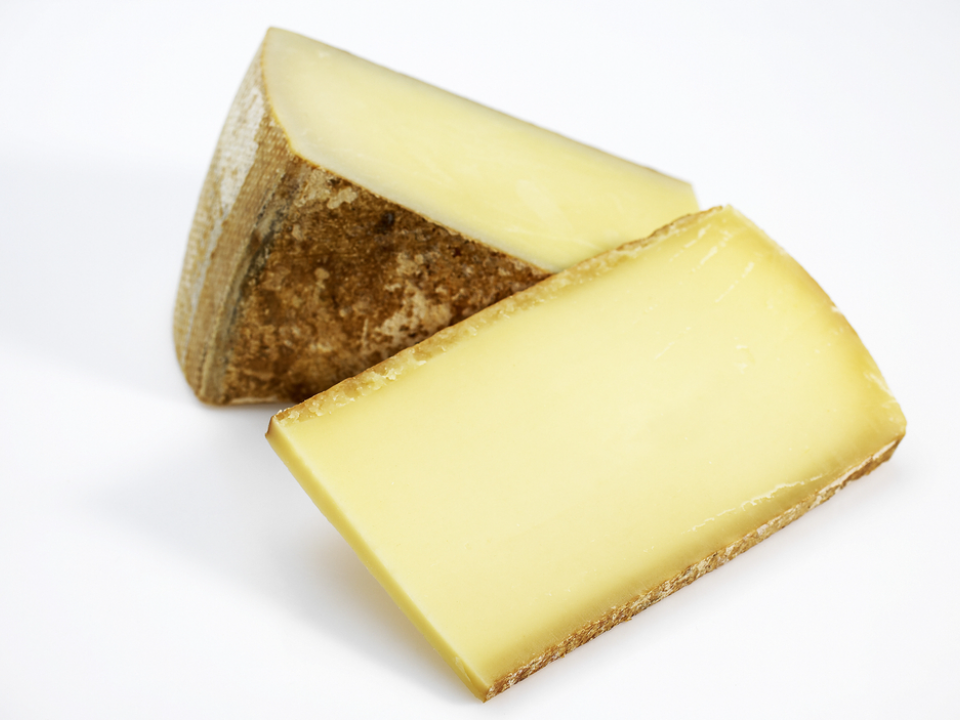
Comté is a French cheese produced in the Jura region of eastern France, where it is made from the milk of Montbéliarde cows. The cheese is aged for a minimum of four months, though some varieties are aged much longer, resulting in a more complex and nutty flavor. Comté has a firm texture with small holes throughout, and its taste can vary depending on the length of aging, ranging from mild and creamy to strong and fruity.
The cheese is traditionally made in large wheels, and the milk used is collected from cows that graze on the region’s abundant mountain meadows. This gives Comté its characteristic savory flavor with hints of fruit, butter, and nuts. The Jura mountains’ rugged terrain and climate directly influence the cheese’s flavor, as the cows’ diet of wild herbs and grasses imparts a unique richness to the milk. Comté is often served as a snack with fruit or in fondue, where its meltability shines.
Cheddar (England)
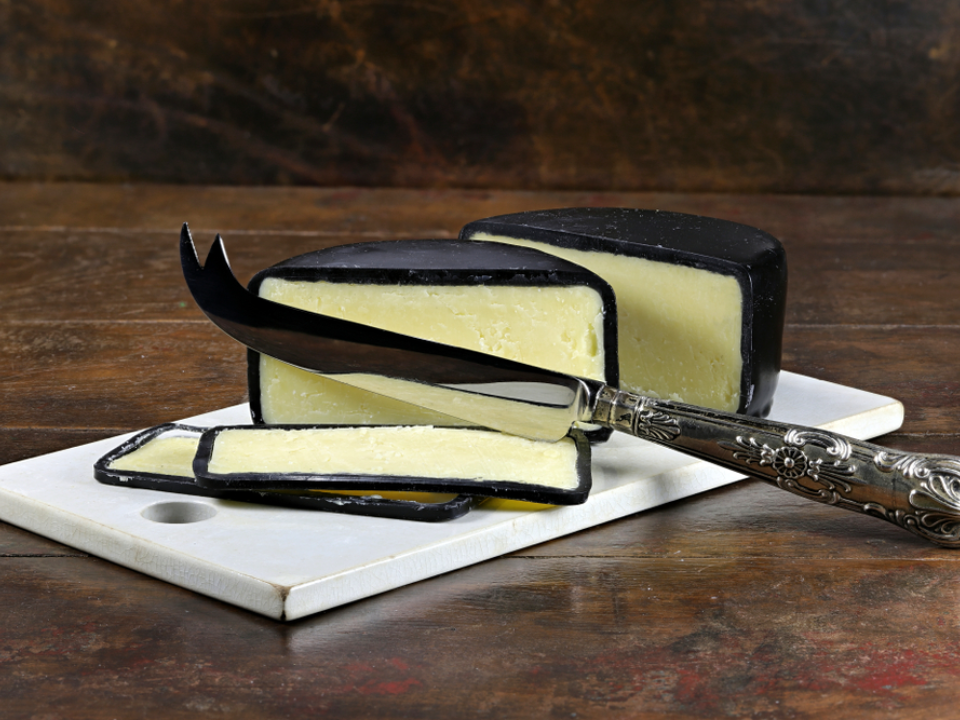
Cheddar is one of the most popular cheeses worldwide, originating from the village of Cheddar in Somerset, England. Made from cow’s milk, Cheddar undergoes a unique process called “cheddaring,” where the curds are stacked and pressed to release excess whey, creating a firmer texture. The flavor of Cheddar ranges from mild to sharp, with the sharper varieties offering a more tangy and earthy taste. The cheese is aged for varying periods, with older Cheddars having a crumblier texture and a bolder, more intense flavor.
Traditional Cheddar is often enjoyed with crackers, bread, or paired with apple slices, but it is also used in dishes like macaroni and cheese. The distinct taste of Cheddar reflects the lush, green pastures of Somerset, where cows graze on a rich diet of clover and grasses. This regional cheese perfectly embodies the flavors of the English countryside, with its earthy tones and rich history.
Gruyère (Switzerland)
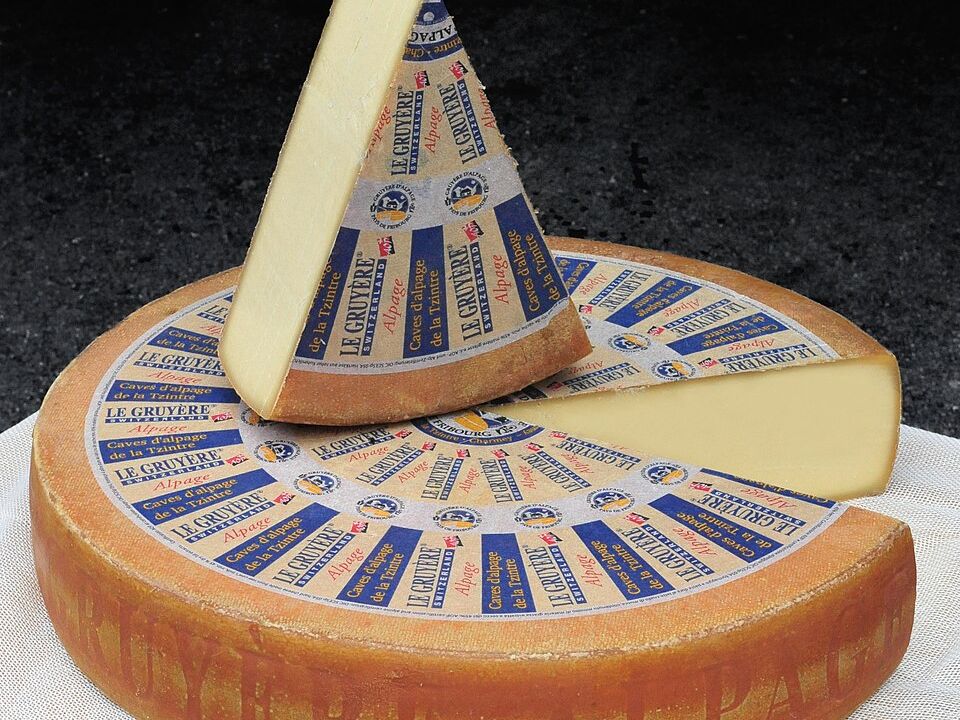
Gruyère is a Swiss cheese known for its rich, nutty flavor, and is produced in the canton of Fribourg, Switzerland. Made from cow’s milk, Gruyère is aged for at least five months, though it can be aged longer to develop a sharper taste. Gruyère is a key ingredient in Swiss fondue, adding a creamy and savory element to the dish. The flavor is deeply savory, with hints of toasted nuts and butter, and its slightly sweet aftertaste makes it highly versatile in cooking.
The grassy pastures of the Swiss Alps provide the ideal environment for the cows that produce the milk for Gruyère, with their diet contributing to the rich, complex flavor of the cheese. Gruyère is also excellent in sandwiches, melted over vegetables, or paired with fruits like apples and pears.
Asiago (Italy)
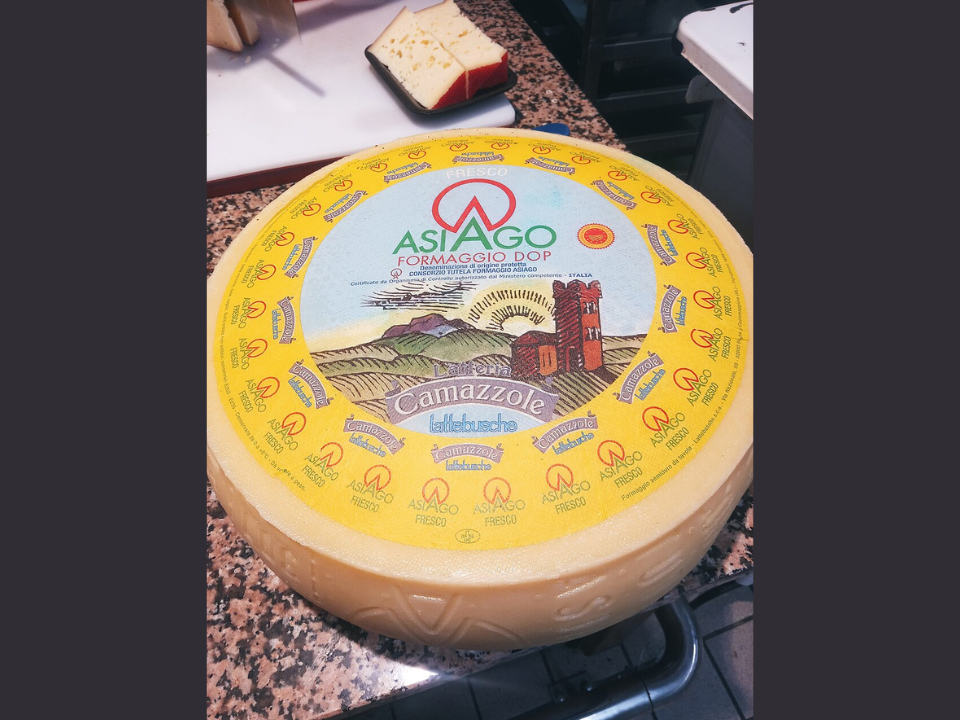
Asiago is an Italian cheese made from cow’s milk, originating in the Veneto and Trentino regions of northern Italy. The cheese comes in two varieties: Asiago Pressato, which is fresh and mild, and Asiago d’Allevo, which is aged and has a stronger, more complex flavor. Asiago has a firm texture, and the older versions can have a crumbly consistency with a sharp and tangy taste.
The cheese is made using traditional methods that date back to the Roman era, and its flavor profile is influenced by the alpine meadows where the cows graze. Asiago is often used in cooking, particularly in pasta dishes, salads, and risottos, but it is also delicious served as a snack with crusty bread. The cheese’s flavors mirror the rolling hills and mountain pastures of the Veneto and Trentino regions, with hints of fresh herbs and wildflowers that reflect the local terroir. Asiago is a wonderful way to experience the essence of northern Italy.
Tête de Moine (Switzerland)
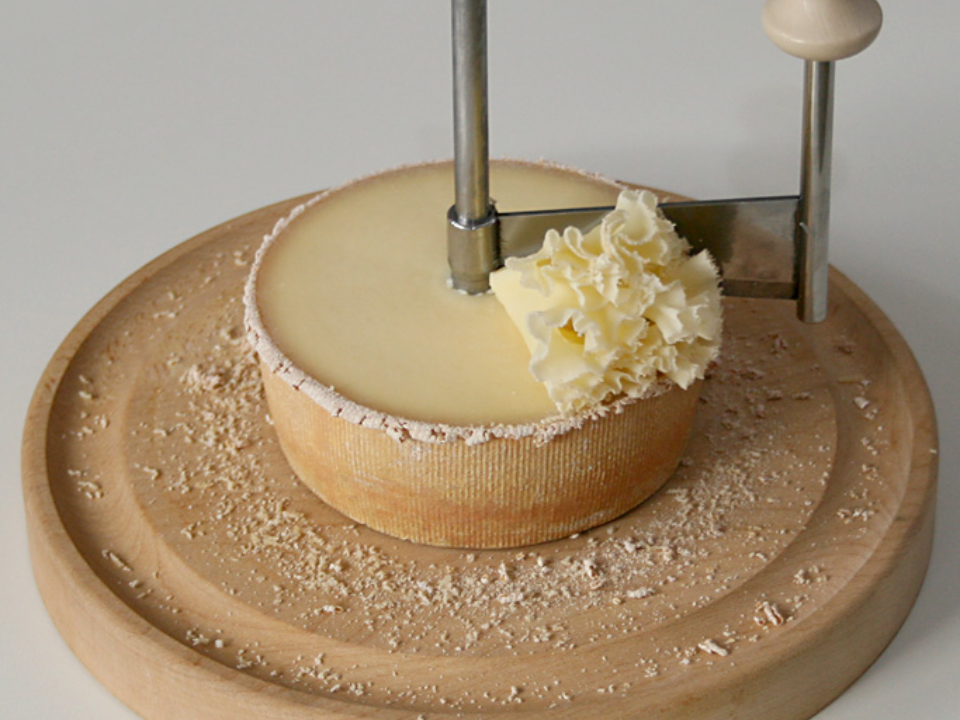
Tête de Moine is a unique Swiss cheese that originates from the Jura mountains, produced from cow’s milk. Unlike most cheeses, Tête de Moine is not cut into wedges but is shaved into thin rosettes using a special tool called a girolle. The cheese has a semi-hard texture and a strong, pungent flavor that is both creamy and nutty. The cheese is aged for at least two and a half months, and the aging process imparts a rich, earthy taste that pairs perfectly with wine.
Tête de Moine is traditionally served at room temperature, allowing its complex flavor to shine through. The rugged, mountainous landscape of the Jura region influences the flavor of this cheese, with the cows grazing on a diet of wild herbs and grasses. Tête de Moine is often enjoyed with fresh fruit, crusty bread, or as part of a cheese platter, where its delicate shavings add a distinct touch.
Brie de Meaux (France)
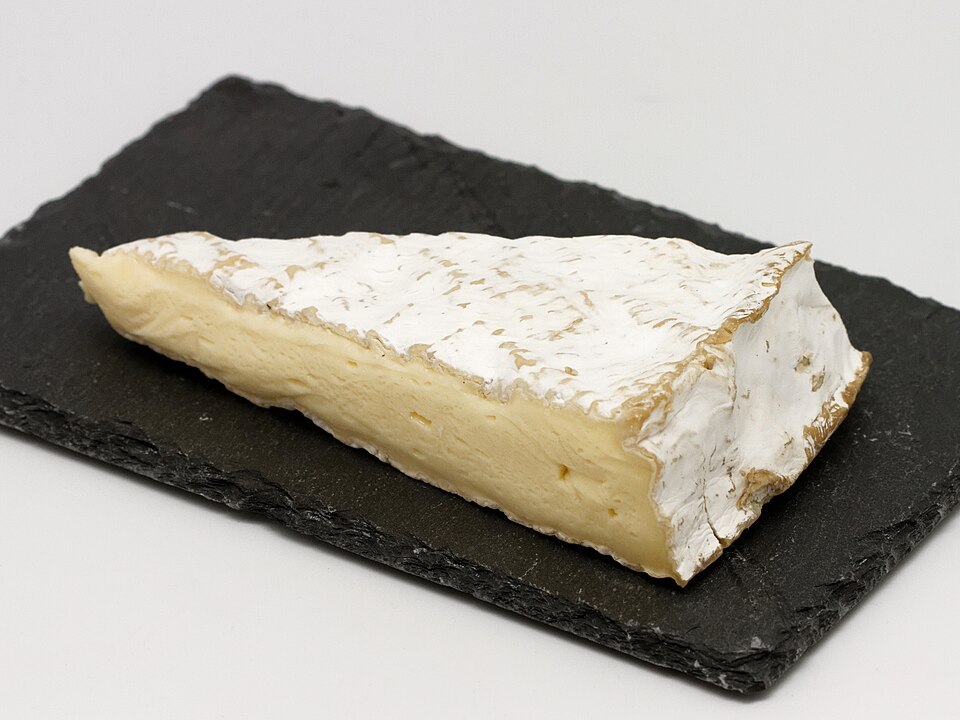
Brie de Meaux is a French cheese produced in the Île-de-France region, near the town of Meaux. Made from cow’s milk, Brie de Meaux is a soft cheese with a creamy texture and a delicate, slightly tangy flavor. The cheese is known for its smooth rind, which is white and bloomy, and its rich, buttery interior that becomes more intense with age.
Brie de Meaux is often referred to as the “King of Cheeses” in France, and its rich history dates back to the 8th century. The cheese’s flavor is influenced by the fertile plains of the Île-de-France, where the cows graze on rich, green pastures. The creamy texture and complex flavors of Brie de Meaux make it ideal for pairing with fresh fruits, nuts, and crusty bread. The cheese embodies the charm of the French countryside, with its balance of softness and complexity representing the serene landscape it comes from.
Cotija (Mexico)
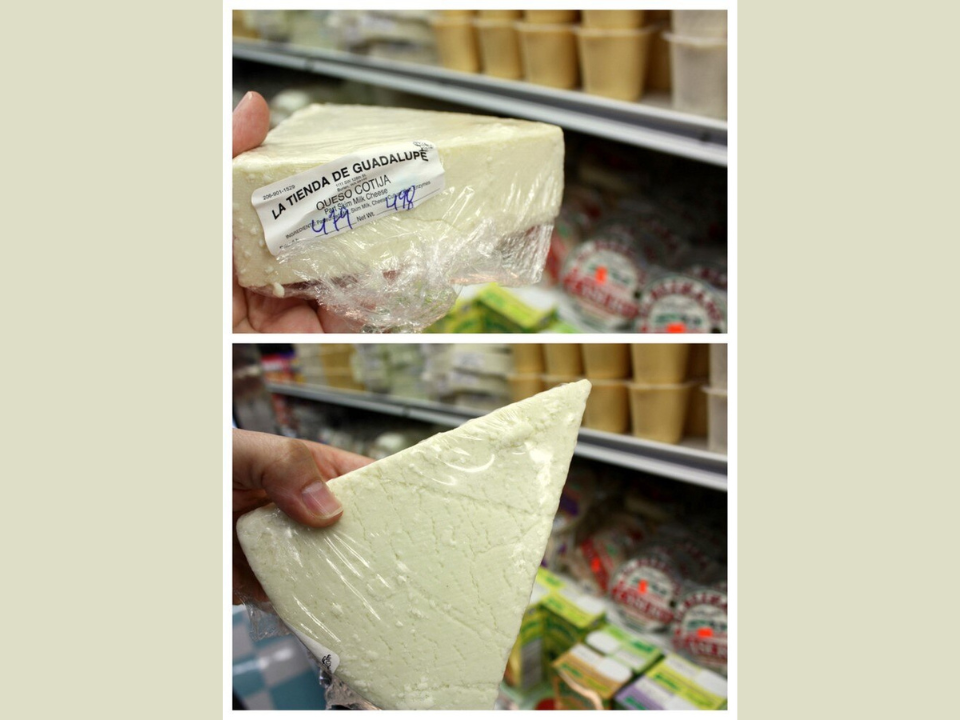
Cotija is a firm, salty cheese from the region of Michoacán in western Mexico. Made from cow’s milk, this cheese is often crumbled or grated over dishes like tacos, enchiladas, or salads. Cotija is sometimes referred to as the “Parmesan of Mexico” due to its similar texture and use as a topping. The cheese is aged for several months, developing a robust, salty flavor that adds a savory punch to many dishes.
Cotija is often made with milk from cows that graze on the rich pastures of the Mexican countryside, which influences the depth of its flavor. The distinct saltiness and crumbly texture reflect the dry, warm climate of the region, where traditional cheese-making methods have been passed down through generations. Cotija is a perfect example of how the flavors of the land shape the products it produces, making this cheese a staple in Mexican cuisine.
Cabrales (Spain)
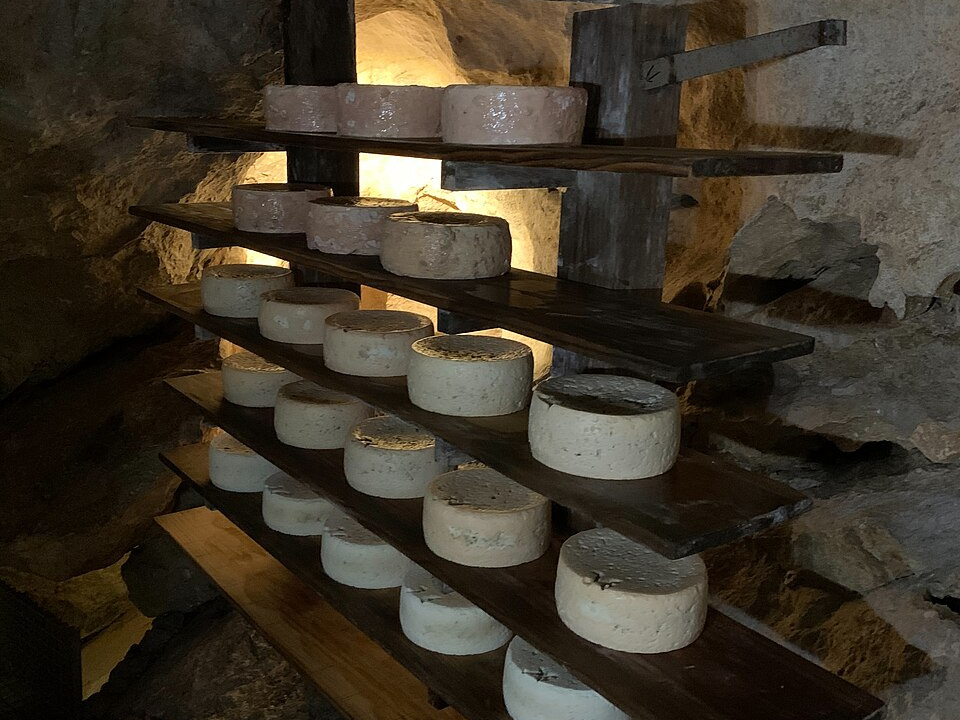
Cabrales is a blue cheese hailing from the Asturias region of northern Spain. Made from a blend of cow, goat, and sheep’s milk, Cabrales is one of Spain’s most famous blue cheeses. The cheese is traditionally aged in limestone caves, where the cool and humid conditions allow the mold to develop and spread throughout the cheese, creating its signature blue veins. Cabrales has a pungent, intense flavor that is both tangy and earthy, with a creamy texture that contrasts beautifully with its sharpness.
The cheese’s distinct flavor is influenced by the lush, green pastures of Asturias, where the livestock graze on a variety of herbs and grasses. This cheese is often enjoyed with crusty bread, pears, or red wine, making it a perfect addition to a cheese platter. Cabrales embodies the rugged beauty and rich agricultural heritage of Asturias, providing a taste of the wild, untouched lands from which it originates.
Feta (Greece)
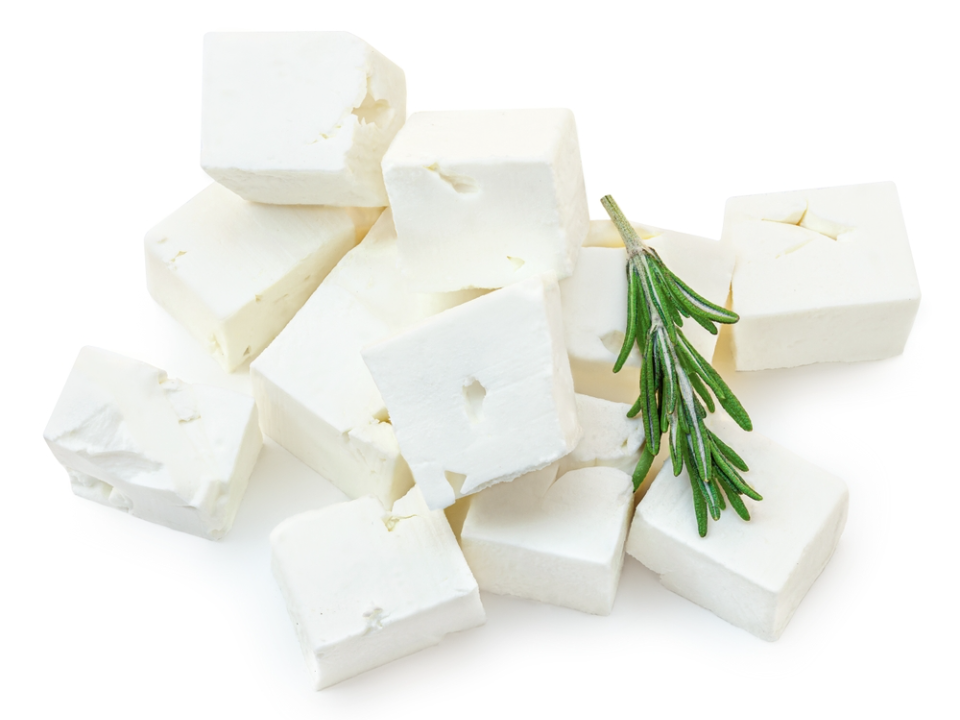
Feta is a brined cheese that has been a staple in Greek cuisine for centuries. Made from sheep’s milk, or a mixture of sheep and goat milk, Feta is produced primarily in the regions of Thessaly and Macedonia in northern Greece. The cheese has a crumbly texture and a sharp, tangy flavor, with a slight creaminess that comes from the brine it is stored in.
Feta is often served in salads, such as the classic Greek salad, or crumbled over roasted vegetables and grains. The cheese’s rich flavor comes from the traditional practices used to make it, with the sheep grazing on the unique flora of the Greek countryside. Feta’s briny and zesty flavor reflect the Mediterranean landscape, where the warm, salty air and sun-soaked pastures influence the taste of the milk.
Emmental (Switzerland)
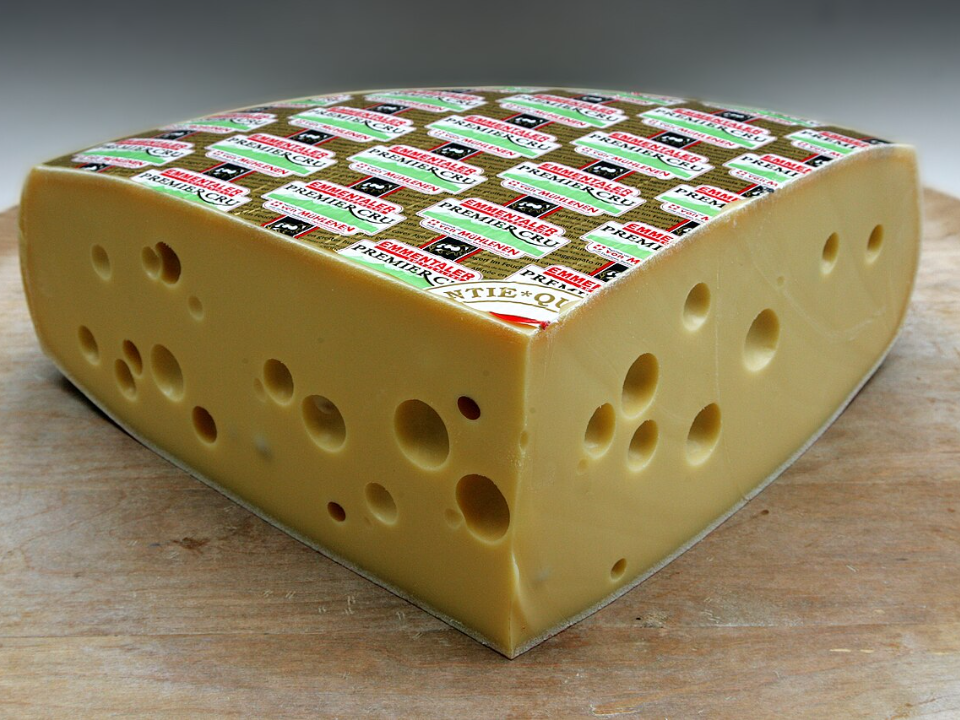
Emmental is a Swiss cheese known for its characteristic holes and nutty flavor. Originating from the Emmental Valley in the Swiss Alps, this cheese is made from cow’s milk and is typically aged for several months to develop its smooth, firm texture and mild, buttery taste. The cheese is traditionally made in large wheels, and during the aging process, the fermentation gives it a slightly sweet and tangy flavor.
Emmental is widely known for its use in Swiss fondue, where its meltability and flavor create a creamy and rich dipping experience. The cows that produce the milk for Emmental graze on the lush meadows of the Emmental Valley, giving the cheese its fresh, grassy flavor. This cheese has a strong connection to Swiss culture, reflecting the beauty and simplicity of the Swiss countryside in every bite.
Grana Padano (Italy)
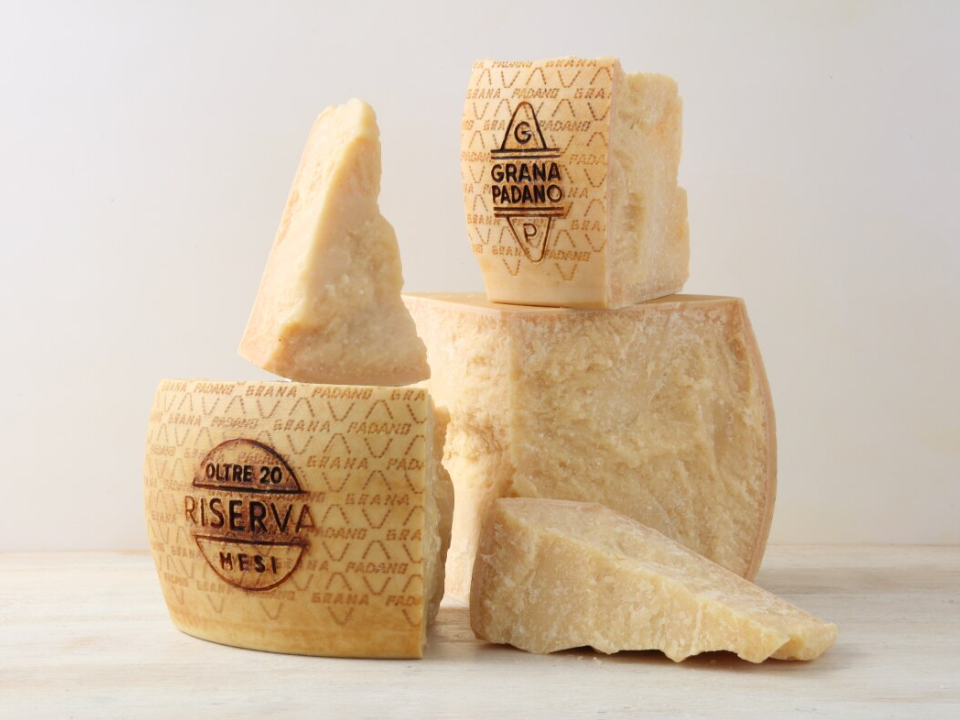
Grana Padano is an Italian cheese from the Po River Valley, made from cow’s milk. It is one of Italy’s most widely produced cheeses and has a history that dates back to the 12th century. The cheese is aged for a minimum of 9 months, with some varieties aged much longer to develop a more complex, sharper flavor. Grana Padano has a firm, granular texture, similar to Parmigiano Reggiano, and it is often grated over pastas, risottos, and soups.
The cheese has a delicate, nutty flavor with hints of fruit and hay, which are a result of the cows’ diet of fresh grasses and wildflowers found in the Po River Valley. Grana Padano’s versatility makes it a great addition to both simple and complex dishes, as its flavor enhances without overwhelming. The cheese reflects the agricultural traditions of northern Italy, where centuries-old techniques are used to create this cherished product.
This article originally appeared on Avocadu.