
14 Rare Wildflowers You Can Grow From Seed In A Backyard Plot
Backyard wildflowers offer a beautiful mix of colors and textures that can turn any garden into a vibrant oasis. Growing them from seed is a budget-friendly way to fill your space with unique blooms. These plants are often easy to care for and can adapt to your garden’s natural environment.
This post may contain affiliate links, which helps keep this content free. Please read our disclosure for more info.
Calypso Orchid (Calypso bulbosa)
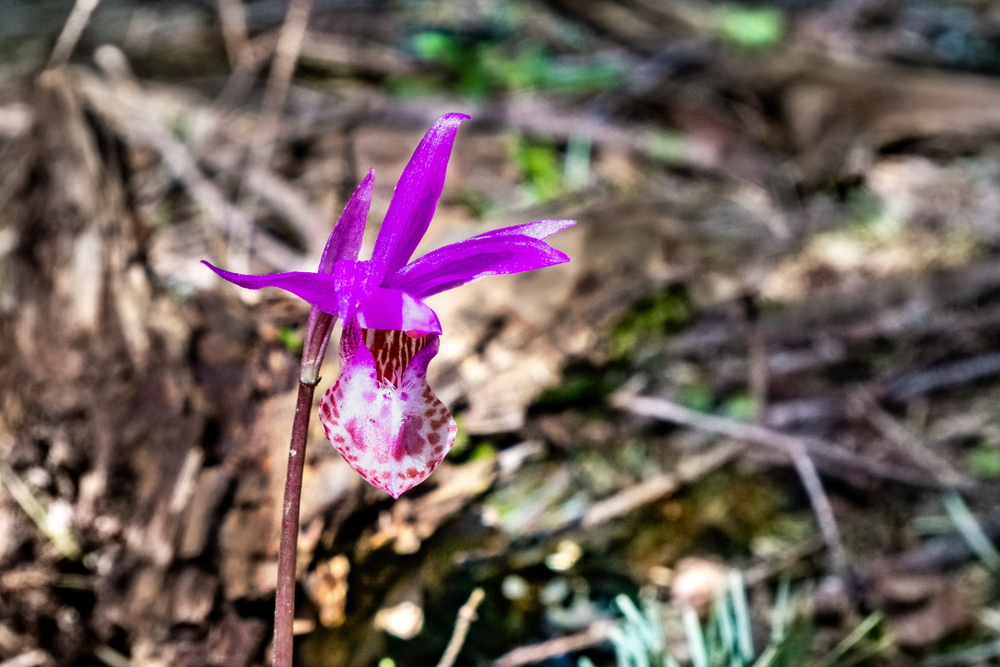
This rare wildflower is often called the Fairy Slipper because of its unique, slipper-like shape. It’s typically found in northern woodlands and thrives in moist, well-drained soil. Growing Calypso orchids from seed can be a challenge, as they require a symbiotic relationship with specific fungi in the soil. Start by planting the seeds in a cool, shaded area with rich, organic soil, and keep the area consistently moist.
To grow these wildflowers successfully, you need to mimic their natural environment. The seeds should be sown in the fall to ensure they have a cold period that triggers germination. Patience is key, as Calypso orchids can take a few years to bloom. Be sure to provide them with protection from direct sunlight and dry conditions.
Eastern Red Columbine (Aquilegia canadensis)
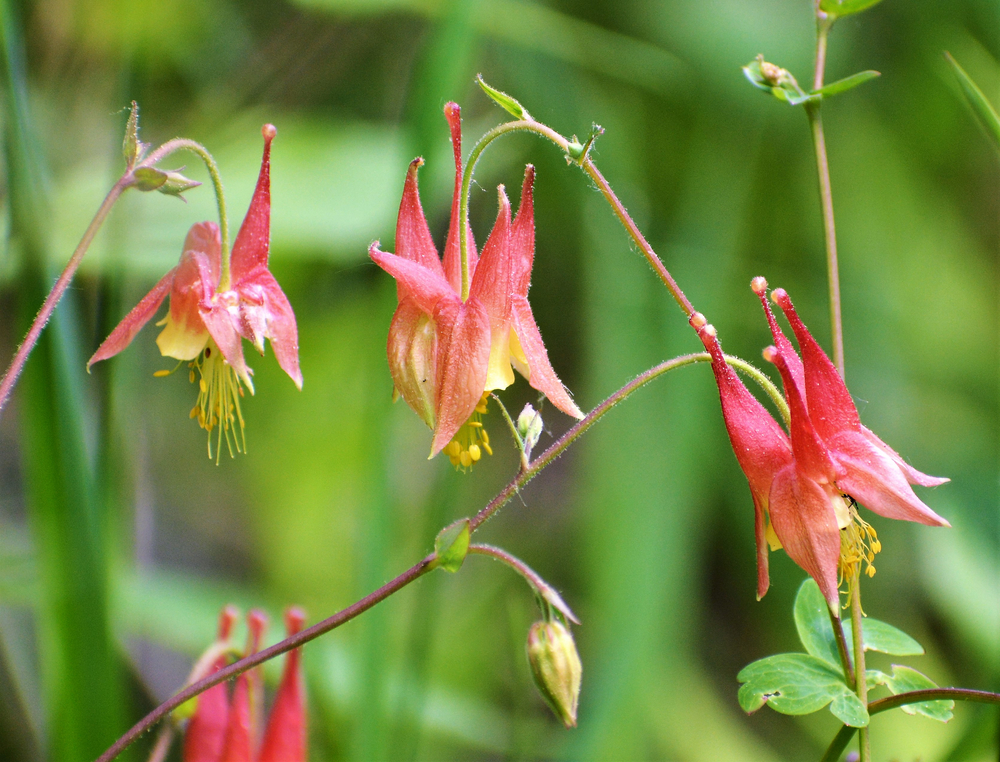
The Eastern Red Columbine stands out due to its striking red and yellow flowers, often attracting hummingbirds. It is rare because it is native to specific regions of North America, particularly woodlands and rocky slopes. Plant seeds in a semi-shady spot with well-draining, slightly acidic soil to encourage germination. The soil should be kept moist, but not waterlogged, for the best results.
This flower thrives in a natural woodland setting, so mimic this environment by ensuring the planting area has some shade. Once the seeds have been sown, they should be gently pressed into the soil. Germination can take several weeks, and you may need to be patient as they establish themselves. With time, you’ll see the beautiful red blooms start to emerge.
Prairie Smoke (Geum triflorum)
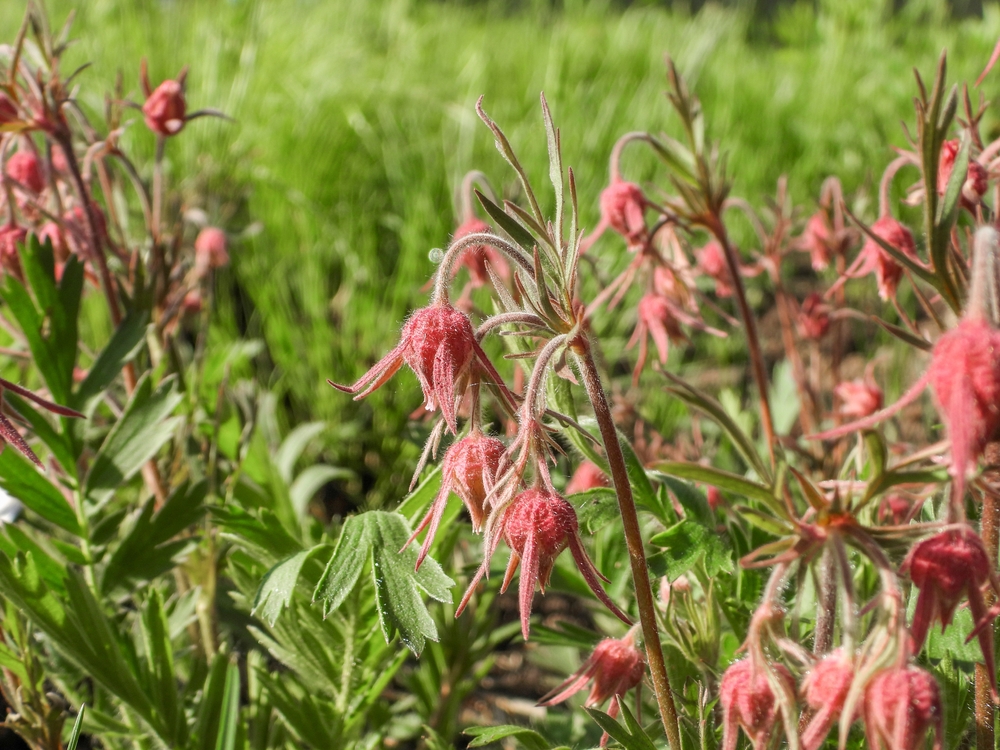
Known for its unique, feathery seed heads that resemble smoke, this wildflower is a rare find in prairies and grasslands. It can be grown from seed with a bit of effort, as it needs a cold stratification period before it will sprout. For the best results, plant the seeds in late fall or winter to allow them to naturally undergo this cold treatment. Once the soil warms in spring, the seeds will start to germinate.
To ensure success, plant Prairie Smoke seeds in a well-drained, sandy loam soil in full sun to partial shade. Water the seeds lightly to keep the soil moist, but avoid overwatering. As the plants mature, they will develop stunning pink to purple flowers that attract pollinators. Keep the area weed-free to give these rare beauties the best chance to thrive.
White Lady’s Slipper (Cypripedium candidum)
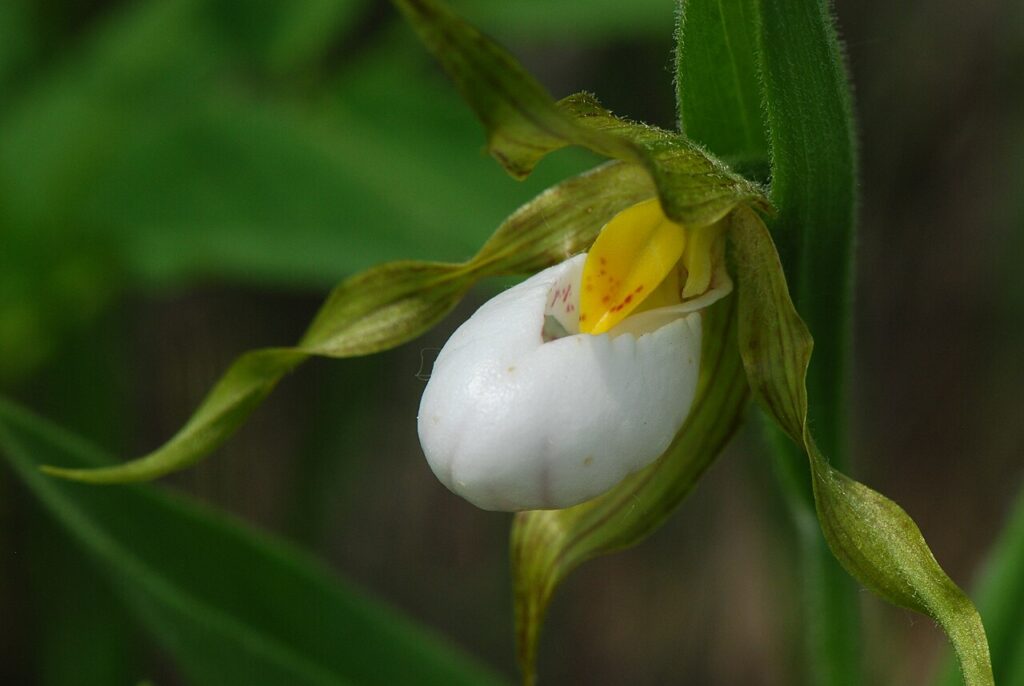
This rare wildflower is found in moist, prairie meadows and is notable for its delicate, white flowers. It is not only rare in the wild, but it is also tricky to grow from seed due to its unique dependency on mycorrhizal fungi for germination. To start, plant the seeds in acidic, well-drained soil with a slightly shaded location. The seeds require cold stratification, so they should be sown in late fall and left outdoors to go through the cold period.
Once germinated, the young plants should be kept in moist, but not soggy, conditions. Be sure to add a layer of mulch to retain moisture and protect the young plants during colder months. Growing Lady’s Slippers from seed takes patience, and it can take several years before the plants reach maturity. However, their elegance and rarity make the effort well worth it.
Rattlesnake Master (Eryngium yuccifolium)
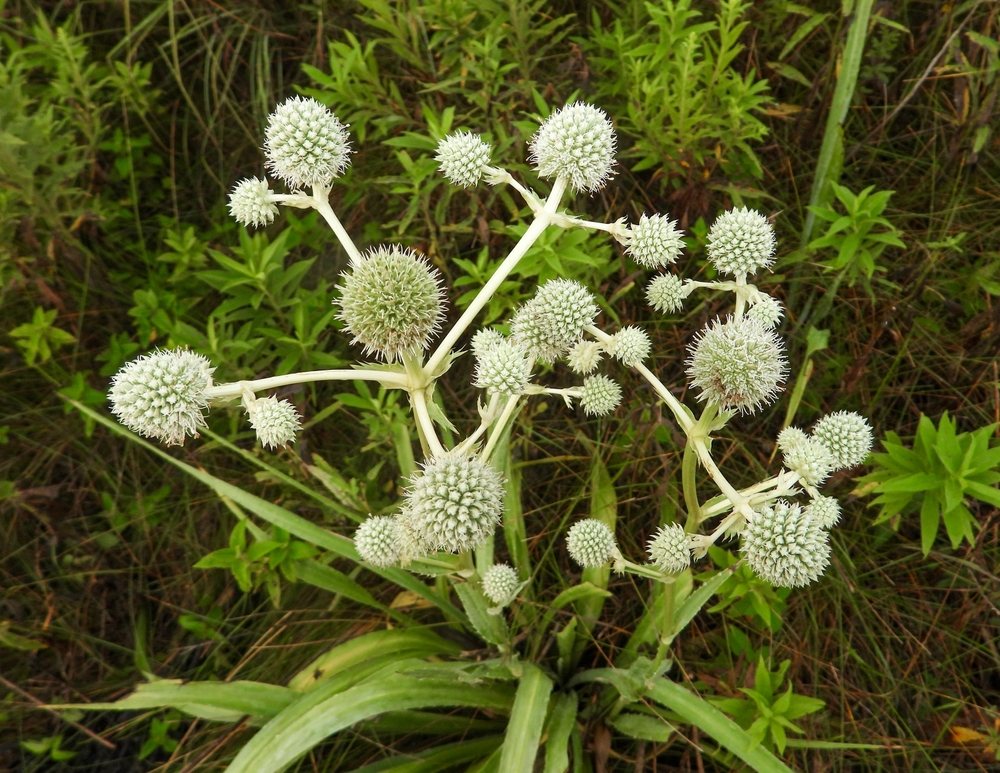
This plant is rare due to its distinct, spiky appearance and its role in the native prairie ecosystem. It prefers dry, well-drained soil and full sun. Rattlesnake Master seeds can be sown directly into the soil after the last frost, or started indoors for transplanting. It is important to keep the soil moderately moist during germination and ensure that the seedlings receive ample sunlight once they begin to sprout.
To encourage a healthy growth pattern, ensure that the plant has access to plenty of space. It can grow tall, so it is best to plant it in an area where it will have room to stretch without overcrowding. Once mature, Rattlesnake Master’s silver-blue spiky flowers will add a striking touch to your garden.
Sundew (Drosera rotundifolia)
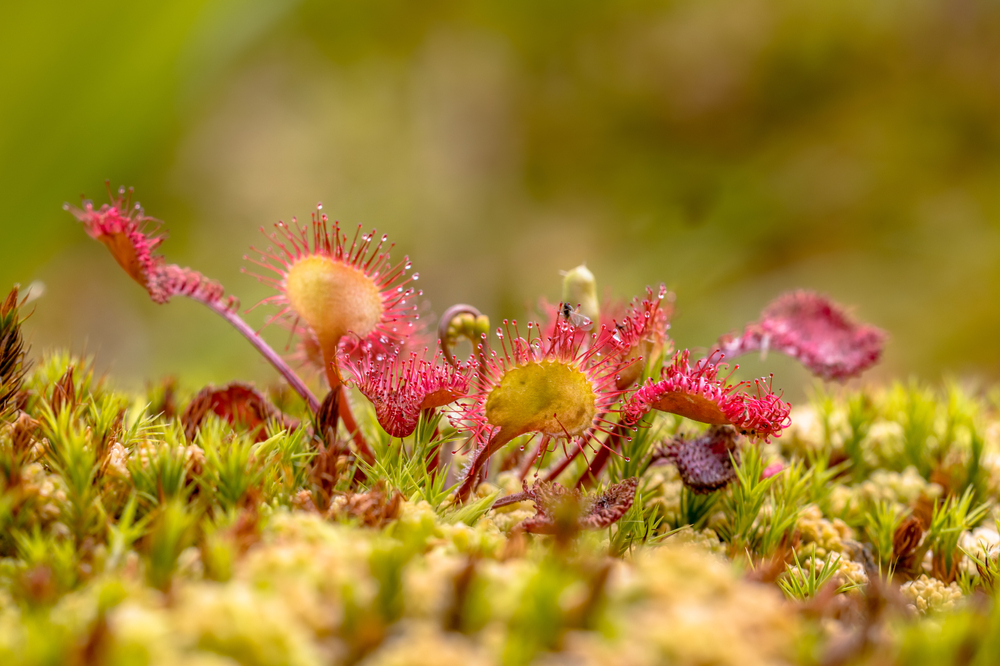
Sundew is a rare carnivorous plant that catches its prey with sticky, glistening hairs on its leaves. It’s native to boggy, acidic soils and grows best in conditions where the soil is constantly moist. Sundew seeds should be sown in a mix of sphagnum moss and sand in a shallow tray. Keep the tray in a warm, sunny spot and water with distilled water to avoid any mineral buildup in the soil.
This wildflower needs high humidity to thrive, so consider covering the tray with plastic wrap until the seeds begin to germinate. Once the plants have matured, their tiny, dewdrop-covered leaves will create a mesmerizing display. Keep them away from other plants, as they may struggle to compete for nutrients in the same soil.
Wild Lupine (Lupinus perennis)
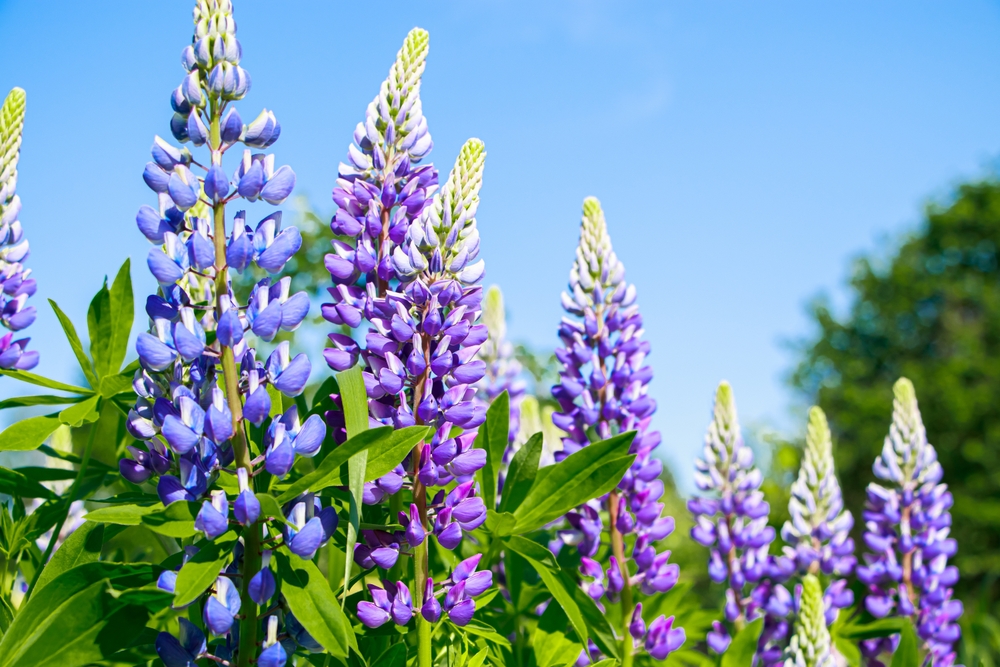
Wild Lupine, a rare and vibrant wildflower, is native to the Eastern United States and is recognized for its striking blue flowers. It prefers sandy, well-drained soil and can tolerate full sun. Start the seeds in a seed tray or directly in the ground during early spring after the last frost. To enhance germination, the seeds can be soaked overnight to soften their tough outer shells.
Once the seeds have sprouted, thin them out to allow adequate space for each plant. Wild Lupine will attract pollinators, particularly bees, and its flowers add a bold pop of color to any garden. Be mindful of its moisture needs, ensuring that the soil remains consistently moist but well-drained.
Mexican Hat (Ratibida columnifera)
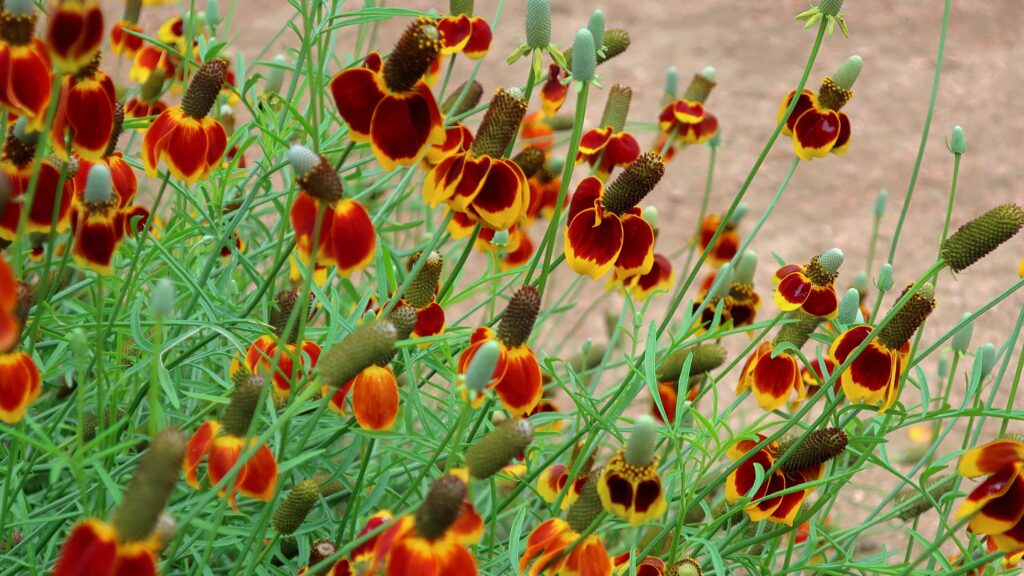
Mexican Hat, named for the unique shape of its flowers, is a rare wildflower found in native prairies and grasslands. Its yellow and red petals form a distinct cone-shaped flower that draws attention. To grow from seed, start by planting in well-drained, slightly acidic soil with full sun exposure. The seeds can be directly sowed in the garden or started indoors for later transplanting.
This plant thrives in dry to moderately moist conditions. Mexican Hat is not demanding once established and will grow tall, creating a focal point in your garden. Its colorful blooms also attract butterflies, making it a beautiful and beneficial addition to any backyard.
Bluebell (Hyacinthoides non-scripta)
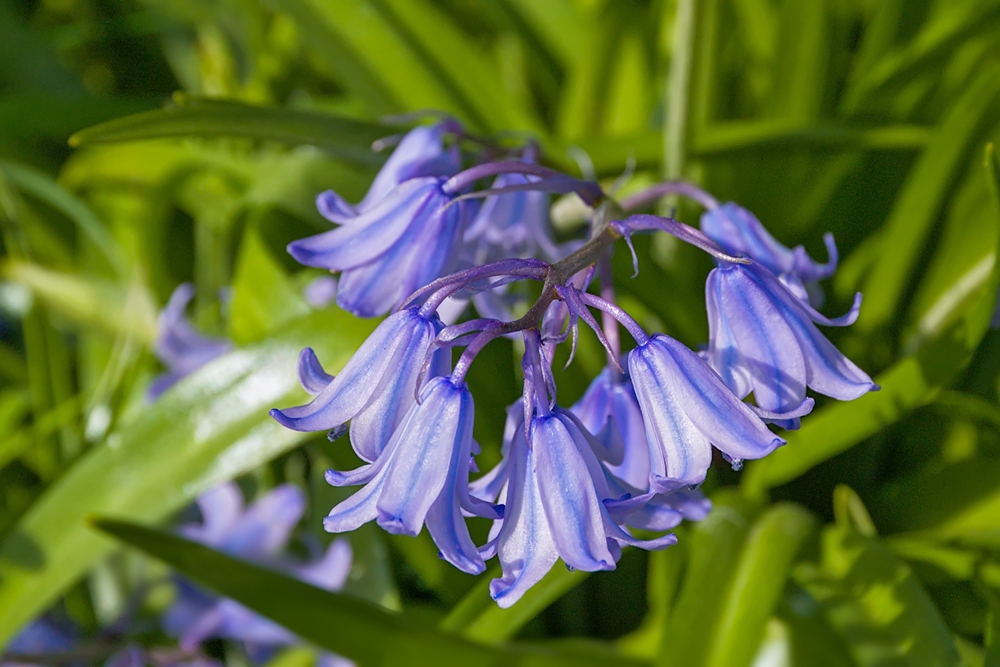
Bluebells are rare wildflowers that thrive in shaded woodland areas with rich, damp soil. They produce lovely clusters of blue, bell-shaped flowers that carpet the ground in spring. Plant Bluebell seeds in loose, moist soil that’s slightly acidic. To promote germination, the seeds should undergo a cold stratification period, which can be achieved by planting them in fall and allowing them to overwinter.
Bluebells thrive in partial to full shade and are perfect for adding a subtle, calming beauty to a woodland garden. Once established, they will return year after year, spreading slowly. Their fragrance and beautiful color make them a favorite among garden enthusiasts.
Wild Ginger (Asarum canadense)
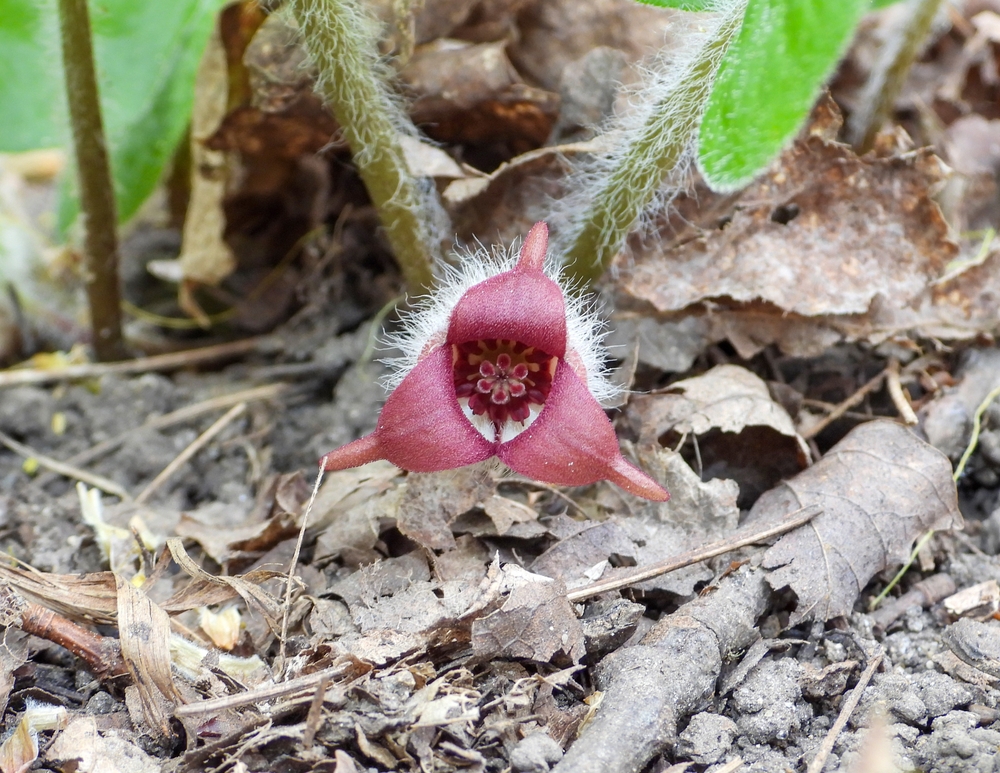
Wild Ginger is a rare ground cover plant that is native to shaded forests and grows low to the ground. It is notable for its heart-shaped leaves and hidden flowers, which bloom in the spring. To grow from seed, plant Wild Ginger in well-drained, humus-rich soil that remains consistently moist. The seeds need cold stratification to germinate, so it’s best to plant them in the fall.
This plant is well-suited for shady, woodland-like areas and thrives under the canopy of larger plants. Once established, Wild Ginger will spread gradually, forming a low, dense carpet. The plant does not require much maintenance and is a wonderful addition to shaded garden beds.
Red Trillium (Trillium erectum)
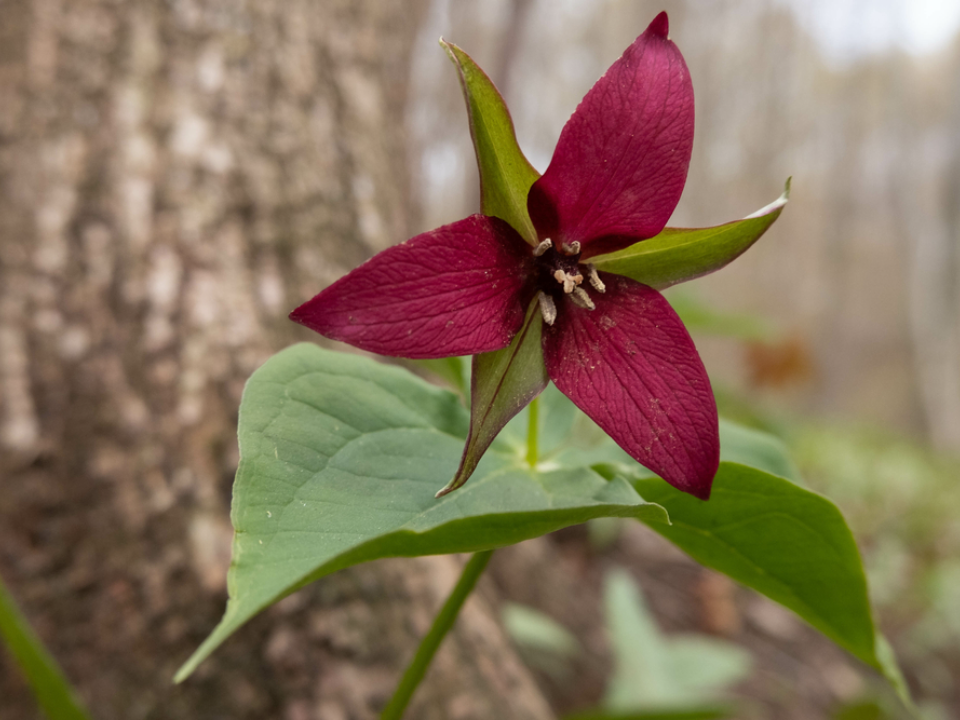
Red Trillium, with its deep red flowers, is a rare find in forested areas. This plant prefers rich, well-drained soil in shaded environments, such as woodland gardens. Red Trillium seeds should be sown in early spring in slightly acidic soil. They require a period of cold to stimulate germination, so plant them in the fall or early winter.
Once established, Red Trillium is a low-maintenance plant that will return each year. Its bold flowers bloom in early spring, providing early-season color in shaded garden areas. While slow to grow, its striking flowers make it a rewarding choice for woodland gardens.
Virginia Bluebell (Mertensia virginica)
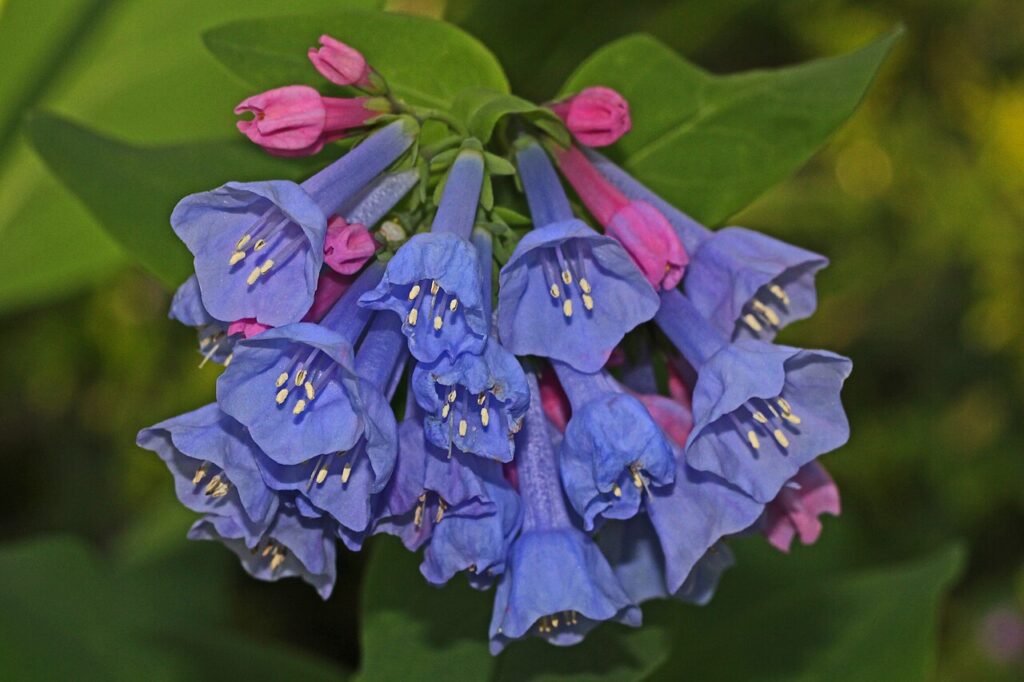
Virginia Bluebell is known for its gorgeous clusters of blue flowers that bloom in spring. This wildflower is native to woodlands and thrives in moist, rich soil. Plant seeds in a partially shaded area with well-drained soil. The seeds should be sown in the fall to undergo cold stratification, which is essential for successful germination.
These flowers bloom early in the spring and attract pollinators like bees and butterflies. Virginia Bluebells are perfect for woodland gardens, offering a peaceful, calming presence. Once they are established, the plants will spread, creating a beautiful carpet of blue in your garden.
Sweet Joe Pye Weed (Eutrochium purpureum)
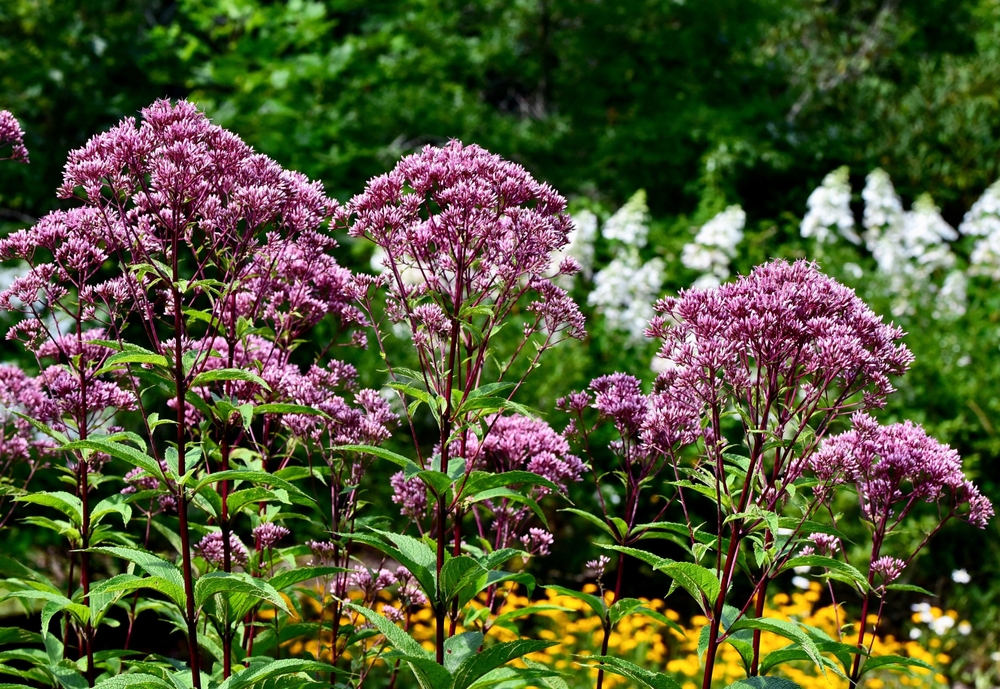
Sweet Joe Pye Weed is a rare plant native to wet meadows and low woodlands. It produces large, purple flowers that are attractive to butterflies. Plant the seeds in moist, well-drained soil with partial shade to full sun. For best results, cold-stratify the seeds by planting them in the fall, allowing them to experience the cold period naturally.
Once germinated, the plant thrives in moist conditions and can grow quite tall. Sweet Joe Pye Weed adds a vertical element to your garden, making it ideal for the back of flower beds. Its sweet-smelling flowers are particularly attractive to pollinators, creating a dynamic ecosystem in your garden.
Pink Lady’s Slipper (Cypripedium acaule)
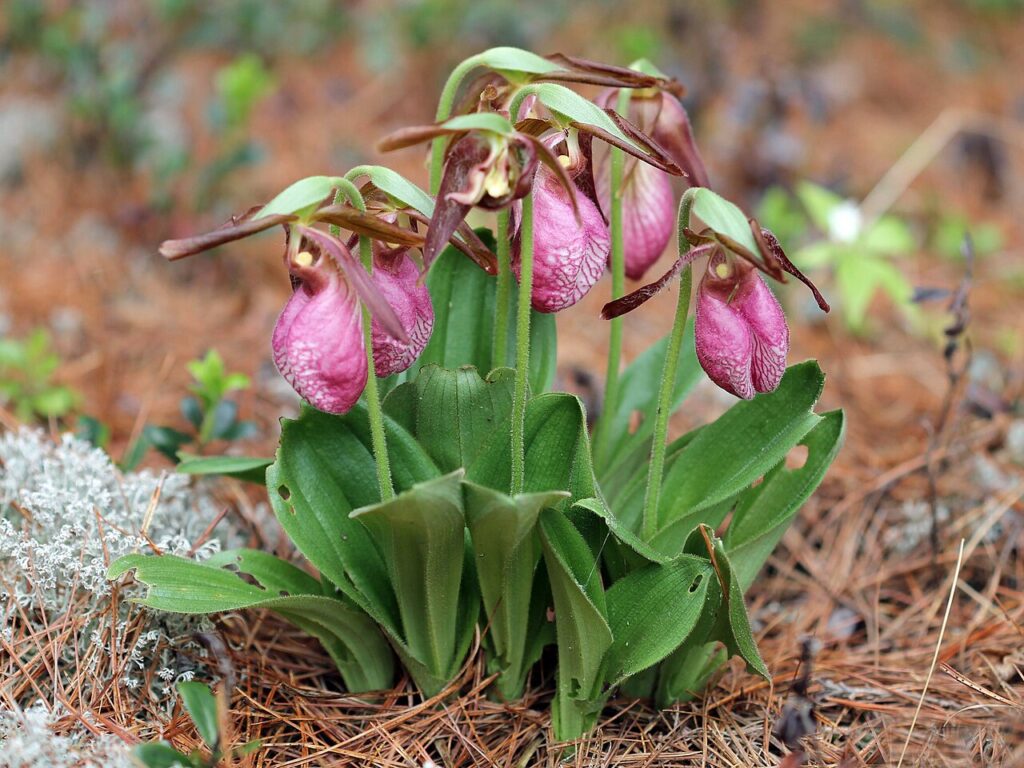
Pink Lady’s Slipper is a rare wildflower with showy, slipper-shaped flowers that range in color from light pink to deep magenta. It prefers moist, acidic soil found in shaded woodland areas. Growing this wildflower from seed can be difficult, as it requires a symbiotic relationship with fungi to germinate. For the best results, sow the seeds in well-draining, organic-rich soil and provide a cold stratification period during the winter.
This plant requires patience, as it may take several years for the seedlings to mature. However, once established, Pink Lady’s Slipper adds a touch of elegance to any garden with its rare, beautiful blooms. They grow slowly but are worth the wait for any dedicated gardener.
This article originally appeared on Avocadu.