
10 Rare Wildflowers That Returned After Land Was Protected
Sometimes the land simply needs time and protection to heal. When areas are preserved and left alone, plants that had disappeared for years can slowly return. Wildflowers often lead the way, spreading color through fields and forest edges once again. Their return tells an encouraging story about the power of land protection.
This post may contain affiliate links, which helps keep this content free. Please read our disclosure for more info.
Western Prairie Fringed Orchid
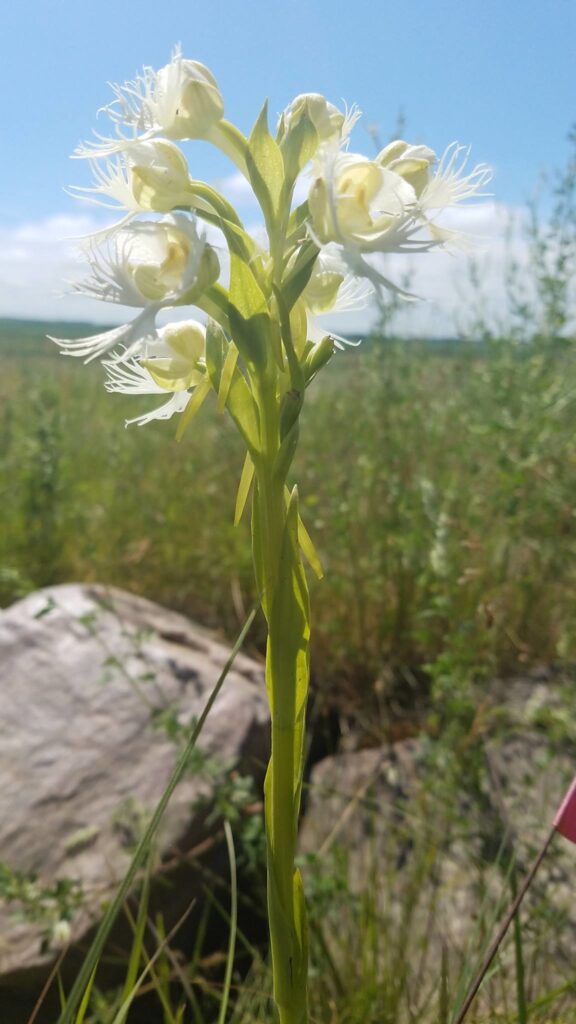
The Western Prairie Fringed Orchid once covered large stretches of tallgrass prairie across the central plains, where moist soil and open sunlight created the perfect growing conditions. This elegant plant produces tall stems topped with delicate white flowers that appear almost lace like when viewed up close. Each bloom carries thin fringed petals that give the orchid its name and make it stand out among prairie grasses. As prairie land disappeared through farming and development, sightings of this orchid became increasingly rare.
Protected prairie preserves slowly changed that story as grassland restoration projects began to restore natural conditions. Once native grasses returned and grazing pressure was limited, small groups of these orchids started to appear again in areas where they had not been seen for years. Night flying hawk moths play an important role in pollination by reaching deep into the flower for nectar. Today, the orchid remains rare, yet it continues to return in carefully protected prairie landscapes.
Ghost Orchid
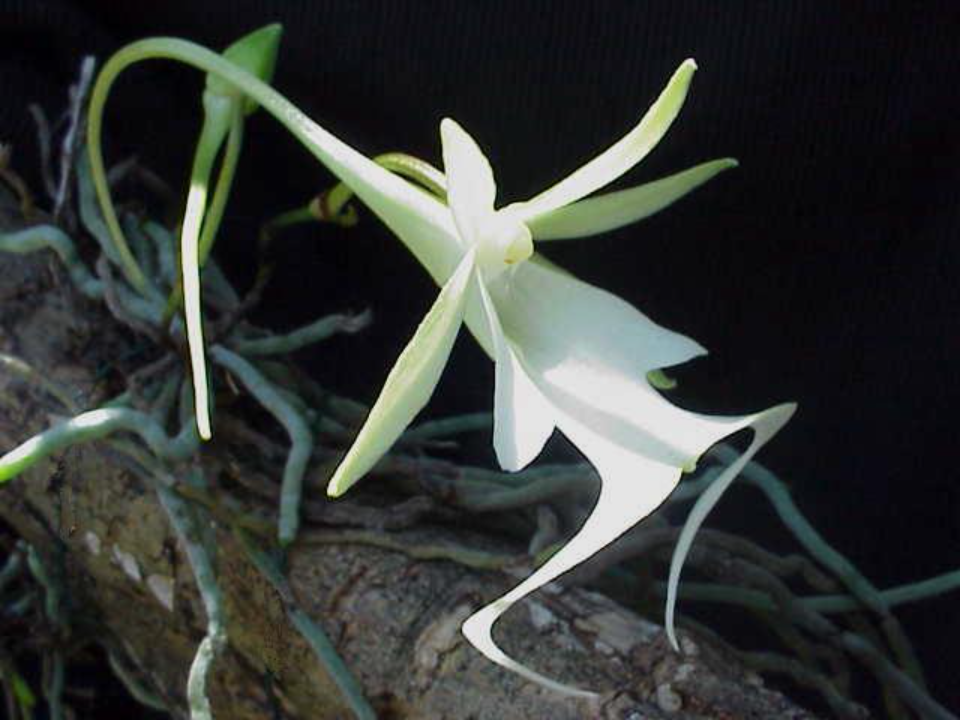
The Ghost Orchid is one of the most unusual flowers found in North American wetlands, known for its pale white bloom that seems to float against the dark forest background. Unlike most plants, this orchid grows without visible leaves and lives attached to tree trunks high above the swamp floor. Its root system spreads along the bark and gathers moisture directly from the humid air. The flower itself appears only during certain times of the year, which adds to the mystery surrounding the species.
Large areas of swamp forest were once faced with drainage and logging, which reduced suitable habitat for this delicate plant. Protection of wetland forests and wildlife refuges allowed natural water levels and forest cover to return. With these conditions restored, small groups of Ghost Orchids have been recorded again in protected swamp areas. Their rare appearance continues to draw botanists and photographers who hope to catch a glimpse of one of the most striking orchids in the wild.
Lady’s Slipper Orchid
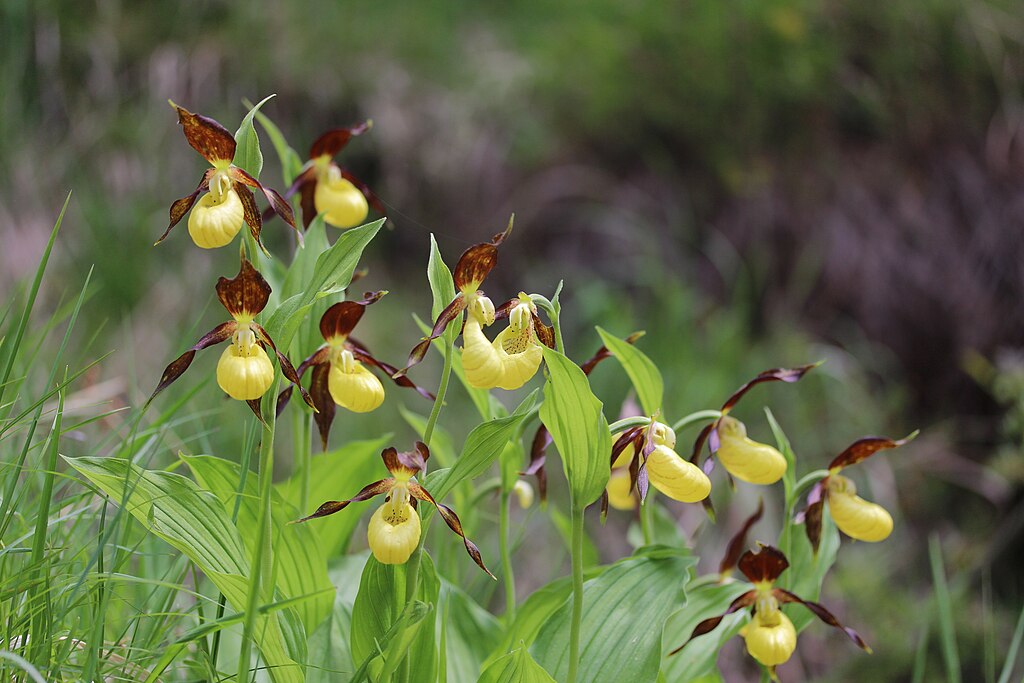
Lady’s Slipper Orchids are famous for their pouch-shaped blooms that resemble a small slipper hanging from the stem. The flowers come in shades of pink, yellow, and sometimes white, depending on the species and region where they grow. These woodland orchids often appear in quiet forest areas where filtered sunlight reaches the ground through tall trees. Their unusual shape helps guide insects inside the flower where pollination takes place.
Loss of woodland habitat once caused these orchids to decline across large parts of their range. Forest preserves and protected natural parks allowed the soil conditions and shade levels needed for the plant to return. The species grows slowly and may take several years before producing its first flower. Because of this slow growth cycle, undisturbed forest environments are essential for long-term survival.
Showy Lady’s Slipper
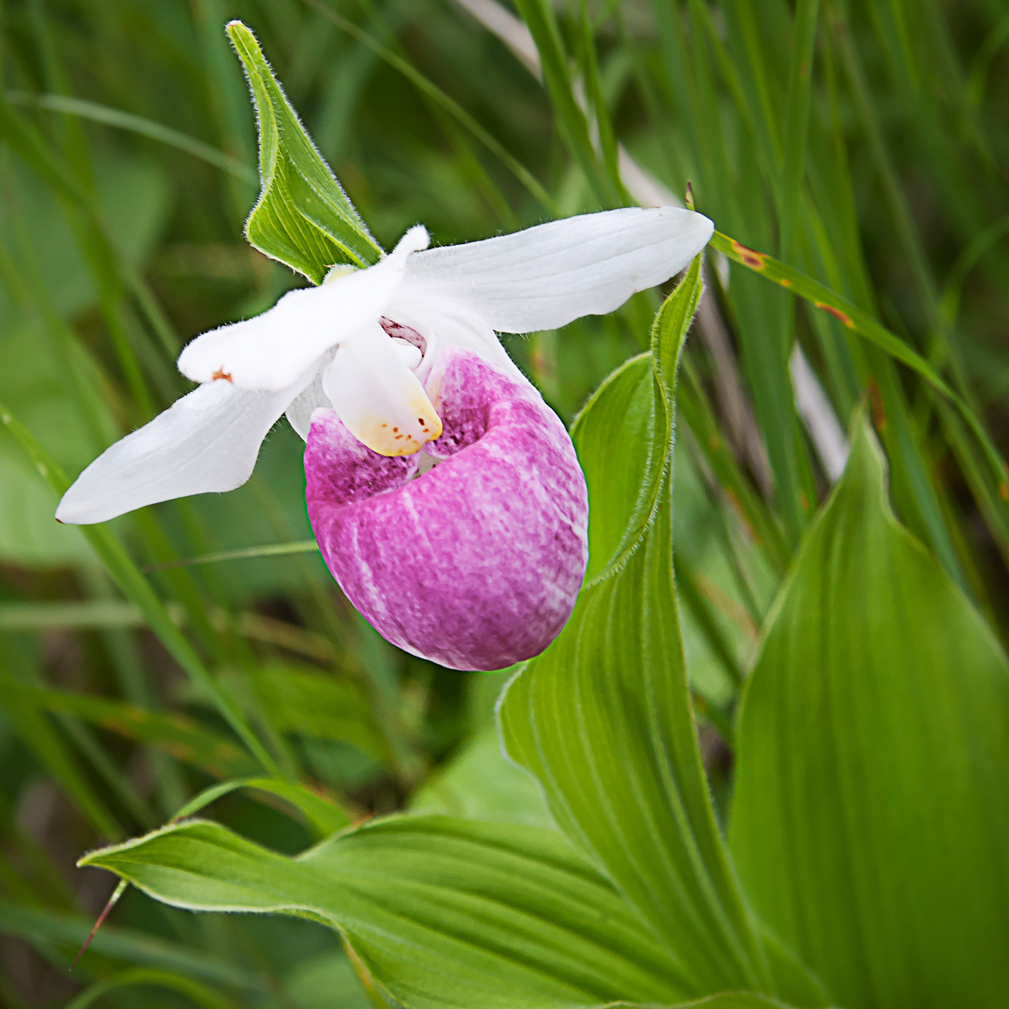
The Showy Lady’s Slipper is considered one of the most eye-catching orchids found in North American wetlands. Its large white petals surround a bright pink pouch that stands out among marsh grasses and sedges. These flowers often grow in clusters within wet meadows where the soil remains cool and moist throughout the growing season. Their dramatic appearance has made them one of the most admired native orchids in the region.
Wetland drainage once threatened large portions of their habitat. Protection of marshlands and wet meadows allowed natural water cycles to return. Once the soil conditions improved, these orchids began to reappear in places where they had disappeared decades earlier. Their return is often seen as a sign that wetland ecosystems are slowly recovering.
Colorado Butterfly Plant
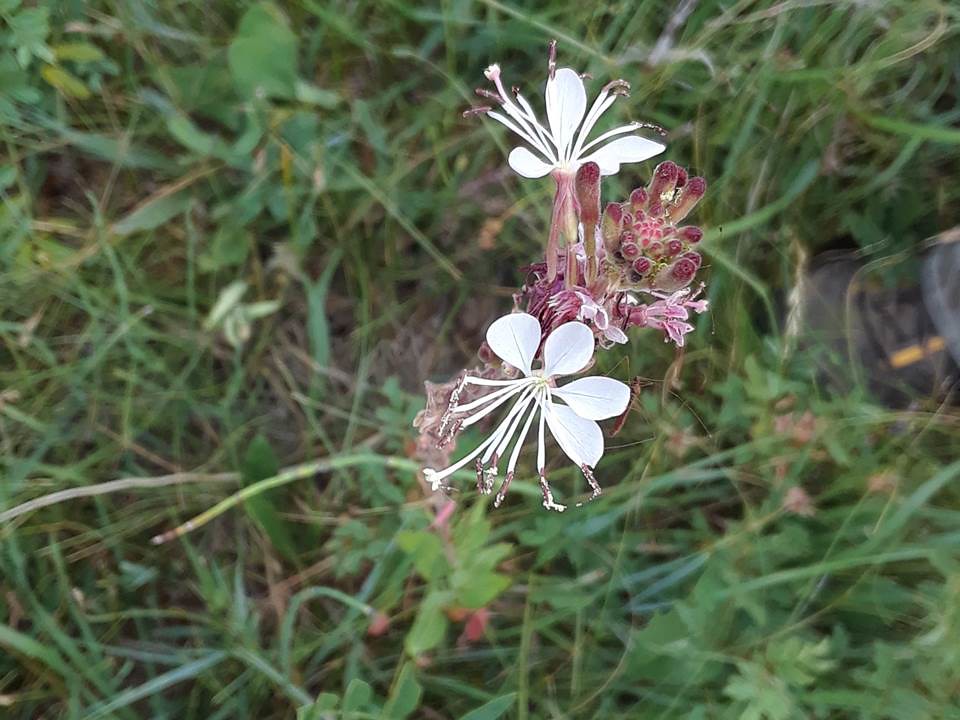
The Colorado Butterfly Plant produces slender stems topped with delicate white flowers that resemble small butterflies resting in the air. These flowers open during the evening hours and remain visible through the cooler parts of the night. The plant grows along moist stream banks and grassy meadows where the soil stays lightly damp through the summer season. Its graceful appearance has made it one of the most recognized wildflowers in the region.
Habitat changes and land development caused the plant to decline across parts of its natural range. Protection of grasslands and streamside habitats helped restore the environment needed for the plant to grow again. Conservation programs now monitor several protected sites where the species continues to survive. These areas provide stable ground for the plant to grow and reproduce naturally.
Florida Ziziphus
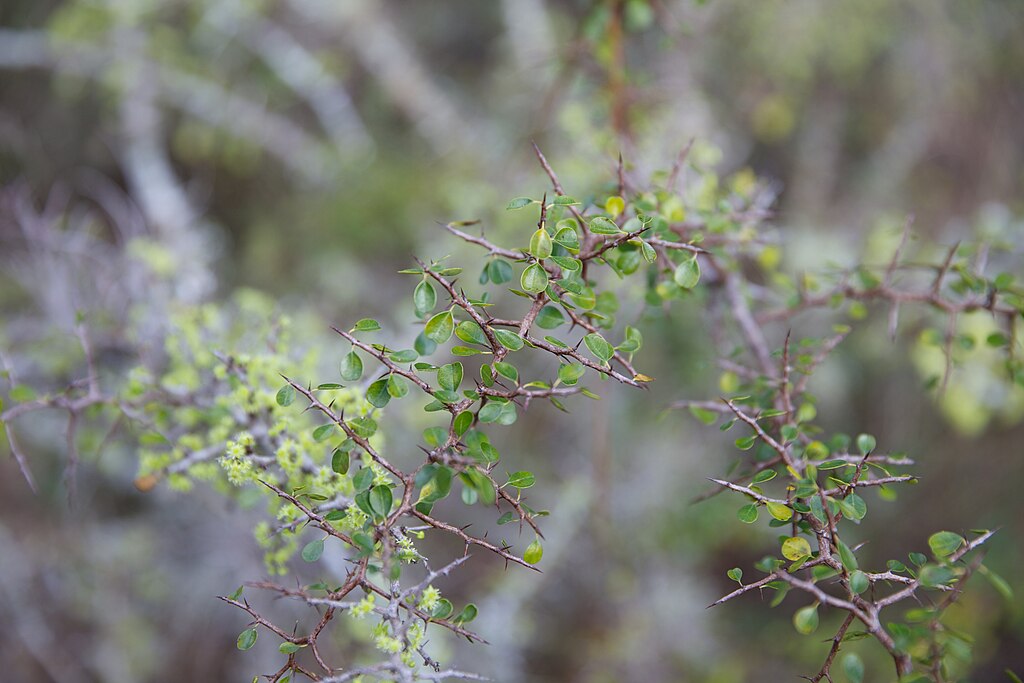
Florida Ziziphus is a rare flowering shrub that grows within the sandy scrub habitats of central Florida. The plant forms dense branching stems and produces small yellow flowers during its blooming season. Its tangled growth pattern provides natural protection from grazing animals and harsh sunlight. This unusual shrub has long been considered one of the most distinctive native plants in the region.
Land clearing for agriculture and development has once reduced its habitat significantly. Protection of scrub ecosystems allowed several remaining populations to survive. Scientists continue to monitor these protected areas and plant new seedlings where conditions remain suitable. Through these efforts, the shrub continues to grow in scattered but stable locations.
Running Buffalo Clover
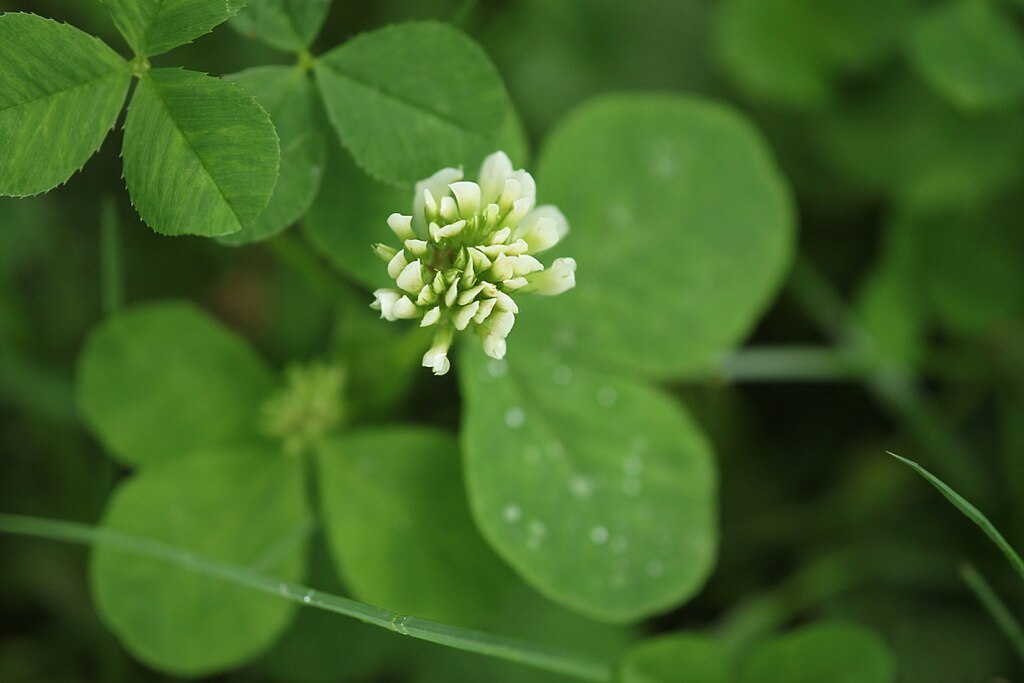
Running Buffalo Clover was once believed to be extinct before botanists located surviving populations in woodland clearings. The plant produces clusters of soft white flowers above low-growing leaves that spread across the forest floor. It grows best in lightly shaded environments where sunlight reaches the ground through openings in the tree canopy. These areas often occur along old paths, forest edges, and small clearings.
Protection of woodland habitats helped create the stable conditions needed for the plant to grow again. The clover spreads through underground stems that slowly form new patches of growth. Natural disturbances such as grazing wildlife help maintain the open conditions the plant prefers. With habitat protection in place, small colonies continue to appear in protected forests.
American Chaffseed
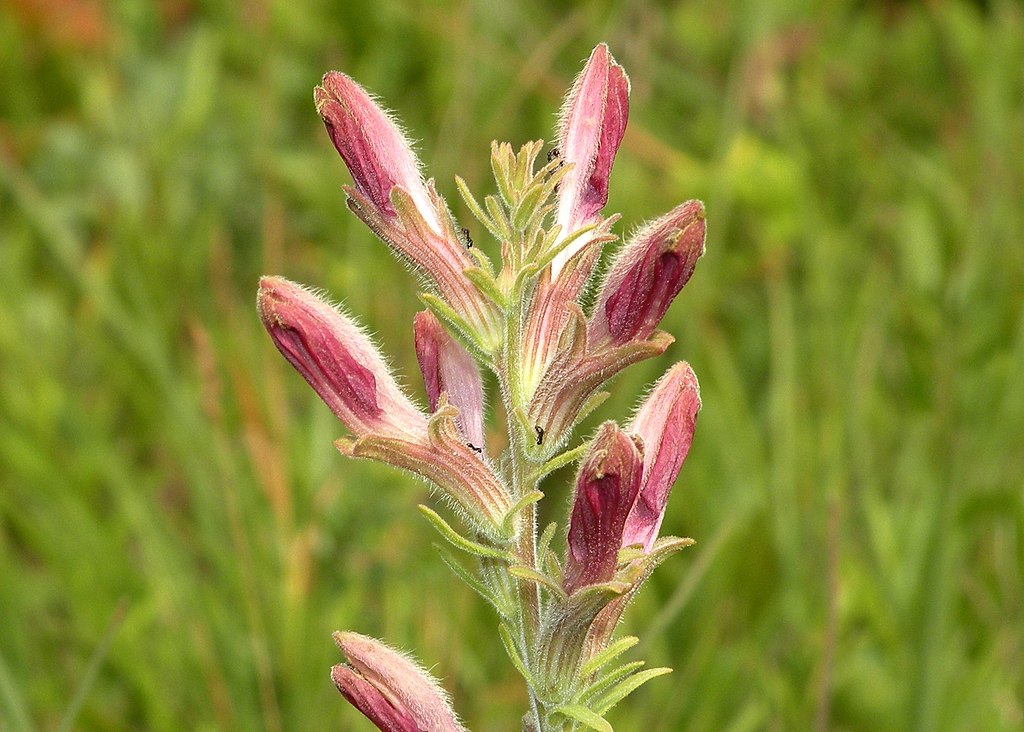
American Chaffseed is a delicate wildflower that grows in open pine savannas and grassy clearings across parts of the southeastern United States. The plant produces slender stems topped with pale yellow blossoms that often blend quietly with surrounding grasses. Because it grows in sandy soil and depends on specific natural conditions, it disappeared from several areas as land was cleared or heavily altered. For a time, botanists feared the species might vanish entirely from some regions.
Protection of pine savanna habitats helped stabilize the remaining populations of this plant. Land managers carefully maintained these areas by keeping natural sunlight levels and limiting disturbance to the soil. The plant also relies on certain native grasses and nearby plants to complete its life cycle. As protected lands recovered, small groups of American Chaffseed began appearing again in areas where it had not been recorded for years.
Lakeside Daisy
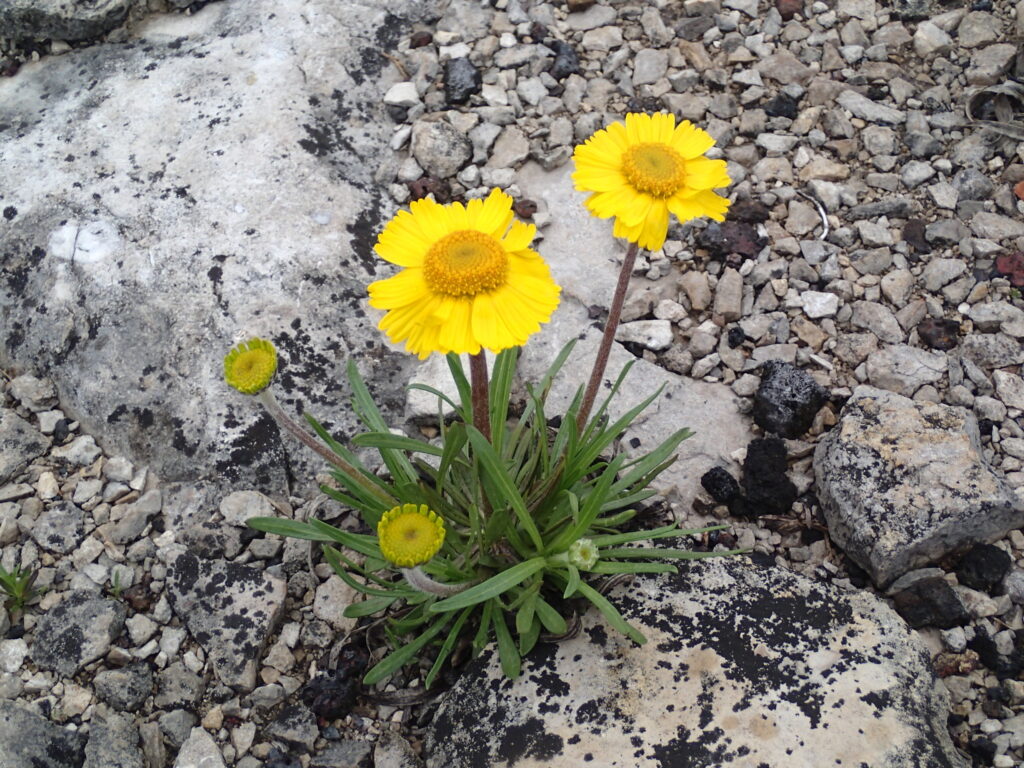
The Lakeside Daisy is a cheerful yellow wildflower that grows in limestone soil along the shores of the Great Lakes. Its bright petals open wide in early spring, often appearing while the weather is still cool. The plant forms small clusters that hug the rocky ground, creating patches of color against the pale stone. These flowers once covered larger sections of limestone habitat before quarry activity reduced their range.
Protection of shoreline preserves helped prevent further loss of this rare wildflower. Once the land was left undisturbed, natural seed growth slowly restored small populations. The plant thrives in thin rocky soil where larger plants struggle to grow. Today the Lakeside Daisy remains rare, though it continues to appear in protected limestone habitats where conditions remain stable.
Georgia Aster
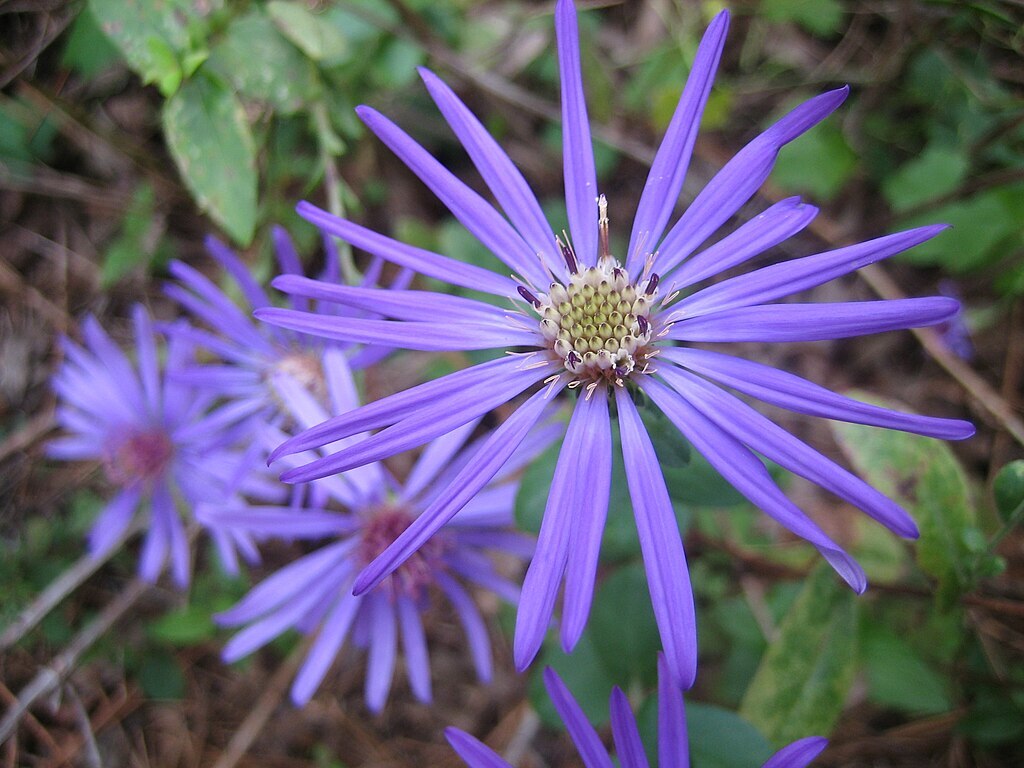
The Georgia Aster produces striking purple flowers that appear in late summer across parts of the southeastern United States. Each bloom has bright violet petals surrounding a golden center that attracts a wide range of pollinating insects. The plant grows best in open woodland edges where sunlight reaches the ground. These environments were once common before development and land changes reduced their availability.
Protected natural areas helped restore the open conditions that the plant requires. Land managers often remove dense tree growth so sunlight can once again reach the forest floor. Once these conditions returned, the Georgia Aster began appearing again in protected fields and woodland edges. Its vivid blooms now bring color to several conservation areas each autumn.
This article originally appeared on Avocadu.