
12 Rare Weather Events That Create Weird Ice Or Cloud Shapes
Ice and clouds aren’t just part of our everyday weather; they can also surprise us with their strange, unexpected shapes. Some weather events create bizarre formations that seem to defy explanation. Whether it’s ice taking on unique forms or clouds shaping into bizarre patterns, these rare occurrences leave us with plenty to marvel at. Curious about these fascinating weather events? Let’s explore them together.
This post may contain affiliate links, which helps keep this content free. Please read our disclosure for more info.
Lenticular Clouds
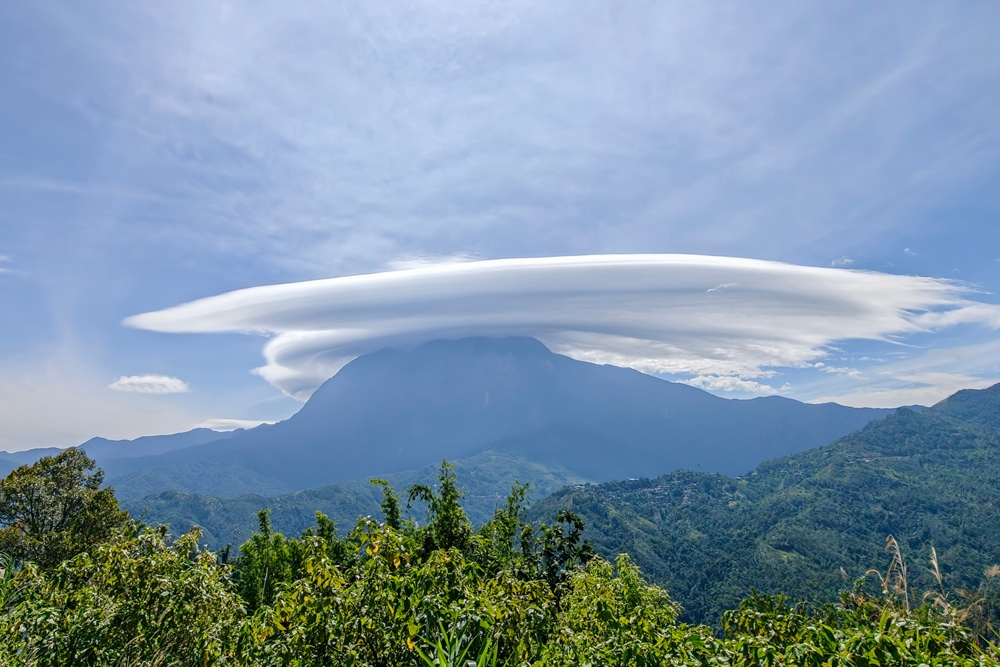
Lenticular clouds are an impressive phenomenon formed when moist air flows over mountains or other large obstacles. These clouds are a rare sight because they require specific weather conditions, including strong winds and a stable atmosphere. Their lens-like, saucer shape makes them stand out among other cloud formations. When the wind and altitude align, lenticular clouds appear at high levels, often resembling UFOs.
The rarity of these clouds lies in the precise conditions needed to create them. They are typically seen in mountainous regions where the wind patterns can create perfect formations. Lenticular clouds are known to form quickly, remaining stationary for a while before dissipating. Observing them offers a unique experience, often resembling something out of science fiction.
Ice Circles
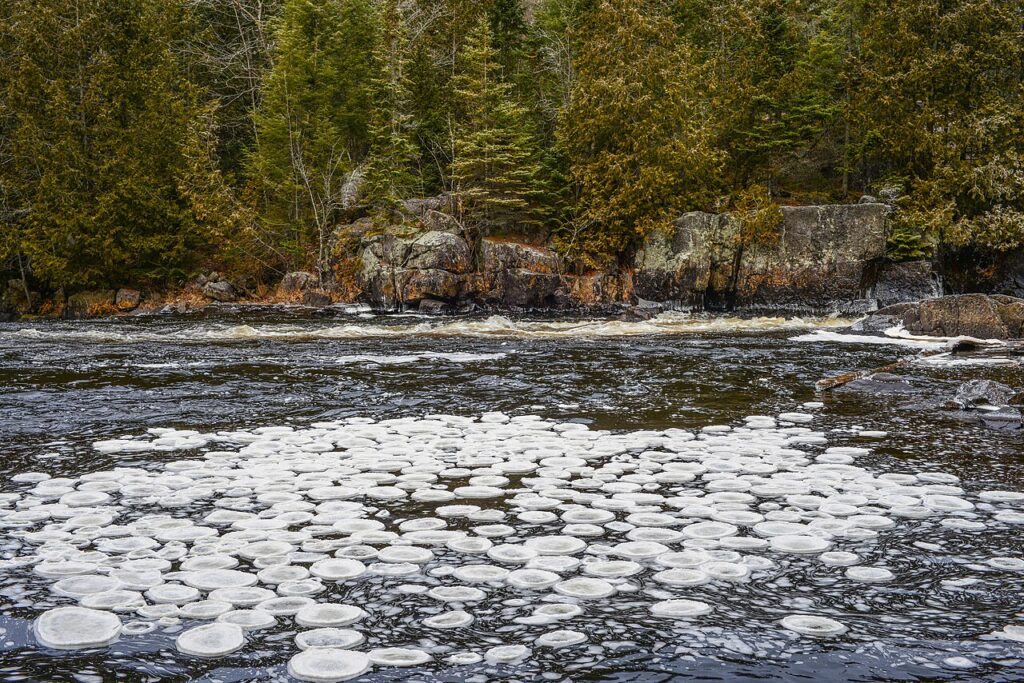
Ice circles are fascinating, naturally occurring formations found on slow-moving water, such as rivers or ponds. These rare phenomena happen when ice begins to rotate in the water, gradually forming a smooth, circular shape. The process is often caused by the right combination of water flow, temperature, and ice conditions. While the formation is simple, seeing these perfect, flat circles in nature is uncommon.
What makes ice circles particularly interesting is how the freezing process creates a uniform shape. They require specific conditions, such as slow-moving water and cold temperatures, to form correctly. Most often, ice circles are spotted in areas with rivers or streams that allow for this slow, continuous rotation. Witnessing them is a rare and beautiful event for nature lovers.
Halo Phenomenon
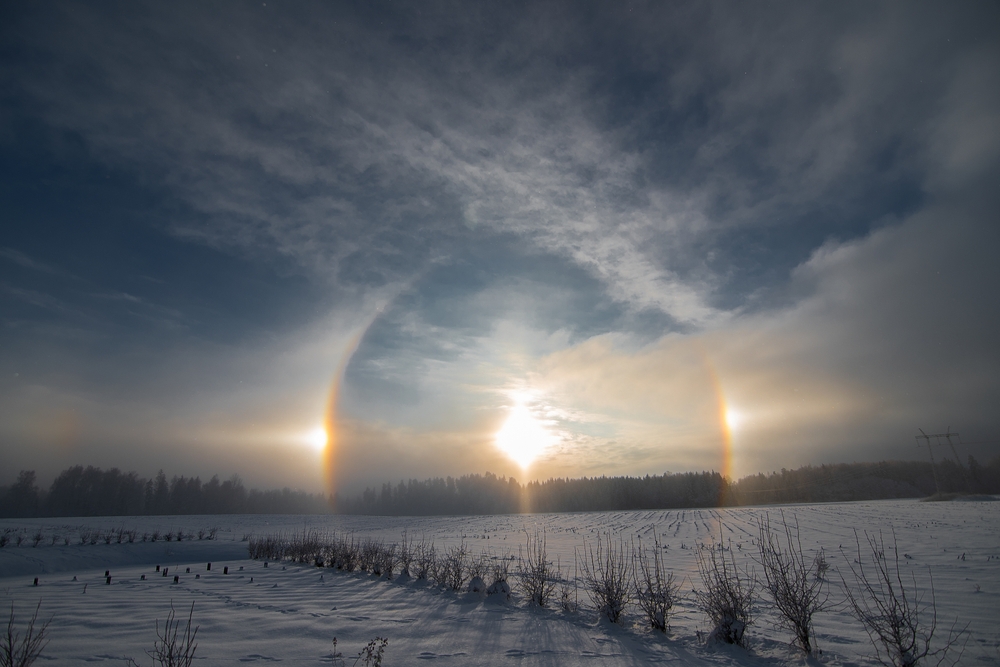
A halo occurs when sunlight or moonlight refracts off ice crystals in the atmosphere, forming a ring around the sun or moon. These optical phenomena are rare because they depend on the presence of specific ice crystals at high altitudes. Halos often appear as bright, circular bands, varying in size and intensity depending on atmospheric conditions. Although common in polar regions, halos can be spotted in other areas under the right conditions.
The beauty of halos lies in their shimmering, rainbow-like colors, which emerge due to the bending of light through ice crystals. These phenomena typically appear when cirrostratus clouds form at high altitudes, where ice crystals are present. Depending on the weather, the halo’s appearance can shift, creating different colors or intensities. It’s a breathtaking and uncommon display that showcases nature’s optical abilities.
Frost Flowers
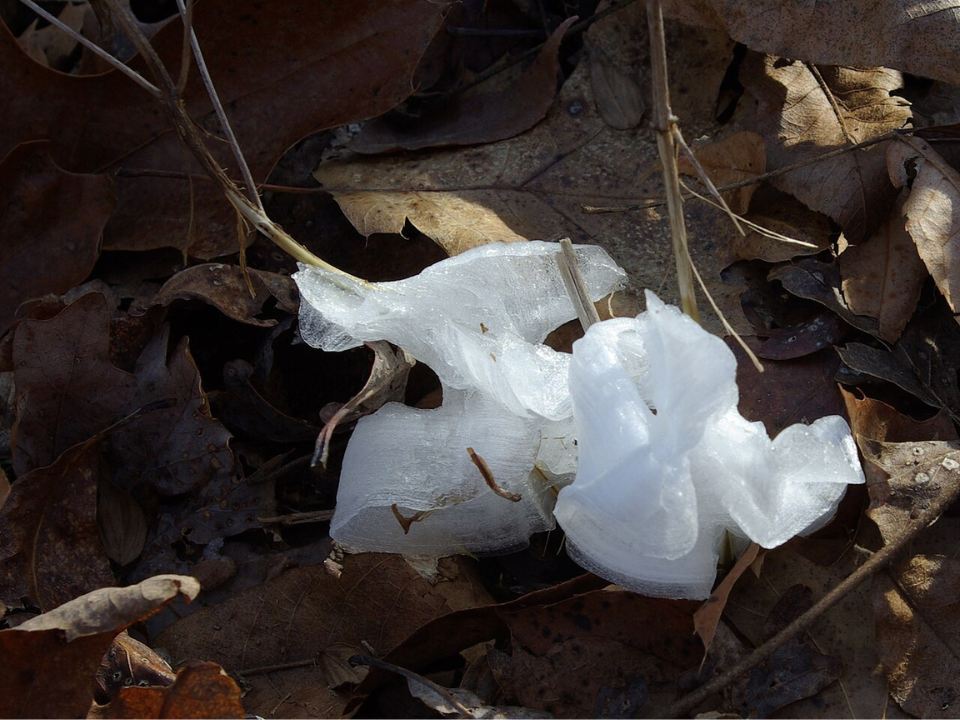
Frost flowers form on plants when moisture in the air freezes upon contact with the plant’s surface. These delicate ice formations are rare because they require very specific temperature and humidity conditions. As the ice forms, it creates intricate, flower-like shapes that look almost otherworldly. Frost flowers usually appear early in the morning when temperatures drop sharply, making them a fleeting yet beautiful sight.
The key to frost flower formation is a drastic temperature change combined with the right level of moisture in the air. These flowers can be found on plant stems, branches, or even grass blades, often resembling a soft, frosty blossom. Their delicate structures are fragile and short-lived, disappearing once the temperature rises. Seeing frost flowers is a rare, magical experience for winter enthusiasts.
Snow Rollers
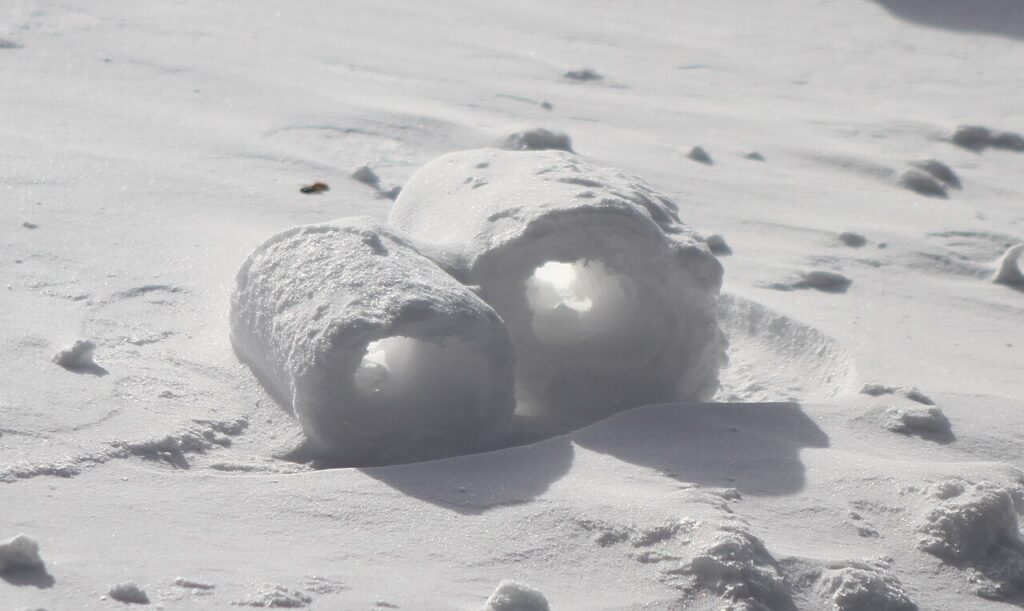
Snow rollers form when snow is moved by the wind, rolling it into large cylindrical shapes across the landscape. This rare event is created by a combination of perfect snow conditions and the right wind speed and direction. The snow must be sticky enough to hold together, but not too wet, allowing the wind to carry it across the ground in a rolling motion. While these rolls may look simple, they require very specific weather conditions to appear.
Most snow rollers are found in open fields or flat areas where the wind can move the snow freely. They vary in size, with some reaching several feet wide, creating a surreal and unique landscape. Snow rollers are rare because they need just the right combination of snow moisture and wind conditions. Their fleeting nature makes them a rare but spectacular sight in winter.
Cloud Iridescence
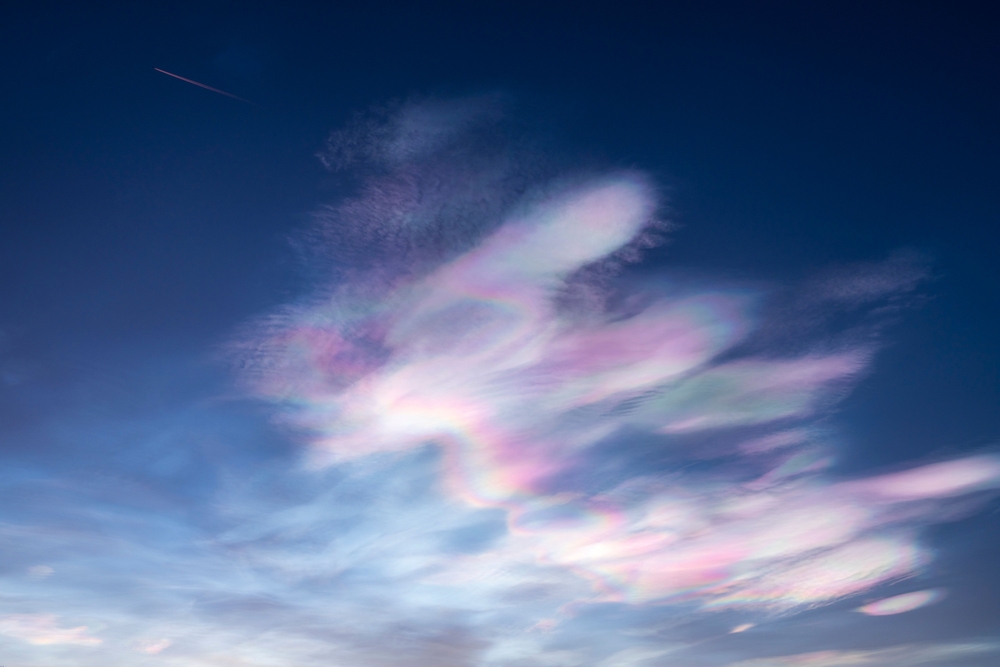
Cloud iridescence is a captivating phenomenon where light diffracts off tiny water droplets or ice crystals, creating a soft, colorful effect. This rare occurrence happens when the light interacts with specific cloud types, usually cirrus clouds, at high altitudes. Iridescent clouds can appear in pastel colors, often creating an ethereal glow in the sky. This rare optical illusion is hard to catch, as it requires the right combination of clouds, light, and atmosphere.
Iridescent clouds are brief and can change colors depending on the light’s angle. The rare beauty of these clouds lies in their ability to shimmer with soft blues, pinks, or greens. Cloud iridescence often follows storms or occurs during certain times of day when sunlight interacts with cloud particles. Although uncommon, it’s a breathtaking sight when the conditions align perfectly.
Snowbows
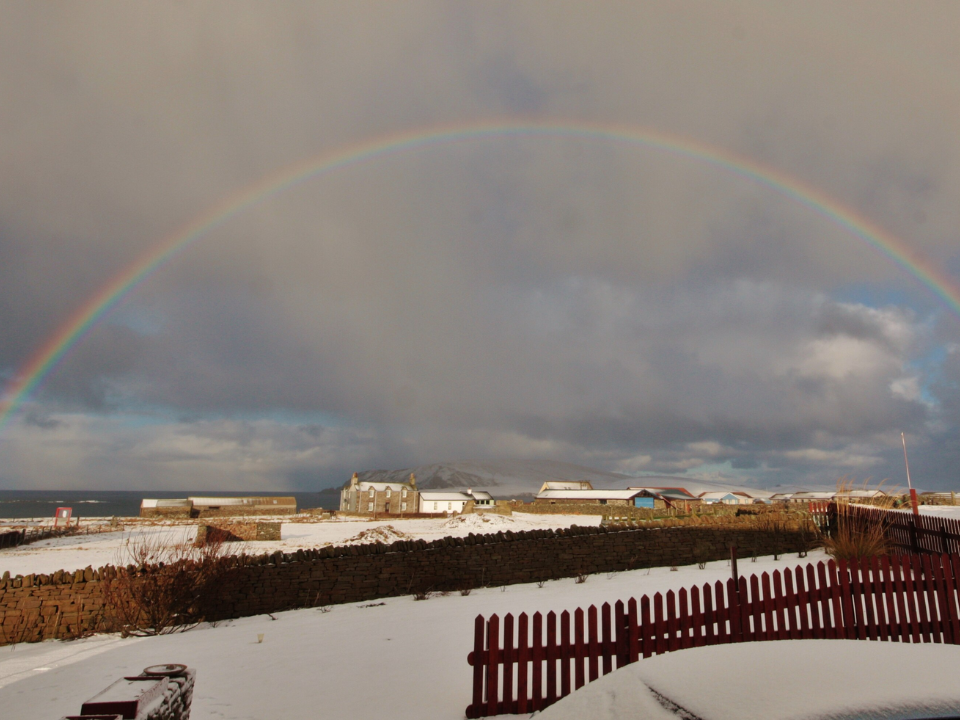
Snowbows are rainbow-like arcs that form in snowy conditions when light interacts with snowflakes or ice crystals. These rare formations require specific weather conditions, including falling snow and the right amount of light. Snowbows are unique because they occur in winter, often when the sun is low on the horizon. The result is a pale, colorful arc similar to a rainbow but much less intense.
Unlike traditional rainbows, snowbows tend to appear faint and are usually seen in areas where snow is scattered in the air. They are more commonly observed after a fresh snowfall or in regions with frequent snow showers. While they are a rare and beautiful event, snowbows are fleeting, lasting only as long as the light conditions remain ideal. Their subtle beauty adds to the magic of winter landscapes.
Diamond Dust
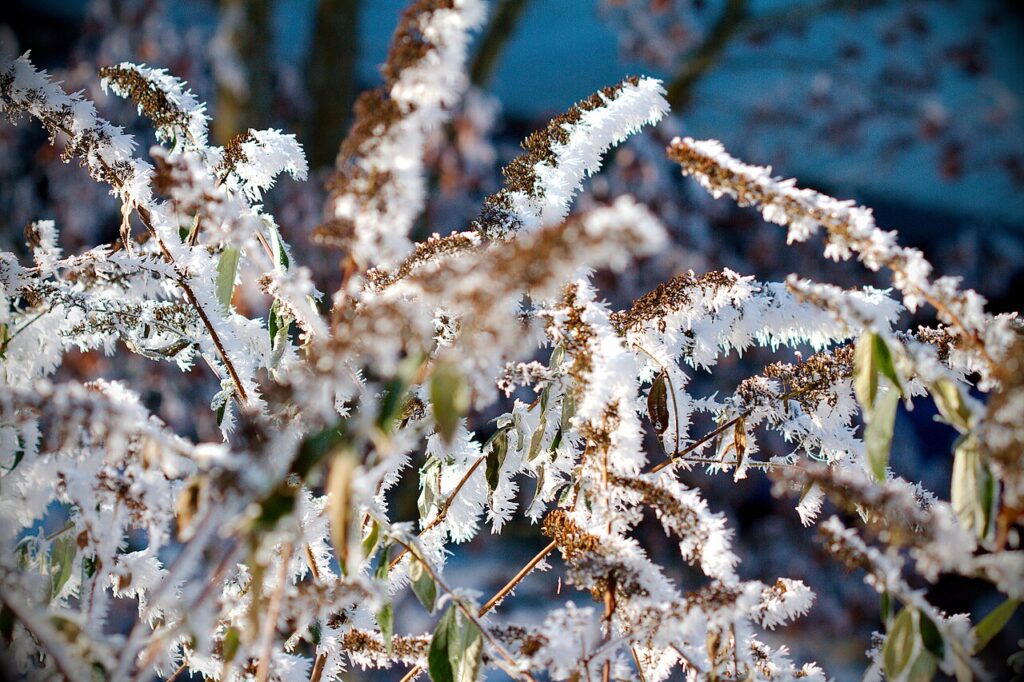
Diamond dust is an optical phenomenon where tiny ice crystals float in the air, creating a sparkling effect. This rare occurrence happens in extremely cold temperatures, usually below -20 degrees F, when water vapor freezes instantly upon contact with the air. The sparkling effect is caused by the way sunlight reflects off the ice crystals, creating a glittering appearance. Diamond dust is typically seen in polar or high-altitude regions during the winter months.
What makes diamond dust so special is its ability to transform the sky into a glittering display. This phenomenon often occurs in very cold, dry climates where the atmosphere contains just the right amount of moisture to create the ice crystals. When the light catches the crystals, they shimmer, creating a magical and fleeting spectacle. Although rare, diamond dust is a stunning visual experience for those fortunate enough to see it.
Ice Needles
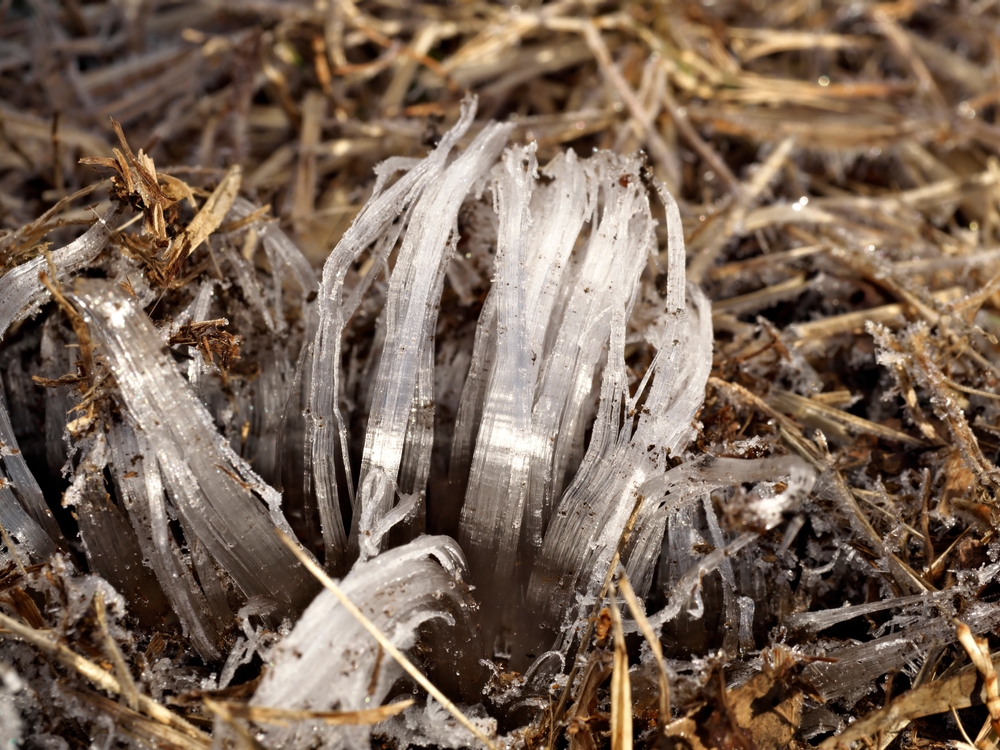
Ice needles are tall, needle-like ice crystals that form in extremely cold conditions. These rare structures occur when water vapor in the air freezes onto objects, such as rocks, branches, or other surfaces. The crystals grow in straight, needle-like shapes, often reaching several inches in length. Ice needles require specific conditions, such as low humidity and freezing temperatures, making them a rare sight.
What makes ice needles so fascinating is their delicate and sharp appearance, which stands out in the landscape. These structures typically form when the temperature drops suddenly, and moisture in the air freezes quickly. Ice needles are most commonly found in high-altitude or polar regions, where the cold is extreme. Their rarity and beauty make them an intriguing feature of winter weather.
Polar Stratospheric Clouds
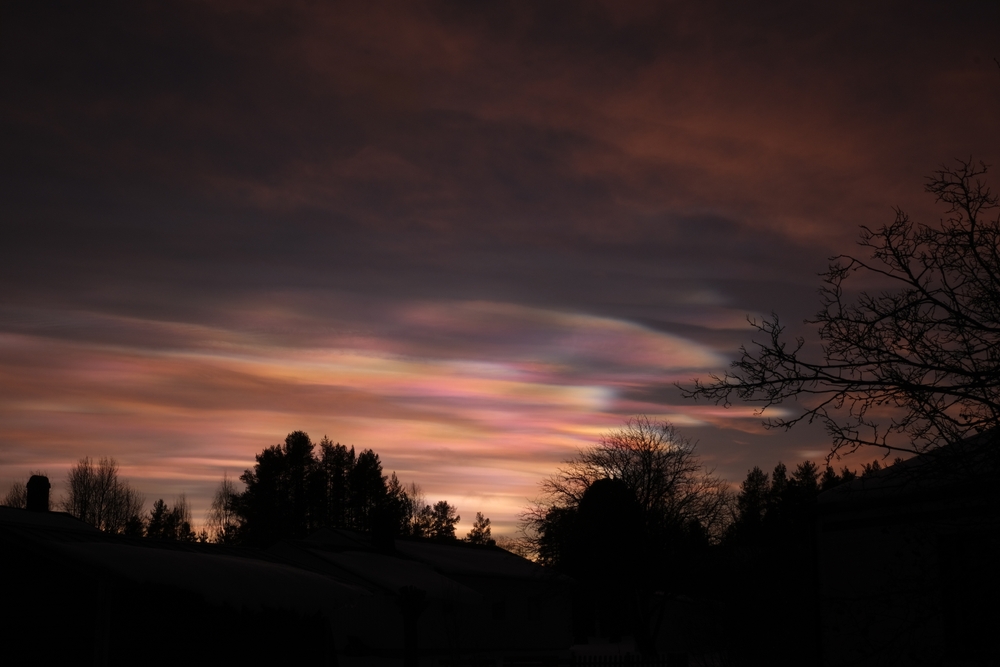
Polar stratospheric clouds, also known as nacreous clouds, are beautiful and colorful clouds that form at high altitudes in polar regions. These rare clouds occur when temperatures in the stratosphere fall extremely low, allowing ice crystals to form. The ice crystals refract sunlight, creating bright, iridescent colors like pink, blue, and green. Polar stratospheric clouds are most commonly seen in winter when the conditions are just right.
These clouds are rarely seen outside of polar regions, as the temperature and atmospheric pressure need to be just right. They are particularly stunning during the winter months when sunlight is low in the sky. The colors and brightness of the clouds can vary depending on the angle of the sunlight and the amount of moisture in the atmosphere. Their rarity and beauty make polar stratospheric clouds a striking and memorable weather phenomenon.
Ice Palaces
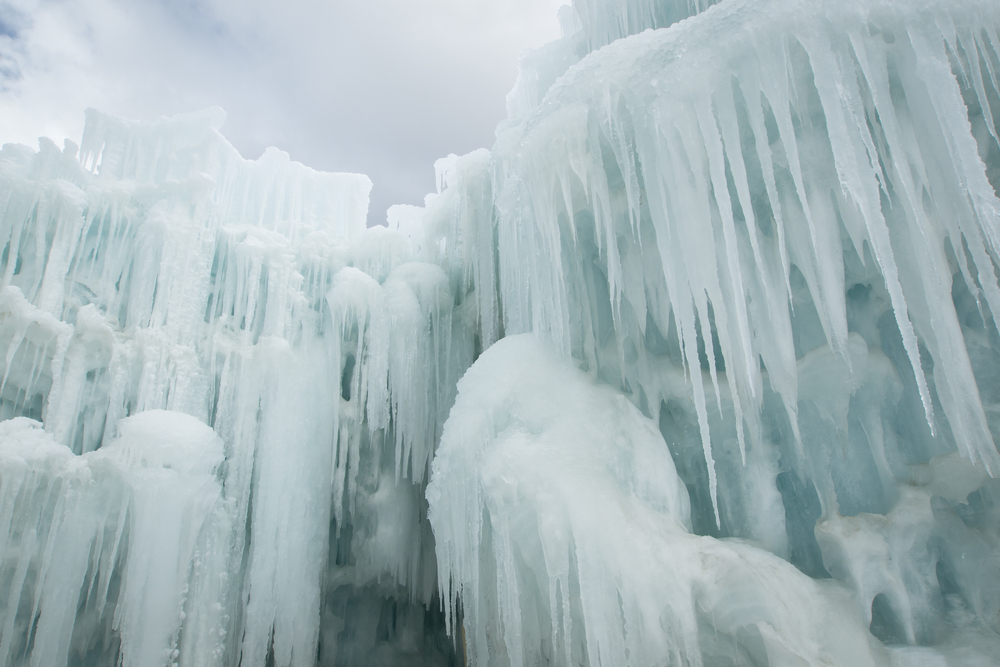
Ice palaces are natural formations made when snow and ice accumulate in delicate structures due to specific weather conditions. These structures often form in regions with heavy snowfall and low temperatures. The ice crystals gradually build up on branches, fences, or other surfaces, creating intricate, frost-covered sculptures. Ice palaces are rare because they require the perfect combination of moisture and freezing conditions to form naturally.
These frozen structures are most often seen near frozen lakes, rivers, or in areas with frequent snowstorms. The crystals accumulate on surfaces, forming beautiful, layered ice sculptures that resemble palaces. Ice palaces can melt quickly once the weather warms, making them a fleeting and rare sight. Their temporary beauty adds a touch of magic to the winter landscape.
Snow Devils
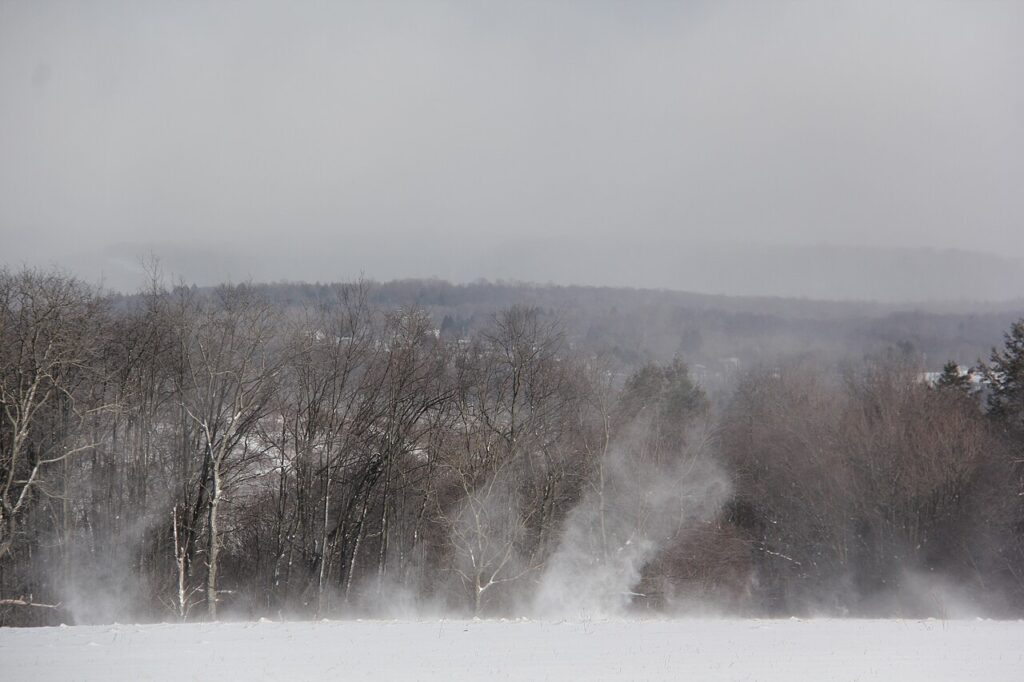
Snow devils are miniature tornadoes that occur over snow-covered ground, creating rotating columns of snow. These rare events form when wind speeds pick up loose snow, swirling it into a vortex. Snow devils are most commonly seen in open fields or flat areas where the wind can move snow freely. The phenomenon is rare because it requires specific wind conditions and snow types to form properly.
Snow devils can vary in size, ranging from small swirls to larger, more noticeable columns. These spinning snow columns are often short-lived, quickly dissipating once the wind conditions change. Although they are harmless, snow devils create a fascinating and eerie spectacle. Their rarity makes them a memorable feature of winter weather.
This article originally appeared on Avocadu.