
15 Rare Water Plants That Live in Hidden Springs and Quiet Lakes
Hidden springs and quiet lakes often hold living details that most people never notice. Beneath calm surfaces, rare water plants grow slowly in places shaped by steady flow and clear conditions. These plants rely on balance, clean sediment, and water that stays cool and undisturbed. Many of them survive far from busy shorelines and popular recreation areas. Their presence often hints at waters that have stayed unchanged for long periods of time. Learning about these plants gives a deeper appreciation for how fragile freshwater spaces can be.
This post may contain affiliate links, which helps keep this content free. Please read our disclosure for more info.
Aldrovanda vesiculosa
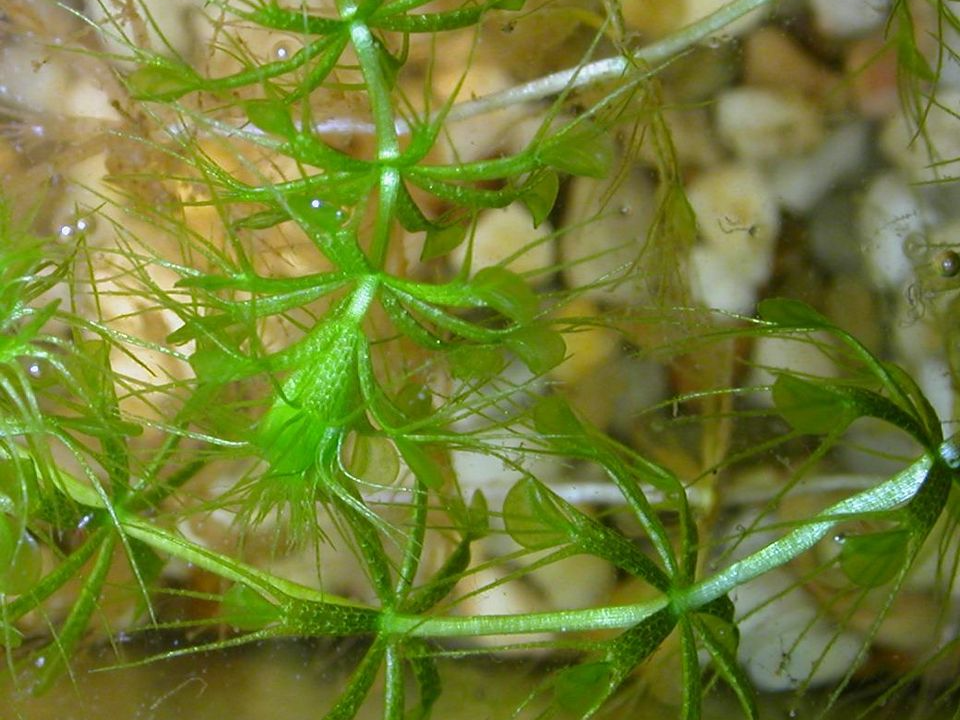
Aldrovanda vesiculosa is a free floating carnivorous plant that lives in clean, shallow lakes and spring fed waters that stay calm year round. It has no roots and drifts just below the surface, catching tiny aquatic insects with fast snapping traps. These traps close in milliseconds, making the plant one of the fastest moving plants in the world.
Because it relies on very pure water, it disappears quickly when pollution enters a lake. Many of the remaining populations survive only in isolated ponds and protected springs. Its thin stems form loose chains that look almost invisible in dark water. This plant is now extremely rare in many regions due to habitat loss. Spotting it often means the water system is still in excellent condition.
Isoetes malinverniana
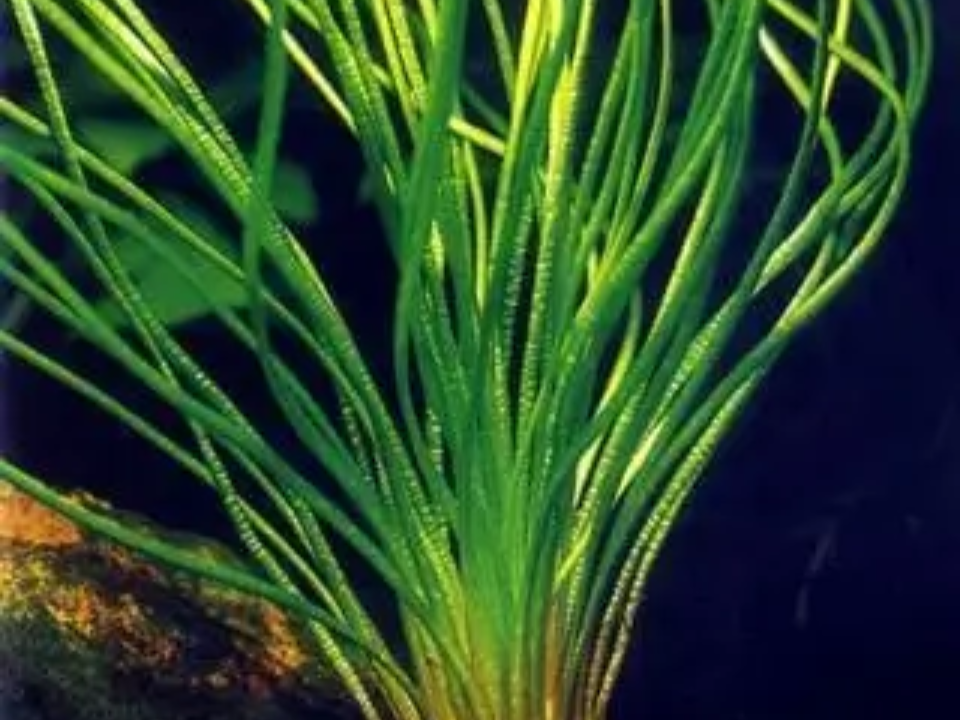
Isoetes malinverniana grows fully submerged in cold, mineral rich springs that rarely change temperature. It resembles short grassy tufts rising directly from sandy lake bottoms. This plant depends on steady water flow and cannot survive in disturbed areas.
Many of its remaining habitats are hidden spring pools that stay clear even during dry seasons. Because it grows slowly, damage to its environment takes decades to reverse. Scientists often use its presence as a signal of long term water stability. Its stiff leaves help it withstand gentle currents without tearing. Outside of a few protected sites, it is almost impossible to find.
Brasenia schreberi
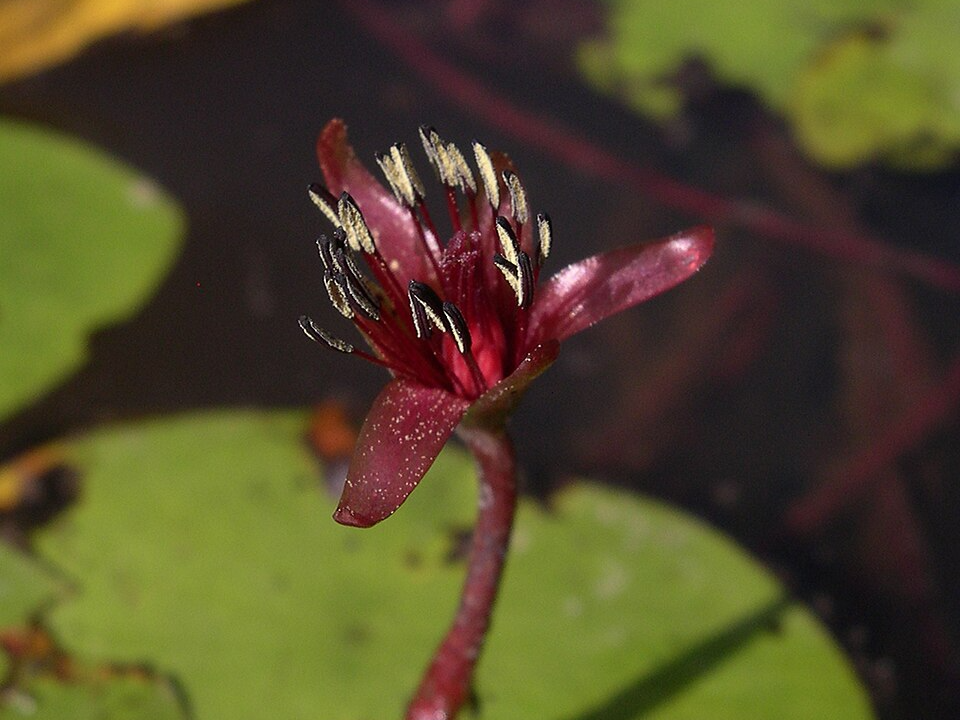
Brasenia schreberi is known for its floating leaves coated in a slick jelly like layer. This coating protects the plant from grazing insects and helps it survive in quiet lakes and spring fed ponds. The leaves rest flat on the water surface while the stems trail below. It prefers shaded water where wave action is minimal.
Hidden forest lakes often provide the perfect setting for this plant to thrive. Its purple flowers rise briefly above the surface during warm months. Because it needs calm water, boating activity can quickly damage its colonies. Many populations now survive only in remote or restricted waters.
Ottelia alismoides
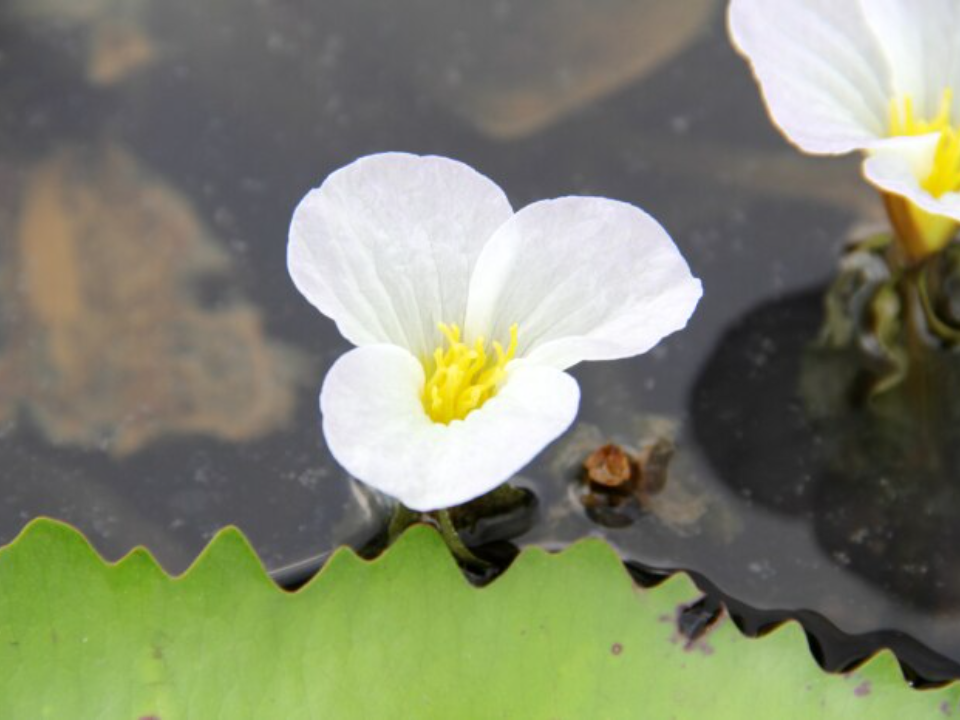
Ottelia alismoides grows rooted in shallow lake beds with very clear water. Its large round leaves float on the surface while submerged leaves spread below. This plant thrives in slow moving spring lakes where sediment stays undisturbed.
Changes in water depth can stop it from flowering. Its white flowers open briefly and are easily missed. Pollution and shoreline changes have reduced its range greatly. Remaining groups often exist far from human access. Quiet lakes with sandy bottoms give this plant its best chance to survive.
Blyxa aubertii
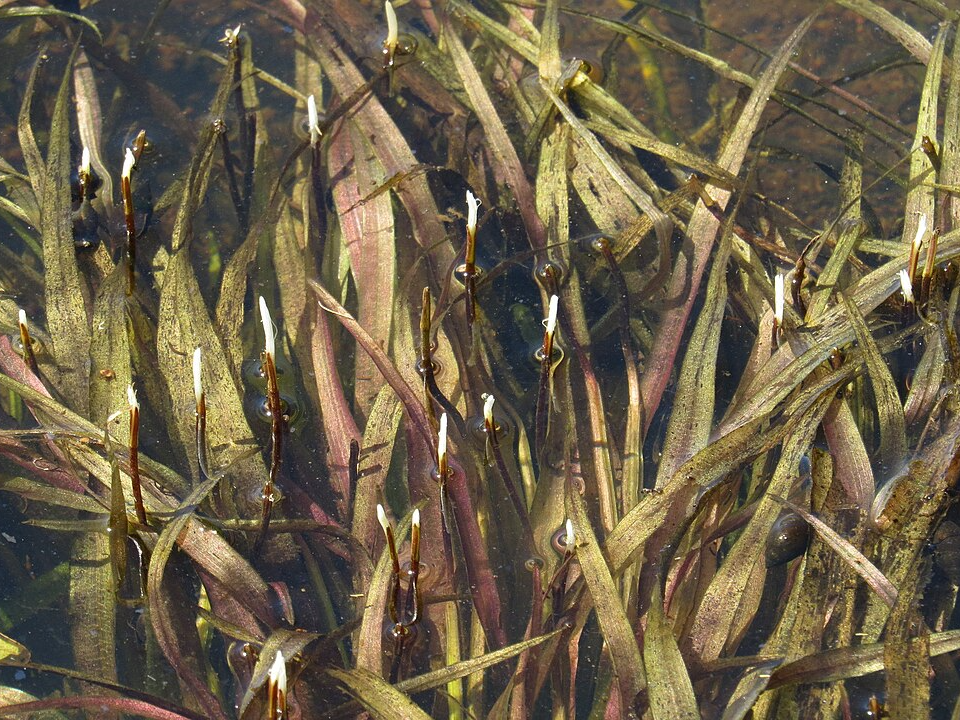
Blyxa aubertii forms soft green clusters under the surface of spring fed pools. Its narrow leaves sway gently with even slight water movement. This plant depends on constant oxygen levels and cool temperatures.
It does poorly in lakes that warm too much during summer. Many of its known habitats are small and hidden from view. Because it grows low, it can be overlooked during surveys. Disturbance of sediment can quickly smother it. Clear water is essential for its survival.
Vallisneria americana
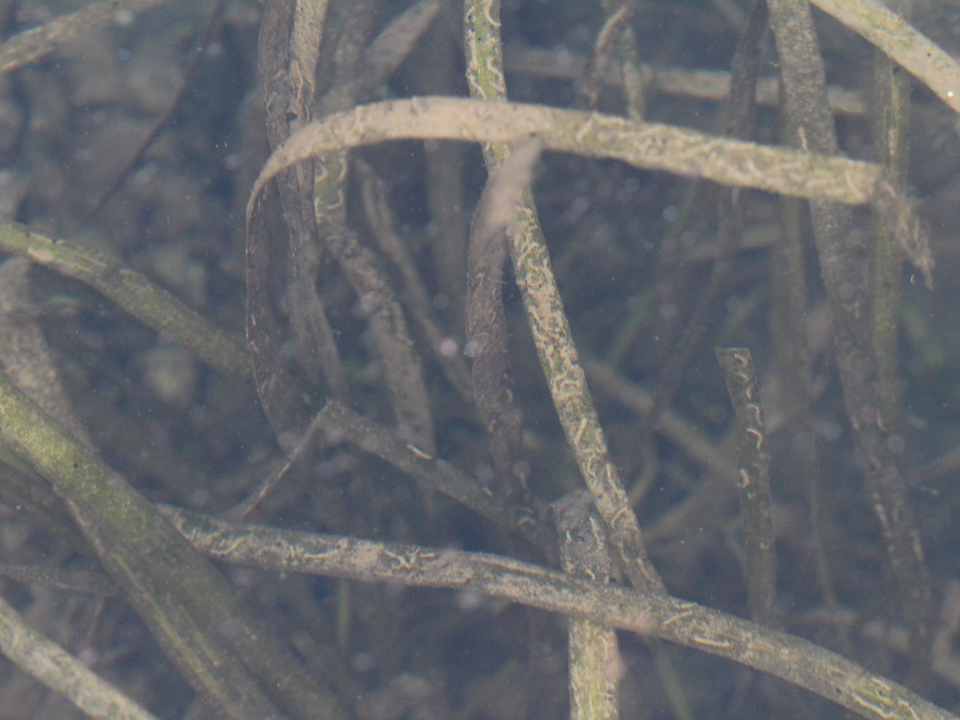
Vallisneria americana grows long ribbon like leaves that rise from the lake floor to the surface. It thrives in quiet lakes and spring outlets where currents remain gentle. The plant anchors sediment and creates shelter for fish and insects. Its flowers pollinate at the water surface in a unique process.
Clear water allows its leaves to photosynthesize properly. In hidden lakes, it often forms dense underwater meadows. Pollution and invasive species threaten many populations. Where it remains healthy, the entire lake ecosystem benefits.
Egeria densa
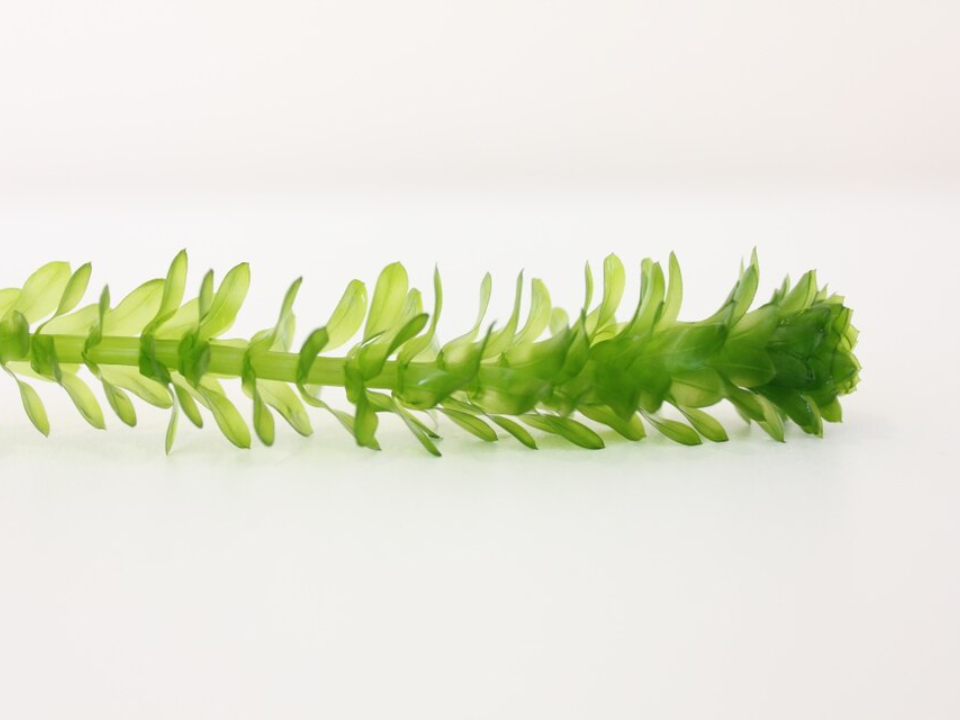
Egeria densa grows submerged with thick leafy stems that create underwater forests. It prefers spring fed lakes with stable water chemistry. While common in some areas, truly wild populations are rare and isolated. It spreads slowly in cold clear water.
The plant provides shelter for aquatic life in deep quiet zones. Changes in water clarity can stop its growth entirely. Many hidden lakes still support native stands. These locations often remain unknown to the public.
Utricularia australis
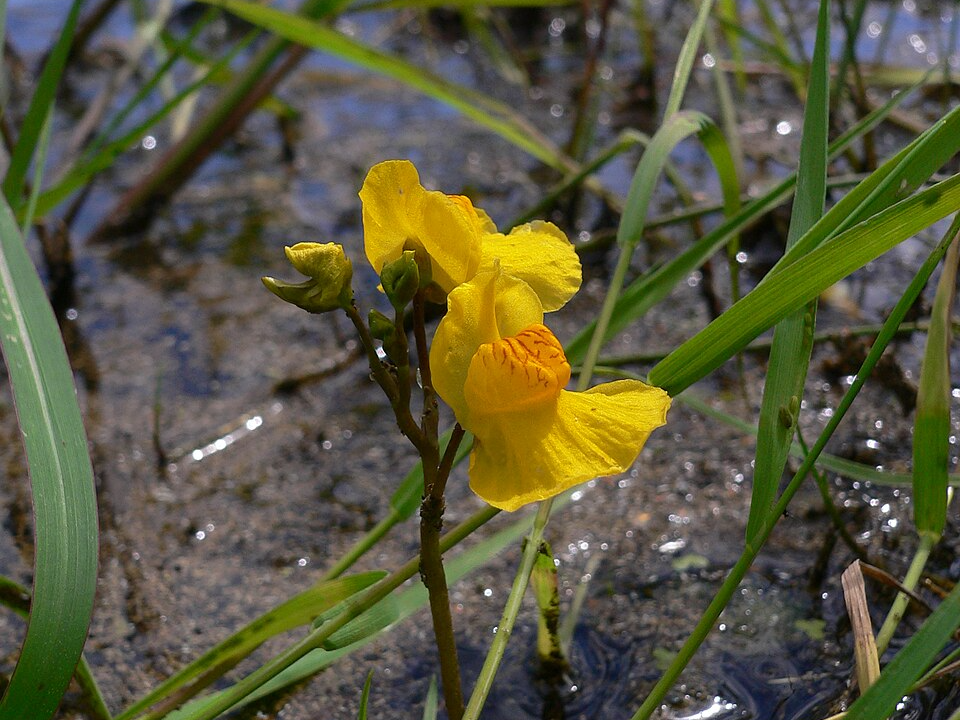
Utricularia australis is a rootless carnivorous plant that floats freely in still waters. It captures microscopic prey using small bladder traps. These traps provide nutrients in waters low in minerals. The plant thrives in shallow lakes fed by underground springs.
It often forms tangled mats below the surface. Flowering stalks rise above water during warm periods. Its delicate structure makes it sensitive to disturbance. Many populations exist only in protected wetlands.
Najas flexilis
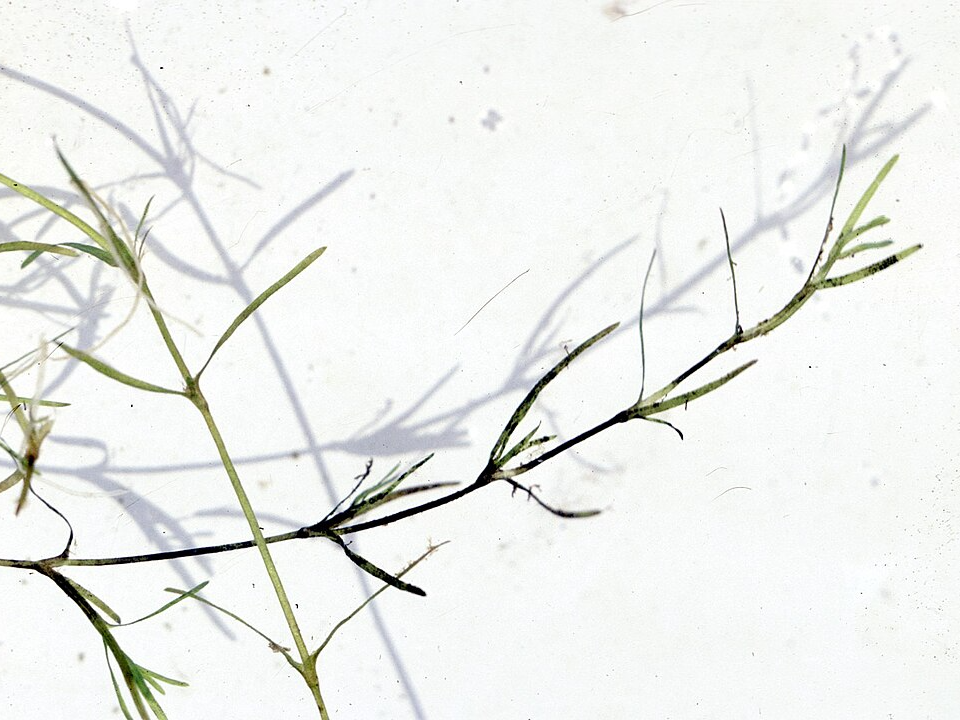
Najas flexilis grows fully submerged in cool clear lakes with sandy bottoms. Its thin stems branch easily and form loose underwater patches. This plant prefers low nutrient water and stable temperatures. Sudden changes in clarity can wipe out entire groups.
It provides food and cover for small aquatic animals. Because it lacks showy features, it often goes unnoticed. Many remaining populations are found in secluded lakes. These waters are often difficult to reach.
Hydrilla verticillata
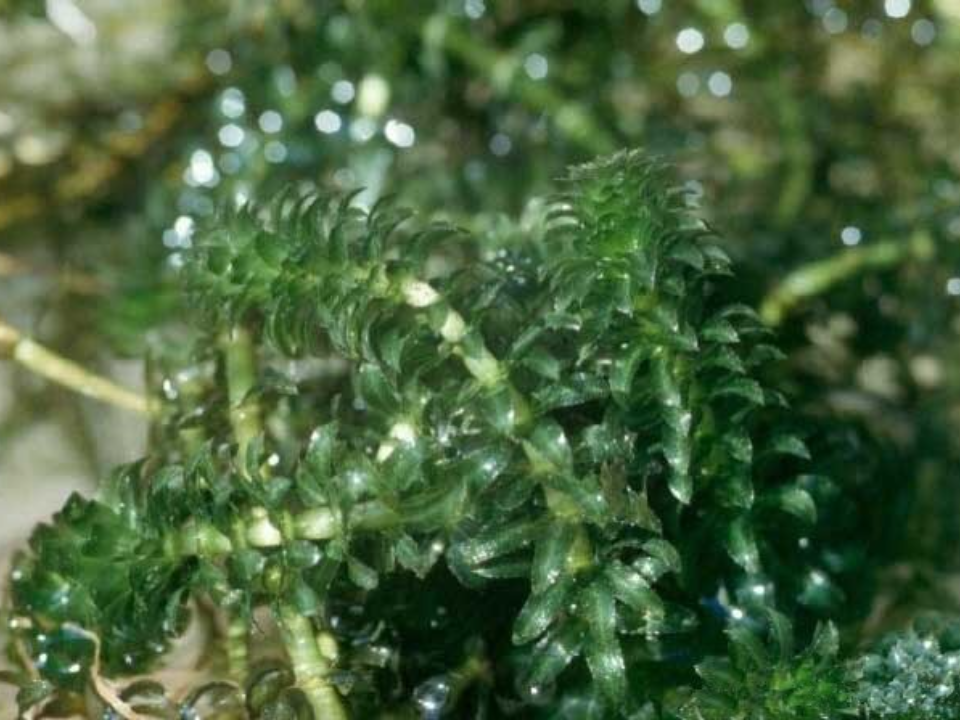
Hydrilla verticillata can grow in many conditions, yet rare native strains survive only in undisturbed spring lakes. These forms grow more slowly than invasive ones. They depend on clear water and stable sediment. In hidden lakes, they create thick underwater cover.
This plant can tolerate low light better than many species. Its survival depends on minimal shoreline disruption. Native populations are now closely monitored. Finding them often leads to new conservation efforts.
Cabomba caroliniana
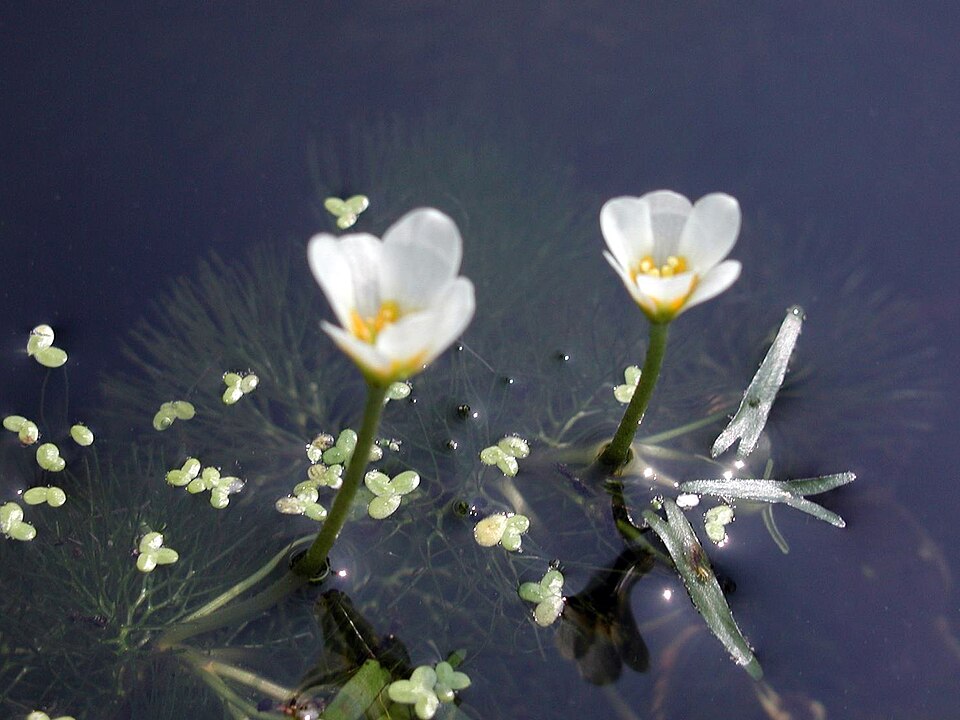
Cabomba caroliniana grows fully submerged in very still, clear lakes and spring fed backwaters. Its feathery leaves spread in fan shaped layers that slow water movement around it. This plant relies on strong light penetration, which limits it to shallow but undisturbed waters.
Hidden lakes with sandy bottoms often support small natural groups. Sudden changes in temperature can cause rapid decline. It provides shelter for tiny fish and aquatic insects. Because it breaks easily, human activity can damage it quickly. Surviving populations often remain far from shore access.
Lobelia dortmanna
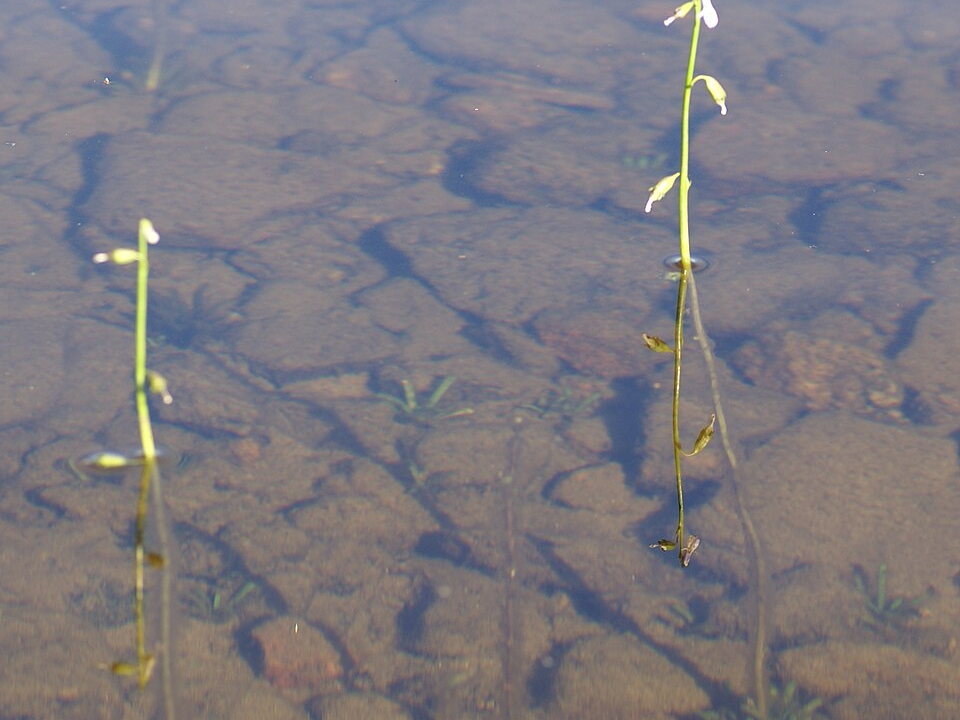
Lobelia dortmanna grows rooted deep in clean lake beds where water remains cold and clear. Its narrow leaves stay mostly underwater while flower stalks rise above the surface. This plant depends on low nutrient conditions that few lakes still maintain. Hidden spring lakes provide the steady chemistry it needs.
It absorbs carbon directly through its roots rather than from the water column. This unusual trait ties it closely to undisturbed sediment. Shoreline changes can remove it within a single season. Remaining sites are often closely protected.
Crassula helmsii
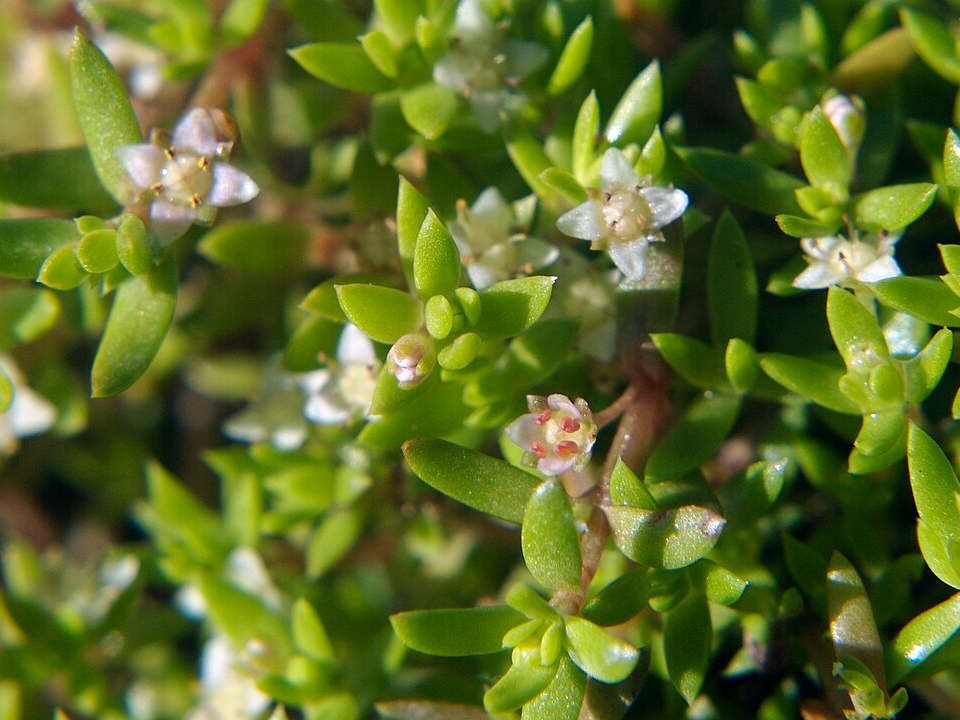
Crassula helmsii can grow submerged in calm freshwater springs and quiet lake edges. In these settings, it forms dense mats close to the bottom. The plant tolerates cool water better than many aquatic species. Hidden lakes with stable water levels support its slower growing form.
It reproduces easily from fragments, making disturbance risky. In isolated waters, it remains balanced with other plants. Sudden water drawdowns can cause major loss. Careful monitoring is needed where it grows naturally.
Potamogeton praelongus
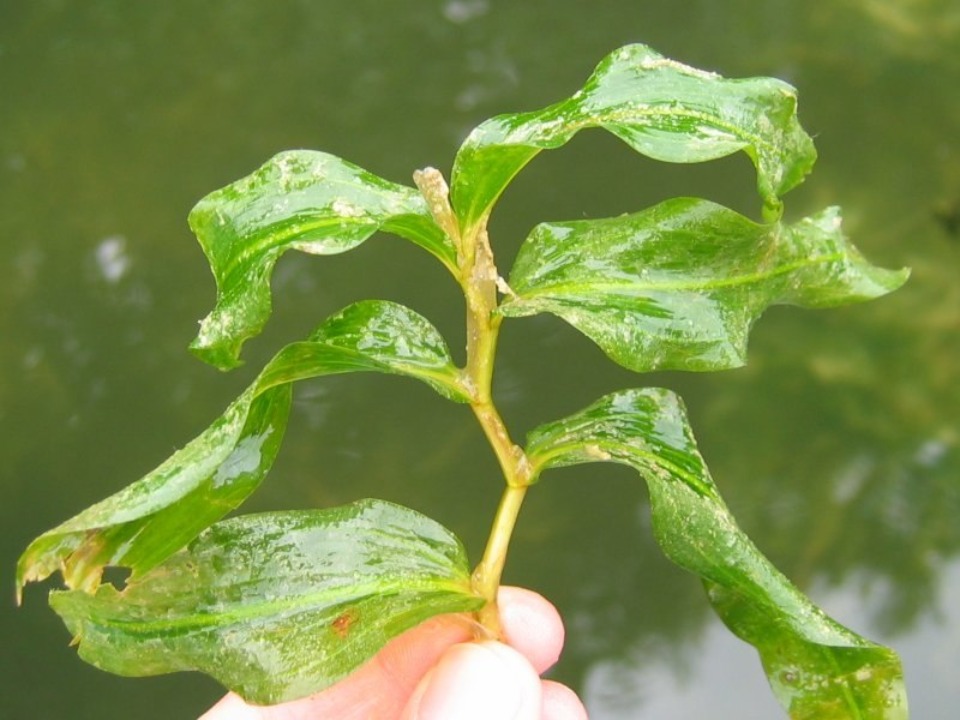
Potamogeton praelongus grows in deep, clear lakes fed by cold springs. Its long leaves remain fully submerged and move gently with water flow. This plant needs very high water clarity to survive.
Even small increases in algae can block enough light to cause decline. It often grows alongside other sensitive aquatic species. Hidden lakes with minimal runoff provide ideal conditions. Because it grows slowly, recovery takes many years. Its presence often signals excellent water quality.
Myriophyllum alterniflorum
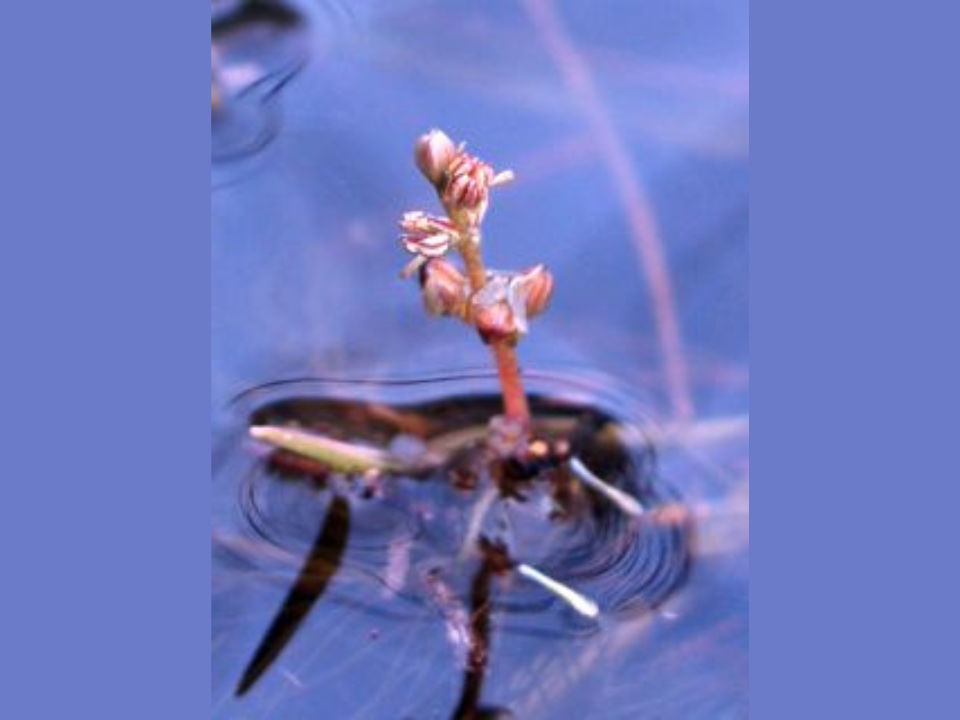
Myriophyllum alterniflorum thrives in cool lakes and spring pools with soft sediments. Its finely divided leaves create soft underwater layers. The plant prefers low nutrient water and steady temperatures. It struggles in lakes with heavy fish stocking.
Quiet, remote waters often shelter remaining populations. Flower spikes appear above the surface during warm months. Sediment disturbance can bury young shoots. Clear, calm lakes remain its strongest refuge.
This article originally appeared on Avocadu.