
15 Rare Vinyl Records With Hidden Tracks Or Mislabels
Hidden tracks and mislabels are some of the most fun surprises in vinyl collecting. Sometimes it is a song tucked after long silence, and other times it is a label that tells the wrong story. This list rounds up rare records where the odd detail is part of the appeal, and it gives you a quick idea of what makes each one worth hunting down.
This post may contain affiliate links, which helps keep this content free. Please read our disclosure for more info.
Nirvana – Nevermind (Some Early Pressings With an Unlisted Track)
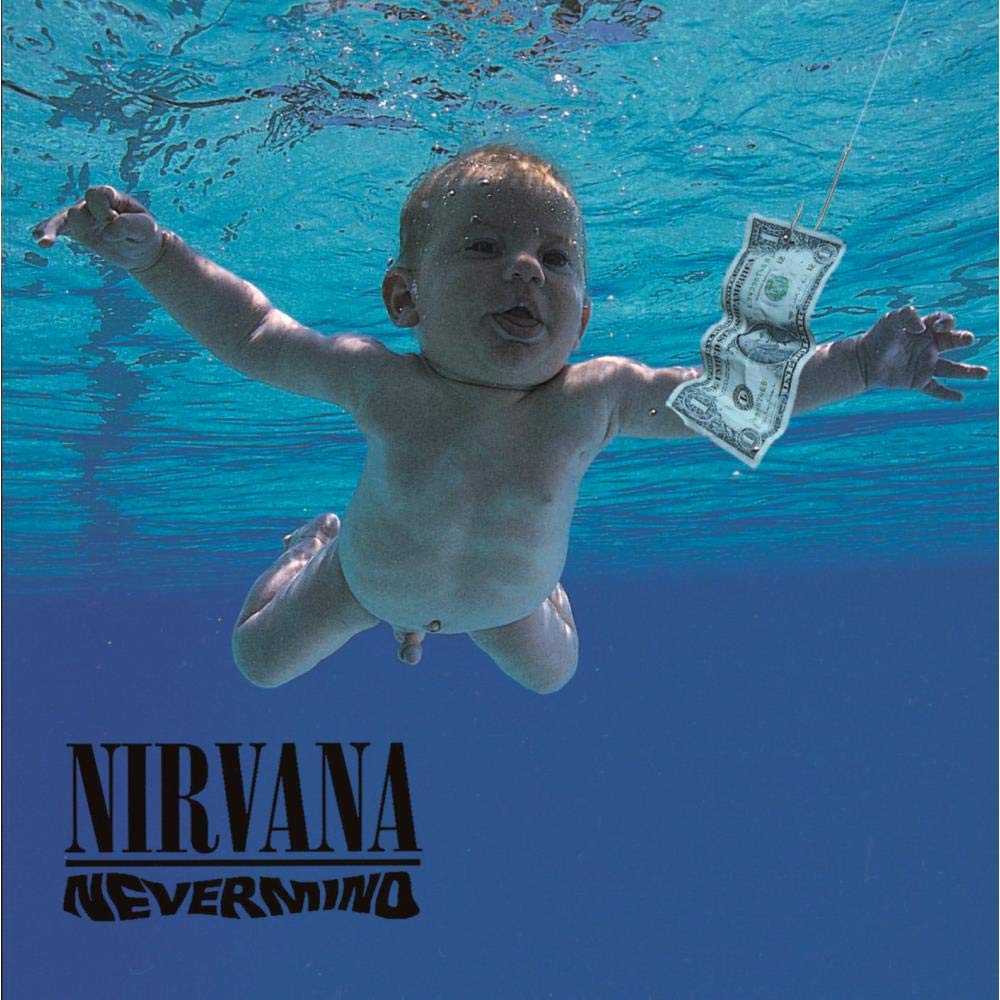
A big part of the buzz around this album is the way certain copies turn into a small surprise after the last listed song. You can sit through a stretch of silence and suddenly get hit with extra audio that is not printed on the jacket. That kind of pause can make first time listeners think the side is finished, which is exactly why collectors like it. When you are shopping, it helps to check pressing notes and runout markings because different plants handled the album in different ways.
If you want to spot a copy that might have the extra audio, ask sellers how the side ends and whether the label lists anything beyond the standard track list. Some people assume all copies have it, while others have never heard it on their own copy. Condition matters more than usual since a noisy lead out can mask quiet sounds or make the silence feel shorter. A clean stylus and a calm listening room make the whole gimmick feel more real.
Green Day – Dookie (The Long Gap That Ends With a Surprise)
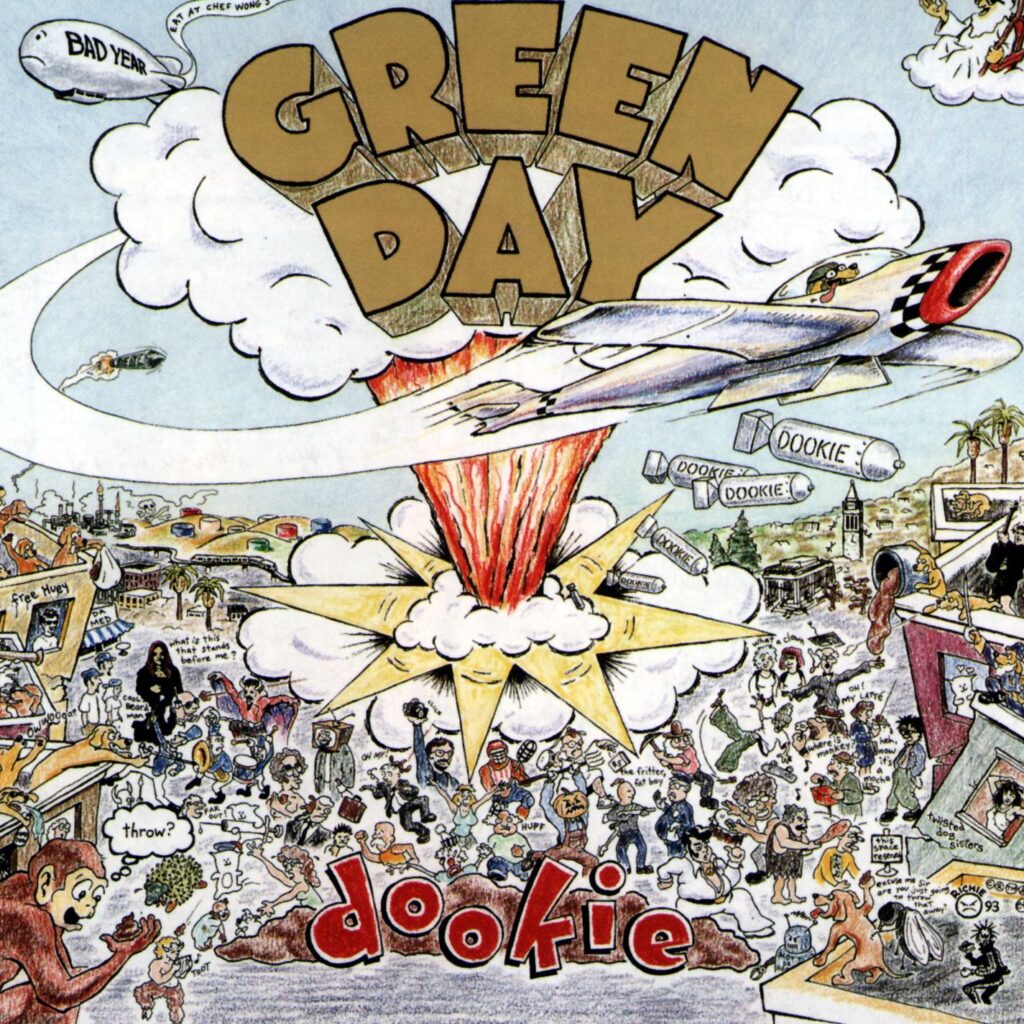
This is one of those records where the joke is built into the format, since the extra bit comes after what feels like the natural ending. You finish the last listed track, think you are done, and then the side keeps going. That long empty stretch can be the whole point, especially if you play it for someone who has not heard it before. It is a simple trick, but it works because vinyl trains you to expect the music to stop once the groove runs out.
Collectors tend to look for versions that keep the spacing intact rather than edits that tighten the side for convenience. When you buy online, the best clue is a seller who actually mentions the wait and the extra audio instead of copying a basic listing. If you buy in person, you can also look for telltale etchings and pressing details in the deadwax. It is a fun record to own even without the surprise, yet that extra moment makes it feel like a story you can replay.
Tool – Opiate (Known for a Bonus Piece Tucked at the End)

Tool fans love physical formats because the band has a history of doing strange things with endings and presentation. Some versions of this release include an extra piece that shows up only if you let the side run past the last listed song. The trick is not loud or obvious at first, so it can feel like you are hearing something you were not meant to catch. That fits the mood of the record, which is part of why it gets talked about so much.
When you look for a copy, keep in mind that different issues and reissues do not always match each other. A listing that says “hidden track” without details can still be vague, so asking what happens after the last track is worth it. If a seller cannot confirm it, you can treat it as a normal copy and price it that way. The real win is finding a clean pressing with quiet surfaces so the last minutes do not get lost in crackle.
The Beatles – Abbey Road (Apple Label Variations and Occasional Misprints)
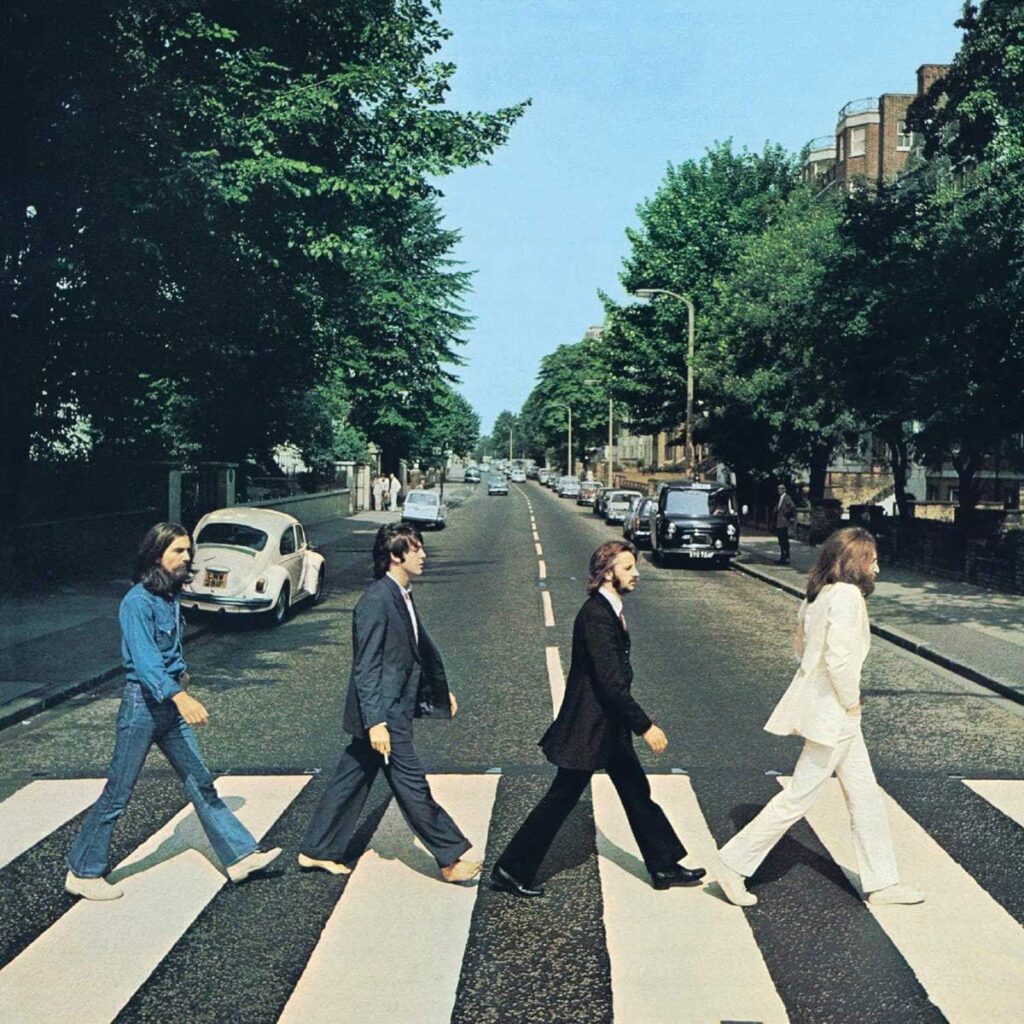
Beatles collecting has a whole subculture around tiny label details, and Abbey Road is no exception. Some copies have small differences on the Apple labels, and a few have printing mistakes that collectors treat like a badge. It is the kind of thing you might miss unless you hold two copies side by side under good light. Even the same country can have multiple variants depending on the plant and the time of production.
For this one, the best approach is to learn what the standard label text looks like for the pressing you want. Then you can spot the oddball versions that have spacing changes, text shifts, or other small mistakes. People love to argue over which variant is “the one,” so it helps to focus on what you can verify in photos. A clean jacket and readable labels make the hunt more enjoyable, since you are often paying for details you want to show off.
Sex Pistols – Never Mind the Bollocks (Early Label and Sleeve Errors)

Punk records have a long history of rushed production, which is how weird label and sleeve mistakes slip through. With this album, collectors chase early variations where credits, label text, or other printed details do not match later standard copies. The appeal is partly the story, since the chaos fits the band’s reputation. You can end up with a copy that looks “wrong” in a way that feels perfectly on brand.
If you want one, you will see a lot of claims in listings, so it helps to compare against known label layouts and catalog numbers. Good photos of both labels and the spine can save you from guessing. Some variants are common in certain regions and rare in others, which is why prices can be all over the place. As usual with punk originals, wear is normal, so decide whether you care more about a clean play copy or a display piece.
David Bowie – The Rise and Fall of Ziggy Stardust and the Spiders From Mars (RCA Label Misprints)
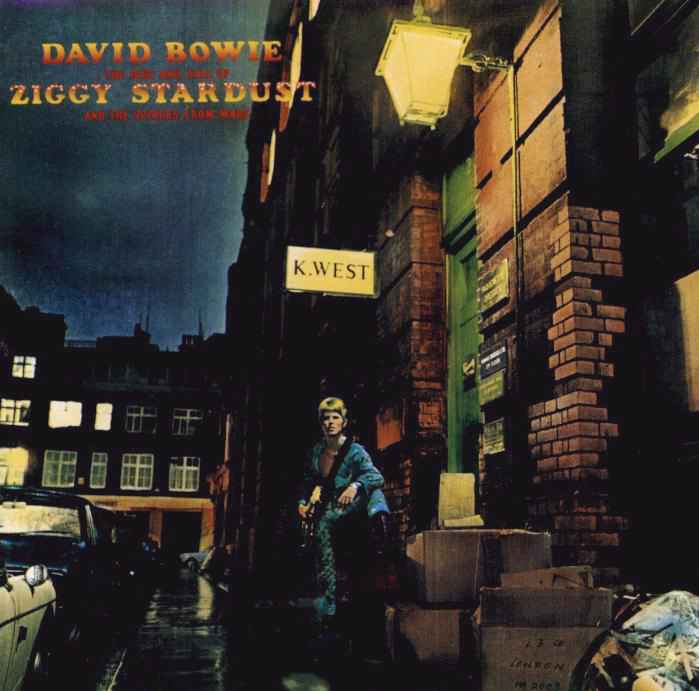
Bowie originals on RCA are full of small variations that keep collectors busy. Some copies show printing mistakes or layout changes on the label, and those little differences can turn a normal record into a conversation starter. You might see odd spacing, slightly different text placement, or small errors in credits. Since the album has been pressed many times, those early quirks stand out even more.
Tracking down a specific variant usually comes down to label photos and matrix details, not just the title. Sellers often mix up reissues with originals, so you want to confirm the label design and the fine print. The best deals show up when someone lists it as “old Bowie record” without noticing the odd label detail. If you get the right copy, you have music you will play plus a piece of printing history you can point to.
Led Zeppelin – Led Zeppelin III (Track and Credit Misprint Variations)
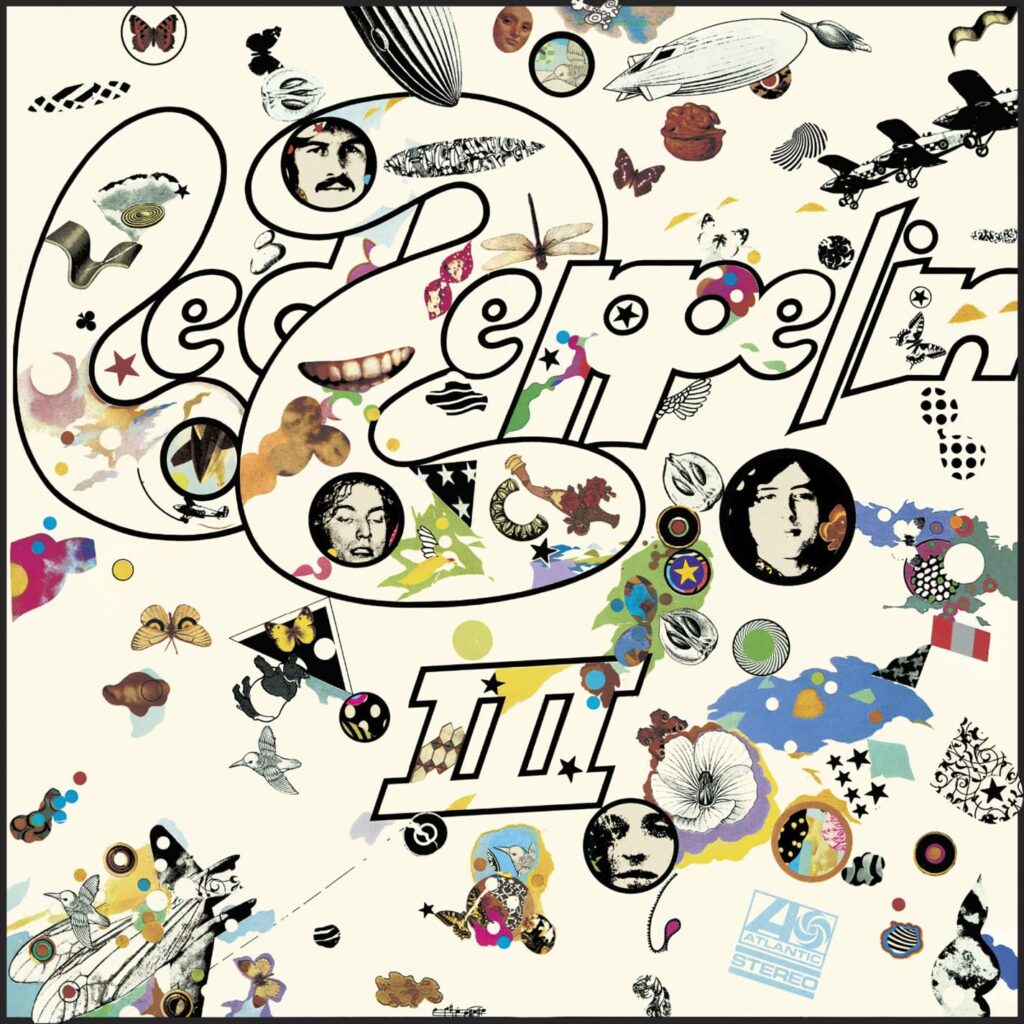
Led Zeppelin collecting is full of tiny differences, and Led Zeppelin III is one of those titles that invites close inspection. Some copies have label or sleeve text that is slightly off compared to the standard print, usually in credits or track formatting. It is not always dramatic, yet small mistakes can matter a lot to collectors. Since this album has a distinctive package, even minor printing quirks feel like part of the object.
When you shop, look beyond the front cover and check the spine, back text, and label layout. A seller who includes clear label shots is doing you a favor, since many variants live in the fine print. You will also want to watch for later reissues that borrow the look but not the same exact details. If you are in it for the collecting side, it can be satisfying to build a set of variants and see how they differ in your hands.
Pink Floyd – The Wall (Label and Track List Differences Across Pressings)
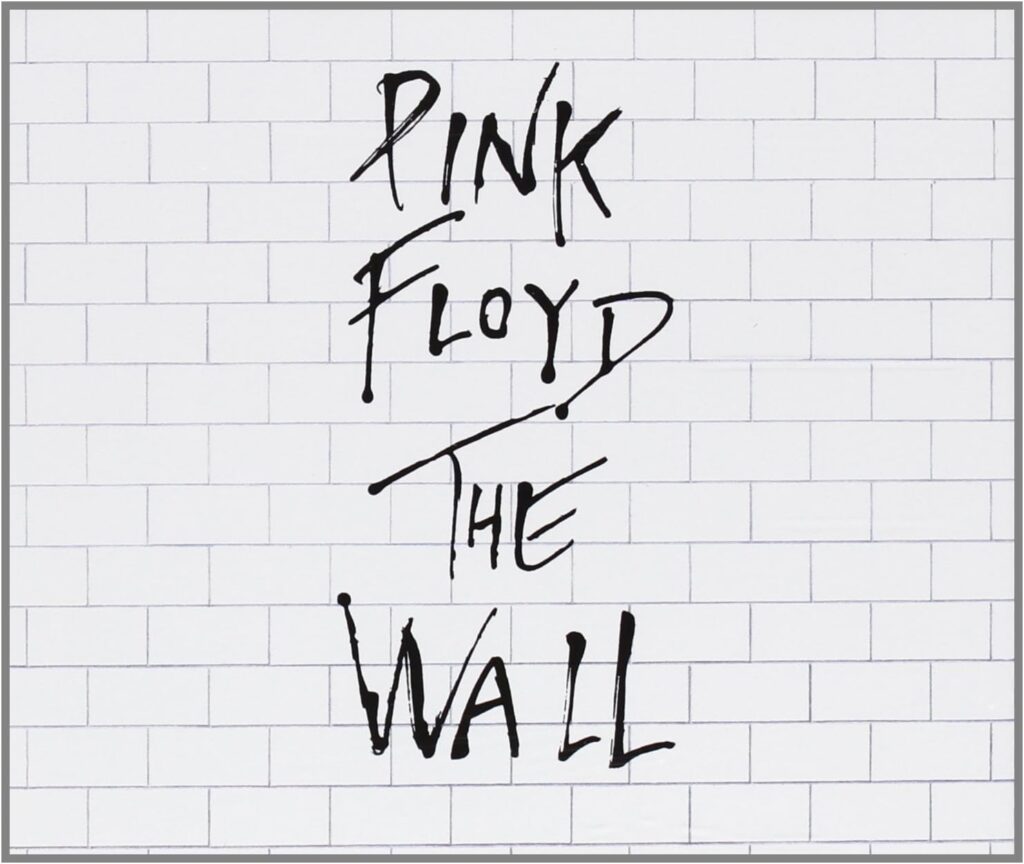
This album has been pressed in so many places that it is almost guaranteed you will run into label and printing differences. Some copies have small track list formatting changes, credit shifts, or label text variations that collectors treat as distinct versions. Since it is a double album, there are more labels and more chances for something to be different. Even inserts can vary, which adds another layer to the chase.
If you want a specific mislabel or print oddity, you need a seller who will confirm both discs, not just one. People sometimes swap discs over the years, so matching the set matters. It is also worth checking whether the labels match each other, since mixed sets show up in used bins. The best part is that even a “regular” copy is a great listen, so you can enjoy the music while you keep an eye out for the odd variant.
Prince – 1999 (Label and Credit Variants That Collectors Chase)
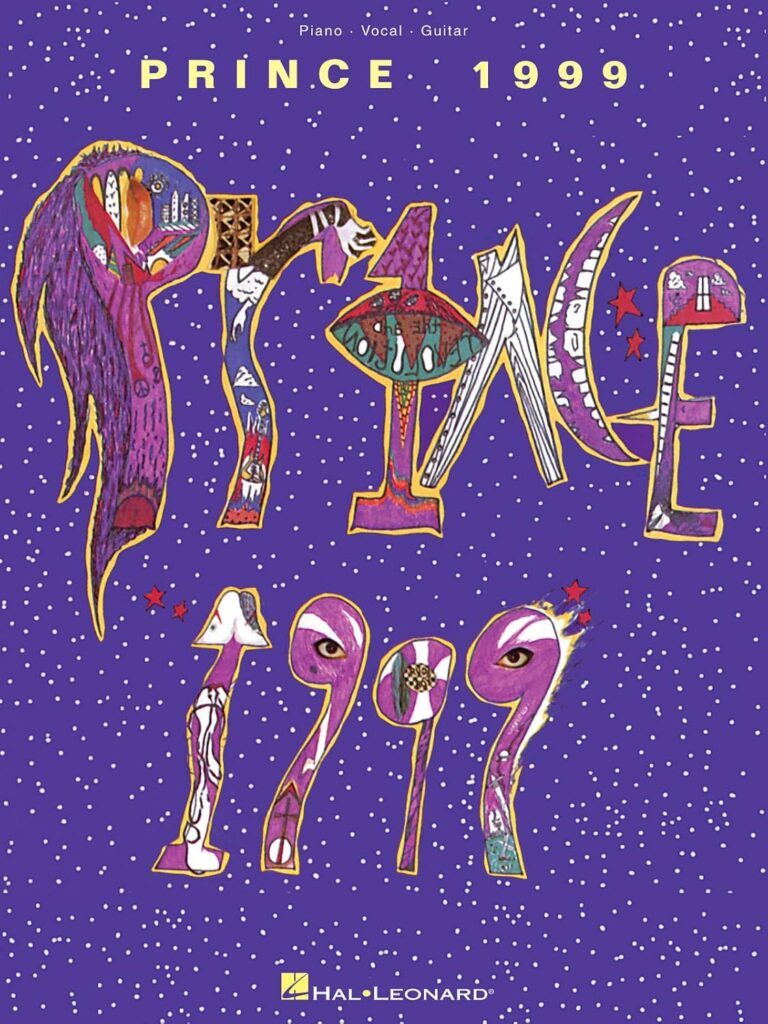
Prince records from the early eighties can have small printing differences that make collectors look twice. With 1999, you may see label layout changes, minor credit differences, or variations in how the sides are listed. These are the kinds of details that do not change the songs, but they change the story of the copy you own. The album’s popularity also means a lot of copies exist, which increases the chances of finding an interesting variant in the wild.
When you shop online, focus on labels, catalog numbers, and clear photos of the fine print. If a listing only shows the cover, it is basically a coin flip for what is inside. In person, you can check both discs and confirm the labels match the jacket issue. A clean double LP is always nice, yet the little label quirks can make it feel more personal, like you found your own version.
The White Stripes – Elephant (Some Vinyl Issues With Locked Groove or Extra Audio Tricks)

This is a modern album that still plays games with the vinyl format, which is why people bring it up in collector circles. Certain editions use tricks like a locked groove, which can loop a sound until you lift the needle. It is a small detail, yet it makes the record feel more interactive than a normal pressing. If you play it for friends, the loop can catch them off guard in a fun way.
With newer titles, the key is identifying the exact edition, since there can be many reissues and special runs. Catalog numbers and hype stickers can matter, but they get lost over time, so label and deadwax details help. Sellers sometimes describe any odd pressing as “rare,” so you will want specifics about what the end of the side does. Once you find the right one, it becomes a record you remember, not just another copy on the shelf.
Beck – Odelay (Odd Label and Packaging Variants)

Odelay has had plenty of vinyl issues, and some versions come with small label or packaging differences that set them apart. Sometimes it is a credit line, sometimes it is a layout change, and sometimes it is a printing mistake that slipped through. Since Beck fans tend to care about physical editions, these quirks get documented and traded around. The album also has that playful tone that makes a slightly “wrong” label feel weirdly fitting.
If you are hunting a specific variant, you will want to compare the label text against a known standard issue. A seller who only says “first pressing” without photos is not giving you enough to go on. In record stores, flipping through used copies can pay off since staff might price them like normal stock. Even if you do not land a true misprint, you still get a classic album that sounds great on vinyl.
Radiohead – Kid A (Pressing and Print Variations That Show Up in Early Issues)

Kid A is the sort of record collectors buy in multiple versions because the presentation matters almost as much as the music. Early issues can show small differences in printing, labels, or included material, and sometimes mistakes show up during that first wave. Because the design is minimal, tiny changes become more noticeable. It is less about a flashy error and more about subtle details that feel like a puzzle.
When you shop, it helps to know what you want from the start, whether it is a certain country, a certain label design, or a certain packaging element. People mix up later reissues with earlier ones all the time, so you have to confirm the details. Good listings will show both labels, the spine, and any inserts. Once you have it, the whole object feels intentional, even if the tiny misprint is what pulled you in.
The Smashing Pumpkins – Mellon Collie and the Infinite Sadness (Box Set Variants With Printing Quirks)
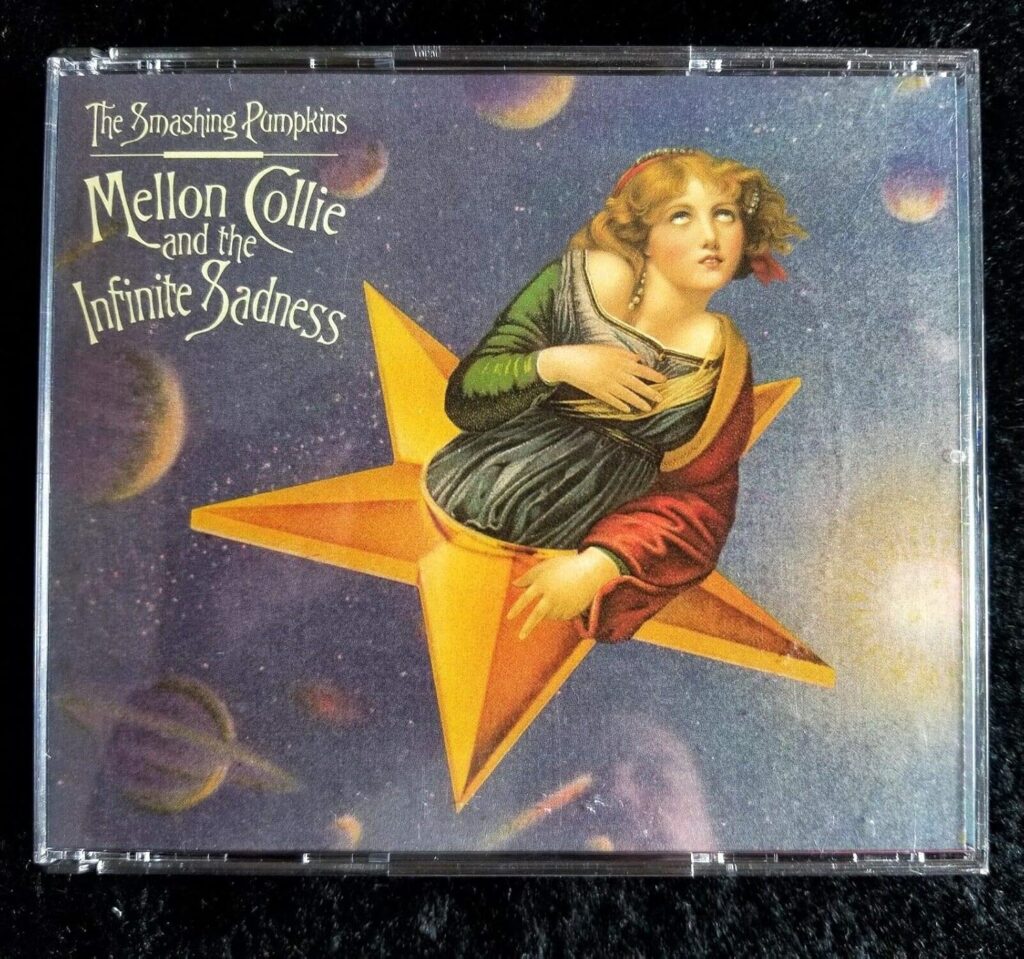
Big box sets are a magnet for small printing quirks, and Mellon Collie is a great example. With multiple discs and lots of printed parts, there are more chances for small mistakes or differences between runs. Collectors often talk about label text variations, insert differences, or small print changes across editions. It is also an album where the packaging is part of the experience, so those details matter.
If you buy it used, check completeness first since missing parts are common with large sets. After that, you can start paying attention to label layouts and the fine print on the box. A seller who knows what they have will usually show detailed photos, while a casual seller might not realize a variant is sitting there. Either way, it is a satisfying set to own because you get a lot of music and a format that feels like a whole event.
Pearl Jam – Ten (Early Pressing Label Differences and Mix Talk)

Ten has a long history of different versions, which is why vinyl collectors keep circling back to it. Some copies have label differences or small print changes that separate one issue from another. People also talk about how different versions present the sound, which makes the physical pressing feel important. Even if you are not chasing a specific mix detail, the label and catalog differences can still make your copy feel distinct.
When you shop, do not rely on the front cover alone, because many versions look similar at a glance. Label photos and matrix information are the real tells for which issue you are seeing. Used copies can be a gamble, since discs get swapped, so matching the disc to the jacket matters. If you find a clean early issue, you get a record that is easy to play often and still fun to nerd out about.
The Clash – London Calling (Early Label Misprints and Text Variants)
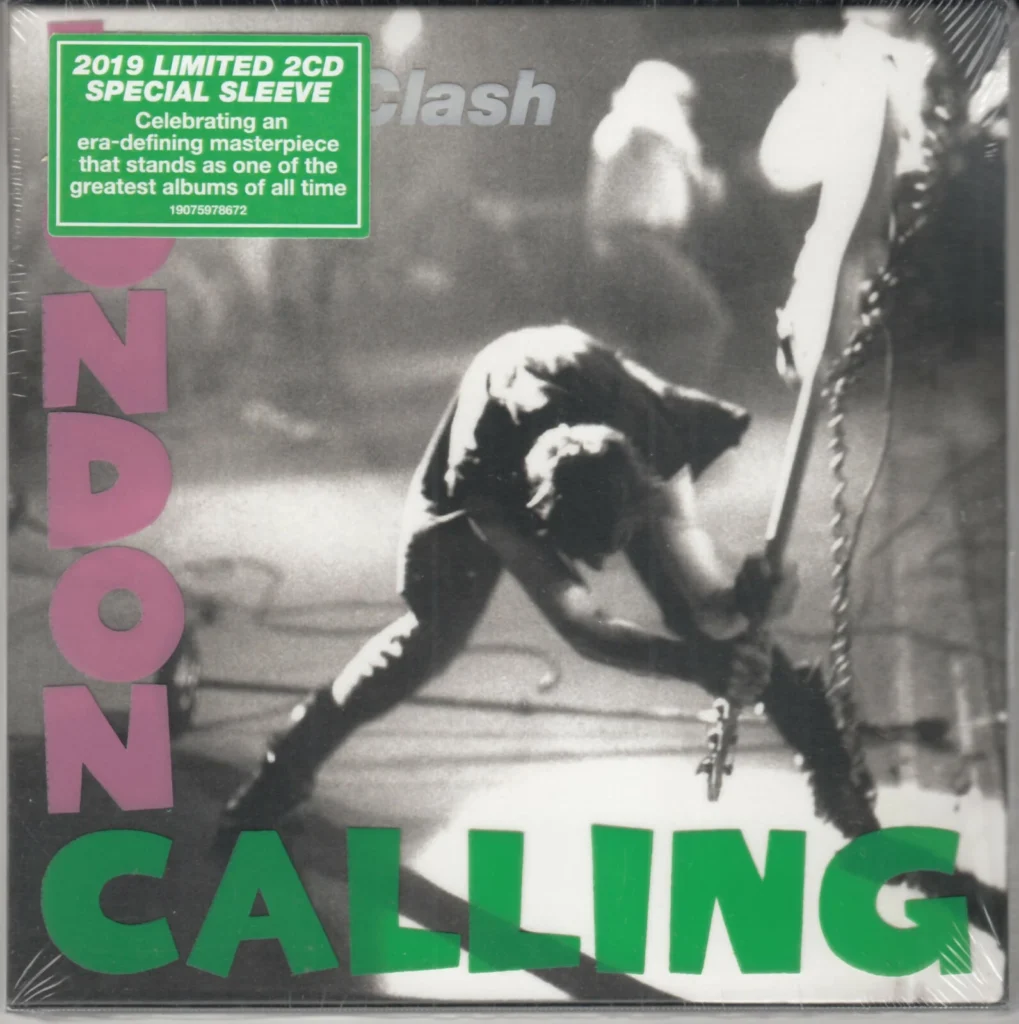
London Calling is a classic double album that has been pressed and repressed around the world, which is why label and text variants show up. Some copies have small printing errors or layout differences on the labels, and collectors treat those as separate versions. The changes can be as small as a line of text, yet they still create a trail you can follow across pressings. Since the record is a staple in so many collections, it is also a title you might stumble on in a random used bin.
A good way to hunt is to focus on clear label photos and confirm both discs, since doubles can get mixed over time. If you are buying in a shop, take a minute to compare the labels on both records and check the catalog number on the spine. Sellers online sometimes use stock photos, which is not helpful for a variant chase, so ask for real shots. Once you have a copy with a known odd label detail, it becomes a piece you can pull out and talk about while the music plays.
This article originally appeared on Avocadu.