
15 Rare Trees with Seeds That Can Stay Alive for Decades
Some trees have a remarkable ability to survive long after their seeds are released into the wild. These seeds can stay dormant for decades, waiting for the right conditions to grow. This unique characteristic allows certain tree species to endure through harsh climates, droughts, and even fires. Whether it’s the towering redwoods or the resilient pines, the seeds of these trees hold the key to their survival. They wait for the perfect moment to sprout, ensuring that the species continues to thrive.
This post may contain affiliate links, which helps keep this content free. Please read our disclosure for more info.
Giant Sequoia (Sequoiadendron giganteum)
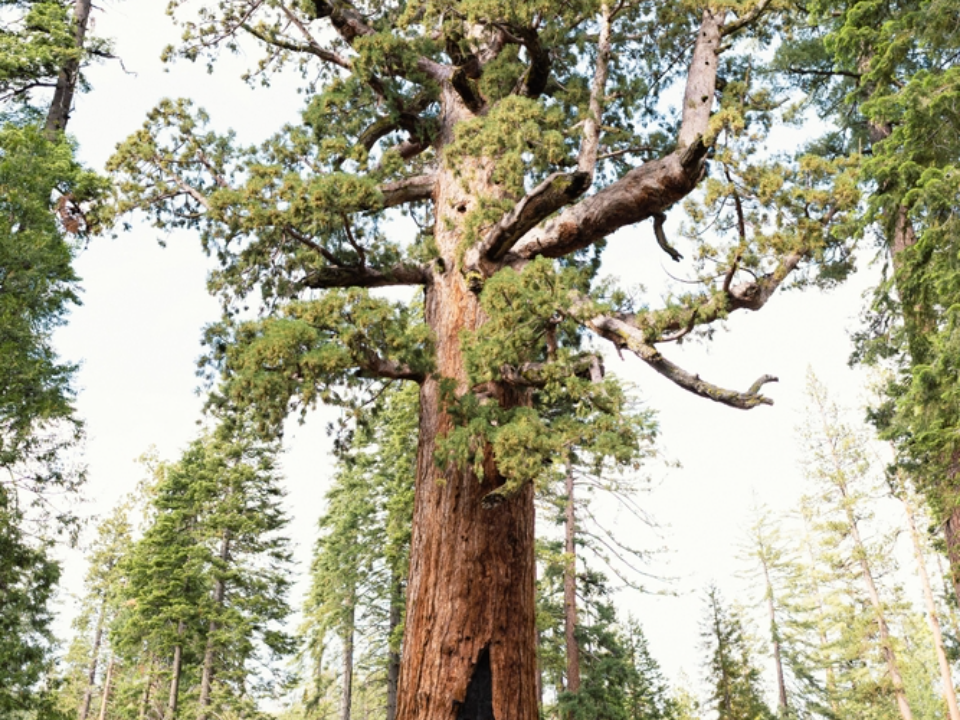
The Giant Sequoia is known for its immense size and longevity. The tree’s seeds, when properly stored, can stay viable for decades. Typically, the seeds are dispersed by wind and can remain dormant in the soil for long periods, waiting for the right conditions to sprout. This remarkable ability to endure for so long is key to the survival of these ancient trees.
The seeds are small, and their hard outer coating helps protect them from environmental stressors. Despite their initial vulnerability, when the right moisture and temperature conditions arrive, the seeds will germinate and grow into towering trees. With proper care, these seeds can grow into trees that can live for thousands of years.
Bristlecone Pine (Pinus longaeva)
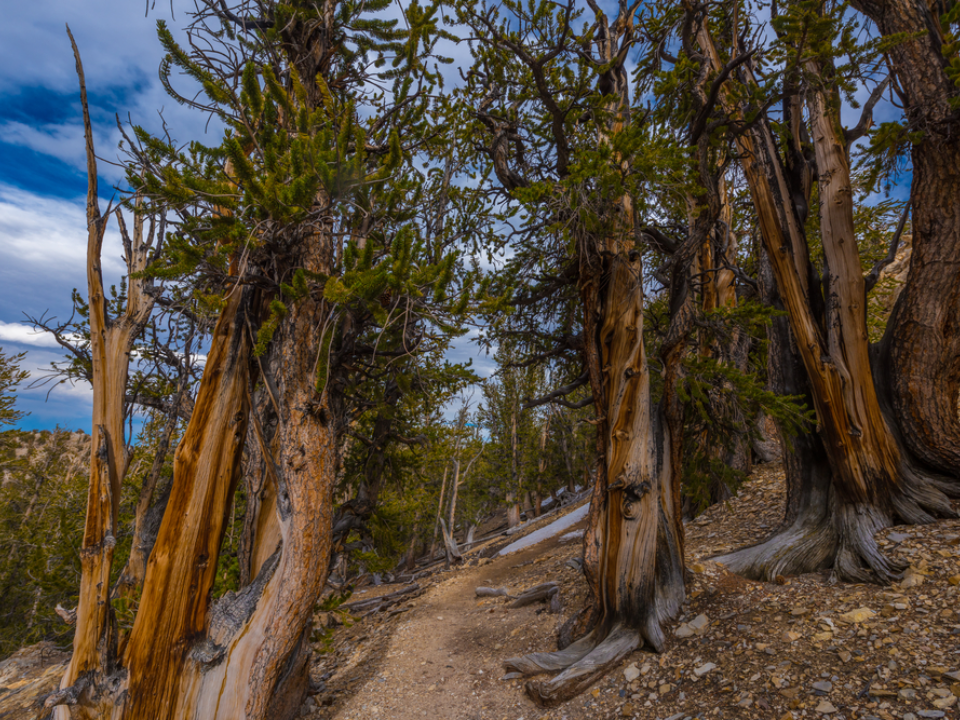
The Bristlecone Pine is famous for being one of the oldest living organisms on Earth. Its seeds have a unique characteristic: they can survive for centuries in a dormant state. Found in harsh environments, such as the high mountains of the Western United States, these trees can live for over 5,000 years.
The seeds’ resilience is due to the tree’s ability to adapt to extreme weather and poor soil conditions. As the seeds remain viable for many years, they can sprout when conditions are more favorable. This survival strategy ensures that the Bristlecone Pine remains one of the most resilient species in the world. Over time, these seeds can develop into hardy trees that contribute to the ecosystem by providing shelter and food.
Baobab (Adansonia species)
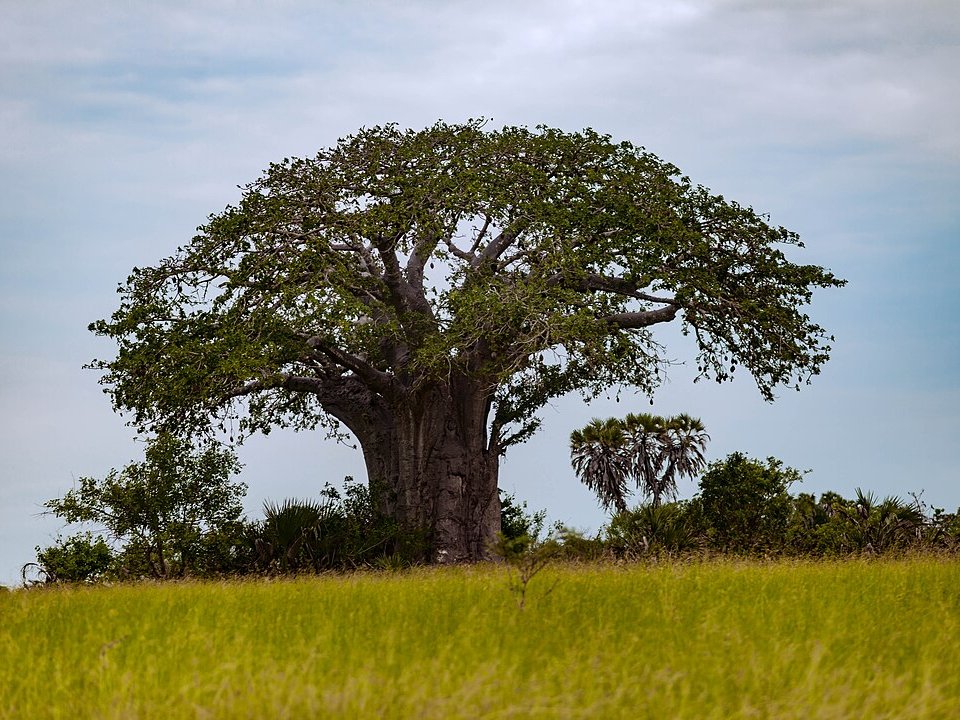
Baobabs are often referred to as the “Tree of Life” due to their ability to thrive in extremely dry conditions. The seeds of these unique trees can stay alive for many years in the wild. While they require specific conditions for germination, such as water and heat, their dormant seeds can survive long droughts.
The tree’s thick bark and large trunk enable it to store water, making it capable of withstanding harsh climates. Over time, the seeds can germinate when the environment becomes suitable, ensuring the survival of the species. These trees are vital to the ecosystems they inhabit, providing both shelter and food to a variety of animals and humans. Their impressive ability to endure long periods without water is a key feature that makes them stand out in the plant world.
Douglas Fir (Pseudotsuga menziesii)
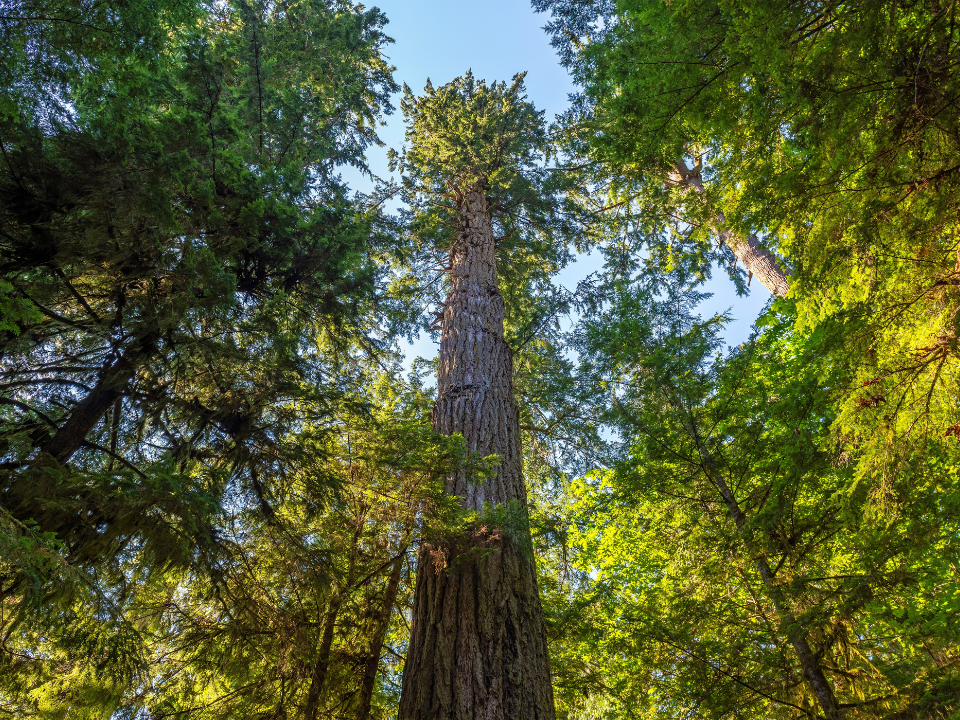
Douglas Firs are evergreen trees that are known for their impressive size and rapid growth. Their seeds, however, can remain dormant for years before they begin to sprout. This ability to wait for the right environmental conditions is what allows them to survive in different habitats. The seeds have a unique feature: they have a papery wing that helps them travel long distances with the wind.
Once they land in suitable soil, they can remain dormant for several years before germinating. This extended seed viability is essential for the survival of the species, especially in areas with variable climates. The Douglas Fir is an essential tree in the forestry industry due to its high-quality timber.
Siberian Larch (Larix sibirica)

The Siberian Larch is a hardy tree that thrives in the coldest regions of the world. Known for its ability to withstand extreme temperatures, its seeds have an extraordinary ability to remain dormant for extended periods.
The seeds’ survival is tied to the harsh climate in which the trees grow. In Siberia, the seeds are often buried in the snow, where they can stay frozen for several months. Once the spring thaw occurs, the seeds can germinate, leading to the growth of these resilient trees. The Siberian Larch is vital to the region’s ecosystem, providing shelter and nourishment for wildlife. Over time, these trees can live for hundreds of years, contributing to the stability of the forest.
Coast Redwood (Sequoia sempervirens)
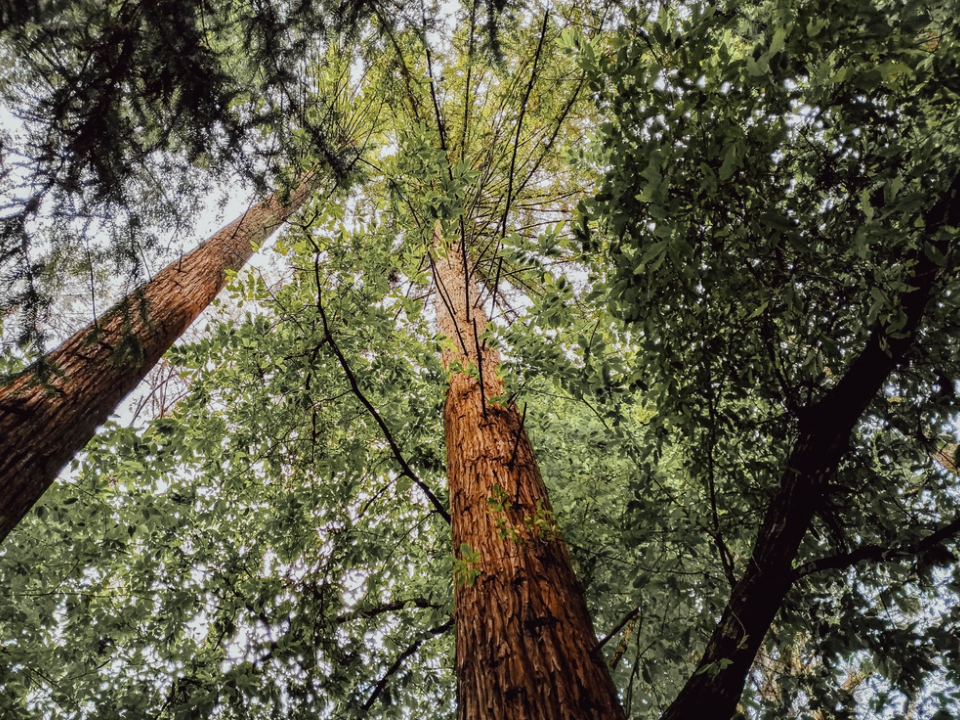
The Coast Redwood, known for its towering height and dense forests, produces seeds that can remain dormant for long periods. These seeds, though small, are well-equipped to survive harsh conditions. The coastal environment provides a unique balance of moisture and temperature, ensuring that the seeds can remain viable for many years.
When the time is right, typically after a period of wet conditions, the seeds will germinate and begin their slow growth into towering trees. The Coast Redwood is among the tallest trees in the world, with some reaching over 350 feet tall. These trees play a critical role in maintaining the biodiversity of the coastal forests they populate. Their resilience and ability to endure make them a symbol of natural strength.
Ginkgo (Ginkgo biloba)
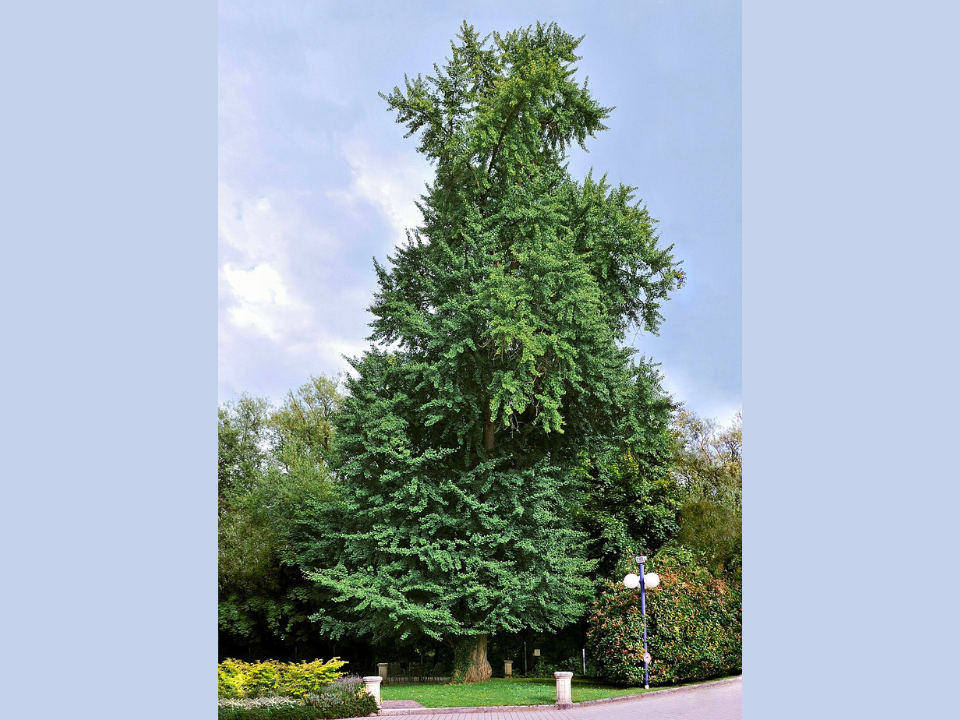
The Ginkgo tree is a living fossil, with a history dating back more than 200 million years. Its seeds, which are often referred to as “fruit,” have a remarkable ability to stay viable for decades. Ginkgo seeds can endure through extreme cold and drought, waiting for the right conditions to sprout. The seeds are covered with a fleshy outer layer that helps protect them from external harm.
This protective layer also helps the seeds survive long periods of dormancy, ensuring the continuation of the species. As the seeds germinate, they give rise to one of the most unique and ancient tree species in the world. The Ginkgo’s ability to survive in urban environments is another reason it is so widely planted around the globe.
Red Pine (Pinus resinosa)
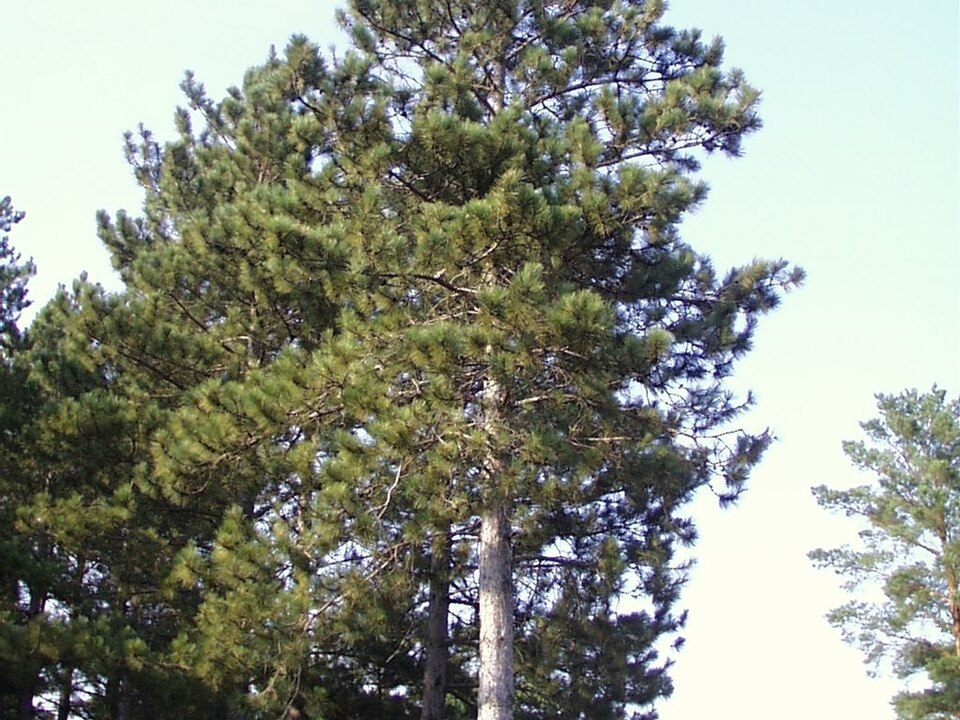
The Red Pine is a species native to North America, known for its adaptability and resilience. The seeds of the Red Pine can stay dormant for many years, only sprouting when conditions are ideal. These seeds are released by the tree in large quantities, ensuring that some will eventually find the right conditions to grow.
The seeds have a tough outer shell that helps protect them from extreme temperatures and drought. Over time, the Red Pine can grow into a towering tree, capable of living for hundreds of years. This resilience and long-lasting seed viability make it a key species in forests across North America. Red Pines are often planted for timber production due to the strength and quality of their wood.
Scots Pine (Pinus sylvestris)
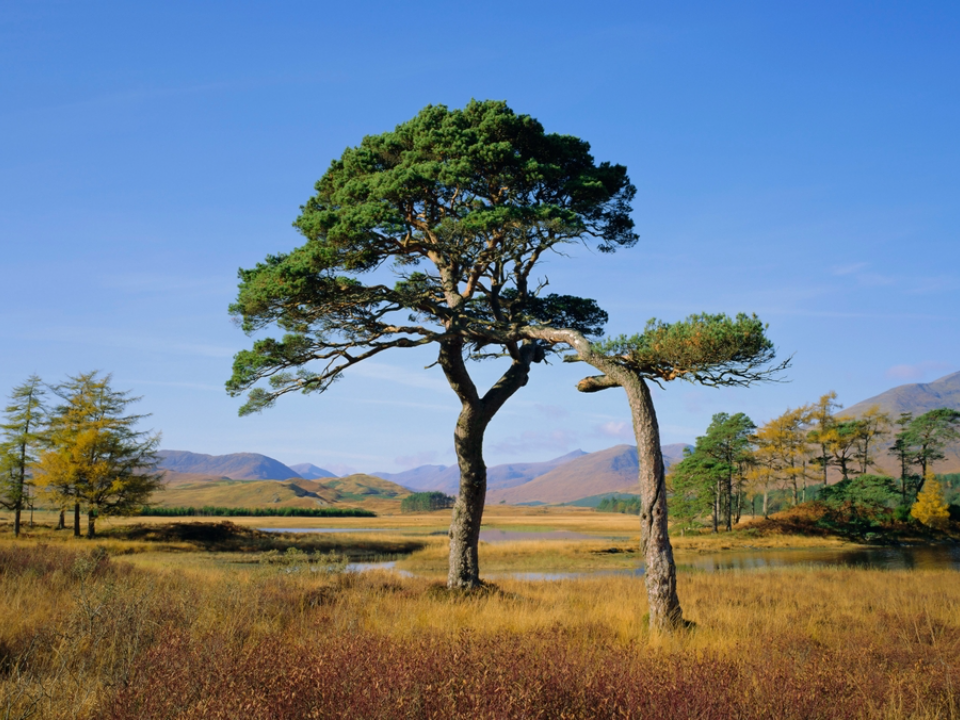
The Scots Pine is a well-known tree found across Europe and parts of Asia. Its seeds are highly resilient, able to remain dormant for several years. These seeds have a natural dormancy mechanism that prevents them from sprouting unless the conditions are right. This allows the Scots Pine to survive in a wide range of environments, from dry to wet soils.
The seeds’ ability to stay viable for long periods is crucial for the species’ survival, particularly in harsh climates. Over time, the Scots Pine can reach impressive heights and provide valuable timber. Its hardiness and long-lasting seeds make it a key species in many reforestation efforts.
Japanese Cedar (Cryptomeria japonica)
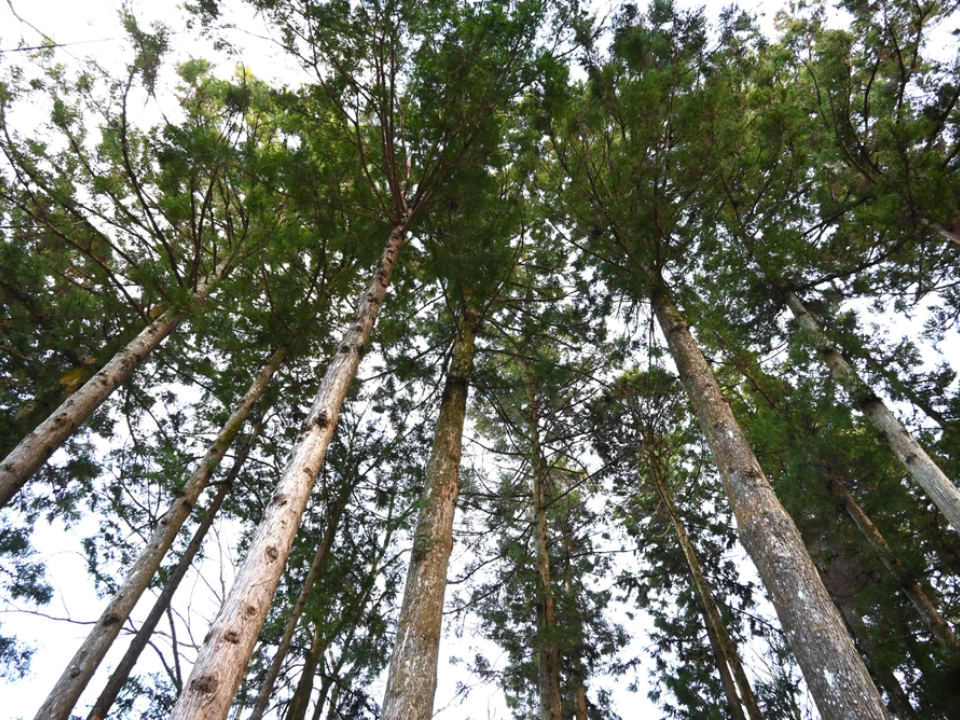
The Japanese Cedar, also known as Sugi, is a tree native to Japan that produces seeds capable of staying dormant for several years. The seeds are released in large numbers and can survive under various environmental conditions. When the time is right, typically after a period of rain, the seeds begin to germinate and grow.
The Japanese Cedar is widely cultivated for its high-quality timber and is considered an important part of Japanese culture. The tree’s ability to survive for long periods without germinating ensures that the seeds can endure through dry periods or harsh winters. Over time, the Japanese Cedar can grow into a massive tree, standing tall and providing shelter for various species. Its seeds’ long-lasting viability is a testament to the tree’s resilience.
Loblolly Pine (Pinus taeda)
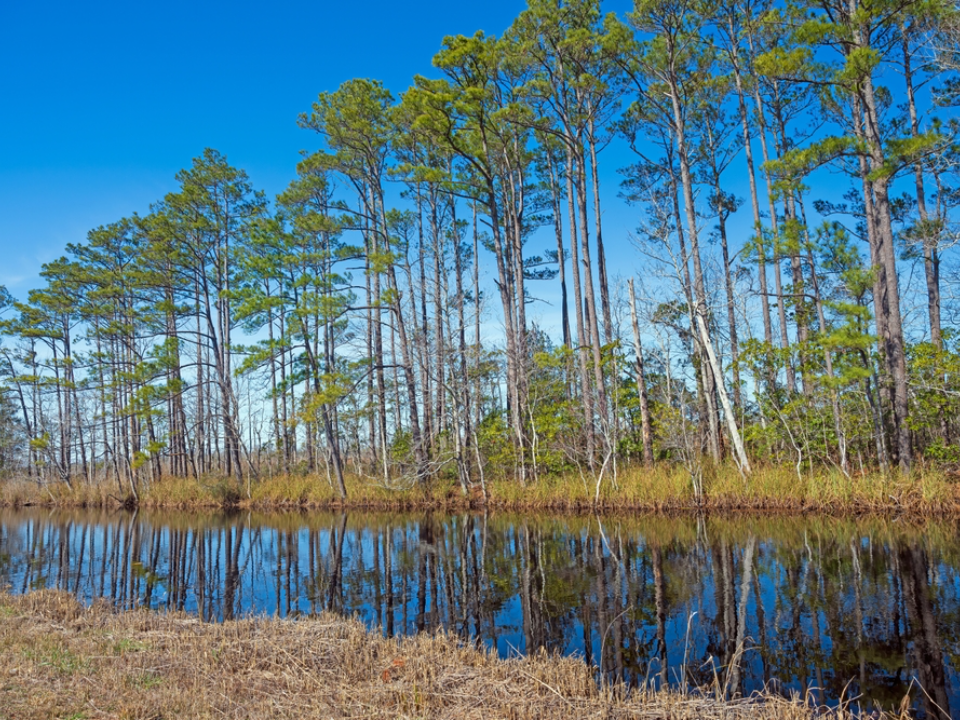
The Loblolly Pine, native to the southeastern United States, is an essential tree for forest ecosystems. Its seeds are capable of remaining dormant for years, waiting for the ideal conditions to germinate. These seeds are released from cones and are designed to travel long distances, allowing the tree to spread across large areas. When conditions are right, typically after a forest fire or environmental disturbance, the seeds will begin to sprout.
The Loblolly Pine is a fast-growing tree that can live for up to 200 years. Its ability to survive and thrive in various conditions, from dry to wet climates, makes it a valuable species in reforestation projects. Loblolly Pines play a significant role in the timber industry due to their straight trunks and high-quality wood.
Longleaf Pine (Pinus palustris)
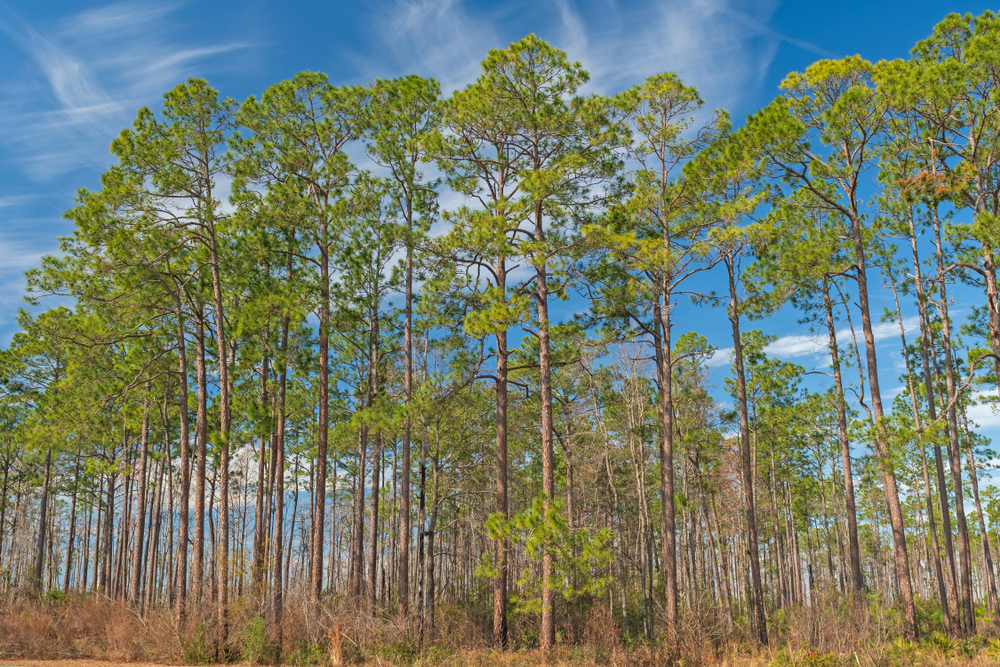
Longleaf Pines are known for their distinctive needles and resilience to fire. Their seeds, much like those of the Loblolly Pine, can remain dormant in the soil for many years before sprouting. The seeds are released during the late summer and can survive through harsh weather conditions. Longleaf Pine seeds often remain dormant until environmental disturbances, such as wildfires, provide the necessary conditions for germination.
The Longleaf Pine is vital to the ecosystems of the southeastern U.S., as it supports a variety of wildlife, including the endangered red-cockaded woodpecker. The tree’s ability to survive and reproduce over long periods makes it an important species for maintaining biodiversity. Longleaf Pines are also crucial in timber production, known for their resistance to decay and their straight grain.
Norway Spruce (Picea abies)
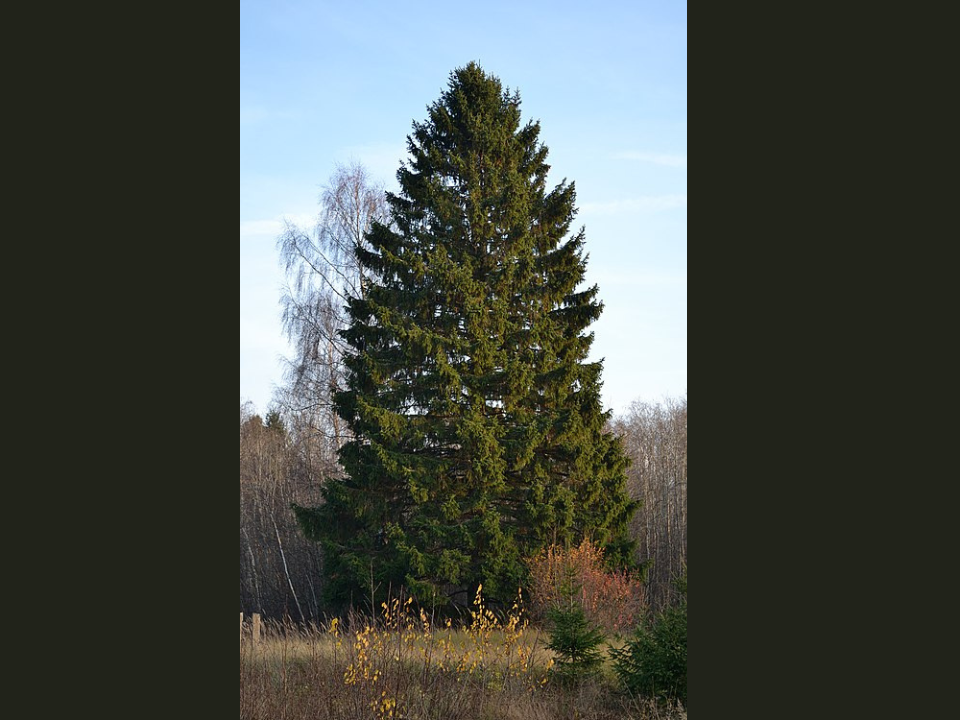
The Norway Spruce, native to Europe, produces seeds that can remain viable for many years. These seeds are released from cones, and the tree’s ability to endure harsh winters ensures that the seeds have a high survival rate. The Norway Spruce seeds have a natural dormancy mechanism that prevents them from sprouting until environmental conditions are right.
This ensures that the seeds will not germinate during a dry season or harsh winter, which might harm the young saplings. When the conditions become more favorable, the seeds will germinate, leading to the growth of the tree. The Norway Spruce is often used in Christmas tree production due to its symmetrical shape and fragrance. Over time, these trees can grow into massive conifers, making them essential in forestry and landscaping.
Japanese Black Pine (Pinus thunbergii)
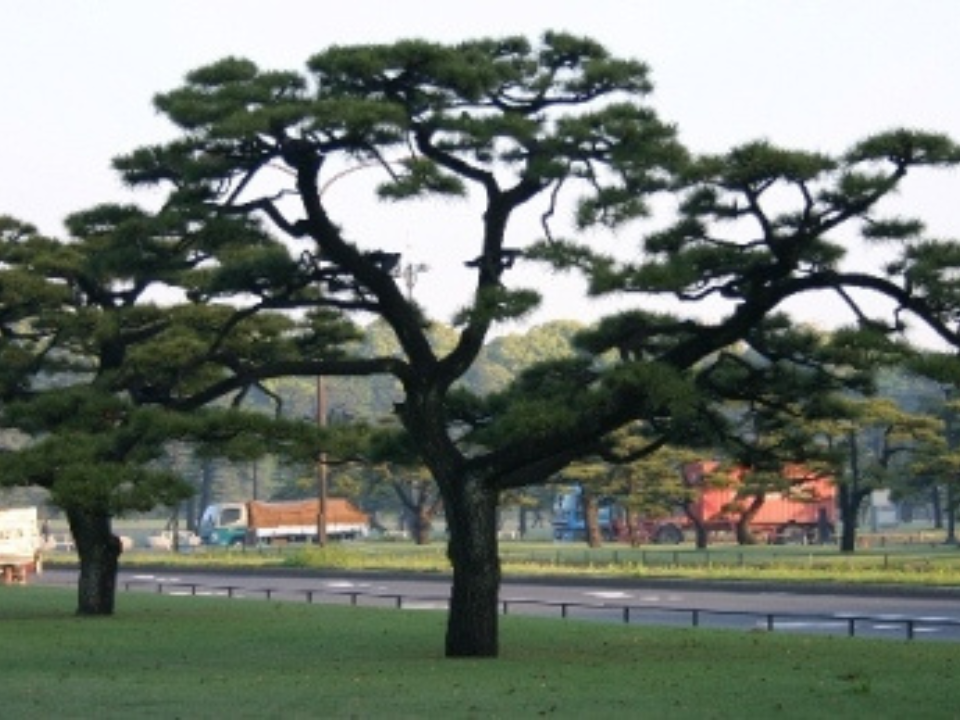
The Japanese Black Pine is known for its unique appearance and resilience to coastal environments. Its seeds can stay dormant for extended periods, often surviving for decades in sandy soils. The tree’s seeds are adapted to harsh weather conditions, particularly salty coastal environments, where they can remain dormant until conditions are ideal for germination. Once sprouted, these trees can grow quickly, becoming an essential part of coastal landscapes.
The Japanese Black Pine is often planted for erosion control due to its deep root system. Over time, the tree can provide valuable timber, and its strong, wind-resistant branches make it an excellent choice for coastal regions. The tree’s ability to thrive in difficult environments ensures that it can survive long periods without germinating.
Aleppo Pine (Pinus halepensis)

The Aleppo Pine is a hardy tree native to the Mediterranean region. Its seeds have an extraordinary ability to remain dormant for long periods, often surviving through dry seasons or fire-prone environments. The seeds are released from cones that are designed to remain closed for years, protecting them from environmental stressors. When the conditions become more favorable, such as after a fire or a wet season, the seeds will germinate and begin to grow.
The Aleppo Pine is known for its ability to regenerate quickly after wildfires, making it an important species for maintaining the forest ecosystem. Its long-lasting seeds ensure that the species can survive through harsh conditions, helping to stabilize soil and provide shelter for wildlife. Over time, the Aleppo Pine grows into a large tree that is essential for timber production and land restoration efforts.
This article originally appeared on Avocadu.