
15 Rare Trees That Still Exist from Ancient Forests
Ancient forests are home to some of the most fascinating and rare trees that have survived through the ages. These trees have witnessed countless changes in the world around them and continue to thrive in remote corners of the globe. With their towering trunks and unique characteristics, they offer a glimpse into the past, connecting us to a time long before human civilization. Many of these trees are incredibly resilient, adapting to harsh conditions that other species cannot withstand. From the towering giants of California’s forests to the ancient survivors of Australia’s wilderness, these trees are more than just a part of nature; they are living records of history.
This post may contain affiliate links, which helps keep this content free. Please read our disclosure for more info.
Wollemi Pine (Wollemia nobilis)
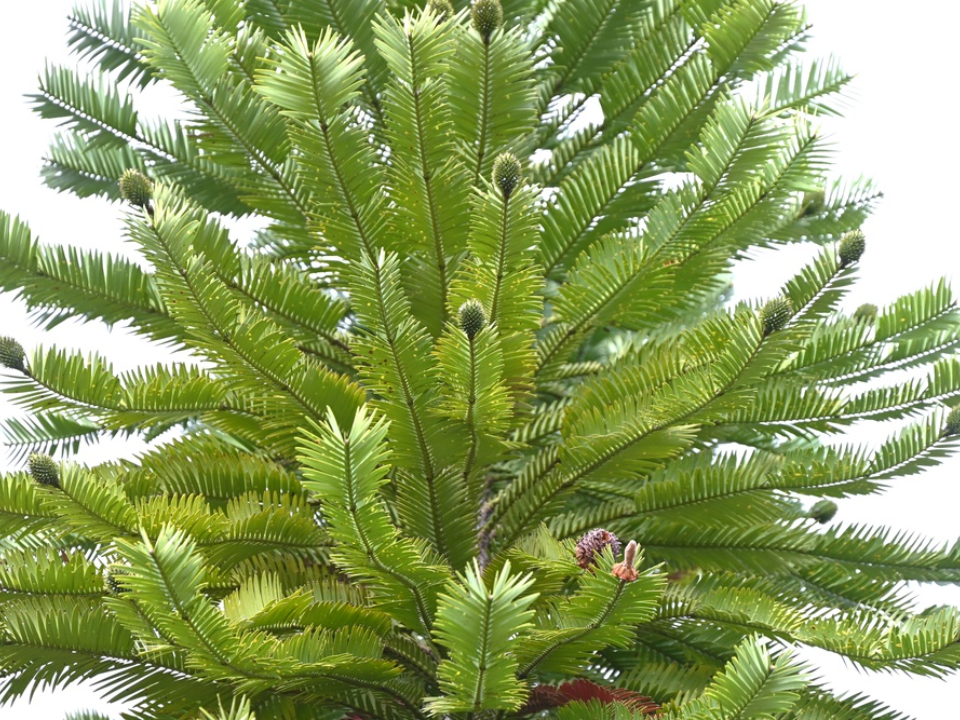
The Wollemi pine is one of the most remarkable discoveries of the modern botanical world. Once thought to be extinct, this ancient tree was found in a remote part of Wollemi National Park in Australia in 1994. The tree is considered a living fossil, with a lineage dating back around 200 million years. It features a unique appearance, with dark green, fern-like leaves and a distinctive appearance that sets it apart from other pines.
Growing to heights of up to 40 meters, this species was believed to have disappeared during the Cretaceous period, only to be rediscovered in the late 20th century. Its resilience and rarity make it a symbol of conservation efforts. Due to its limited natural habitat, it has become a focus of global conservation programs. The Wollemi pine is highly protected, and only a few sites are known to harbor it in the wild.
Baobab (Adansonia)

Baobabs are iconic trees that thrive in some of the most arid climates of the world, particularly across the African savanna. These massive trees, often referred to as the “tree of life,” have a striking appearance, with enormous trunks that can store vast amounts of water. Some species of baobabs are believed to be over 6,000 years old, and their distinctive, almost alien-like silhouette can grow up to 30 meters in height.
The trees are famous for their wide, swollen trunks, which help them store water during dry spells. The baobab fruit, which contains high levels of vitamin C, is used for various medicinal and dietary purposes. Despite their age and resilience, baobabs are under threat due to climate change, which has begun affecting their growth patterns. Some ancient specimens have been found to have collapsed, adding urgency to conservation efforts.
Giant Sequoia (Sequoiadendron giganteum)
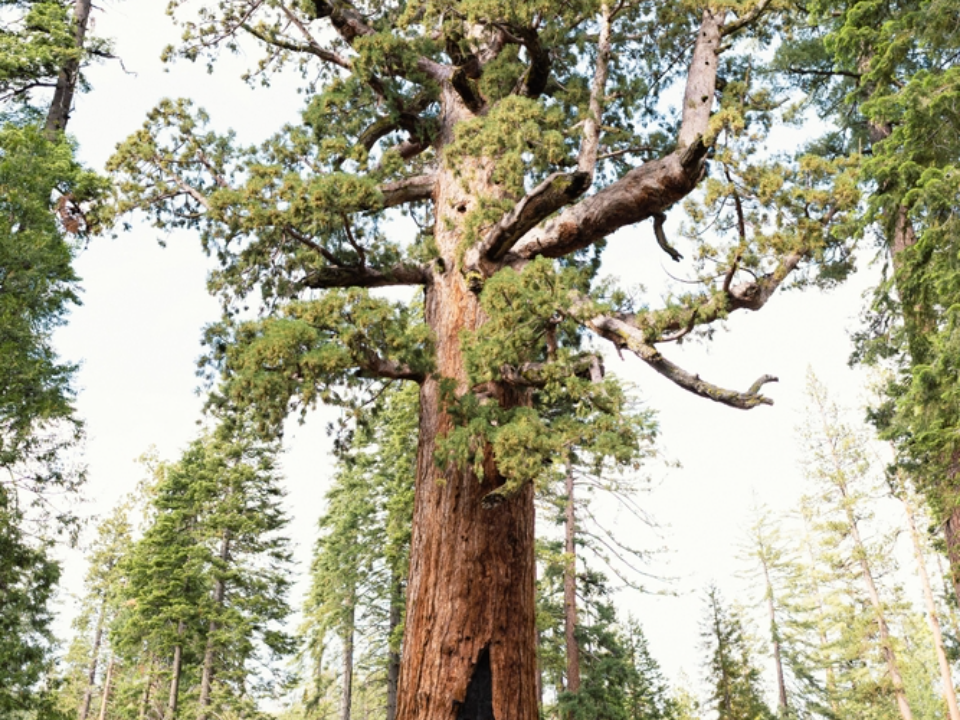
The giant sequoia is perhaps one of the most recognizable ancient tree species, known for its massive size and incredible longevity. Native to the Sierra Nevada Mountains in California, these trees are the largest living organisms by volume, reaching over 300 feet in height. Some of these trees have been around for more than 3,000 years, making them living links to the distant past. The bark of a sequoia can grow to over a foot thick, providing protection from fire and pests.
These ancient trees form vast, awe-inspiring groves in California’s protected national parks, where they are carefully managed and conserved. Their immense size and age make them a powerful symbol of nature’s endurance. Unfortunately, sequoias face a range of threats, including climate change and wildfires, which pose challenges to their survival.
Ginkgo Biloba (Ginkgoaceae)
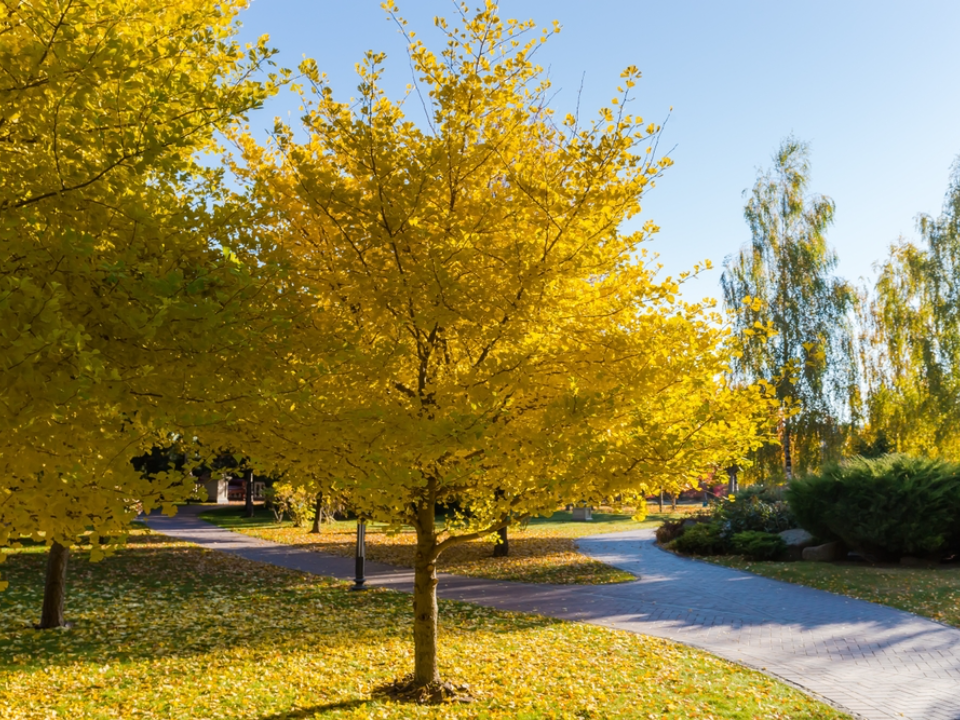
Ginkgo biloba is an ancient tree species that has existed for over 270 million years, predating many of the world’s most famous dinosaurs. Known for its distinctive fan-shaped leaves, the ginkgo tree is often referred to as a “living fossil” because it is the only surviving species in its order. Historically native to China, ginkgo trees have been cultivated around the world for centuries due to their resilience and distinctive appearance.
The leaves of the ginkgo tree are widely known for their medicinal properties, with extracts being used to improve memory and circulation. These trees can grow to over 100 feet tall and live for more than a thousand years. Despite its long history, the ginkgo tree is not commonly found in the wild today, though it thrives in urban environments. The tree’s ability to withstand pollution and other environmental stressors makes it particularly valuable in city planning and landscaping.
Bunya Pine (Araucaria bidwillii)
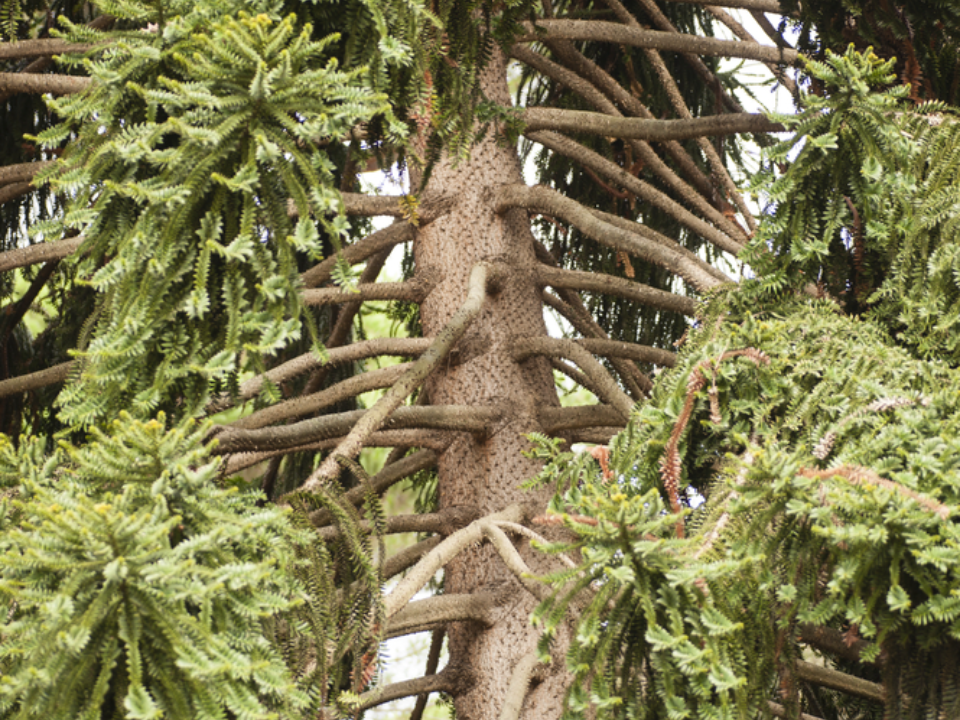
The Bunya pine is a native Australian conifer known for its distinctive large cones and tall, straight trunk. These trees can grow up to 50 meters in height and are found primarily in the subtropical rainforests of Queensland. The Bunya pine has a long history in Indigenous Australian culture, where the seeds of the tree were used as a food source. The tree’s timber is also highly valued, although harvesting has been restricted to protect the species.
Bunya pines have an ancient lineage that dates back around 200 million years, and they are considered a critical part of the ecosystem, providing shelter and food for various animal species. They are especially noteworthy for their massive cones, which can weigh up to 10 kilograms. Conservation efforts are in place to protect these trees due to habitat loss and the impacts of climate change.
Black Elder (Sambucus nigra)
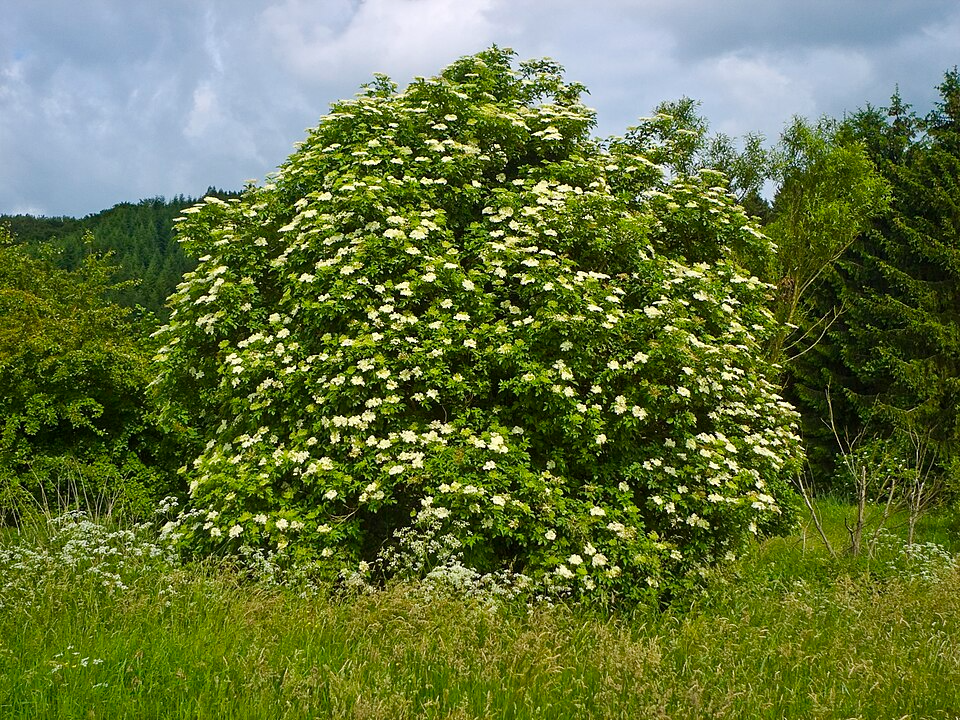
The Black Elder tree, also known as the European elder, has been a part of European forests for centuries. With its dark purple berries and characteristic leaves, this tree has been utilized for various medicinal and ritualistic purposes. Its presence in ancient woodlands is deeply connected to folklore, and it was often considered a sacred tree in many cultures.
Black Elder trees can live for hundreds of years, often growing to 15 meters in height. Their ability to grow in diverse conditions, from moist woodlands to dry meadows, makes them adaptable and resilient. The berries of the Black Elder tree are used in the production of elderberry syrup, which is known for its immune-boosting properties. Though the Black Elder is not as endangered as some other ancient species, habitat destruction and overharvesting of its berries pose a risk to its continued survival.
Monkey Puzzle Tree (Araucaria araucana)

Native to the mountains of central and southern Chile and Argentina, the Monkey Puzzle tree is an ancient evergreen species with a unique, spiny appearance. The tree’s branches are covered with sharp, overlapping leaves that make it nearly impossible for animals to climb, hence the name “Monkey Puzzle.” This tree has existed for over 100 million years, with fossils of similar species dating back to the Mesozoic era.
The Monkey Puzzle tree can reach up to 40 meters in height and is known for its slow growth and long lifespan. It has been a focal point of conservation efforts due to its status as an endangered species, with fewer than 200,000 trees estimated to remain in the wild. In addition to its aesthetic appeal, the Monkey Puzzle tree provides habitat for a variety of animals. However, deforestation and illegal logging continue to threaten its survival.
Quaking Aspen (Populus tremuloides)
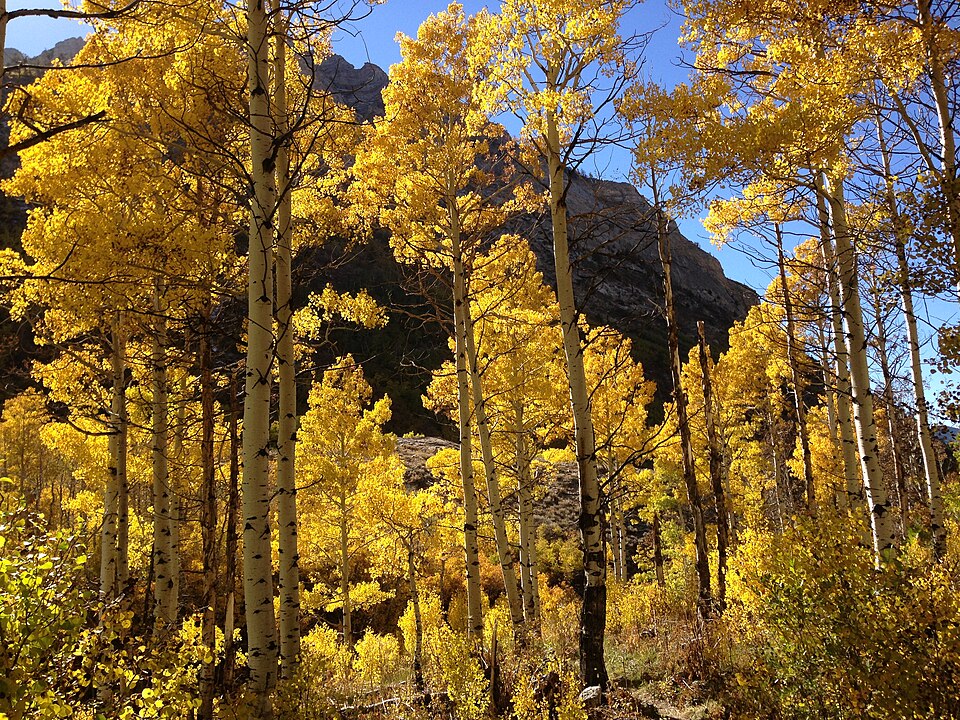
The Quaking Aspen is an iconic tree species native to North America, known for its ability to grow in dense groves. These trees are famous for their white bark, which often has black knots or horizontal scars, and their leaves that flutter in the wind, giving them the appearance of “shaking” or “quaking.” As one of the oldest and largest living organisms in the world, some aspen groves are considered to be over 80,000 years old, with individual trees living for up to 100 years.
The Quaking Aspen thrives in mountainous regions, where its roots spread across large areas, forming new trees through root sprouts. This means that large groves of aspens are genetically one single organism. Although the species is not endangered, habitat destruction, disease, and climate change continue to pose challenges to the health of aspen groves.
Cypress of Santa Maria (Cupressus lusitanica)
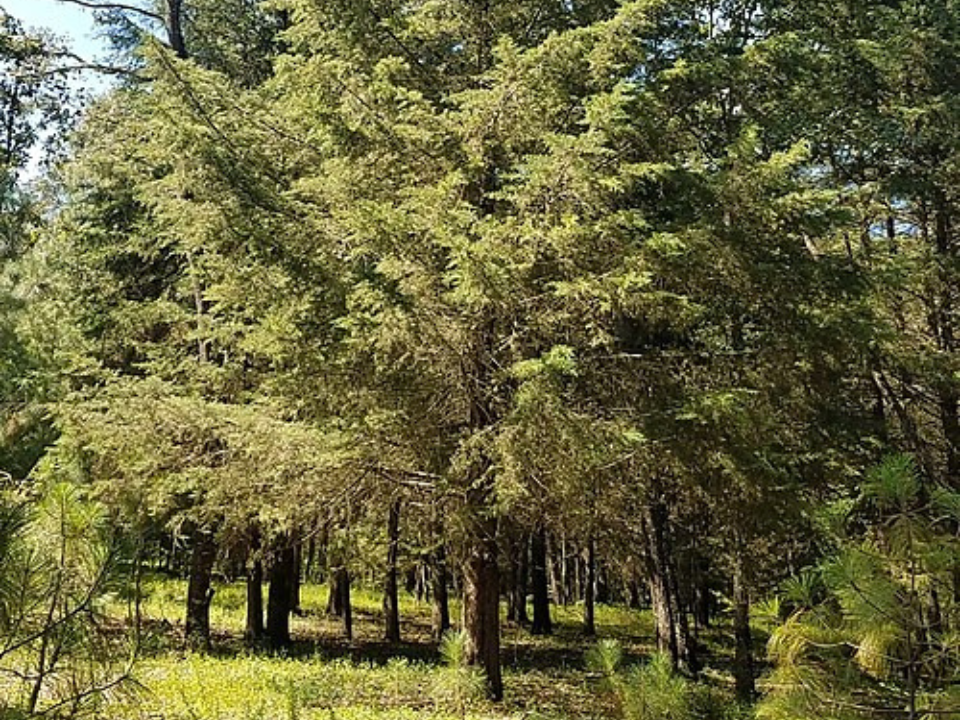
The Cypress of Santa Maria is a rare conifer tree species native to the highlands of southern Mexico and Central America. Known for its tall, slender form, the tree can grow up to 40 meters in height and is typically found in temperate forests and cloud forests. This ancient species has been part of the region’s ecosystems for thousands of years. T
he wood of the Cypress of Santa Maria is highly valued for its durability and resistance to decay, making it sought after for construction and carpentry. Despite its advantages, the tree has been threatened by deforestation and illegal logging. Today, conservation efforts are aimed at protecting the remaining natural habitats where this species grows. Its ability to survive in a range of elevations, from lowlands to montane regions, has helped it endure through various climatic changes.
Metasequoia (Metasequoia glyptostroboides)
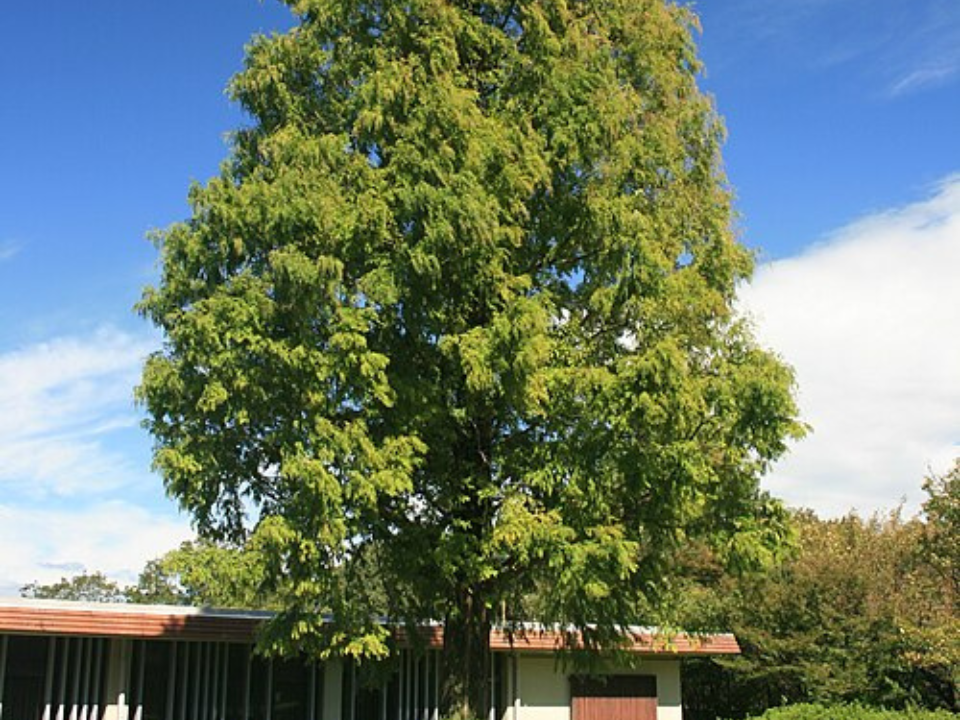
Metasequoia, also known as the dawn redwood, was once thought to be extinct, with only fossilized remains found in the fossil record. However, it was rediscovered in 1944 in a remote area of China. These trees are related to the giant sequoia and coastal redwoods, although they have a distinct appearance with their needle-like leaves and broad, conical shape. They are fast-growing deciduous trees, which can reach heights of up to 200 feet in some instances.
Although they are relatively rare in the wild, dawn redwoods are grown in botanical gardens and parks around the world, as they are highly prized for their striking beauty. The trees are now considered critically endangered in their native habitat due to deforestation and habitat destruction. However, their status has improved thanks to cultivation efforts and conservation programs.
Yew Tree (Taxus baccata)
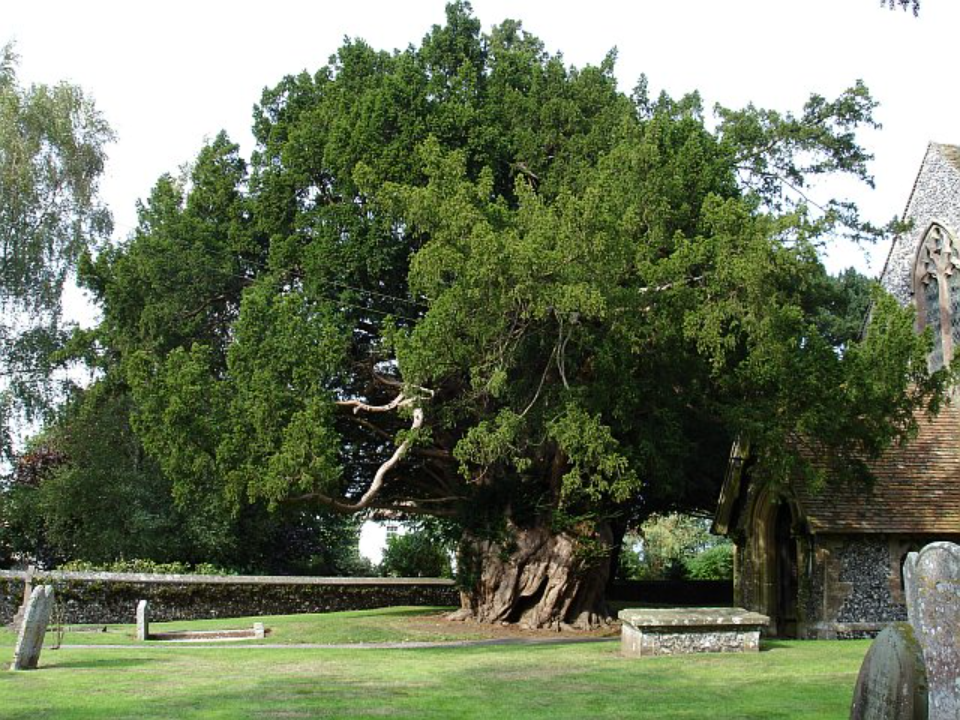
The Yew tree is a slow-growing evergreen conifer native to Europe, western Asia, and northern Africa. Known for its longevity, some Yew trees are believed to be over 5,000 years old. They have a distinctive, dark green appearance, with needle-like leaves and red berries that are toxic to humans but serve as food for certain wildlife.
Yews have been historically important, often planted around churchyards, and were believed to hold spiritual significance in many ancient cultures. In addition to their symbolic value, Yew trees are valued for their wood, which is highly dense and resistant to decay. Despite their long history, Yew trees face significant threats from habitat loss and illegal logging, making them a focus of conservation efforts in some regions.
Blackwood (Acacia melanoxylon)
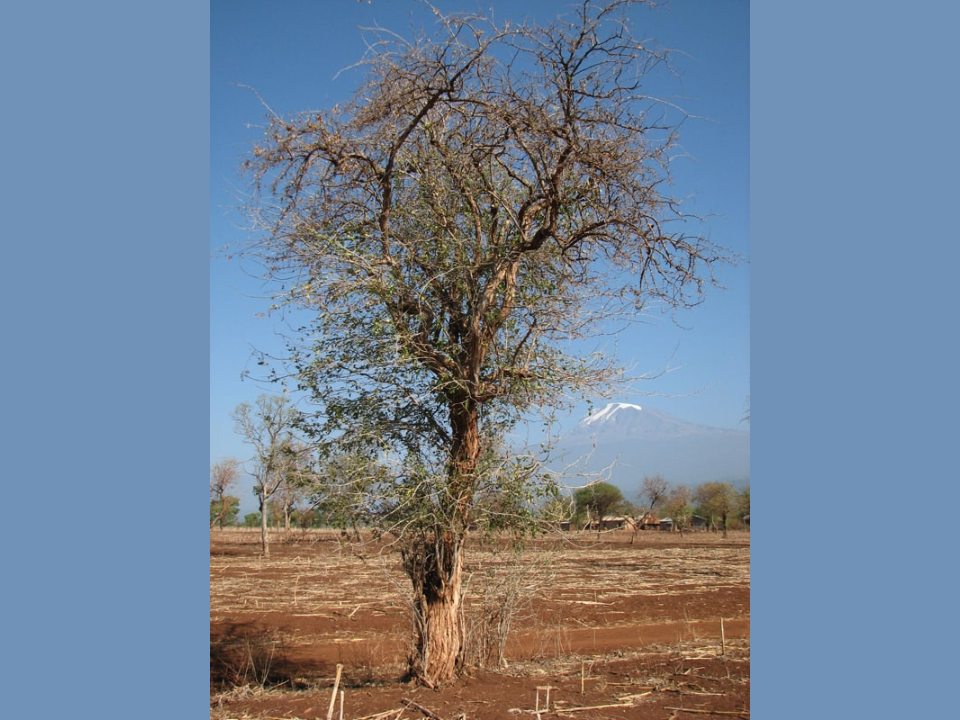
Blackwood is a tree native to southeastern Australia, often found in rainforests and moist woodlands. It is a rare and valuable hardwood known for its fine grain and rich, dark color. Historically, Blackwood has been used to make furniture, instruments, and even flooring due to its durability and aesthetic appeal.
These trees grow to heights of around 30 meters, with distinctive feathery leaves and golden-yellow flowers that bloom in the spring. Despite their desirability, Blackwood trees are becoming increasingly rare in their natural habitats due to logging and land development. Efforts are being made to conserve and replant the species to prevent further decline. The Blackwood tree plays an important role in its ecosystem, providing food and shelter for a variety of animal species.
Japanese Cedar (Cryptomeria japonica)
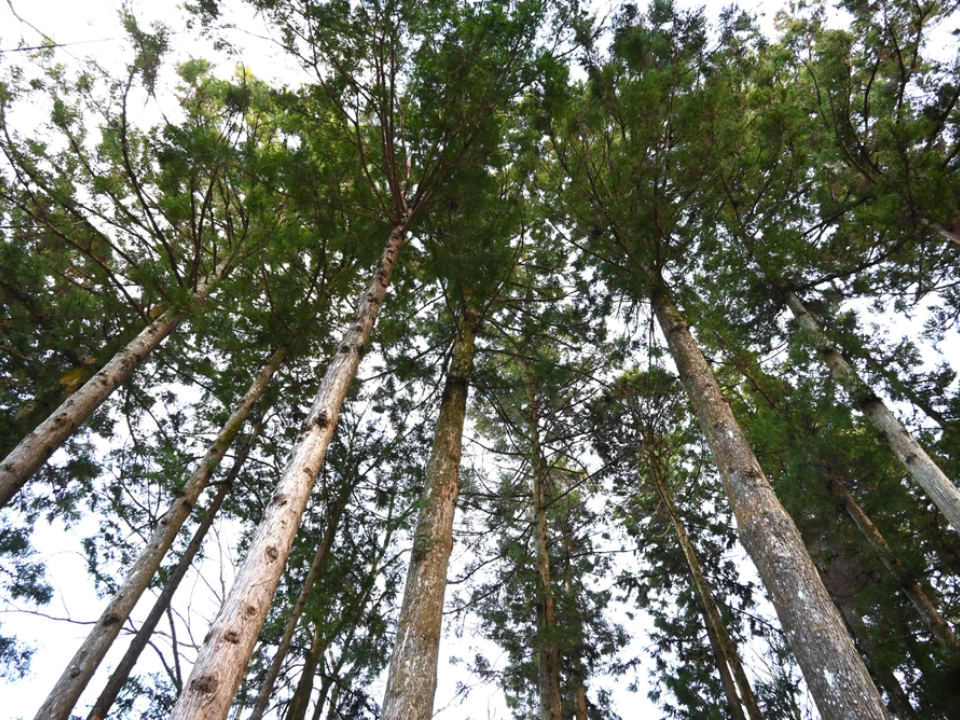
The Japanese Cedar, also known as “Sugi,” is a conifer native to Japan, where it holds cultural and historical significance. These trees can reach impressive heights of up to 60 meters, with dense, green foliage that remains vibrant throughout the year. The bark of the Japanese Cedar is distinctively reddish-brown and peels off in strips, revealing a smoother inner layer.
This tree has been cultivated for centuries, and its wood is highly valued for its use in construction and temple building. In addition to its historical importance, the Japanese Cedar is considered a symbol of longevity and strength. While it is still widely grown in Japan, the tree is facing threats from diseases and pests, including a type of fungus that affects its growth. Conservation efforts are underway to preserve the tree in its natural habitats.
Ancient Bristlecone Pine (Pinus longaeva)
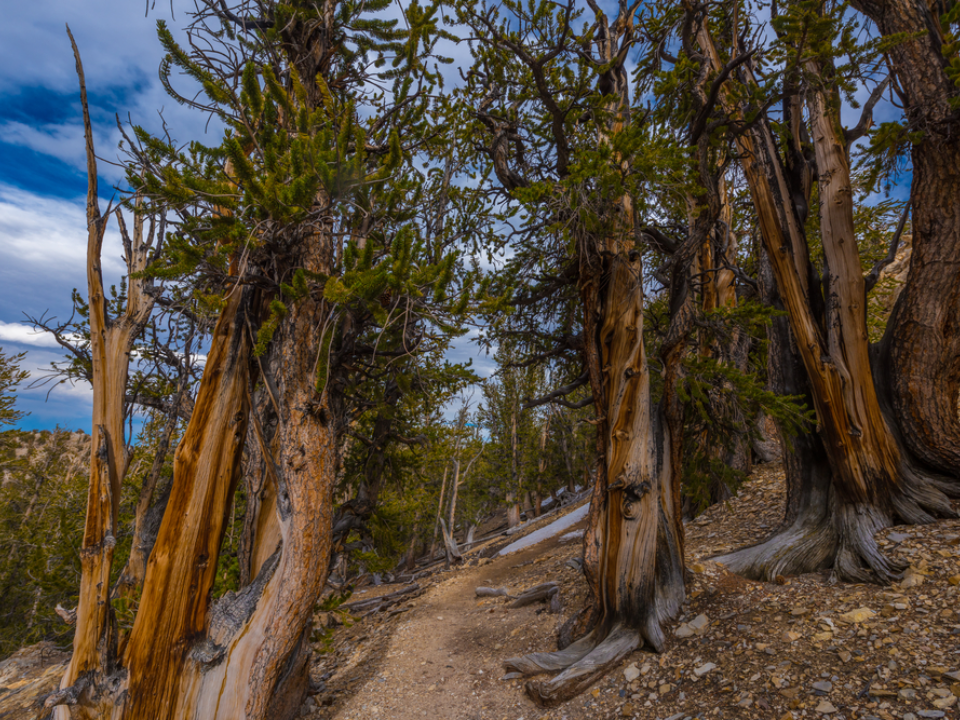
The Bristlecone Pine is one of the oldest living organisms on Earth, with some trees in California’s White Mountains believed to be over 5,000 years old. These ancient trees are highly resilient and can thrive in some of the harshest conditions, including high-altitude rocky environments. The
Bristlecone Pine has twisted, gnarled branches, and its bark is a pale gray-brown that adds to its ancient appearance. Despite their age and resilience, these trees grow slowly, adding only a small amount of height each year. Their ability to survive harsh winds and extreme temperatures makes them a symbol of endurance. Conservation efforts are crucial for protecting these ancient trees from environmental damage, especially from climate change and human activity. The Bristlecone Pine is considered one of the most ancient living species, a true testament to the longevity and endurance of the natural world.
Forest Oak (Quercus robur)
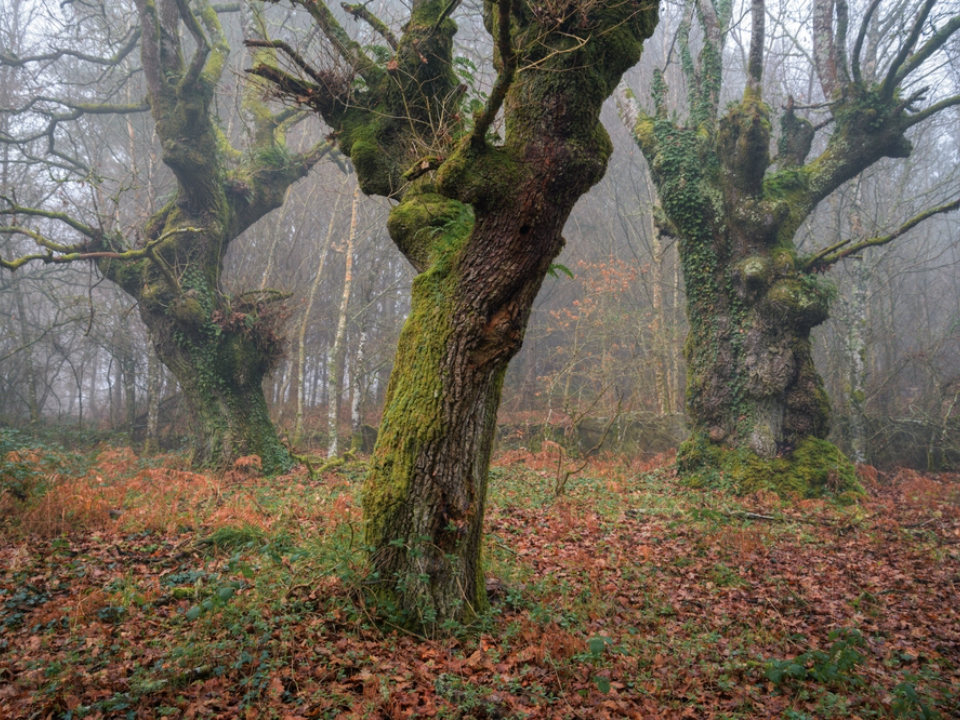
The Forest Oak is a deciduous tree native to parts of Europe and Asia, with some specimens thought to be over a thousand years old. Known for its large, lobed leaves and robust stature, the Forest Oak is an essential part of the woodland ecosystem. It produces acorns that serve as food for a variety of animals, including squirrels and deer. These trees are highly valuable for their timber, which is dense and strong, making it ideal for construction and shipbuilding.
Forest Oaks can grow to 30 meters in height and live for hundreds of years, providing shelter and habitat for countless species of plants and animals. Despite their longevity, the Forest Oak faces challenges from deforestation and urban expansion, which threaten its habitats. Conservation efforts are underway to preserve these ancient trees for future generations.
This article originally appeared on Avocadu.