
16 Rare Trees That Grow So Slowly They Feel Timeless
In a world that often moves too fast, some trees remind us of the value of patience. These rare trees grow at a pace so slow that their growth feels like a timeless journey. They can stand for hundreds of years, growing only a few inches each year, yet they hold immense value in the ecosystem. Their ability to survive through time speaks to their resilience and adaptability.
This post may contain affiliate links, which helps keep this content free. Please read our disclosure for more info.
Bristlecone Pine (Pinus longaeva)
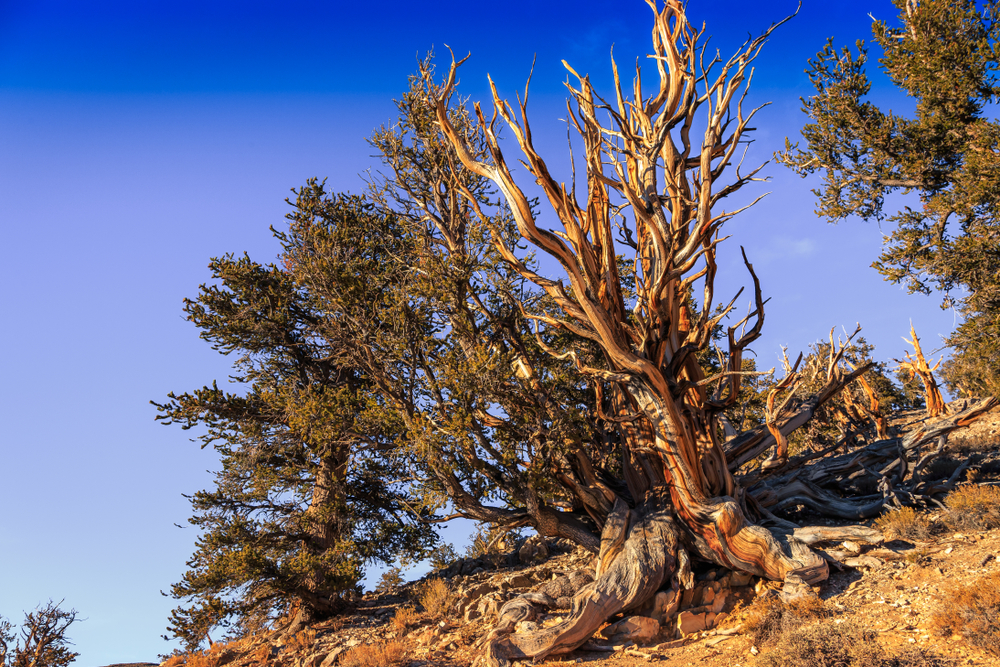
The Bristlecone Pine is known for its incredible longevity, with some specimens living over 5,000 years. These trees grow at a very slow rate, averaging less than an inch per year. They thrive in rocky, high-altitude areas. Their rarity stems from their ability to survive in harsh conditions, making them one of the oldest living organisms on Earth.
The Bristlecone Pine’s slow growth makes it a symbol of resilience and endurance. The tree’s wood is highly resistant to decay, which contributes to its long life. These trees are rare not only because of their age but also due to the specific growing conditions they require. As they age, their twisted, gnarled appearance becomes even more striking, adding to their allure.
Japanese Black Pine (Pinus thunbergii)
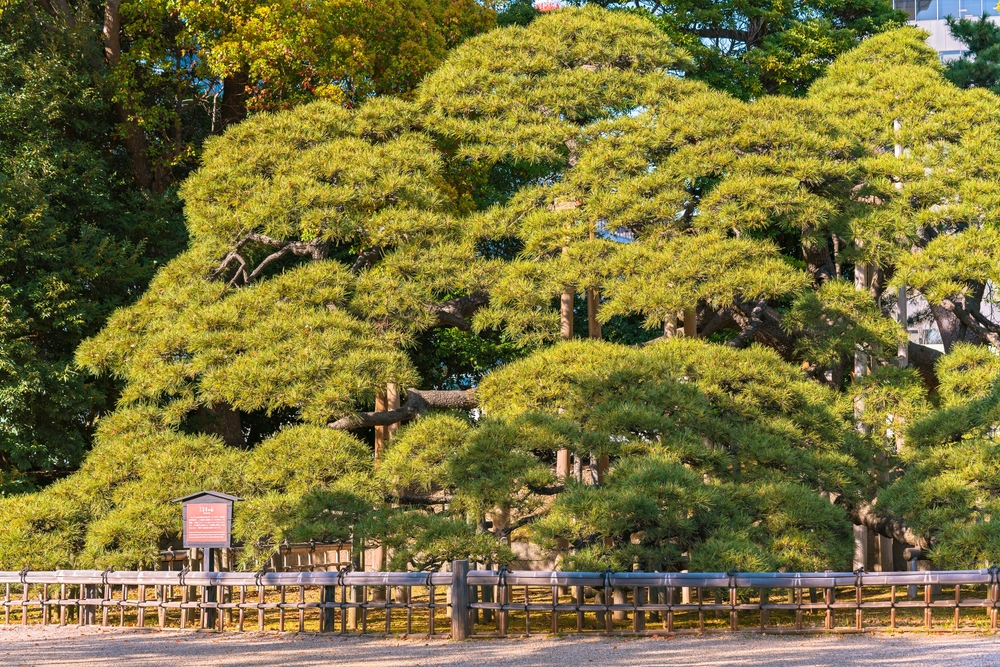
Japanese Black Pine is a slow-growing tree often found in coastal regions, where it can take decades to reach full maturity. This tree requires plenty of space and access to sunlight. The tree is prized for its ability to withstand saltwater and harsh winds, making it a rare and resilient species in coastal areas. With a growth rate of just a few inches per year, this tree is admired for its unique, upright form.
Its slow growth and distinct, dark green needles make it highly valued for ornamental purposes, particularly in Japanese gardens. The tree can live for several hundred years, adding to its charm and significance. Its rare ability to thrive in challenging environments and grow slowly over time makes it a timeless symbol of strength. Its striking beauty has made it a popular choice for bonsai artists, further increasing its cultural value.
Yew Tree (Taxus baccata)
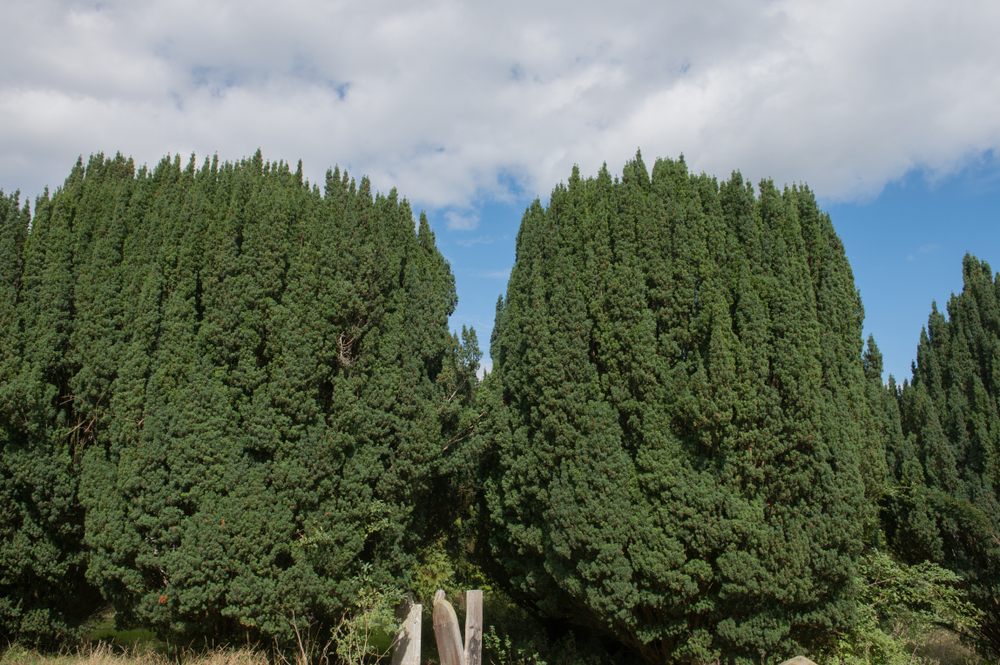
Yew trees are known for their ability to grow slowly and live for centuries, with some individuals reaching over 2,000 years old. Their rarity lies in their long lifespan and their status as one of the oldest species of trees in Europe. With a growth rate of just a few inches per year, the Yew tree is an enduring presence in ancient forests.
Yews are often associated with churchyards and ancient burial sites due to their historical significance. Their dense, dark green foliage and red berries make them visually distinctive. The slow growth of Yews is balanced by their ability to adapt to various climates, making them a rare and valuable species. Their long history of resilience and symbolism adds to their timeless appeal.
Ginkgo Tree (Ginkgo biloba)
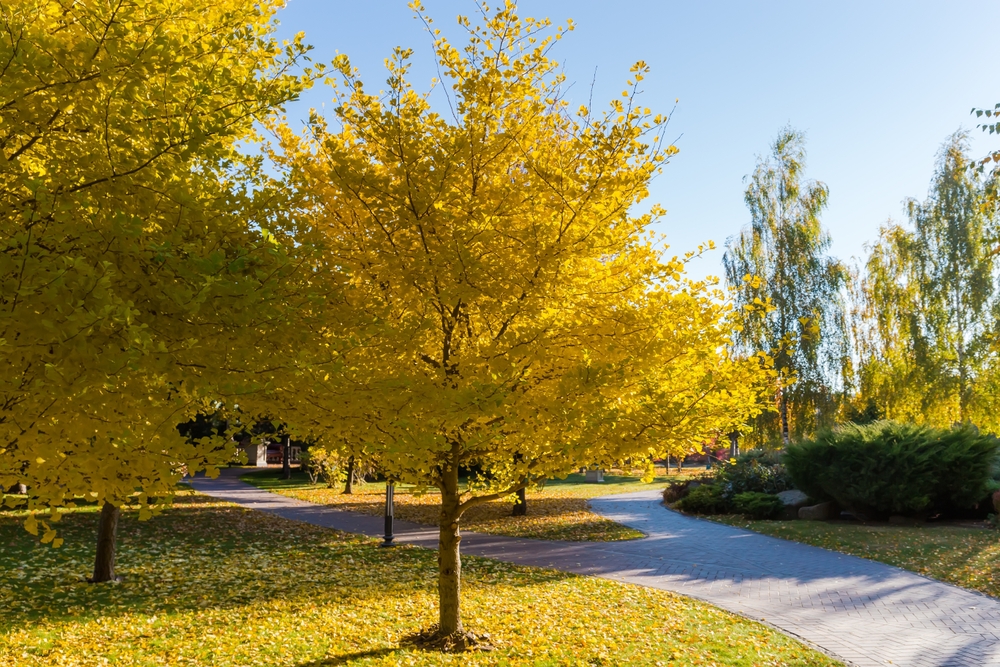
The Ginkgo tree is an ancient species that has been growing for over 200 million years. While it grows slowly, reaching maturity over several decades, it’s not typically suitable as a houseplant due to its size and space requirements. Ginkgo trees are rare because they are the only surviving species in their genus, with no close relatives left on Earth. These trees are known for their fan-shaped leaves that turn a brilliant yellow in the fall.
The Ginkgo’s slow growth makes it a symbol of endurance through the ages, surviving even in urban environments. It has been used in traditional medicine and is often considered a symbol of longevity and resilience. Its unique leaves and the tree’s ability to thrive in difficult conditions make it highly valued. The rarity of Ginkgo trees is matched by their historical and cultural significance, making them a living link to the past.
Sugi (Cryptomeria japonica)
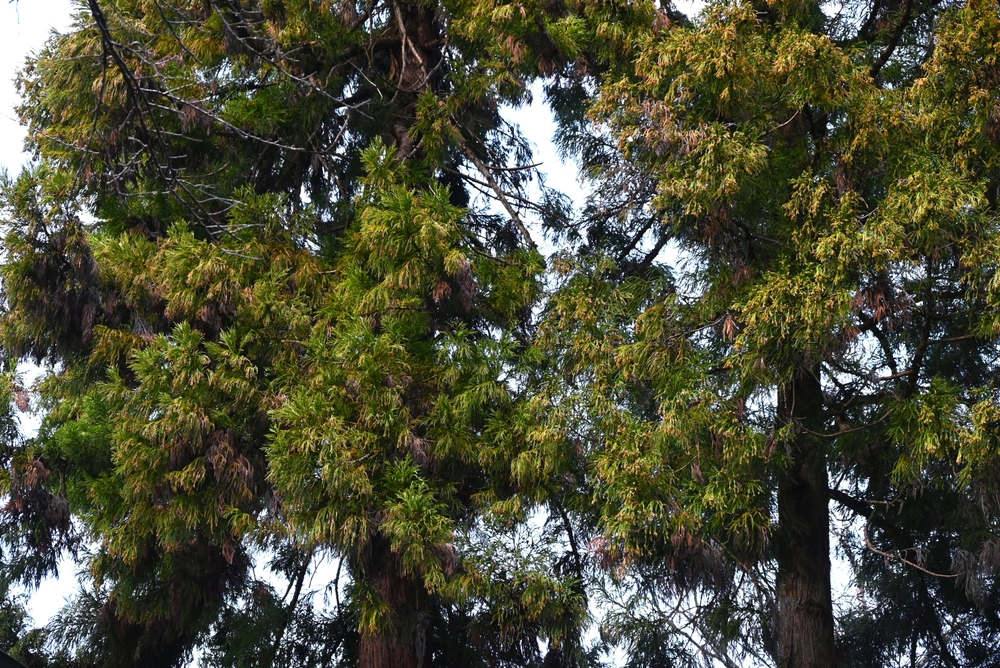
Sugi, or Japanese cedar, is a slow-growing tree that can live for over 1,000 years in its native habitat. Its growth rate is slow, with only a few inches added per year, making it an enduring symbol of patience. While not ideal as a houseplant due to its large size, it thrives in the cool, humid conditions of Japan’s forests. The tree’s rarity comes from its specialized growing conditions and its place in Japanese culture.
Sugi trees are known for their beautiful, reddish-brown bark and their ability to grow in densely shaded areas. They are highly valued in Japan for their wood, which is used in construction and for creating beautiful structures. The slow growth and long lifespan of Sugi trees contribute to their sacred status in many Japanese traditions. Their rarity and resilience make them an iconic part of the forest landscape.
Giant Sequoia (Sequoiadendron giganteum)
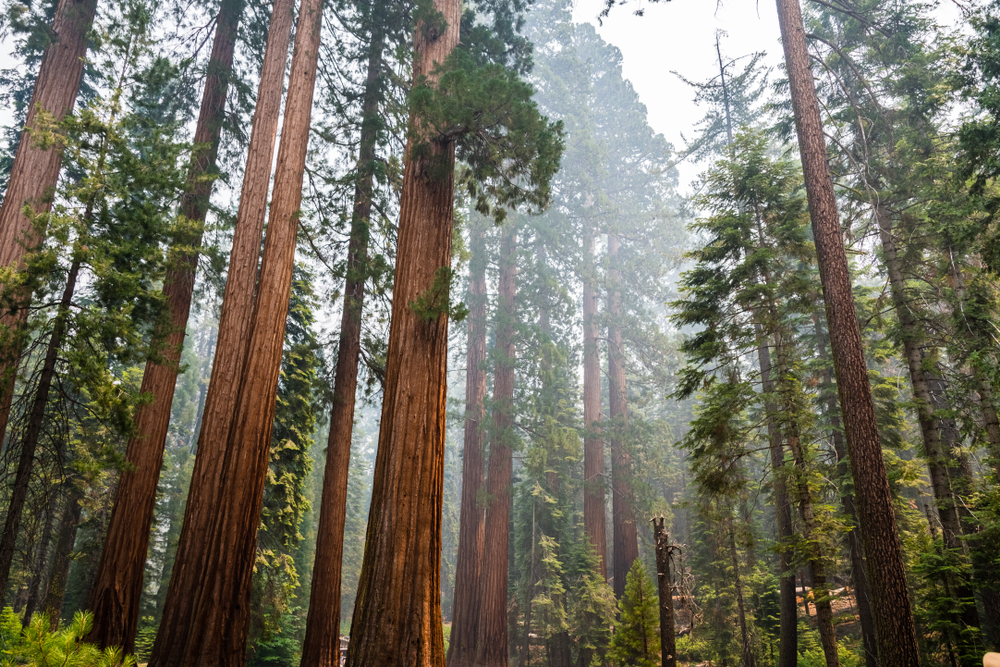
The Giant Sequoia is one of the largest trees in the world and grows at an incredibly slow rate. It can take centuries for these trees to reach their full height, with some only growing a few inches a year. While they are not suitable as houseplants due to their massive size, they are found in California’s Sierra Nevada mountains. Their rarity is tied to their specific growing environment and the fact that they only grow naturally in a small, protected area.
These trees are famous for their towering height, with some specimens growing over 300 feet tall. The slow growth of the Giant Sequoia is what makes it such a timeless symbol of endurance. Their massive trunks, which can reach over 30 feet in diameter, are a testament to the tree’s ability to survive for millennia. The Giant Sequoia’s rarity and size have made it a natural wonder, drawing visitors from around the world to see these ancient giants.
Baobab Tree (Adansonia species)
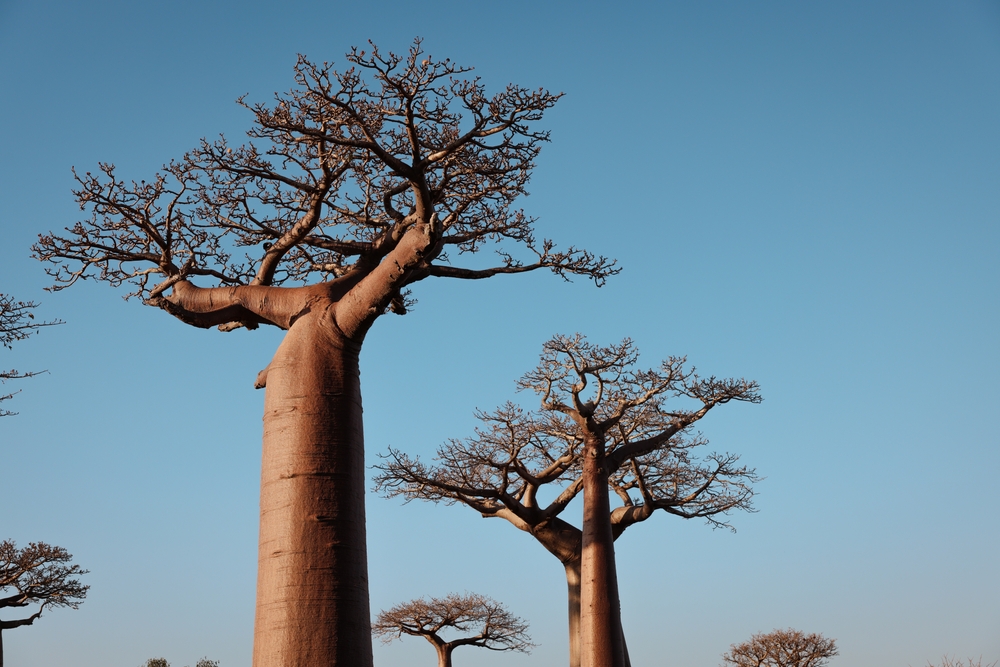
Baobab trees are iconic for their immense size and unique appearance, with some trees having trunks that can store thousands of liters of water. They grow incredibly slowly, often taking centuries to reach full maturity. These are found in Africa, Australia, and Madagascar. Their rarity is due to their limited distribution and the specific climate conditions they require to thrive.
These trees are known for their massive, swollen trunks and sparse, narrow branches that give them a distinct silhouette against the sky. Baobabs can live for thousands of years, making them one of the longest-living tree species. They play a crucial role in the ecosystems where they grow, providing food and shelter for various species. Their slow growth and unique appearance make them a symbol of timeless endurance.
Norfolk Island Pine (Araucaria heterophylla)
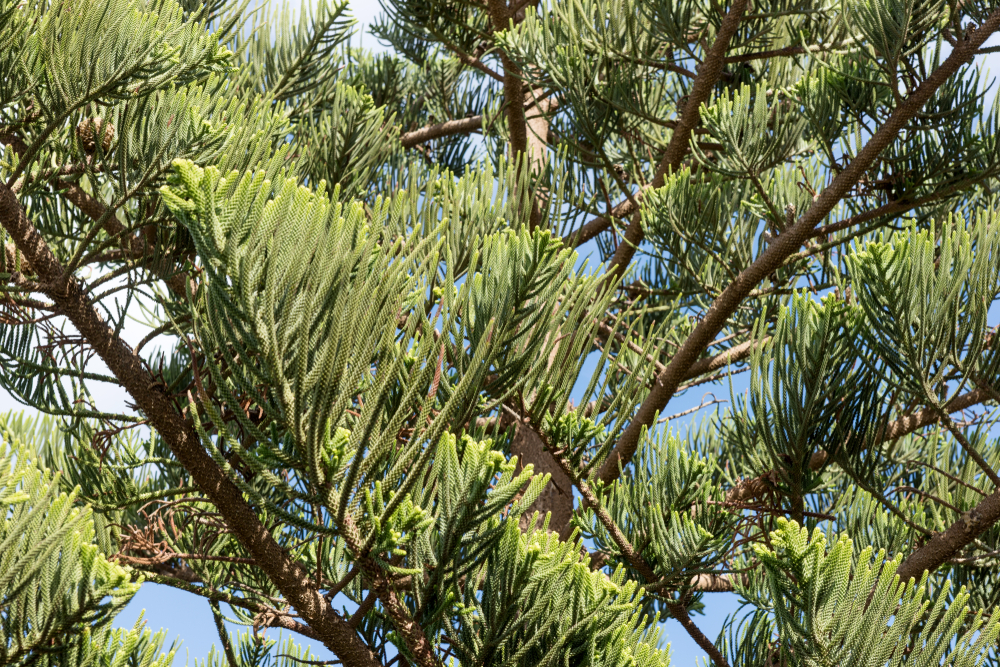
The Norfolk Island Pine is a slow-growing tree that can reach impressive heights over time. While it grows at a moderate pace, it is unsuitable as a houseplant in the long term due to its eventual size. The tree is native to Norfolk Island, a small island in the Pacific Ocean, and is rare due to its limited growing range. It can take several decades for the Norfolk Island Pine to grow to full size, with its branches spreading out in a symmetrical, whorl-like pattern.
Despite its slow growth, the Norfolk Island Pine has become a popular ornamental tree in tropical and subtropical regions. Its dense, evergreen foliage and elegant shape make it a sought-after species for landscaping. The tree’s rarity is linked to its small native habitat and the specific conditions required for it to thrive. As one of the few species in the Araucaria genus, it is a living connection to the distant past.
Siberian Larch (Larix sibirica)

Siberian Larch is a deciduous conifer known for its slow growth and ability to thrive in harsh climates. It grows at a pace of only a few inches per year, with some trees taking over 50 years to mature fully. Found primarily in Siberia and parts of northern Asia, it is not typically grown indoors due to its size and cold tolerance. The rarity of this tree is attributed to the specific environmental conditions it requires to survive.
Despite its slow growth, the Siberian Larch is a resilient tree, capable of withstanding extreme temperatures. Its wood is highly prized for its durability, used in building and construction in cold regions. The tree’s slow growth rate makes it a lasting presence in the forests where it thrives. Its rare ability to endure in such extreme conditions gives it an air of timelessness.
Cedar of Lebanon (Cedrus libani)
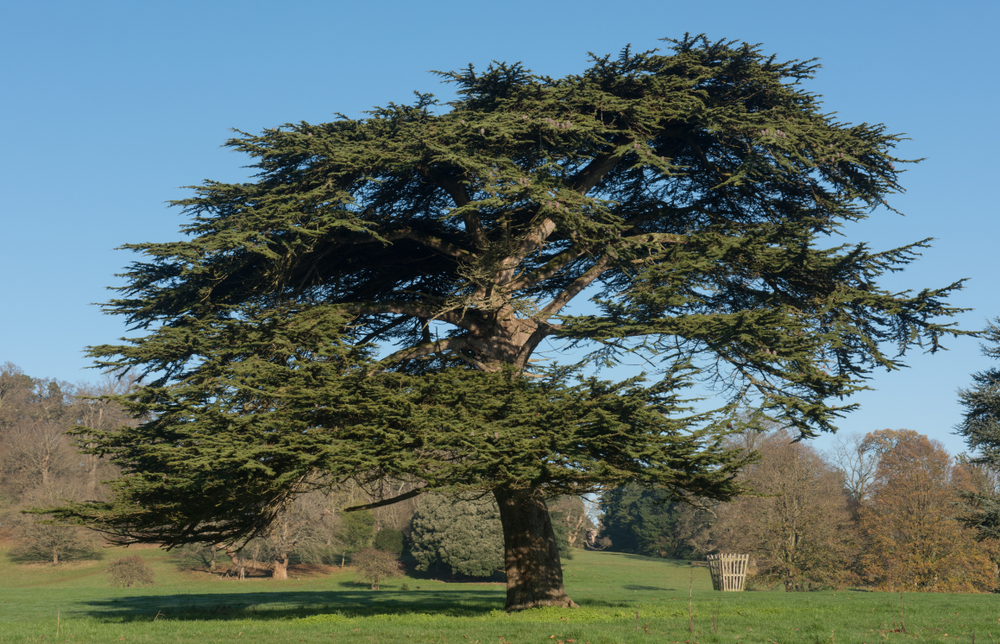
The Cedar of Lebanon is a slow-growing conifer that can live for thousands of years. It takes decades to reach a significant size, and it thrives in mountainous regions with cool, dry climates. It is typically found in the Mediterranean and parts of Asia. The rarity of the Cedar of Lebanon is due to its limited growing areas and the fact that it has been over-harvested in some regions.
This tree is renowned for its aromatic wood, which has been used for construction and religious purposes for centuries. The slow-growing nature of the Cedar of Lebanon contributes to its durability and strength. Its historical importance and cultural significance add to its allure, making it a symbol of longevity. Its presence in ancient landscapes provides a connection to the past that continues to capture the imagination.
Madrone Tree (Arbutus menziesii)
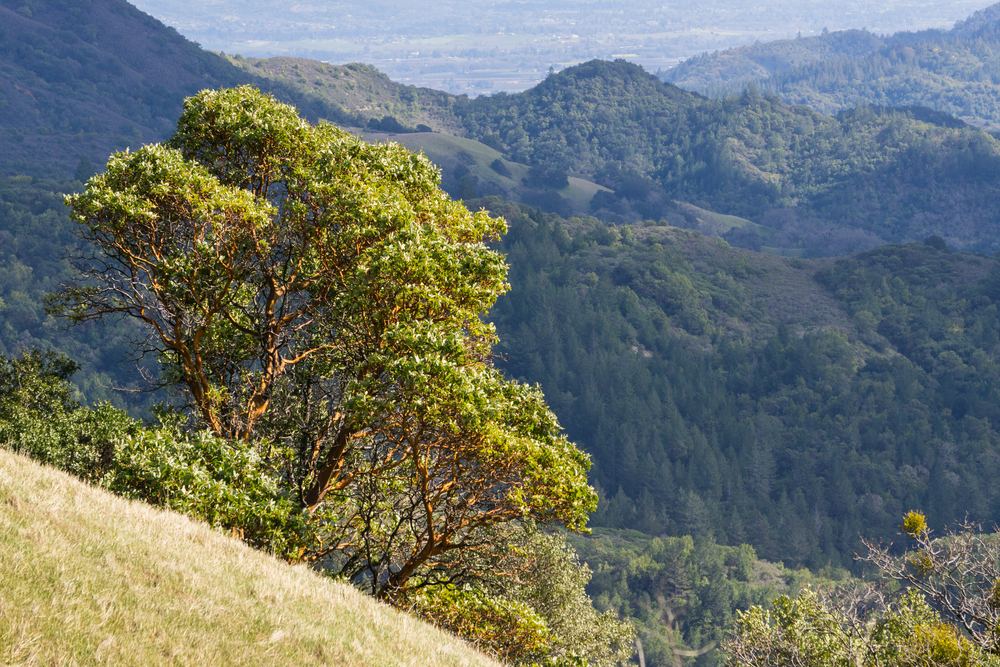
The Madrone tree is a slow-growing evergreen that thrives in the Pacific Northwest, where it grows in rich, moist soils. Its growth rate can be quite slow, often only a few inches per year, making it a rare sight in the wild. This tree is not suitable as a houseplant due to its size, but it is highly valued for its striking bark and vibrant leaves. Its rarity comes from its specific environmental requirements, making it less common outside of its native range.
Madrone trees are known for their smooth, reddish bark that peels off in strips, adding a unique texture to the forest floor. The tree’s slow growth means it takes many years to reach full maturity, but when it does, it stands out with its tall, slender trunk and glossy green leaves. Despite its slow growth, the Madrone is an essential part of the ecosystems in which it grows, providing shelter and food for various animals. Its rarity and beauty make it a timeless symbol of the forests it inhabits.
Monkey Puzzle Tree (Araucaria araucana)
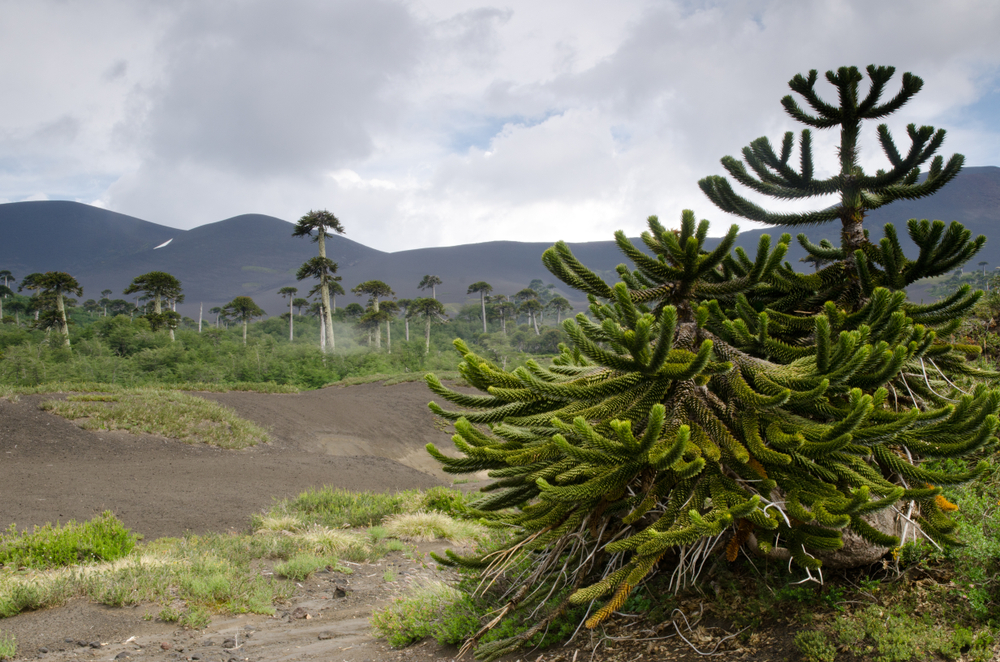
The Monkey Puzzle Tree is a slow-growing evergreen tree native to the Andes Mountains. It can take several decades to grow to a significant height, with some trees taking up to 100 years to mature. Due to its size and unique growing conditions, it is not suitable as a houseplant. The rarity of the Monkey Puzzle Tree is due to its limited native range and its status as a vulnerable species in the wild.
This tree is famous for its spiky, unique leaves and symmetrical shape, making it a striking addition to any landscape. It can live for hundreds of years, growing slowly but steadily over time. The Monkey Puzzle Tree is considered a living fossil, with a lineage that dates back millions of years. Its slow growth and rarity make it a truly remarkable species.
Coast Redwood (Sequoia sempervirens)
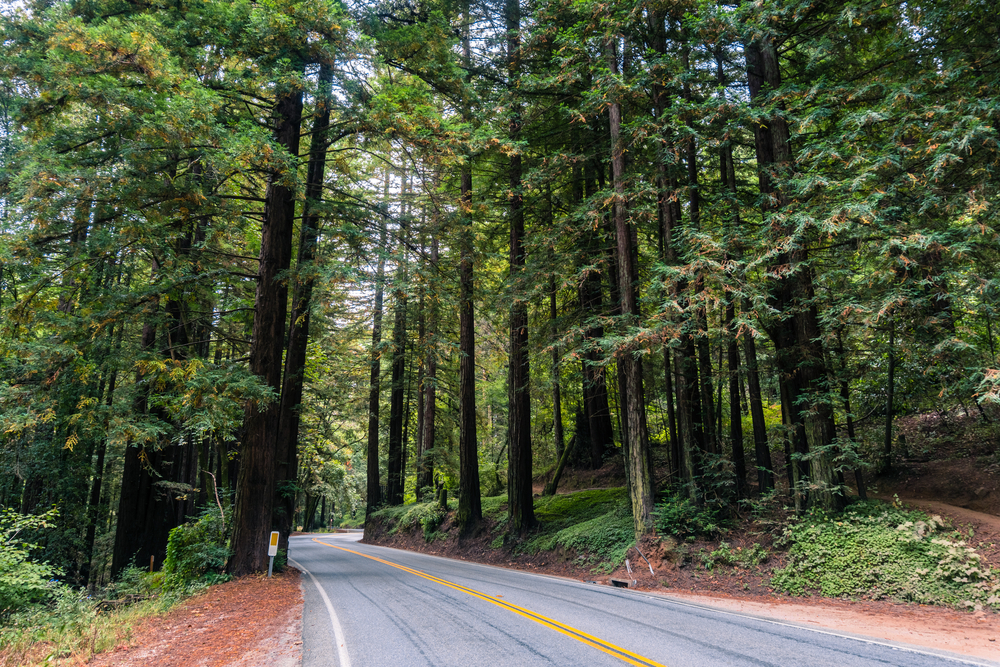
Coast Redwoods are some of the tallest trees in the world, yet their growth rate is remarkably slow, particularly in the early years. These trees can take hundreds of years to reach their towering height of over 300 feet. They thrive in the temperate climate of the California coast. Their rarity lies in their limited growing region and the specific conditions required for them to thrive.
These trees are known for their immense size and longevity, often living for over 2,000 years. The Coast Redwood’s slow growth contributes to its massive size over time, with some trees growing just a few inches a year. Its bark contains tannins that protect it from pests and fire, adding to its resilience. The rarity and breathtaking height of the Coast Redwood make it a symbol of nature’s incredible power and endurance.
Douglas Fir (Pseudotsuga menziesii)

The Douglas Fir is a slow-growing conifer that takes many years to reach its full potential. Known for its tall, straight trunk and dense foliage, this tree grows slowly, adding just a few inches in height each year. It is not suitable as a houseplant due to its size but thrives in the cool, temperate forests of North America. The rarity of the Douglas Fir comes from its slow growth and the specific conditions it needs to thrive.
This tree is an important timber species, highly valued for its strong wood. While its growth may be slow, it is incredibly long-lived, often reaching heights of over 200 feet. Douglas Fir trees are a critical part of the ecosystems where they grow, supporting various wildlife and maintaining forest health. Their slow growth and high value as a resource make them a timeless presence in the forest.
This article originally appeared on Avocadu.