
15 Rare Succulents with Strange Shapes That Look Like Sculptures
Succulents are known for their unique and eye-catching forms, but some varieties take it to the next level with shapes that almost seem too bizarre to be real. These plants often resemble works of art, with their twisted, angular, or symmetrical leaves creating stunning sculptural displays. Whether they look like tiny trees, fans, or even stones, these succulents are sure to turn heads. Many of them thrive in dry conditions and need minimal care, making them a perfect addition to any garden or indoor space. Their unusual forms make them stand out in any plant collection, and their low-maintenance nature makes them an easy choice for anyone looking to add a touch of creativity to their home.
This post may contain affiliate links, which helps keep this content free. Please read our disclosure for more info.
Living Stone (Lithops)
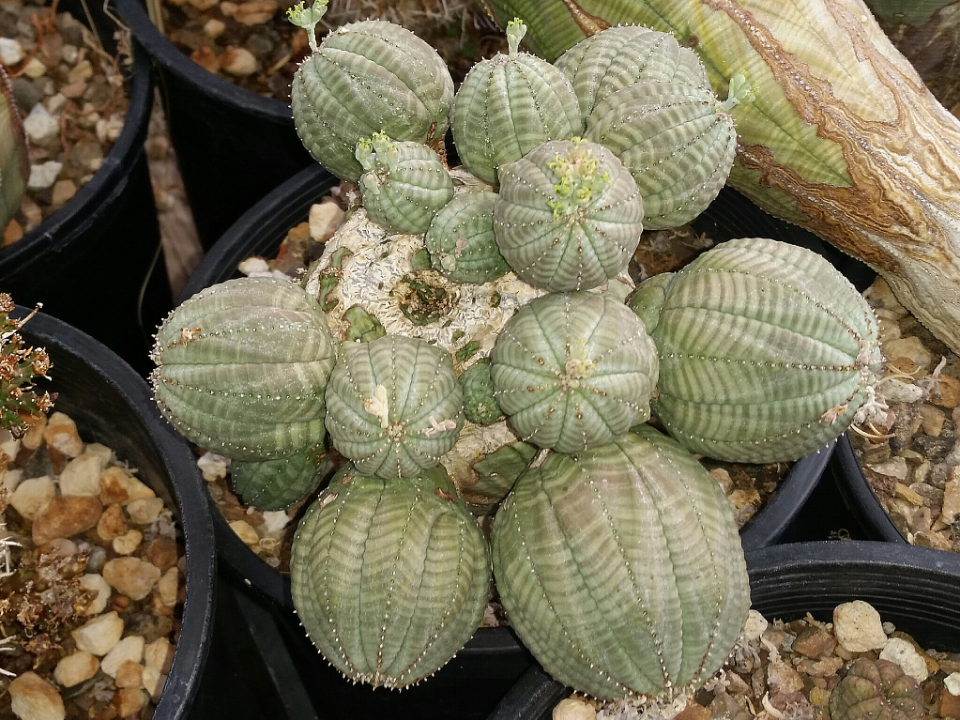
Lithops are often called “living stones” due to their appearance, which makes them look like small pebbles or rocks. These succulents are native to South Africa and Namibia and are known for their unique, sculptural form. The plant consists of a pair of leaves fused together, with a slit between them where a single flower blooms. Their appearance allows them to blend in perfectly with their rocky surroundings, offering excellent camouflage from herbivores.
The colors and patterns on Lithops vary significantly, with some resembling the patterns of the soil and others having striking colors like orange, red, or yellow. These plants require minimal care and thrive in well-draining soil with plenty of sunlight. Lithops are a fascinating addition to any collection of succulents, with their stone-like shape and subtle beauty.
Crassula Perfoliata (Propeller Plant)
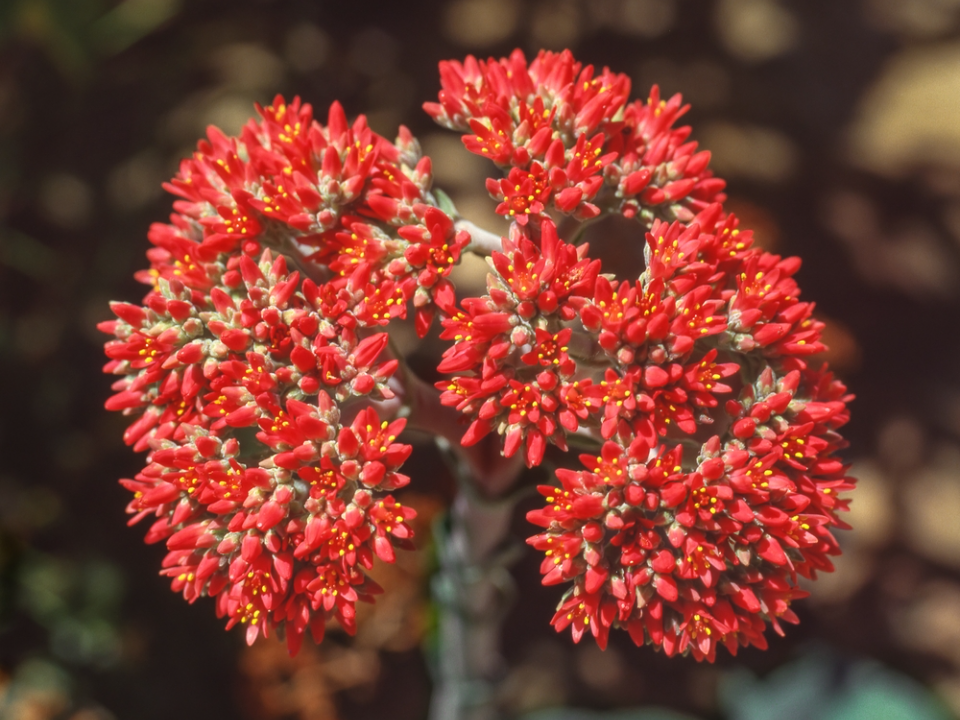
The Crassula Perfoliata, also known as the propeller plant, features distinctive, fan-like leaves that are arranged in a spiral pattern around the stem. These unique leaves, which appear to rotate around the stem, give the plant its name and sculptural quality. Native to South Africa, this succulent grows in a bushy manner and can reach up to 12 inches in height.
The plant’s colors change depending on the amount of sunlight it receives, with the leaves turning from green to a reddish or purplish hue when exposed to more light. Crassula Perfoliata is a hardy plant that can thrive in dry conditions, making it an excellent choice for a low-maintenance succulent garden. Its geometric form makes it a standout piece in any collection, and its flowers, which bloom in clusters, add an extra layer of visual interest.
Echeveria ‘Black Prince’
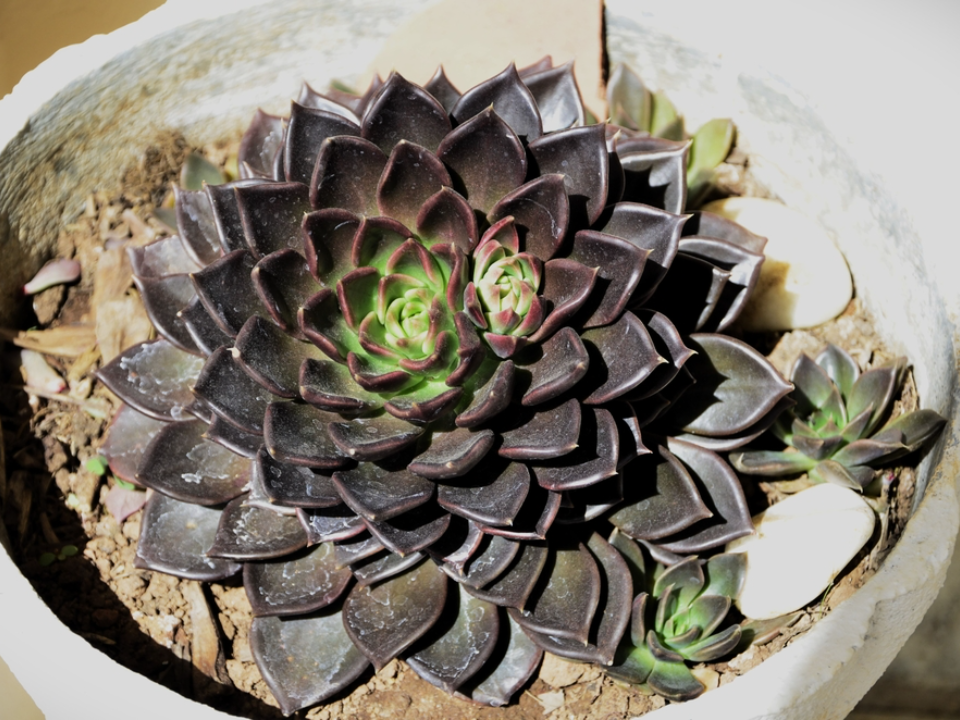
Echeveria ‘Black Prince’ is a striking succulent known for its dark, almost black leaves that form a rosette shape. The leaves have a unique, almost metallic sheen, adding to its sculpture-like appearance. This variety of Echeveria is a hybrid that has a dramatic contrast in colors, with the deep purples and greens making it look like a work of art.
The plant’s symmetrical form is eye-catching, and its compact size makes it perfect for small succulent arrangements or containers. Echeveria ‘Black Prince’ is relatively easy to care for, needing only minimal watering and plenty of sunlight to thrive. Its unusual color and shape make it a conversation starter, and the plant’s ability to adapt to different environments makes it a versatile addition to any collection.
Aloe ‘Blue Elf’
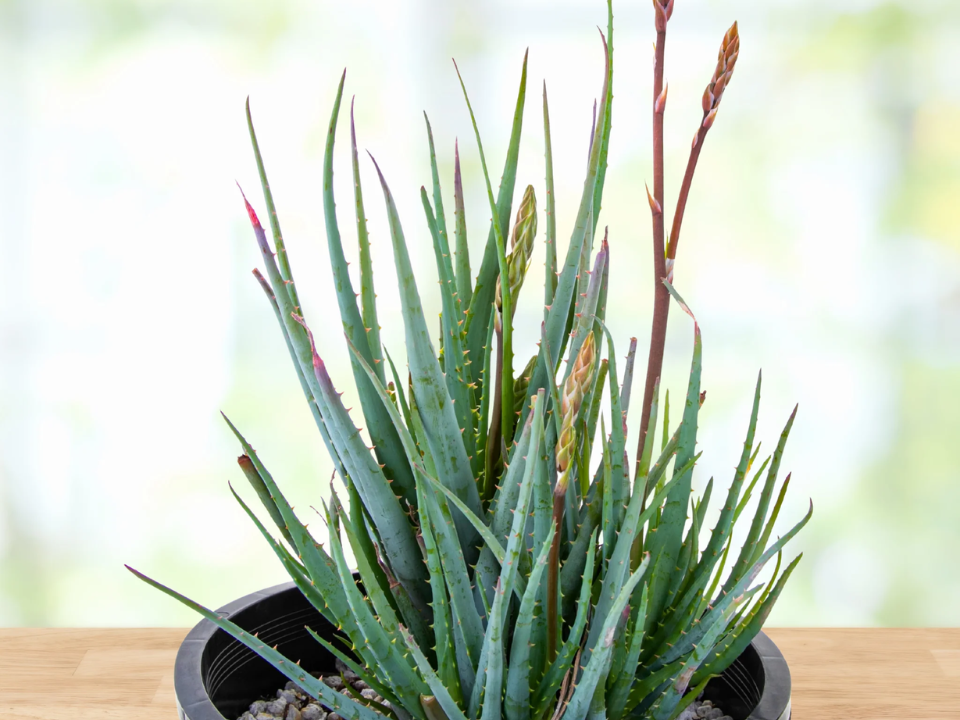
Aloe ‘Blue Elf’ is a smaller aloe variety known for its compact, sculptural shape. This succulent features thick, fleshy, blue-green leaves that are spiky at the edges, forming a rosette pattern. When the plant blooms, it produces bright orange flowers that contrast beautifully with the blue-green leaves, creating a striking visual effect.
Native to South Africa, Aloe ‘Blue Elf’ is an easy-to-grow succulent that thrives in well-drained soil and full sunlight. Its architectural form and vibrant color make it look like a miniature sculpture, perfect for adding a pop of color to any garden or indoor plant collection. Aloe ‘Blue Elf’ is also relatively drought-tolerant, making it a low-maintenance plant for succulent enthusiasts.
Stapelia Gigantea (Carrion Flower)
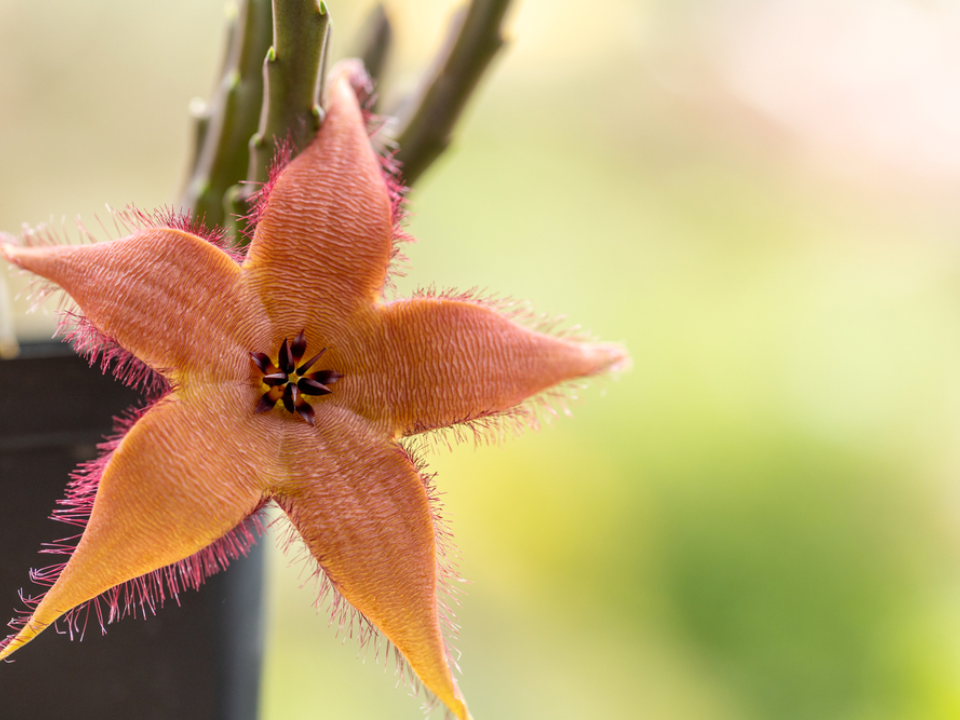
Stapelia Gigantea, also known as the carrion flower, has an unusual and striking appearance. This succulent features large, star-shaped flowers that can grow up to 12 inches across, making them look like strange, fleshy sculptures. The flowers have a pungent odor that resembles rotting flesh, which attracts flies for pollination.
Native to Southern Africa, Stapelia Gigantea is a slow-growing plant that thrives in well-draining soil and full sunlight. The plant’s leaves are thick and fleshy, growing in a bushy pattern, and they can range in color from green to purple. Although the smell of the flowers can be off-putting to some, their unusual appearance makes them a fascinating addition to any collection of rare succulents.
Agave ‘Blue Glow’
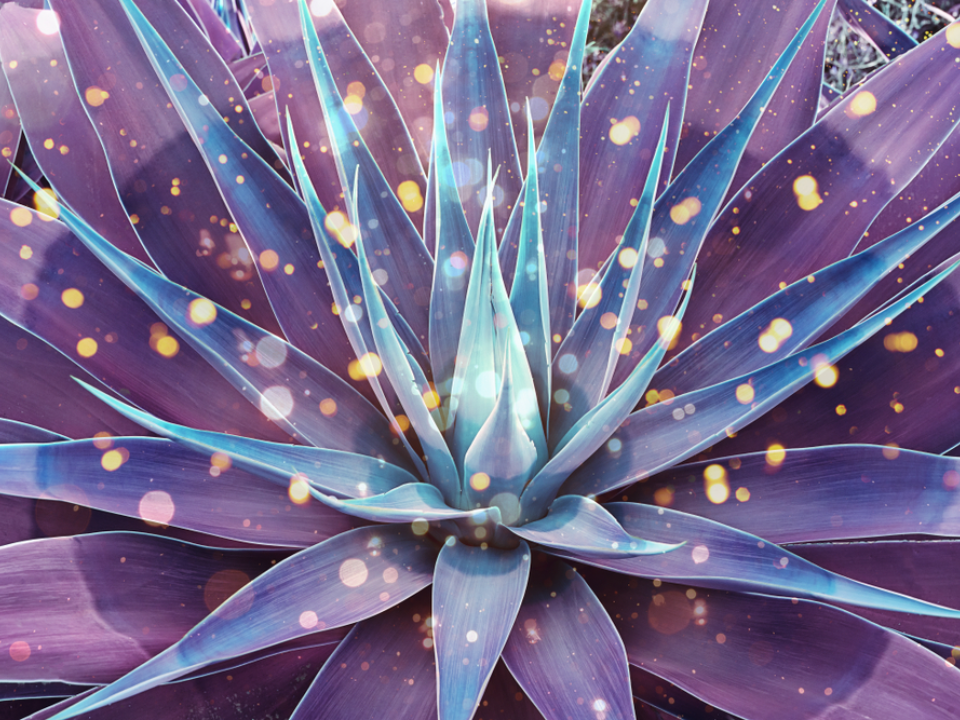
Agave ‘Blue Glow’ is a small agave species with a sculptural, symmetrical form that makes it look like a piece of modern art. The plant has thick, blue-gray leaves that are edged with orange margins, giving it a glowing effect when the light hits it. Agave ‘Blue Glow’ is a slow-growing succulent that can be grown both indoors and outdoors, thriving in well-drained soil with minimal watering.
This variety of agave is known for its striking appearance, with its spiny leaves forming a perfect rosette shape. The contrast between the blue leaves and orange edges adds to its visual appeal, making it a standout piece in any garden or collection. Agave ‘Blue Glow’ is relatively low-maintenance, needing only occasional watering and plenty of sunlight to flourish.
Kalanchoe ‘Thyrsiflora’ (Flapjack)
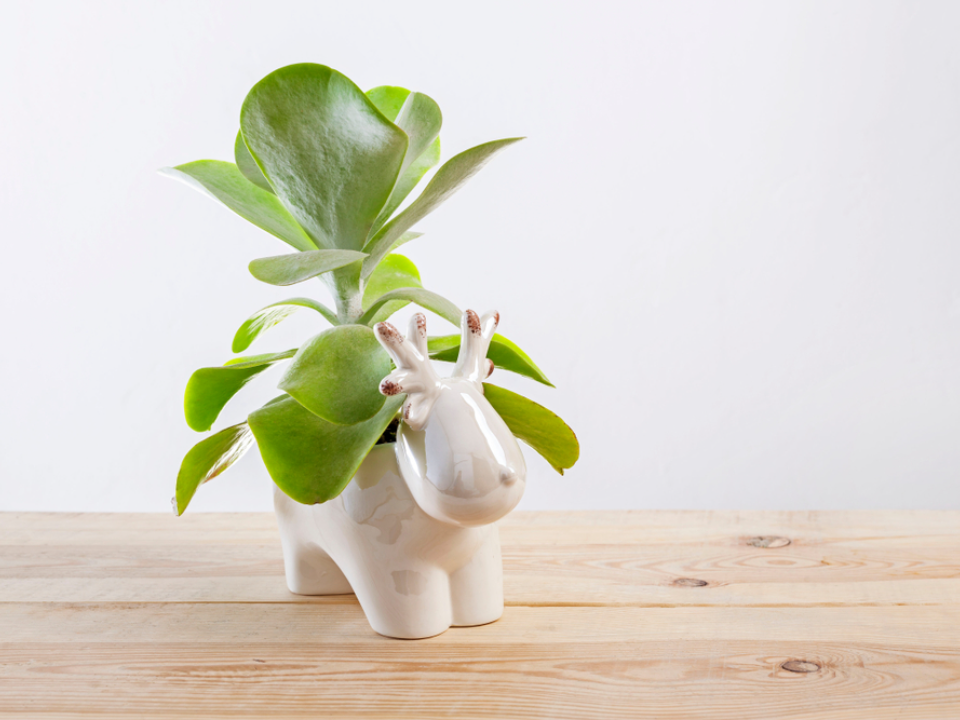
Kalanchoe ‘Thyrsiflora’, also known as flapjack or paddle plant, is a succulent with large, flat leaves that resemble the shape of paddles or leaves. The plant’s leaves are green with a reddish tint around the edges, which become more pronounced when the plant is exposed to bright sunlight. This succulent grows in a rosette form, and its leaves spread out like a fan, giving it a sculpture-like appearance.
Kalanchoe ‘Thyrsiflora’ is native to Madagascar and thrives in dry, well-drained soil with minimal watering. In the spring, the plant produces tall, yellow flowers that add another layer of visual interest. The bold, geometric shape of its leaves makes it a unique addition to any succulent collection, and its vibrant colors make it stand out in any garden.
Senecio Mandraliscae (Blue Finger)
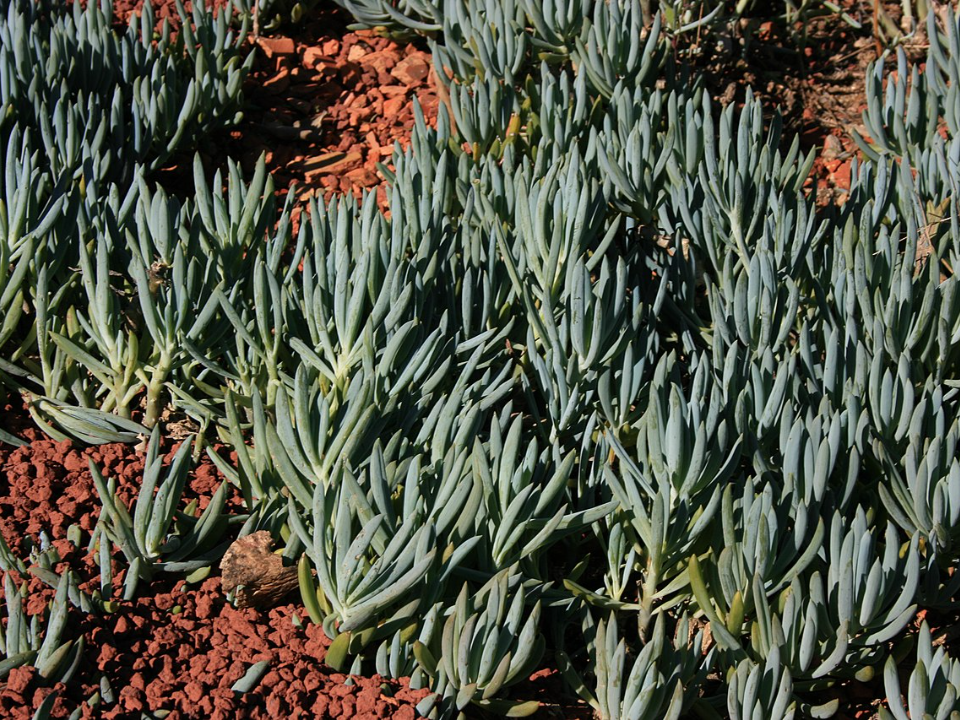
Senecio Mandraliscae, also known as blue finger, has long, slender, blue-green leaves that grow in a cluster, giving it a sculptural, finger-like appearance. The plant forms an upright, bushy shape with its leaves standing out in a vertical pattern, making it look like a collection of sculpted fingers. Native to South Africa, Senecio Mandraliscae is a hardy succulent that thrives in dry conditions and well-draining soil.
The plant’s unusual shape and vibrant color make it an eye-catching feature in any garden or succulent arrangement. Although it does not flower often, its unique form more than makes up for the lack of blooms. Senecio Mandraliscae is an excellent choice for those looking for a low-maintenance plant with a striking, architectural form.
Graptopetalum paraguayense (Ghost Plant)
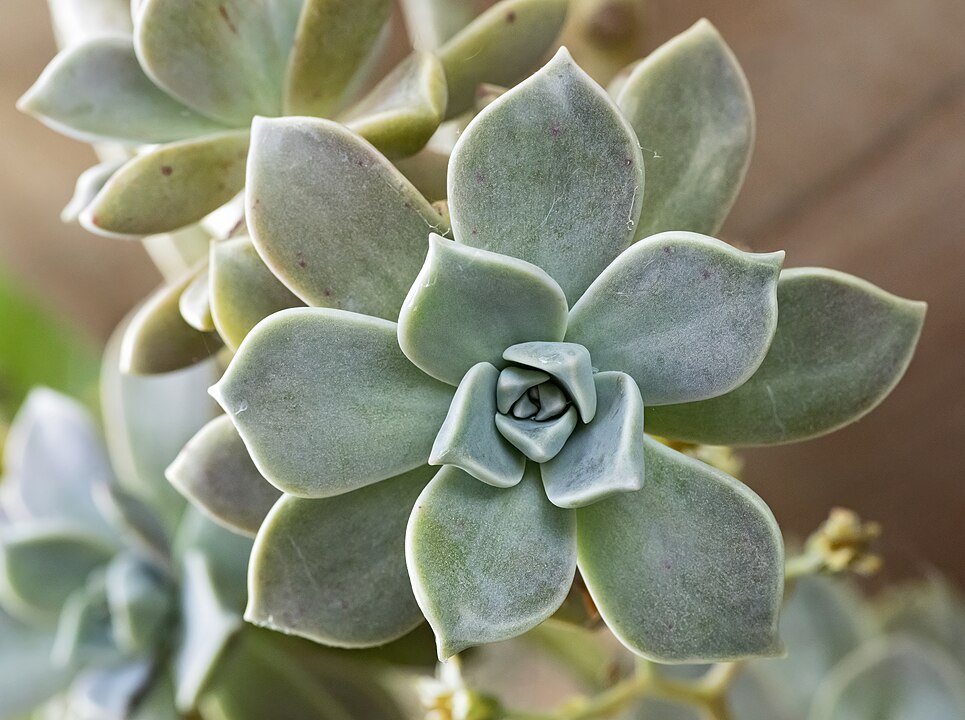
The Graptopetalum paraguayense, commonly known as the ghost plant, is a succulent with pale grayish-green leaves that form a rosette. The leaves have a powdery coating, giving them a ghostly, ethereal appearance, which is how the plant earned its name. This succulent’s sculptural form makes it an ideal plant for adding contrast to a collection of more vibrant succulents.
Native to Mexico, the ghost plant thrives in well-draining soil and prefers bright, indirect sunlight. The leaves can range in color from light gray to pinkish hues, and the plant can produce small, star-shaped flowers. The ghost plant’s ability to propagate easily makes it an excellent choice for those looking to expand their succulent collection.
Haworthia Cooperi
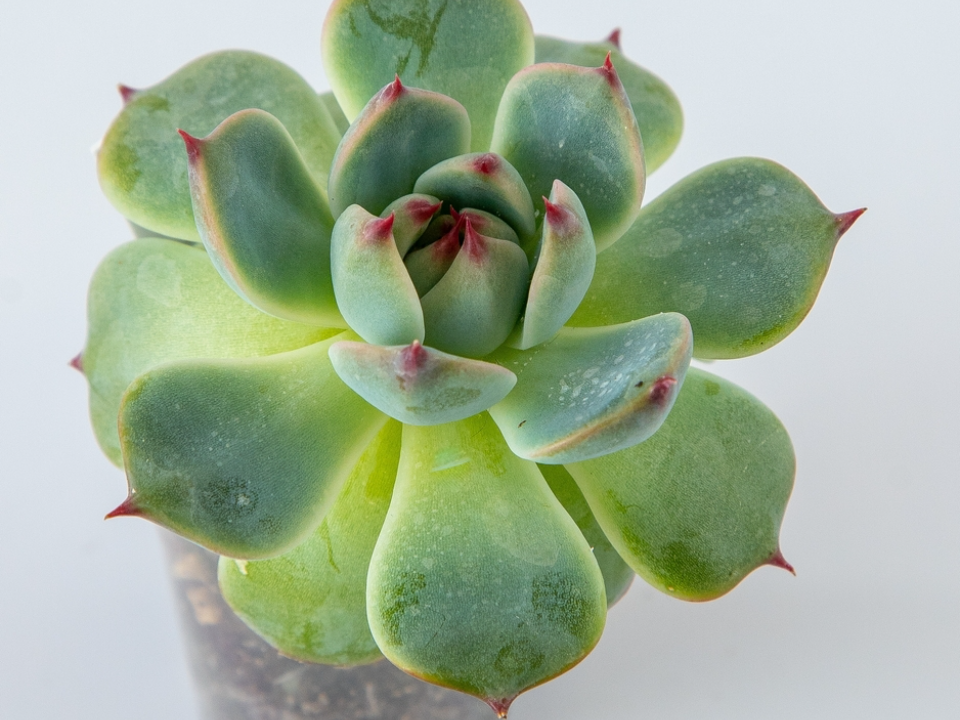
Haworthia Cooperi is a small succulent with translucent, fleshy leaves that have a smooth, almost glass-like appearance. The plant forms a tight, rosette shape, with leaves that appear to overlap and interlock, giving it a sculpture-like quality. This variety of Haworthia is native to South Africa and thrives in well-draining soil with minimal watering.
The translucent nature of the leaves allows light to pass through, giving the plant a unique, glowing effect when exposed to sunlight. Haworthia Cooperi is a slow-growing plant, but its compact size and striking appearance make it a popular choice for collectors. The plant’s geometric form and translucent leaves make it look like a work of art, adding an intriguing element to any succulent arrangement.
Echeveria ‘Morning Beauty’
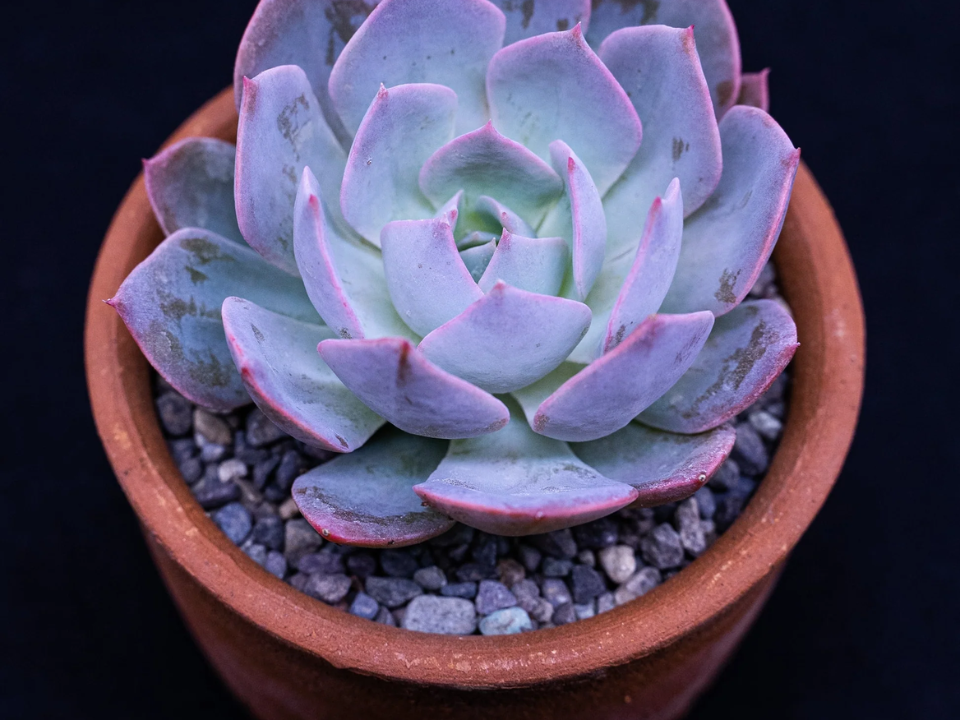
Echeveria ‘Morning Beauty’ is a stunning succulent that forms a rosette of pale, minty green leaves, which turn pinkish lavender when exposed to bright sunlight. The plant’s shape is symmetrical and tightly compact, resembling a miniature sculpture. Its leaves are thick and fleshy, with a subtle, frosted coating that gives the plant a slightly translucent effect.
This Echeveria variety is native to Mexico and thrives in well-draining soil and plenty of light. During the warmer months, it can produce small, bell-shaped pink flowers that contrast beautifully with the pale leaves. The plant’s color and form make it a striking addition to any collection, and its easy-care nature makes it a favorite among succulent enthusiasts.
Adromischus cristatus (Crinkle Leaf)
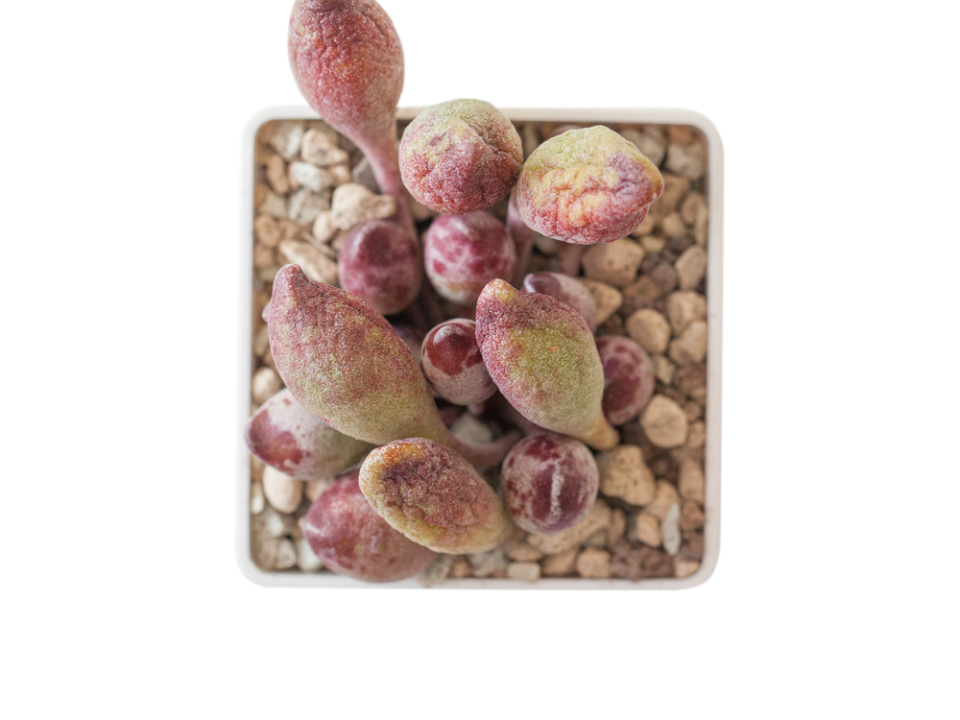
Adromischus cristatus, commonly known as crinkle leaf, features unique, wavy leaves that resemble crumpled paper or a folded fabric. The leaves grow in clusters along the stem, creating a dense, mound-like shape. This succulent is native to South Africa and thrives in dry, well-draining soil with plenty of sunlight.
The crinkled texture of the leaves gives it a sculptural, almost abstract appearance, making it a standout plant in any garden or container. The plant produces small, tubular flowers in shades of pink or red, though it is primarily grown for its unusual foliage. Adromischus cristatus is an easy-to-care-for plant, making it a great choice for beginners and collectors alike.
Graptopetalum ‘Superbum’ (Ghost Plant)
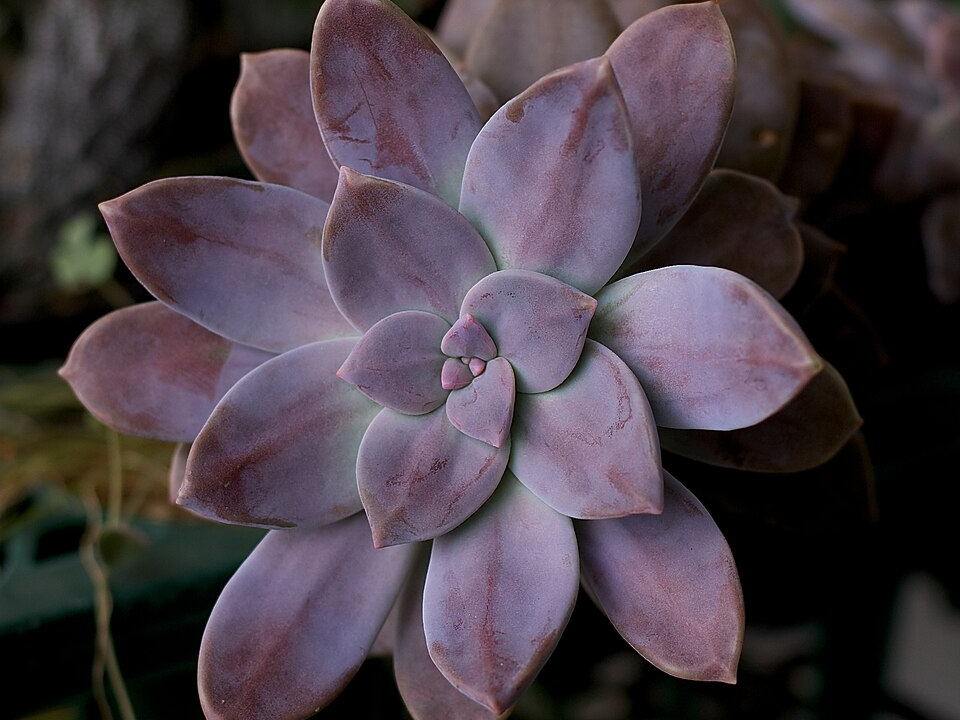
Graptopetalum ‘Superbum’ is another variety of ghost plant, but with a more pronounced, star-shaped rosette that makes it look like a miniature sculpture. The leaves are pale grayish-green with a powdery coating, and they have a slightly rounded, smooth appearance.
This succulent grows in a symmetrical pattern, with the leaves pointing outward in a way that mimics a star. Native to Mexico, Graptopetalum ‘Superbum’ thrives in well-draining soil and prefers bright, indirect light. While it may not flower frequently, its sculptural form and unique texture make it a visual standout. This plant is easy to propagate and care for, making it a great addition to any succulent collection.
Aeonium ‘Zwartkop’ (Black Rose)
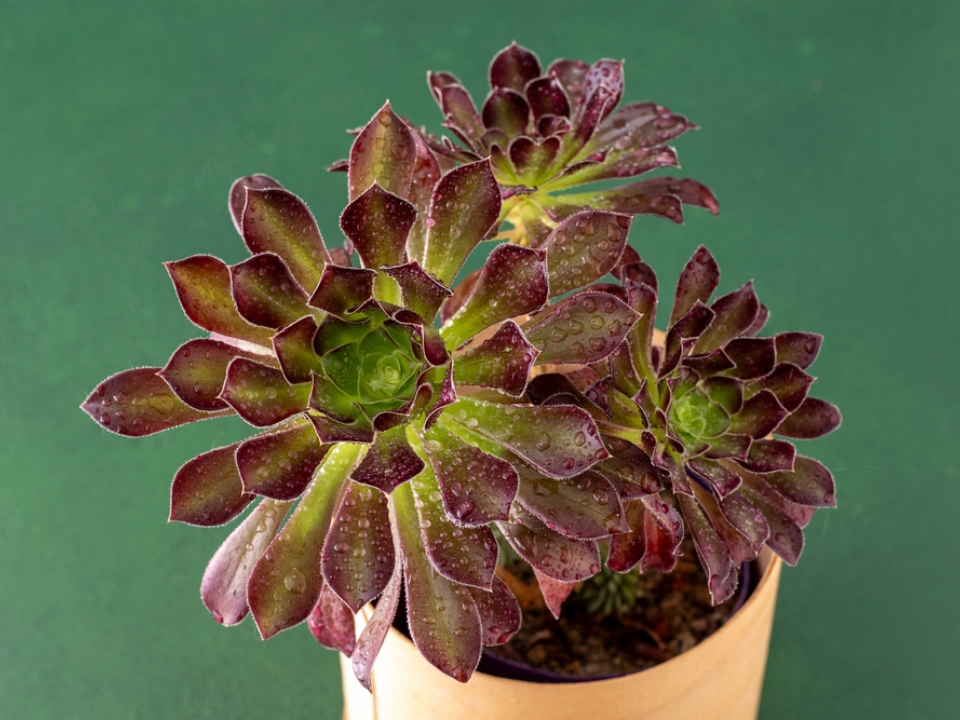
Aeonium ‘Zwartkop’ is a dramatic succulent with deep purple-black rosettes that resemble a dark, sculptural flower. The plant has thick, fleshy leaves that are arranged in a perfect spiral, giving it a striking, rose-like appearance. The contrast between the dark leaves and the plant’s compact form creates a bold visual impact, making it a standout piece in any garden or succulent arrangement.
Native to the Canary Islands, Aeonium ‘Zwartkop’ thrives in dry, well-draining soil and full sunlight. In the spring, the plant produces tall, yellow flowers that contrast beautifully with the dark foliage. This variety of Aeonium is relatively easy to care for and is well-suited to both indoor and outdoor growing conditions.
Aloe ‘Snowflake’
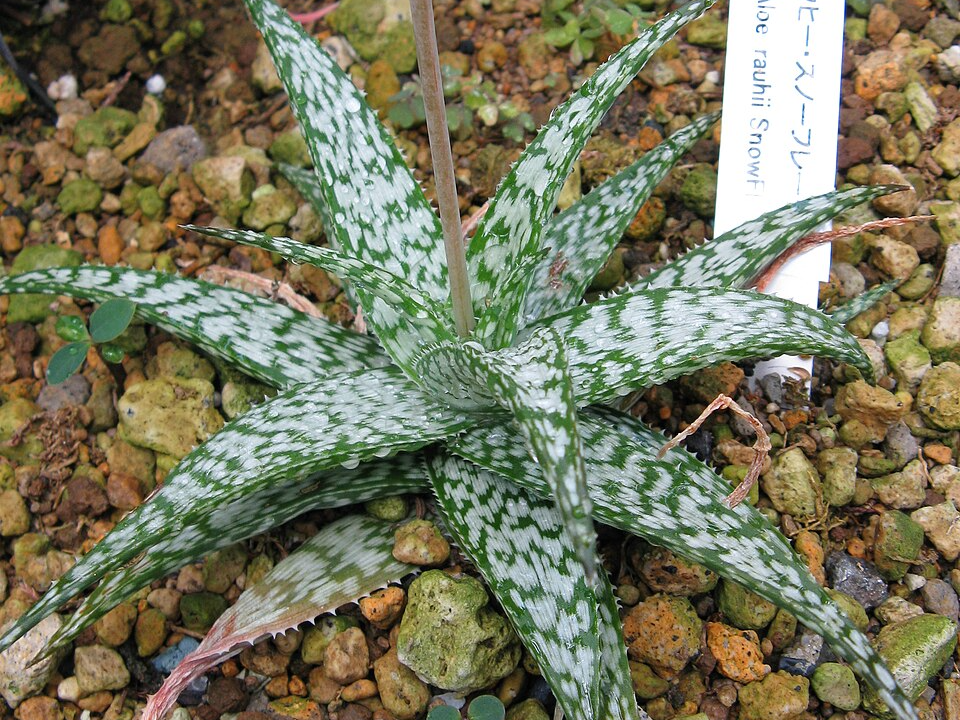
Aloe ‘Snowflake’ is a rare aloe variety known for its symmetrical, fan-shaped leaves that grow in a rosette pattern. The leaves are pale green with white spots and edges, creating a striking contrast that makes the plant resemble a snowflake. Native to South Africa, Aloe ‘Snowflake’ thrives in well-draining soil and bright, indirect light.
This plant produces tall, red-orange flowers in the summer that stand out against the pale leaves. Aloe ‘Snowflake’ is a compact, slow-growing succulent that is perfect for container gardens or as an accent plant. Its unique shape and color make it a must-have for succulent enthusiasts looking for something with a bit of sculptural flair.
This article originally appeared on Avocadu.