
14 Rare Succulents with Strange Colors and Sculptural Shapes
Succulents have become a favorite for plant lovers due to their unique forms and vibrant colors, but some varieties take these characteristics to a whole new level. With their strange hues and sculptural shapes, certain succulents stand out as true works of nature’s art. These plants not only add a touch of the unusual to any space but also spark curiosity with their distinctive appearances. Whether it is their geometric patterns, rare color variations, or striking leaf structures, these succulents bring a sense of drama to any garden or indoor arrangement.
This post may contain affiliate links, which helps keep this content free. Please read our disclosure for more info.
Lithops (Living Stones)

Lithops, often referred to as “living stones,” are a group of succulents that resemble small pebbles. These unique plants are known for their camouflage abilities, blending into their surroundings to avoid detection by herbivores. Lithops come in various shades, including beige, brown, gray, and even purples, with intricate patterns on their surfaces that mimic the look of stones. Their unusual shape makes them look like flat stones or pebbles, creating a striking and subtle presence in any collection.
These succulents thrive in full sunlight and require minimal watering, making them an excellent choice for succulent enthusiasts with limited time for plant care. Lithops have small, daisy-like flowers that bloom in autumn, adding a burst of color to their otherwise unassuming appearance. Though small, these plants can live for years if well cared for. Their peculiar shape and coloring make them highly sought after by collectors.
Echeveria ‘Black Prince’
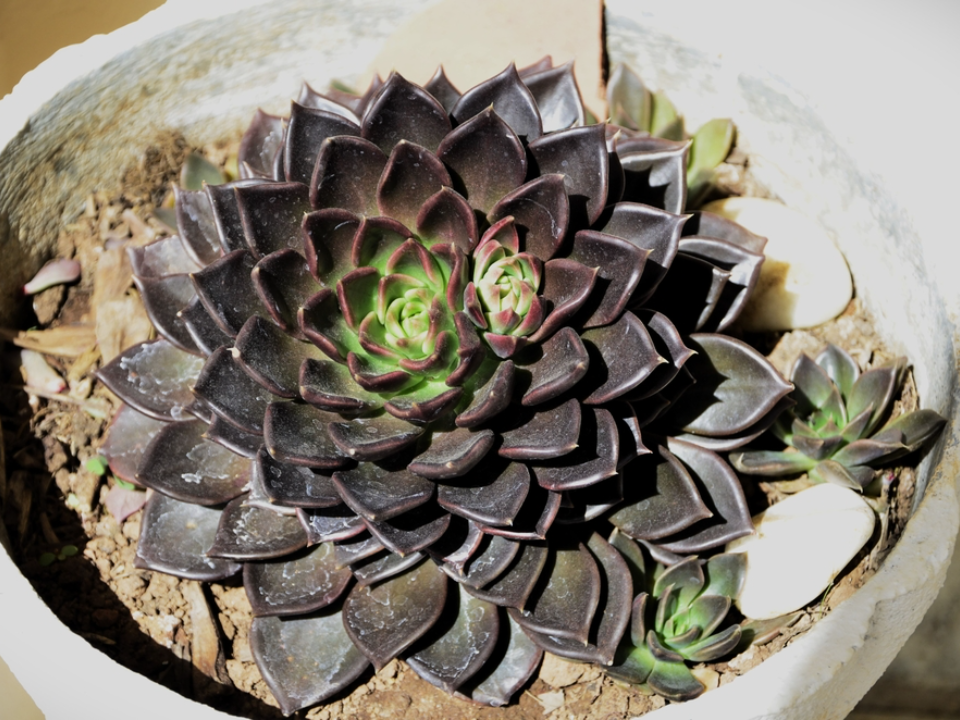
Echeveria ‘Black Prince’ is a striking succulent with dark, almost black, leaves that form a rosette shape. As the plant matures, the outer leaves develop a deep purple hue, giving it a dramatic appearance. This succulent thrives in bright, indirect light and requires well-drained soil. The rosette shape is both elegant and sculptural, making it a popular choice for modern arrangements or desert-style gardens.
Echeveria ‘Black Prince’ also produces tall flower stalks with bright orange or red flowers that stand out beautifully against the dark foliage. It’s a hardy plant, ideal for those who want a succulent that adds color and visual interest without requiring excessive care. While the plant grows slowly, it can live for years, eventually developing a beautiful, almost alien-like shape. It’s a must-have for those looking to add a touch of the unusual to their succulent collection.
Crassula Perfoliata var. Falcata (Propeller Plant)
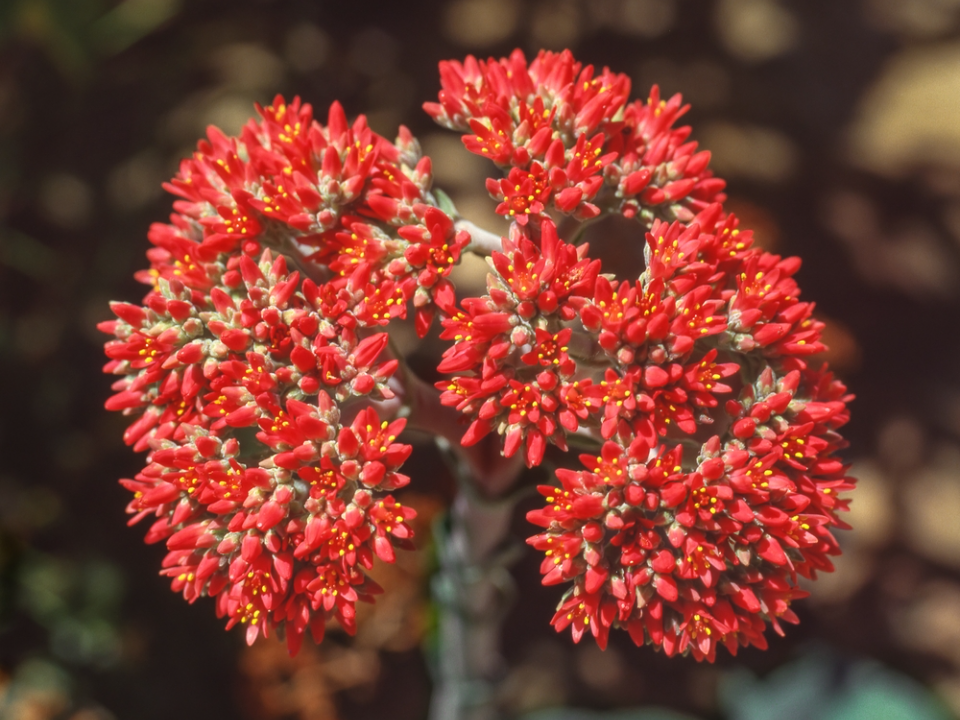
The Crassula Perfoliata var. Falcata, often known as the propeller plant, is a rare succulent with an incredibly unique appearance. The leaves of this plant are shaped like blades of a propeller, twisting and folding into a fan-like structure. The coloration can range from bright green to a reddish hue when exposed to sunlight, adding to the visual interest.
This succulent grows in a compact form and, over time, can form a small, bushy plant that looks like a miniature sculpture. In the spring, the plant produces small, star-shaped, orange or yellow flowers that contrast beautifully against its angular leaves. It’s well-suited for container gardening or as a focal point in a succulent arrangement. Propeller plants thrive in full sunlight and need well-drained soil to prevent rot. Their unusual shape and vibrant color changes make them an intriguing addition to any garden or indoor space.
Aloe ‘Delta Lights’
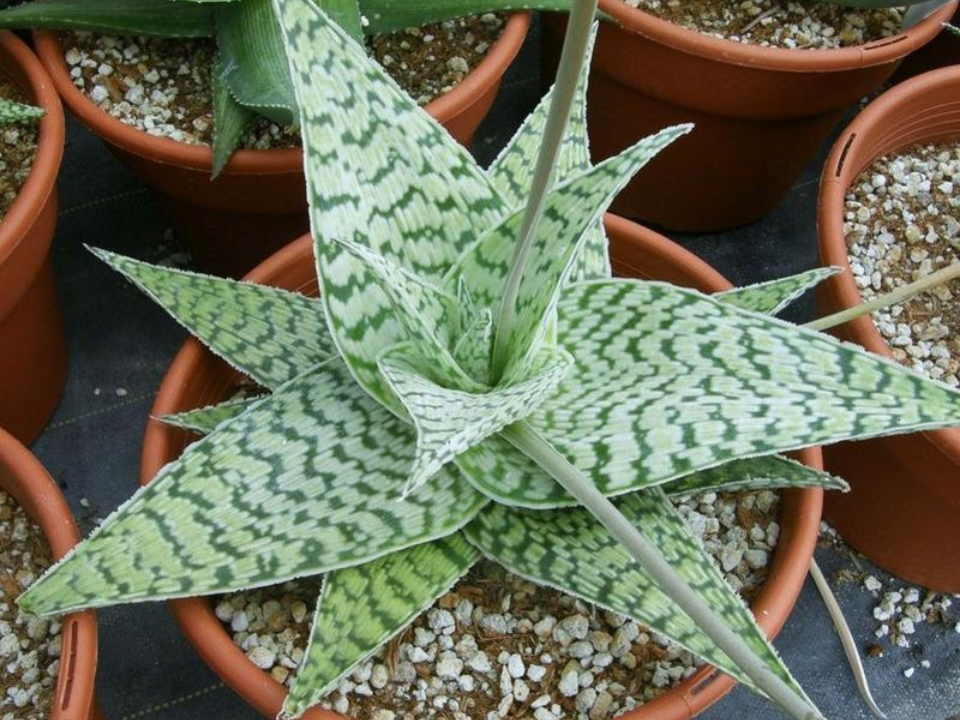
Aloe ‘Delta Lights’ is a rare cultivar of aloe that features stunning translucent green leaves with striking red edges. This aloe grows in a compact, rosette shape, making it perfect for smaller spaces. The leaves are thick and fleshy, characteristic of most aloe species, and they can develop reddish hues when exposed to bright sunlight. What sets Aloe ‘Delta Lights’ apart is its striking color contrast between the greenish-yellow leaves and the deep red margins, which make it stand out in any succulent arrangement.
This plant is drought-tolerant, making it ideal for those who are new to succulent care. Aloe ‘Delta Lights’ thrives in well-drained, sandy soil and prefers indirect sunlight, though it can also tolerate direct light for short periods. During the blooming season, the plant produces tall flower spikes with tubular orange flowers that add a pop of color to the otherwise calm foliage.
Graptopetalum paraguayense (Ghost Plant)
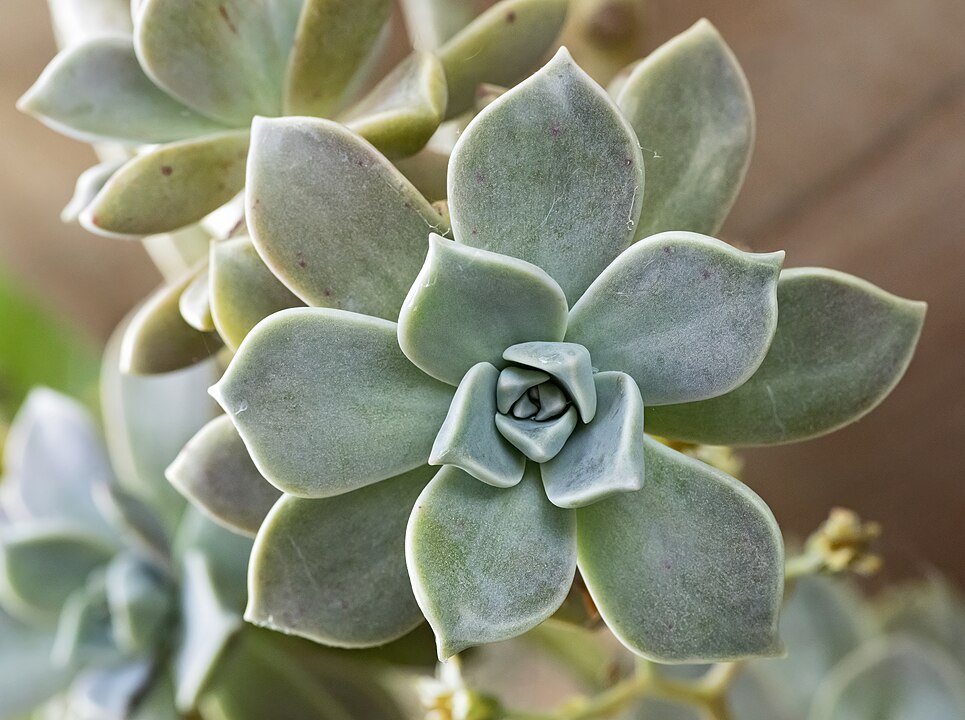
The Graptopetalum paraguayense, or ghost plant, is a succulent with soft, pale blue-green leaves that almost seem to glow in the sunlight. This plant’s colors range from light silver to pale blue, with an otherworldly look that gives it the “ghost” appearance. The leaves are thick and plump, growing in a rosette pattern that radiates from the center. The Ghost plant is particularly striking when grown in clusters or as a trailing plant, where its ghostly pale leaves cascade over the edges of pots or hanging baskets.
It’s also very easy to propagate, as its leaves can be detached and rooted to form new plants. This plant thrives in bright, indirect light and requires minimal watering. It can grow quickly, making it a great option for those looking to fill spaces in their indoor gardens. The Ghost plant’s delicate yet dramatic appearance makes it a favorite among collectors.
Senecio serpens (Blue Chalksticks)
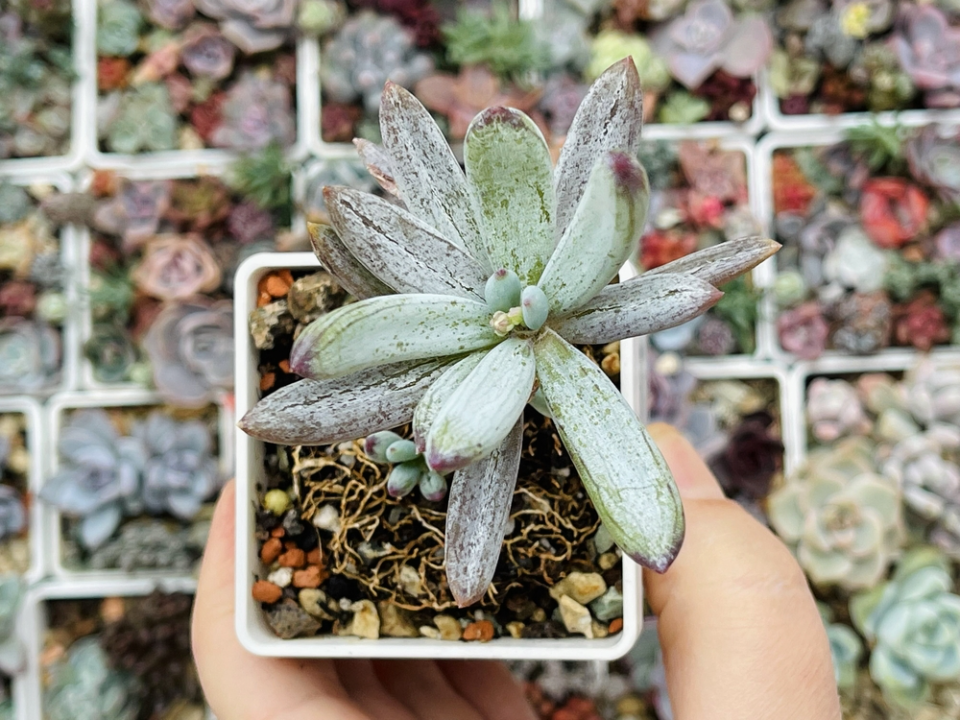
Senecio serpens, commonly known as Blue Chalksticks, is a succulent with long, slender, blue-green leaves that resemble sticks of chalk. This plant has a smooth, almost silvery appearance, and it grows in a trailing or cascading form. Its sculptural shape makes it a perfect choice for hanging baskets, where the leaves can spill over the sides in a dramatic display.
The color of Blue Chalksticks can vary from pale blue to a more intense, almost turquoise hue, depending on light exposure. During the summer, it produces clusters of small, yellow flowers, though they are not the main attraction for most plant lovers. The plant thrives in well-drained soil and full sunlight, making it ideal for desert-themed gardens or as an indoor accent. It’s a low-maintenance plant, requiring only occasional watering, making it an excellent choice for beginners.
Kalanchoe Thyrsiflora (Flapjack Plant)

Kalanchoe thyrsiflora, also known as the flapjack plant, is a stunning succulent with large, round, fleshy leaves that stack neatly to form a dense rosette. The leaves are green with a subtle red or pink tint around the edges, especially when exposed to bright sunlight. These colorful edges give the plant a vibrant, sculptural look, making it a unique addition to any succulent collection.
As the plant matures, it can produce clusters of tubular yellow or orange flowers that add a pop of color. Kalanchoe thyrsiflora thrives in bright light and requires minimal watering, making it perfect for people who prefer low-maintenance plants. Its distinctive, flattened shape makes it a focal point in any arrangement or garden. The plant is perfect for those looking to add some unique color and texture to their space.
Agave ‘Blue Flame’
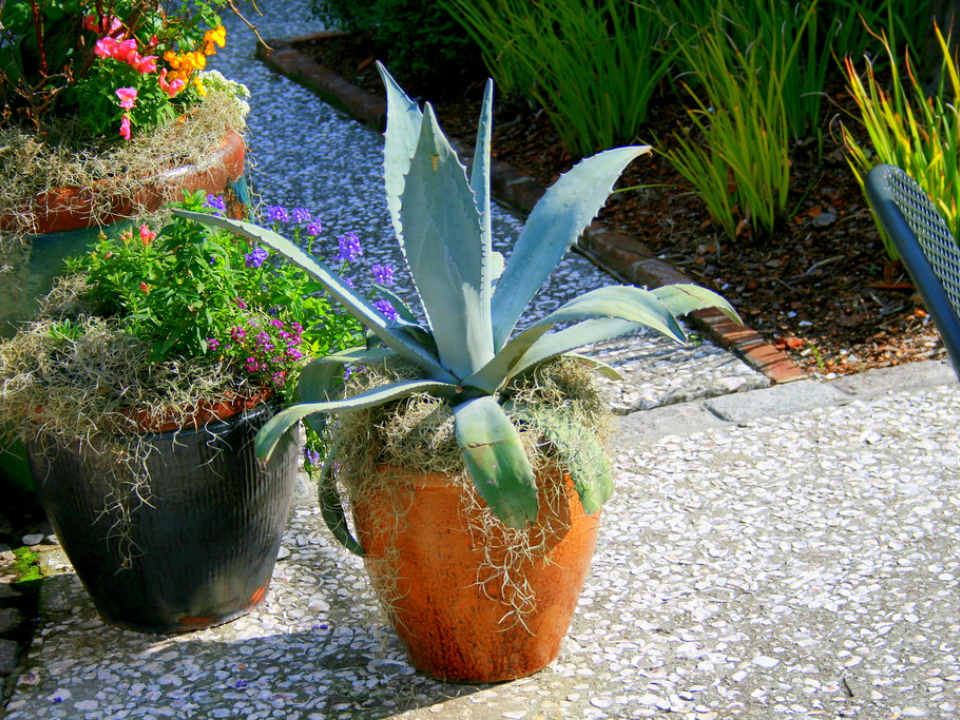
Agave ‘Blue Flame’ is a rare agave variety that features thick, pointed, blue-gray leaves arranged in a rosette formation. The leaves have a striking blue hue, which gives this plant a bold, sculptural presence in any garden. As the plant matures, its sharp leaves grow to impressive sizes, with some varieties reaching up to 3 feet in diameter. The blue-gray color is most vibrant when the plant receives plenty of sunlight, but it can tolerate partial shade as well.
Agave ‘Blue Flame’ is drought-tolerant, requiring only occasional watering, and it thrives in well-drained soil. This plant also produces tall flower spikes, which can reach heights of 12 feet, though it only blooms once in its lifetime, making it a rare and exceptional feature in a garden. It’s an excellent choice for those looking for a striking, low-maintenance succulent that adds a dramatic flair to any space.
Echeveria ‘Perle von Nurnberg’
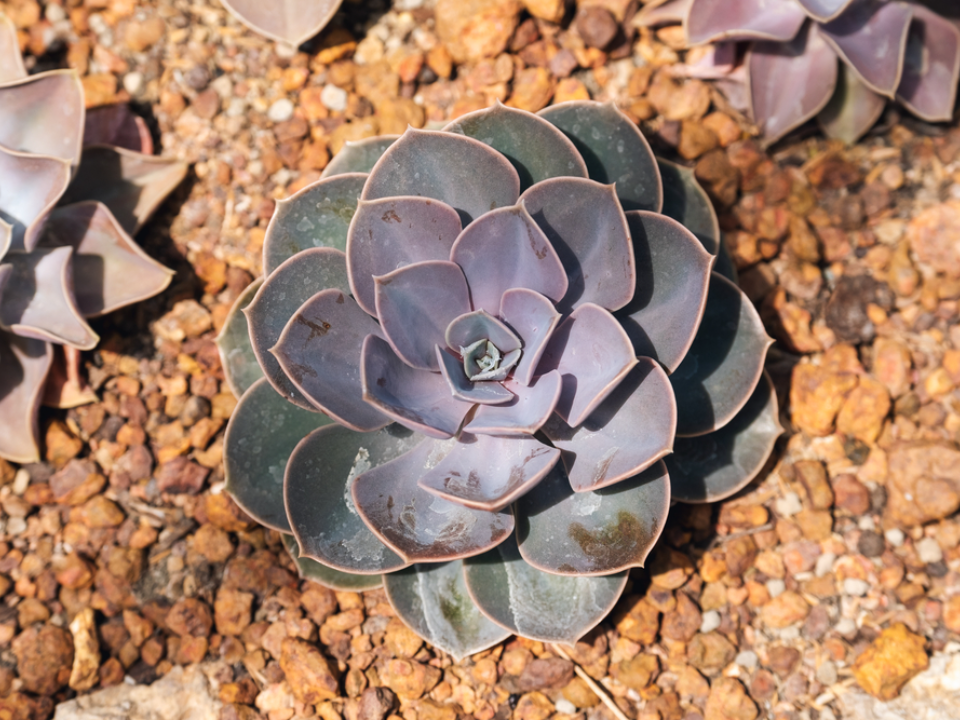
Echeveria ‘Perle von Nurnberg’ is an exquisite succulent with striking lavender-pink leaves that form a perfect rosette. The plant’s leaves are thick and fleshy, with the outer edges often tinged with a soft pink hue. As it matures, the color of the leaves can shift to deeper purples, creating an enchanting, almost ethereal appearance. This succulent thrives in bright, indirect light and requires minimal watering, making it an ideal plant for those new to succulent care.
Echeveria ‘Perle von Nurnberg’ also produces small, bell-shaped flowers in shades of orange and pink, which add a contrasting burst of color to the plant. Its sculptural rosette form makes it perfect for both indoor and outdoor succulent displays. As a slow grower, this plant is perfect for those looking to add a little elegance to their garden without the need for frequent care.
Aeonium ‘Zwartkop’ (Black Rose)
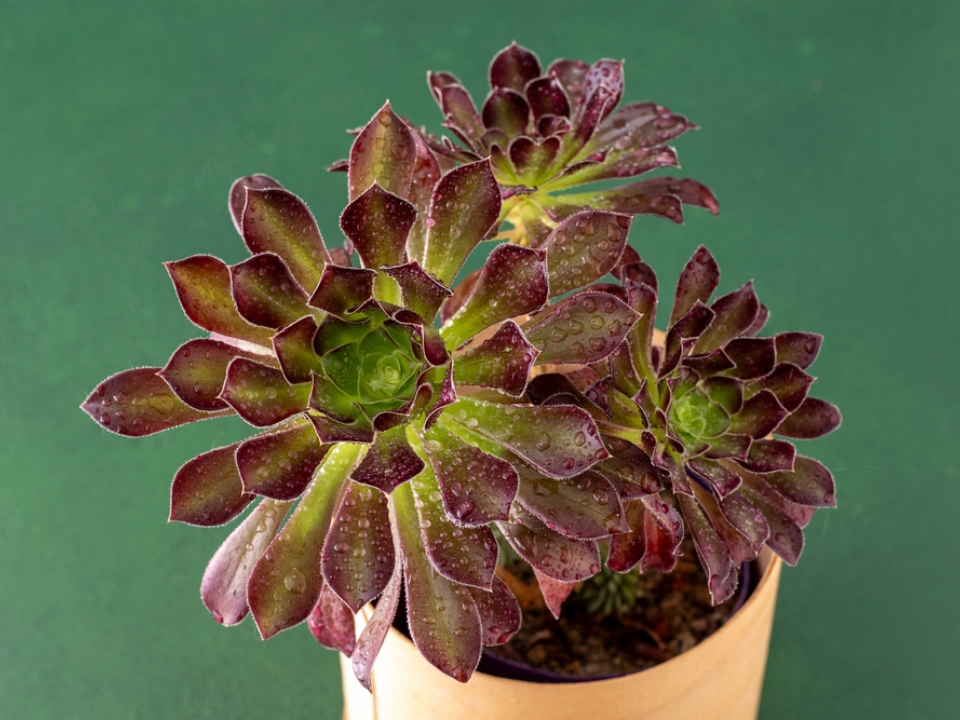
Aeonium ‘Zwartkop,’ commonly known as Black Rose, is a striking succulent with dark purple to black leaves that form a symmetrical rosette. The plant’s unique color gives it an almost mysterious and exotic appearance, making it a favorite among succulent collectors. Its dark leaves stand out dramatically against its bright yellow flowers, which bloom in the late winter or early spring.
Aeonium ‘Zwartkop’ thrives in full sunlight and prefers well-drained soil, though it can tolerate partial shade in hotter climates. This plant is known for its slow growth, but over time it can develop large, robust rosettes that create a dramatic effect in any garden. While it is drought-tolerant, it requires occasional watering, especially during dry spells. Its dark color and elegant shape make it an ideal addition to both contemporary and traditional gardens.
Ceropegia woodii (String of Hearts)
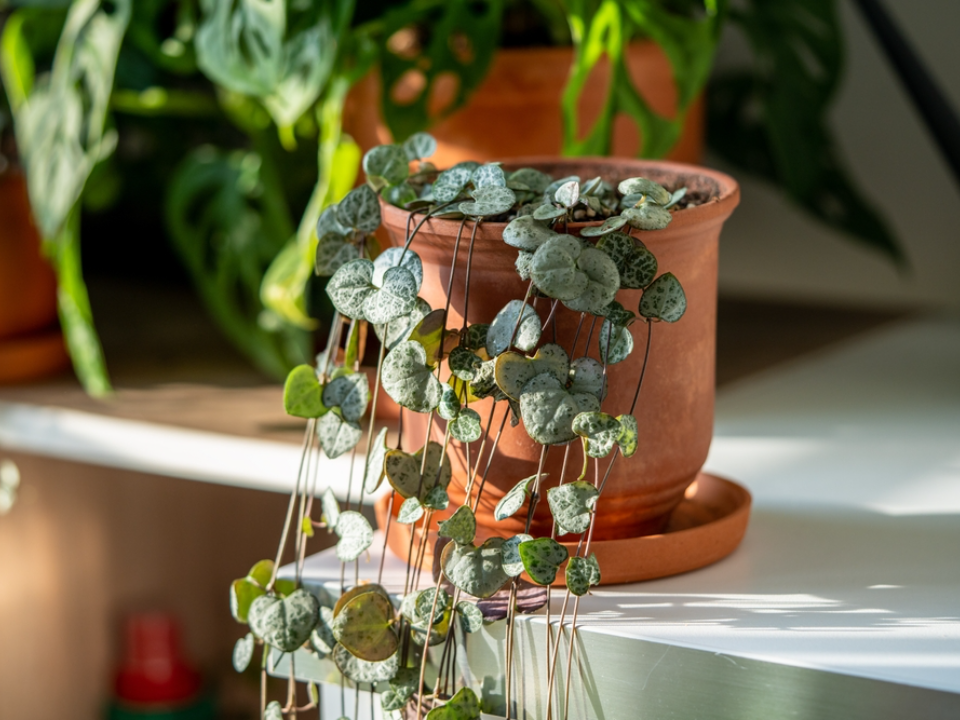
Ceropegia woodii, commonly known as String of Hearts, is a unique trailing succulent that features small, heart-shaped leaves with a silvery, greenish hue. These delicate leaves are connected by slender, vine-like stems that cascade gracefully from hanging baskets or shelves. The plant’s vines can grow several feet long, creating a beautiful, cascading effect. The heart-shaped leaves often have a slight purple tint underneath, adding depth to the plant’s color palette.
In the summer, Ceropegia woodii produces small, tubular flowers that are a pale lavender color with a hint of purple, further enhancing its visual appeal. This succulent thrives in bright, indirect light and prefers well-drained soil. It is perfect for indoor environments and can be easily propagated through its vines, making it a great option for succulent enthusiasts. String of Hearts is a low-maintenance plant, requiring only occasional watering and some pruning to keep it looking tidy.
Kalanchoe luciae (Paddle Plant)
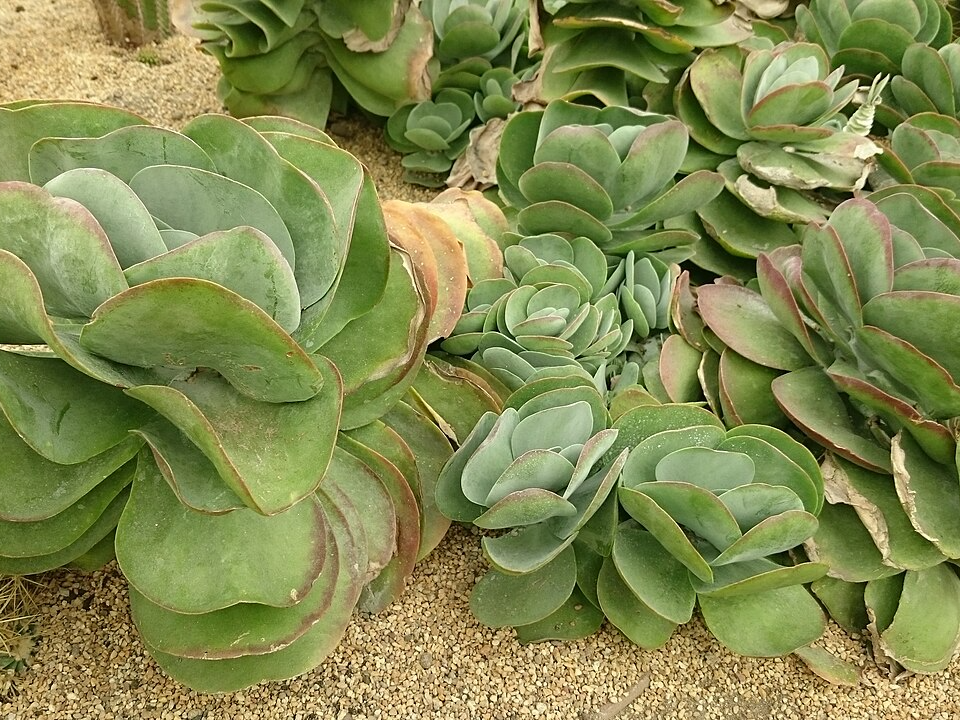
Kalanchoe luciae, also known as Paddle Plant, is a striking succulent that forms large, thick, flat leaves that resemble paddles. The leaves have a vibrant green color, but as the plant matures, the edges turn red, creating a beautiful contrast that intensifies with more sunlight. The plant grows in a rosette shape and can reach up to 2 feet in height and width, making it an impressive addition to any garden or indoor space.
Kalanchoe luciae also produces small, tubular yellow flowers that add an extra touch of beauty in the winter months. This succulent is drought-tolerant and thrives in full sunlight, making it perfect for desert-style gardens or bright windowsills. It requires well-drained soil to prevent waterlogging and should be watered sparingly. The Paddle Plant is perfect for gardeners looking for a unique succulent with an eye-catching, sculptural form.
Adromischus cooperi (Plakkie)
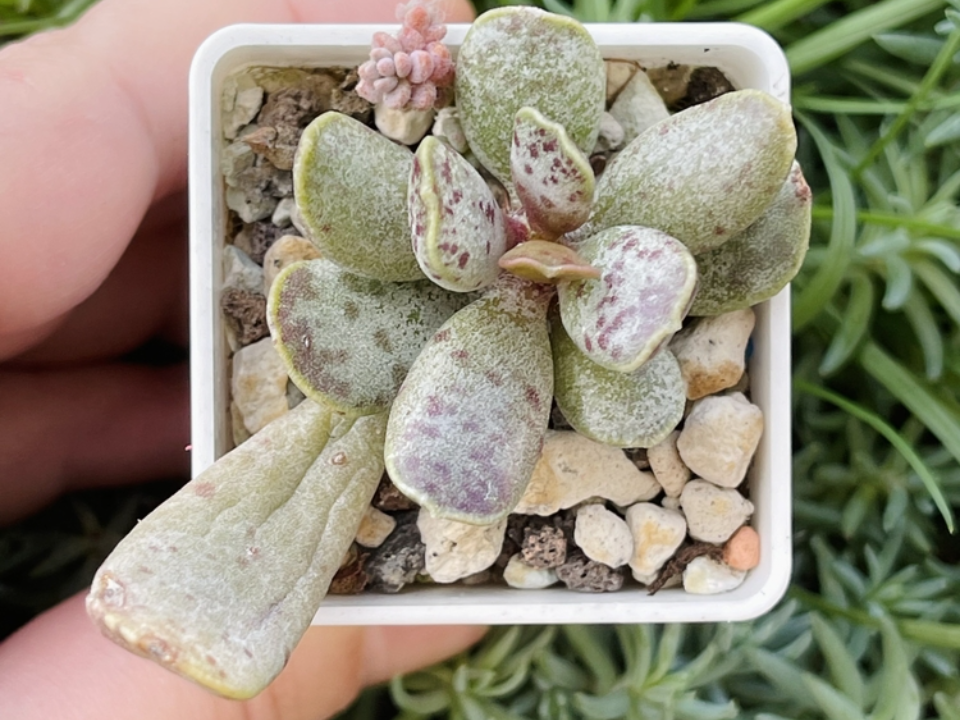
Adromischus cooperi, also known as Plakkie, is a small, low-growing succulent with thick, fleshy, oval-shaped leaves that feature a striking variegated pattern. The leaves are often green with purple spots, which create a unique, mottled effect. This succulent grows in a compact rosette shape, and its small size makes it ideal for rock gardens or as a ground cover in succulent arrangements.
When grown in bright sunlight, the leaves can develop a reddish or purple tint around the edges, adding a beautiful contrast to the plant’s natural green. Adromischus cooperi produces small, bell-shaped flowers in shades of pink or white, which add to its charm. It thrives in well-drained soil and requires only occasional watering, making it a low-maintenance plant. Its unique leaf pattern and shape make it a prized plant among succulent collectors.
Stapelia gigantea (Giant Cactus Flower)
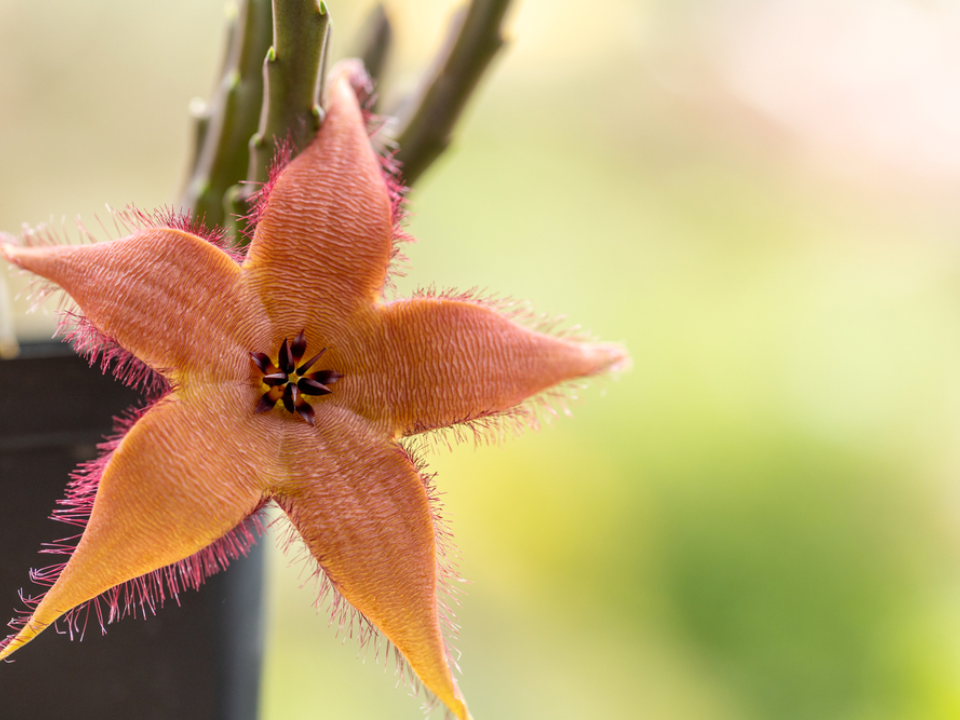
Stapelia gigantea is a rare succulent known for its large, star-shaped flowers that can grow up to 12 inches in diameter. The flowers are typically a deep burgundy color with a unique texture that resembles velvet or suede. They emit a strong odor, which is often described as rotting flesh, and this scent helps attract pollinators like flies. The plant itself has thick, fleshy stems that are green and waxy, adding a sculptural element to the garden or container.
This succulent is drought-tolerant and thrives in well-drained, sandy soil. It prefers bright, indirect light and can tolerate some direct sunlight. Although the plant’s flowers are striking and unusual, the real appeal of Stapelia gigantea is its bizarre, yet fascinating, nature. It’s a conversation starter and a must-have for those interested in the strange and beautiful.
This article originally appeared on Avocadu.