
11 Rare Slime Molds That Act Like Tiny Brains
Slime molds may look strange, but they are fascinating organisms that behave in surprising ways. These creatures are not quite fungi, nor are they animals, making them a unique part of nature’s puzzle. Some slime molds even seem to think, moving and responding to their environment as if they have a tiny brain.
This post may contain affiliate links, which helps keep this content free. Please read our disclosure for more info.
Coral Slime Mold (Ceratiomyxa fruticulosa)
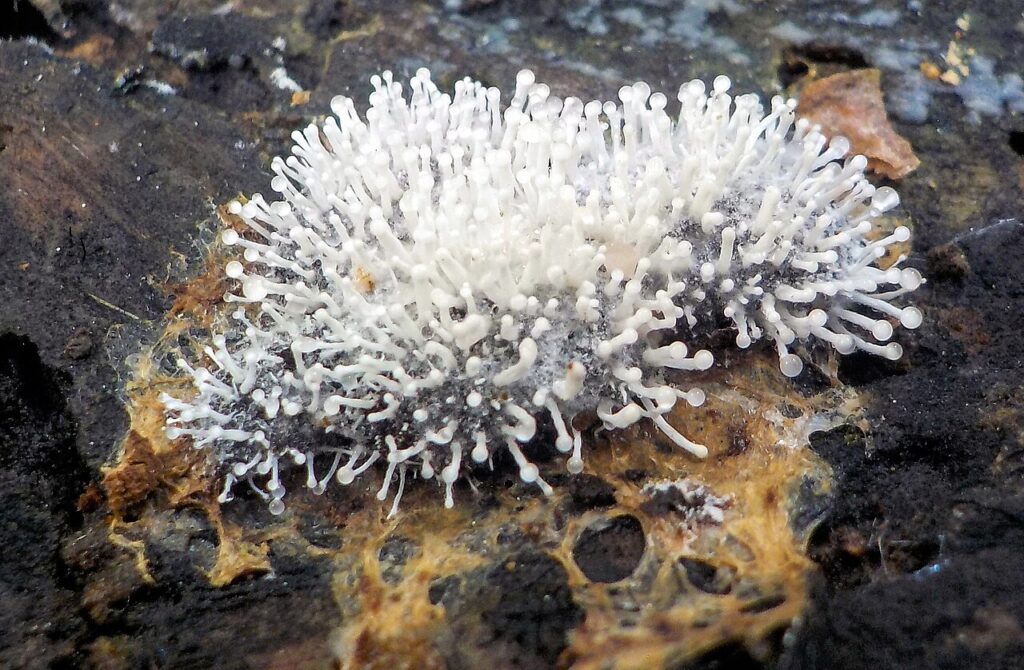
This slime mold is easily recognized by its bushy, branching structure that appears on decaying wood. It displays complex behavior, such as moving toward optimal conditions to feed. Unlike many slime molds, it thrives in moist environments, where it creates intricate networks that resemble plant life. The way it behaves and its unique appearance make it a fascinating organism to study.
Native to Europe, this slime mold has also been recorded in North America. It spreads quickly across surfaces, acting like a tiny brain as it seeks out nutrients. The way it uses its branches to decide where to grow is particularly striking. Ceratiomyxa fruticulosa serves as a perfect example of how slime molds can mimic neural networks despite lacking a brain.
Chocolate Tube Slime (Stemonitis fusca)
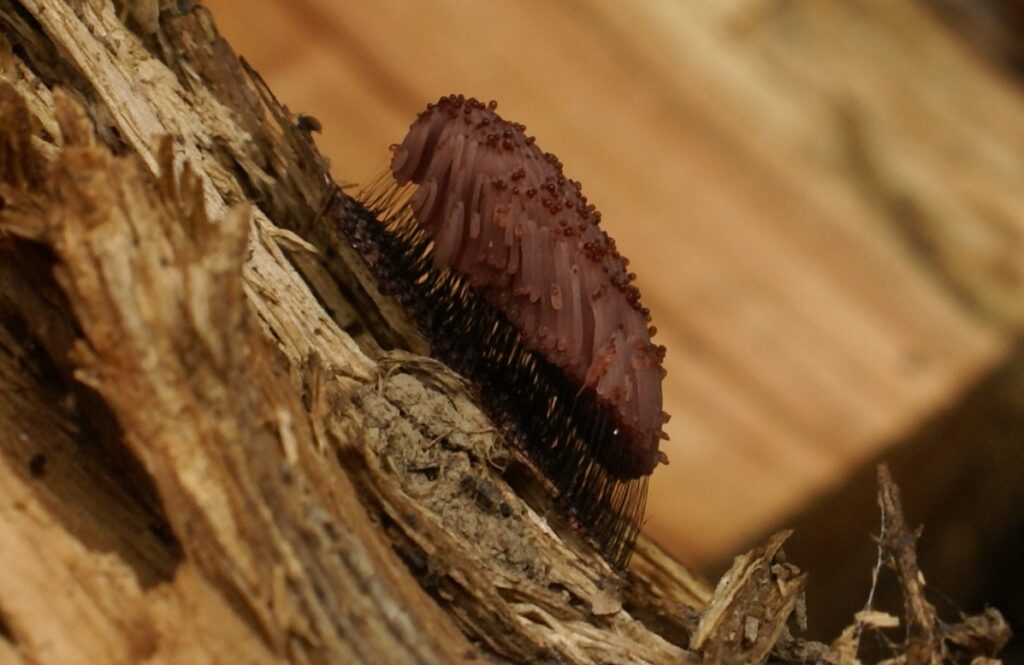
Stemonitis fusca stands out for its branched, reddish-brown spires that form on decaying wood. This rare slime mold is found in shaded, damp areas, typically in forests. It exhibits impressive adaptability, creating networks that move toward food sources in its environment. Its brain-like behavior, where it decides on the most efficient path for growth, makes it a unique slime mold.
Originally from Europe, it has since spread to North America, Australia, and parts of Asia. The slime mold thrives in humid environments, particularly where wood decomposition is common. The way it uses its network to move toward nutrients is almost like the decision-making of a tiny brain. This shrub’s growth patterns and movements make it a fascinating organism to study in the world of slime molds.
Licea kleistobolus
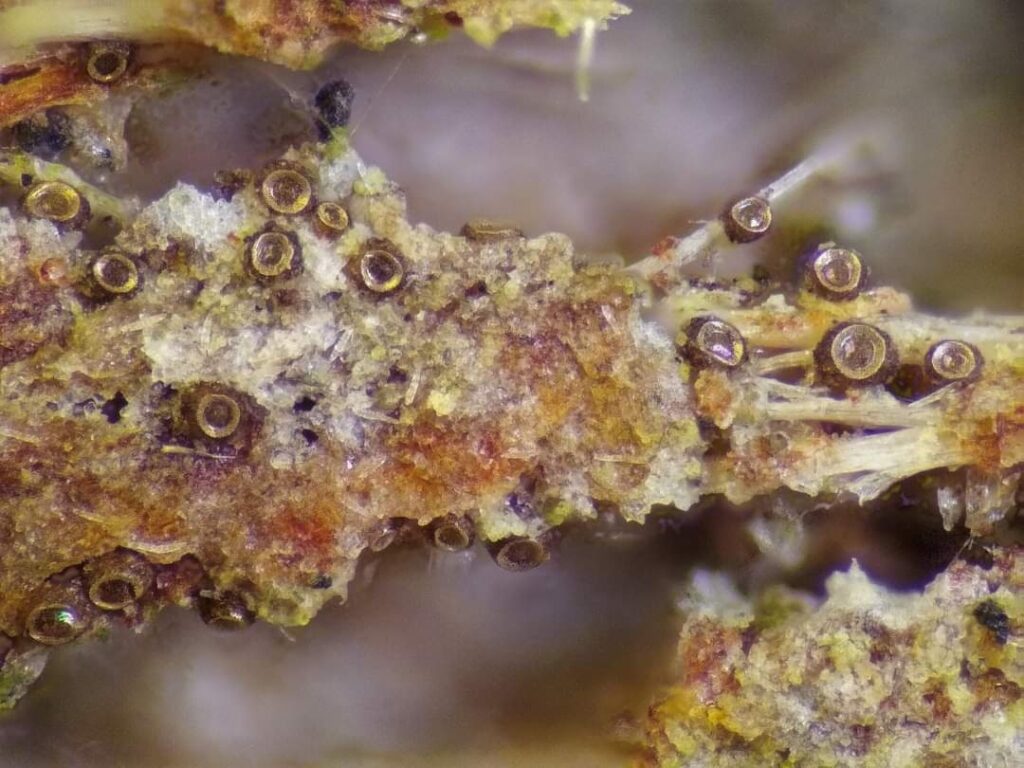
Licea kleistobolus grow on decaying wood or leaf litter, exhibiting intriguing behavior. This slime mold forms networks to decide the most efficient growth paths, mimicking tiny brains. It spread quickly across the environment in search of food, responding to environmental stimuli and optimizing nutrient acquisition. Its ability to navigate its surroundings in a seemingly intelligent way makes it a fascinating organism.
This slime mold is commonly found in North America and parts of Europe. Thriving in moist, shaded forests, it feeds on decomposing organic matter. Their rapid spread and intricate networks make this unique in the slime mold family. Its The ability to move and respond to different conditions that makes it rare and intriguing to study.
Red Raspberry Slime Mold (Tubifera ferruginosa)
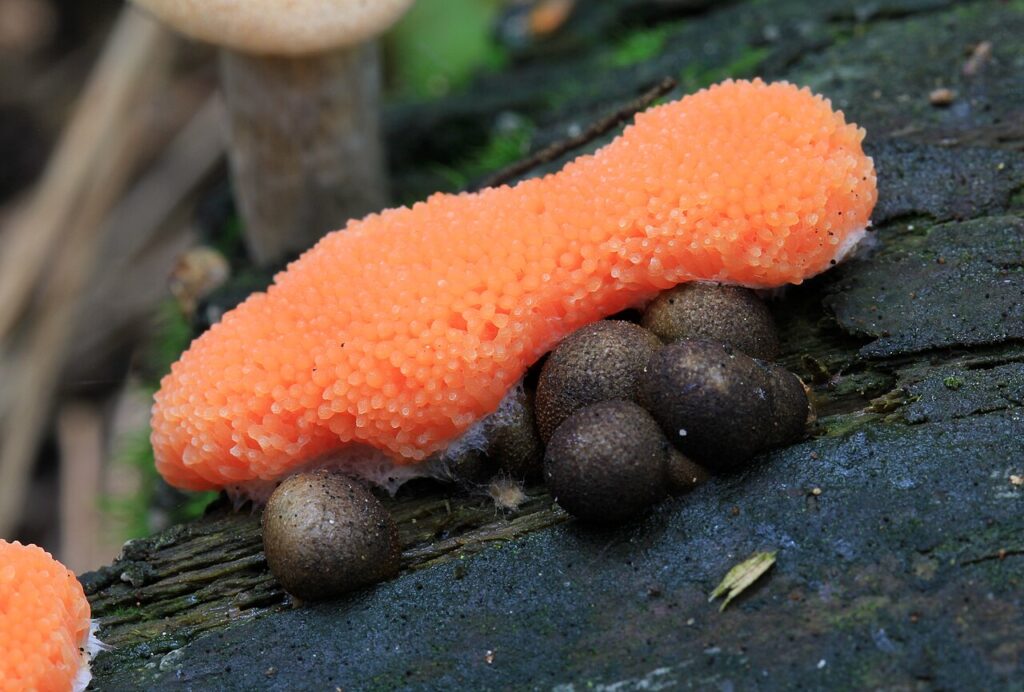
Red Raspberry Slime Mold is recognized by its vibrant red-orange fruiting bodies that appear on decaying wood. It spreads quickly across surfaces, forming a network to move toward food sources with remarkable precision. This slime mold’s ability to adapt to environmental changes and seek nutrients efficiently makes it rare. Its brain-like behavior in decision-making processes is particularly striking.
Native to Europe, it has also been found in parts of North America and Asia. The slime mold thrives in humid, decaying environments where it can gather nutrients. Its rapid spread and ability to form intricate networks make it a fascinating specimen. Red Raspberry Slime Mold’s ability to mimic brain-like movement and decision-making is what sets it apart from other slime molds.
Hanging Slime Mold (Badhamia utricularis)
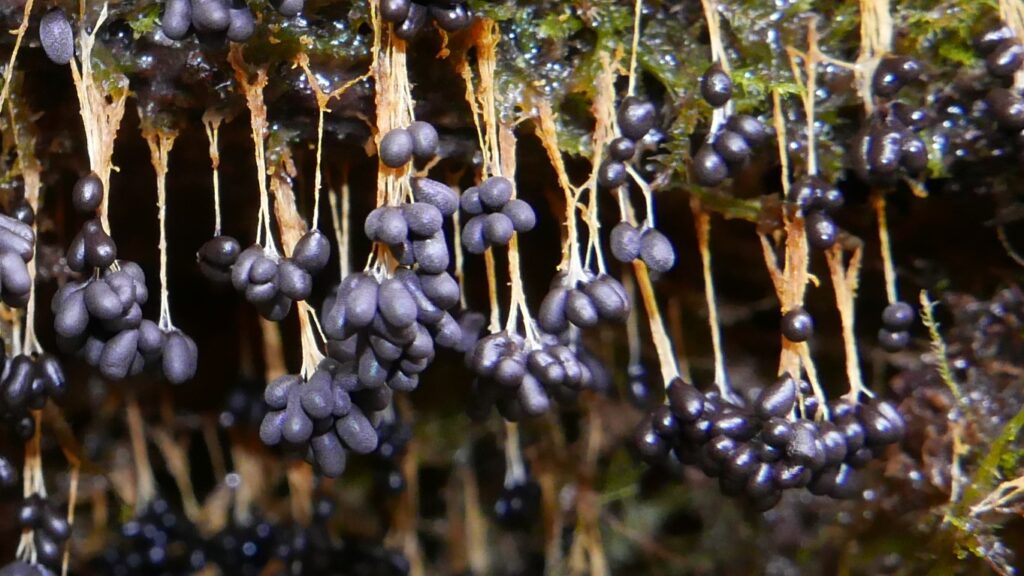
Badhamia utricularis is a rare slime mold known for its distinctive, gelatinous fruiting bodies that appear on decaying wood. It spreads quickly in search of food, forming networks that mimic decision-making processes. The slime mold’s ability to move efficiently toward nutrient-rich areas gives it a brain-like characteristic, making it rare and fascinating. Its rapid spread and intricate growth patterns set it apart from other slime molds.
Native to North America, Europe, and Asia, it thrives in moist, shaded environments. The fruiting bodies, resembling little bags of spores, are often found in humid forests. This shrub grows quickly and forms intricate networks, much like the movement of a brain. Its behavior, rapid spread, and adaptation to its environment make it a fascinating specimen.
Didymium iridis
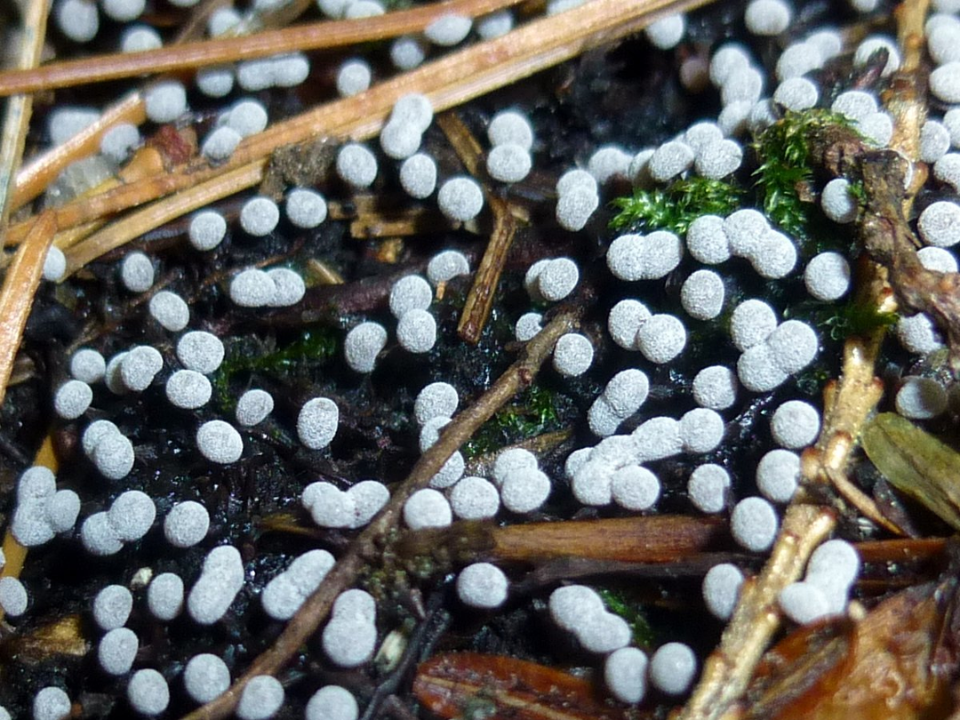
Didymium iridis is a rare slime mold that displays an iridescent sheen on its fruiting bodies. It forms dense networks on decaying wood and changes its shape and color in response to environmental changes, particularly temperature and moisture. Its ability to adapt its shape as it moves toward nutrients gives it a brain-like quality, making it rare. This behavior, combined with its iridescent appearance, makes it a unique organism to study.
Found in North America, parts of Europe, and Asia, this shrub thrives in humid, temperate forests. The slime mold’s ability to change color and shape makes it particularly fascinating. Its decision-making-like movement in search of food resembles intelligent behavior. It is a prime example of how slime molds can mimic brain-like actions despite lacking a nervous system.
Clastoderma debaryanum
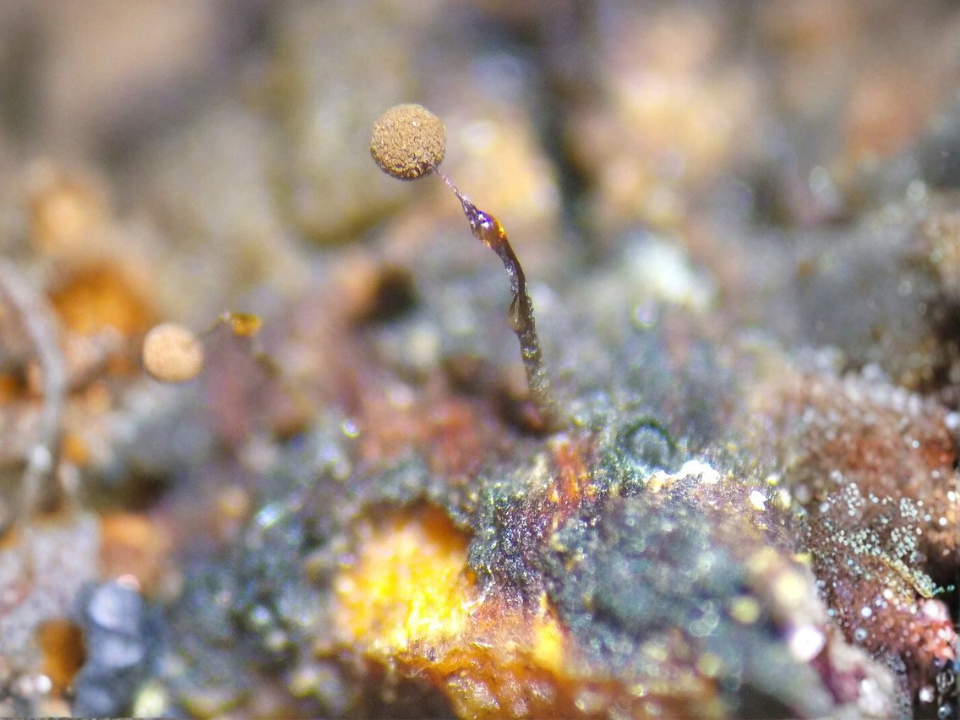
Clastoderma debaryanum is a rare slime mold known for its unique circle-like structure that forms on decaying wood. It creates complex networks in search of food, adapting its growth pattern in response to environmental conditions. What makes this slime mold rare is its ability to spread efficiently, much like a brain making decisions about its next move. The intricate networks it forms make it a fascinating subject to study.
Native to Europe and North America, this shrub thrives in shaded, damp forests. Its net-like growth makes it one of the more unique slime molds to observe. The networks it forms are highly efficient in seeking out nutrients, much like the way a brain directs action. Its adaptability and complexity make it a fascinating slime mold in the scientific community.
Dog Vomit Slime Mould (Didymium spongiosum or Mucilago crustacea)
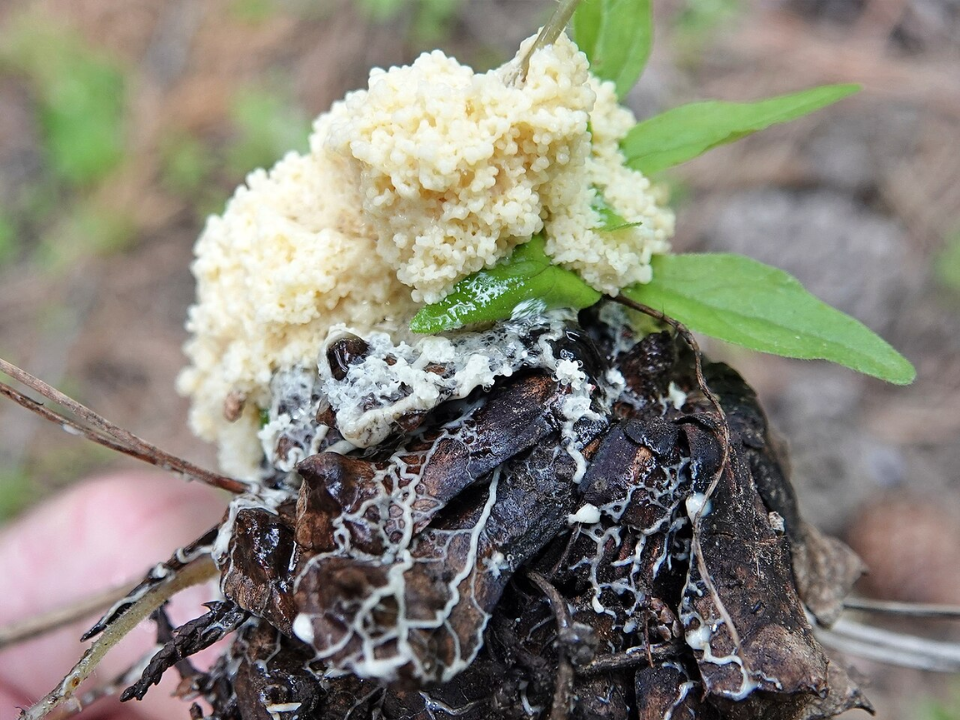
This shrub is known for its crusty, pale yellow fruiting bodies that appear in late winter. This slime mold forms dense, crust-like masses as it spreads across decaying wood. Its ability to adapt its growth pattern to environmental changes, such as temperature and moisture, makes it behave like a tiny brain. The way it moves in response to environmental cues is a key feature of its intelligence-like behavior.
It is native to North America, Europe, and parts of Asia. Dog Vomit Slime Mold thrives in shaded, humid forests where it feeds on decaying organic material. The slime mold’s ability to form a crust and spread rapidly makes it a rare specimen. Its brain-like decision-making process and fascinating appearance make it one of the most studied slime molds.
Dictyostelium discoideum
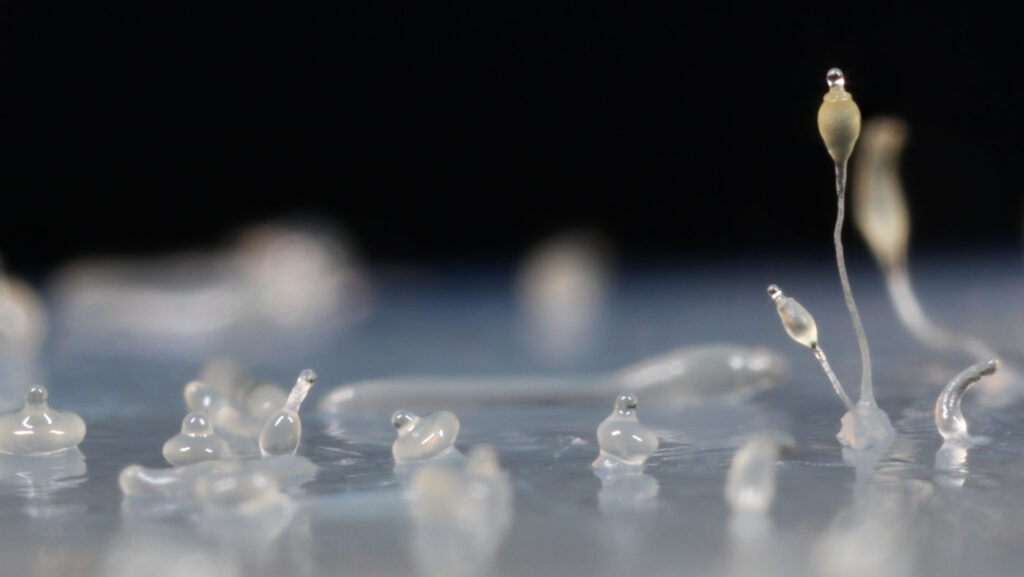
Dictyostelium discoideum is a remarkable slime mold known for its unique cellular structure and behavior. It begins life as individual amoeba-like cells that move independently but can later aggregate into a larger, multicellular organism. What makes it rare is its ability to switch from a solitary to a collective form, displaying a decision-making process that mimics brain-like behavior. This process is fascinating, as it shows how the mold chooses to come together for the benefit of the whole.
Native to many parts of the world, Dictyostelium discoideum thrives in decaying organic matter, where it can be found in damp forest floors or soil. It is commonly used in scientific research due to its ability to form a collective organism, which behaves similarly to a brain by coordinating its actions. The slime mold’s behavior of deciding when to aggregate or remain separate adds to its rarity and intrigue. Its adaptability and brain-like coordination make it a fascinating organism to study.
Diachea leucopodia
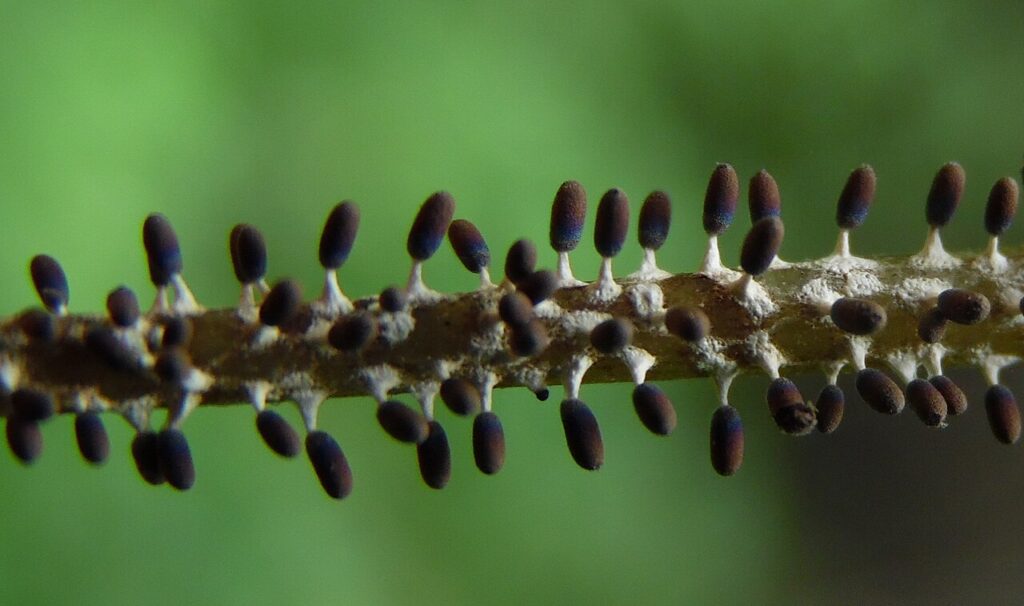
This slime mold is a rare species that forms small, dark pores on decaying wood. It is recognized for its ability to move and grow toward areas with rich nutrients, responding to environmental stimuli in ways that seem like decision-making. This slime mold exhibits complex behaviors that are rare among slime molds, as it moves in an organized, almost intelligent manner. Its white, dot-like fruiting bodies are small but striking, making it a unique specimen to study.
This slime mold is found in temperate regions, including parts of North America and Europe, where it thrives on decaying wood and leaf litter. Diachea leucopodia is particularly rare due to its limited distribution and the specific conditions required for its growth. Its ability to respond to nutrients and its unique growth form make it stand out in the world of slime molds.
Comatricha nigra
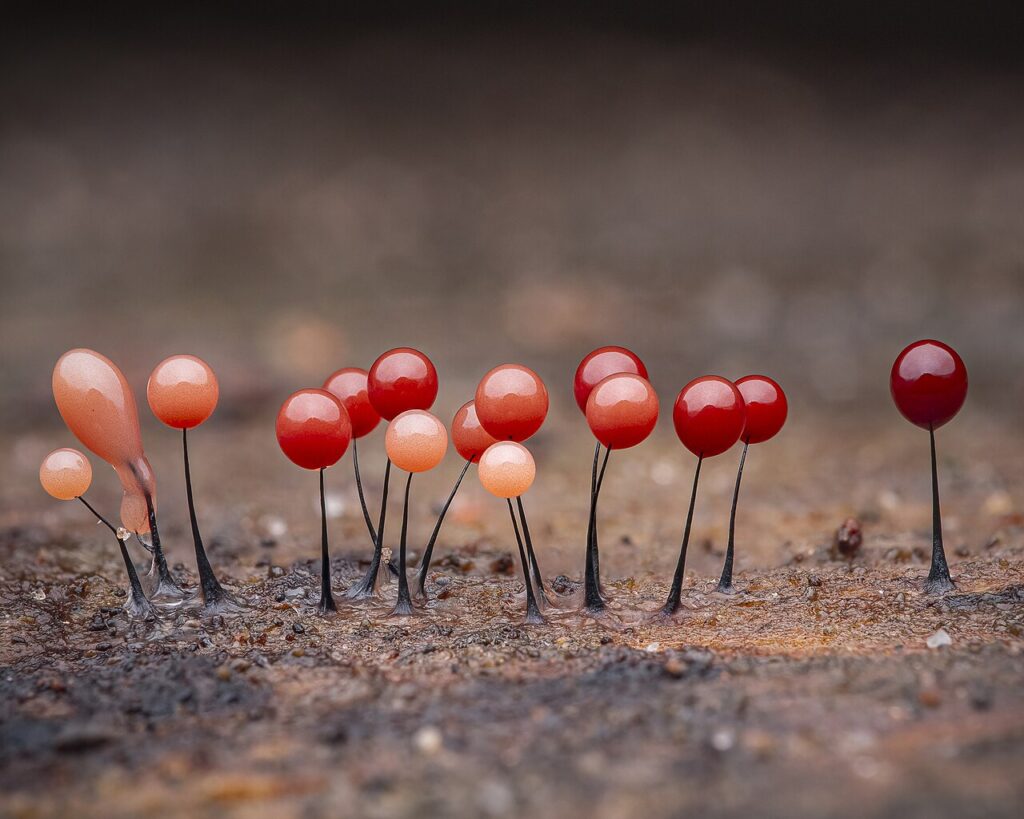
Comatricha nigra is an exceptionally rare slime mold found on decaying wood in very specific environments. It produces unique, branched fruiting bodies that appear in clusters, making it visually distinct. What makes this slime mold truly rare is its restricted distribution and the highly specialized conditions it needs to thrive. It only grows in shaded, moist environments with abundant decaying organic matter, which makes it difficult to spot.
Native to parts of Europe and North America, it is rarely observed due to its specific habitat requirements. It thrives in dark, humid forests, often hidden within the layers of rotting wood and leaves. Its ability to spread quickly across surfaces once nutrients are located demonstrates its fascinating brain-like behavior. This slime mold is a rare and significant example of slime mold behavior, adapting to its environment in a unique and efficient way.
This article originally appeared on Avocadu.