
13 Rare Shade Plants That Make Indoor Corners Feel Lush
If you’re looking for ways to elevate your indoor spaces, rare shade plants are a fantastic choice. These plants bring both beauty and a sense of tranquility to your home. Perfect for those low-light corners, they can still thrive and add unique colors and textures. Unlike the usual houseplants, rare shade plants offer an opportunity to introduce something new and different into your decor.
This post may contain affiliate links, which helps keep this content free. Please read our disclosure for more info.
Raven ZZ Plant
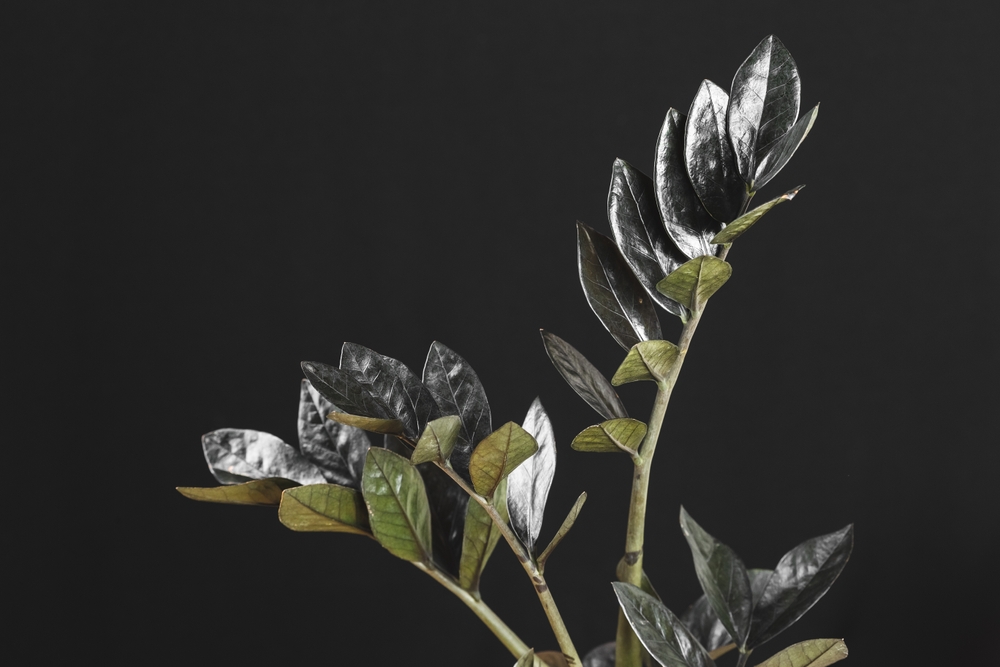
The Raven ZZ Plant is a striking variety with dark, glossy leaves that make a dramatic statement in any indoor corner. It thrives in low-light conditions, making it perfect for shaded areas with limited natural light. This plant is incredibly low-maintenance, requiring watering only when the soil feels dry to the touch. Be sure to plant it in well-draining soil to avoid root rot and never let it sit in water. Additionally, it is quite tolerant of dry air, so it can thrive in homes with lower humidity.
Due to its dark leaves, the Raven ZZ Plant stands out among the typical green ZZ varieties. Its resilience and low maintenance requirements make it ideal for those with busy lifestyles or for beginners. Though it grows slowly, its glossy leaves continue to add elegance to any room. The Raven ZZ Plant is adaptable, allowing it to flourish in various environments. Over time, this plant’s beauty will shine through, brightening even the darkest corners.
Variegated Snake Plant
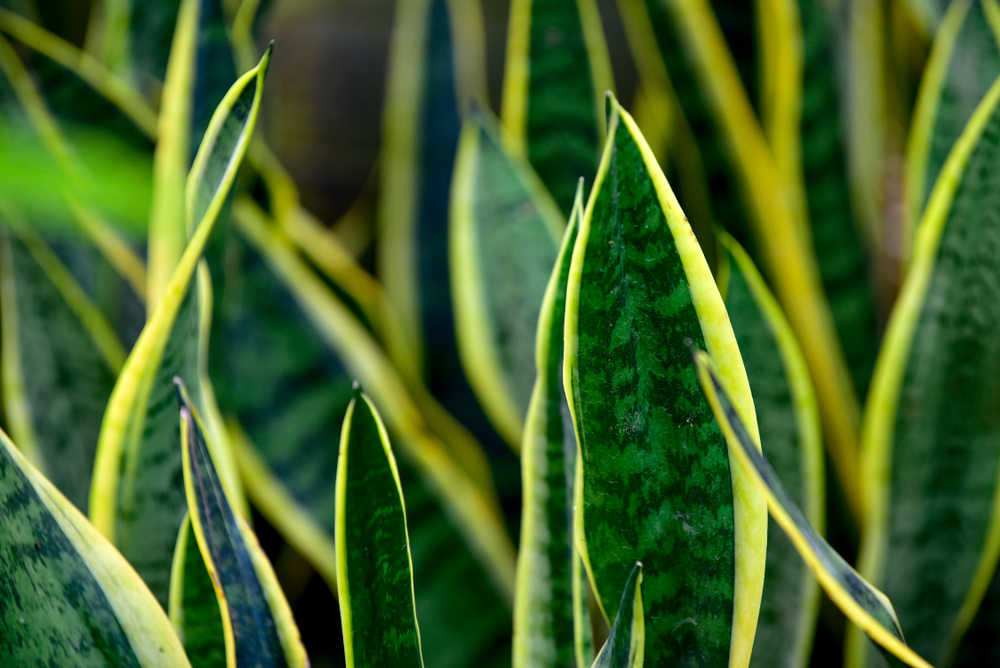
Known for its unique yellow and green striped leaves, the Variegated Snake Plant adds a bold pop of color to your space. It thrives in low-light conditions, making it an excellent choice for shaded corners that other plants might struggle to fill. Watering this plant is minimal, simply let the soil dry out before adding more water. It’s important to plant it in well-draining soil to prevent the roots from rotting. Make sure to clean the leaves regularly to keep them vibrant and dust-free.
The Variegated Snake Plant stands out because of its striking variegated leaves, which make it more visually interesting than other common Snake Plant varieties. This low-maintenance beauty is perfect for those who want a plant that can adapt to various environments without demanding much attention. Its ability to thrive in minimal sunlight and its slow-growing nature make it an excellent option for small spaces. Despite its slow growth, it will continue to add visual appeal and texture to your home. The Variegated Snake Plant is a true gem for those seeking a bold, low-care plant.
Alocasia melo (Jewel Alocasia)
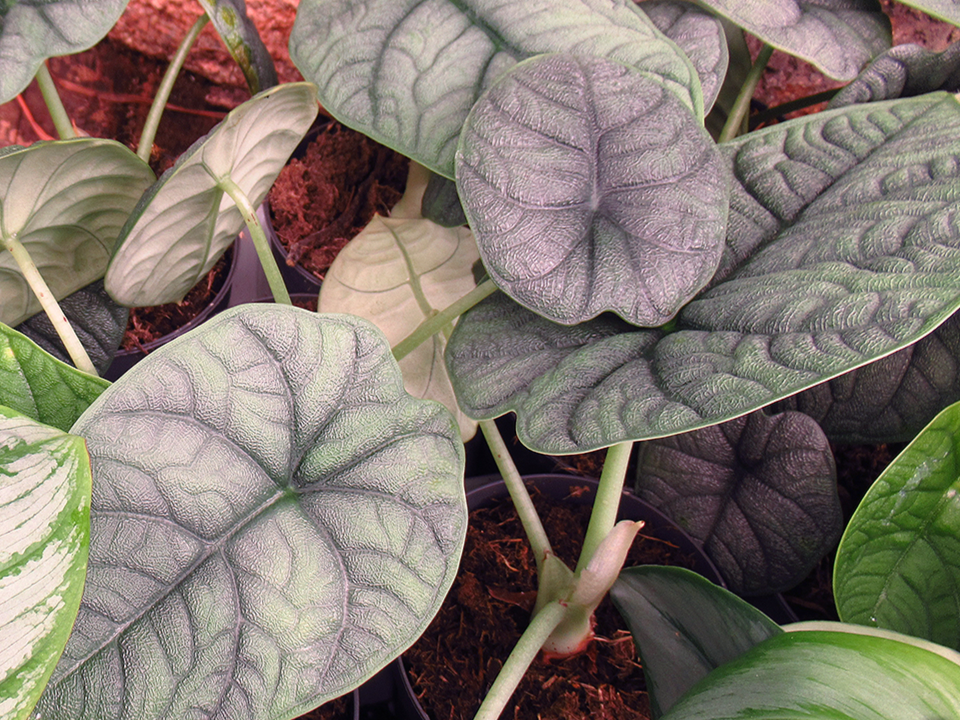
Alocasia melo, also known as the Jewel Alocasia, is a rare plant with thick, dark green leaves that feel velvety to the touch. It’s perfect for shaded areas and thrives in low-light conditions. To keep this plant healthy, maintain slightly moist soil and high humidity, so misting or using a humidifier will help it thrive. Avoid overwatering, as this can lead to root rot, and be mindful of the humidity levels in your home to keep the leaves from losing their luster.
This plant is rare due to its velvety leaves and its difficulty to find in many nurseries. Its jewel-like appearance makes it a showstopper in any space. The slow-growing nature of this plant requires patience, but it rewards you with its beauty over time. It’s ideal for those seeking a unique and elegant addition to their indoor garden. With proper care, it will continue to be a beautiful focal point in any room.
Fatsia japonica Spider’s Web
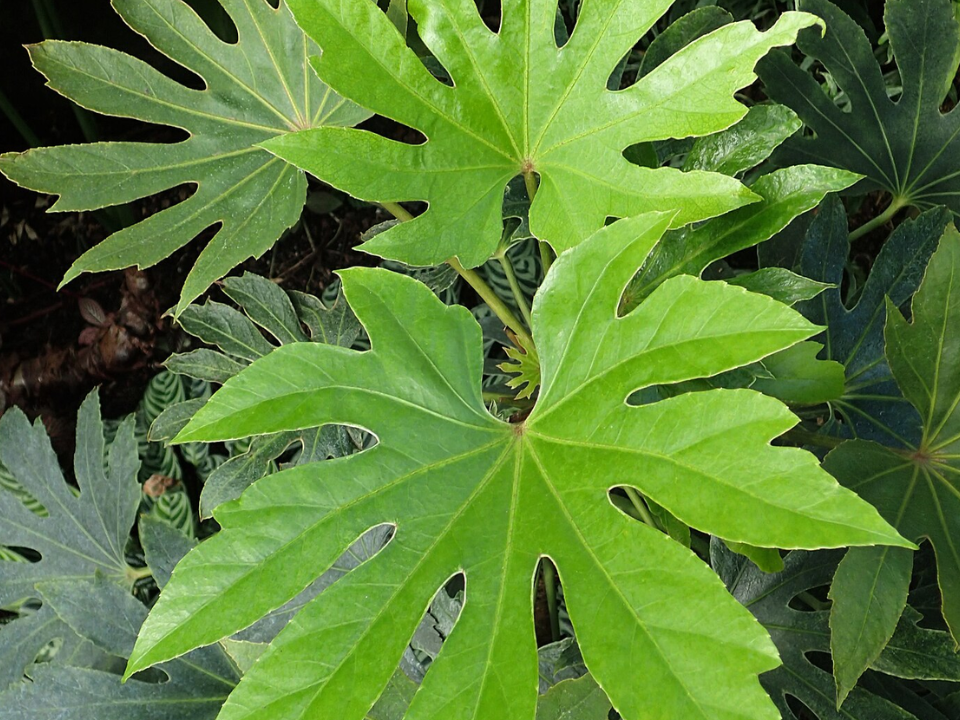
Fatsia japonica Spider’s Web is a rare variety with white-spotted foliage that resembles a spider’s web. This plant thrives in low-light conditions and is perfect for indoor corners that lack natural sunlight. To maintain its health, plant it in well-draining soil and keep the soil consistently moist. It loves higher humidity, so misting or using a pebble tray is recommended. Keep it out of direct sunlight to prevent damage to its delicate leaves.
This rare plant is highly valued for its unique variegation and its slow-growing nature. The white spots on its leaves create a striking visual contrast, and it’s perfect for shaded spaces. Fatsia japonica Spider’s Web is easy to care for, requiring little attention other than occasional misting. It’s beautiful, web-like foliage adds sophistication and charm to any room. With its low-light tolerance and stunning appearance, it makes a unique addition to any indoor garden.
Calathea White Fusion

With its white and green variegated leaves, Calathea White Fusion brings elegance and beauty to shaded spaces. It thrives in low-light environments, making it an excellent choice for corners where other plants may not grow. This plant requires consistently moist soil, so keep the soil damp but not soggy. Misting it regularly or using a humidifier will help it maintain its health and vibrancy. Be sure to keep it in indirect light to prevent the leaves from turning brown.
What sets Calathea White Fusion apart is its intricate leaf patterns and its rarity in local nurseries. It’s a perfect choice for anyone looking for a low-light plant with a touch of luxury. Although it requires more attention than other plants, its unique appearance makes it well worth the effort. Its slow growth means it will not overwhelm your space, making it a perfect choice for smaller areas. The vibrant colors and intricate patterns on its leaves make this plant a showstopper in any home.
Cast Iron Plant (Variegated Form)
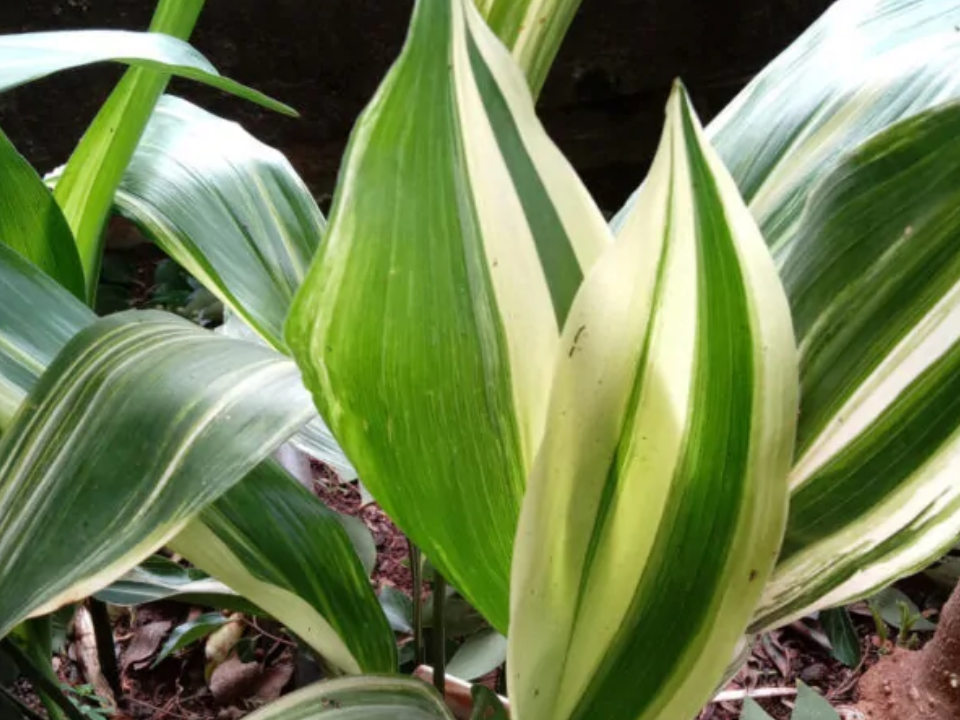
The Variegated Cast Iron Plant is a tough, resilient option for anyone looking to add some greenery to a shaded space. Its green and cream-striped leaves provide a lovely contrast in low-light areas of your home. It’s rare due to its unique variegation and its ability to survive in environments with minimal light. To keep it healthy, plant it in well-draining soil and avoid overwatering, which could cause root rot. Direct sunlight should be avoided, as it can cause the delicate variegation to burn.
This plant is particularly prized for its hardiness, which allows it to thrive with little care. Its slow growth makes it perfect for smaller areas, allowing you to enjoy its elegance without worrying about it taking over. It’s ideal for shaded spaces, and its resilient nature makes it a great choice for beginners. With minimal care, it will continue to thrive, adding elegance to any indoor environment. The variegation of its leaves makes it a rare and desirable find for plant lovers.
Ficus petiolaris (Small-leafed Fig)
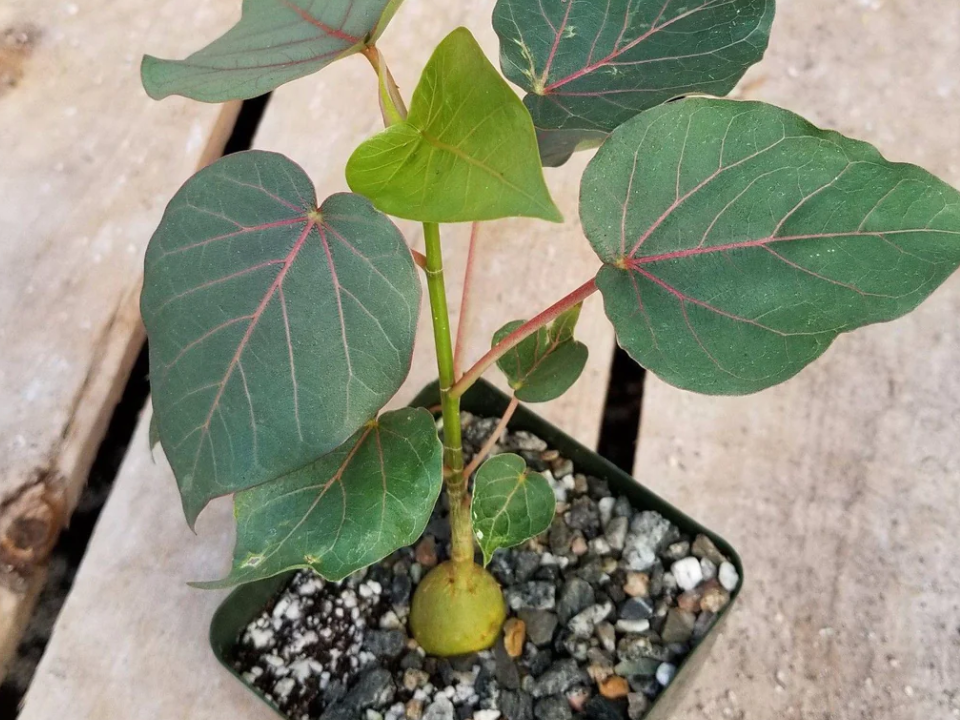
Ficus petiolaris, also known as the Small-leafed Fig, is a unique and rare plant with small, heart-shaped leaves. It thrives in low-light conditions, making it ideal for shaded indoor corners. This plant prefers slightly moist soil, but it is important to avoid overwatering, as this can lead to root rot. To maintain its compact size and promote fresh growth, regular pruning is necessary. Additionally, the plant enjoys moderate humidity, so misting or placing it on a humidity tray will help maintain its health.
This plant’s rarity comes from its slow-growing nature and its ability to adapt to shaded spaces. Ficus petiolaris is perfect for those who prefer a small, manageable plant that will not outgrow its space quickly. Its small, delicate leaves add texture and interest to any room. This plant’s hardiness and unique appearance make it a standout in any collection. Its slow growth and shade tolerance make it a favorite for indoor gardening enthusiasts.
Philodendron Pink Princess
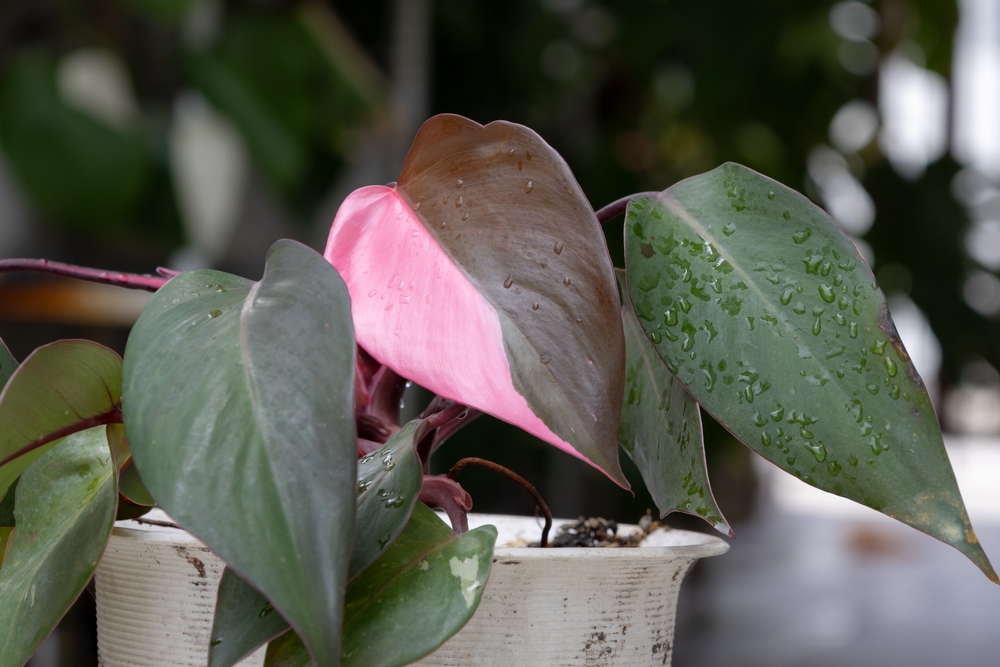
Philodendron Pink Princess is a rare beauty, known for its striking pink and green variegated leaves. It thrives in low to medium indirect light, making it perfect for shaded corners where most plants struggle to survive. This plant requires consistent watering, but the soil should be allowed to dry slightly between waterings to prevent root rot. It thrives in warm, humid environments, so misting or using a humidifier will help it maintain its vibrant coloration. Make sure to place it in a spot with indirect light to preserve its pink and green hues.
The rarity of Philodendron Pink Princess lies in its stunning variegated leaves, which are difficult to find in other Philodendron varieties. It’s an ideal choice for those looking for a plant that is both beautiful and unique. With its slow-growing nature, this plant makes a great addition to spaces where other plants might quickly outgrow their area. The vibrant colors and distinctive patterns of its leaves make it a highly coveted choice for plant collectors. With the proper care, this plant will continue to be a stunning focal point in any room.
Ctenanthe Amagris
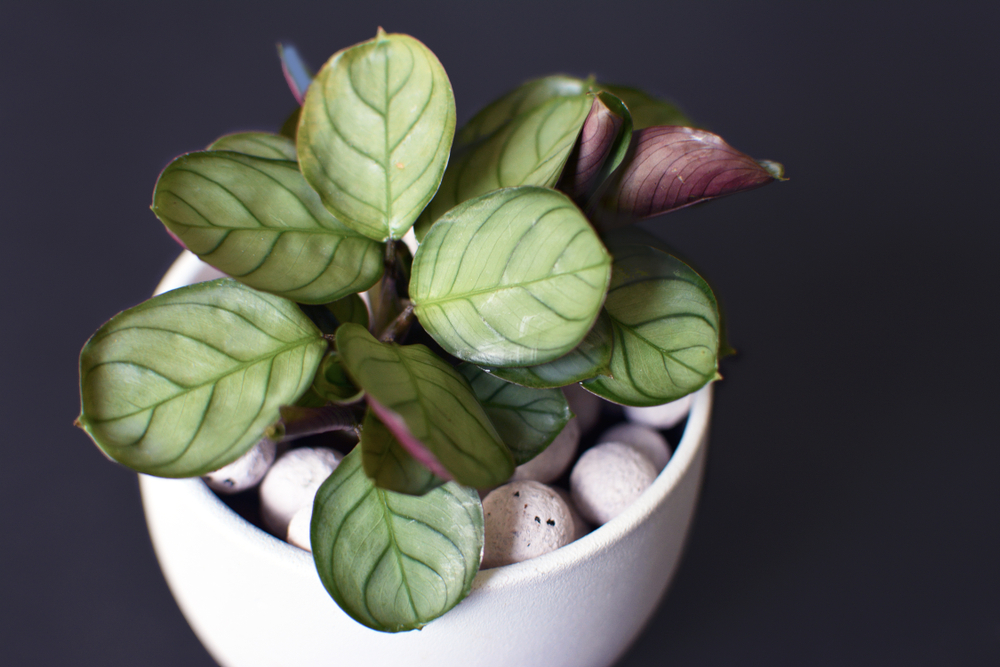
Ctenanthe Amagris is a rare shade-loving plant that features variegated leaves with hues of silver, green, and purple. It thrives in low to indirect light, making it ideal for shaded indoor corners. Regular watering is required, but the soil should not stay soggy, so ensure proper drainage. This plant also benefits from higher humidity, making misting or using a humidifier a good idea. Keep the leaves clean by wiping them with a damp cloth to maintain their vibrant appearance.
The rarity of Ctenanthe Amagris is due to its unique color pattern and the fact that it is not commonly found in standard plant nurseries. It’s an excellent choice for anyone looking to add color and texture to shaded areas. This plant’s slow-growing nature makes it easy to manage, even in smaller spaces. Its colorful foliage adds a pop of interest to low-light corners where other plants may struggle. Ctenanthe Amagris is a beautiful and rare addition to any indoor garden.
Maranta Leuconeura (Prayer Plant)
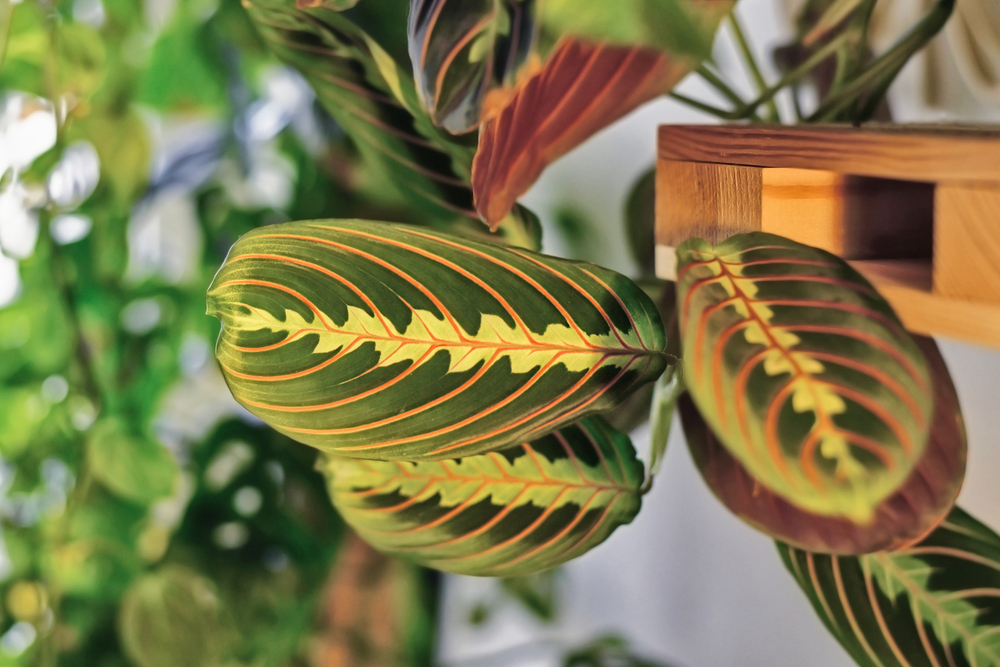
Maranta Leuconeura, known as the Prayer Plant, is a rare and fascinating plant that is adored for its unique leaf movements. It thrives in low to medium light, making it perfect for shaded corners where other plants might not fare well. This plant enjoys consistently moist soil, but it should not be overwatered, so allow the soil to dry slightly between waterings. The Prayer Plant also requires high humidity, so regular misting or placing it in a humid room will help keep it healthy. Avoid placing it in direct sunlight, as this can cause its vibrant colors to fade.
What makes Maranta Leuconeura rare is not just its stunning foliage but also the unique leaf movement it exhibits. Each evening, the leaves fold up as if in prayer, adding an element of surprise to your indoor garden. This plant is perfect for plant enthusiasts who are looking for something a little more dynamic. Its slow growth and compact size make it suitable for small spaces. With the right care, this rare shade plant will remain a delightful feature in your home.
Cryptanthus (Earth Star)
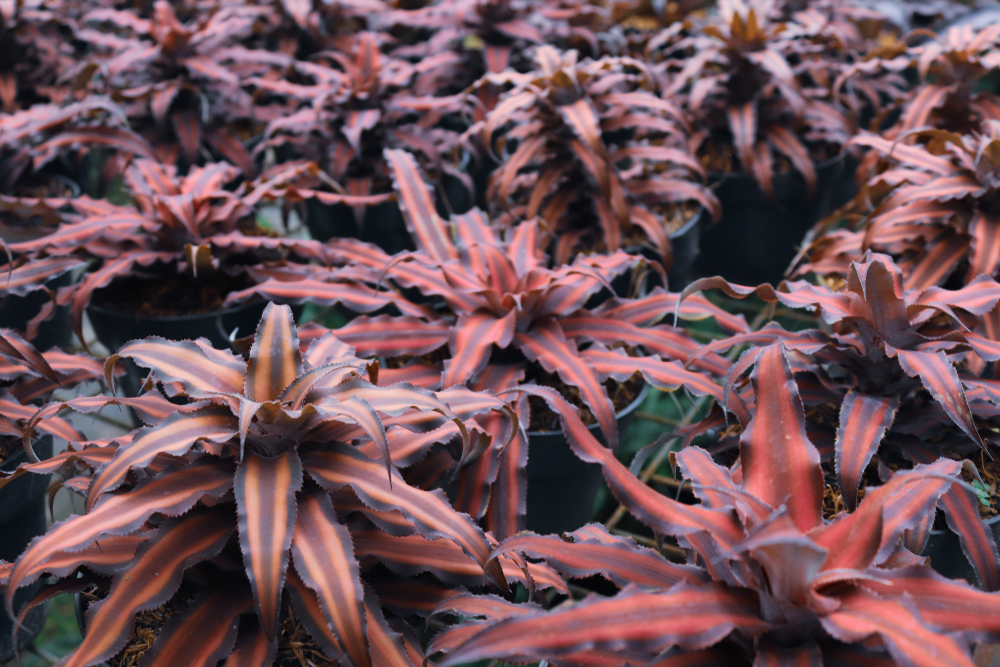
Cryptanthus, commonly known as the Earth Star, is a rare shade plant with stunning rosette-shaped leaves that come in a variety of colors, including pink, silver, and purple. It thrives in low to indirect light, making it an ideal choice for shaded indoor corners. To keep it healthy, plant it in well-draining soil and water it regularly, but be sure not to overwater. It also enjoys a humid environment, so misting the leaves or using a humidifier will help maintain its vibrancy. Regular cleaning of the leaves will prevent dust buildup and keep them looking fresh.
The rarity of Cryptanthus comes from its unique form and its ability to adapt to lower light conditions, unlike many other plants that require more sunlight. It’s a perfect choice for shaded areas and can add a burst of color to otherwise dull corners. Earth Star plants are slow-growing, which makes them ideal for smaller spaces. Their ability to thrive in low light, along with their unique rosette-shaped foliage, makes them a rare gem for collectors. This plant will continue to add beauty and color to your indoor space for years to come.
Anthurium Clarinervium
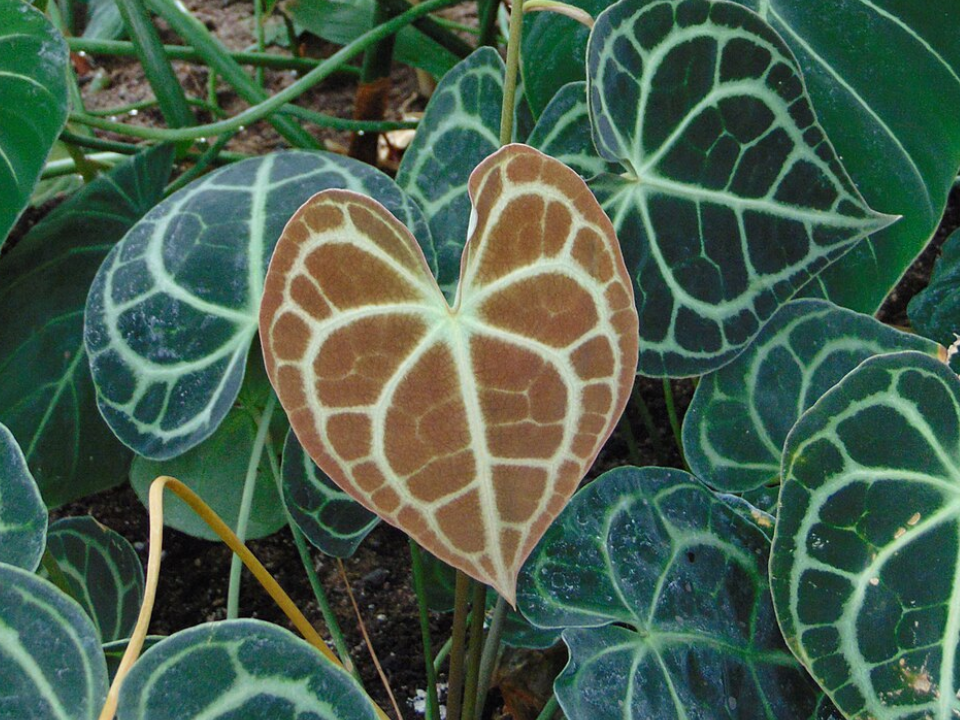
Anthurium Clarinervium is a rare plant with striking, heart-shaped leaves that feature prominent white veins, adding a touch of elegance to any indoor space. It thrives in low to moderate indirect light, making it perfect for shaded indoor corners. This plant enjoys high humidity, so misting regularly or using a humidifier will help maintain its health. Water it consistently, but ensure that the soil is well-draining to prevent root rot. It’s also important to avoid direct sunlight, as it can cause the delicate leaves to burn.
The rarity of Anthurium Clarinervium lies in its distinctive heart-shaped leaves and beautiful white veins, which set it apart from other Anthurium varieties. It’s a sought-after plant for collectors because of its slow growth and unique foliage. This plant adds sophistication to any room with its elegant leaves and low-maintenance care requirements. Its ability to thrive in low to moderate light makes it a great option for shaded corners. With proper care, Anthurium Clarinervium will continue to be a striking focal point in your indoor garden.
Homalomena Emerald Gem
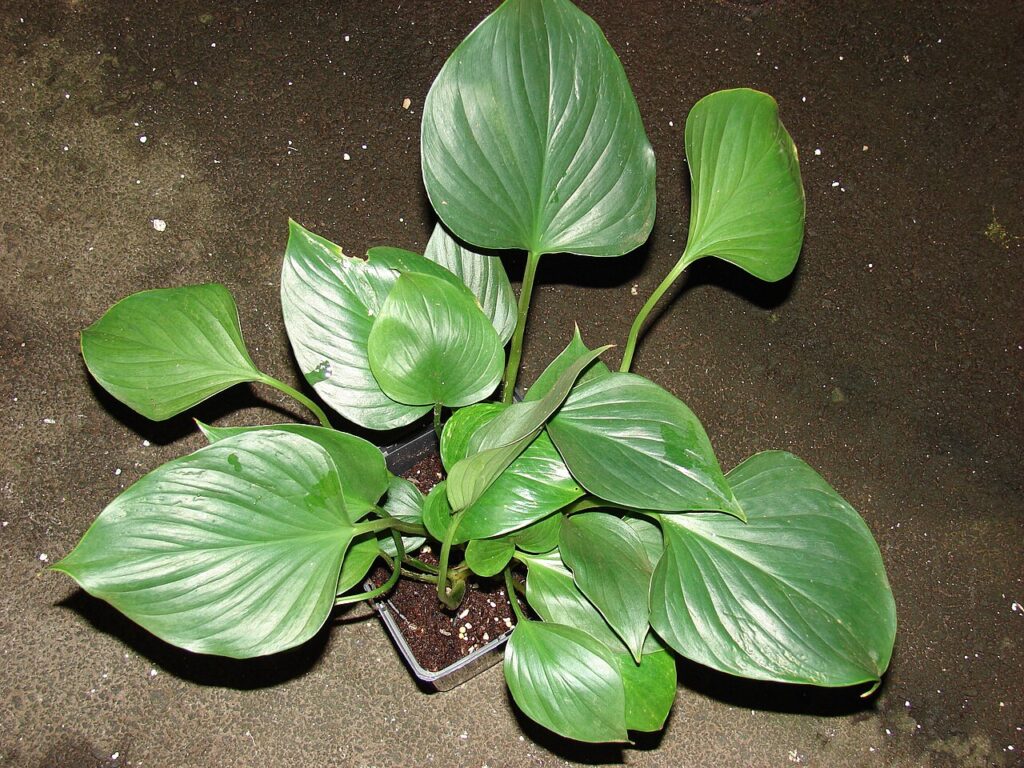
Homalomena Emerald Gem is a rare shade plant with lush, glossy green leaves that give it an elegant, tropical appearance. It thrives in low to moderate light, making it ideal for shaded indoor corners. To keep it healthy, water it regularly, but allow the top inch of soil to dry before watering again. This plant also requires higher humidity, so misting it or using a humidifier will help it maintain its vibrant look. Avoid letting it sit in water, as this can lead to root rot.
What makes Homalomena Emerald Gem rare is its beautiful, glossy leaves and its ability to thrive in shaded indoor spaces. It’s perfect for those looking for a low-maintenance plant that still adds elegance to their home. This slow-growing plant is ideal for indoor spaces where other plants may outgrow their area too quickly. Its glossy, emerald-green foliage adds a touch of luxury to any room. With the right care, this rare shade plant will remain a beautiful and lush addition to your indoor garden.
This article originally appeared on Avocadu.