
15 Rare Seashells Beachcombers Dream About Finding
Beachcombing is part patience and part luck, and that is what makes it so fun. Most days you pick up pretty shells, then put them back and keep walking. But once in a while, the tide leaves something unusual in the wrack line, and your whole day changes.
This post may contain affiliate links, which helps keep this content free. Please read our disclosure for more info.
Junonia Shell
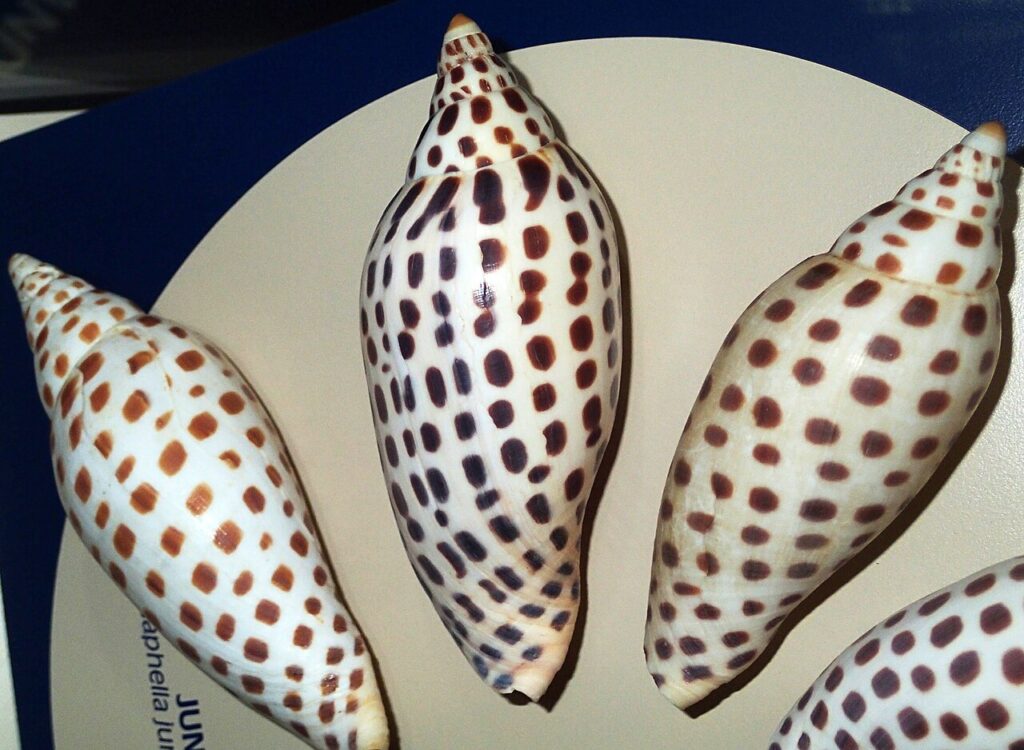
A junonia is the kind of find that makes people stop in their tracks and call everyone over. The shell is smooth and thick, with chocolate spots that look painted on a pale background. Many beachcombers know it from photos long before they see one in person. If you find one, rinse it gently in seawater and keep it out of the sun until you get home.
Look for it after rough surf when the beach has fresh piles of shells and seaweed near the high tide line. Early morning walks help because fewer feet have passed through the wrack line. A small mesh bag and a soft cloth in your pocket are handy so the shell does not get scratched. If you are beachcombing with kids, make it a game to spot the round shape first, then check for the spots.
Scotch Bonnet Shell
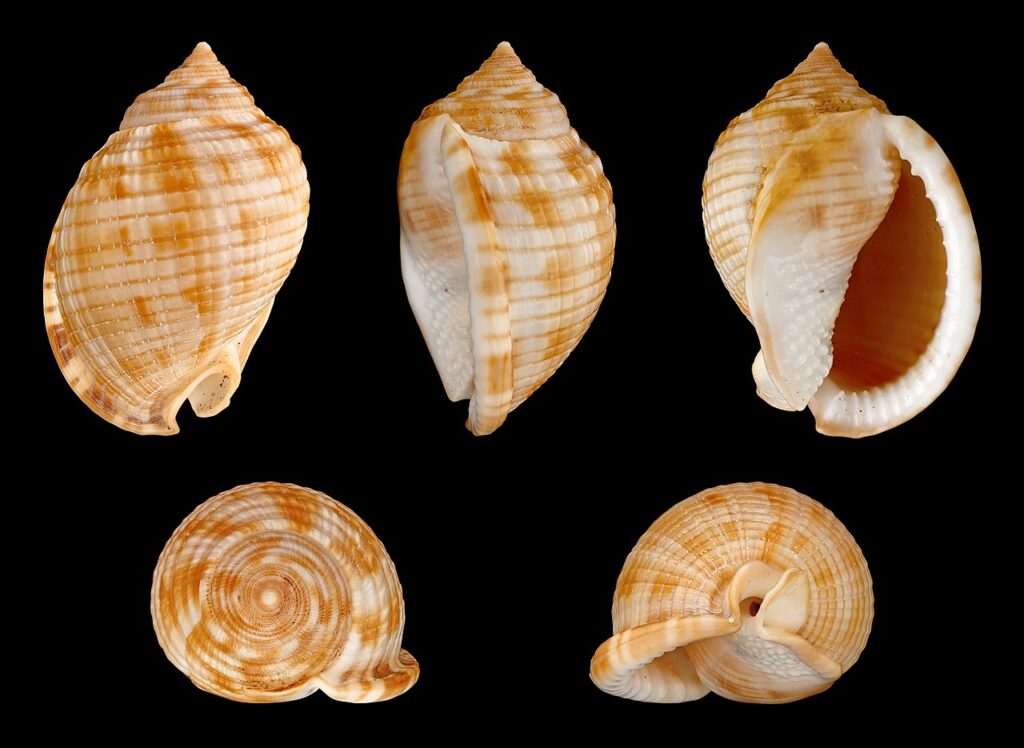
The scotch bonnet is a small shell, but it carries a lot of personality. Its pattern often looks like a patchwork of tan, brown, and cream, and the shape feels sturdy in your hand. It is the state shell of North Carolina, so families on Atlantic beaches sometimes recognize it right away. Even when it is chipped, the color can still be striking.
These shells often show up mixed in with coquina, whelks, and bits of sea glass, so slow down when you reach a shell-heavy stretch. A low tide walk near calmer water can be a good time to check. If you find a fresh one, give it a quick rinse and let it dry at home on a paper towel. Kids usually like sorting them by color because no two patterns look the same.
Glory of the Sea Cone
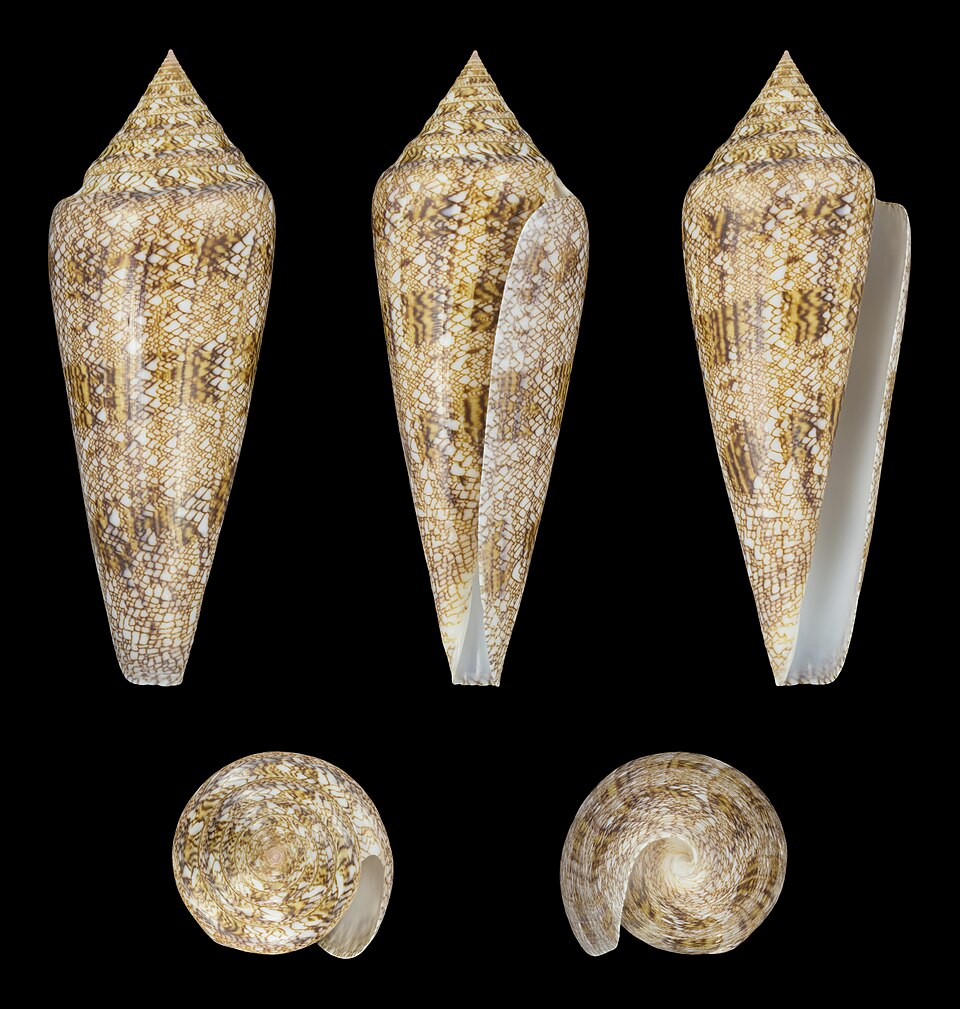
The glory of the sea cone is famous for its smooth shape and delicate markings, and it tends to make collectors a little quiet when it appears. Many cones look pretty, but this one has a softer, refined look that stands out in a handful of shells. The opening is narrow, and the body feels weighty for its size. If you spot one whole and unbroken, it is worth taking a careful second look before you tuck it away.
Cones often wash in after storms, especially on beaches where shell lines stack up in layers. Use your eyes more than your hands at first, since some cone snails are venomous when alive. A good rule is to pick up cones only if they are clearly empty and fully dry on the outside. If you are unsure, leave it where it is and take a photo instead.
Textile Cone
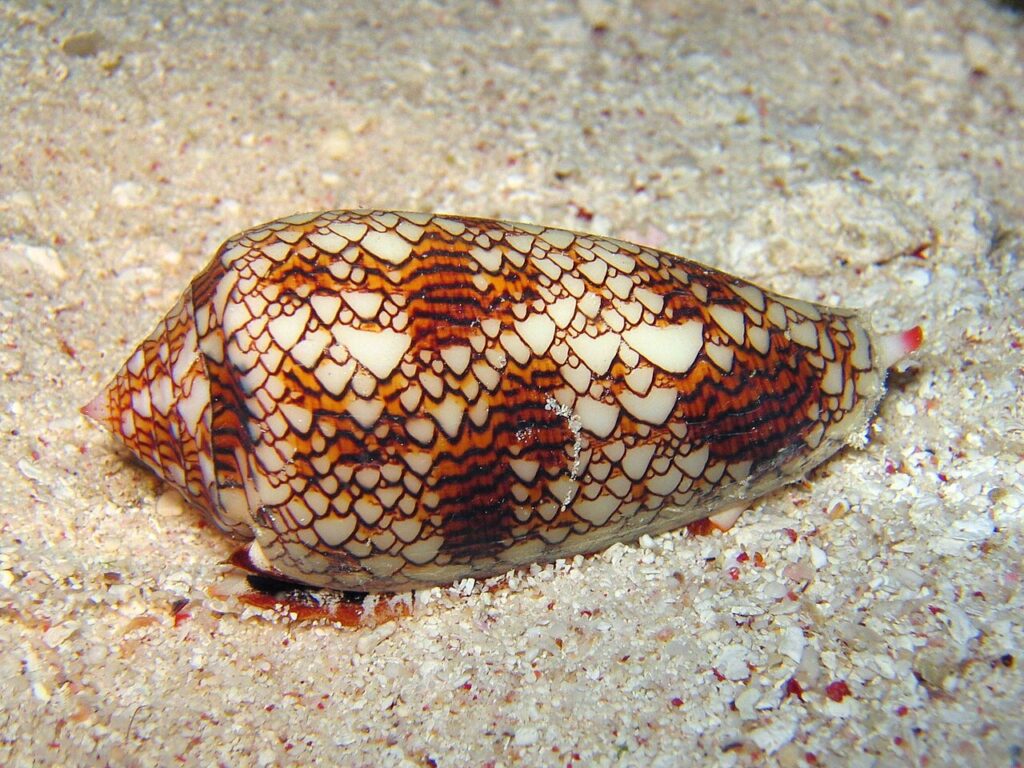
The textile cone is easy to recognize once you know what to look for. Its pattern can resemble tiny triangles and net-like shapes, almost like a woven print. The shell often has warm browns and creams that look rich even when it is beach-worn. It is one of those pieces that can look like a keepsake without any polishing.
When you find a cone, check the tip and the lip first because those spots chip easily. A padded container in your beach bag helps if you are collecting with other shells. If you are beachcombing with children, it is a good chance to talk about looking with care and not grabbing things quickly. A simple rinse and air-dry at home is usually enough to keep the pattern looking crisp.
Magician’s Cone
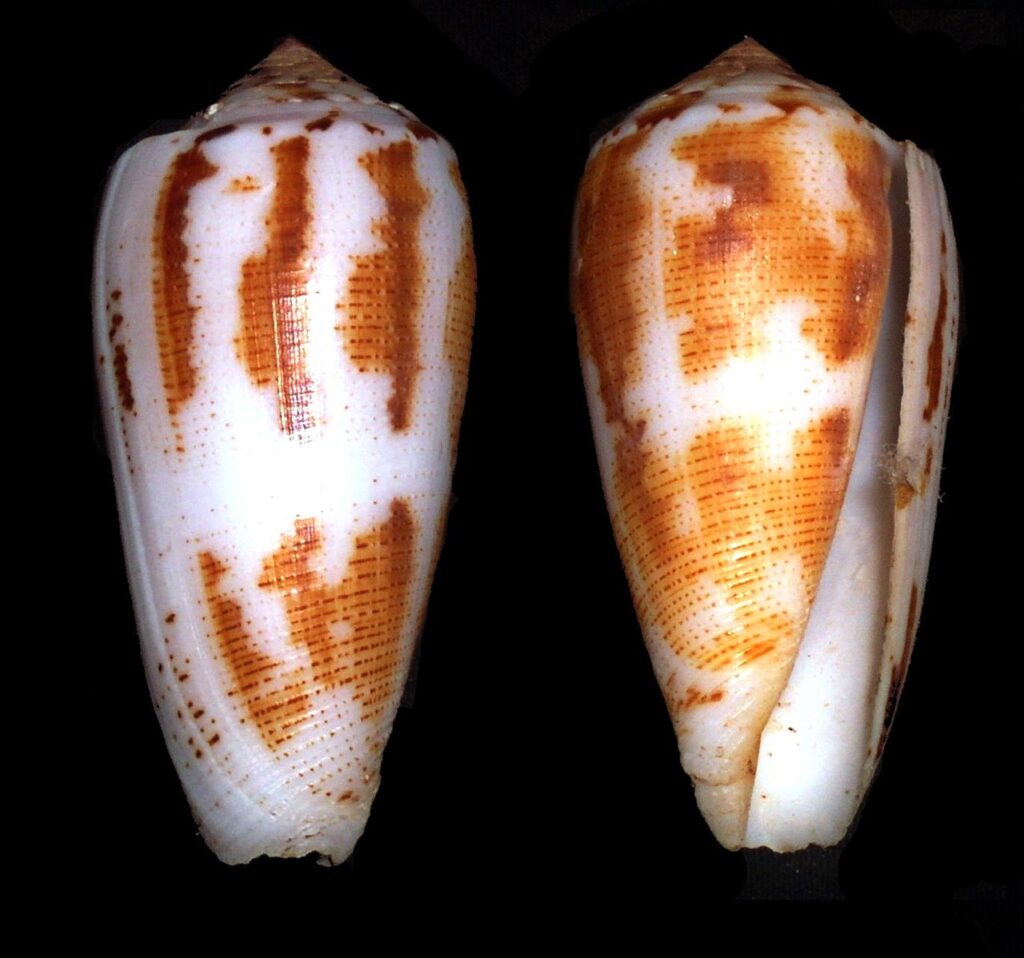
The magician’s cone has a bold pattern that can look like scribbles, zigzags, or small blocks depending on the specimen. It is usually glossy, and that shine makes it catch the light even on a cloudy day. The shell feels smooth, with a tidy shape that fits nicely in the palm of your hand. Many people pass right by cones at first, then regret it when they learn what they missed.
The best time to spot one is right after the tide drops, when wet sand reflects light and patterns stand out. Walk slowly and scan the edges of the shell line where pieces collect and roll. As with all cones, handle only empty shells and avoid anything that looks freshly alive or has tissue inside. If you do bring one home, store it separately so it does not get scuffed by heavier shells.
Geography Cone
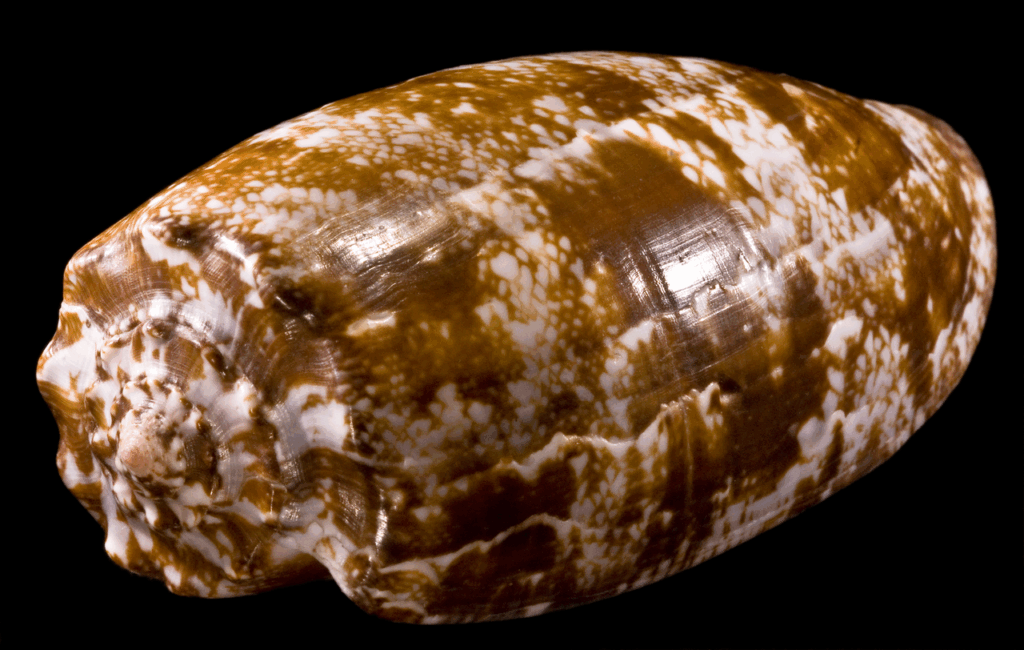
The geography cone is one of the most talked-about cone shells for good reason. Its markings can look like a little map, with lines and shapes that seem drawn across the surface. The shell is often larger than many other cones, and it has a strong, clean outline. It looks impressive in a display, even if it has a few small beach dings.
This is another shell where safety matters, because live cone snails can be dangerous. If you see one in shallow water or it looks freshly alive, do not pick it up. For beach finds, look for fully dry shells above the wet line where the tide has already moved on. If you want a family-friendly routine, make a rule that only an adult handles cones and kids can be the spotters.
Precious Wentletrap
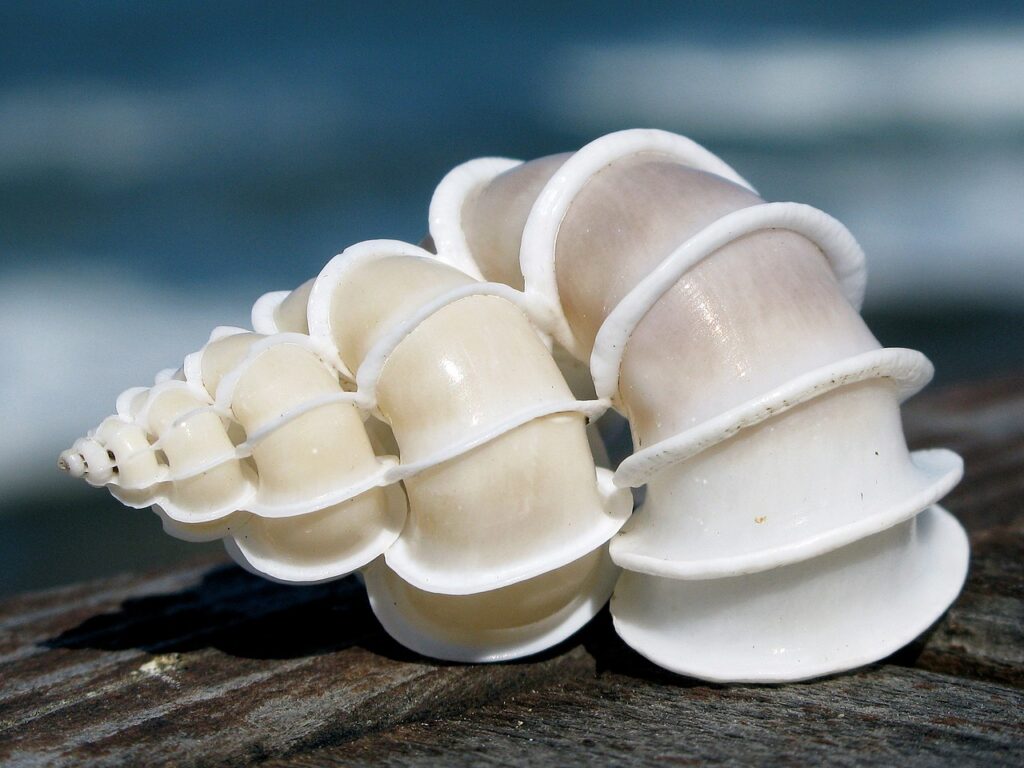
The precious wentletrap is delicate, and it often surprises people with how small it can be. It has a spiraled, ridged look that resembles a tiny staircase winding upward. Because it is thin and intricate, it breaks easily, so a whole one feels like a real prize. Even a partial piece is still beautiful, like a miniature sculpture.
These can show up in shell grit and fine debris, so it helps to bring a small sifter or simply kneel and look closely. After storms, check the lighter piles where tiny shells gather together. If you find one intact, wrap it in a tissue or slip it into a small pill bottle for the walk back. At home, a gentle rinse and a soft toothbrush can remove sand from the ridges.
Paper Nautilus
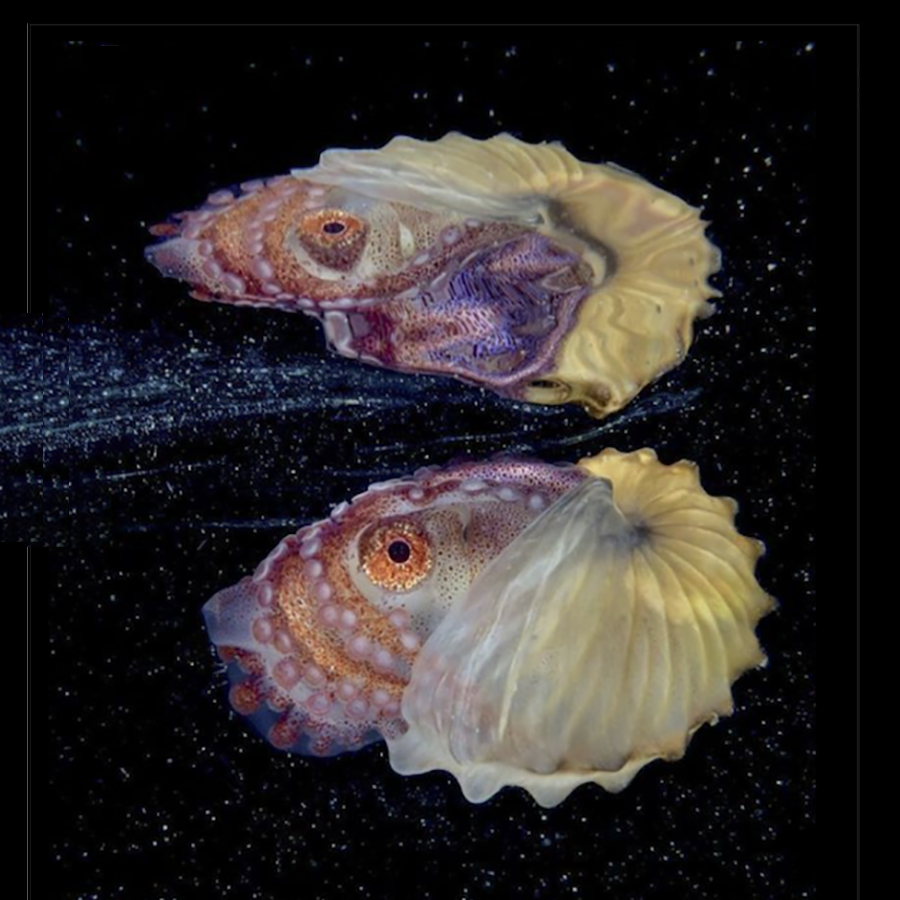
A paper nautilus is light, thin, and almost fragile like an eggshell. It can look like a small white boat, with gentle ribs and a smooth curve. When you hold it, it feels different from most beach shells because it is so airy. A clean, unbroken one is the kind of find people talk about for years.
Because it is so delicate, pick it up with both hands and keep it away from heavier shells in your bag. Many break on the walk back to the car, so a rigid container is your friend. If you are on the beach with kids, have them clear a little space while you pack it safely. At home, do not scrub it hard, since the outer layer can flake.
Murex Shell
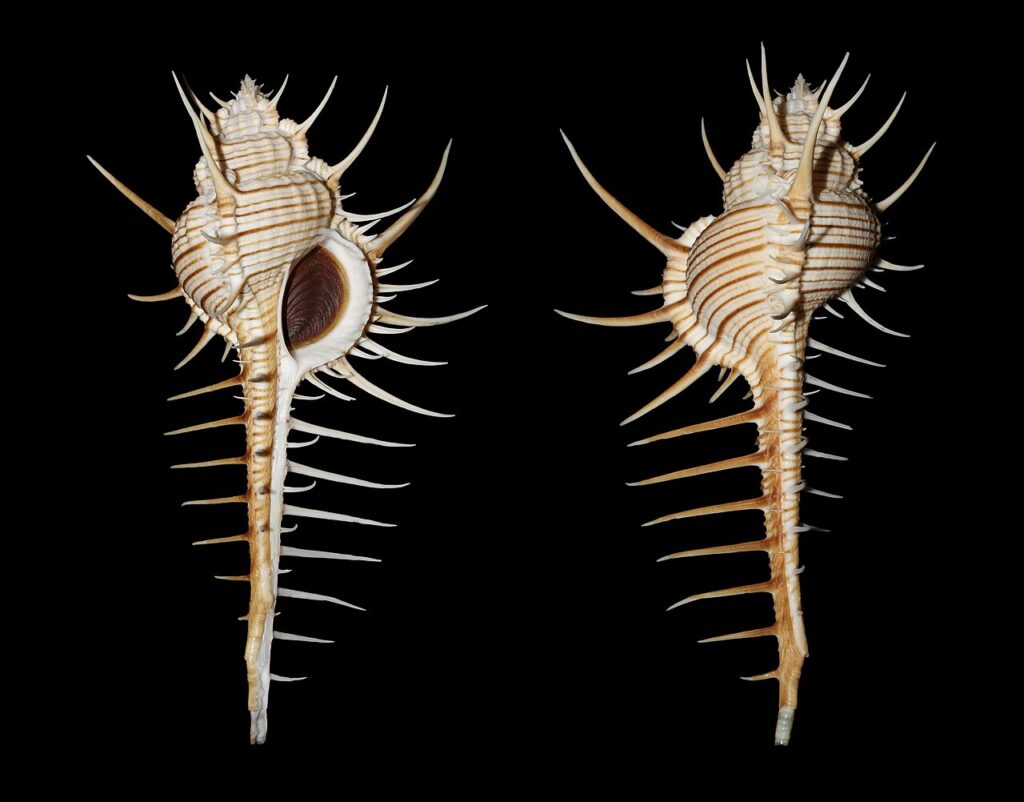
Murex shells are all drama, with spikes, frills, and twists that look almost unreal. Some are long and narrow, while others are wide with sharp points, and they can be white, tan, or even pinkish. They are also tough, so they tend to survive the surf better than thinner shells. If you find one that still has crisp edges and intact spines, it stands out right away.
When you pick up a murex, watch your fingers because the spines can be sharp. A quick rinse in the shallows helps remove sand stuck in the grooves. At home, soaking it in fresh water for a short time can help loosen debris, then let it dry fully. For families, it is a fun shell to sketch, since the shapes are so wild and different from the usual smooth finds.
Cowrie Shell
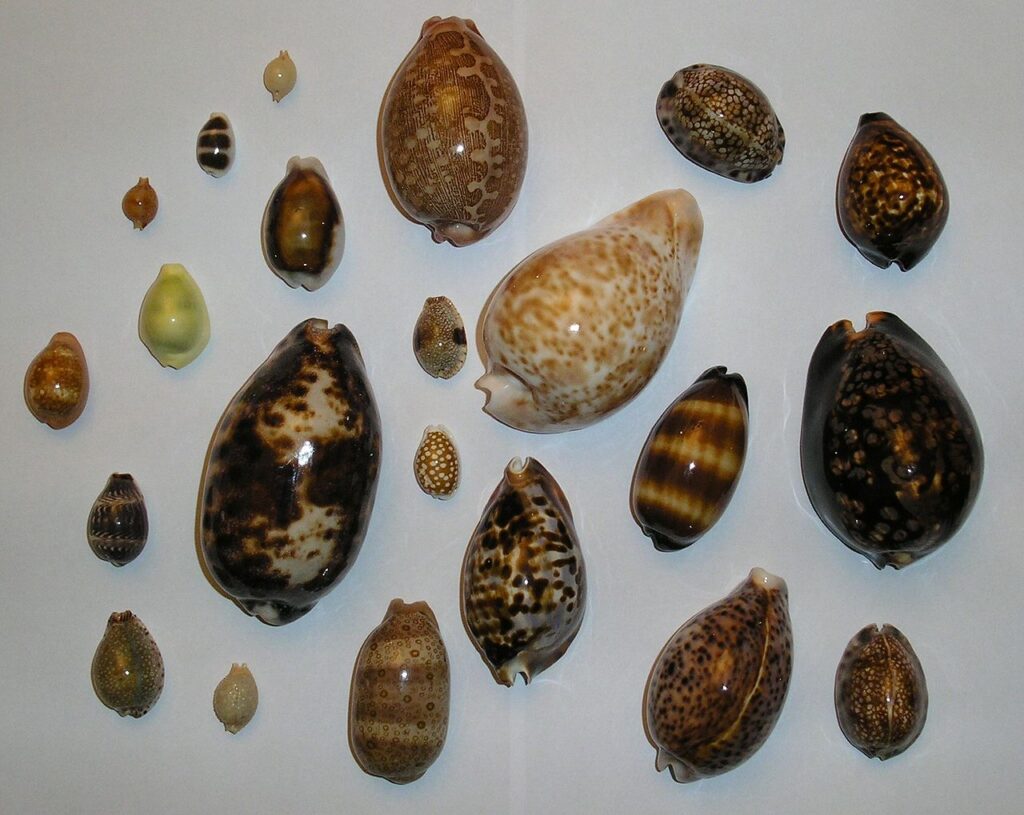
Cowries feel like polished stones, with a glossy surface and a smooth, rounded shape. The underside has a neat, toothed opening that looks almost like a zipper. Many cowries have patterns that resemble spots, rings, or dark patches on a pale base. Even small ones look special because they shine without any work.
Cowries can be tricky because live animals are sometimes collected, and many beaches have rules about taking living creatures. If you find one, check that it is empty and has no smell or soft tissue inside. They often appear after a tide shift when lighter shells roll into shallow pockets. If you are collecting with kids, use cowries as a lesson in checking carefully and leaving anything living where it belongs.
Lion’s Paw Scallop
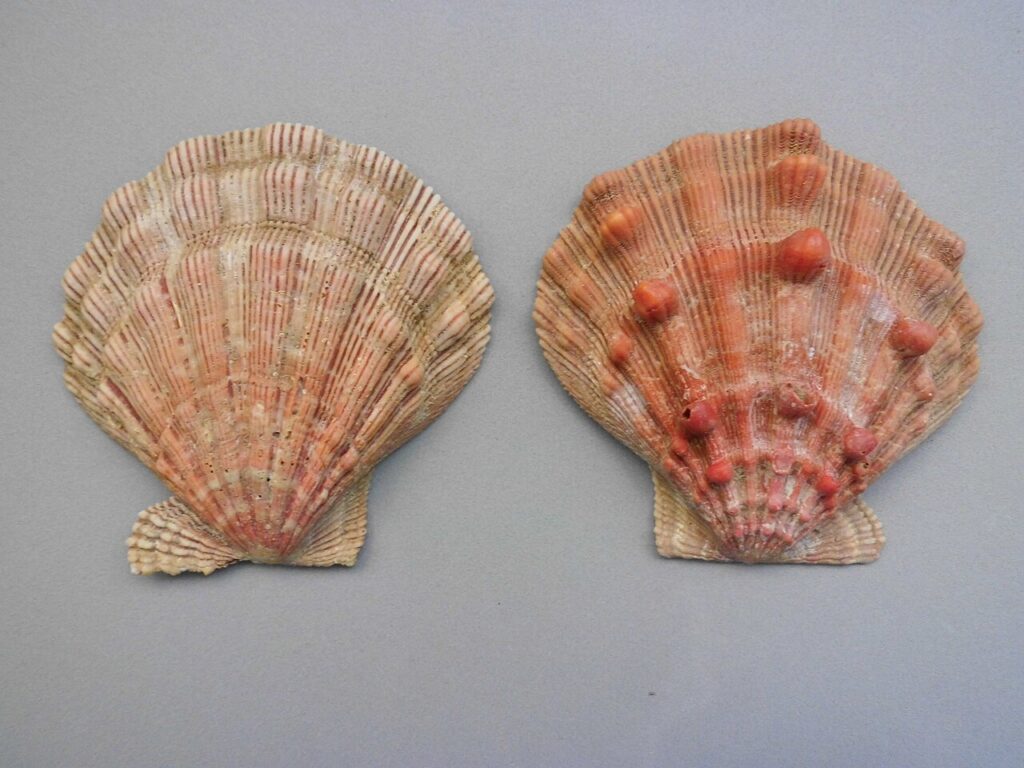
A lion’s paw scallop is easy to love because it looks like a fan with strong ribs. The colors can be rich orange, coral, or reddish tones that stand out against pale sand. The shell is fairly thick and heavy, so it feels solid in your hand. Finding one with the edges intact is the best part, since the rim chips easily.
You will often spot scallops in the shell line where wave action sorts by size and weight. If the beach has a lot of broken shell pieces, slow down and look for the wide, curved shape. At home, rinse it and let it dry, then keep it out of direct sunlight so the color does not fade. Kids usually like holding it up like a handheld fan, so remind them to be gentle with the edges.
Angel Wing Shell
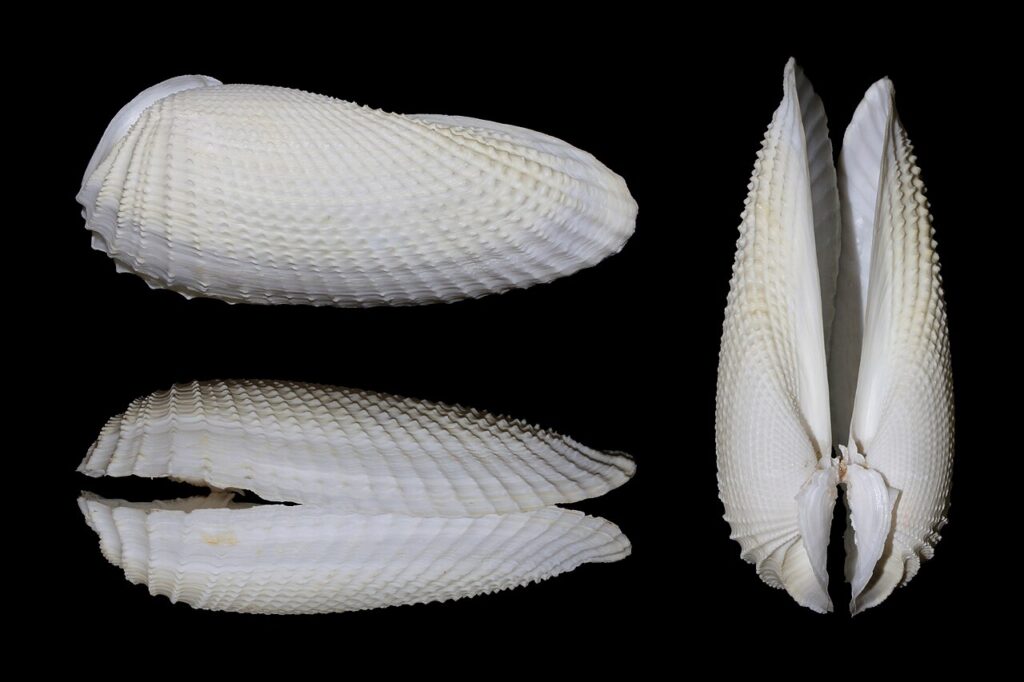
Angel wings are thin, white shells that look like two matching blades, sometimes still paired as a set. Their ridges are fine and delicate, and the shape can feel almost feathery. They are easy to mistake for broken bits until you notice the symmetry. A whole pair is a lucky find because they crack so easily in the surf.
Look for angel wings in calmer coves and sheltered beaches where delicate shells have a better chance of staying intact. Walk slowly near the high tide line and scan for the bright white color against darker seaweed. If you find a pair, slide it into a rigid container right away, because a soft bag can crush it. At home, a gentle rinse is enough, and then let it air-dry without wiping.
Shark Eye Shell
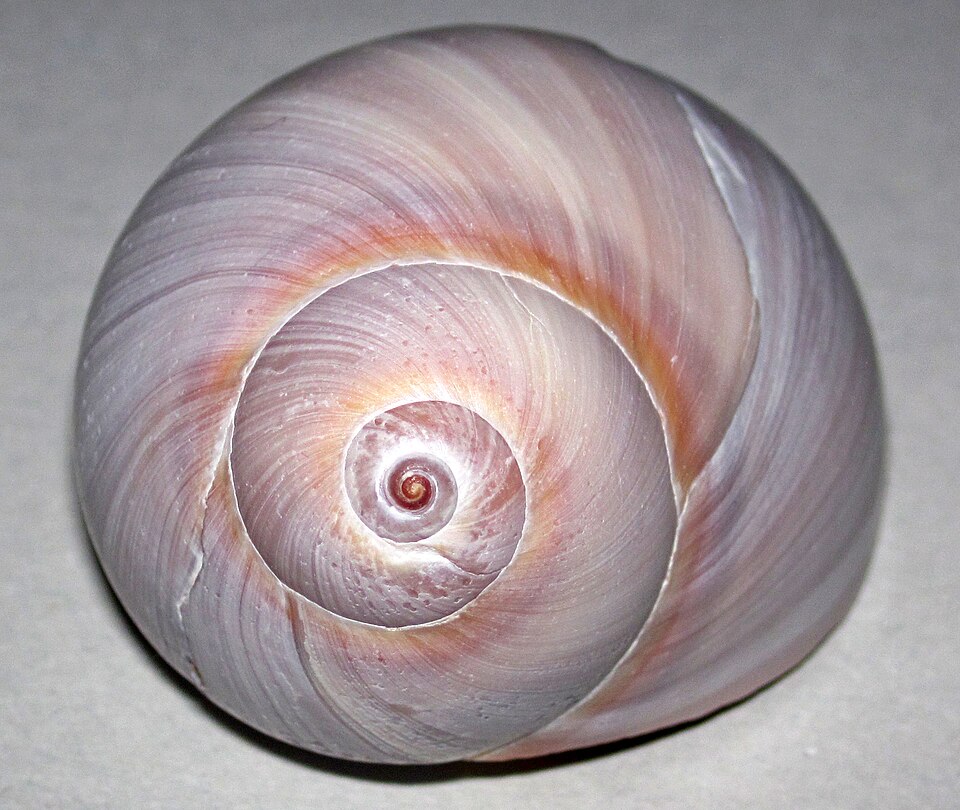
A shark eye is small, round, and simple, yet it grabs attention because of its bullseye look. One side is usually smooth and curved, and the other can show a spiral with a darker center. The colors can range from creamy white to grayish tones, often with a brown or black spot. It is a great pocket find because it is tough and does not chip easily.
These often show up mixed with small pebbles, especially where waves tumble things back and forth. Try walking the wet sand right after a receding wave, since the shine can make the eye spot more visible. They are also fun for kids to collect because they are sturdy and easy to hold. At home, rinse and dry them, then store them in a small jar so the pattern stays easy to see.
Sand Dollar (Perfect Whole Specimen)
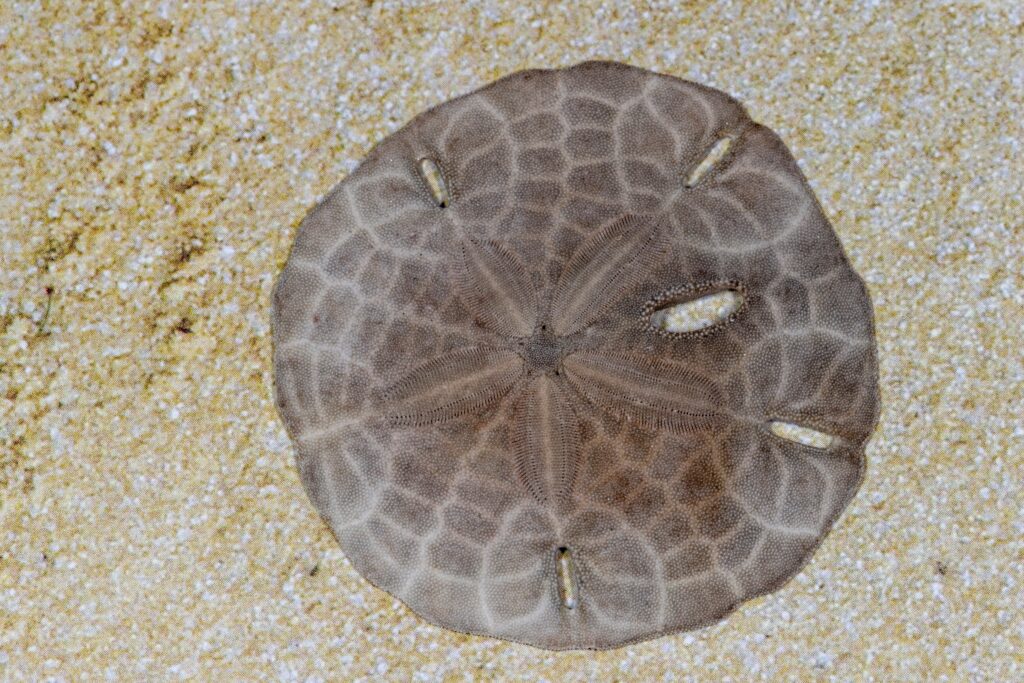
A whole sand dollar feels like a little treasure, especially when you find one without cracks. The top often has a star-like pattern, and the shape is flat and smooth. Fresh ones can be darker, while sun-bleached ones turn pale and chalky. A clean, intact specimen looks simple, but it still feels special in a beachcombing collection.
Be careful, because live sand dollars should be left alone, and many beaches ask visitors to return them to the water. A dead one is usually lighter in color and feels more rigid, with no movement or fuzz on the surface. If you bring one home, keep it in a rigid container so it does not snap on the way back. Kids can help by spotting circles in the sand, then checking for the star pattern before picking it up.
Nautilus Shell (Whole, Beach-Worn Specimen)
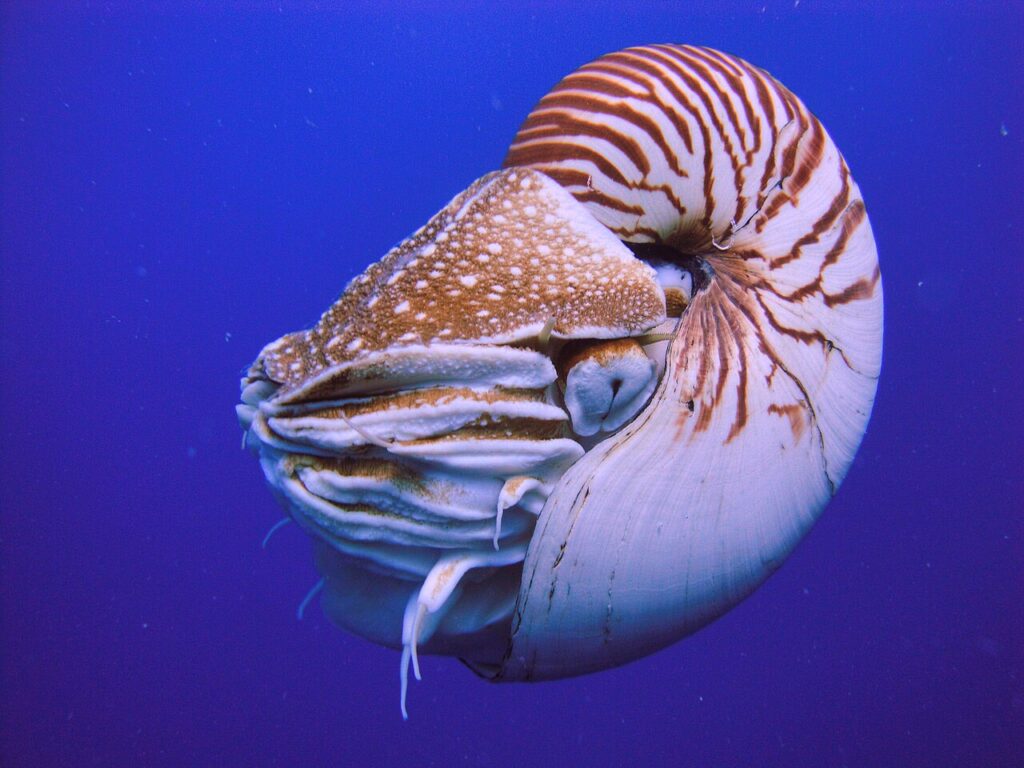
A beach-worn nautilus shell is a showpiece, even when the outer layer has been smoothed by the sea. The spiral shape is classic, and the shell can have creamy tones with faint bands. When you hold it, it feels like something from a museum shelf, not something you found on a casual walk. A whole specimen is not common, so it can turn an ordinary beach day into a story you tell later.
Because it is large and can be brittle at the edges, carry it with both hands and do not let it bang into other shells. If sand is packed inside, shake it gently and rinse with fresh water at home, then let it dry fully. Some people like to keep it natural, with a matte, worn finish that shows its time in the sea. If you are beachcombing as a family, take a quick photo of it where you found it, since that little moment feels almost as good as bringing it home.
This article originally appeared on Avocadu.