
15 Rare Rugs with Regional Patterns Collectors Love
Rugs with regional patterns hold a special place in the world of collectors. Each piece is not just a beautiful work of art but also a reflection of the culture and traditions from where it originated. The distinct designs tell stories of history, craftsmanship, and the unique landscapes of the regions they come from. Whether it’s the bold geometric patterns of a Persian rug or the intricate floral motifs of a Turkish piece, these rugs capture the essence of their origins. Over time, these rugs have become highly sought after by collectors who appreciate their beauty and significance. For those interested in adding a touch of cultural richness to their collections, rare rugs with regional patterns offer a unique blend of art and history.
This post may contain affiliate links, which helps keep this content free. Please read our disclosure for more info.
Persian Heriz Rug
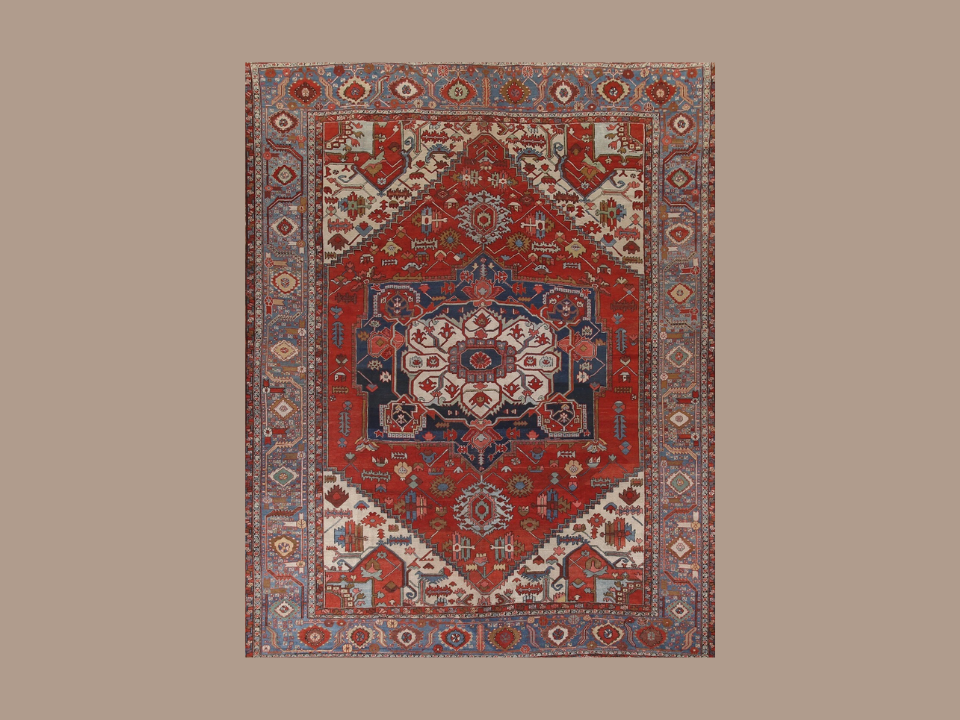
A Persian Heriz rug is known for its strong geometric pattern with bold medallions and thick lines set against deep color fields. These rugs come from the Heriz region in northwest Iran and are tied to centuries old weaving traditions that date back to before the 20th century. The style is recognizable for how the central motif shapes seem to anchor the design in a way that feels firm and structured.
A well-made Heriz from the early 1900s in good condition can sell for around $2,000 to $12,000 or more depending on size and condition. Collectors often look at the weave count and the clarity of the pattern because these factors can tell them about the age and origin of the rug. These rugs tend to have a thick wool pile that gives a hardy presence underfoot. Because they were made in rural workshops, each one has small variations that make it distinct.
Turkish Oushak Rug
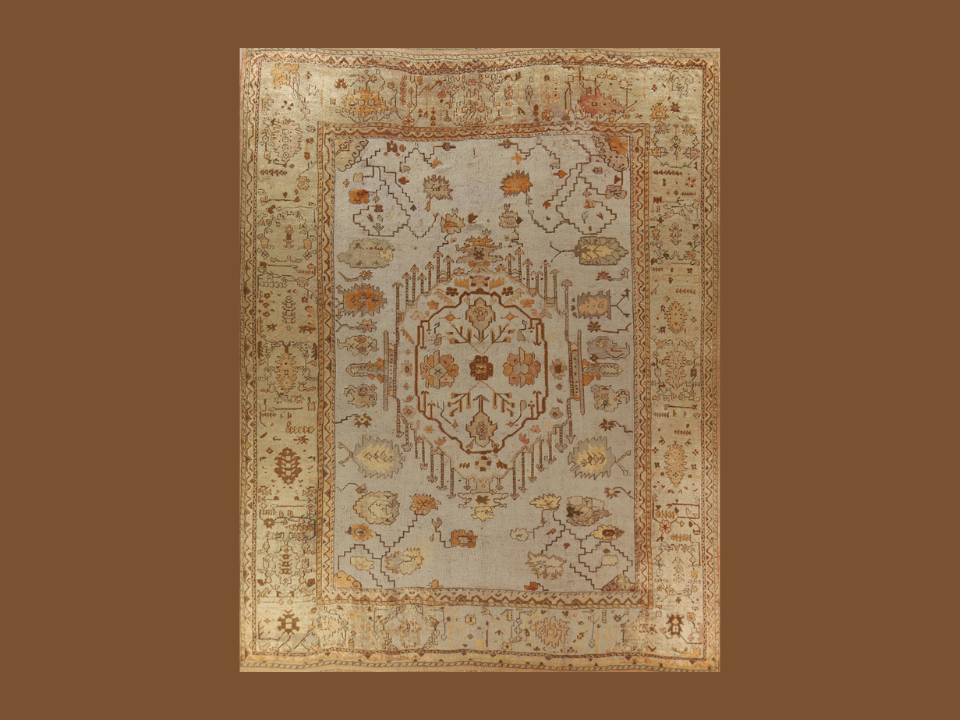
A Turkish Oushak rug is prized for its large scale patterns and soft palette that includes faded reds, soft ivory, and gentle blues. These pieces come from the region around Usak in western Turkey where weavers combined influences from nomadic art with urban tastes. The result is a rug with an open and airy feel, often featuring large floral shapes and spacious layouts that feel calm and balanced.
A fine antique Oushak can command prices from $3,000 up to $15,000 in the current market, particularly if it has original dyes and a strong cotton foundation. These rugs are favored for how they wear with grace and how the wool pile remains soft yet sturdy through years of use. Collectors value the way light and shade play across the surface, giving the motifs a sense of life and movement.
Caucasian Kazak Rug
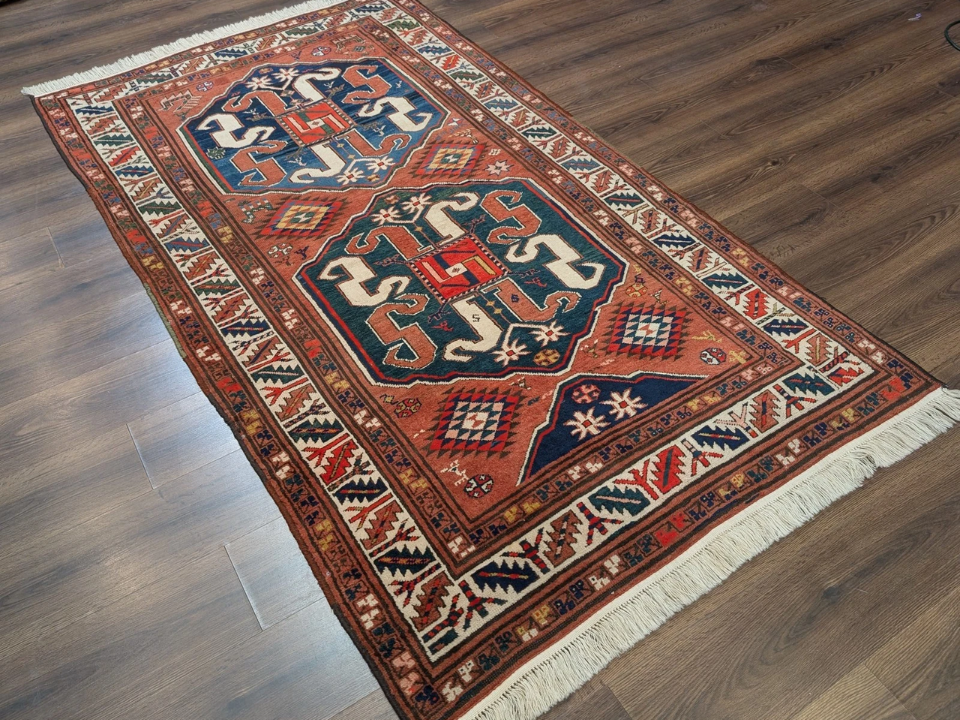
A Caucasian Kazak rug is noted for its crisp geometric design and vibrant palette that includes rich reds, deep blues, and bright gold. These rugs were woven in the Caucasus Mountains where tribes developed a look that was both expressive and formal. The motifs often include tribal symbols that carry meaning and are arranged in repeating blocks or frames that give rhythm to the layout.
Collectors can find early Kazak rugs selling for around $1,500 to $8,000 based on size, condition, and how early the piece is. The thick, firm wool and simple foundation make these rugs hardy and able to hold up in everyday use. A key part of the appeal is how the design seems to speak of long nights spent weaving by lamplight and seasons shaped by the mountain climate.
Baluchi Runner
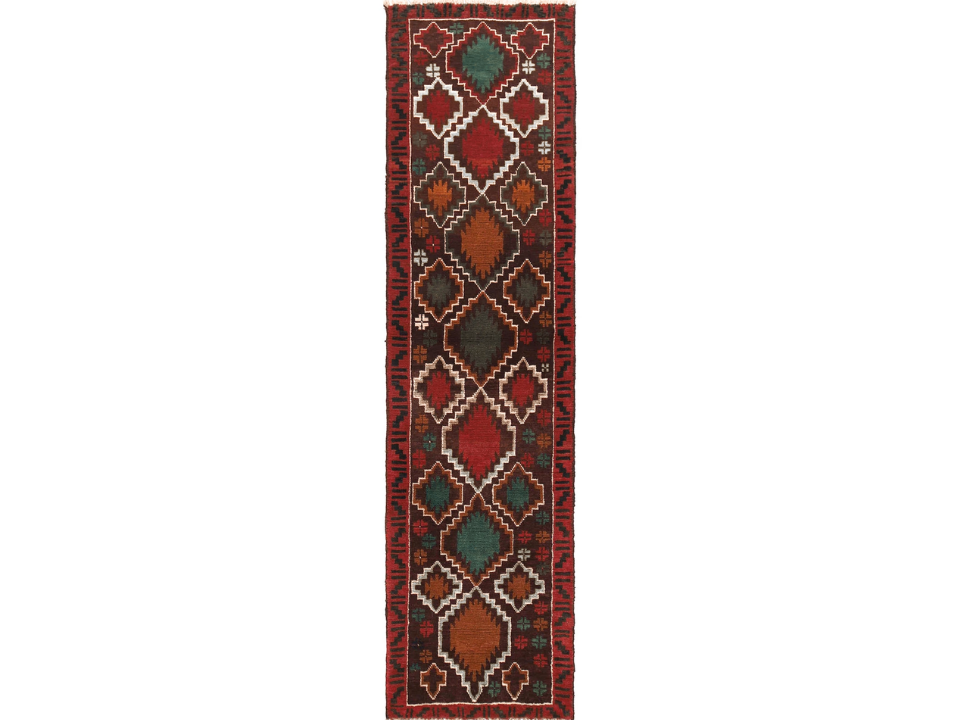
A Baluchi runner comes from tribesy communities along the border of Afghanistan and Iran and is known for its narrow proportions and repeating motifs that seem to echo with rhythm. These runners typically show strong reds, dark browns, and black outlines that shape the repeated gul patterns. They measure long and narrow, often used in hallways or against walls where the eye can follow the pattern along the entire length.
A clean and early Baluchi runner might fetch between $1,000 and $5,000 based on wear, dye stability, and size. These pieces are woven with fine wool and a tight weave that gives them a sense of structural integrity. Collectors appreciate how these rugs carry a story about nomadic life and function as well as beauty.
Indian Agra Rug
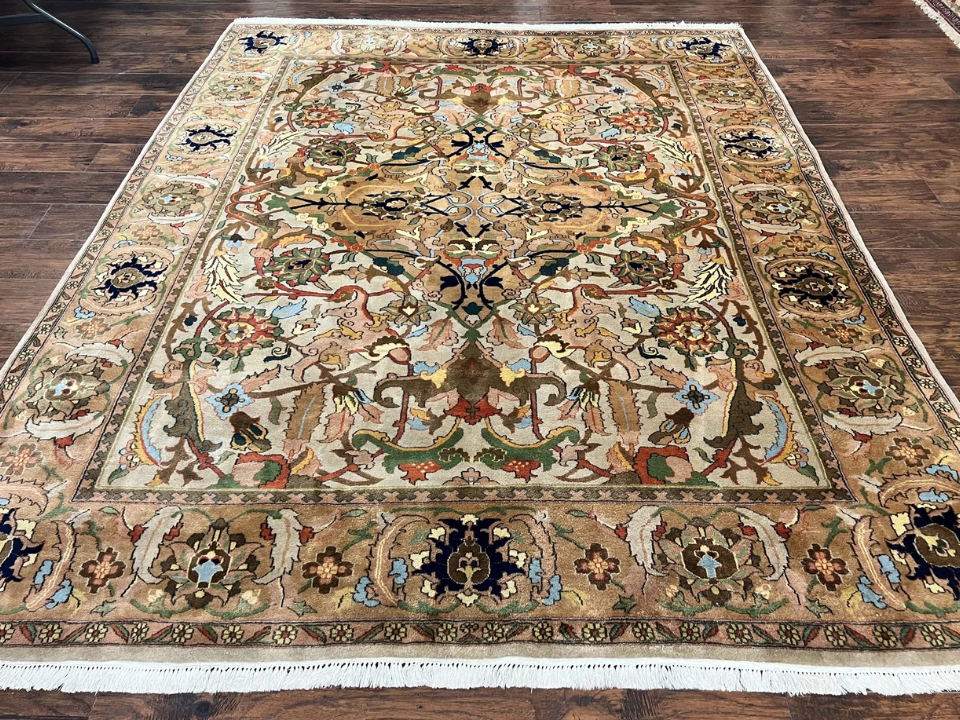
An Indian Agra rug traces its roots to the city of Agra where traditional Persian influence met local weaving expertise. These rugs are known for their refined floral patterns set in rich tones of rust, navy, and soft cream. The weaving in Agra was influenced by the Mughal aesthetic that favored natural themes arranged in formal balance.
A quality antique Agra rug can range from $2,000 to $10,000 on the open market, especially if it has natural dyes and a high knot count. Many collectors study Agra rugs for how seamlessly they blend influences from Persia with Indian flair in color transitions and motif placement. The wool used tends to be lustrous and soft which makes the surface pleasant to touch and look at.
Afghan Ersari Carpet
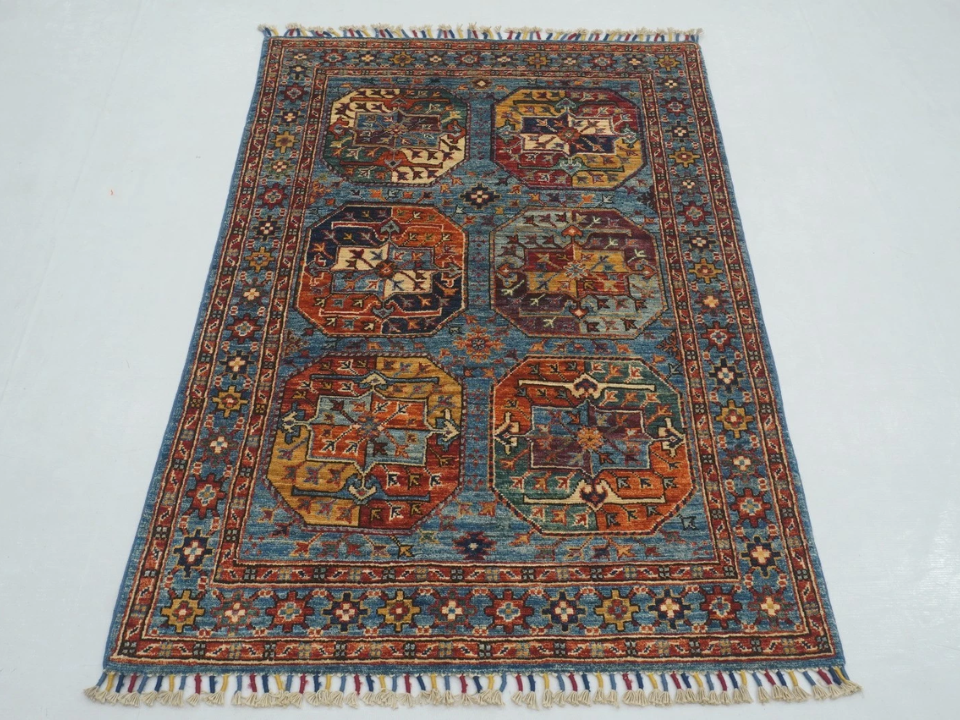
An Afghan Ersari carpet comes from the Turkmen tribes in northern Afghanistan where weavers developed a repeating octagonal gul motif that is both simple and striking. The palette often includes strong reds and deep blues with accent highlights that feel rich without being loud. These carpets are worked in a medium pile that holds the pattern clearly while giving the rug enough body to stay flat over time.
A good antique Ersari can go for anywhere from $1,500 to $7,000 depending on size and age. Collectors pay close attention to how the guls are spaced and how the wool has aged, as these clues can speak to the rug origin and weaving traditions followed. These carpets are grounded in tribal culture and show how weaving served as both functional object and cultural expression.
Mamluk Rug from Egypt
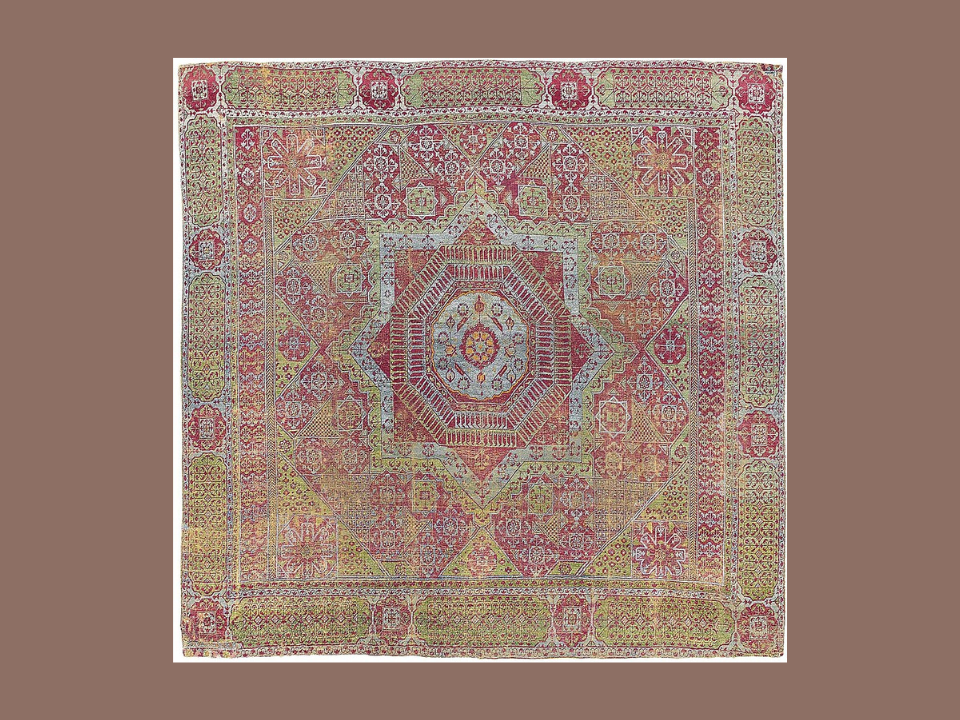
A Mamluk rug from Egypt is a rare survivor from a weaving tradition that was prominent in the 15th and 16th centuries when the Mamluk court commissioned highly organized workshops. These rugs often feature repeating octagon medallions on a dark field with fine details and silk highlights that contrast with the wool ground.
Genuine examples from the original era are rarely seen on the open market and might bring $10,000 to $50,000 or more when they appear at auction. Collectors study these pieces for how they show a controlled design sensibility that feels intentional and formal. The weave is typically tight and the surface supple with a sheen that suggests fine material. The colors remain deep because natural dyes were used and have remained stable over centuries.
Kuba Rug from Azerbaijan
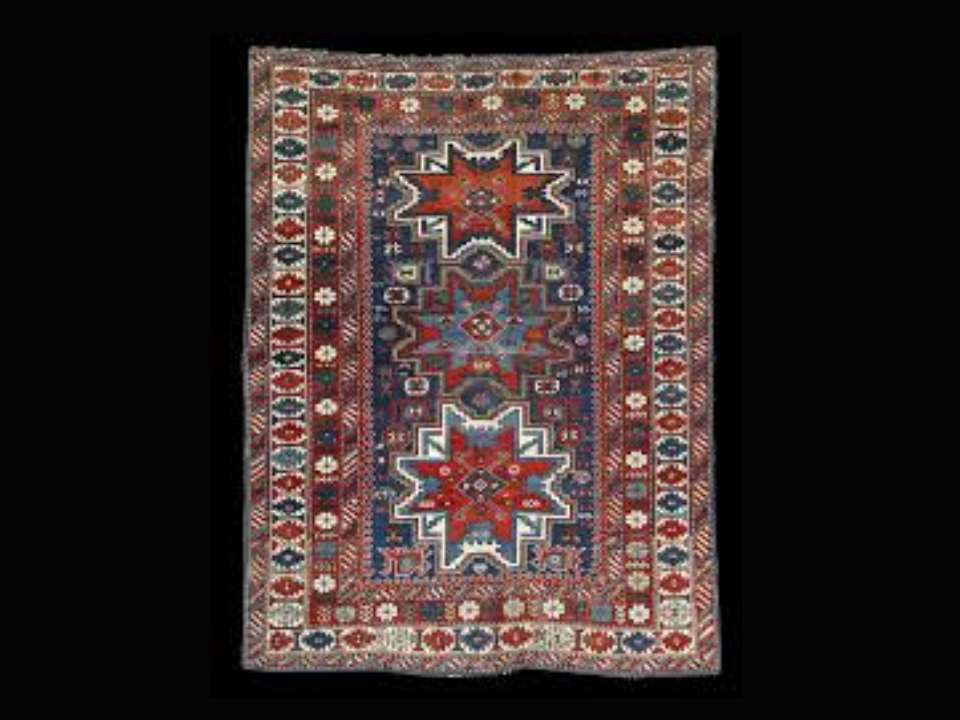
A Kuba rug from the Azerbaijan region is known for its complex small scale pattern and jewel like color combinations that can include ruby, emerald, and sapphire tones set against softer neutral fields. These rugs were woven in village workshops where weavers worked with fine wool and paid close attention to the tiny details in each motif. The geometry can feel almost lace like in its repetition and intricacy, drawing the viewer in with pattern layers.
A finely made antique Kuba can sell for $2,500 to $20,000 based on size and condition. Collectors often look at the selvedge and fringe for signs of age and original weaving technique, because these edges can confirm authenticity. The texture feels smooth under hand and the dyes tend to show a quiet depth that speaks to natural sources.
Tibetan Rug
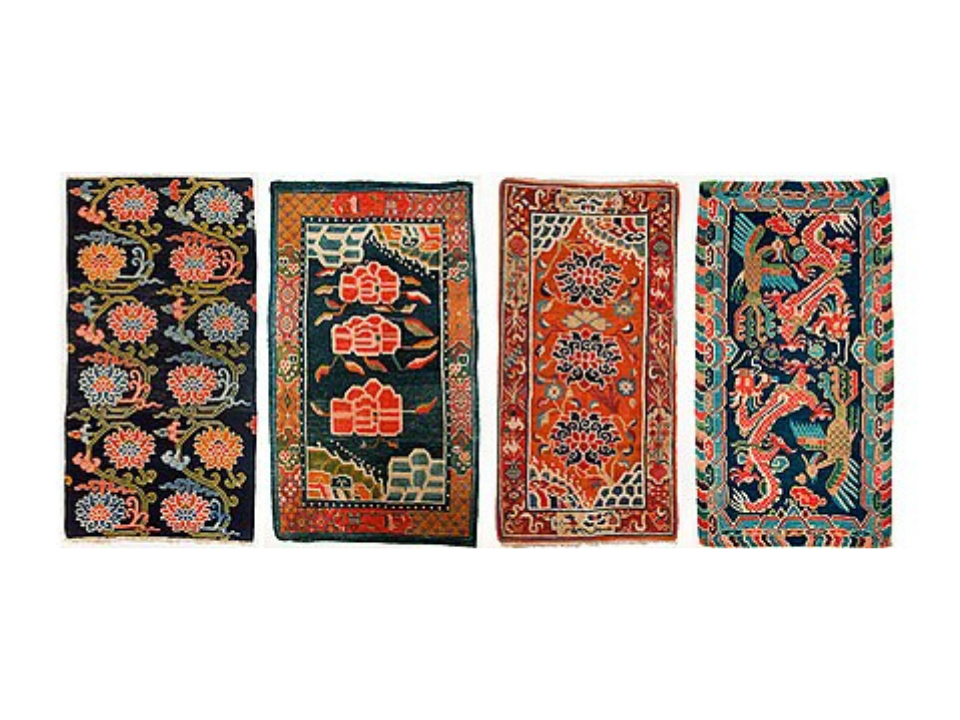
A Tibetan rug is distinctive for its hand spun wool and designs that range from simple stripes to complex floral and geometric patterns with soft, warm colors. Weavers in Tibet often used high altitude sheep wool which can feel thick and plush underfoot, giving the rug a welcoming presence. Antique Tibetan rugs are less common in the West and can show influences from Chinese and Central Asian art in the motif arrangements.
Prices for well-kept antique Tibetan rugs range from $1,500 to $8,000 or more when they show unique design elements and original dyes. These rugs are studied by collectors for how the irregularities in color shifts reveal hand spun preparation of wool and natural dye application. The softness of the pile gives these rugs a warm and inviting feel that makes them a favorite for sitting areas and bedrooms.
Uzbek Suzani Rug
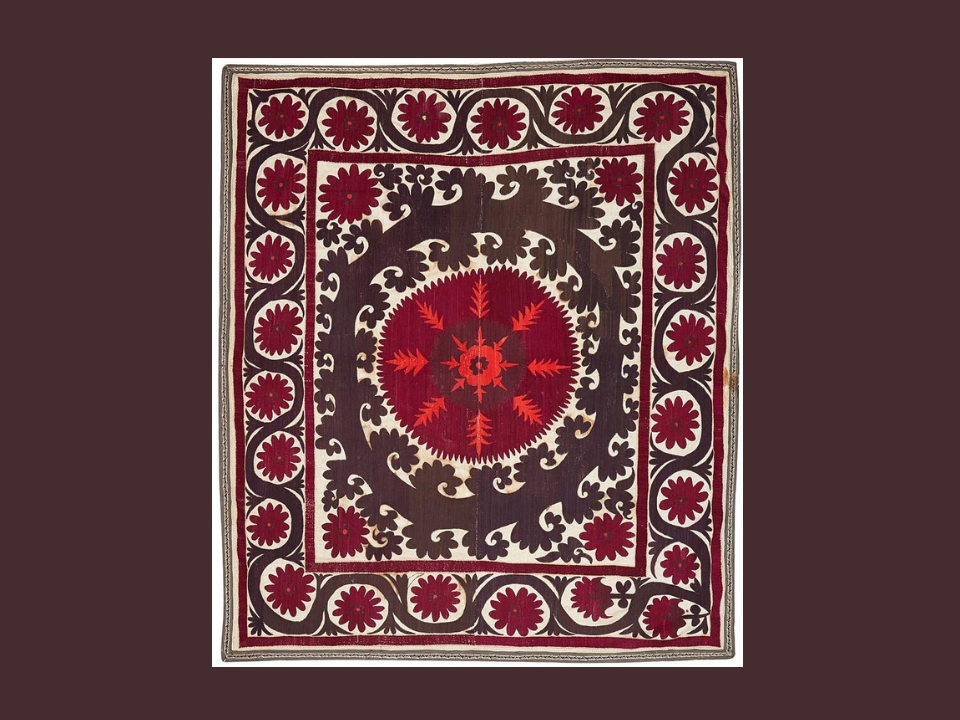
An Uzbek Suzani rug is not a floor covering in the usual sense, but a large textile embroidered by hand with rich floral and vine motifs that reach across its surface. These textiles come from Uzbekistan and surrounding areas where women often worked together on large suzanis to mark weddings and other communal events. The stitches are done with silk and cotton thread on a cotton ground, and the effect is a tapestry like piece filled with life and color.
A rare antique Suzani can sell for $3,000 to $12,000 or more depending on size and complexity of the embroidery. Collectors study these pieces for how the hand work retains a personal feel and how the choice of colors reflects regional preference and source materials. The imagery often includes pomegranate forms, vine scrolls, and stylized blossoms that feel both joyful and grounded in tradition.
Moroccan Beni Ourain Rug
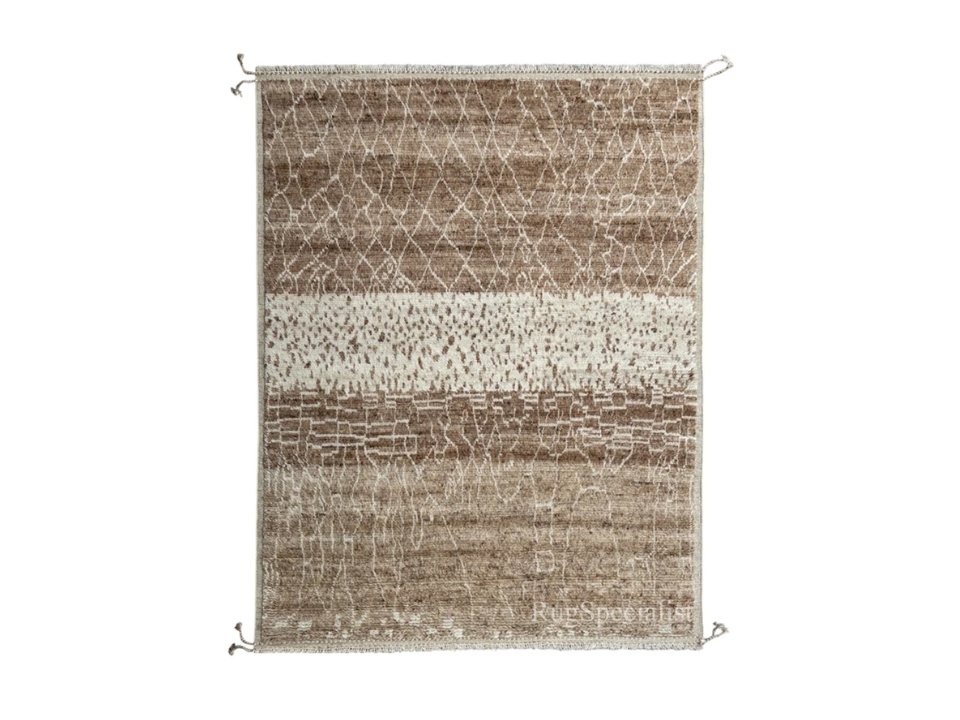
A Moroccan Beni Ourain rug is known for its simple yet striking design that often consists of black or brown lines set against an ivory background. These rugs are made by the Berber tribes in the Atlas Mountains of Morocco and are renowned for their minimalistic geometric patterns and thick, woolen pile. Beni Ourain rugs are highly valued for their soft texture and the way they naturally add warmth to a room, making them perfect for cozy spaces.
Prices for vintage examples can range from $1,500 to $6,000 depending on the rug’s size and the clarity of its design. The wool used in these rugs is hand-spun and naturally dyed, giving each piece its unique character. These rugs were traditionally used as blankets in the Berber homes, giving them a rustic yet refined quality.
Afghan Bokhara Rug
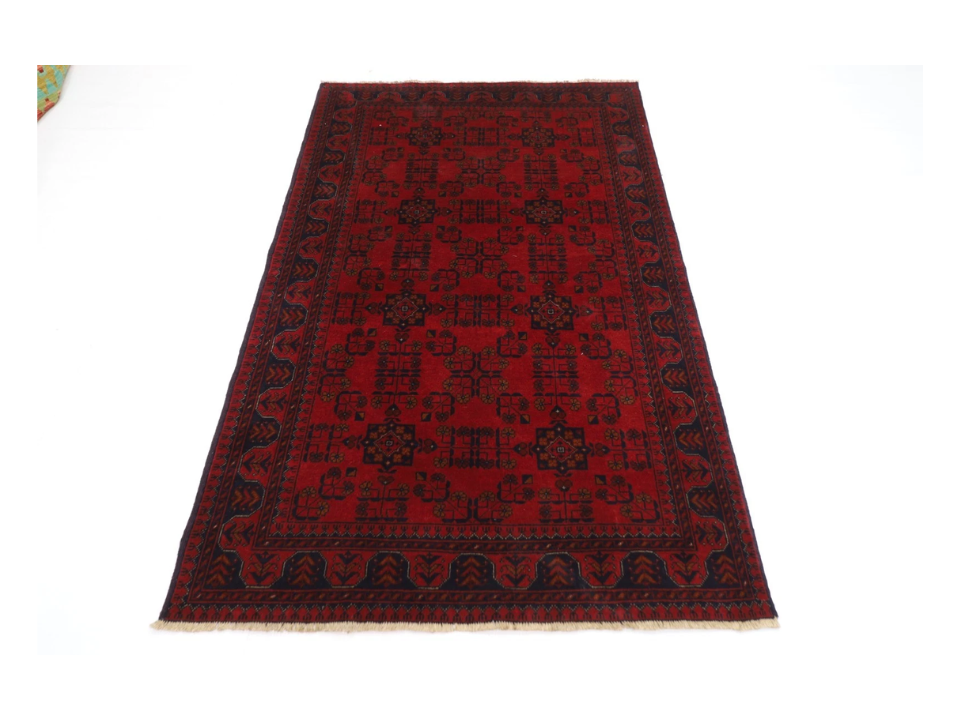
An Afghan Bokhara rug is characterized by its repeating guls (diamond-shaped motifs) and rich, earthy colors, including shades of red, maroon, and blue. Originating from the nomadic tribes of Afghanistan, these rugs have a tight weave and are often made from wool dyed with natural materials. Bokhara rugs are known for their durability, making them an excellent choice for high-traffic areas while still offering a rich, traditional look.
The market value for an antique or well-maintained Bokhara can range from $1,000 to $6,000, depending on its size, age, and condition. Collectors are drawn to the evenness of the weave and the depth of the color, as these rugs often retain their vibrancy over decades. The use of guls as the central motif is symbolic, reflecting the values and traditions of the Afghan people.
Chinese Peking Rug
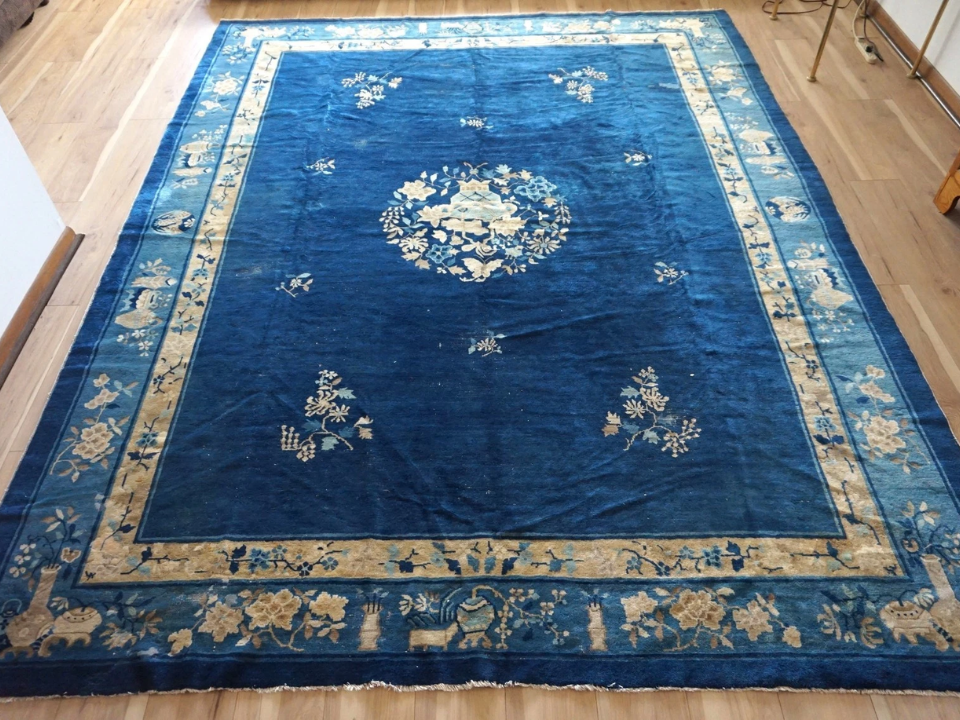
A Chinese Peking rug is known for its fine silk threads, intricate patterns, and rich use of color, often featuring flora and fauna inspired by traditional Chinese artistry. These rugs were once woven for the Imperial Court in Beijing, making them highly prized by collectors for their cultural and historical significance. The motifs can include peonies, cranes, dragons, and various other symbolic figures that are laden with meaning.
A Chinese Peking rug in good condition can fetch anywhere from $5,000 to $50,000, depending on its age, craftsmanship, and the quality of silk used. What sets these rugs apart is the richness of the design and the high knot count, which results in a luxurious, silky texture that is pleasing to both the eye and touch. Over time, Peking rugs have been treasured for their ability to retain their beauty, with the silk maintaining a glossy sheen that enhances the rug’s artistic appeal.
Indian Jaipur Rug
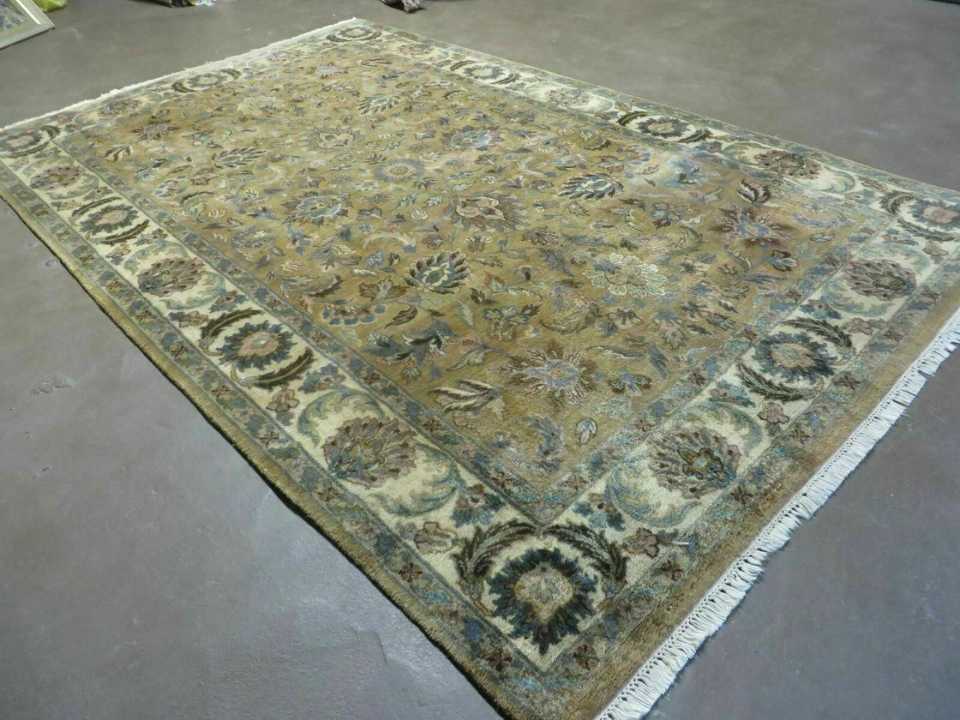
Indian Jaipur rugs are famed for their combination of traditional Persian rug styles with vibrant colors that suit modern tastes. Made in the city of Jaipur, these rugs often feature elaborate floral and geometric patterns, with rich reds, blues, and golds standing out against softer ivory backgrounds. Jaipur rugs have a distinctive charm, blending old-world craftsmanship with contemporary influences, and they are sought after for their ability to complement various décor styles.
The market value of a good quality Jaipur rug can range from $1,000 to $6,000 based on size, age, and materials. Collectors often favor Jaipur rugs because they are made from both wool and silk, which gives them a luxurious feel and a balanced texture. The unique combination of craftsmanship and bold design makes these rugs ideal for living rooms, dining areas, and galleries where color and texture are key.
Persian Tabriz Rug
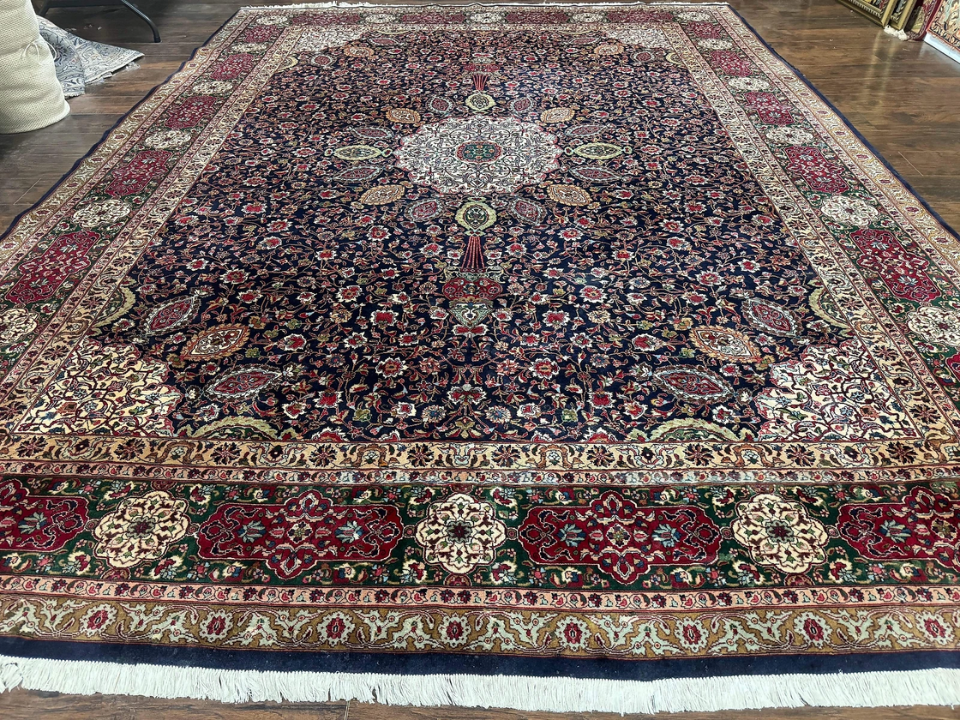
A Persian Tabriz rug is known for its intricate designs, precise knotting, and balanced motifs that often include medallions, floral patterns, and rich borders. Tabriz, a city in northwestern Iran, has been a hub of rug weaving for centuries, producing some of the finest examples of Persian artistry. Tabriz rugs are valued for their quality of craftsmanship and the depth of detail found in the patterns, which often feature symmetrical layouts.
A quality antique Tabriz rug can be worth anywhere from $3,000 to $15,000, depending on its size, condition, and the rarity of the design. The wool used in Tabriz rugs is typically soft yet durable, with fine dyes used to create rich, enduring colors. What makes Tabriz rugs unique is the attention to detail, with some pieces incorporating silk threads for added luxury and texture.
This article originally appeared on Avocadu.