
15 Rare Plants with Medicinal Histories and Modern Mysteries
Plants have long been valued for their medicinal properties, with many species holding secrets that have been passed down through generations. Some plants, once revered by ancient healers, continue to capture the curiosity of modern scientists. Their medicinal uses span a wide range, from boosting immunity to easing anxiety, and yet, we still don’t fully understand how they work. Despite their historical significance, the mysteries surrounding these plants keep them relevant today. Researchers continue to uncover new ways these plants can support health and well-being, all while the ancient wisdom surrounding them remains an important part of natural medicine.
This post may contain affiliate links, which helps keep this content free. Please read our disclosure for more info.
Ginseng (Panax ginseng)
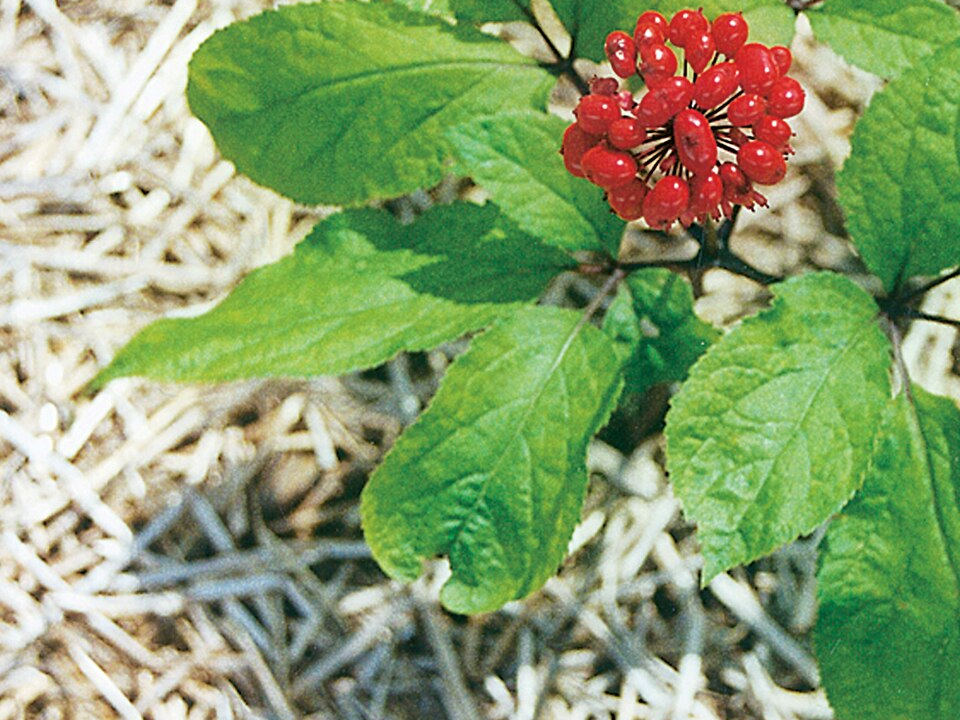
Ginseng is a well-known herb with a long history in traditional medicine, particularly in East Asia. It has been used for centuries to improve energy levels, reduce stress, and enhance overall health. This plant is rich in ginsenosides, which are believed to be the active compounds responsible for its medicinal properties. It is often used to promote mental clarity, boost stamina, and support the immune system. Despite its popularity, modern science still debates the extent of its benefits and whether its effects are as pronounced as once believed.
The mysteries surrounding ginseng also include its potential for anti-aging properties and its role in modern therapies for managing chronic diseases. While it is still widely used today, there remains some uncertainty about the precise mechanisms by which it works in the body. The continued exploration of ginseng’s potential has led to its inclusion in modern-day supplements and wellness products.
Echinacea (Echinacea purpurea)
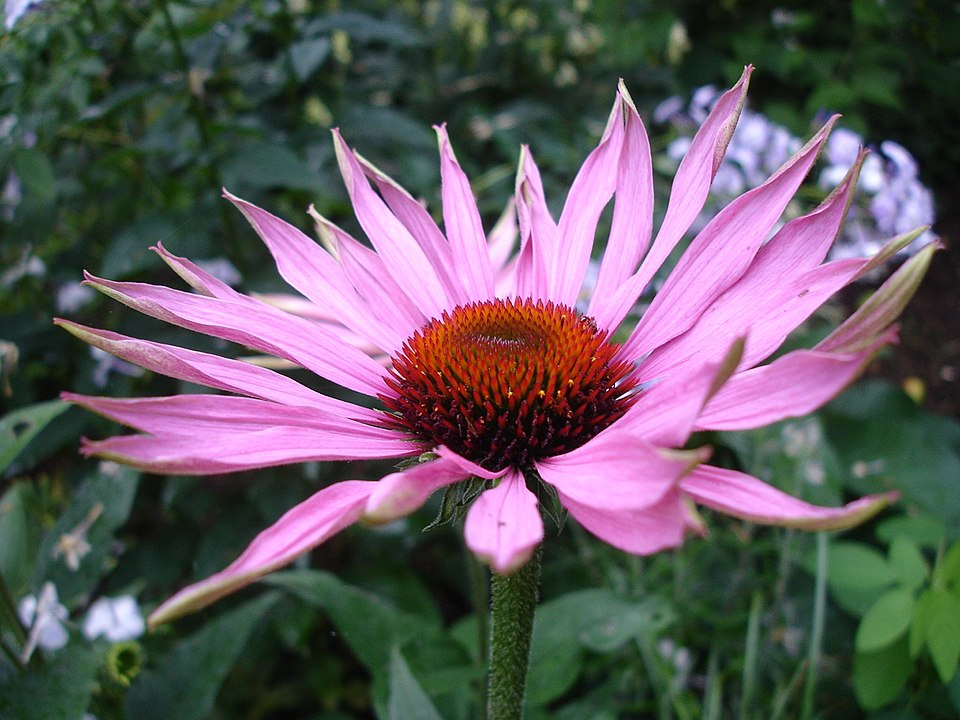
Echinacea is a vibrant purple flower that has been a staple in Native American herbal medicine. Traditionally, it was used to treat infections, particularly respiratory issues like colds and flu. Echinacea is believed to stimulate the immune system, making it a popular remedy for preventing illness. Despite its widespread use, the scientific community is still divided over the plant’s true effectiveness in treating colds. Some studies suggest it may help reduce the duration of illness, while others find little evidence of its impact.
Modern researchers continue to study its properties, particularly its potential as an anti-inflammatory agent and its effects on overall immune function. There is also growing interest in its use as a natural remedy for anxiety and stress, although these claims require more investigation. Echinacea’s long medicinal history, combined with its contemporary uses, keeps it at the forefront of herbal medicine debates.
Ashwagandha (Withania somnifera)
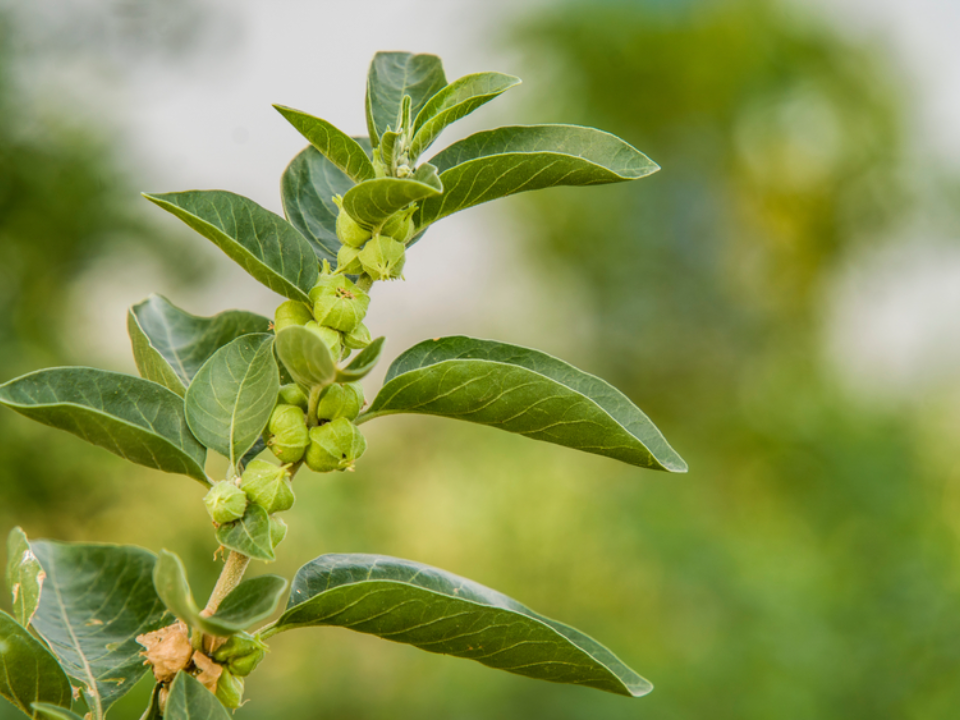
Ashwagandha is an adaptogenic herb used in Ayurvedic medicine to help the body resist stress and improve energy levels. Known for its ability to help the body adapt to stress, it has been a key part of Indian traditional healing practices for thousands of years. Modern research has supported some of its ancient claims, particularly regarding its potential to reduce anxiety and enhance cognitive function. Ashwagandha is often taken to improve overall vitality, support adrenal health, and even assist in balancing hormones.
Despite the promising studies, some experts argue that more research is needed to fully understand the long-term effects of ashwagandha. The herb’s ability to balance cortisol levels in the body is another area of interest for modern medicine. Its use in treating stress-related disorders continues to generate intrigue, as well as its role in boosting athletic performance and reducing inflammation. Ashwagandha’s dual role in both ancient healing and modern health practices creates an ongoing mystery around its full potential.
Yarrow (Achillea millefolium)
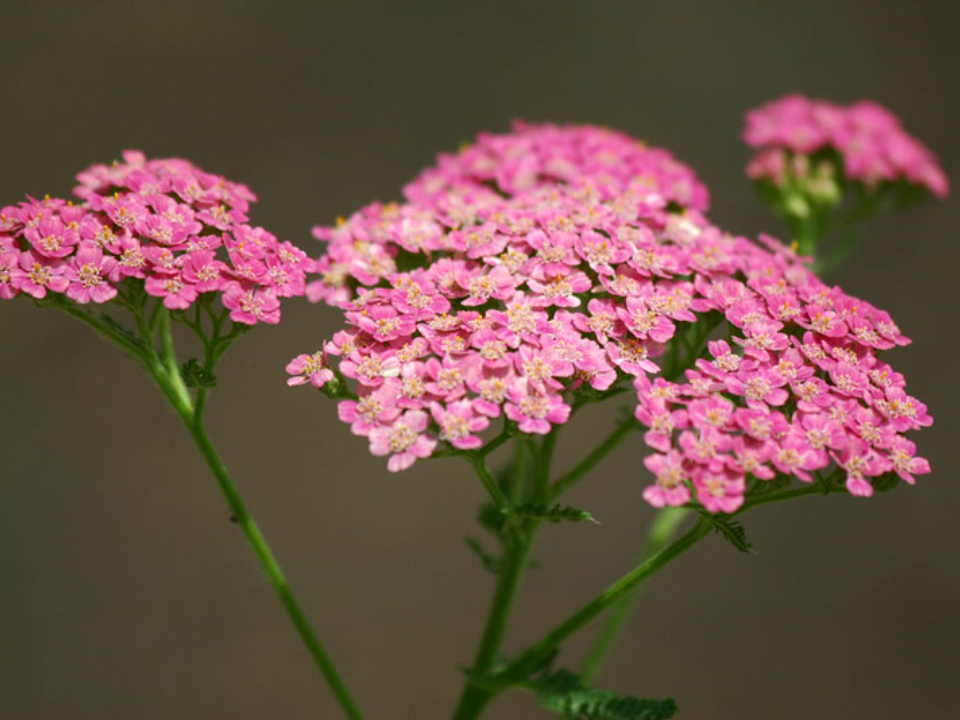
Yarrow is a flowering plant that has been used for centuries for its medicinal properties. It was once highly valued for its ability to stop bleeding and promote wound healing, earning its place in ancient battlefields as a go-to remedy. In addition to its historical use as a wound healer, yarrow has also been used to treat digestive issues and menstrual problems. Modern research has focused on yarrow’s anti-inflammatory and antimicrobial properties, exploring its potential in treating modern-day ailments like infections and digestive disorders.
Despite these promising properties, the plant’s effectiveness as a treatment for various conditions remains a subject of ongoing study. Yarrow is also being studied for its potential use in managing skin conditions like eczema and psoriasis. Its ability to influence the body’s inflammatory response and immune system has intrigued researchers, yet much of its historical reputation still holds significant weight in the field of natural medicine.
Turmeric (Curcuma longa)
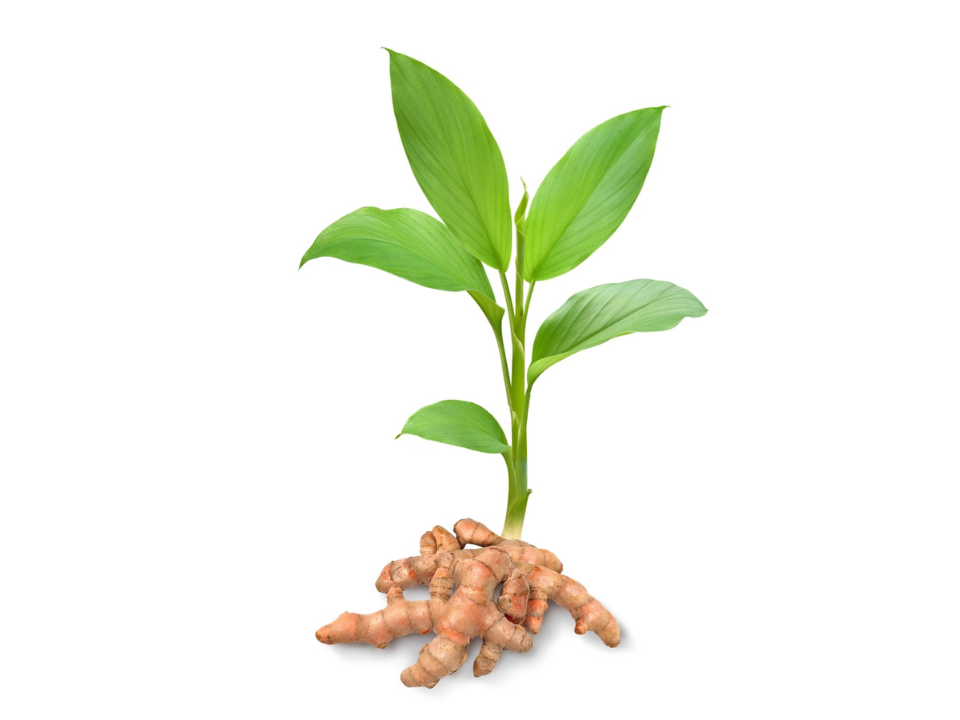
Turmeric is a golden root that has been a cornerstone of traditional Indian medicine for thousands of years. It contains curcumin, a compound with powerful anti-inflammatory and antioxidant properties. In Ayurveda, turmeric is used to treat a wide variety of ailments, including joint pain, digestive issues, and skin problems. Modern research has also recognized turmeric’s potential to reduce inflammation and promote healing in conditions like arthritis and chronic pain.
There is growing interest in its use as a preventive measure for chronic diseases, particularly cancer, due to its antioxidant properties. However, the bioavailability of curcumin in the body remains a point of debate, as it is poorly absorbed when taken alone. Researchers are exploring ways to enhance its absorption and maximize its therapeutic effects. As both a revered ancient remedy and a modern subject of scientific inquiry, turmeric’s role in healing remains shrouded in mystery and discovery.
Ginkgo Biloba (Ginkgo biloba)
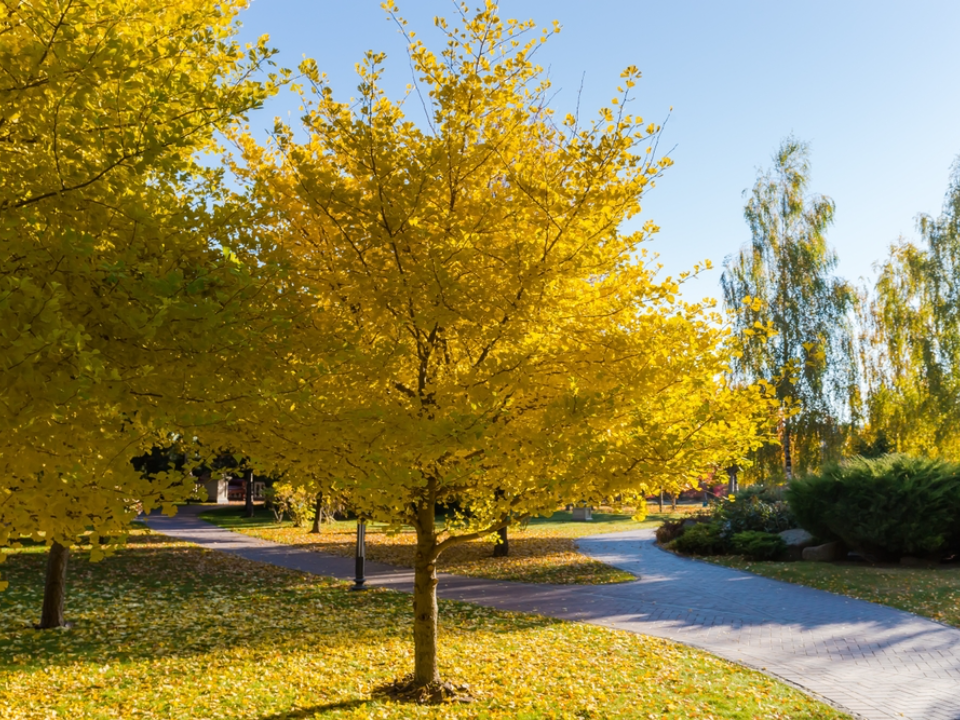
Ginkgo biloba is one of the oldest living tree species and has been used in traditional Chinese medicine for over 5,000 years. It is primarily known for its ability to enhance cognitive function and improve memory, especially in older adults. Some studies suggest that ginkgo may help improve circulation and reduce symptoms of anxiety and depression. Its leaves contain flavonoids and terpenoids, which are believed to have antioxidant properties that protect the brain and cardiovascular system.
Despite its widespread use, some studies have shown mixed results regarding its effectiveness in treating cognitive decline and improving brain function. Researchers continue to investigate the plant’s potential for treating conditions like dementia, Alzheimer’s disease, and tinnitus. Ginkgo’s mysterious role in brain health continues to be a focal point for both ancient herbalists and modern scientists, making it a unique plant in the world of medicinal herbs.
Siberian Ginseng (Eleutherococcus senticosus)
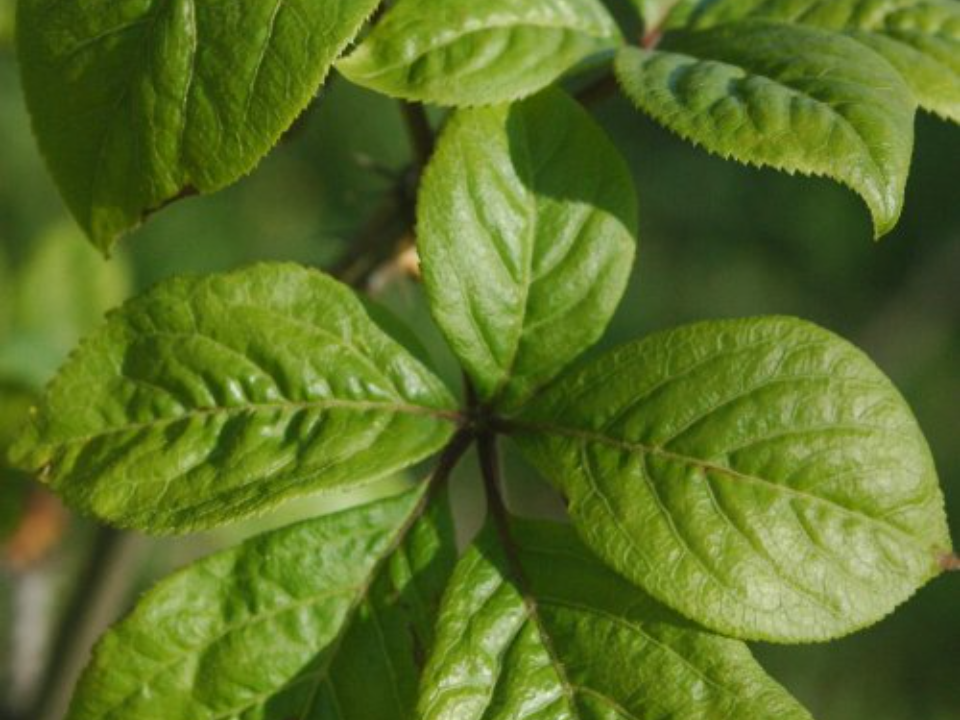
Siberian ginseng, also known as Eleuthero, is an adaptogenic herb used to enhance stamina and increase the body’s resistance to stress. Unlike true ginseng, Siberian ginseng has a less potent effect, but it is still valued for its ability to support the immune system and improve physical endurance. It is used to combat fatigue, enhance mental clarity, and promote overall well-being.
Modern studies have found that it may help increase endurance and improve recovery in athletes. Despite its use in traditional medicine for centuries, its effectiveness in treating specific ailments remains a subject of scientific debate. Siberian ginseng has also been studied for its potential to improve immune function, particularly in the treatment of colds and flu. While many modern researchers support its use in wellness products, questions remain about the plant’s long-term benefits and its place in the future of herbal medicine.
Valerian (Valeriana officinalis)

Valerian root is a flowering plant with a long history of use as a natural remedy for insomnia and anxiety. It is commonly used as a sedative to help promote relaxation and improve sleep quality. The root of the valerian plant contains compounds that are believed to interact with the brain’s GABA receptors, which play a key role in regulating anxiety and sleep. Despite its widespread use as a sleep aid, modern studies have produced mixed results regarding its efficacy.
Some individuals find valerian to be an effective and gentle sleep aid, while others report little to no effect. The plant’s potential as a treatment for anxiety and stress is also under investigation, with some studies suggesting that it may help reduce symptoms of both. While valerian’s long-standing use in traditional medicine is well-documented, its mysterious effects on the body continue to spark interest in modern herbal research.
Gotu Kola (Centella Asiatica)
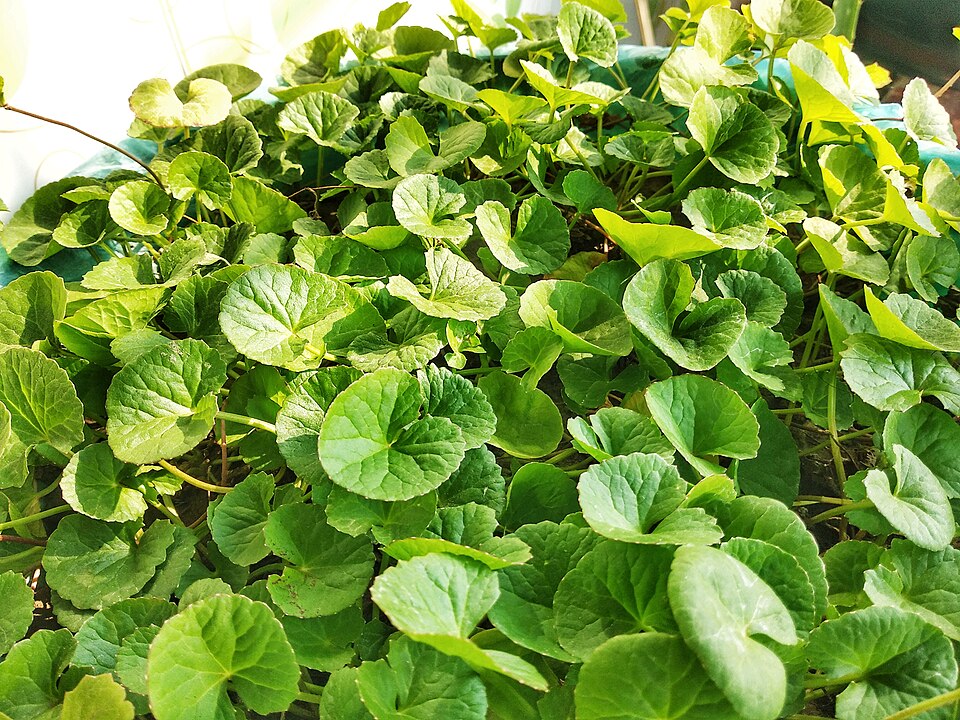
Gotu kola, often referred to as the “herb of longevity,” has been used for centuries in Ayurvedic and traditional Chinese medicine. It is believed to improve mental clarity, enhance memory, and support the nervous system. Gotu kola is also known for its ability to promote wound healing and improve circulation, making it a valuable herb for skin care. Modern studies have shown that Gotu kola may improve cognitive function and reduce anxiety.
It is commonly found in products aimed at enhancing brain health, including supplements and topical creams. Despite its long history in herbal medicine, much of Gotu kola’s benefits are still being explored by modern researchers. Its use in improving cognitive function and skin health remains a central area of interest in both ancient and contemporary natural healing practices.
Peppermint (Mentha piperita)
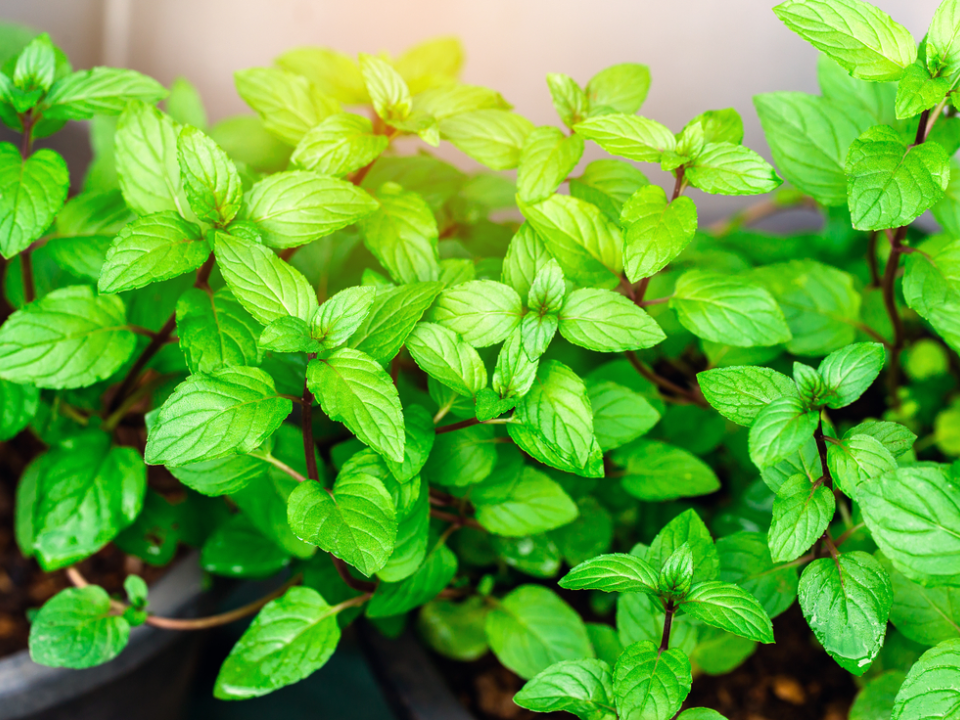
Peppermint is a popular herb used for its soothing effects on the digestive system and its ability to alleviate headaches and muscle pain. It has been used in traditional medicine for thousands of years to treat gastrointestinal discomfort, including bloating and indigestion. Modern research has supported some of these claims, with studies showing that peppermint oil can help relieve irritable bowel syndrome (IBS) and reduce symptoms of nausea. Additionally, peppermint has been used to relieve tension headaches and to improve mental clarity.
The menthol in peppermint is also believed to have a cooling effect, making it useful in topical treatments for muscle pain and inflammation. While peppermint is a common household herb, ongoing studies continue to investigate its full range of medicinal uses. Its ability to ease common ailments while remaining widely available makes it a fascinating plant in both ancient and modern medicine.
Moringa (Moringa oleifera)
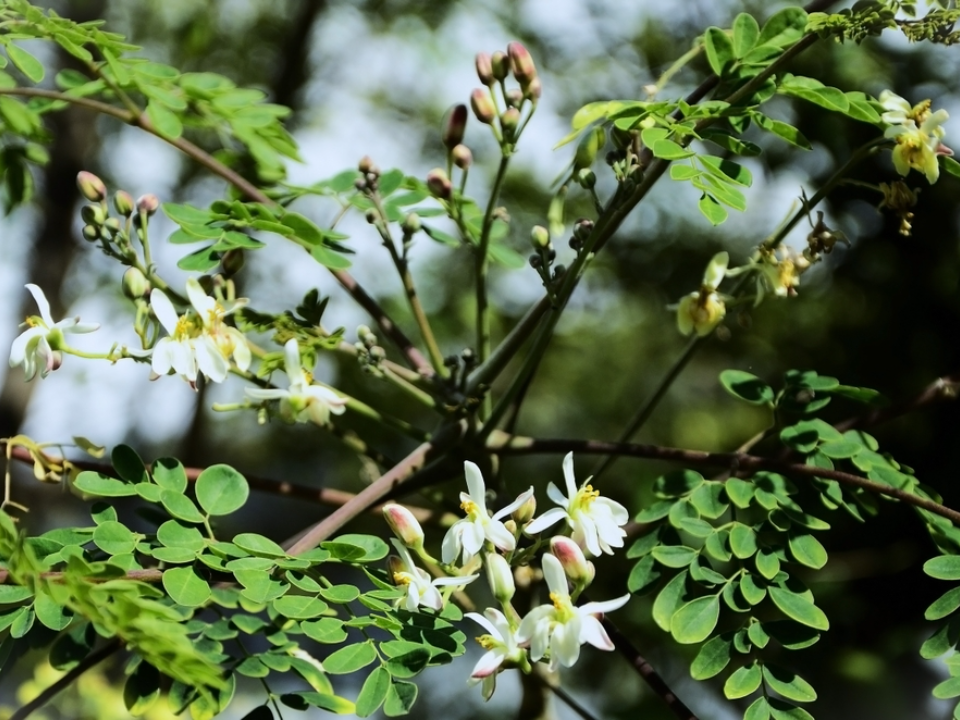
Moringa, often referred to as the “drumstick tree,” has long been celebrated for its nutritional and medicinal value. It has been used in traditional medicine to treat a wide variety of ailments, including inflammation, diabetes, and malnutrition. The leaves of the moringa tree are packed with vitamins, minerals, and antioxidants, making them a highly sought-after superfood in modern wellness trends.
Recent research has explored the plant’s potential for lowering blood sugar levels, reducing inflammation, and boosting heart health. Despite the plant’s numerous benefits, there is still ongoing debate about the extent of its effects on chronic diseases. The mystery of moringa’s ability to help prevent malnutrition in areas where it is grown is also a subject of great interest to both scientists and humanitarian organizations. While its health benefits are widely recognized, more clinical trials are necessary to confirm its full potential and applications in modern medicine.
St. John’s Wort (Hypericum perforatum)
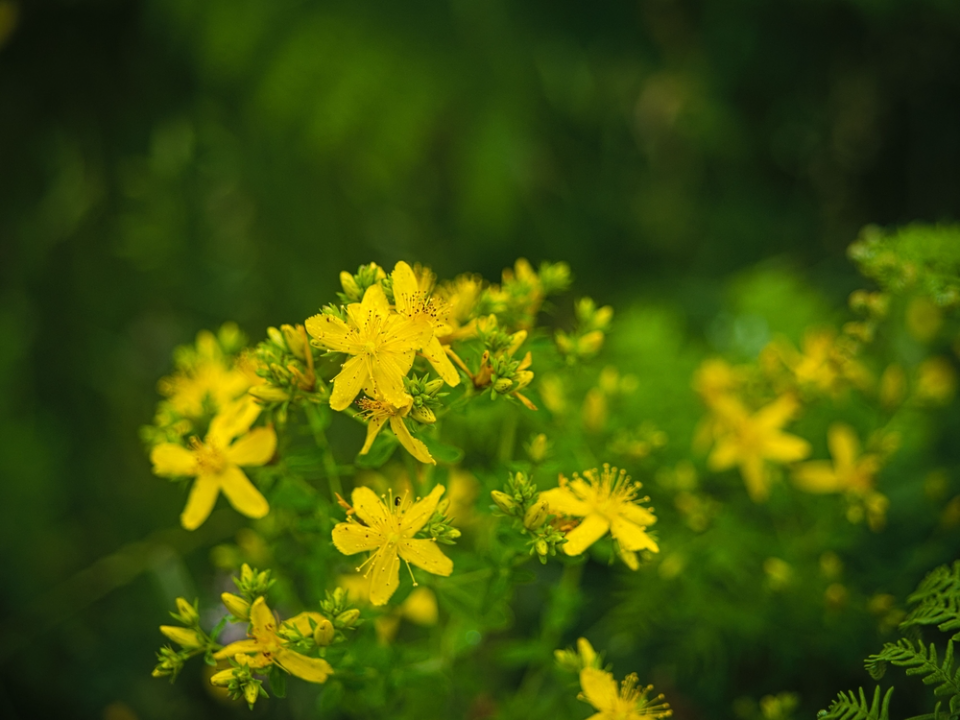
St. John’s Wort is an herb known for its historical use in treating depression and anxiety. For centuries, it has been a common remedy in European folk medicine, often used to alleviate symptoms of mild to moderate depression. The active compounds in St. John’s Wort, particularly hypericin, are believed to have mood-enhancing properties by influencing serotonin levels in the brain. Modern research supports its use in treating mild depression, although the effectiveness of the herb for more severe cases remains uncertain.
The plant’s potential interactions with other medications, such as antidepressants and birth control, add a layer of complexity to its use in contemporary medicine. Despite its established place in herbal medicine, the plant’s effectiveness in treating anxiety, as well as its other potential uses in treating infections and wounds, continues to be a topic of ongoing research. The mystery surrounding its precise mechanism in mental health treatment adds intrigue to this widely used herb.
Rhodiola (Rhodiola rosea)
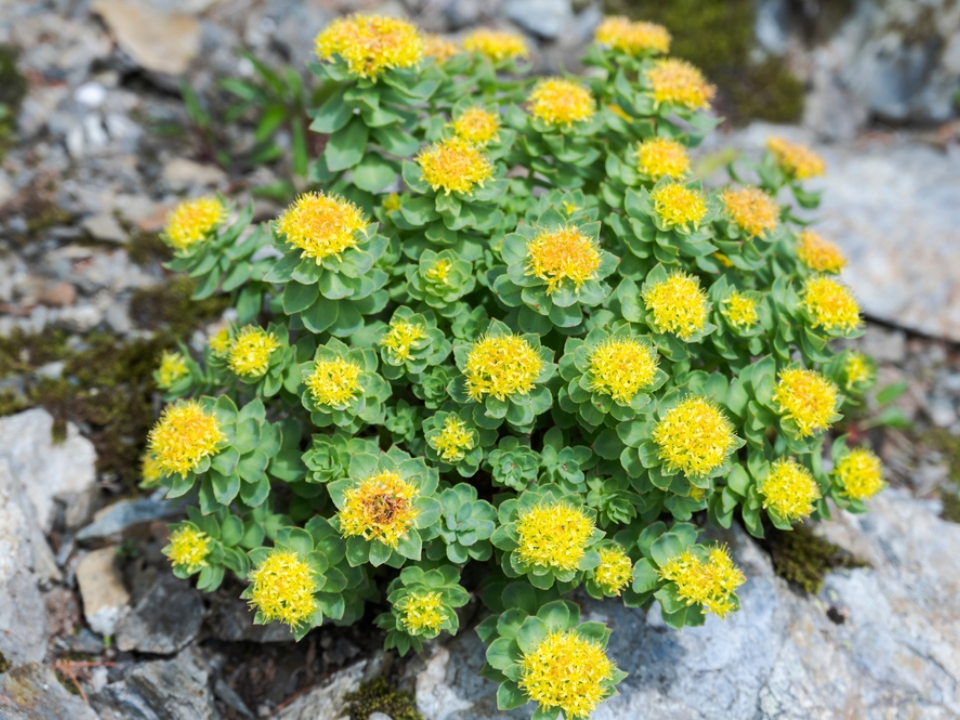
Rhodiola, often called “the golden root,” is an adaptogen with a rich history in traditional medicine. It has been used for centuries in Siberian and Scandinavian cultures to improve energy, endurance, and mental clarity. Rhodiola is believed to help the body resist stress, improve cognitive function, and increase physical stamina. Modern studies suggest that it may have potential benefits for reducing fatigue, improving mood, and supporting overall brain health.
Despite promising research, some skeptics question the full extent of its efficacy, especially in treating chronic stress and fatigue. The plant’s ability to balance cortisol levels and improve the body’s stress response remains an area of great interest. As modern researchers continue to explore Rhodiola’s potential, the herb’s historical use as a natural energizer and mood booster remains a central point of both curiosity and scientific inquiry.
Feverfew (Tanacetum parthenium)
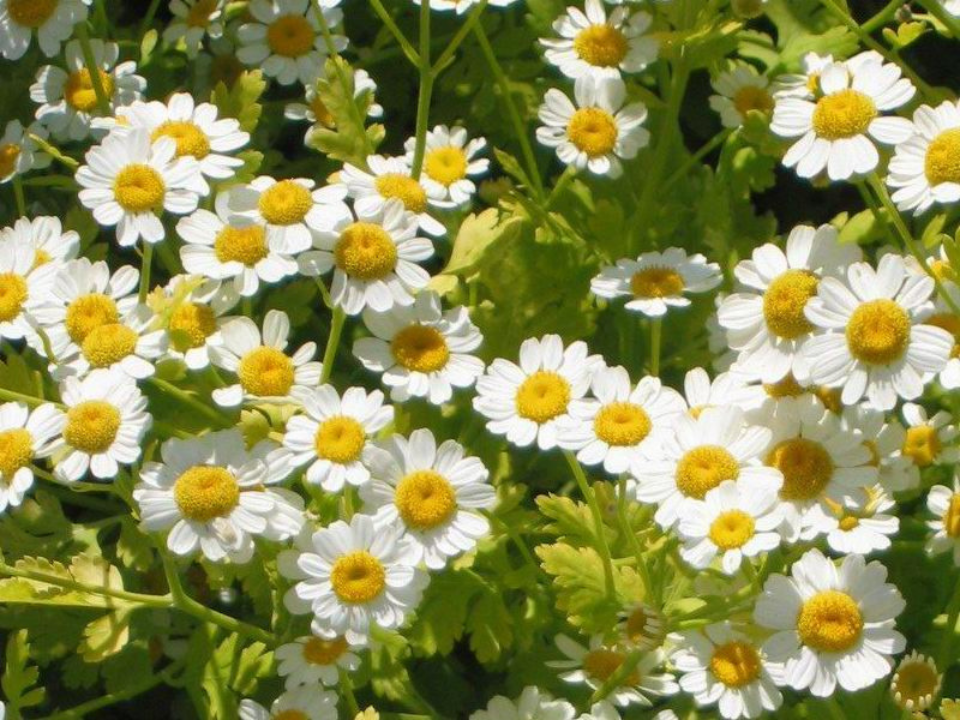
Feverfew has a long history as a remedy for fever, headaches, and inflammation. It was traditionally used in European folk medicine to treat fevers, headaches, and menstrual discomfort. Modern studies have shown that feverfew may help reduce the frequency and severity of migraines, which has led to its use as a natural alternative to pharmaceutical treatments. The active compound, parthenolide, is believed to have anti-inflammatory properties, which may also help alleviate arthritis symptoms.
Despite its historical and contemporary use, feverfew’s exact mechanisms in the body remain unclear. Some studies suggest it may also help with digestive issues, while others focus on its role in supporting cardiovascular health. Feverfew’s mysterious ability to impact the body’s inflammatory pathways continues to make it a subject of ongoing research in the field of herbal medicine.
Cat’s Claw (Uncaria tomentosa)
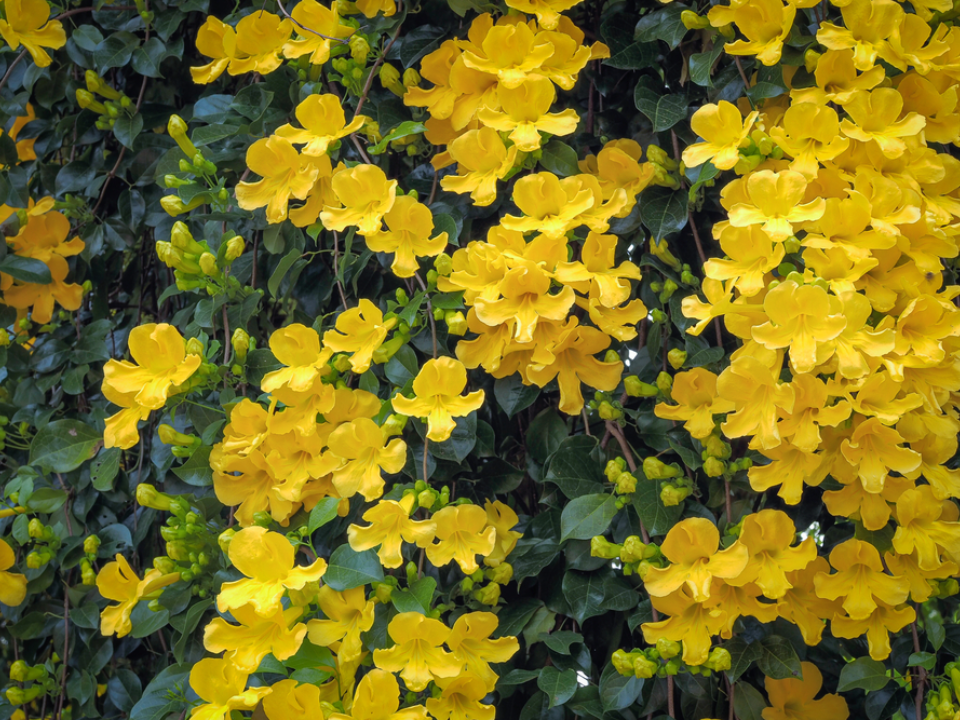
Cat’s Claw is a vine native to the Amazon rainforest, traditionally used by indigenous tribes for its medicinal properties. The plant has been used to treat a variety of ailments, including arthritis, digestive problems, and infections. Its bark and roots contain compounds believed to have immune-boosting and anti-inflammatory effects. Modern research has focused on its potential to fight infections, particularly viral ones like herpes and HIV, as well as its ability to support the immune system.
Some studies suggest that Cat’s Claw may also have antioxidant properties, which could help in preventing chronic diseases such as cancer and heart disease. Despite its promise, the herb’s potential for long-term use and its interactions with other medications require further investigation. The mysterious properties of Cat’s Claw, along with its role in traditional Amazonian medicine, continue to intrigue scientists and herbalists alike.
This article originally appeared on Avocadu.