
15 Rare Plants That Trick Insects with Fake Food and False Scents
Nature is full of fascinating tricks, and some plants have developed clever ways to deceive insects. By mimicking the appearance and scent of decaying food or even other creatures, these plants lure unsuspecting pollinators into their trap. Whether it’s a foul odor or a surprising resemblance to rotting meat, these plants use their deceptive traits to ensure their survival. The insects, tricked into believing they have found food, unknowingly help with pollination, allowing the plants to reproduce. These rare plants showcase nature’s remarkable ability to use mimicry for survival.
This post may contain affiliate links, which helps keep this content free. Please read our disclosure for more info.
Dead Man’s Fingers (Xylaria polymorpha)
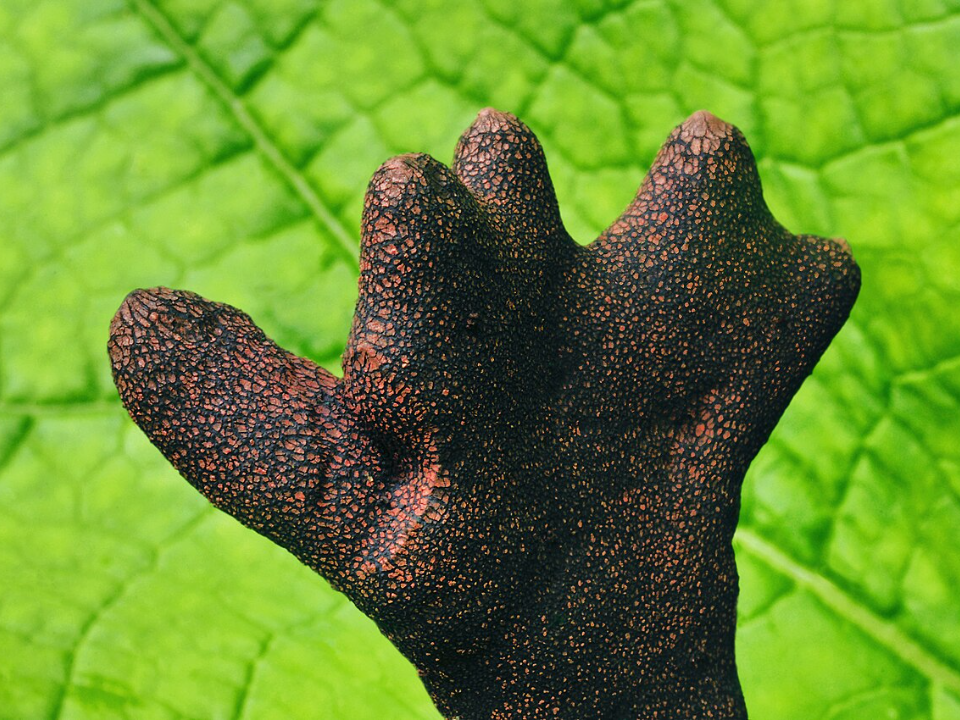
Dead Man’s Fingers is a fascinating fungus that mimics the appearance of decayed flesh. The plant’s dark, finger-like projections are designed to resemble rotting meat, attracting carrion beetles and other insects that typically feed on decaying organisms. These insects are tricked into landing on the fungus, believing it is their food source.
Once the insects come into contact with the fungus, they inadvertently spread its spores, aiding in its reproduction. This unique method of deception allows the plant to thrive in environments where other organisms would struggle. Its appearance, though off-putting to humans, is highly effective in luring the right pollinators. The plant is a striking example of nature’s ability to mimic real-world elements for survival.
Corpse Flower (Amorphophallus titanum)
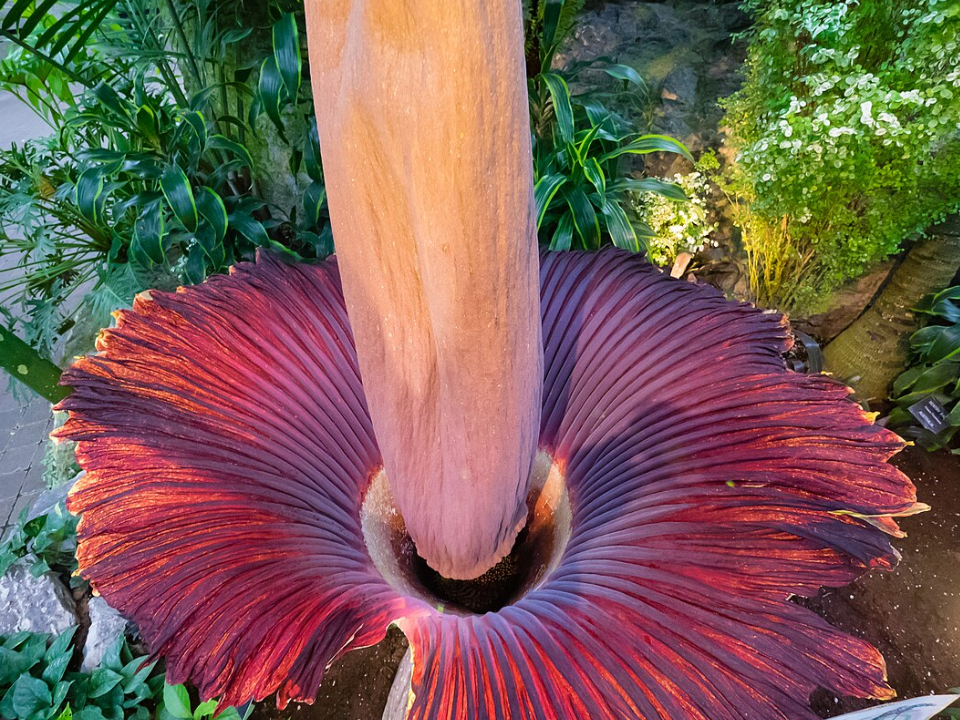
The Corpse Flower is notorious for its foul odor, which is similar to that of rotting flesh. This plant, native to Indonesia, uses its putrid scent to attract pollinators like carrion beetles and flies that are drawn to the smell of decay. The flower blooms infrequently and for a very short period, but when it does, it releases an intense odor that permeates the air. Its large, reddish-brown petals mimic the appearance of decaying meat, further enticing insects looking for food.
Once the insects arrive, they unknowingly transport pollen to other flowers, ensuring the plant’s reproduction. The Corpse Flower’s rare bloom is both an extraordinary and unsettling phenomenon in the plant world. Despite its unappealing smell, this plant is a prime example of deceptive plant behavior.
Dutchman’s Pipe (Aristolochia gigantea)
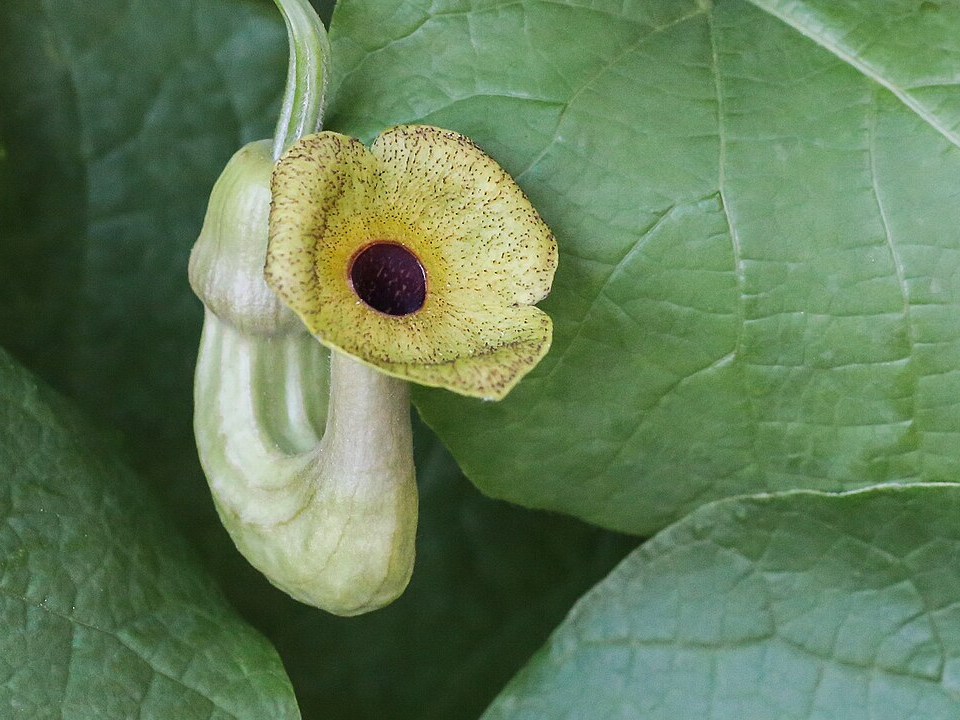
The Dutchman’s Pipe is a vine known for its large, pipe-shaped flowers. The flowers emit a sweet, rotting odor that attracts specific species of flies. These flies are tricked into thinking they have found a food source. Upon entering the flower to investigate the scent, they become trapped by the plant’s unique structure.
The flies are forced to navigate through the flower to escape, inadvertently pollinating it in the process. This plant thrives in tropical regions and uses its deception as an essential part of its reproductive strategy. Its large blooms and powerful odor make it an effective, albeit unusual, insect trap.
Rafflesia arnoldii
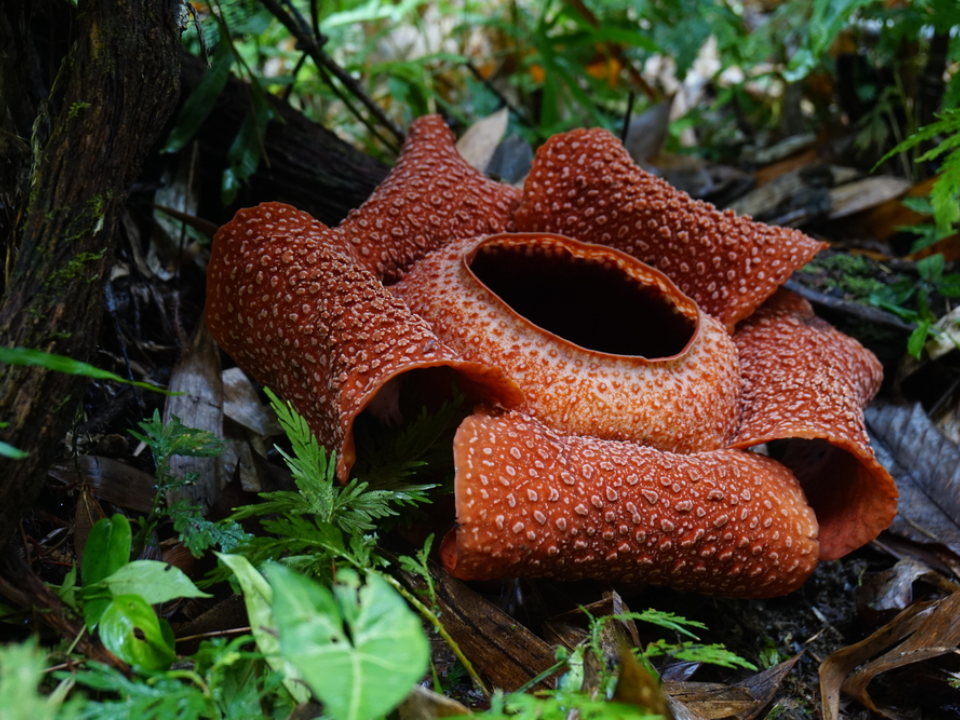
Rafflesia arnoldii is another plant renowned for its offensive smell of rotting flesh, which it uses to attract pollinators such as carrion flies. The plant is the largest individual flower in the world, with blooms that can reach over three feet in diameter. Its strong odor is released when the flower opens, drawing insects that are typically attracted to decaying matter.
These insects enter the flower in search of food and, as they do, they transfer pollen from one flower to another, aiding in pollination. The plant’s deceptive nature helps it survive in the dense forests of Southeast Asia. Rafflesia’s rare bloom and its scent are an important part of the local ecosystem, despite its unpleasantness to humans.
Hydnora africana
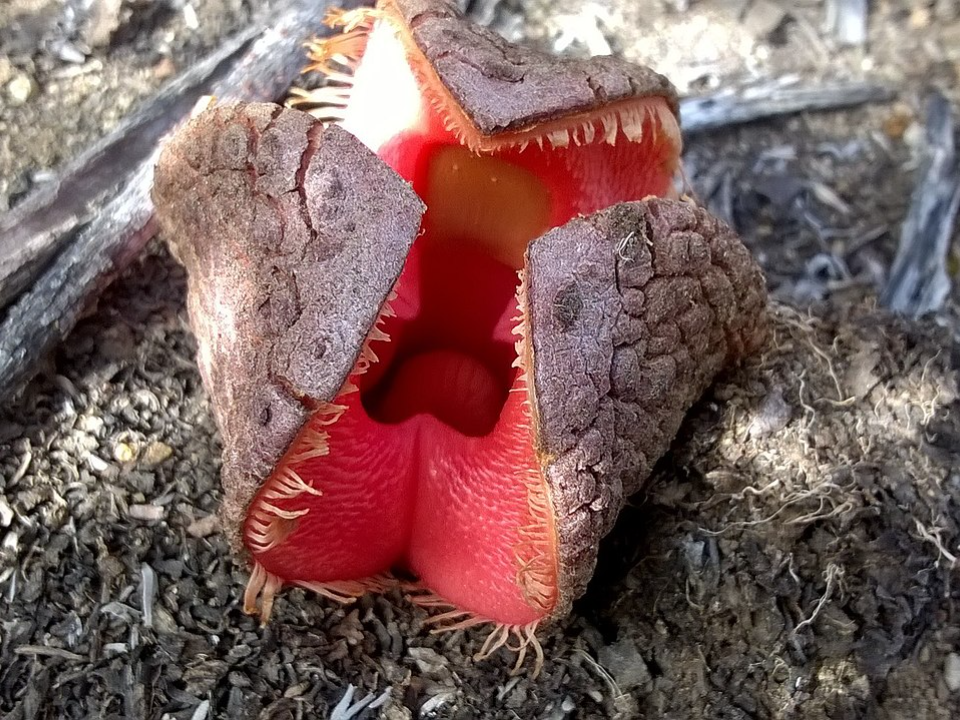
Hydnora africana is a parasitic plant that has evolved a truly strange appearance and scent. Found in the arid regions of southern Africa, it blooms underground and releases a scent similar to that of decaying flesh. The plant’s flowers are hidden beneath the soil surface, and its foul odor attracts dung beetles and other carrion-feeding insects.
These insects enter the flower, thinking they have found food, and in the process, they carry pollen from one flower to another, ensuring pollination. This unique method of reproduction allows Hydnora to thrive in challenging environments where most plants would fail. The plant’s ability to mimic rotting food is a fascinating survival strategy.
Voodoo Lily (Sauromatum guttatum)
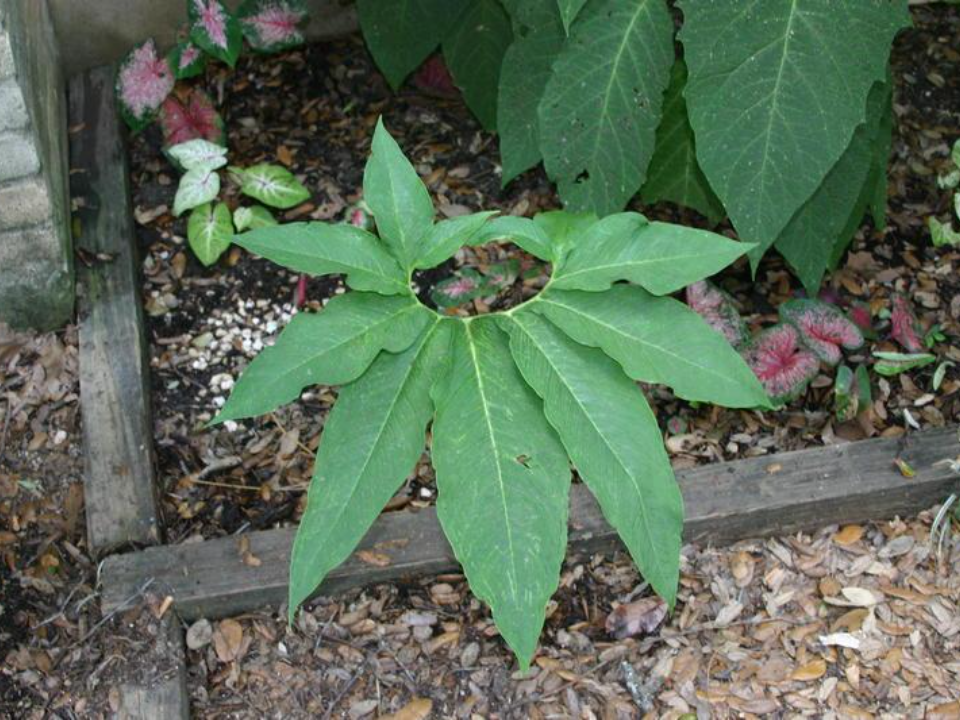
The Voodoo Lily is another plant that relies on deceptive smells to attract pollinators. Its flowers emit a smell that closely resembles the odor of decomposing flesh, which draws in flies and beetles that usually feed on dead organic matter. When these insects enter the flower, they become trapped for a short period before being released.
This gives the plant enough time to pollinate the insects, which then spread the pollen to other flowers. The Voodoo Lily’s dark purple and brown flowers are designed to resemble rotting meat, completing the illusion for its unsuspecting pollinators. This plant is native to parts of Asia and is well-known for its dramatic and unpleasant bloom.
Bee Orchid (Ophrys apifera)
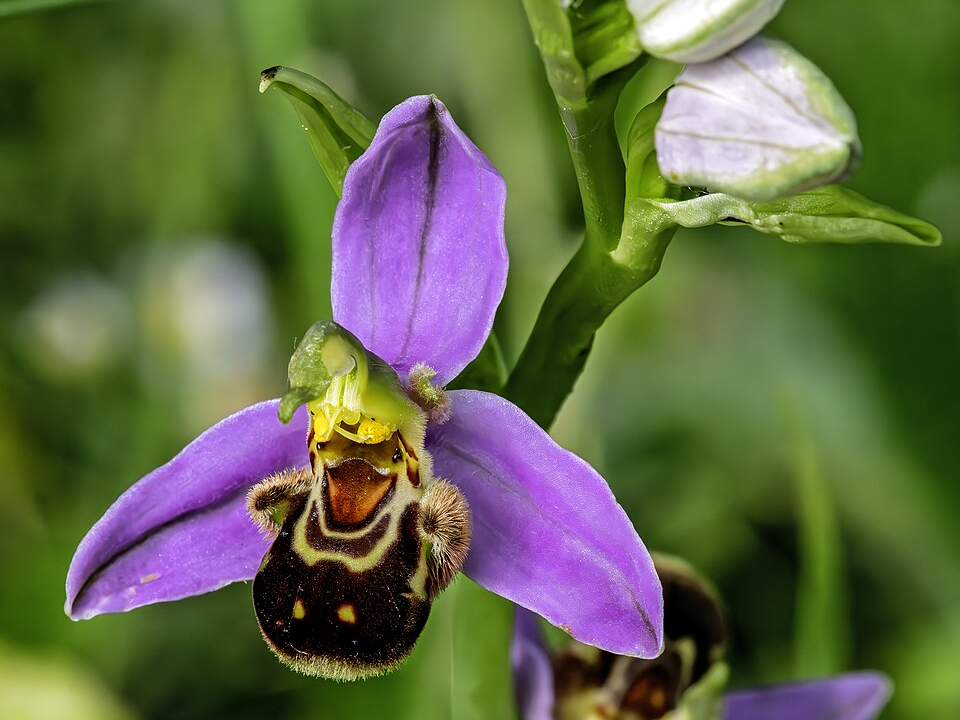
The Bee Orchid is a remarkable plant that tricks pollinators in a completely different way. Instead of emitting a smell resembling decay, the flowers mimic the appearance of a female bee. Male bees are attracted to the flower, thinking it is a potential mate. In their attempt to mate with the flower, they inadvertently collect and transfer pollen.
This strategy is an example of mimicry, where the plant’s flower closely resembles the bee, allowing it to trick male bees into performing the task of pollination. The Bee Orchid’s unique method of attracting pollinators is a remarkable example of nature’s ingenuity.
Monkey Face Orchid (Dracula simia)

The Monkey Face Orchid is a rare plant found in the cloud forests of Ecuador and Peru. Its flowers are shaped in a way that resembles the face of a monkey, creating an illusion that attracts pollinators like bees and butterflies. The flower’s appearance, while startling to humans, is incredibly effective in luring insects. In addition to its unusual shape, the plant also produces a scent that is sweet and appealing to its insect visitors.
As the insects approach the flower, they become covered in pollen, which they later transfer to other flowers, ensuring pollination. The Monkey Face Orchid is a striking example of visual deception in the plant world.
Mimicry Plant (Stapelia gigantea)
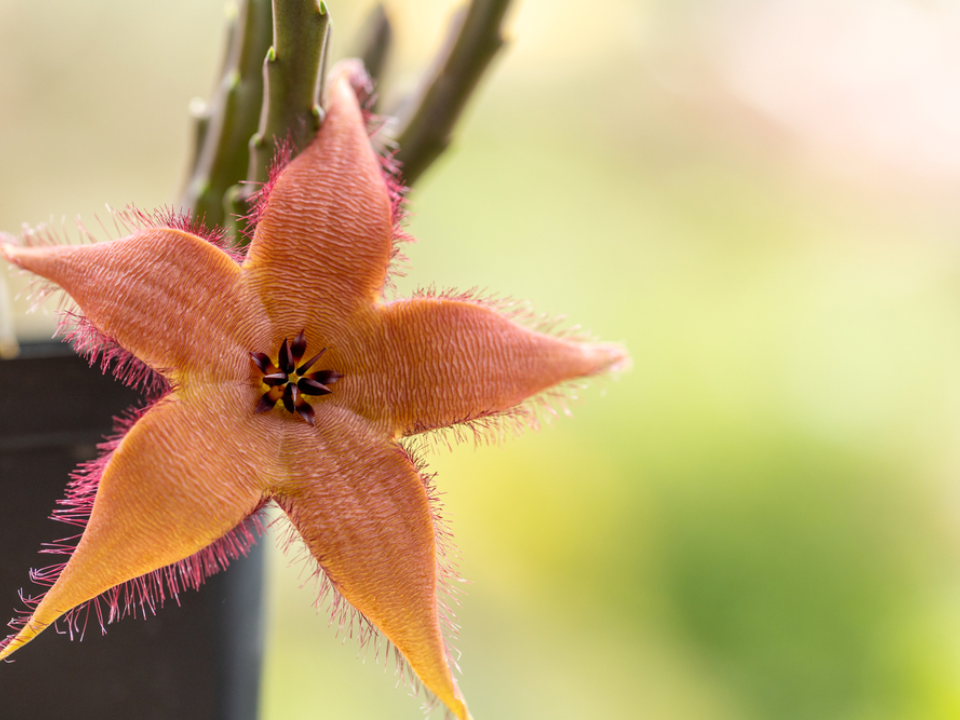
Stapelia gigantea, also known as the Carrion Flower, uses a clever strategy to deceive insects. Its flowers emit a foul odor similar to decaying flesh, attracting flies and other carrion-eating insects. The flowers are large and star-shaped, resembling rotting meat from a distance.
As the insects land on the flowers, they are tricked into searching for food, only to find none. Despite this, they unknowingly aid in pollination, helping the plant spread its seeds. This unique method of attracting pollinators makes the Mimicry Plant an extraordinary example of nature’s ingenuity in the fight for survival.
Parasitic Dodder (Cuscuta spp.)
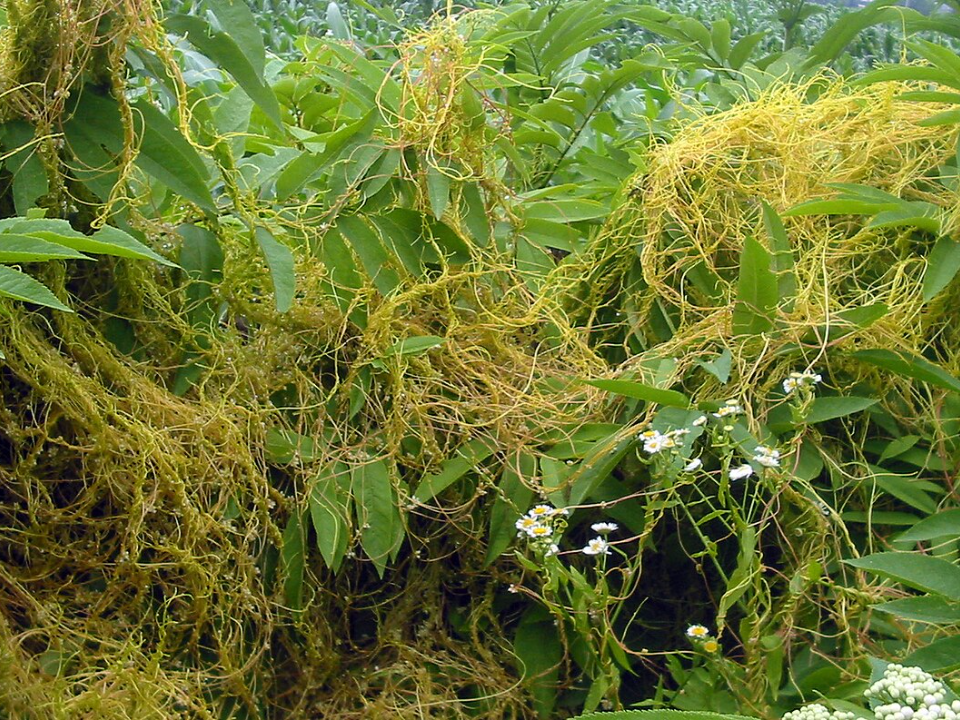
The parasitic Dodder is a plant that does not rely on typical methods of food attraction. Instead, it uses its parasitic nature to deceive insects. It grows in a way that resembles the color and texture of rotting plant matter, which attracts certain types of insects.
These insects, thinking they are feeding on decomposing material, inadvertently help pollinate the plant as they move from one Dodder stem to another. Dodder does not photosynthesize, so it depends on other plants for nourishment, which is why it employs such a unique strategy. This plant is often seen in wild habitats, where it uses its ability to mimic decaying matter to attract the right pollinators.
Shark’s Teeth Plant (Monotropastrum humile)
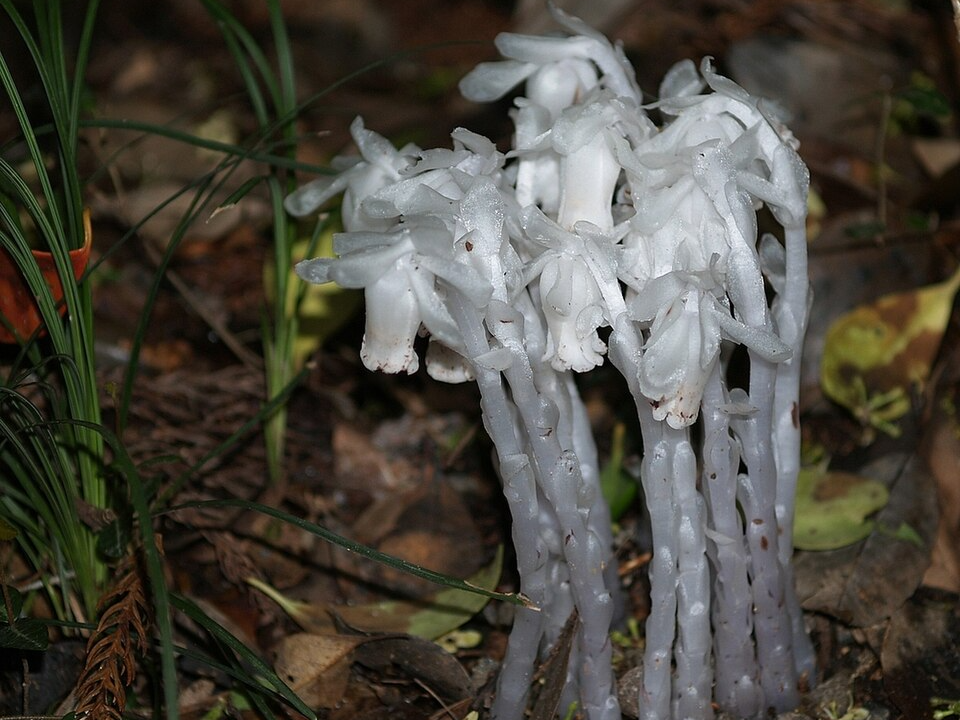
The Shark’s Teeth Plant, found in Asia, uses a strategy similar to the Corpse Flower, emitting a foul odor that mimics decaying flesh. This odor attracts carrion-feeding insects, such as flies and beetles, which mistake the flower for a food source. The plant’s blooms are often hidden in dense vegetation, making them hard to spot, but the smell is enough to draw insects from a distance.
As the insects move within the flower, they unwittingly pollinate it, transferring pollen to other flowers. This plant relies heavily on insect pollination for its reproduction. Its deceptive odor helps it thrive in the forested environments where it grows. Despite its unpleasant smell, the Shark’s Teeth Plant is an important part of the local ecosystem.
Doll’s Eye (Actaea pachypoda)
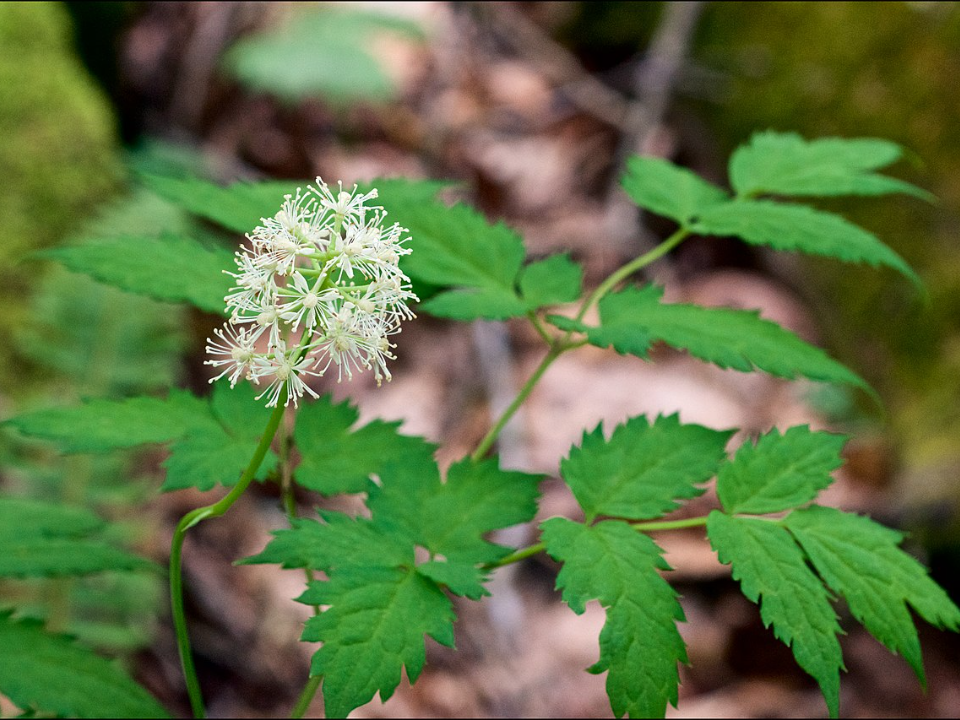
Doll’s Eye is a plant native to North America, known for its striking, white berries that look like the eyes of a doll. The plant’s fruit, however, is toxic and not meant to be consumed. Its deceptive appearance is designed to attract certain animals, such as birds, which may attempt to eat the berries.
This plant’s “false advertising” strategy is particularly effective, as it tricks animals into interacting with the plant, helping spread its seeds. The plant’s deceptive visual cues aid in its survival and reproduction, as the berries will eventually drop to the ground, where they can grow new plants. Doll’s Eye is an excellent example of how plants can manipulate animals’ behavior for their benefit.
Ghost Orchid (Dendrophylax lindenii)
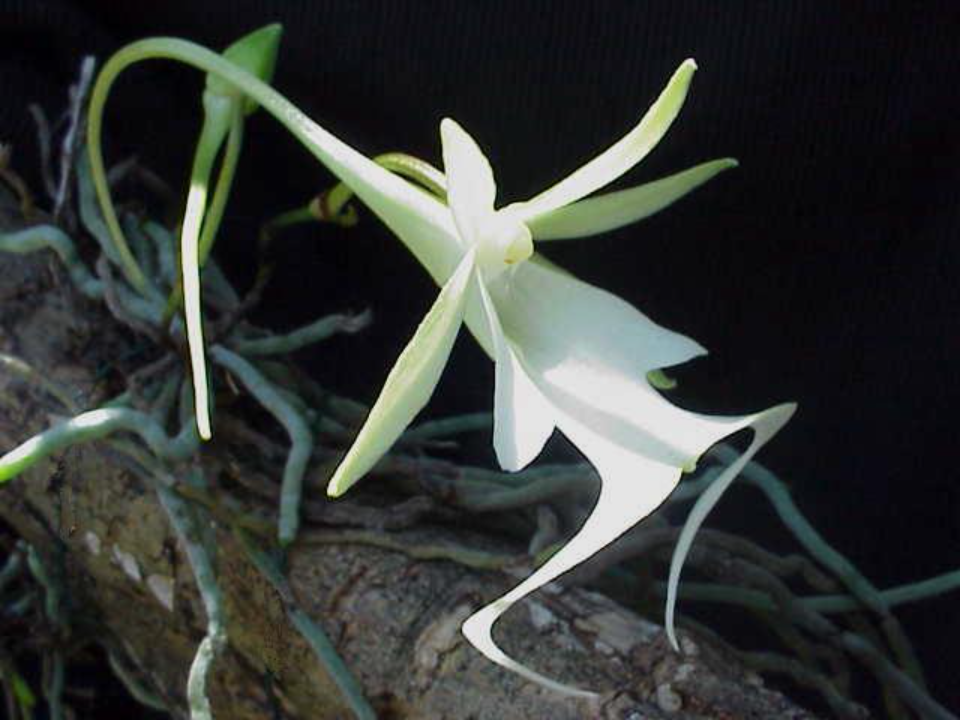
The Ghost Orchid is a rare, elusive flower that attracts pollinators through a different form of deception. While its scent is not foul like that of some other deceptive plants, the orchid’s white, translucent flowers mimic the appearance of a ghostly figure. This visual illusion attracts specific pollinators, particularly moths, that mistake the flower for a place to rest or hide.
The Ghost Orchid relies on these insects to move pollen between flowers, ensuring the plant’s survival. Found in the tropical rainforests of Florida and Central America, this rare orchid is an exceptional example of how visual cues can be as powerful as scent in the plant world. The Ghost Orchid’s ability to trick pollinators has made it a highly sought-after plant among orchid enthusiasts.
Lesser Rattlesnake Master (Eryngium yuccifolium)
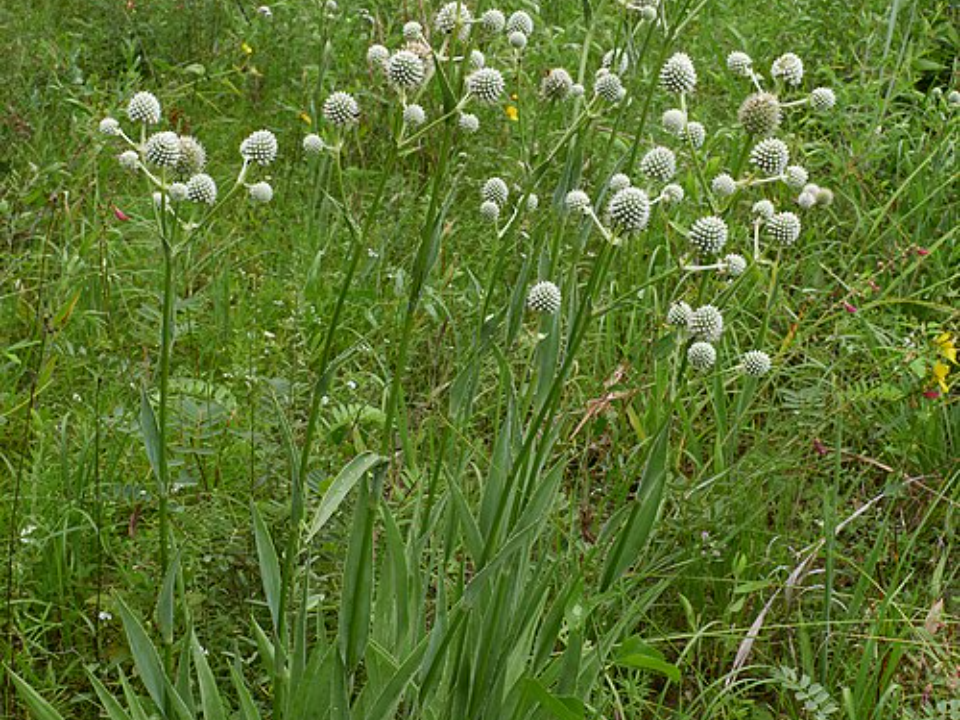
The Lesser Rattlesnake Master uses its striking appearance and scent to lure pollinators. It produces flowers with a unique, spiky structure, designed to resemble a rotting carcass from afar. The plant’s flowers emit a musky odor that mimics the scent of decaying animal matter, attracting insects that usually feed on such material.
Once the insects arrive, they unknowingly pick up pollen and help pollinate the flowers. The plant is found in prairies and woodlands across North America, where it thrives in areas with poor soil. Its deceptive nature helps it survive in environments where other plants might struggle to attract enough pollinators.
Jewel Orchid (Dendrobium spp.)
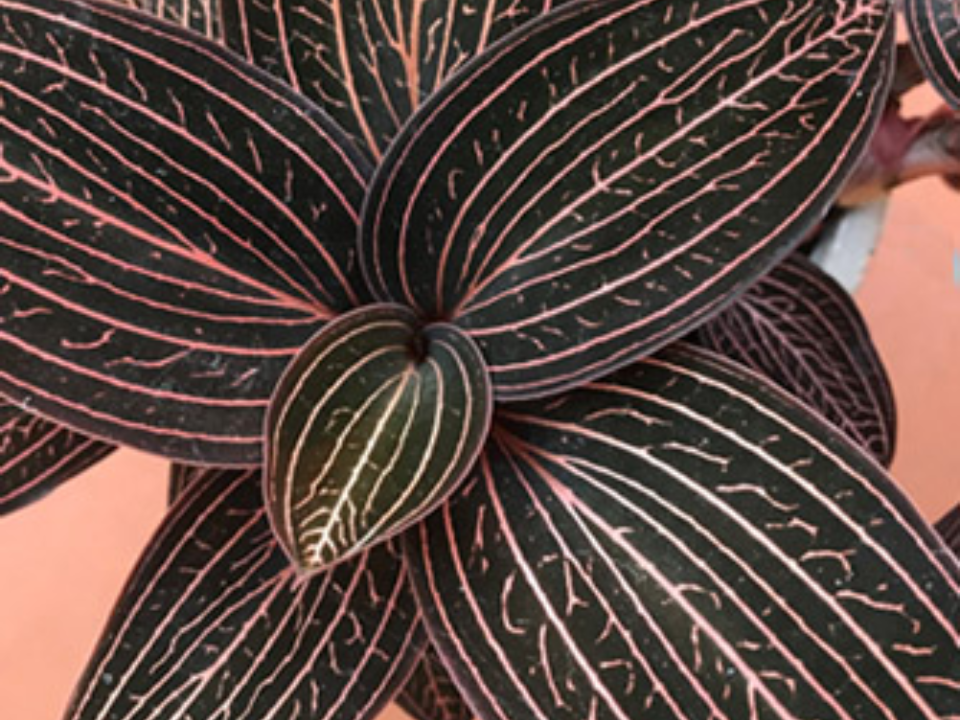
The Jewel Orchid is a strikingly beautiful plant that uses its appearance to deceive its pollinators. Its deep red or purple flowers resemble the coloration of rotting fruit, luring fruit flies and other insects. The plant emits a faint, fruity smell that adds to the illusion, making the insects believe they have found a food source.
Once the insects land on the flowers, they are tricked into pollinating the plant, transferring pollen from one flower to another. The Jewel Orchid is native to Southeast Asia and thrives in the humid conditions of tropical rainforests. Its ability to mimic decaying food is a key survival trait that ensures its reproduction.
This article originally appeared on Avocadu.