
12 Rare Plants That Smell Like Something Wild on Purpose
Some plants have an uncanny ability to stand out not just because of their appearance but also due to their powerful, sometimes unpleasant scents. These rare plants produce aromas that mimic something wild and often unappealing, like rotting flesh or decaying fruit, all with a very specific purpose in mind. While the smell might be off-putting to humans, it plays a crucial role in attracting the right pollinators. Flies and beetles are typically the intended guests, drawn in by the scent and tricked into helping the plant reproduce. It is nature’s way of ensuring survival, with some plants relying solely on their distinctive smell to make their mark in the world. These plants are as fascinating as they are rare, offering a glimpse into the clever ways nature has evolved to thrive.
This post may contain affiliate links, which helps keep this content free. Please read our disclosure for more info.
Corpse Flower (Amorphophallus titanum)

Known for its massive size and striking appearance, the corpse flower is also infamous for its foul odor. This rare plant emits a scent similar to rotting flesh, which is why it gets its name. This smell serves a purpose in nature; attracting pollinators such as carrion beetles and flesh flies, which are drawn to decaying matter.
The flower blooms only once every few years, making it a rare event when it does. Despite the offensive aroma, the plant’s giant, purplish bloom draws attention from both botanists and tourists alike. The flower blooms for only a few days, so seeing it in full bloom is a fleeting experience. The unique smell, while unpleasant to humans, is essential for the plant’s reproduction cycle, ensuring that it attracts the right pollinators.
Dead Horse Arum Lily (Helicodiceros muscivorus)
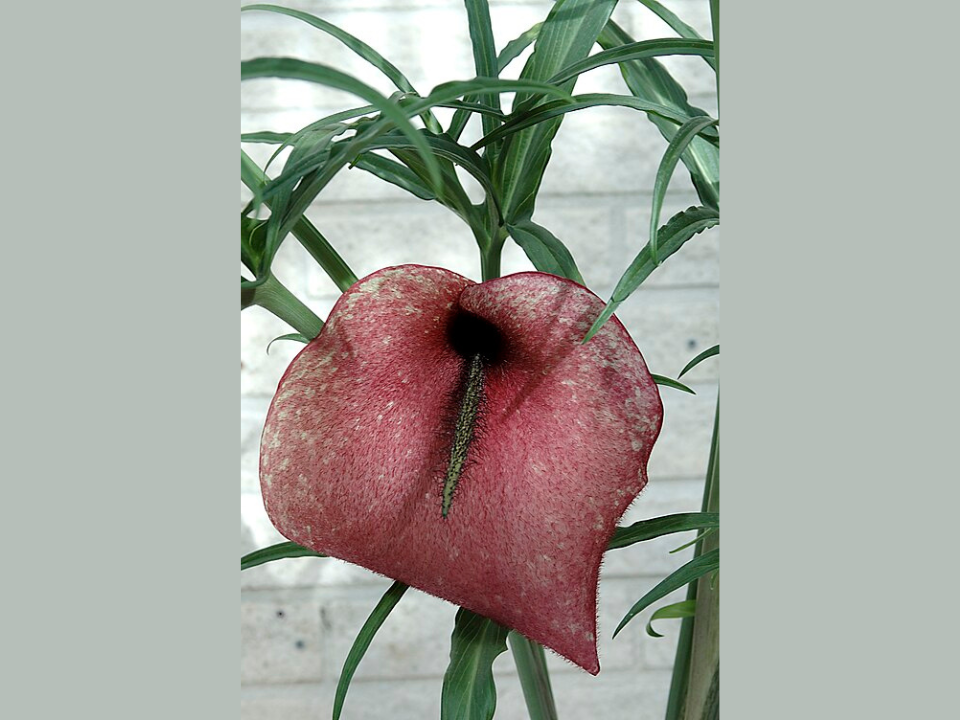
The dead horse arum lily is another plant that emits a pungent odor meant to attract specific insects. Its scent is similar to that of a dead animal, which helps it draw flies for pollination. The flower is a curious structure, resembling a dark purple spathe, and it has an intricate system to trap flies once they are lured in.
The plant relies on these flies to carry its pollen from one bloom to another. This smell is especially strong during the day, which coincides with the peak activity of the pollinators it seeks to attract. As rare as it is in the wild, the dead horse arum lily’s ability to use scent to lure pollinators highlights the fascinating relationship between plants and insects. Its dark, unappealing scent is a stark contrast to the beautiful, delicate flower it produces.
Stinking Corpse Lily (Rafflesia arnoldii)
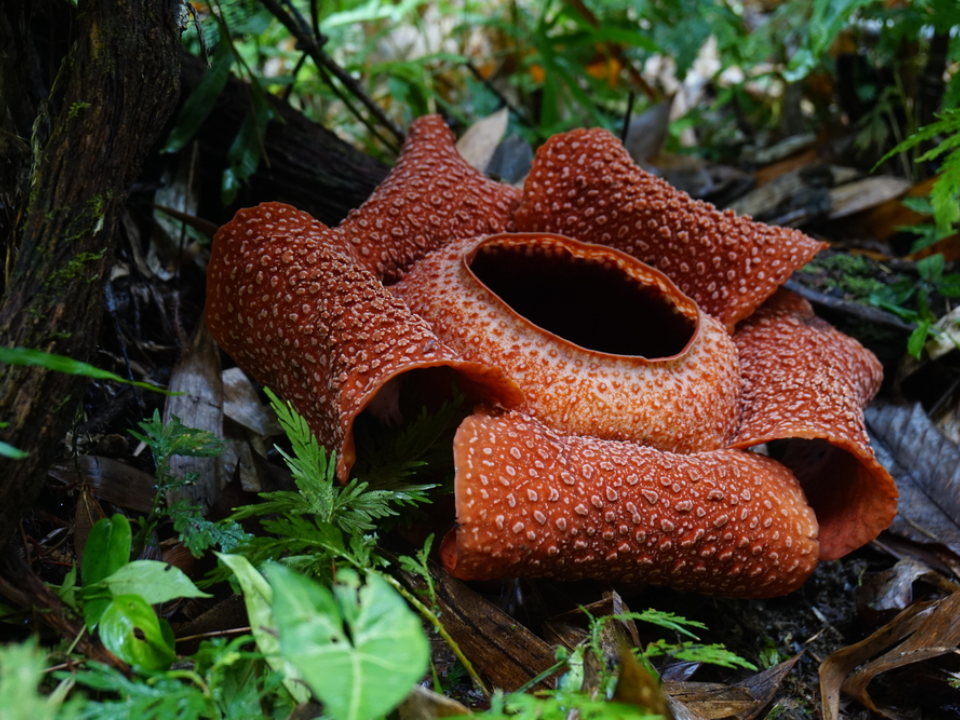
The stinking corpse lily, known for having the largest single flower in the world, produces a smell reminiscent of rotting flesh. This odor attracts carrion beetles and flies, which are crucial for its pollination process. Native to Southeast Asia, this flower is notoriously hard to find, blooming only once every few years. When it does bloom, the scent can be overwhelming, but it is essential for the survival of the plant.
The flower can grow up to three feet in diameter and is a deep reddish-brown color, resembling the appearance of decaying meat. The stinking corpse lily’s distinctive scent and rare blooming period make it a unique and awe-inspiring plant to encounter. The combination of its size and smell makes it a standout in the plant world, even if it is not the most pleasant of experiences.
Skunk Cabbage (Symplocarpus foetidus)
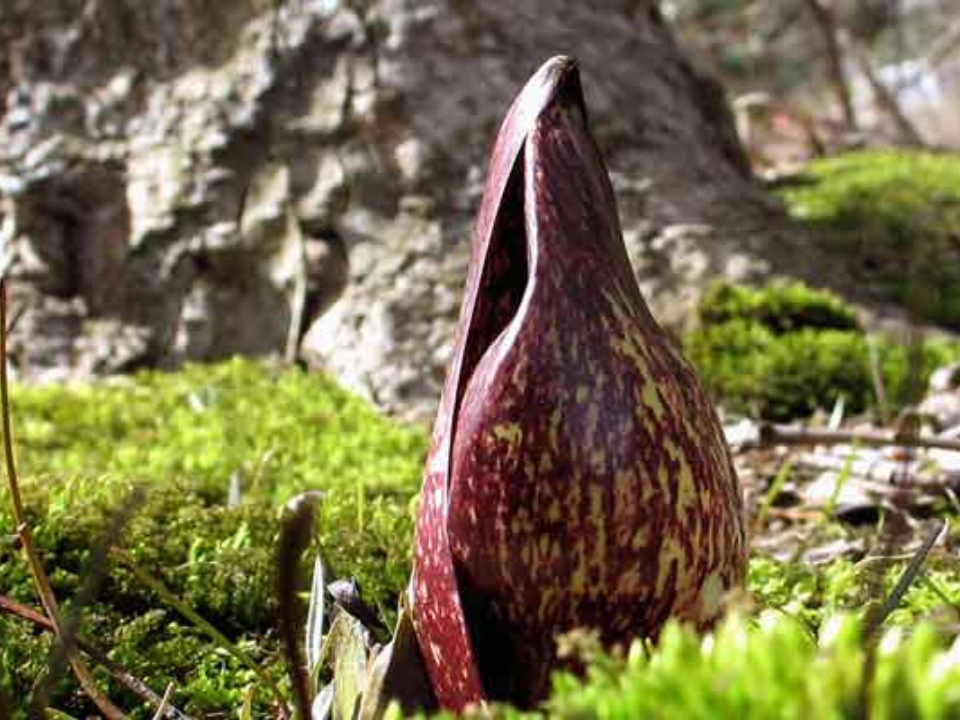
The skunk cabbage is one of the first plants to bloom in the spring, and it uses its distinctive smell to attract pollinators early in the season. The plant’s odor is strong and similar to that of a skunk, which is where it gets its name. The smell helps attract flies and beetles, which are drawn to the plant’s warmth and its unpleasant fragrance. Interestingly, the skunk cabbage is capable of producing heat, which helps it melt through the snow, allowing it to bloom in colder conditions.
The plant is native to North America and can be found in wetlands and marshy areas. Despite its odor, the skunk cabbage plays an important role in its ecosystem by providing an early source of nectar for insects. Its ability to thrive in such conditions and its unique smell make it an interesting subject for botanical studies.
Queen of the Night (Selenicereus grandiflorus)
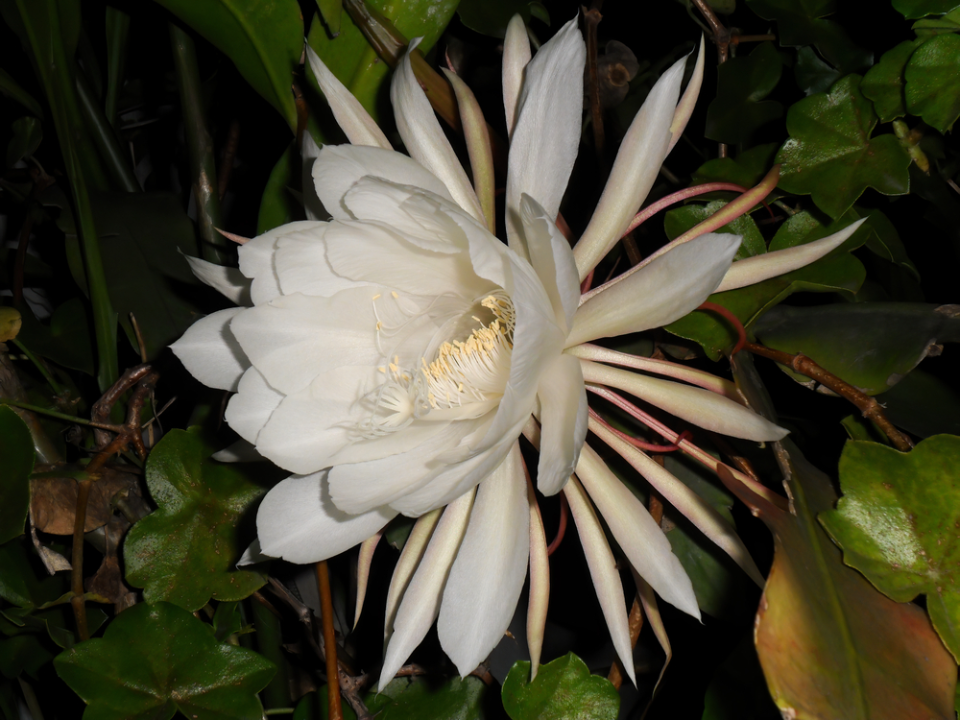
The queen of the night is a stunning cactus that blooms only once a year, usually at night. The flower’s fragrance is intoxicating and has been described as a mix of vanilla and jasmine. However, it also has an undertone that some say resembles rotting meat. This smell is designed to attract pollinators such as bats, which are active at night.
The queen of the night’s flowers are large and white, standing out against its dark green cactus body. The brief blooming period makes it a rare and special event to witness. Its unusual blend of sweet and foul smells plays a critical role in attracting the nocturnal pollinators it needs to reproduce.
Bat Orchid (Tacca palmata)
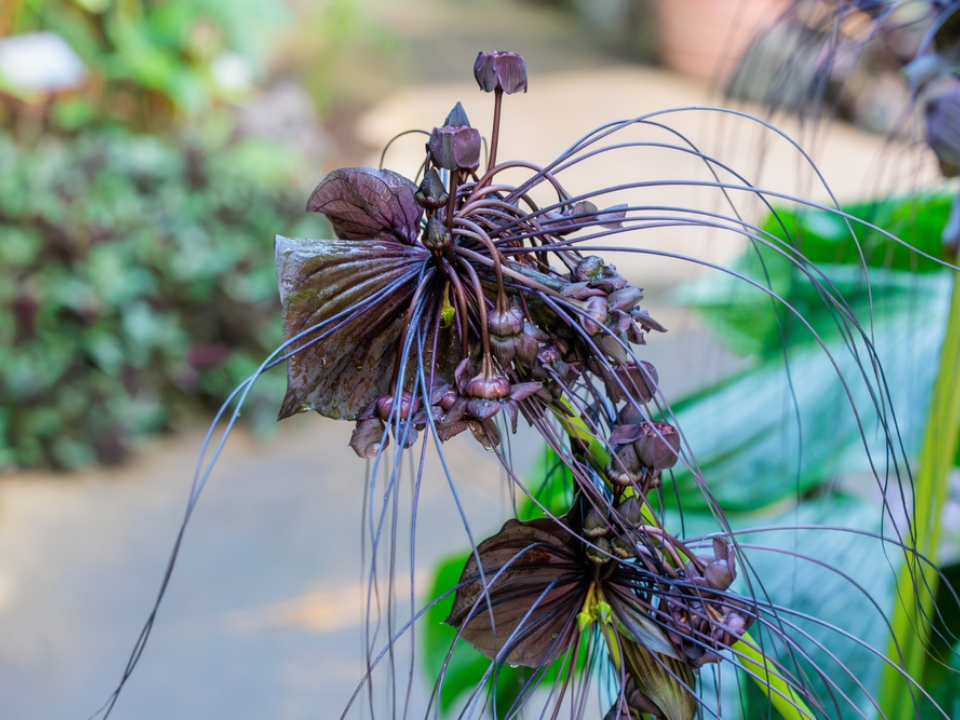
The bat orchid, also known as the “tacca palmata,” gets its name from the unique shape of its flower, which resembles the wings of a bat. The flower emits a scent similar to that of rotting meat, which serves to attract flies and other carrion-feeding insects. This scent is especially strong when the plant is in full bloom, which occurs in tropical and subtropical climates.
The bat orchid’s flowers are dark and mysterious, with long, trailing “wings” that give them a ghostly appearance. The smell may be off-putting to humans, but it is crucial for the plant’s survival. By attracting the right pollinators, the bat orchid ensures its reproduction in the wild. The rarity and unique appearance of the bat orchid make it an intriguing plant for collectors and botanists alike.
Jasmine Nightshade (Solanum jasminoides)
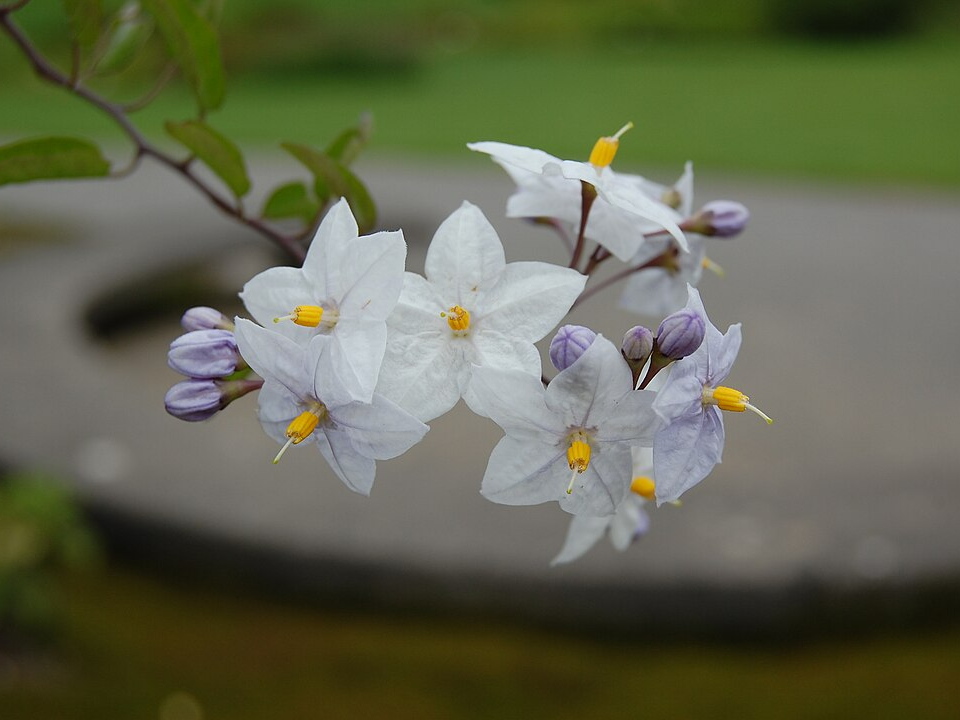
While not as well-known as other smelly plants, the jasmine nightshade produces a strong scent that resembles rotting meat. This smell helps attract pollinators such as flies and beetles, which are essential for the plant’s reproductive process. Native to South America, the jasmine nightshade is a hardy plant that thrives in tropical and subtropical environments.
The flowers are small and star-shaped, but their strong scent is often enough to make an impression. The plant’s use of scent to attract pollinators is a great example of how plants adapt to their environment. Despite the unpleasant fragrance, the jasmine nightshade’s ability to reproduce in harsh conditions makes it a fascinating subject for botanical research.
Carrion Flower (Stapelia gigantea)
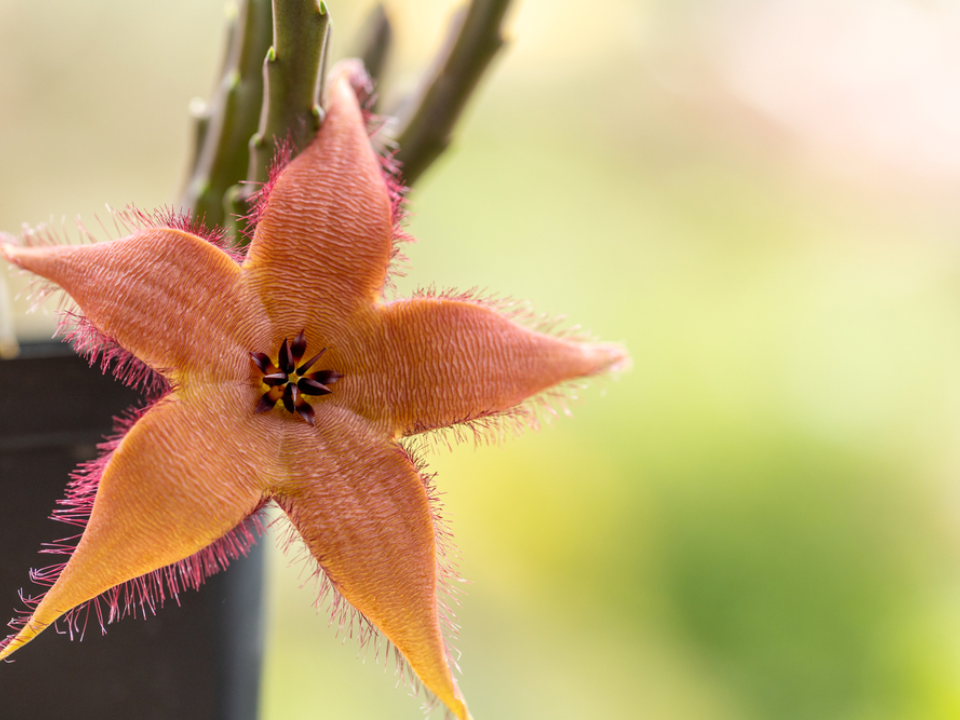
The carrion flower, also known as the starfish flower, produces a strong odor reminiscent of decaying flesh. This unpleasant smell serves to attract flies and other insects that are attracted to dead animals. The flowers of the carrion flower are large and fleshy, often purple or yellow in color, and they resemble the shape of a starfish.
These flowers are capable of producing a lot of heat, which enhances the smell and helps them attract the right kind of pollinators. Native to Southern Africa, the carrion flower thrives in arid conditions, where its scent and appearance help it stand out. The plant’s ability to produce such an offensive odor is an evolutionary adaptation that ensures the plant’s survival by attracting specific insects for pollination. Though its smell may not be pleasant to humans, it is a small price to pay for the plant’s remarkable survival strategy.
Dutchman’s Pipe (Aristolochia spp.)
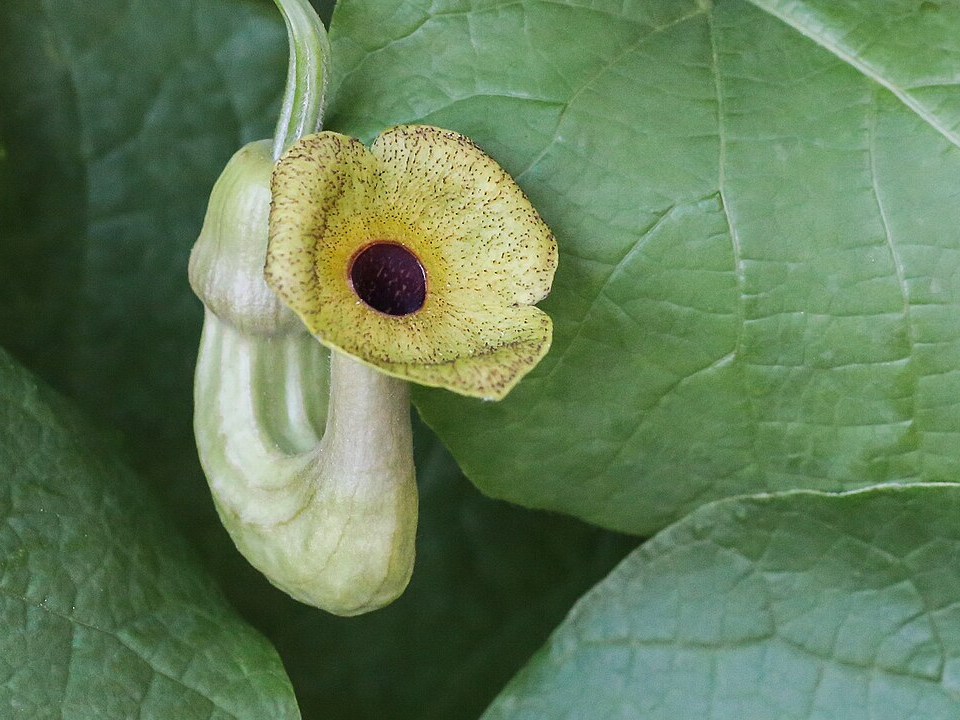
The Dutchman’s pipe plant, with its striking pipe-shaped flowers, emits a powerful odor similar to rotting meat or feces. This distinct smell is a clever strategy to attract flies and other carrion insects, which are the plant’s primary pollinators. Native to various parts of the world, including Europe, Asia, and North America, the Dutchman’s pipe has flowers that often resemble a long, curved pipe or a slipper.
The flowers trap pollinators inside briefly, encouraging them to spread the plant’s pollen as they attempt to escape. The Dutchman’s pipe’s ability to deceive and trap insects for pollination showcases the fascinating ways in which plants have adapted to ensure their survival. Despite the unpleasant aroma, the plant’s unique form and ecological importance make it a standout.
Fly Orchid (Ophrys insectifera)
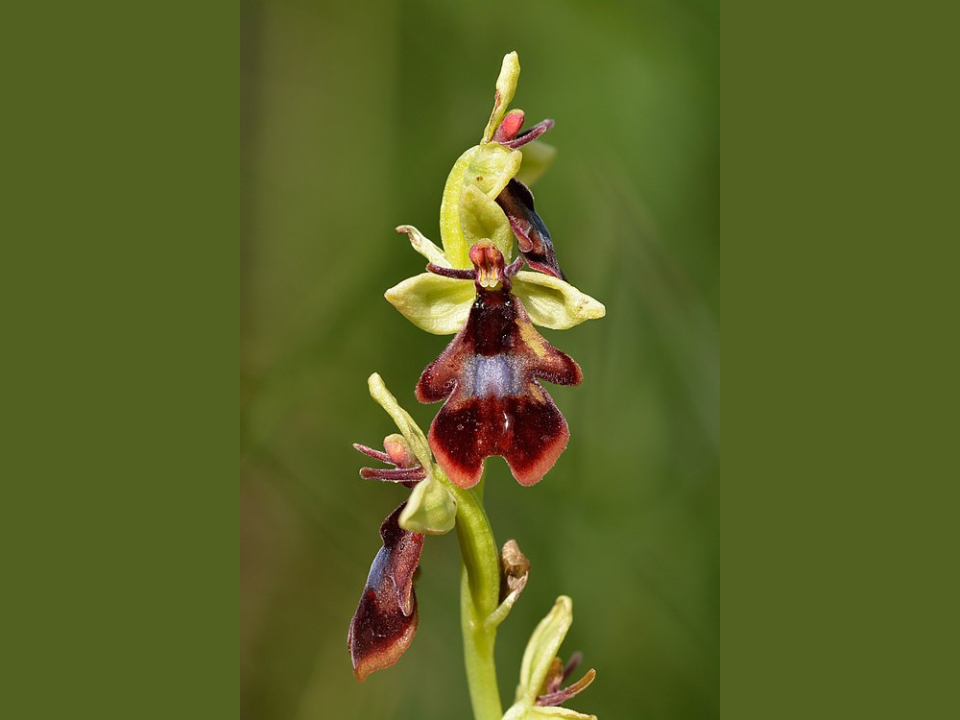
The fly orchid, native to Europe, produces a distinctive odor that mimics the scent of decaying animals. This scent attracts specific species of male bees, which mistakenly think the plant is a female bee. The plant’s flowers are shaped to resemble a female bee in an attempt to encourage mating attempts from the male bees, leading to pollination.
The fly orchid’s ability to trick its pollinators into thinking they are encountering a mate is a remarkable example of plant adaptation. Although it is small and delicate in appearance, the plant’s unusual reproductive strategy makes it a noteworthy specimen in the botanical world. The combination of the flower’s unique shape and the potent smell ensures the plant’s survival and reproduction.
Jewel Orchid (Anoectochilus spp.)
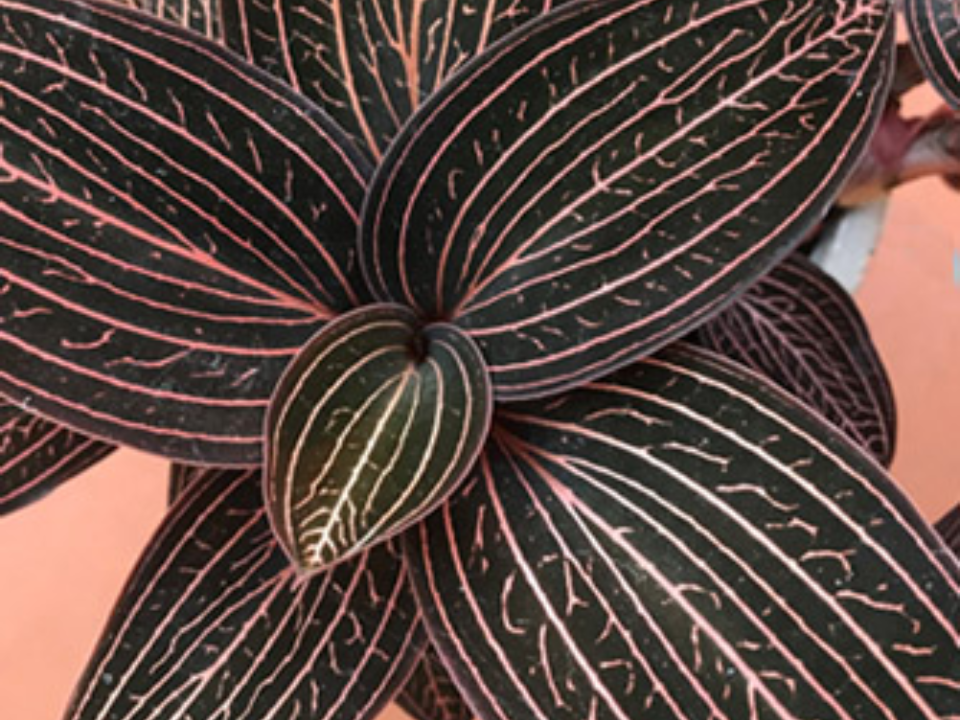
The jewel orchid produces a faint but distinct odor of damp earth and rotting vegetation, which attracts certain types of insects that enjoy feeding on decaying organic material. This plant is native to Southeast Asia, where it thrives in the shaded environments of tropical forests. Known for its striking, jewel-like appearance with metallic veins running through its leaves, the jewel orchid uses its smell to draw in pollinators despite its relatively subtle fragrance.
The orchid’s flowers are small and delicate, often appearing in shades of yellow or brown. While the smell may not be overpowering, it serves its purpose by ensuring that the plant attracts the necessary pollinators for its reproduction. The jewel orchid’s unique beauty and the intriguing relationship it shares with its pollinators make it a rare find among orchid enthusiasts.
Smut Fungus Orchid (Corymbia ficifolia)
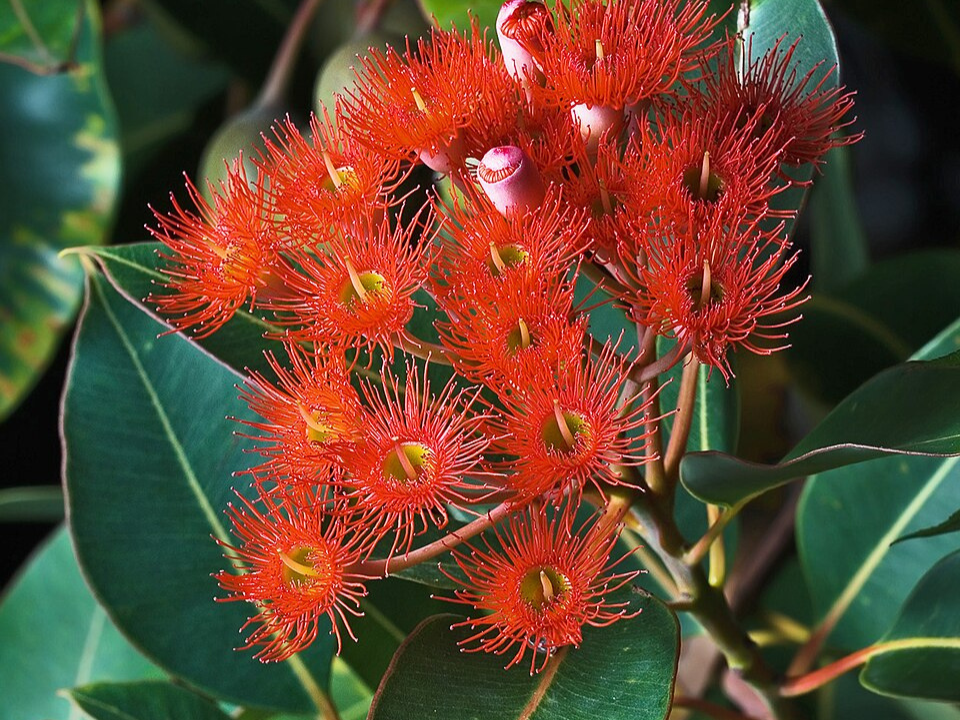
The smut fungus orchid emits a strong, foul odor that closely resembles rotting vegetables. This smell is designed to attract the pollinators that are drawn to the scent of decaying matter. The orchid is often found in tropical areas, where it flourishes in moist, humid conditions. The flower’s unusual smell, combined with its vibrant color, helps it stand out in the dense foliage where it grows.
The orchid’s distinctive scent serves an important role in ensuring that the plant gets the pollination it needs to reproduce. Despite its unappealing odor, the smut fungus orchid is a rare and beautiful addition to any plant collection. Its ability to attract specific insects through scent is a fascinating example of nature’s adaptability.
This article originally appeared on Avocadu.