
17 Rare Plants That Only Grow on Volcano Slopes and Lava Rock
Volcano slopes and lava rock might seem like the last places you’d expect to find life, but nature always finds a way. These harsh environments are home to a variety of resilient plants that have adapted to survive in some of the toughest conditions on Earth. With little soil, intense heat, and constant shifts in the landscape, these plants have evolved unique characteristics that help them thrive. From small, sturdy flowers to deep-rooted shrubs, these species play an essential role in maintaining the fragile balance of the volcanic ecosystem. They not only contribute to the beauty of these dramatic landscapes but also help stabilize the soil and support local wildlife.
This post may contain affiliate links, which helps keep this content free. Please read our disclosure for more info.
Lava Lily (Hesperantha coccinea)
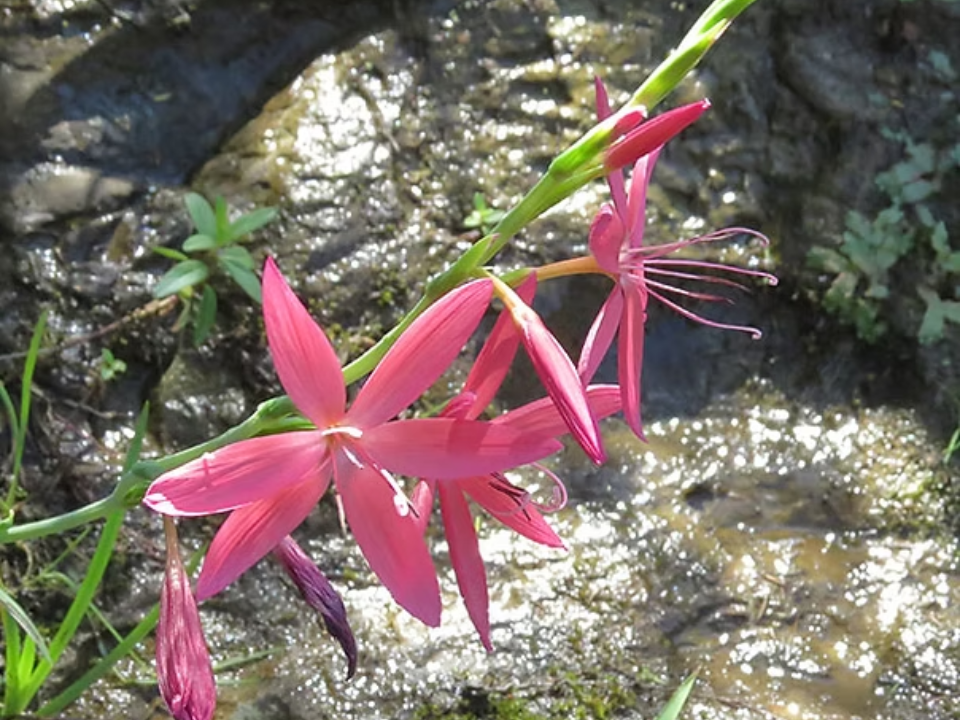
The Lava Lily is native to regions with active volcanic slopes, where it has adapted to survive in nutrient-poor soil. This plant is known for its striking red flowers that bloom during the dry season. Its long, narrow leaves are well-suited to the volcanic environment, as they help conserve water while withstanding intense heat.
The Lava Lily’s ability to thrive in such harsh conditions makes it a unique and resilient species. These plants often grow in small clusters, creating vibrant patches of red in otherwise barren volcanic areas. Lava Lilies are also known to attract pollinators, such as bees, which help in their reproduction. Their survival is a testament to nature’s ability to adapt to even the most challenging environments.
Firethorn (Pyracantha coccinea)
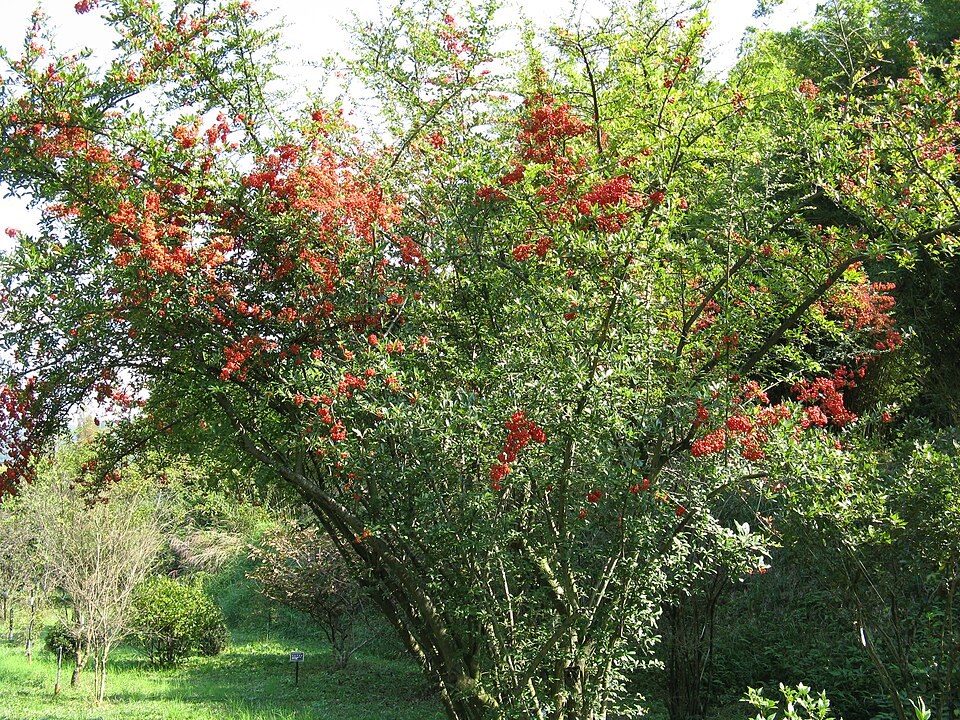
The Firethorn is a hardy shrub that can be found growing on volcanic slopes. Known for its bright red berries, this plant is well-suited to the rocky, nutrient-poor soils found in volcanic regions. Firethorn shrubs are equipped with thorny branches that protect them from herbivores, ensuring their survival.
The plant’s small white flowers bloom in clusters, attracting pollinators during the spring and summer months. Despite the challenging growing conditions, Firethorn thrives in volcanic environments due to its ability to conserve water. Its dense foliage also helps retain moisture in the soil, providing a stable environment for other plants to grow. Firethorn has become an essential part of the volcanic ecosystem, supporting wildlife with its berries and shelter.
Lava Rock Fern (Cheilanthes sieberi)
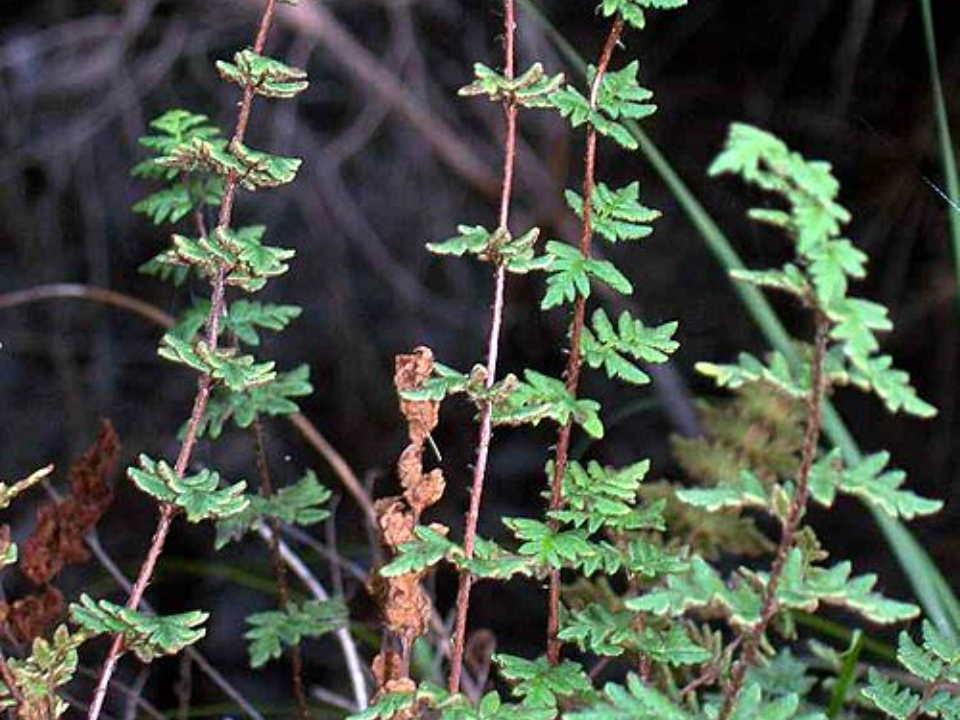
The Lava Rock Fern is a unique species found exclusively on volcanic slopes. It thrives in the cracks and crevices of lava rock, where it can absorb moisture from the surrounding environment. This fern has adapted to the high temperatures and low soil nutrients by developing small, delicate fronds.
The Lava Rock Fern plays a crucial role in stabilizing the soil around volcanic rocks, preventing erosion. Its roots penetrate deep into the lava rock, creating a strong anchor for the plant. The fern’s ability to survive in such extreme conditions makes it a valuable species for scientists studying plant resilience. It also provides shelter for smaller organisms in the volcanic environment, contributing to the overall biodiversity of the region.
Mountain Sage (Salvia glutinosa)
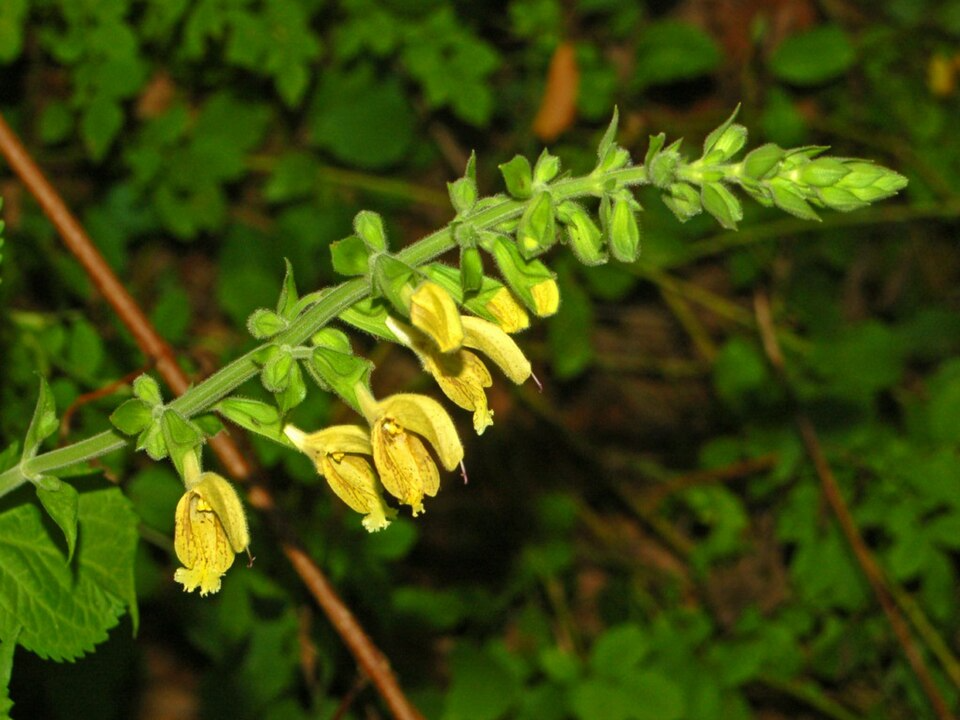
Mountain Sage is a drought-resistant plant commonly found on volcanic slopes, where it thrives in the dry, rocky soil. Known for its fragrant purple flowers, this plant has adapted to the harsh volcanic environment by developing deep roots that can reach underground moisture sources. The leaves of the Mountain Sage are covered in fine hairs that help reduce water loss, enabling the plant to survive in areas with little rainfall.
The plant’s resilience to high temperatures and poor soil conditions makes it an important part of the volcanic ecosystem. Mountain Sage is often used by local communities for medicinal purposes, as it is believed to have healing properties. Its vibrant blooms attract pollinators, supporting the local food chain. Mountain Sage is a true survivor, standing tall in the face of adversity.
Rock Poppy (Papaver rhoeas)
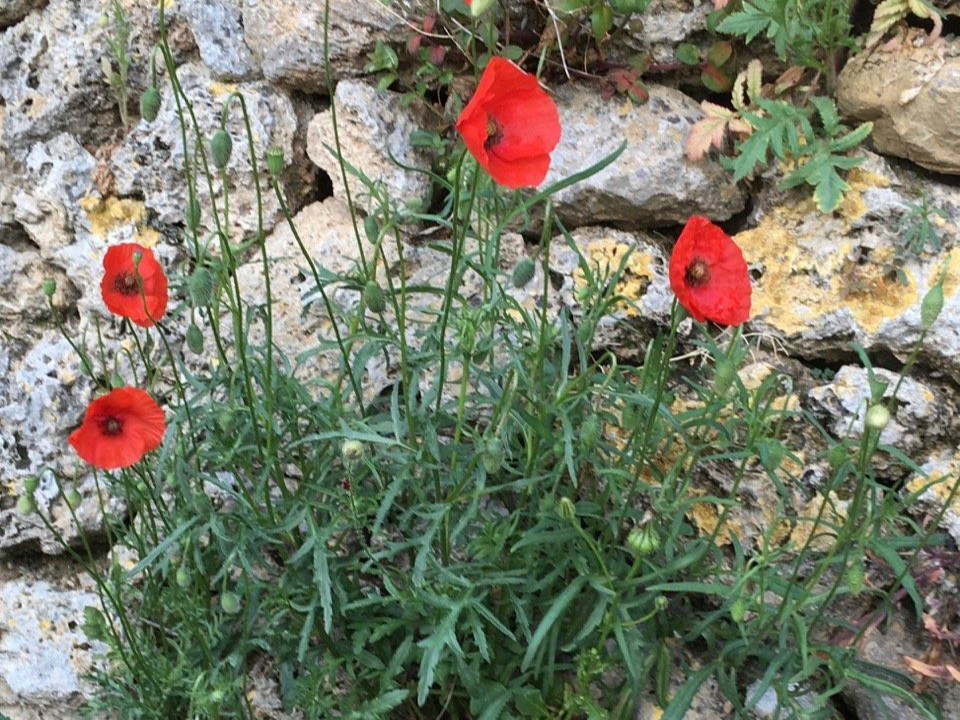
The Rock Poppy is a resilient plant that has found its niche in the challenging conditions of volcanic slopes. With its vibrant orange and yellow flowers, the Rock Poppy is an eye-catching plant that can survive in nutrient-poor volcanic soil. It has developed a deep taproot that allows it to access moisture from deeper layers of the soil, which is crucial in such arid conditions. The Rock Poppy blooms during the volcanic region’s wet season, attracting pollinators such as bees and butterflies.
Its ability to withstand the intense heat and dry conditions of volcanic slopes makes it a symbol of nature’s strength. The plant’s seeds are also known to be highly adaptable, able to remain dormant until the conditions are right for germination. The Rock Poppy plays an important role in maintaining the ecosystem by providing a source of food for various wildlife species.
Volcanic Thyme (Thymus vulgaris)
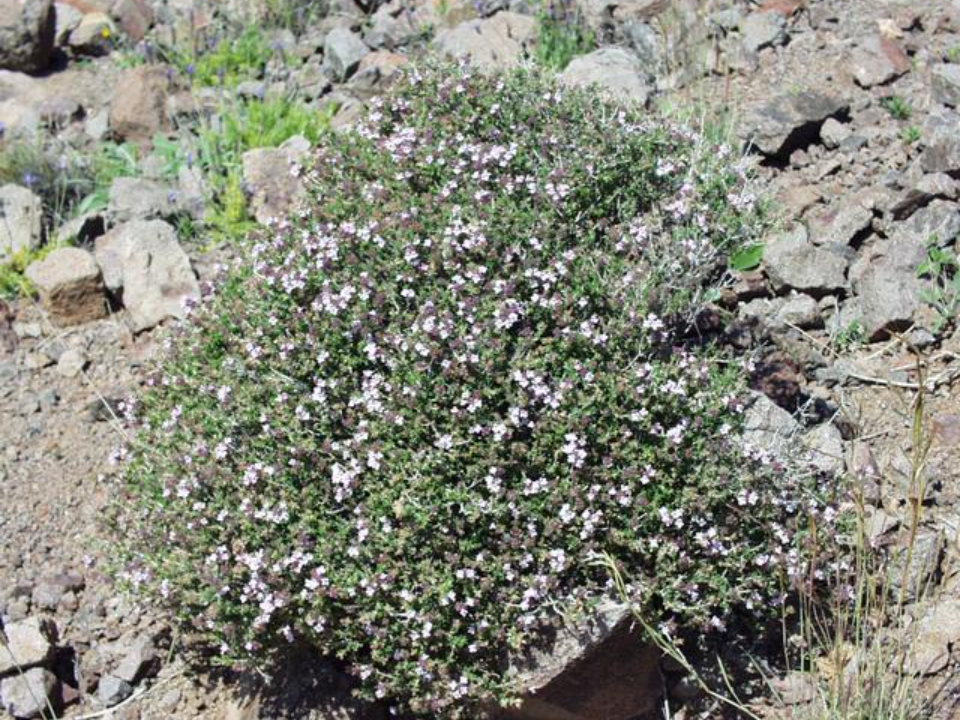
Volcanic Thyme is a hardy herb that grows in the rocky soil of volcanic slopes. This plant is well-known for its fragrant leaves, which are used in cooking and for medicinal purposes. The leaves of Volcanic Thyme have evolved to be thick and waxy, allowing them to conserve moisture in the dry, hot conditions of volcanic environments.
Its small, purple flowers bloom in late spring, attracting bees and butterflies that help pollinate the plant. Volcanic Thyme is often found in areas with little soil, where it survives by growing close to the ground and spreading its roots along the surface. The plant’s ability to thrive in such challenging environments makes it a valuable species for culinary and medicinal use. Volcanic Thyme’s resilience to heat and drought also makes it a popular choice for gardeners in arid climates.
Crater Moss (Polytrichum commune)
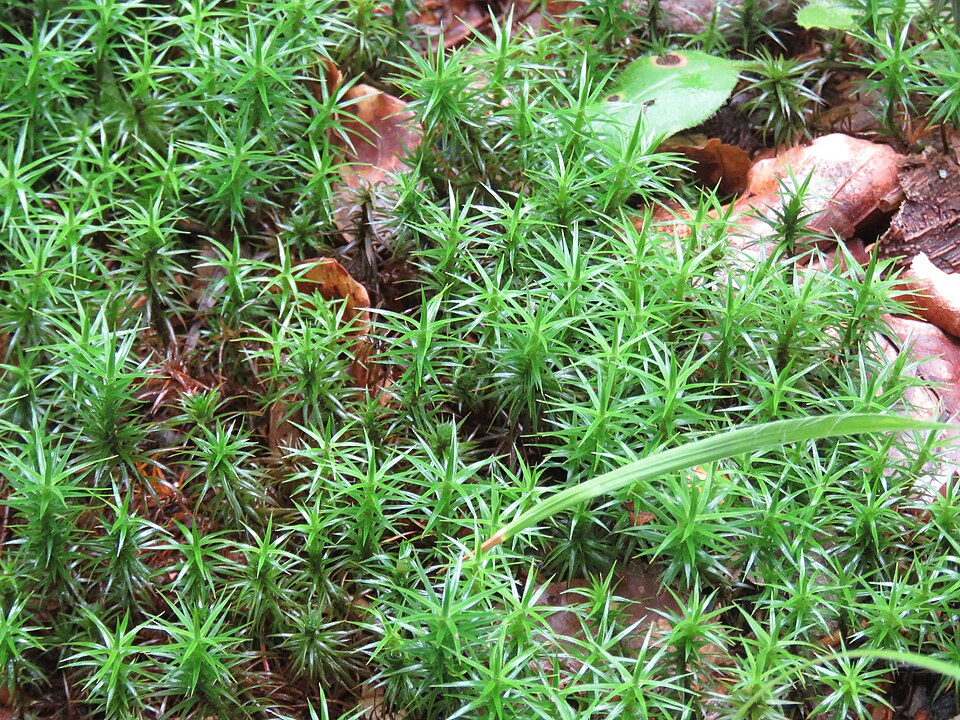
Crater Moss is a type of moss that grows in the wet, rocky environments of volcanic craters. It can be found on the slopes of dormant volcanoes, where it thrives in the cool, moist conditions created by rainfall and dew. This moss has developed the ability to absorb and retain large amounts of water, which helps it survive during dry periods. Crater Moss plays a critical role in stabilizing the soil on volcanic slopes, preventing erosion caused by rainfall.
The moss’s dense mat of green leaves provides a home for various microorganisms, contributing to the overall biodiversity of volcanic ecosystems. Crater Moss also helps to maintain the delicate balance of the volcanic ecosystem by providing shelter for insects and small organisms. Its resilience to extreme conditions makes it a vital part of the volcanic flora.
Volcano Orchid (Masdevallia coccinea)
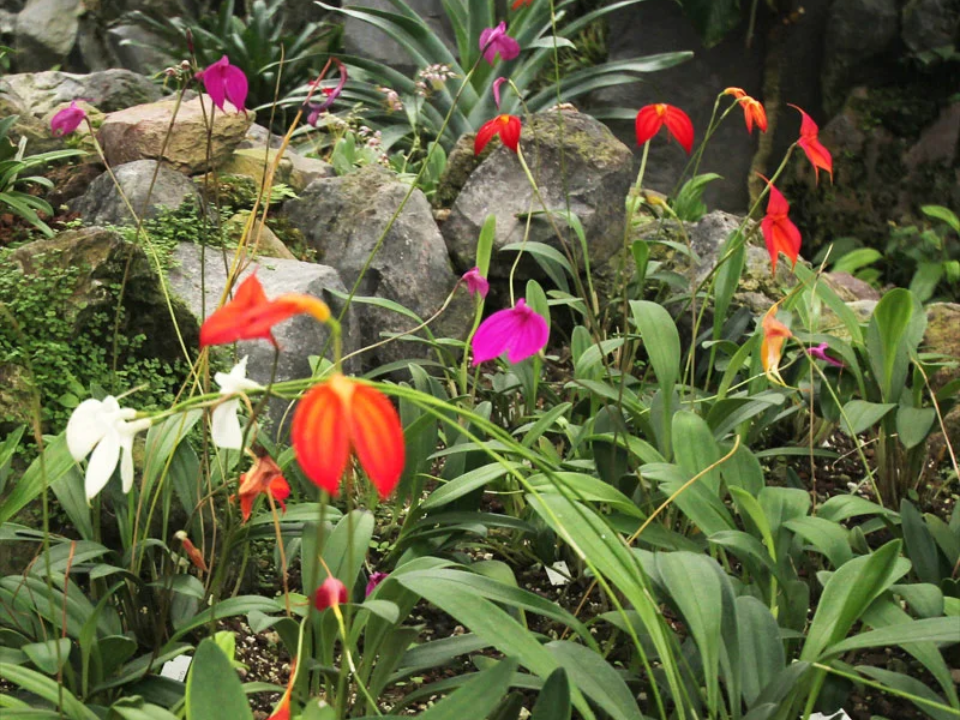
The Volcano Orchid is a rare and delicate flower found on volcanic slopes in tropical regions. This orchid is known for its striking red and orange flowers, which bloom in the humid conditions that often follow volcanic eruptions. The plant thrives in the acidic, nutrient-poor soils found in volcanic environments. Its ability to survive in such extreme conditions is due to its specialized root system, which helps it absorb moisture from the air.
The Volcano Orchid is often found growing in the crevices of volcanic rocks, where it can take advantage of the limited space and resources available. It is a symbol of nature’s ability to adapt to challenging environments, surviving in the aftermath of volcanic activity. The orchid’s beauty and resilience make it a sought-after species for collectors and researchers alike.
Lava Bean (Phaseolus vulgaris)
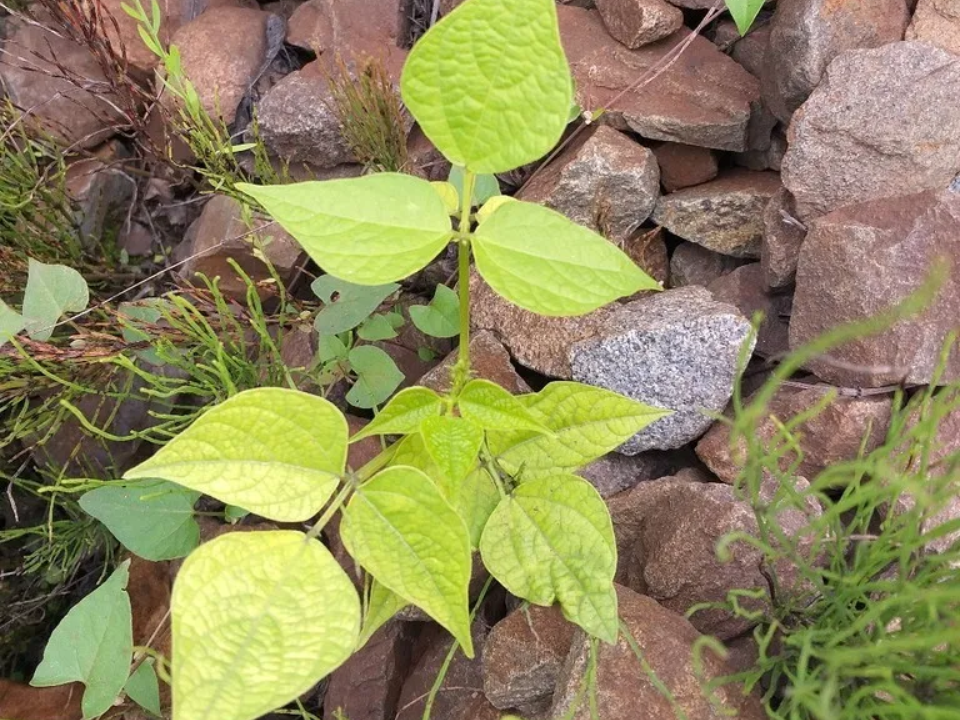
Lava Bean is a resilient legume found on volcanic slopes where the soil is often nutrient-poor and rocky. This plant has adapted to the harsh conditions by developing deep roots that help it access moisture and nutrients from the surrounding environment. The Lava Bean produces large, vibrant green leaves and beans that are packed with protein. Its ability to thrive in volcanic soils makes it a valuable food source for both humans and wildlife in volcanic regions.
Lava Beans are often used in traditional dishes in areas near volcanic activity, providing sustenance to local populations. The plant’s deep taproots also help prevent soil erosion, playing a crucial role in maintaining the stability of volcanic landscapes. Despite the challenging conditions, Lava Beans thrive in these extreme environments, demonstrating the adaptability of plant life.
Volcanic Fern (Polypodium vulgare)
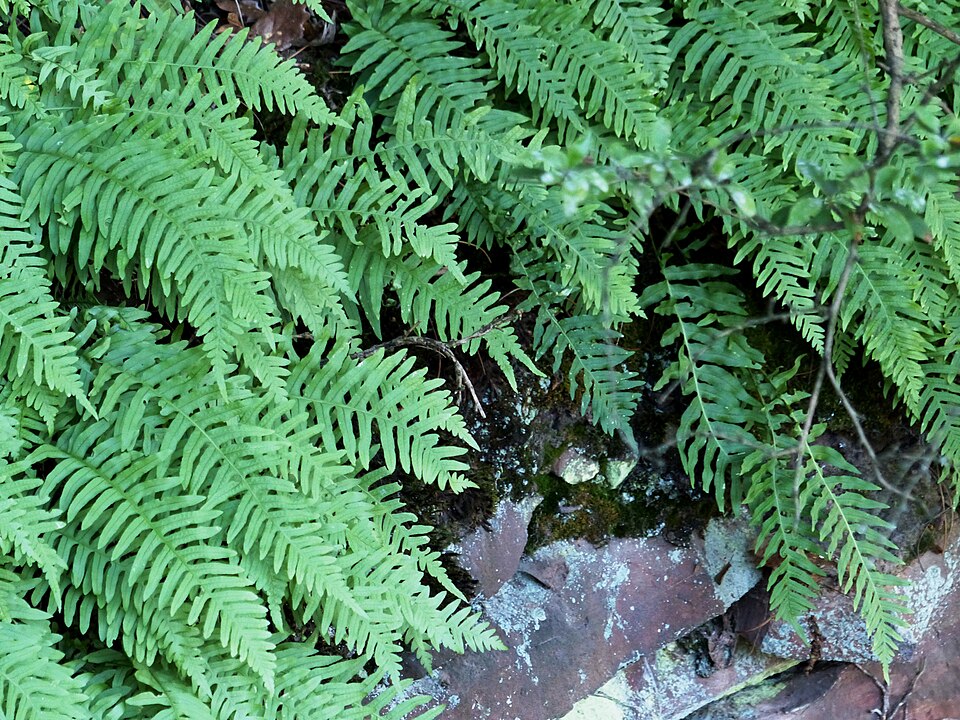
The Volcanic Fern is found growing in the moist, rocky crevices of volcanic slopes. This fern is known for its resilience, as it can survive in the nutrient-deficient soils typical of volcanic regions. Its fronds are thick and leathery, allowing it to conserve water and withstand high temperatures. The Volcanic
Fern plays an important role in maintaining the ecological balance of volcanic slopes by stabilizing the soil and providing shelter for various species of insects. It is often found in shaded areas, where the humidity from rainfall helps it thrive. The fern’s deep roots penetrate the volcanic rock, providing an anchor to the soil and preventing erosion. The Volcanic Fern is an essential part of the unique plant community that exists on volcanic slopes, contributing to the diversity of these environments.
Lava Grass (Festuca arundinacea)
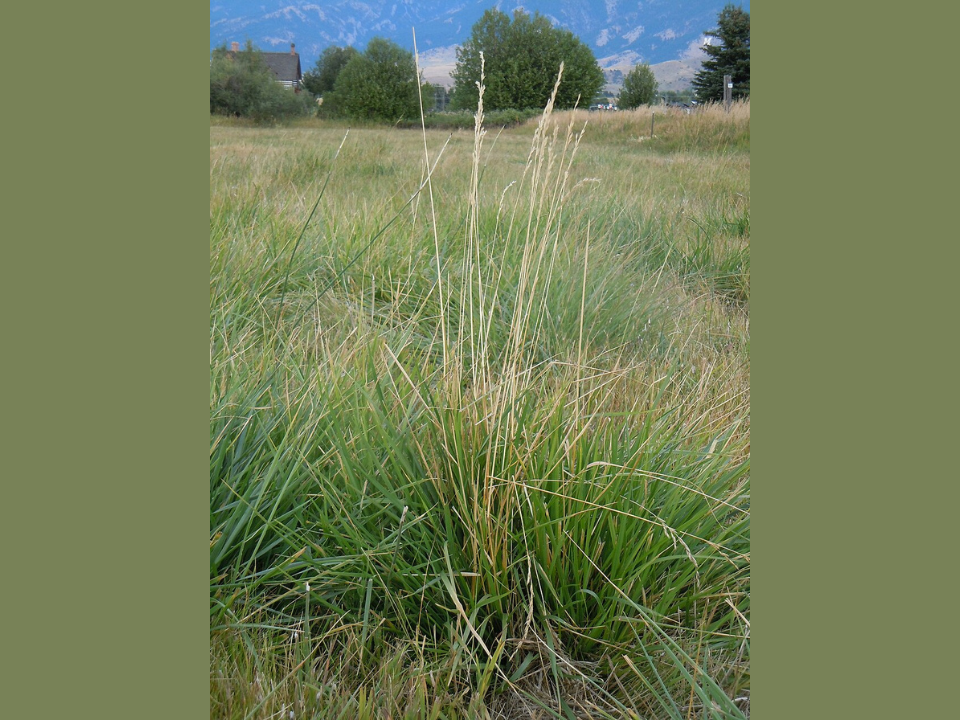
Lava Grass is a hardy grass species that can survive in the dry, rocky conditions found on volcanic slopes. Known for its long, slender leaves, this grass is able to withstand extreme temperatures and nutrient-poor soils. Lava Grass plays an important role in maintaining the stability of volcanic slopes by binding the soil together and preventing erosion.
Its roots penetrate deep into the volcanic rock, helping to anchor the soil in place. Lava Grass is also a valuable source of food for herbivores in volcanic regions, supporting the local food chain. The plant’s ability to survive in such harsh conditions makes it a key species in the volcanic ecosystem. Lava Grass often grows in large clusters, creating a green carpet across the rocky terrain.
Lava Moss (Racomitrium canescens)
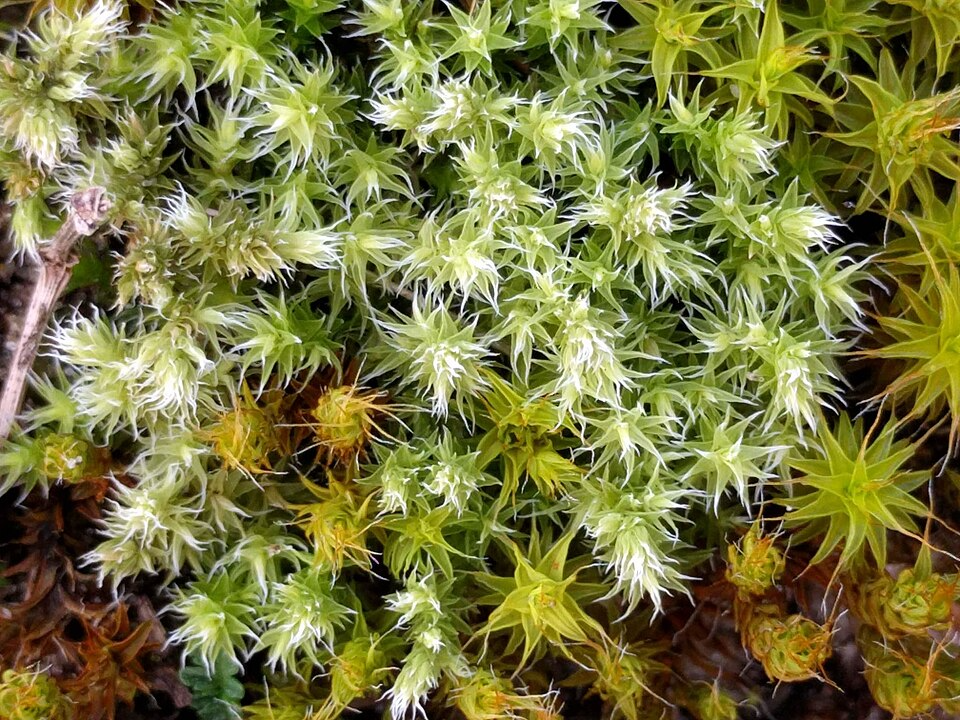
Lava Moss is a hardy species that grows in the cracks and crevices of volcanic rocks. It is well-suited to survive in the dry, rocky conditions found on volcanic slopes. This moss is highly resilient and can thrive in environments with little soil, where it absorbs moisture directly from the air. Lava Moss plays a crucial role in stabilizing the soil, preventing erosion and providing shelter for small organisms.
It also helps to create a microhabitat for other plant species by retaining moisture in the rocky environment. The moss’s ability to withstand high temperatures and nutrient-poor conditions makes it an important species in the volcanic ecosystem. Lava Moss contributes to the overall biodiversity of volcanic landscapes, providing a home for various species of insects and microorganisms.
Volcanic Bellflower (Campanula isophylla)
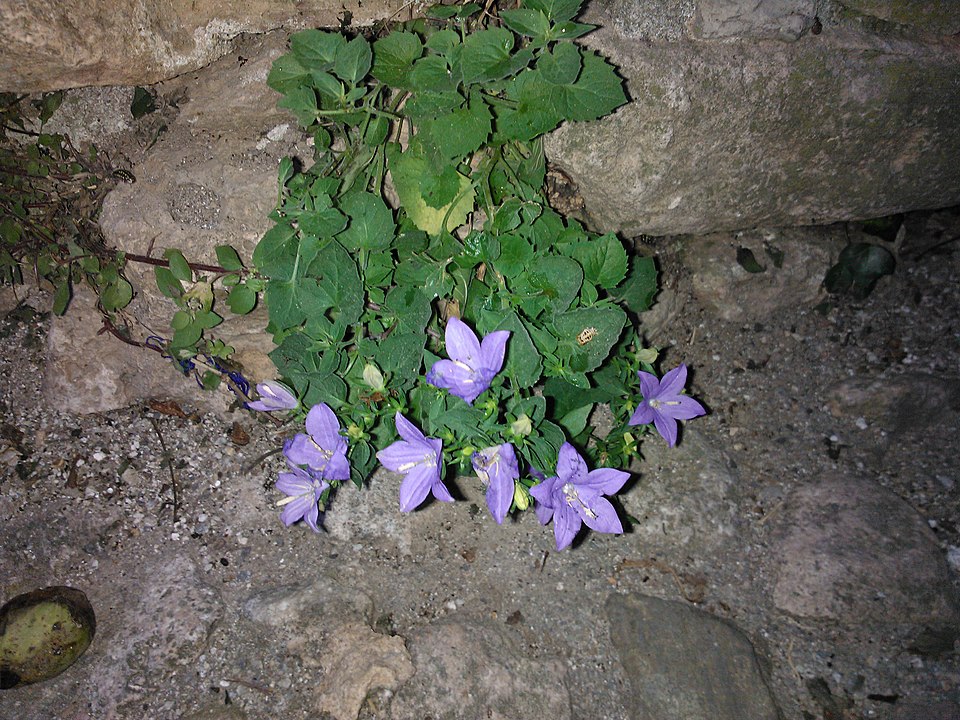
The Volcanic Bellflower is a delicate yet resilient plant found on volcanic slopes. Known for its beautiful blue and purple flowers, this plant thrives in the rocky soil of volcanic regions, where it can absorb moisture from the surrounding air. The plant has a low-growing habit, making it well-suited for the harsh conditions of volcanic terrain.
The Volcanic Bellflower’s ability to survive in nutrient-deficient soil makes it an important species in stabilizing volcanic slopes. Its flowers bloom in the summer months, attracting pollinators such as bees and butterflies. The plant’s roots help to anchor the soil, preventing erosion and contributing to the health of the ecosystem. The Volcanic Bellflower is a beautiful reminder of the resilience of life in the most extreme environments.
Lava Shrub (Leptospermum scoparium)
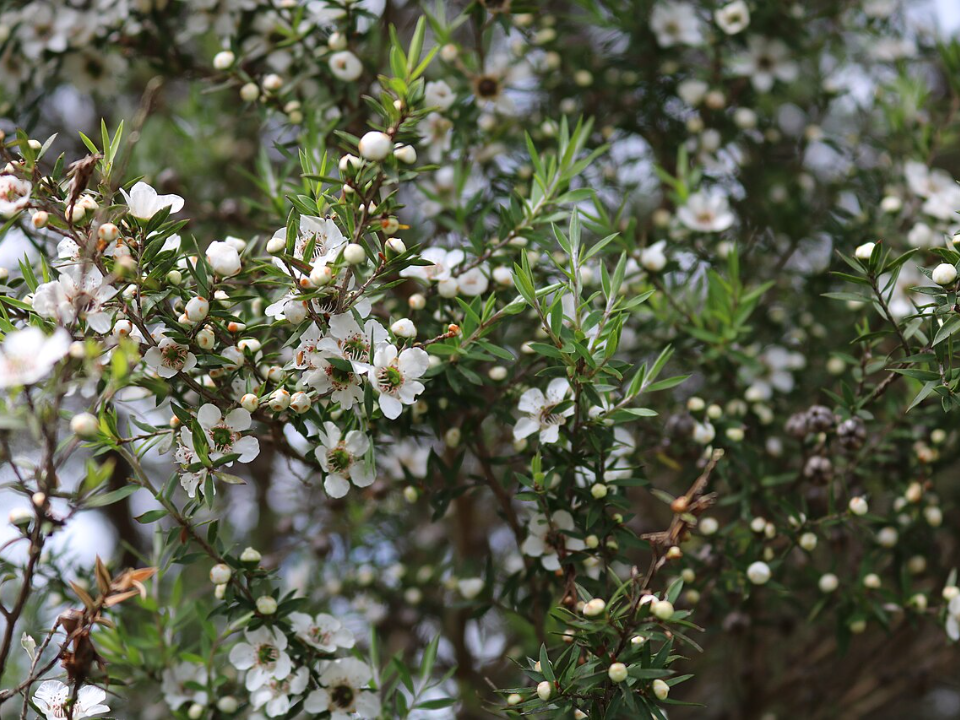
The Lava Shrub is a small shrub species found on volcanic slopes, where it thrives in the dry, rocky soil. This plant is known for its aromatic leaves and vibrant pink flowers, which bloom in the warmer months. The Lava Shrub has adapted to the harsh conditions by developing a deep root system that can access moisture from deeper layers of the soil.
It plays an important role in stabilizing volcanic slopes, preventing soil erosion and providing shelter for small animals and insects. The plant’s ability to survive in extreme conditions makes it a valuable species in the volcanic ecosystem. Lava Shrubs are often found growing in clusters, creating small patches of color and life in an otherwise barren landscape. The plant is also known for its medicinal properties, used by local communities for a variety of ailments.
Crater Grass (Agrostis stolonifera)
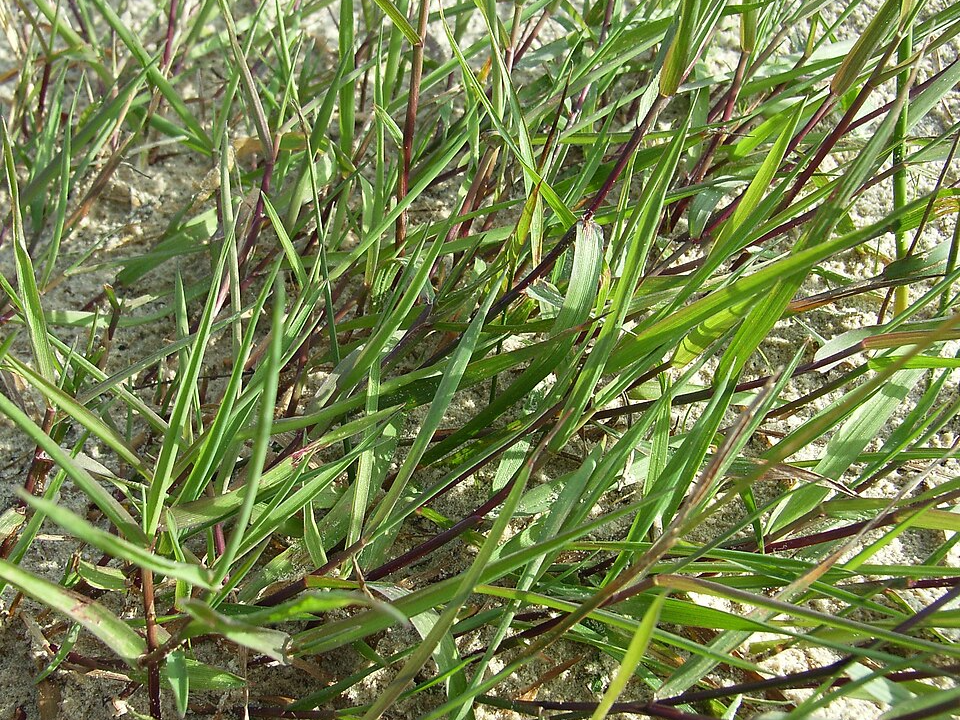
Crater Grass is a hardy grass species found growing in volcanic craters and on the slopes of volcanoes. This grass thrives in the nutrient-poor, acidic soils found in these regions. Its roots are shallow, allowing it to absorb moisture from the surrounding air, and its growth habit allows it to cover large areas of volcanic rock.
Crater Grass is important in stabilizing the soil and preventing erosion on volcanic slopes, making it a vital component of the ecosystem. The plant’s resilience to high temperatures and dry conditions makes it an ideal species for volcanic environments. It is also a key food source for herbivores in the region, contributing to the local food chain. Crater Grass is a key player in the recovery of volcanic landscapes, providing a foundation for other plant species to grow.
Volcano Maple (Acer palmatum)
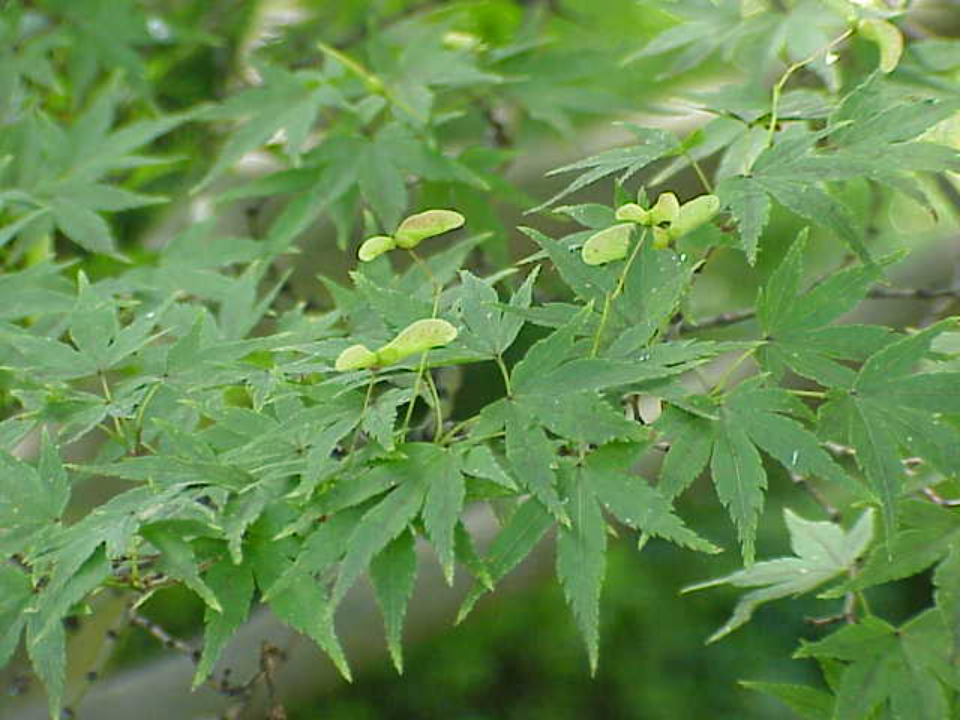
The Volcano Maple is a unique species of maple tree that grows on the slopes of active volcanoes. This tree is known for its beautiful, red-tipped leaves and its ability to survive in the poor, rocky soils found in volcanic regions. The Volcano Maple has a deep root system that allows it to access moisture even in the driest conditions. Its canopy provides shade for smaller plants and animals, contributing to the biodiversity of volcanic landscapes.
The tree’s ability to withstand high temperatures and nutrient-poor conditions makes it a valuable species for stabilizing volcanic soils. Volcano Maples also play a role in the carbon cycle by absorbing carbon dioxide and providing oxygen. This tree is an essential part of the ecosystem, supporting both plant and animal life in volcanic regions.
Lava Cactus (Opuntia vulgaris)
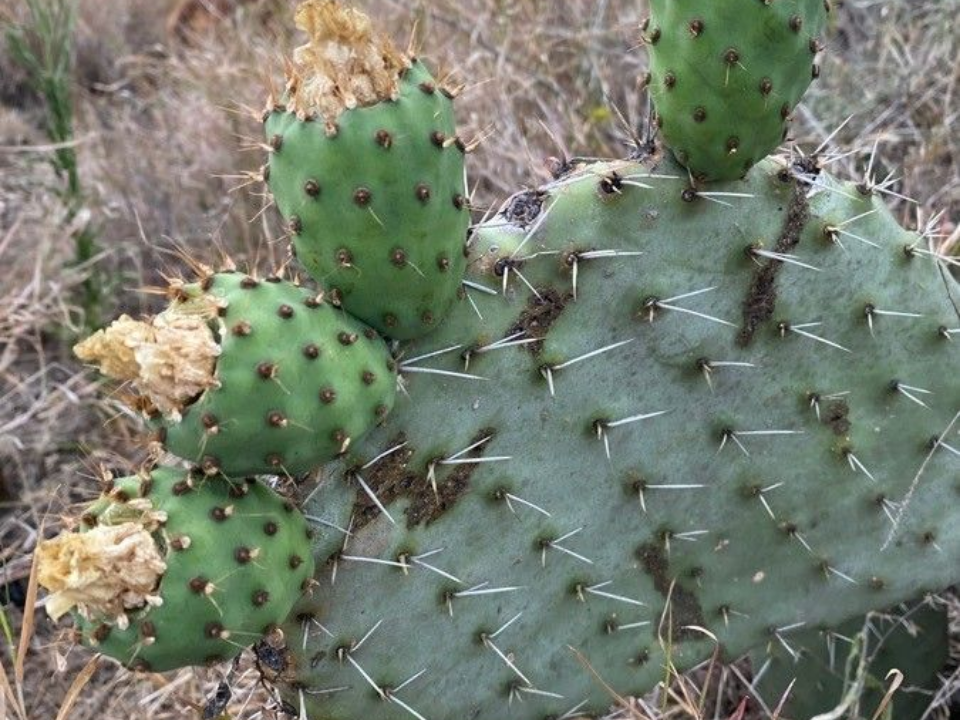
The Lava Cactus is a species that thrives in the rocky, hot environments of volcanic slopes. Its thick, fleshy stems are designed to conserve water, allowing it to survive in the dry conditions typical of volcanic regions. The cactus produces large, bright yellow flowers that bloom in the summer months, attracting pollinators such as bees and hummingbirds.
The Lava Cactus plays a role in stabilizing volcanic soils by creating a network of roots that bind the soil together. Its ability to survive in extreme conditions makes it a key species in the volcanic ecosystem. The cactus’s fruit, which is rich in nutrients, provides a source of food for both humans and animals. The Lava Cactus is a testament to the resilience of life on volcanic slopes.
This article originally appeared on Avocadu.