
18 Rare Plants That Only Grow in One Small Corner of the World
Some plants exist only in places so specific that leaving that area means they simply cannot survive. These plants have grown alongside unique soil, climate, and wildlife conditions that shaped how they look and live. Many of them developed in isolation, far from similar species found elsewhere. Their limited range makes them especially sensitive to changes in weather or land use. Some survive because of careful protection, while others remain at risk due to their narrow growing areas.
This post may contain affiliate links, which helps keep this content free. Please read our disclosure for more info.
Welwitschia mirabilis
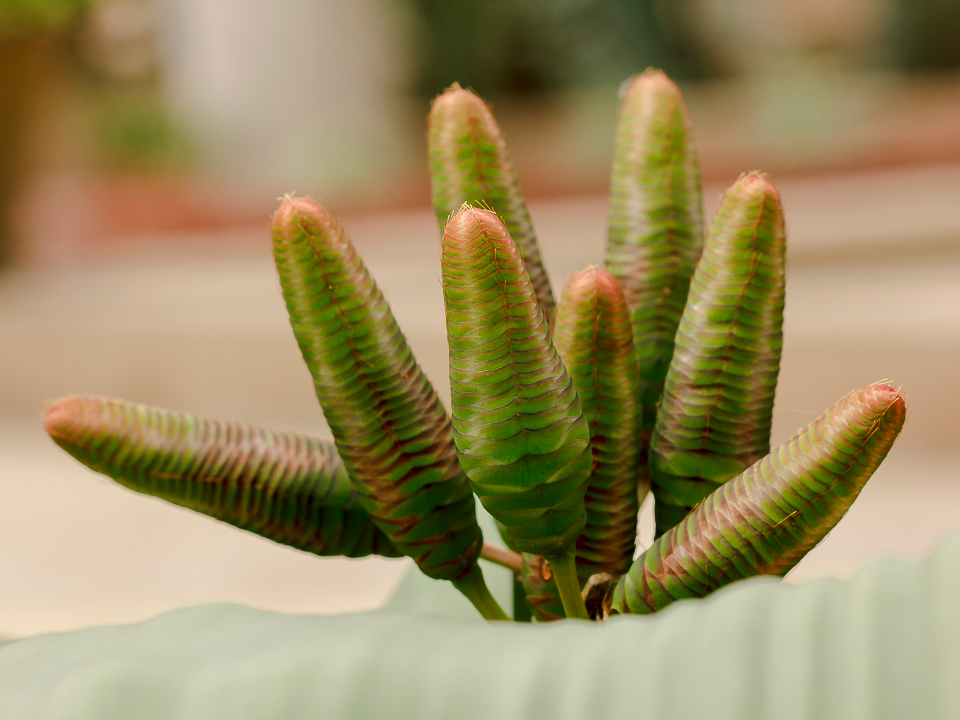
Welwitschia mirabilis exists only in a narrow stretch of the Namib Desert near the Atlantic coast. Rainfall in this region is almost nonexistent, making survival extremely difficult for most plant life. The plant survives by absorbing moisture from dense morning fog that rolls inland from the ocean. It grows only two leaves during its lifetime, yet those leaves continue growing from the base for centuries.
Wind and sand tear the leaves into long strips, giving each plant a wild and uneven appearance. Some individuals are believed to be over a thousand years old based on growth patterns. Its thick woody base stores water and nutrients during long dry periods. Because it grows so slowly, any damage remains visible for decades. Scientists view this plant as one of the clearest examples of long-term survival in extreme environments.
Gibraltar Campion
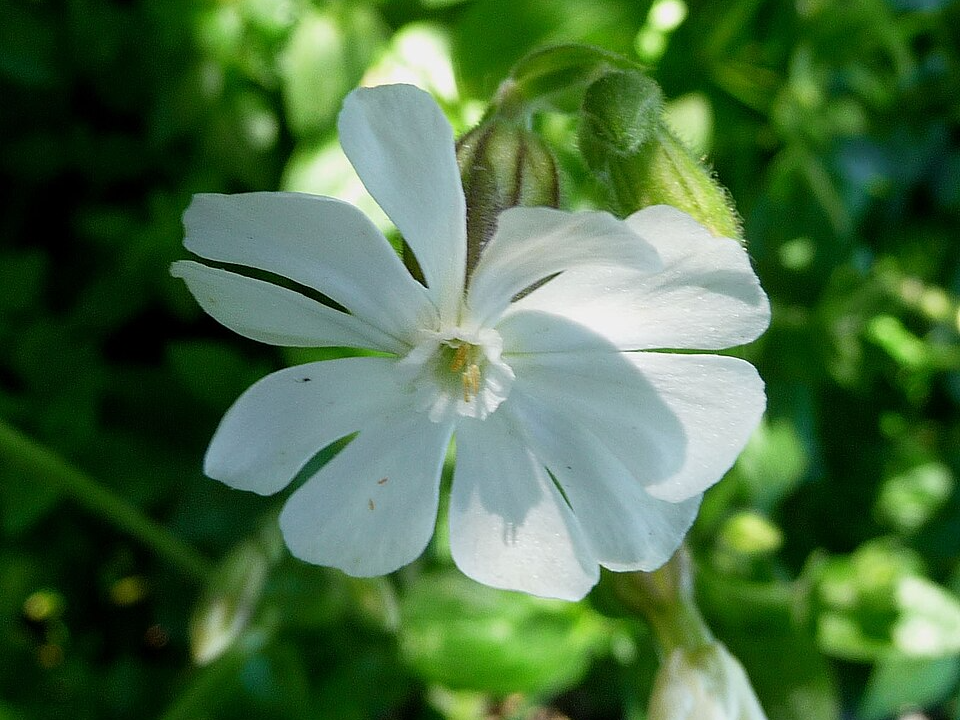
Gibraltar Campion grows only on the sheer limestone cliffs of Gibraltar. These cliffs offer little soil and constant exposure to wind and salt air. The plant remained unseen for decades and was once declared extinct. Its rediscovery came as a surprise when it was found clinging to inaccessible rock faces. The small pink flowers bloom in compact groups and appear delicate against the stone.
The plant relies on its isolated location to avoid competition. Any construction or erosion along the cliffs could threaten its survival. Conservation teams now monitor each known plant closely. The species cannot spread far beyond its limited habitat. Its survival depends on the continued stability of the cliffs where it grows.
Jade Vine

Jade Vine grows naturally in a very small number of forested areas in the Philippines. The plant is best known for its rare blue green flowers that hang in long chains. These flowers are shaped to match the feeding habits of specific pollinators found only in that region. The vine climbs high into forest canopies using surrounding trees for support. When forests are cleared, the vine loses both structure and pollinators.
The flowers bloom only during certain seasons and for limited periods. Habitat loss remains the biggest threat to wild populations. Cultivated plants exist in botanical gardens, yet wild examples continue to decline. The plant remains closely tied to its native forests. Protecting those forests is essential to its survival.
Middlemist Red
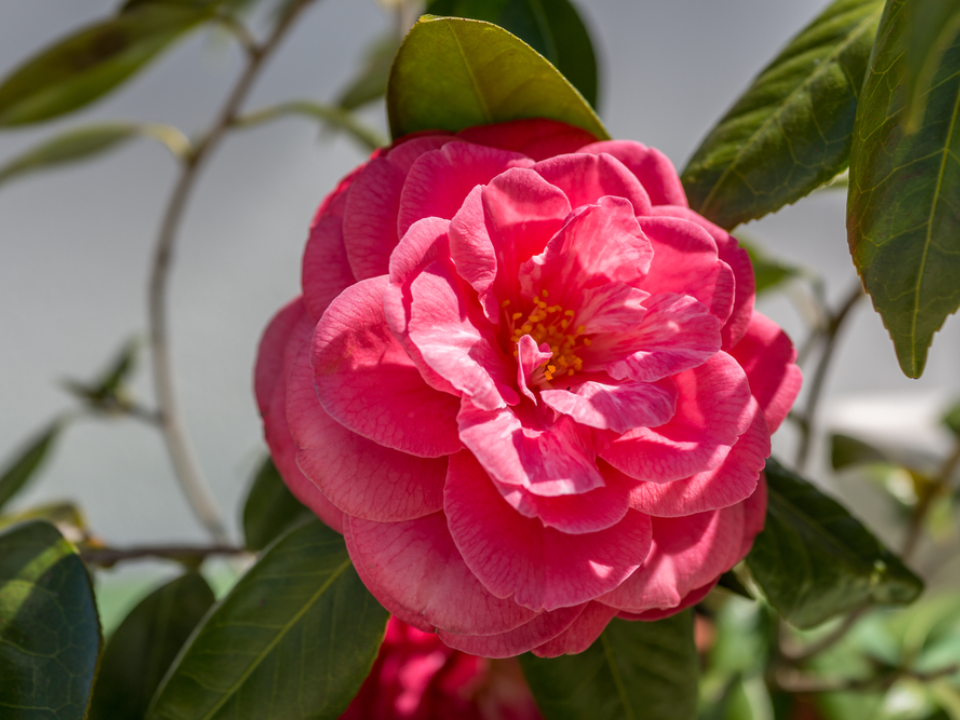
Middlemist Red is one of the rarest flowering plants still alive today. Only two known plants exist anywhere in the world. One is maintained in England, while the other grows in New Zealand. The plant originally came from China, yet no wild populations remain there. Its flowers are deep pink with tightly layered petals.
Each bloom appears full and carefully shaped. The plant survives only because of careful cultivation over generations. Its original growing location has been lost to history. Without continued attention, the species would disappear entirely. Middlemist Red stands as a living reminder of how easily rare plants can vanish from their native regions.
Rafflesia arnoldii
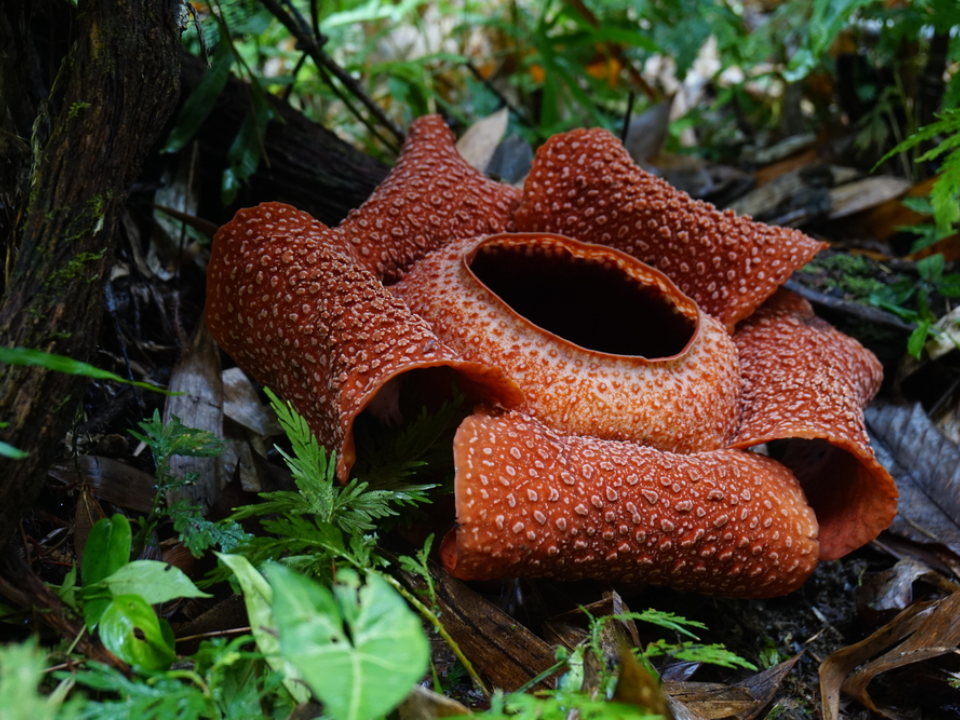
Rafflesia arnoldii grows only in remote rainforest areas of Sumatra and Borneo. It produces the largest single flower in the world by weight and width. The plant has no visible leaves, stems, or roots. Instead, it lives entirely inside a specific vine species. The flower develops slowly over several months before opening.
When it blooms, it releases a powerful odor similar to decaying organic matter. This smell attracts insects needed for pollination. The bloom lasts only a few days before collapsing. Because it depends on healthy forests and host vines, habitat loss presents a major threat. Its unusual life cycle makes conservation especially difficult.
Socotra Dragon Blood Tree
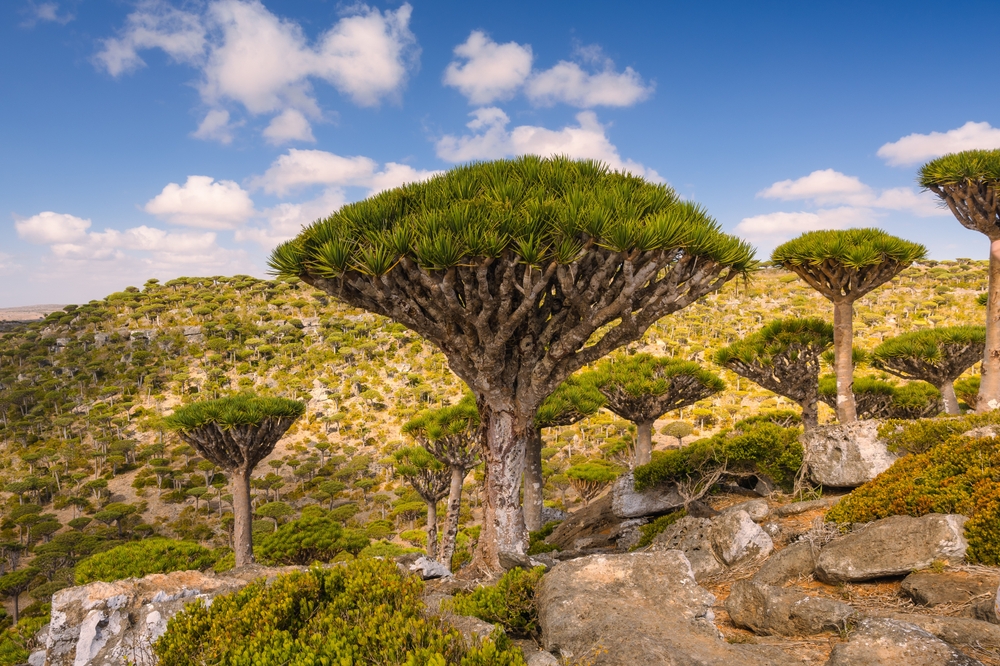
The Socotra Dragon Blood Tree grows only on the isolated island of Socotra near Yemen. Its umbrella shaped crown helps capture moisture from fog and light rain. The tree produces a red resin that has been valued for centuries. This resin was historically used for dyes, medicine, and ceremonial purposes. The tree grows slowly and can live for hundreds of years.
Young trees struggle to survive due to grazing animals and limited regeneration. Changes in rainfall patterns have made survival harder for new growth. The island’s isolation allowed this species to remain unique. Damage to the ecosystem threatens its long term survival. The tree has become a symbol of Socotra’s unique plant life.
Wood’s Cycad
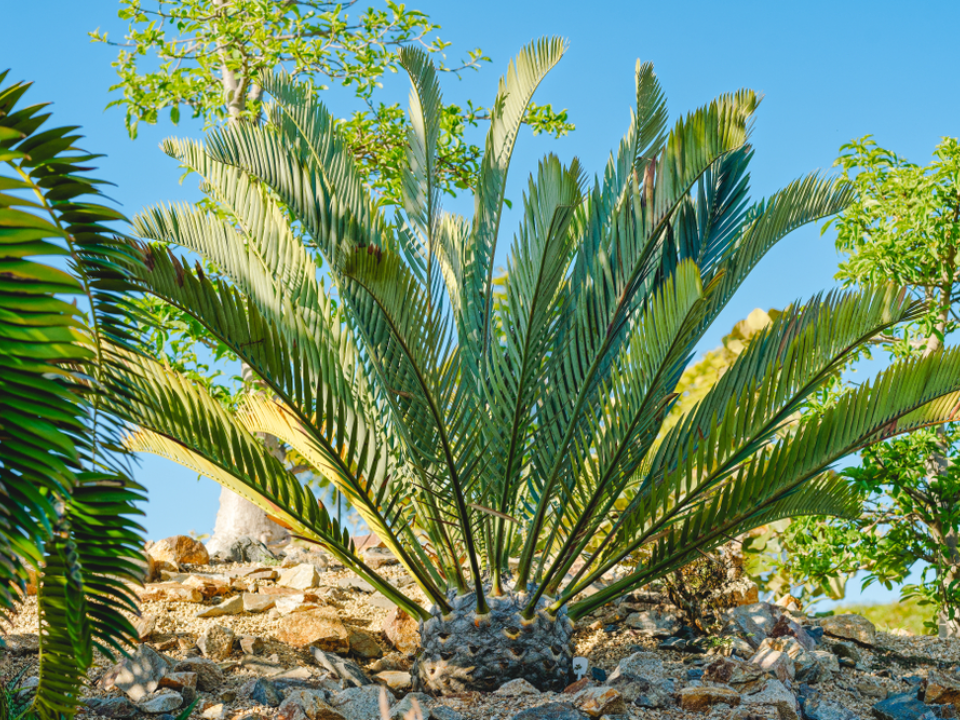
Wood’s Cycad was originally found in a very small area of South Africa. Only male plants were ever discovered in the wild. No female plants have been located despite decades of searching. Because of this, the species cannot reproduce naturally. All existing plants today come from cloned material.
The plant has thick stems and stiff green leaves. Cycads belong to one of the oldest plant groups still living. Their ancestors existed long before flowering plants. The survival of this species depends entirely on human cultivation. Without intervention, it would no longer exist.
Youtan Poluo
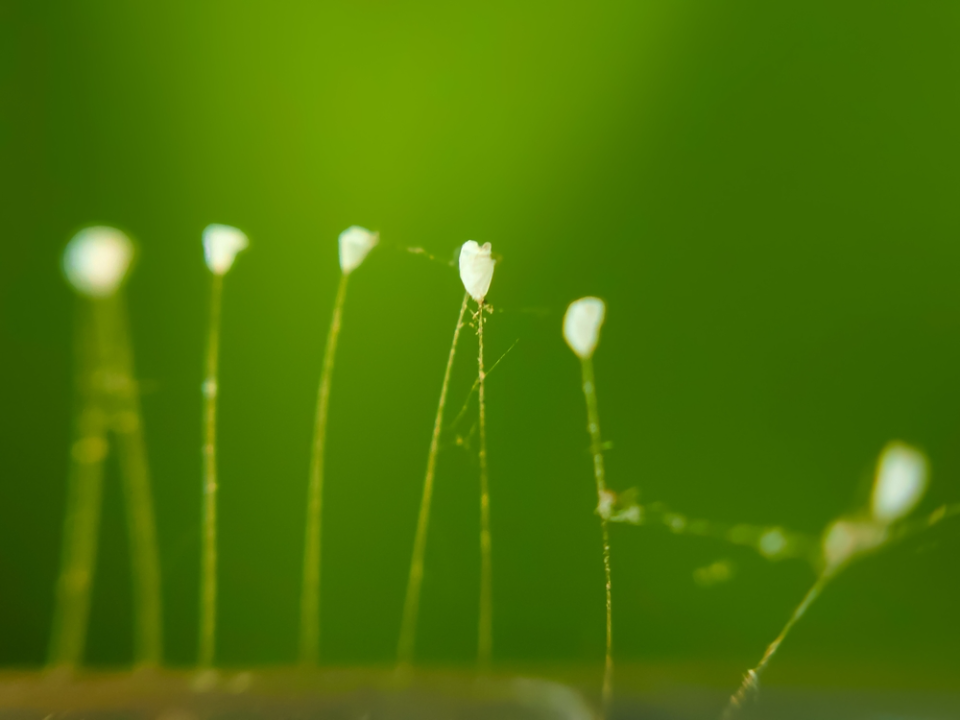
Youtan Poluo is an extremely small flowering plant reported only in limited areas of China. Its flowers are tiny and white, often mistaken for insects or dust. The plant grows on surfaces such as stone, tree bark, or metal. Its life cycle remains poorly understood due to its size. Some reports suggest the flowers appear after long intervals.
Confirmed sightings are rare and difficult to verify. The plant’s classification remains debated among researchers. Its limited presence makes study challenging. The plant continues to attract attention because of its rarity. Much remains unknown about its growth patterns.
Mount Kinabalu Pitcher Plant
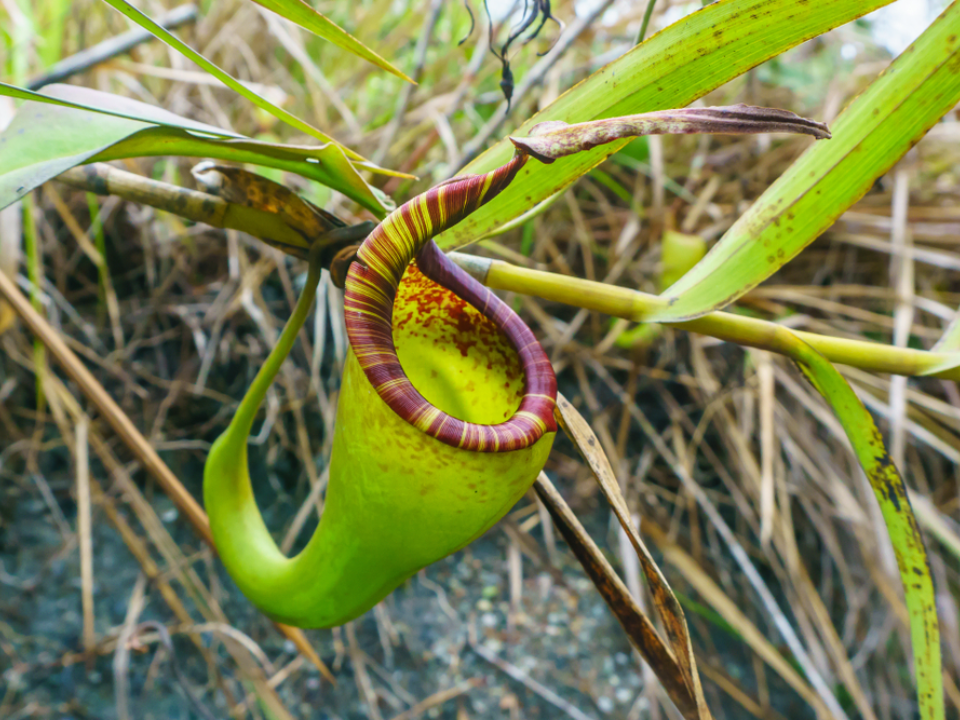
This pitcher plant grows only on Mount Kinabalu in Malaysia. It thrives at high elevations where temperatures remain cooler. The surrounding soil lacks nutrients, which led to its carnivorous traits. The plant forms deep pitchers filled with digestive fluid.
Insects fall into the pitchers and provide nutrients. Some pitchers grow large enough to hold small animals. The plant depends on stable mountain conditions to survive. Changes in temperature or rainfall could affect its growth. Its limited range makes it sensitive to environmental shifts. Protecting the mountain protects this species as well.
Titan Arum
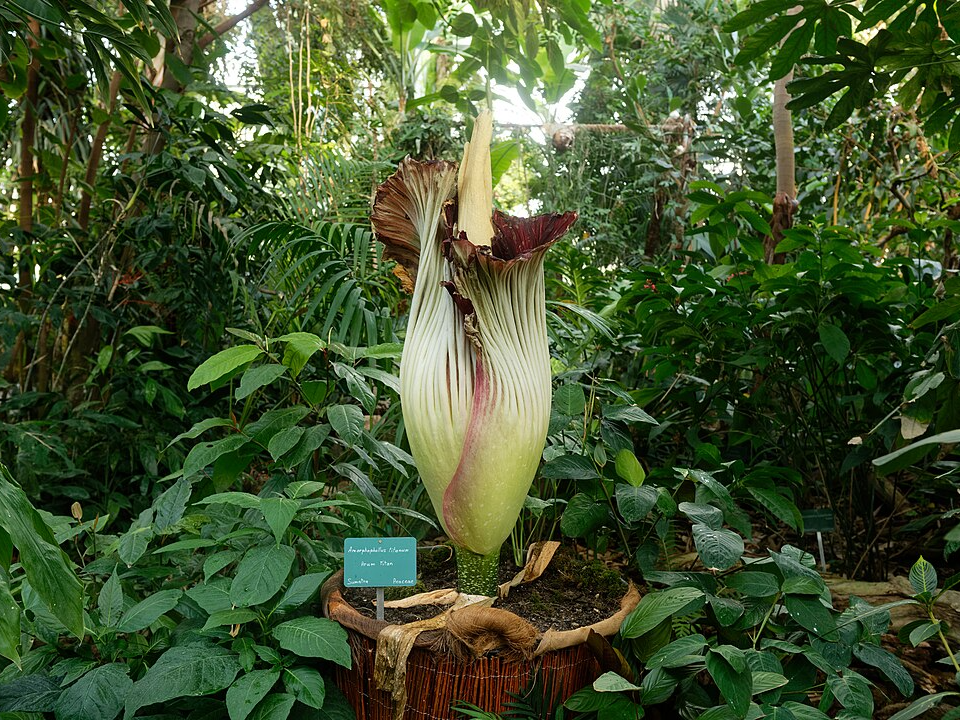
Titan Arum grows naturally only in the rainforests of western Sumatra. It produces one of the largest flower structures in the plant world. The plant can take many years before blooming for the first time. When it blooms, the event lasts only a short time. The flower releases a strong odor that attracts insects.
This scent helps with pollination in dense forests. The plant depends on undisturbed rainforest conditions. Deforestation has reduced its habitat significantly. Because of its limited range, wild populations remain vulnerable. Cultivation outside its native area helps preserve the species.
Puya raimondii
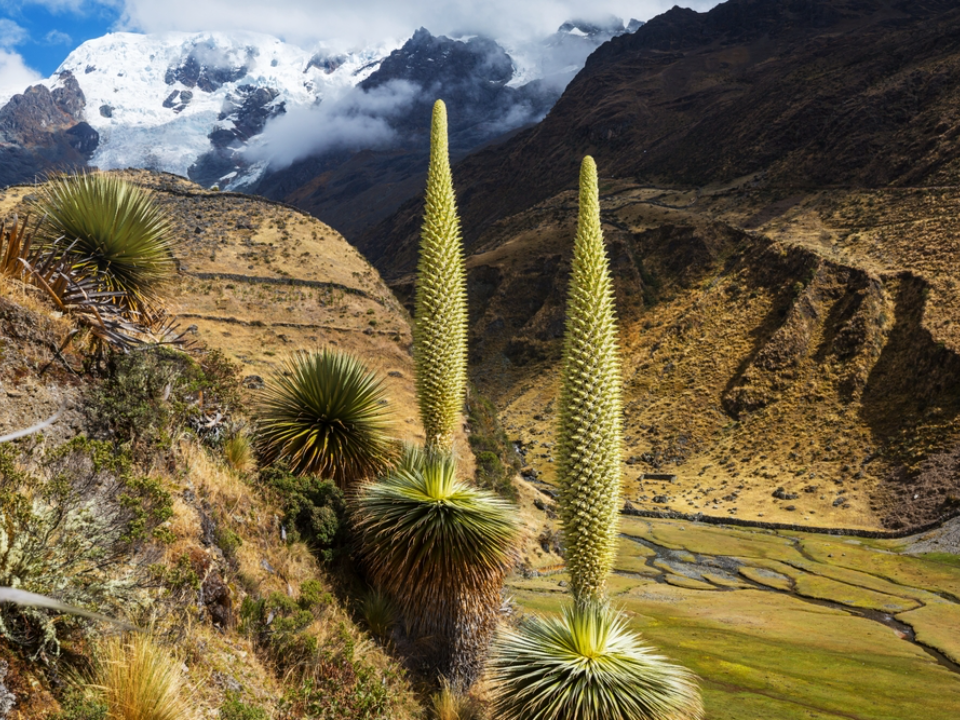
Puya raimondii grows only in the high Andes of Peru and Bolivia. It survives in harsh mountain environments with intense sunlight and cold temperatures. The plant grows slowly and may take several decades to flower.
When it finally blooms, it produces a massive flower stalk. Thousands of small flowers cover this stalk. After flowering, the plant dies. This life cycle makes recovery slow if populations decline. Grazing animals often damage young plants. Climate shifts affect its fragile habitat. Conservation efforts face many challenges due to its remote location.
Coco de Mer
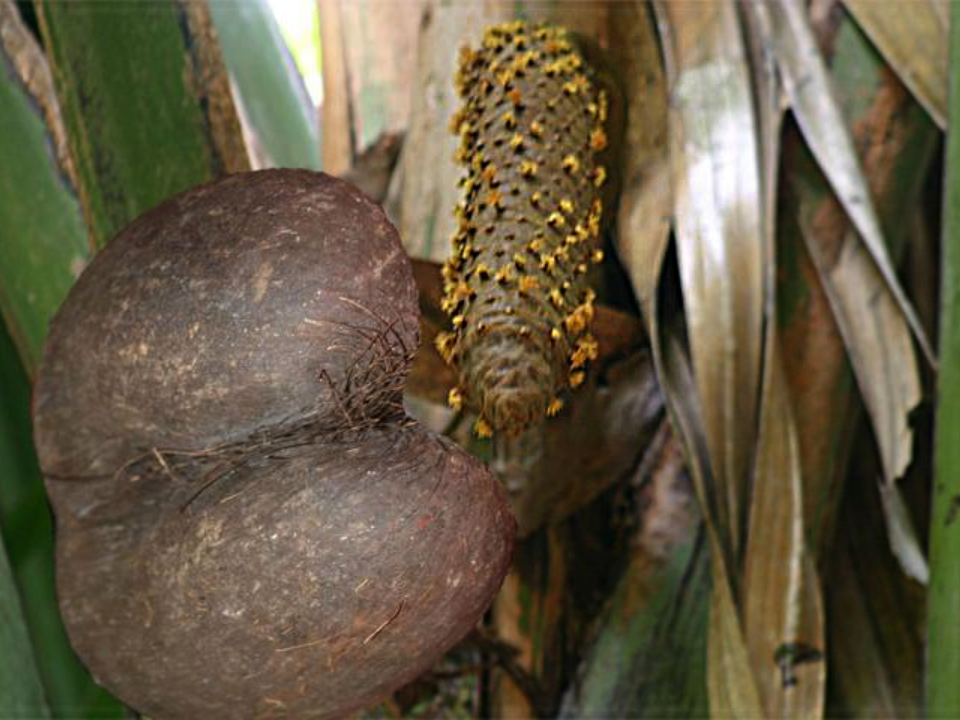
Coco de Mer grows only on two small islands in the Seychelles. It produces the largest seed of any plant. The palm grows slowly and can take decades to mature. Its heavy seeds fall directly beneath the parent tree. This limits natural spread across the islands.
The palm requires specific soil and climate conditions. Illegal harvesting once reduced its numbers. Protection laws now help preserve remaining trees. The palm remains tied closely to its narrow habitat. Its limited range keeps it rare.
Takhtajania perrieri
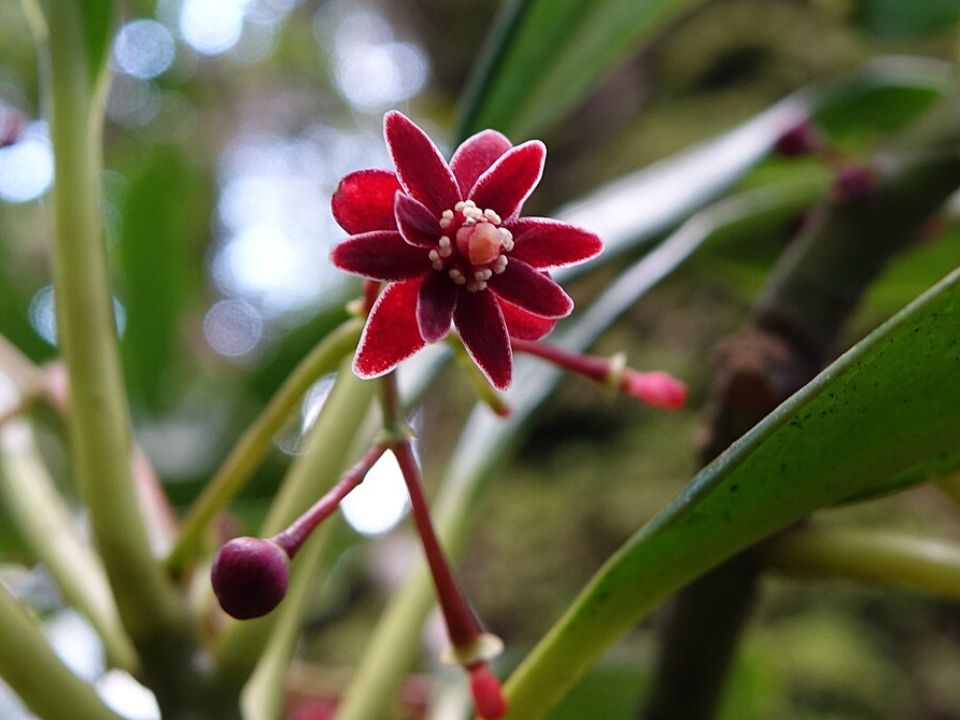
Takhtajania perrieri grows only in a small, forested area of northeastern Madagascar. It is considered a living connection to ancient plant groups. The tree prefers cool, humid conditions with stable temperatures. Its leaves release a strong scent when crushed.
The plant remained unknown for many years due to its remote location. Logging has reduced parts of its habitat. Only a small number of mature trees remain. Slow growth limits natural recovery. Conservation programs aim to protect remaining forest areas. Its survival depends on continued protection.
Silversword Plant
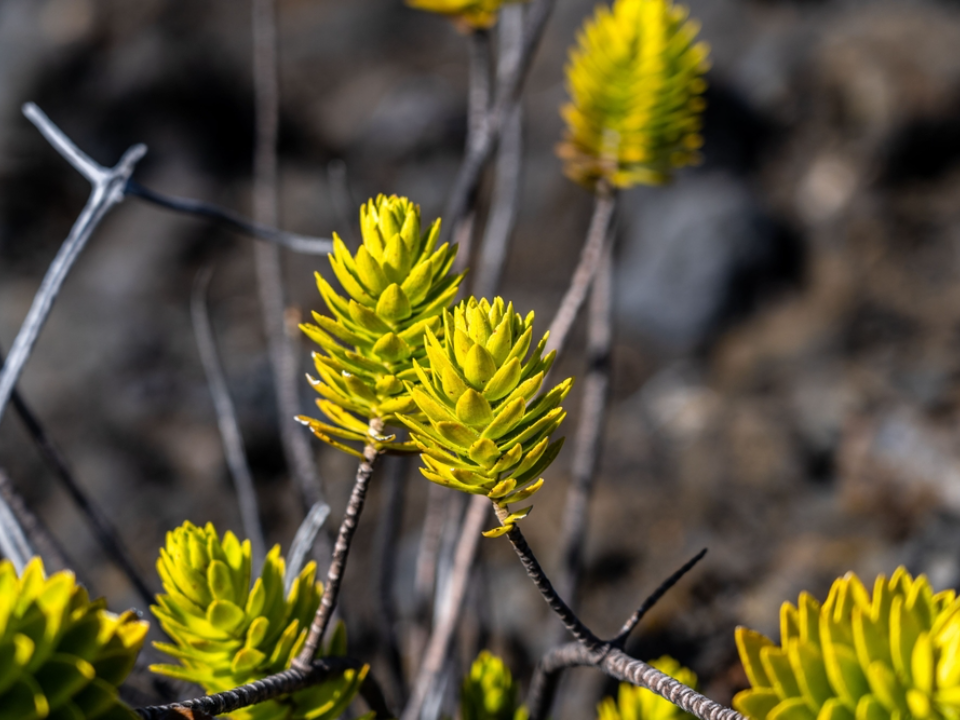
The Silversword Plant grows only on volcanic slopes in Hawaii. It survives intense sunlight and dry conditions at high elevations. Its narrow silver-colored leaves reflect light and reduce water loss. The plant grows slowly over many years. It flowers only once in its lifetime.
After flowering, the plant dies. Invasive animals once caused serious damage to populations. Protective measures helped stabilize numbers. Its habitat remains limited to specific volcanic areas. Continued monitoring is necessary.
Ghost Orchid
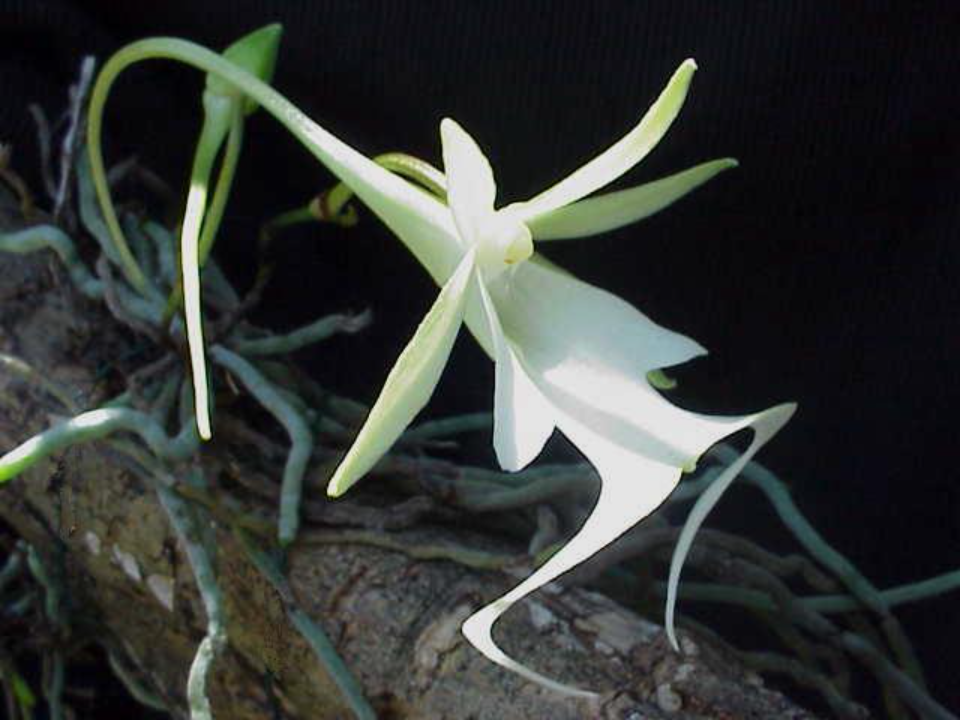
The Ghost Orchid grows in limited wetland areas of southern Florida and parts of Cuba. It lives attached to trees rather than in soil. The plant lacks traditional leaves and relies on roots for photosynthesis. Its white flowers appear to float in the air.
Blooming is rare and unpredictable. The orchid depends on specific fungi to survive. Wetland loss reduced its habitat. Poaching remains a serious threat. Its narrow range makes conservation difficult. The orchid remains one of the most elusive plants in its region.
St Helena Redwood
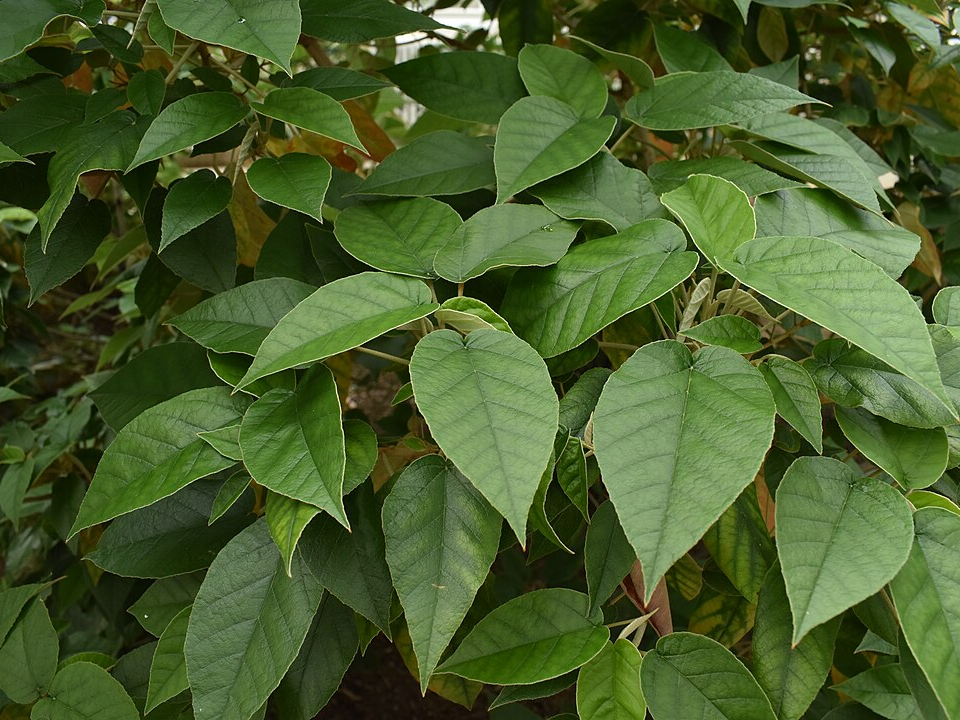
St Helena Redwood grows only on the island of Saint Helena. It once covered larger portions of the island. Habitat changes reduced its numbers greatly. The tree has thin leaves and branching stems. It prefers misty high elevation areas.
Seedlings struggle to survive in altered environments. Conservationists propagate the plant in controlled settings. Wild populations remain extremely small. Continued care is essential for survival. The species remains closely tied to its island home.
Western Underground Orchid
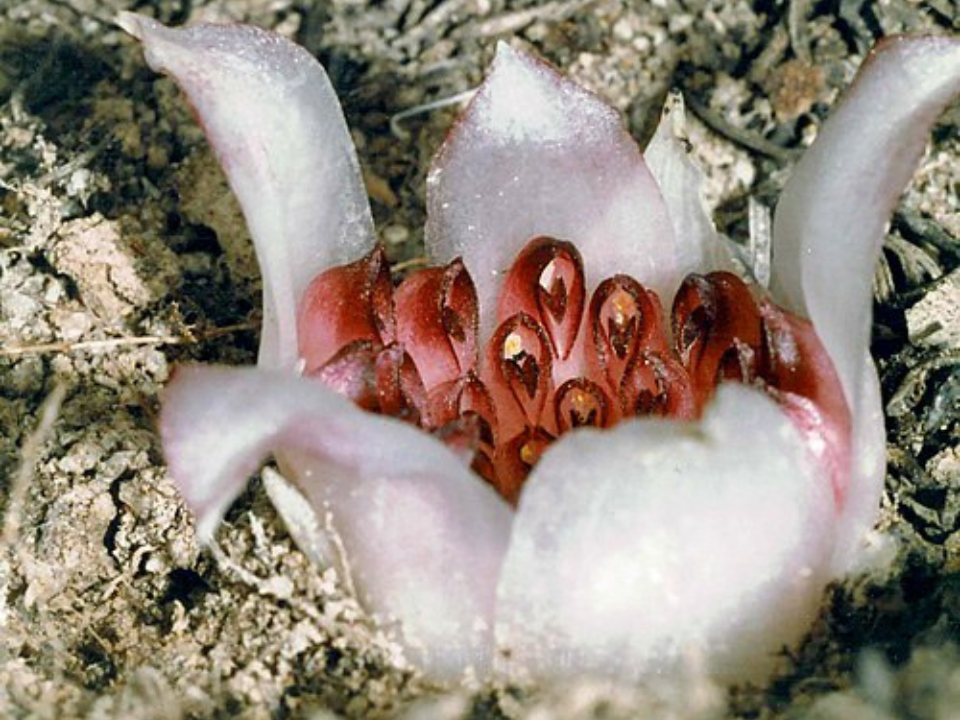
This orchid grows entirely underground in parts of western Australia. It lacks chlorophyll and does not rely on sunlight. The plant depends on soil fungi for nutrients. Flowers bloom beneath the surface. Pollination occurs through insects that move through soil tunnels.
Because it remains hidden, it went unnoticed for many years. Land disturbance threatens its habitat. Very few flowering events have been observed. Its secretive growth makes study difficult. It remains one of the rarest orchids known.
Living Stone Plant
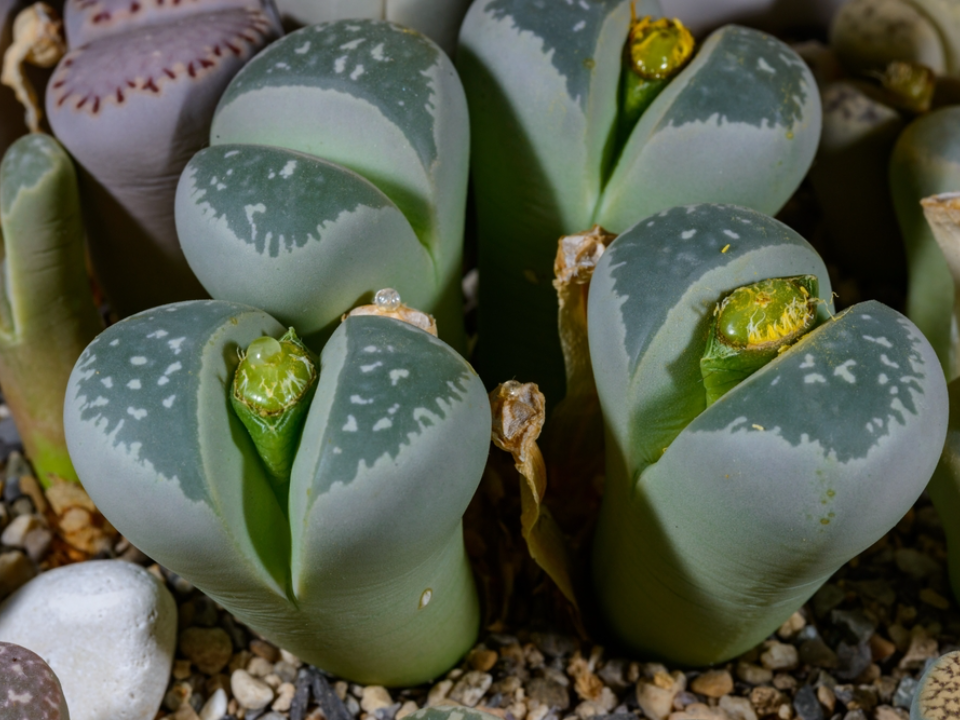
Living Stone Plant grows only in small desert regions of southern Africa. The plant closely resembles surrounding stones. This appearance helps protect it from animals. Most of the plant remains underground. Only the top surface is visible above soil.
It produces small flowers during brief seasonal periods. The plant grows slowly and conserves water carefully. Overcollection reduced wild populations. Its limited range makes recovery slow. Protection efforts remain important for survival.
This article originally appeared on Avocadu.