
16 Rare Plants That Only Grow in Caves or Cave Like Shade
Caves are home to a fascinating world of life, many of which are rare plants that thrive in low-light, moisture-rich environments. These plants have adapted to grow in the shadows, often without the need for direct sunlight. They can be found in cool, damp caves or shaded spots that mimic cave conditions, where moisture and humidity are abundant. The plants that inhabit these environments have unique features that allow them to survive with limited resources. From ferns to mosses, these plants play a crucial role in maintaining the delicate balance of cave ecosystems. Their ability to flourish in such specific conditions makes them a remarkable part of our planet’s biodiversity.
This post may contain affiliate links, which helps keep this content free. Please read our disclosure for more info.
Adiantum aleuticum (Aleutian Maidenhair Fern)
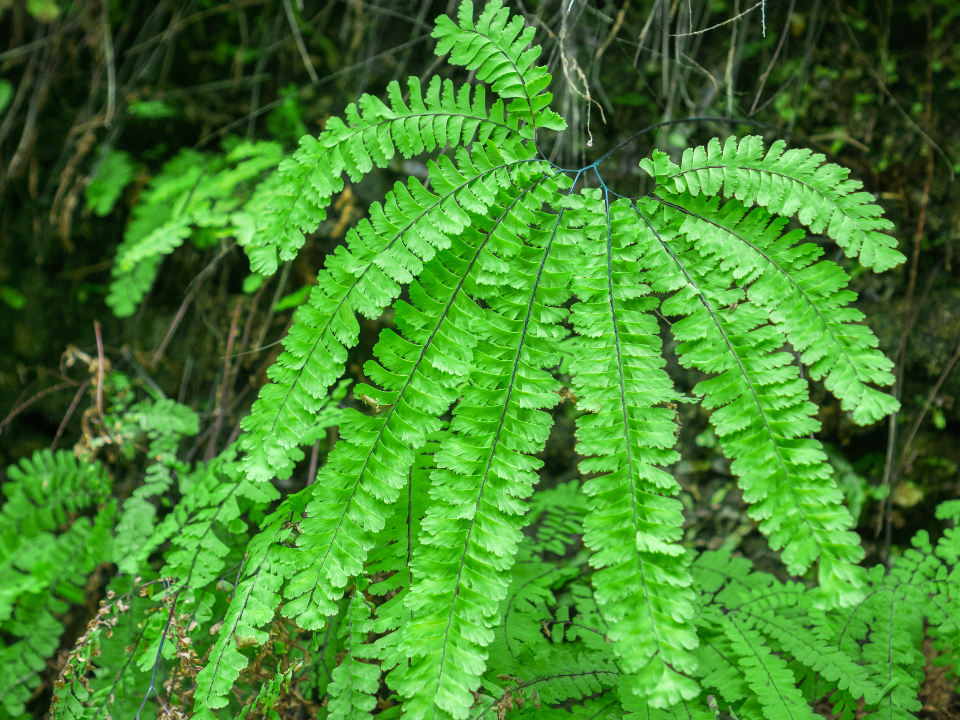
The Adiantum aleuticum, commonly known as the Aleutian Maidenhair Fern, thrives in caves and shaded, moist environments. This fern is often found in the cool, damp caves of the Aleutian Islands. It requires low light levels and a high humidity environment to grow successfully. Its delicate fronds have a silvery sheen, which reflects the minimal light available in caves.
The plant has a unique ability to survive in low-nutrient soil, making it an ideal candidate for cave-like conditions. Its slow growth and need for consistent moisture make it a rarity in other environments. The Aleutian Maidenhair Fern’s ability to thrive in caves highlights the adaptability of plants to extreme conditions.
Sphagnum Moss
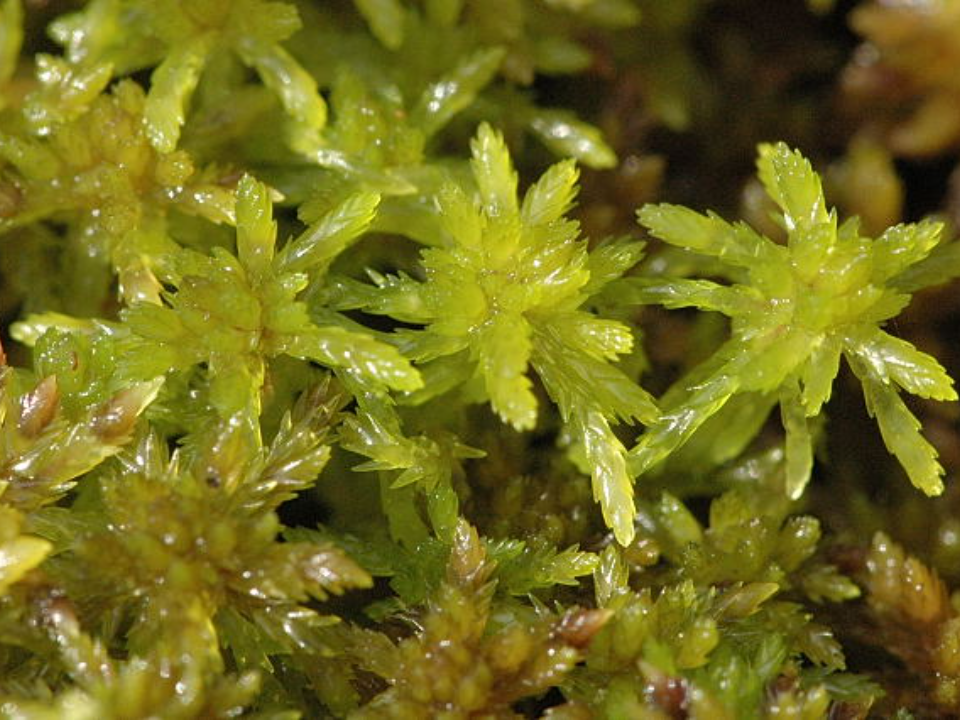
Sphagnum moss is often found in caves where moisture is abundant. This moss plays a vital role in maintaining the humidity levels of cave ecosystems. It thrives in low-light areas, where other plants may struggle to survive. Sphagnum moss has a unique ability to absorb and retain large amounts of water, which is essential in cave environments where moisture is scarce.
This moss grows in dense mats, helping to maintain the integrity of cave ecosystems by preventing soil erosion. Its pale green appearance helps it blend in with the cave’s shadowy surroundings. It also plays a role in the formation of peat bogs in cave-like environments.
Torreya taxifolia (Florida Torreya)
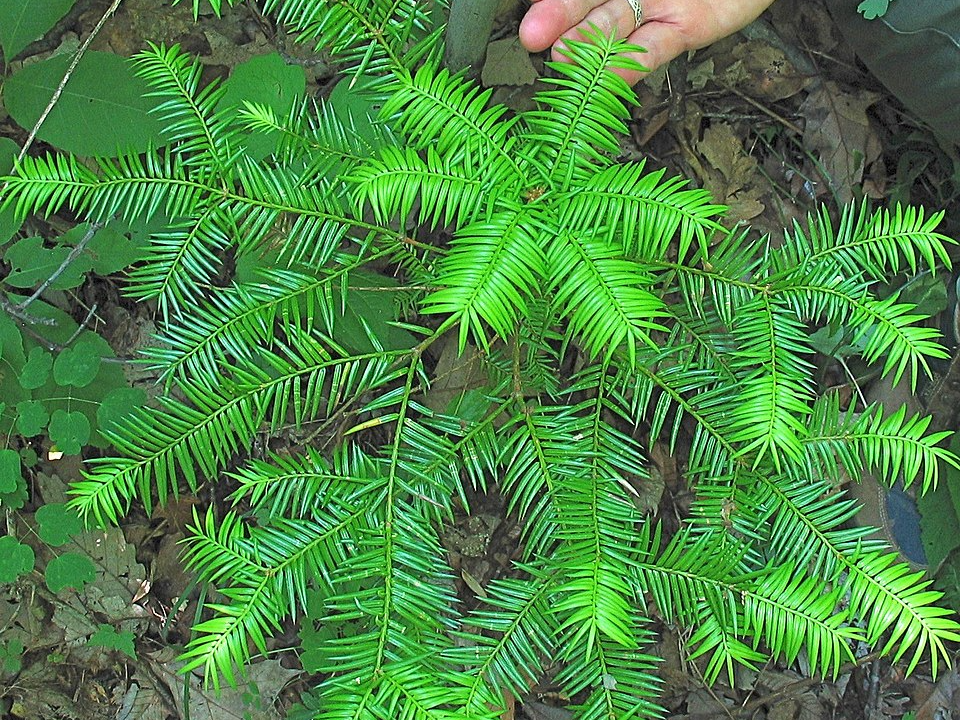
The Torreya taxifolia, also known as the Florida Torreya, is a rare tree species found in limestone caves and the surrounding shaded areas. Native to the lower Florida panhandle, this tree grows in cool, moist conditions that are similar to cave environments. The tree’s dense foliage provides shelter for various species within the cave-like areas.
Its needles, which are dark green, are adapted to absorb the limited sunlight available in shaded areas. The Torreya taxifolia has become increasingly rare due to habitat loss and disease, making it one of the most elusive plants in cave-like ecosystems. Its presence in caves offers important ecological functions, such as stabilizing the soil and preventing erosion.
Asplenium trichomanes (Maidenhair Spleenwort)
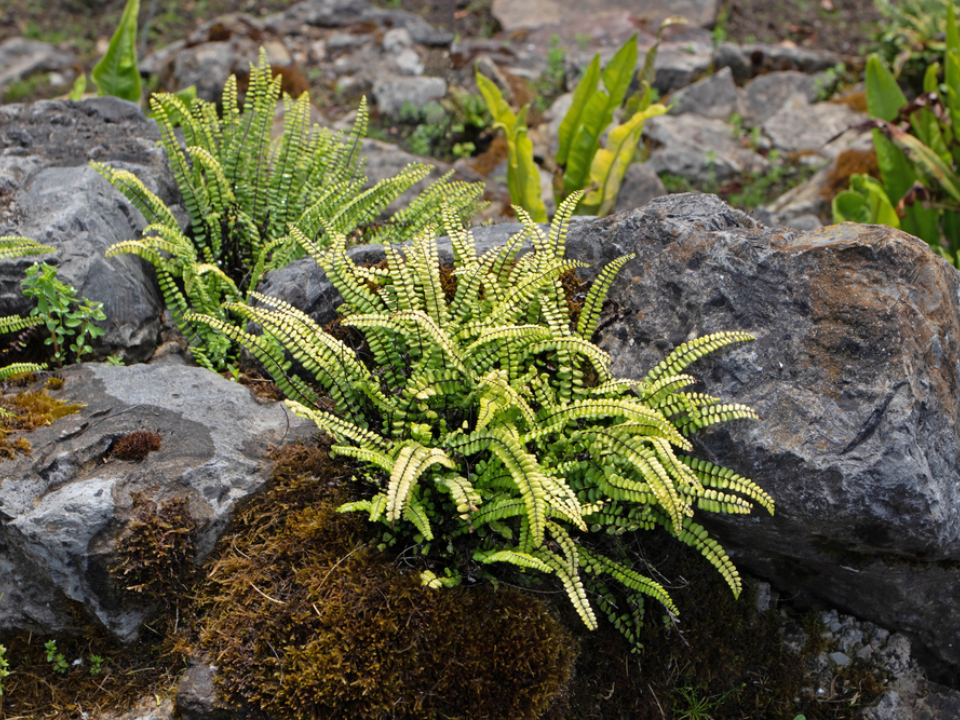
The Asplenium trichomanes, commonly known as Maidenhair Spleenwort, is a fern that can be found growing in the damp, shaded areas of caves. Its small, delicate fronds are often mistaken for other types of ferns, but its ability to grow in caves sets it apart. This plant prefers a cool, moist environment with minimal light, making caves an ideal home for it.
The Maidenhair Spleenwort has small, arching leaves that are rich in a dark green color, allowing it to thrive in the shadowy depths of caves. It is known for its resilience and ability to reproduce through spores, spreading throughout cave ecosystems. This plant is a perfect example of how some species have adapted to survive in caves with minimal resources.
Soleirolia (Baby’s Tears)
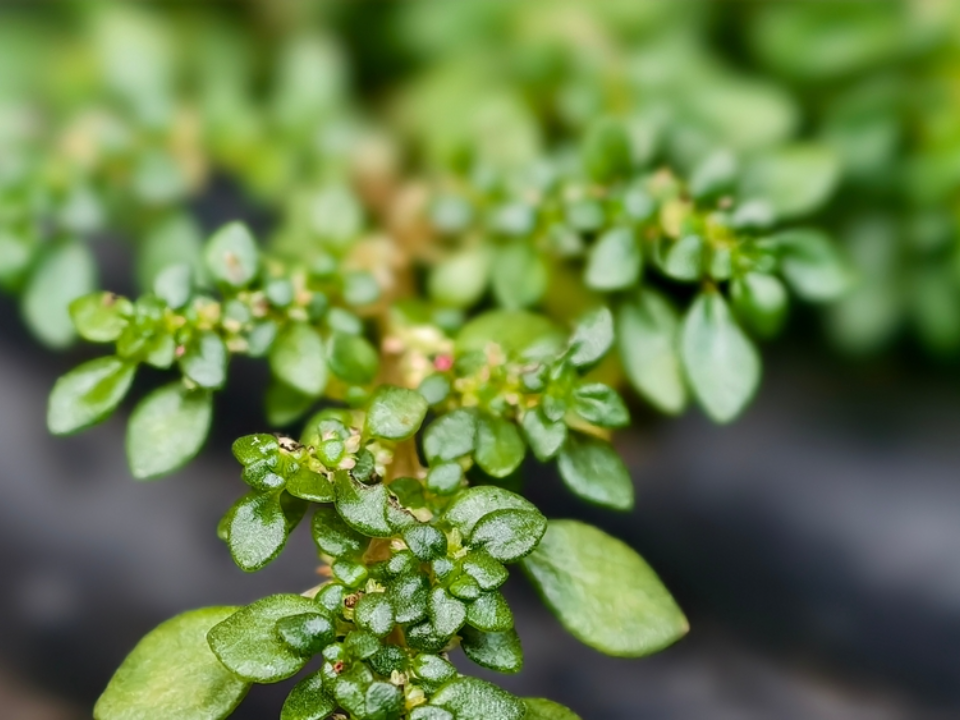
Soleirolia*, also known as Baby’s Tears, is a plant that often grows in the moist, shaded environments of caves. This small, creeping plant thrives in areas with high humidity and limited light, such as cave interiors. It forms dense mats of small, round leaves that resemble tiny beads, providing a soft, green carpet in cave-like areas.
Soleirolia prefers the cool temperatures that caves offer and is often found near the damp cave walls or floor, where the moisture levels remain consistent. The plant is capable of withstanding dry spells by storing water in its leaves. Its low-growing nature helps it to remain undisturbed in the cave ecosystem.
Cypripedium acaule (Pink Lady’s Slipper)
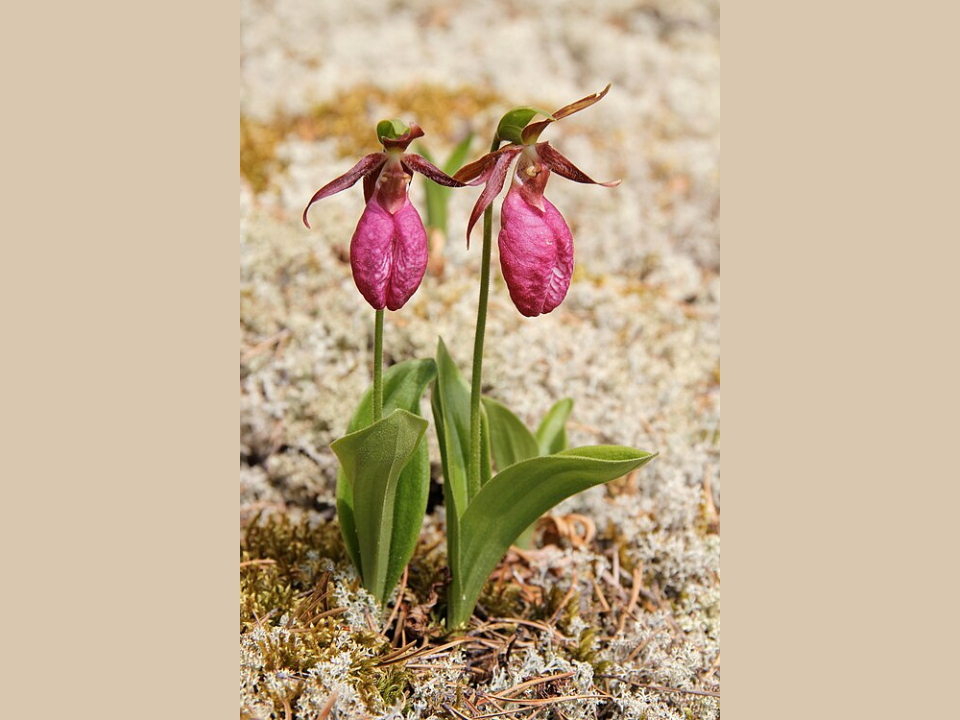
The Cypripedium acaule, or Pink Lady’s Slipper, can be found growing in the shaded, moist soils near cave entrances and in cave-like environments. This orchid is known for its unique, slipper-shaped flowers that emerge in spring. It thrives in cool, moist conditions that are typical of caves or areas with cave-like shade.
The Pink Lady’s Slipper requires a symbiotic relationship with a specific fungus to help it obtain nutrients from the soil. It can be found growing in forested cave entrances where the light is limited but still enough for this orchid to flower. Its rare and beautiful flowers make it a sought-after plant in cave ecosystems.
Fagus grandifolia (American Beech)
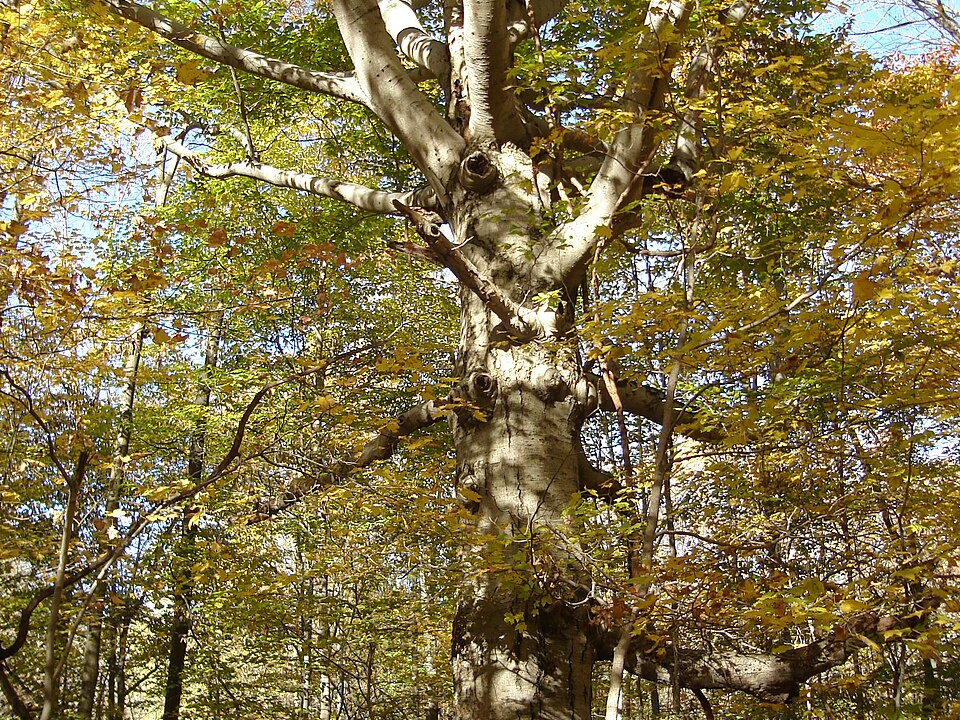
The Fagus grandifolia, or American Beech, is a rare plant that can grow in the shaded, moist environments near caves. Known for its smooth, silver-gray bark, the American Beech tree thrives in the cooler, low-light conditions found in cave-like areas. The tree’s large, broad leaves provide ample coverage and shade for the plants growing underneath it.
In cave systems, the Beech tree helps to maintain a stable microclimate, providing shelter for other rare plant species. The tree’s deep roots help stabilize cave soil and prevent erosion, allowing for a stable environment for other species to thrive. American Beech trees can also withstand the acidic soils commonly found in caves.
Trillium grandiflorum (Large-flowered Trillium)
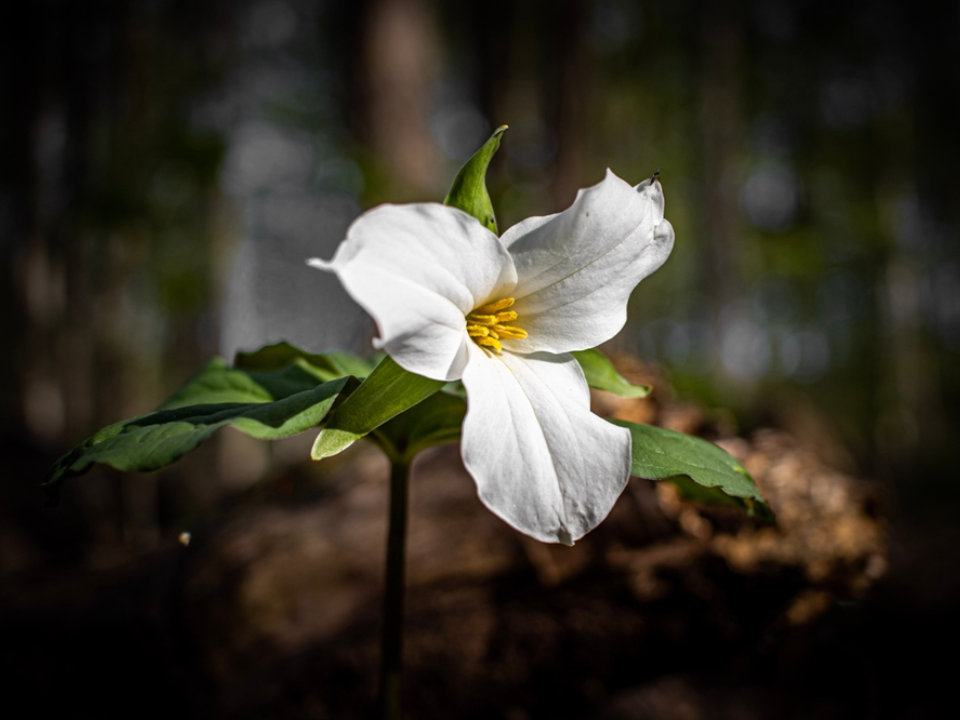
The Trillium grandiflorum, or Large-flowered Trillium, is a perennial plant found in the cool, moist, and shaded areas of caves or nearby cave environments. Its broad leaves and large white flowers are commonly seen in early spring. The plant thrives in areas where the soil is rich in organic matter and the light is minimal, which are the perfect conditions found in caves.
The Large-flowered Trillium’s flowers attract pollinators such as bees, but its primary mode of reproduction is through underground rhizomes. It is often found in areas close to cave entrances or deep within cave systems. Its slow growth and delicate nature make it one of the rarer plants in cave-like ecosystems.
Pteridium aquilinum (Bracken Fern)
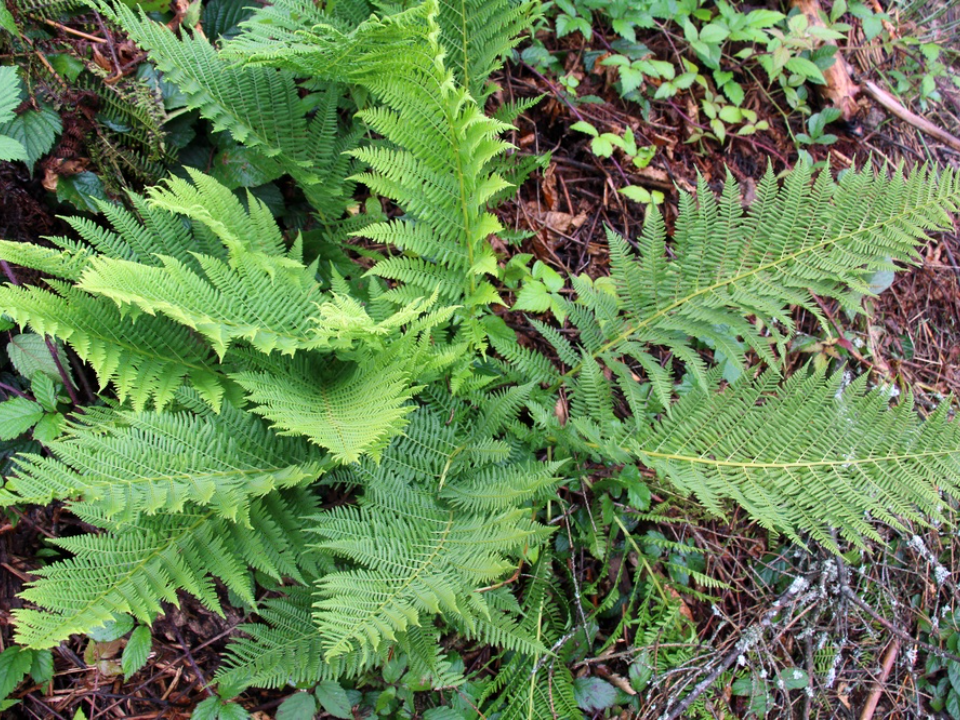
The Pteridium aquilinum, or Bracken Fern, is a hardy plant that can survive in a range of environments, including caves with low light. This fern grows in dense patches, with its fronds resembling large, feathery hands reaching for the limited light available. It thrives in cave environments where the temperature is cool and moisture is consistent.
The Bracken Fern is particularly well-suited to the acidic soils found in caves, where other plants may struggle. Its rhizomes spread quickly, allowing the plant to colonize cave floors and rock crevices. Despite its toughness, it remains rare in cave ecosystems due to the specific environmental conditions it requires to flourish.
Vinca minor (Lesser Periwinkle)
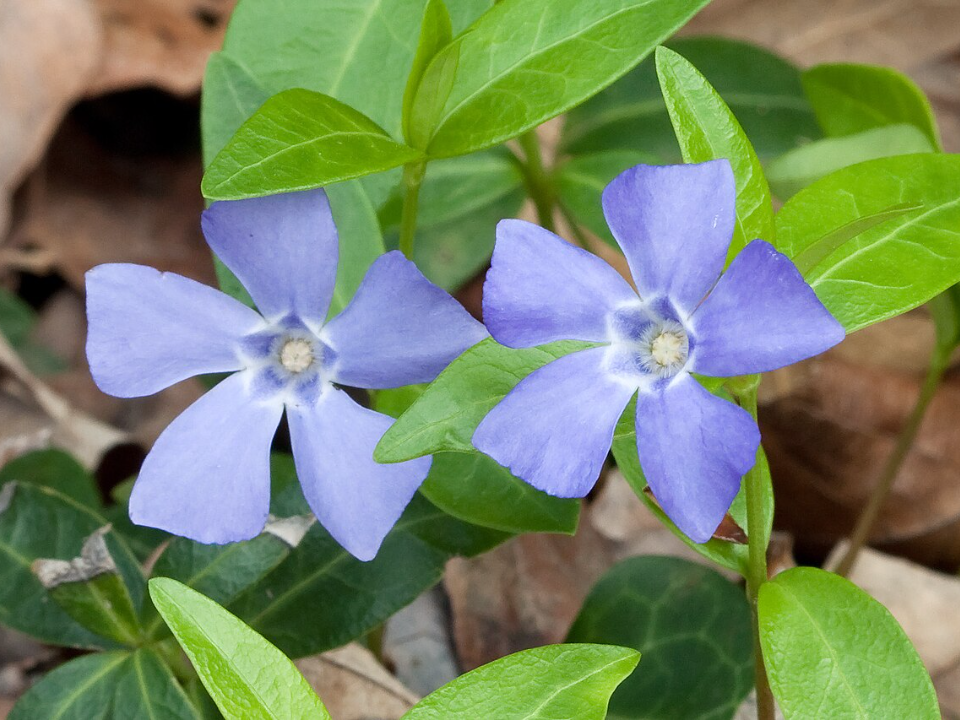
Vinca minor, also known as Lesser Periwinkle, is a creeping plant often found growing in the shaded, moist conditions of caves and cave-like environments. This plant spreads rapidly, forming dense ground cover with its glossy green leaves and bright blue or purple flowers. It thrives in areas with little to no direct sunlight, making caves and shaded forest floors ideal locations for it.
The Lesser Periwinkle is a hardy plant that can survive in the cooler temperatures of caves, tolerating low light and high humidity. Its ability to spread and create dense mats helps prevent soil erosion in cave environments. This makes it an important species in maintaining cave floor stability.
Coptis trifolia (Threeleaf Goldthread)
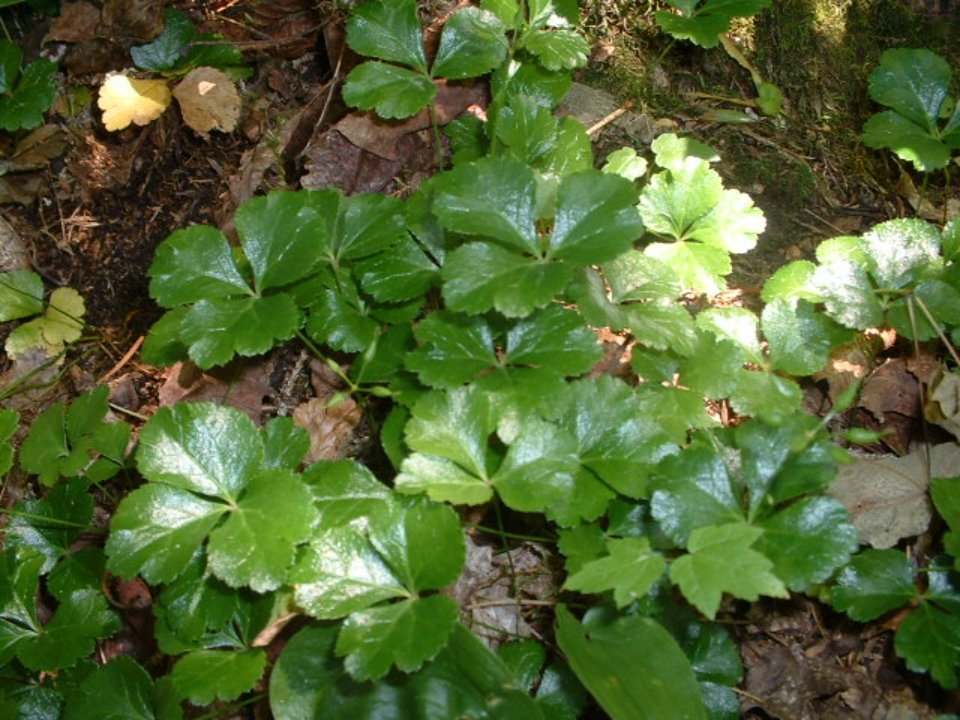
The Coptis trifolia, or Threeleaf Goldthread, is a small perennial plant found in the shaded and moist areas of caves. This plant thrives in the cool, low-light conditions typical of cave environments. Its distinct three-part leaves are bright green, while its roots contain yellowish threads that give it its name.
The Threeleaf Goldthread is commonly found in areas near cave entrances where humidity and moisture levels are high. It prefers acidic soils and can often be seen growing in the mossy, damp floors of caves. Its ability to grow in these conditions makes it a unique addition to cave ecosystems. This plant’s vibrant roots are also used in traditional herbal remedies.
Epimedium (Barrenwort)

Epimedium, commonly known as Barrenwort, is a plant that thrives in cave-like shaded environments. This perennial plant is often found growing in cool, moist conditions, making it well-suited for caves. Its heart-shaped leaves and delicate, spidery flowers add a soft beauty to the cave ecosystems.
Barrenwort is particularly known for its ability to thrive in low-nutrient soils, where other plants may struggle to survive. The plant grows slowly and can form dense patches that provide ground cover in cave environments. The flowers, which range in color from yellow to purple, are small but striking. Epimedium has become rare in some areas due to its specific habitat requirements.
Cryptomeria japonica (Japanese Cedar)
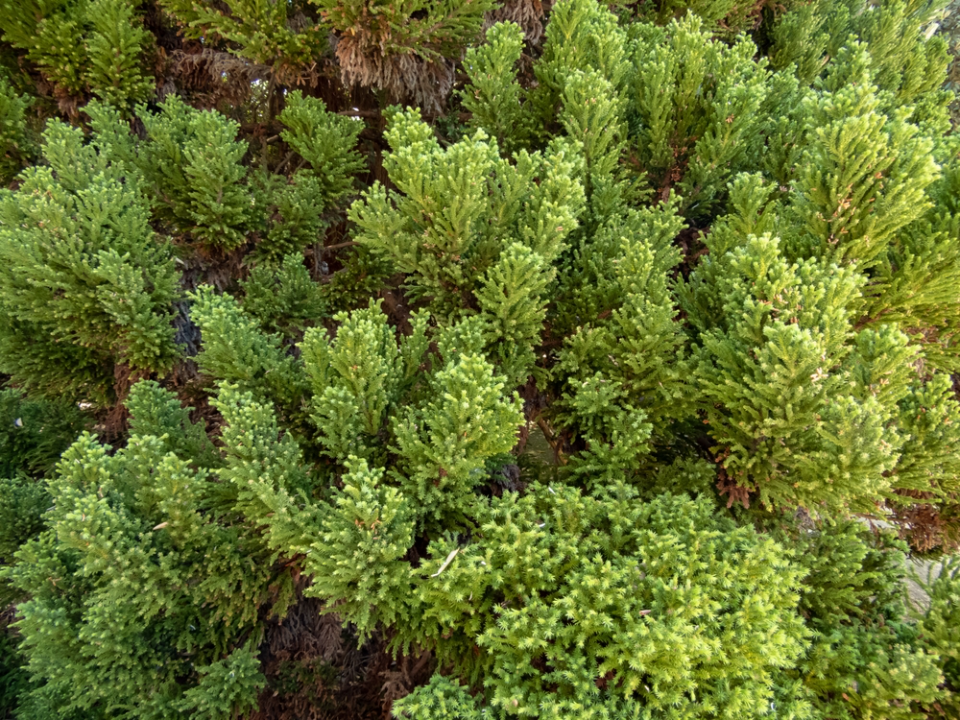
The Cryptomeria japonica, or Japanese Cedar, is a tree species that can grow in the shaded areas surrounding caves. This evergreen tree has long, slender leaves and a dense canopy that provides ample shade for other plants. Japanese Cedars thrive in cool, moist conditions, and their roots are capable of stabilizing cave soils, preventing erosion.
The tree’s thick bark and needles are adapted to handle the low-light and humid conditions found in cave ecosystems. While the tree is typically found in forested areas, it can also survive near cave entrances, where light levels are minimal but sufficient for its growth. The Japanese Cedar’s resilience and ability to grow in various soil types make it a significant plant in cave-like environments.
Corydalis sempervirens (Eternal Corydalis)
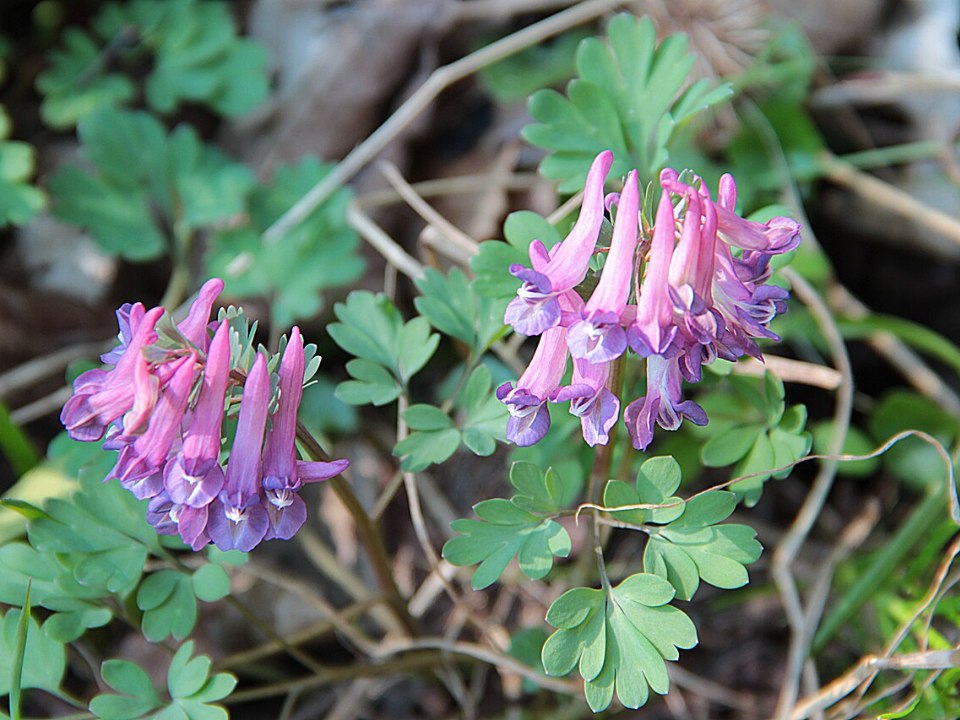
Eternal Corydalis is a rare species that can be found growing in the shaded and damp conditions of caves. This perennial plant thrives in the moist, acidic soils that are commonly found in cave environments. It produces delicate yellow flowers that bloom in the spring and are often the first sign of life in cave ecosystems after winter.
Corydalis sempervirens is well-adapted to survive in the low-light conditions of caves, where its roots can spread deep into the soil to access nutrients. This plant’s ability to grow in environments with limited sunlight and low-nutrient soils makes it an important species in maintaining cave biodiversity. Its rarity in the wild has made it a subject of interest for botanists studying cave plant life.
Lysimachia nummularia (Creeping Jenny)
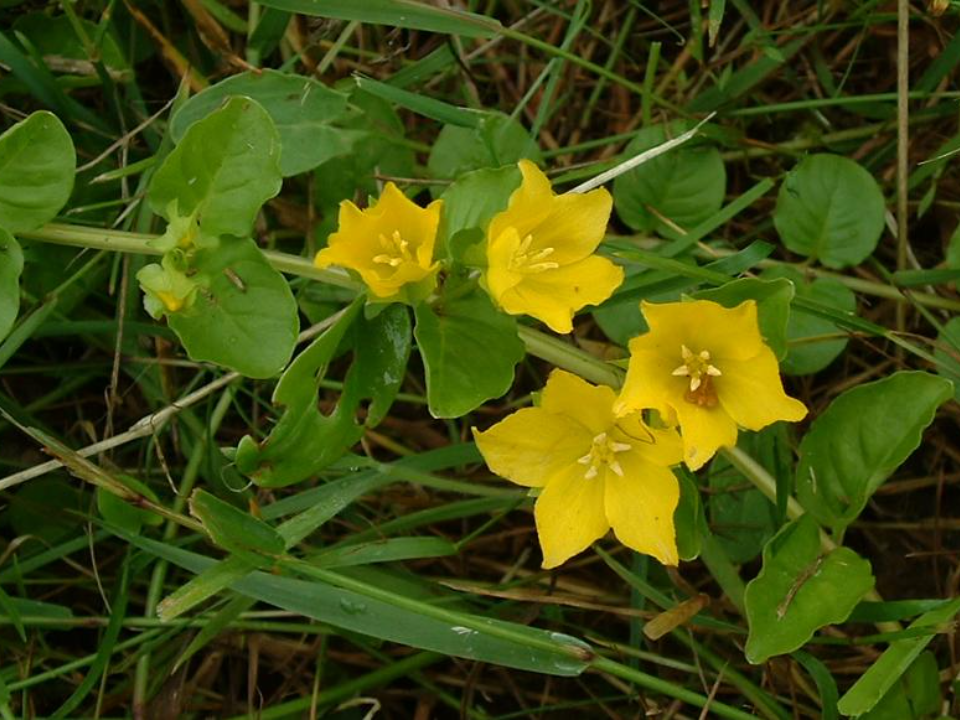
The Lysimachia nummularia, or Creeping Jenny, is a low-growing, creeping plant found in moist, shaded areas such as cave floors. Its small, round leaves form dense mats that help protect the cave soil from erosion. Creeping Jenny thrives in the cool, dark environments of caves, where it is able to absorb moisture from the humid air.
The plant produces small yellow flowers that brighten up the otherwise shadowy cave floors. Its ability to grow in nutrient-poor soils and tolerate low-light conditions makes it an essential part of cave ecosystems. Creeping Jenny is particularly known for its resilience and can often be seen growing in areas where few other plants can survive.
Hepatica nobilis (Liverleaf)
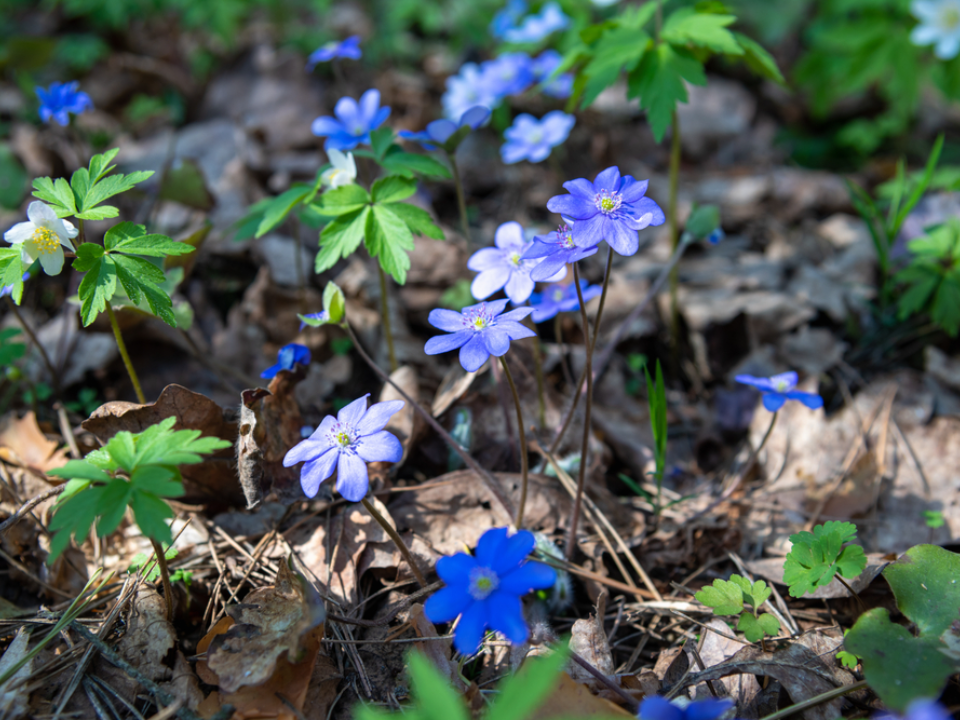
The Hepatica nobilis, or Liverleaf, is a rare plant found growing in caves and cave-like shaded environments. This early-blooming perennial produces striking blue, purple, or white flowers that are a welcome sight in the otherwise dark and damp cave ecosystems. Liverleaf grows in cool, moist conditions and is often found in areas where the soil is rich in organic matter.
It prefers acidic soils and thrives in the limited sunlight that cave environments provide. The plant’s heart-shaped leaves are a distinctive feature, and its flowers attract early-season pollinators. Its ability to bloom in low-light environments makes it a valuable part of cave ecosystems.
This article originally appeared on Avocadu.