
16 Rare Plants Found by Accident on Regular Walks
There is something truly magical about stumbling upon a rare plant while out for a regular walk. Whether it’s in a forest, along a trail, or even in a garden, nature has a way of surprising us with hidden gems. Some plants, with their unusual shapes, colors, or scents, are not only fascinating but also incredibly rare. Many of these plants thrive in specific environments, making them difficult to find unless you’re in the right place at the right time. For those with a keen eye or a deep love for nature, these unexpected discoveries can feel like a special gift.
This post may contain affiliate links, which helps keep this content free. Please read our disclosure for more info.
Ghost Orchid (Dendrophylax lindenii)
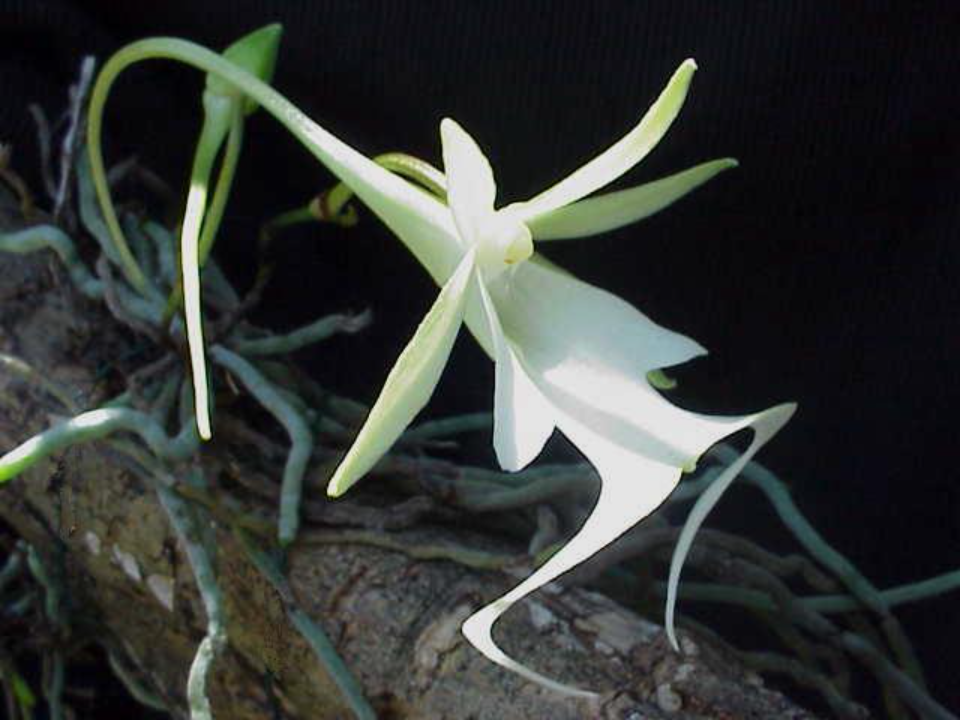
The ghost orchid, also known as the “dancing lady,” is one of the rarest orchids in the world. Its delicate white blooms appear to float in mid-air, earning it the name ghost orchid. This plant is native to the swamps of Florida and parts of the Caribbean. It is often spotted in the wild by accident, as it grows in the canopies of hardwood trees, blending into the surroundings.
The flowers bloom for just a few days, making it a special find for any walker who stumbles upon it. The plant thrives in moist, humid environments and is typically found in shaded areas with minimal sunlight. It has a distinctive fragrance that attracts specific pollinators, such as the giant sphinx moth. Due to its rarity and the difficulty of cultivation, the ghost orchid is highly sought after by collectors.
Corpse Flower (Amorphophallus titanum)

The corpse flower is notorious for its overwhelming scent of decaying flesh, which gives it its name. This large flower, which can reach up to 10 feet in height, is one of the rarest and most peculiar plants you might encounter while on a walk. Native to the rainforests of Sumatra in Indonesia, it only blooms once every several years.
The flower’s bloom lasts only 24 to 48 hours, making it a rare and fleeting sight. Its pungent odor attracts pollinators like carrion beetles and flesh flies. Found by accident in botanical gardens and sometimes in the wild, this plant’s flower stalk is striking, with deep purple hues. It requires very specific growing conditions, including high humidity and warmth, which is why it is not commonly found in typical outdoor settings. The corpse flower is a prime example of nature’s ability to surprise us in unexpected places.
Welwitschia mirabilis
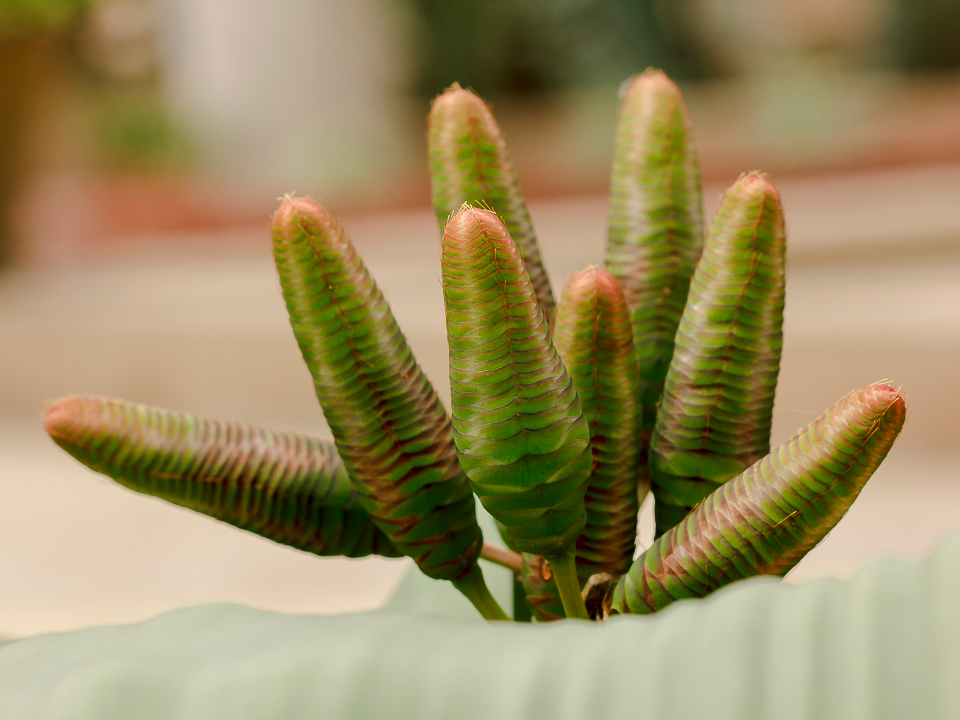
Welwitschia mirabilis is a fascinating plant found in the deserts of Namibia and Angola, particularly in arid regions with minimal rainfall. This unique plant is known for its long, strap-like leaves, which continue to grow throughout its life, making it appear ancient. Some specimens are thought to be over 1,000 years old. Its bizarre shape and long lifespan often make it a surprising discovery for hikers exploring these desert environments.
Despite its harsh surroundings, Welwitschia can survive extreme conditions by relying on dew and fog. The plant produces male and female cones, which help in reproduction, and though it is rare, it can occasionally be found by those who wander off the beaten path. While it may not have the striking color of other plants, its endurance and form make it a standout find for plant enthusiasts.
Franklin Tree (Franklinia alatamaha)
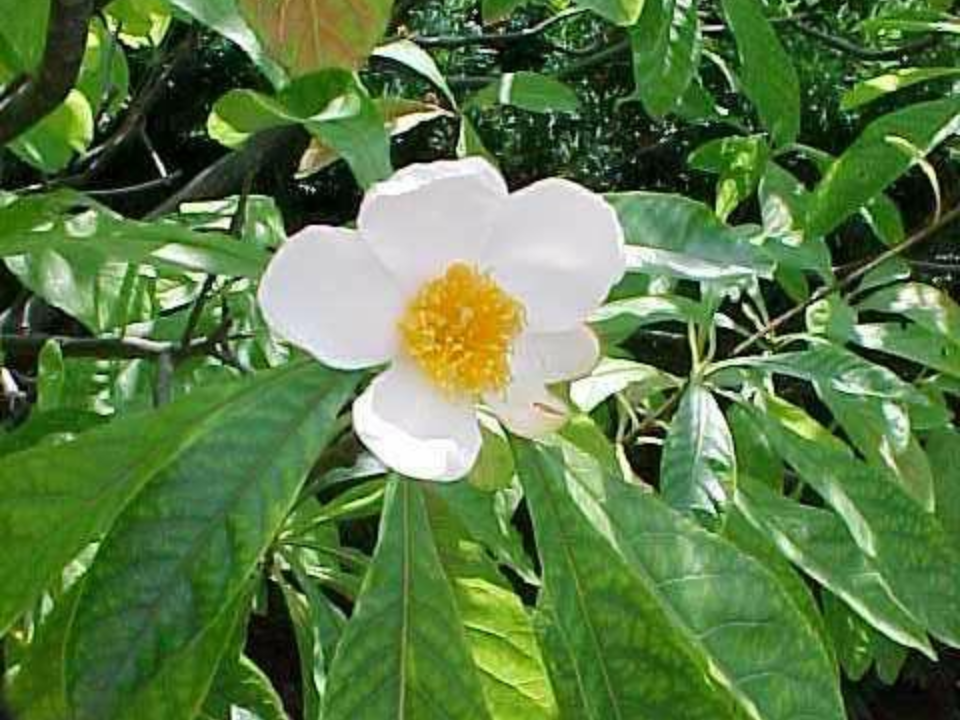
The Franklin tree, once thought to be extinct, was rediscovered in Georgia in the 18th century. This flowering tree produces white, camellia-like blooms in late summer and fall, which attract a variety of pollinators. Although it is no longer found in the wild, the Franklin tree is cultivated in botanical gardens and other areas, and occasional sightings occur during walks in these settings. Its striking appearance, with glossy green leaves and fragrant flowers, makes it an unexpected treasure.
The tree thrives in moist, well-drained soil and can be found near riverbanks and woodland areas. However, due to its limited distribution and the challenges in propagation, it is considered a rare and endangered species. The Franklin tree’s historical significance and rare beauty make it a highly valued discovery during walks.
Rafflesia arnoldii
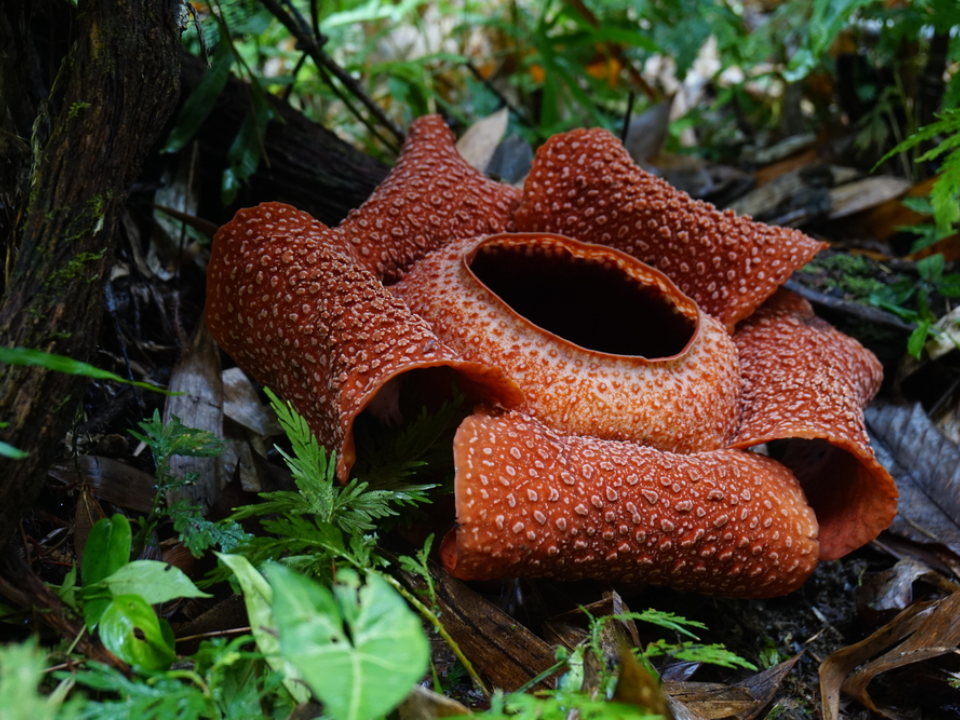
Rafflesia arnoldii is known for having the largest individual flower in the world, reaching over three feet in diameter. It is native to the rainforests of Sumatra and Borneo, and its characteristic feature is the strong, unpleasant smell of rotting flesh that emanates from its petals. This smell attracts carrion-eating insects that help pollinate the flower.
The Rafflesia is rare due to its short blooming period and specific growing conditions, making it a challenging find even in the regions where it naturally occurs. The plant lacks leaves, stems, or roots, surviving entirely by parasitizing specific vine species. As it blooms sporadically, finding a Rafflesia by accident is a memorable and awe-inspiring experience. It is a plant that defies expectations and often surprises those fortunate enough to witness it in full bloom.
Lady’s Slipper Orchid (Cypripedium spp.)
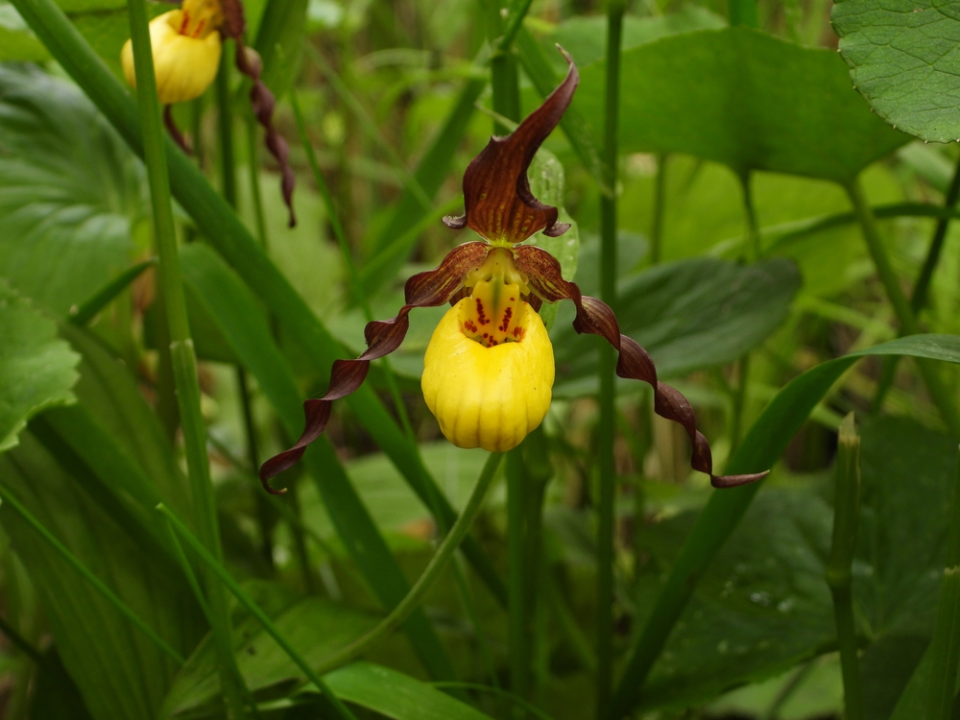
Lady’s Slipper orchids are a group of rare and strikingly beautiful plants found in temperate regions of North America and Europe. Their name comes from the shape of their flowers, which resemble a slipper, typically pink or white in color. These orchids are found in woodlands, bogs, and meadows, often in shaded or semi-shaded areas. They tend to be elusive and are often discovered by accident when hiking through forested environments.
The Lady’s Slipper orchid requires specific soil conditions and is sensitive to changes in its environment, making it difficult to cultivate outside its native habitat. As a result, it is a rare find for anyone who happens to encounter it during a walk. Its delicate beauty and unique shape make it a treasure for botanists and nature lovers.
Snowdrop (Galanthus nivalis)
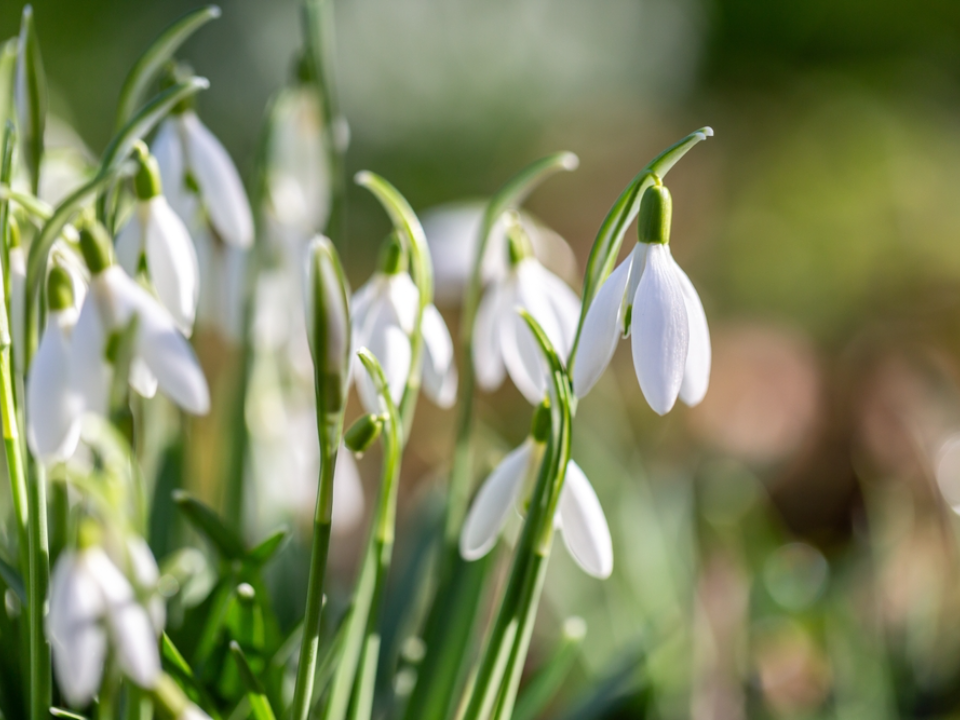
Snowdrops are among the first flowers to bloom in early spring, often emerging while there is still snow on the ground. They are found in woodlands, meadows, and gardens, with their delicate white flowers drooping like teardrops. Their early bloom is a surprise for those taking a walk in the late winter months, marking the beginning of the growing season.
Snowdrops thrive in moist, well-drained soil, and while they are not rare in some areas, they can be an unexpected and delightful discovery when walking through snowy landscapes. The plant is often associated with renewal and hope, making its appearance even more special. Snowdrops are small but resilient, pushing through the frozen earth and offering a sign that spring is on the horizon. They can be found in clusters, and the sight of these little flowers brings joy to anyone who stumbles upon them during a winter walk.
Hobblebush (Viburnum lantanoides)
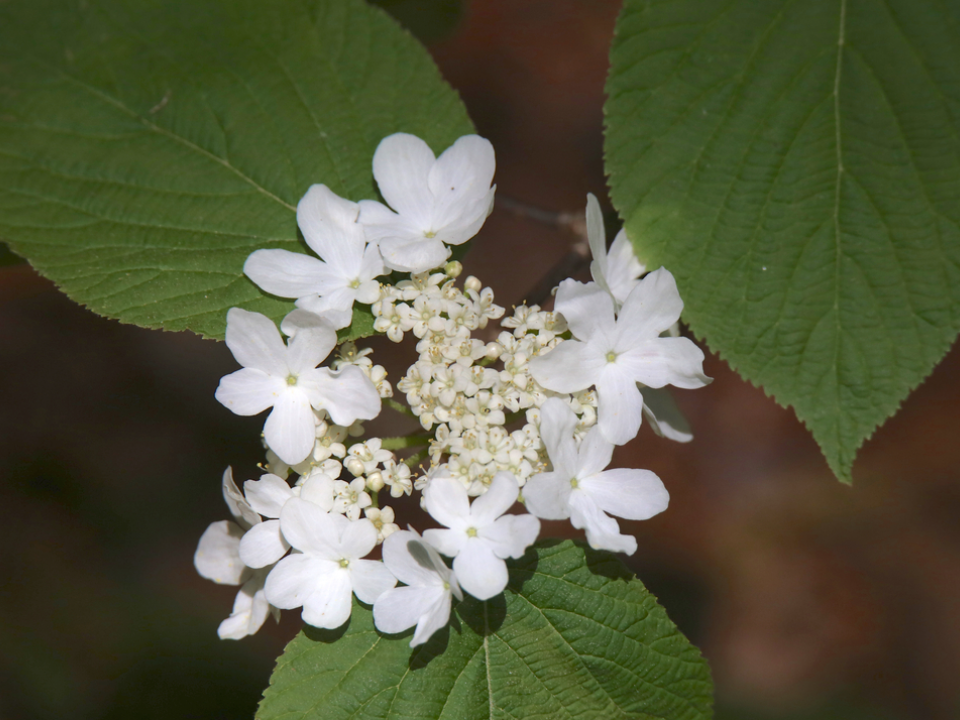
Hobblebush is a rare shrub native to the northeastern United States and Canada. This plant is typically found in shady, moist environments, often near streams or in hardwood forests. The Hobblebush has large, rounded clusters of white flowers that bloom in late spring, attracting a variety of pollinators. Its distinctive foliage, with large, coarse leaves, is often found in the understory of forests, where it can be easy to miss unless you’re looking carefully.
The plant gets its name from the way its branches tend to spread out, making it difficult to walk through an area without tripping on the plant’s low-lying limbs. Despite its tendency to grow in somewhat hidden locations, those who venture into the woods may stumble upon this gem, which is both beautiful and rare. Its ability to thrive in moist, shaded environments makes it a special find for anyone exploring these habitats.
Jack-in-the-Pulpit (Arisaema triphyllum)
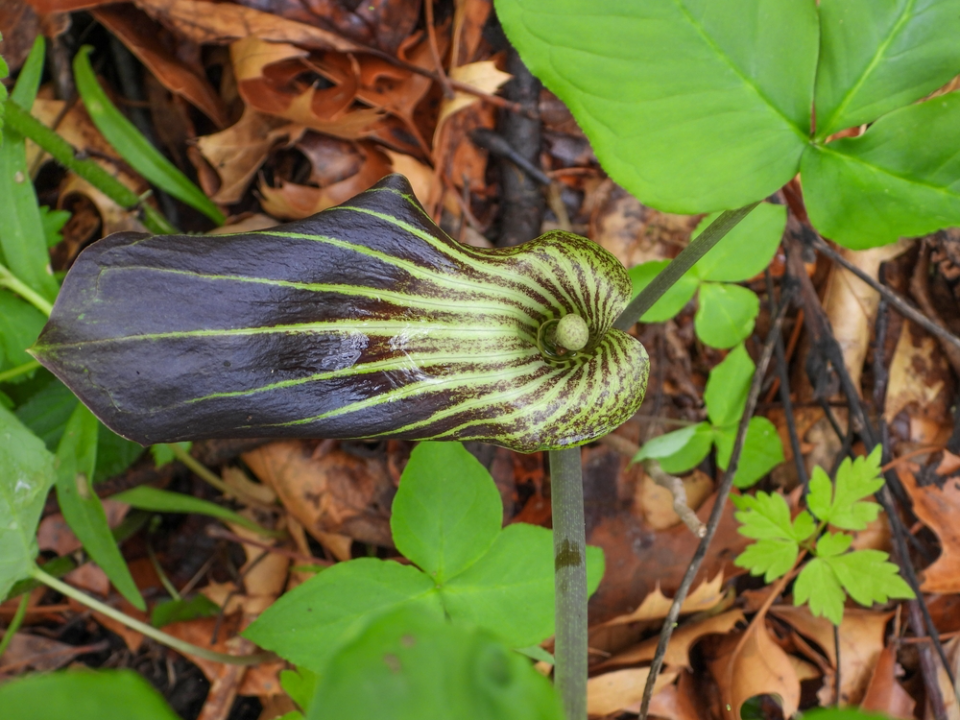
Jack-in-the-Pulpit is a fascinating plant found in moist woodlands, often along streams and riverbanks in the eastern United States. Its unique appearance comes from the large, hood-like structure that surrounds its spadix, creating a “pulpit” appearance. The plant’s green and purple striped spathe is both striking and unusual, which makes it a delightful surprise for anyone who stumbles upon it while hiking.
Jack-in-the-Pulpit blooms in the spring, and the flowers attract a variety of pollinators, including flies and beetles, that are drawn to its unusual shape. The plant thrives in rich, moist soils, making it a common sight in wetland areas. Although it is not considered highly rare, finding it during a regular walk in the woods can still feel like an unexpected discovery. Its curious shape and striking colors make it one of the more memorable finds in North American forests.
Pitcher Plant (Sarracenia spp.)
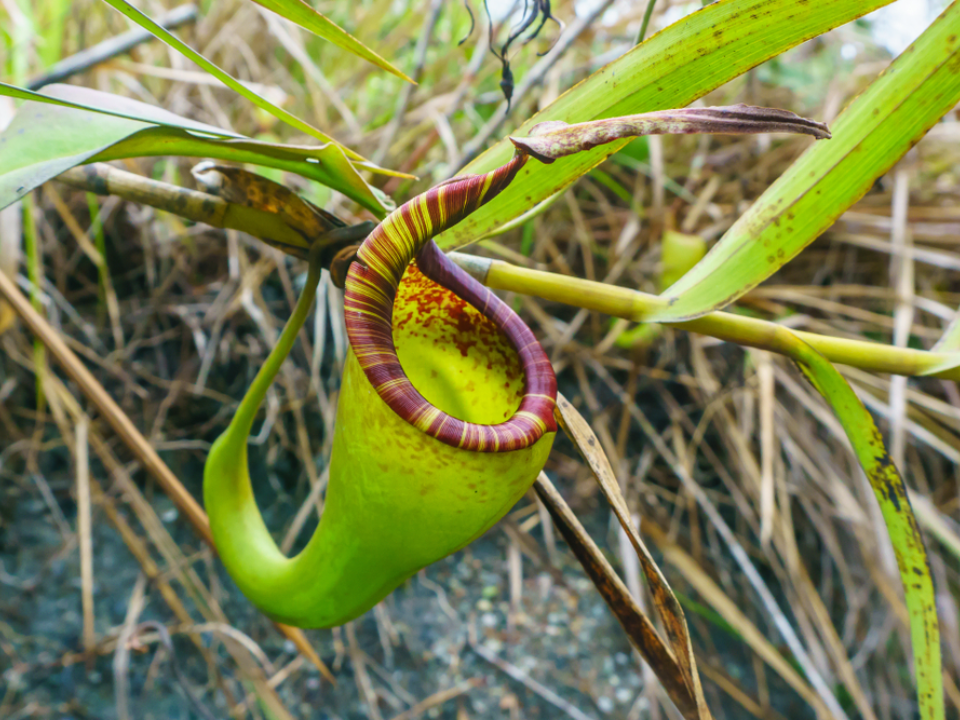
Pitcher plants are carnivorous plants that are commonly found in boggy, acidic soils in North America. These plants have specialized leaves that form tubular structures resembling pitchers, which trap and digest insects. The bright colors and unique shape of their leaves make them an intriguing find during walks through wetlands. The plant’s tubular leaves are filled with digestive enzymes that help break down their prey.
Although these plants can be found in some wetlands and forests, they are relatively rare due to their specific environmental requirements. They thrive in areas with low-nutrient soils and can be spotted growing near slow-moving streams or in marshes. Their captivating appearance and ability to capture insects make them an exciting discovery for anyone exploring boggy landscapes.
Venus Flytrap (Dionaea muscipula)
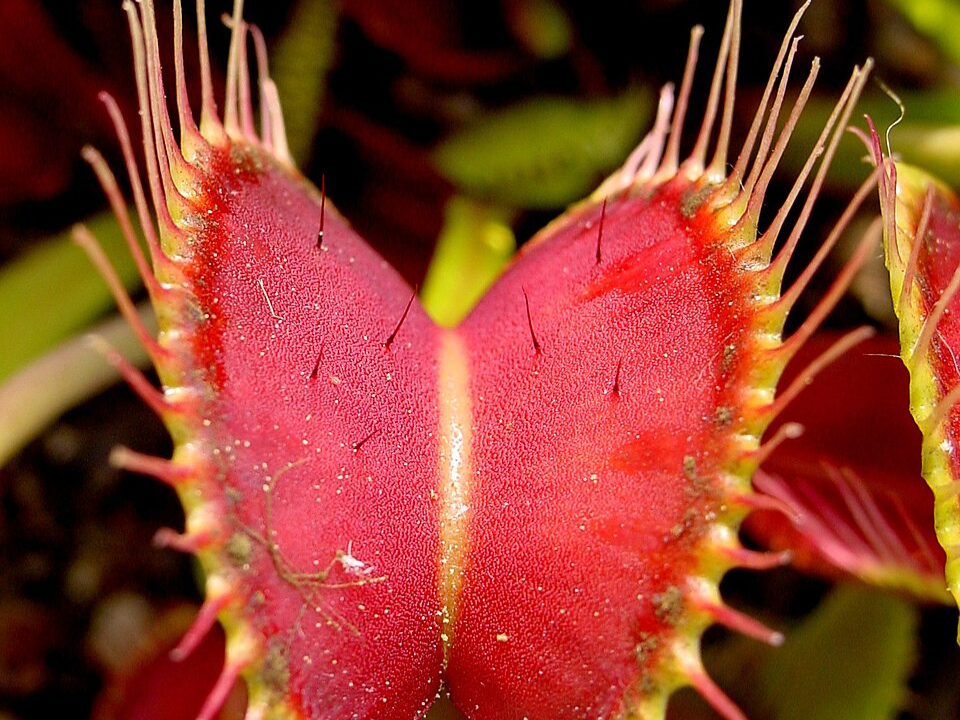
The Venus flytrap is one of the most famous carnivorous plants, known for its ability to catch and digest insects. Native to a small region in North and South Carolina, it is often found in the wild in wetlands and grasslands. The plant has specialized leaves that snap shut when triggered by the movement of prey. These leaves are lined with tiny hairs that act as sensors; when an insect touches them, the trap closes in less than a second.
Although the Venus flytrap is well-known, its specific habitat requirements make it relatively rare to find. Those who come across it on a walk in its native range often find it growing near the edges of swamps or in nutrient-poor soils. This plant’s unique hunting mechanism makes it a fascinating and rare sight for those lucky enough to spot it.
Red Trillium (Trillium erectum)
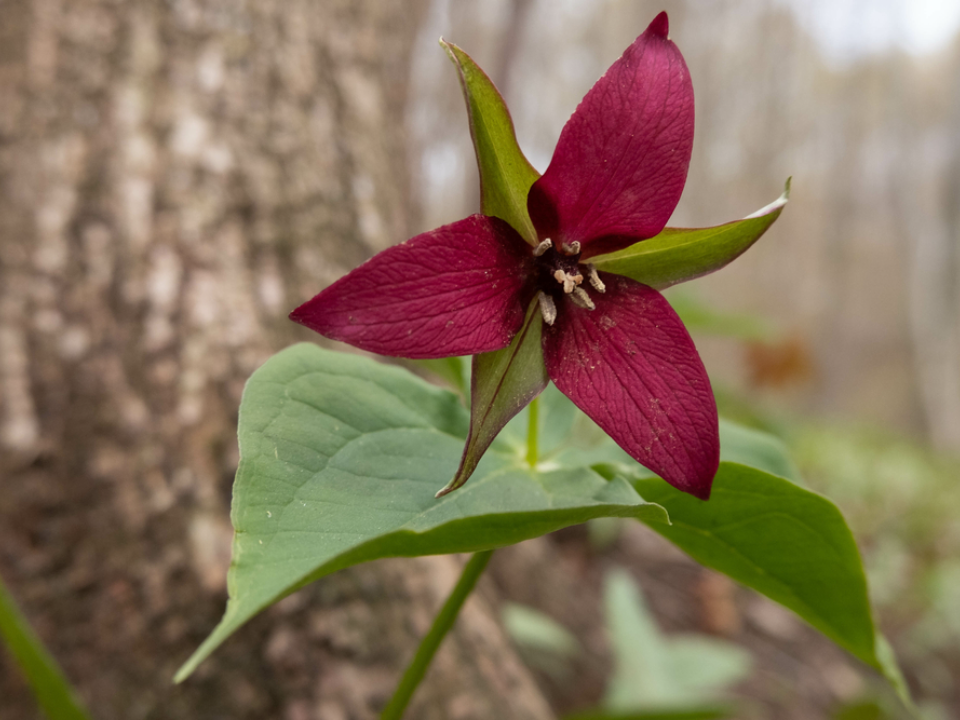
Red trilliums are striking plants found in temperate forests, particularly in the eastern United States. Their deep red, three-petaled flowers stand out against the surrounding greenery of the forest floor. The plant is often spotted in shaded woodland areas, where it thrives in rich, moist soils. Although it can be rare in some regions, its dramatic flowers and unique appearance make it a coveted find for hikers and nature enthusiasts.
Red trilliums bloom in early spring, marking one of the first signs of seasonal change in forested areas. The plant’s flowers last for only a short time, so those who stumble upon it during their walk are treated to a fleeting yet beautiful sight. With its strong color contrast, the red trillium is both eye-catching and symbolic of the changing seasons.
Blue Ghost Fungus (Omphalotus illudens)
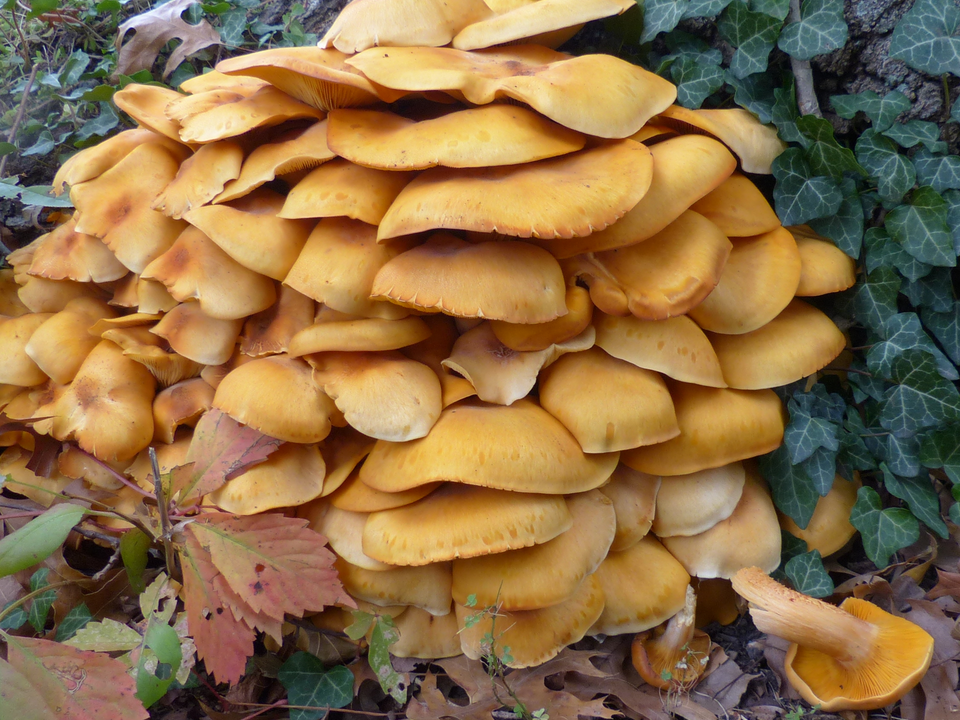
The blue ghost fungus is an uncommon bioluminescent fungus that can be found in the forests of the southeastern United States. This rare fungus glows with an eerie blue light, making it an extraordinary find during nighttime walks. The glow is caused by a chemical reaction in the fungus that helps it attract insects, which then assist with spore dispersal.
Although the glow is faint and best seen in dark, humid environments, it can be a mesmerizing sight for those walking through the woods at night. The blue ghost fungus is often found growing on decaying wood, particularly oak and pine, in moist, shaded areas. Despite its rarity, it can sometimes be spotted by those who are aware of its unique bioluminescent properties. Its glow makes it a truly special find during forest explorations.
Himalayan Blue Poppy (Meconopsis betonicifolia)
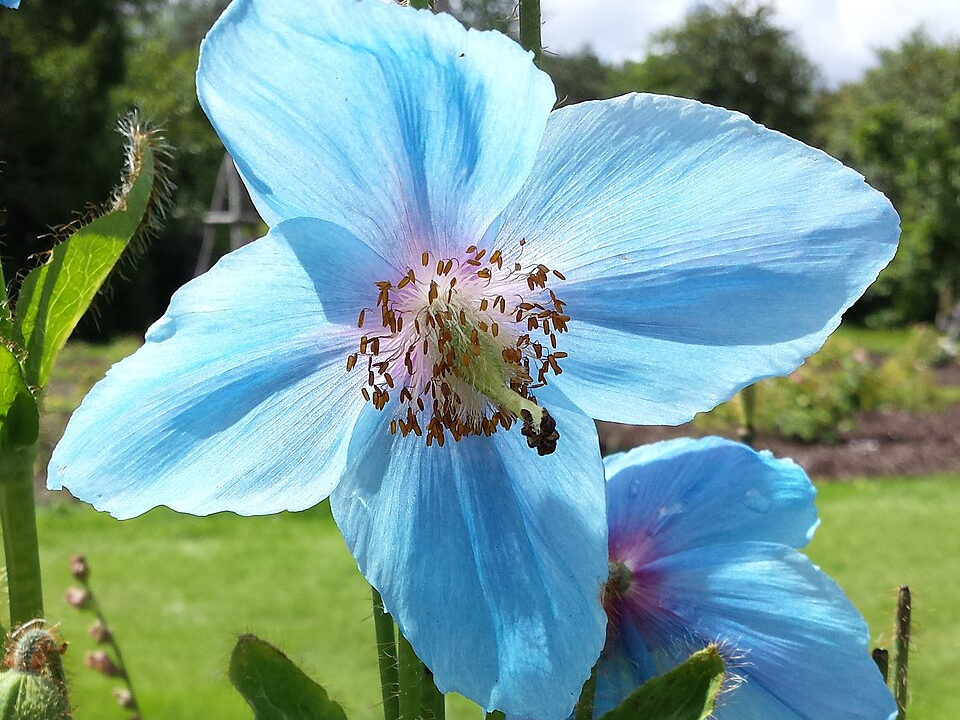
The Himalayan blue poppy is a rare and striking plant that thrives in high-altitude regions of the Himalayas. Known for its large, vibrant blue flowers, it is often considered one of the most beautiful and elusive poppies in the world. This plant is typically found in rocky, well-drained soils, often growing in sheltered valleys or on mountain slopes. Its vivid blue petals are a stunning contrast to the often stark landscape where it grows.
The Himalayan blue poppy is rare due to its specific growing conditions, which include cold temperatures and high humidity. While it is not commonly found in many gardens, it can sometimes be discovered by hikers in the remote mountain areas. Its beautiful flowers make it a highly prized plant for collectors, and its rarity adds to its allure.
Mountain Bluebell (Campanula rotundifolia)
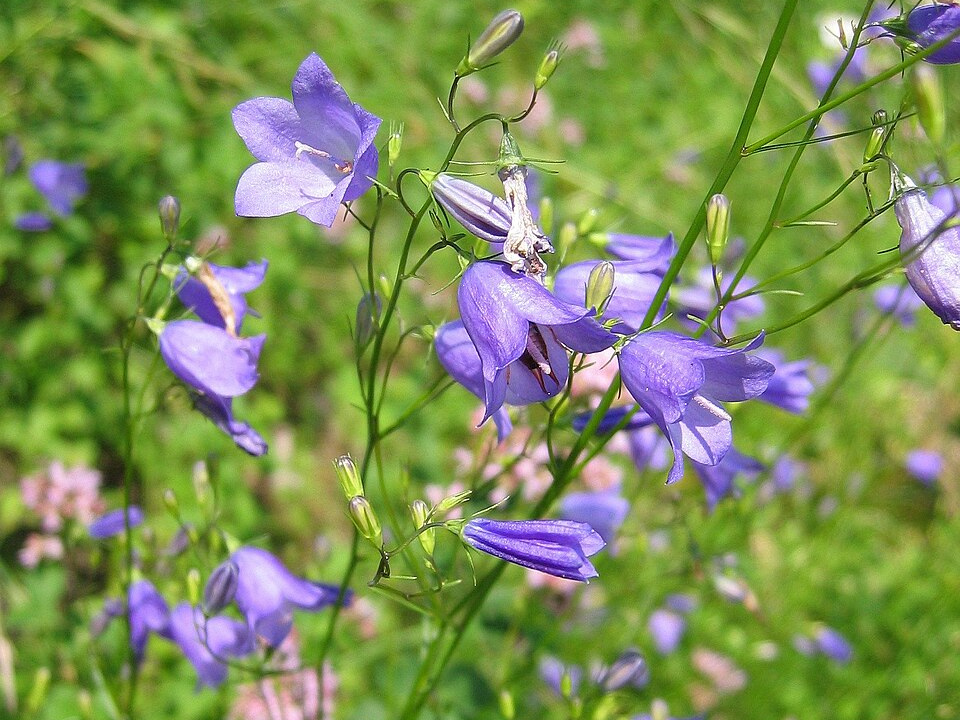
Mountain bluebells are native to the highland regions of Europe and North America, where they grow in moist, rocky soil. Known for their bell-shaped blue flowers, they create a striking visual display in alpine meadows and mountain slopes. The plant blooms in early summer, producing delicate flowers that are attractive to pollinators like bees and butterflies. Although they are not overly rare, they are often found by accident while walking through mountain trails or rocky outcrops.
The mountain bluebell thrives in cooler climates and is often seen in habitats where few other plants can survive. The plant’s charming flowers and ability to grow in challenging environments make it a standout discovery for nature enthusiasts. Those who come across it during their walks are often enchanted by its beauty.
Monkey Face Orchid (Dracula simia)

The monkey face orchid is a rare and unusual plant found in the cloud forests of Ecuador and Peru. Its flowers resemble the face of a monkey, with their unique structure and dark coloring. The orchid blooms in the cooler, shaded areas of the forest, where the humidity is high and the sunlight is minimal. Due to its distinctive appearance and the specific environmental conditions it requires, the monkey face orchid is often discovered by those with a keen eye for unusual plants.
The plant’s flowers are small but striking, and they emit a subtle fragrance that attracts pollinators. While it is not widely found in cultivation, it can occasionally be found in the wild by those exploring tropical forests. Its unusual appearance makes it one of the most fascinating orchids for plant enthusiasts.
This article originally appeared on Avocadu.