
13 Rare Places On Earth With Naturally Colored Sand
Imagine walking along a beach with sand in colors you’ve never seen before. In some parts of the world, nature paints the sand in vibrant tones, creating stunning landscapes. From reds to blacks and everything in between, these unique sands add character to their surroundings. Curious about where you can find these rare spots?
This post may contain affiliate links, which helps keep this content free. Please read our disclosure for more info.
Pink Sand Beach – Bahamas

Pink Sand Beach is located on Harbour Island in the Bahamas, famous for its soft, pink-hued sand. The color comes from crushed coral, tiny shells, and microscopic organisms like Foraminifera. This rare combination creates a pastel pink color that stretches along the shoreline. It’s one of the most iconic pink sand beaches in the world, attracting visitors year-round.
The beach offers a unique, peaceful environment with clear turquoise waters that complement the vibrant sand. This natural wonder is a popular destination for photographers, nature lovers, and those looking for a quiet retreat. The warm weather and tropical climate make it an ideal spot for relaxation. Visiting Pink Sand Beach is a dream come true for many travelers.
Black Sand Beach – Iceland
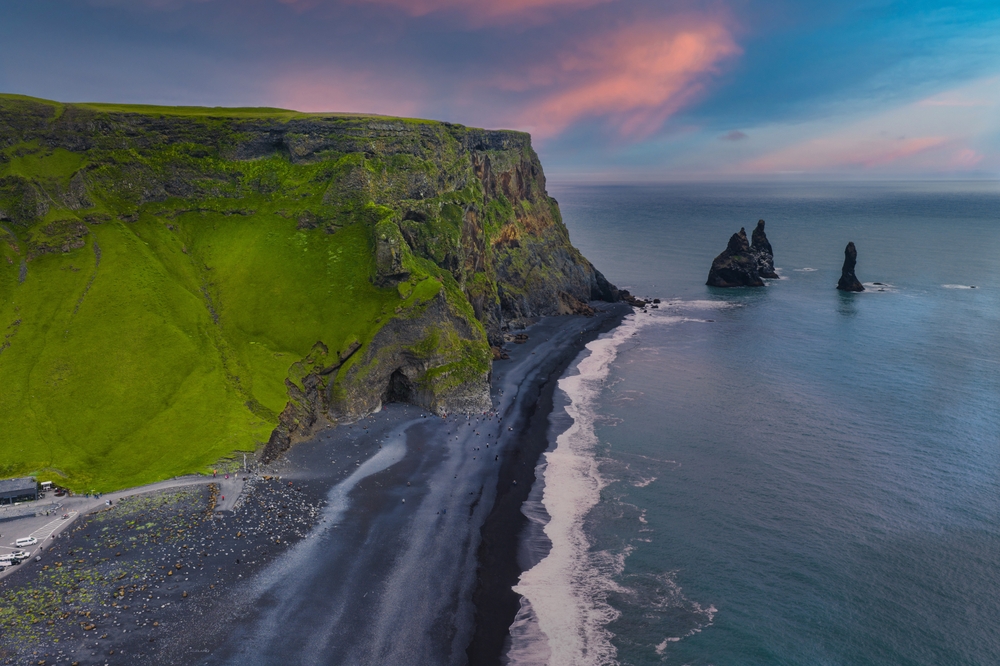
Iceland’s Black Sand Beach, located at Reynisfjara, is renowned for its dark volcanic sand. The black color comes from basaltic lava that has been broken down over thousands of years by the sea. This stunning contrast between the black sand and the white waves makes the beach incredibly striking. It’s surrounded by dramatic cliffs and the famous Reynisdrangar sea stacks.
The volcanic activity in Iceland is what causes the unique, dark sand found at Reynisfjara. Visitors to this beach should be aware of strong waves and powerful currents, which can be dangerous. The landscape here is otherworldly, with its black sand, columnar basalt formations, and nearby caves. Iceland’s Black Sand Beach remains a top attraction for adventurers and photographers alike.
White Sands – New Mexico
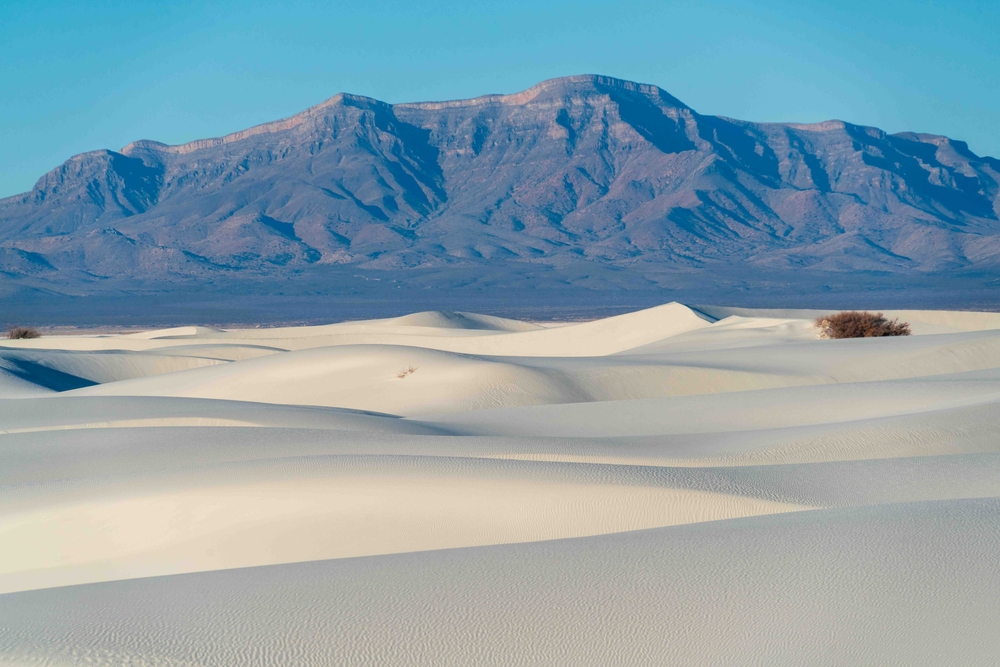
White Sands National Park, located in southern New Mexico, is home to some of the most stunning white sand dunes in the world. The sand here is made from gypsum crystals, which are rare compared to typical silica sand. The unique environment creates a surreal, bright white landscape that stretches over 275 square miles. The sand dunes appear especially striking against the backdrop of the surrounding desert.
What makes the sand here different is that gypsum, rather than quartz, forms the primary component. This gives the sand its bright white color and allows it to remain cool to the touch, even under the hot sun. The park is also home to diverse wildlife and offers opportunities for hiking and sledding. White Sands is a magical, tranquil place for anyone seeking a unique natural experience.
Red Sand Beach – Hawaii
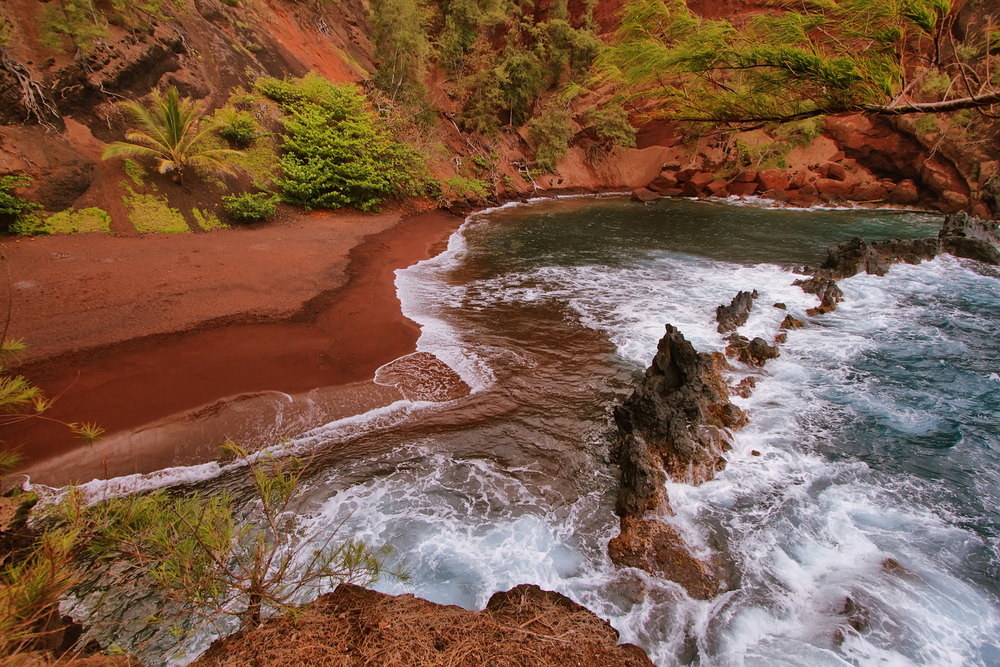
Located in Hana, Maui, Red Sand Beach is one of Hawaii’s rarest beaches due to its striking reddish sand. The color is the result of eroded cinder cone material, specifically basalt rock, which gives the sand a deep red hue. This secluded beach is surrounded by steep cliffs and lush tropical vegetation, adding to its beauty. The beach’s vibrant sand and picturesque setting make it a must-see destination.
Red Sand Beach is not easily accessible, which helps keep the area quiet and unspoiled. Visitors can enjoy the dramatic landscape, though the waters can be rough and swimming is not always recommended. Despite its remote location, the unique color of the sand draws tourists from around the globe. It’s a perfect spot for those looking for a more peaceful beach experience in Hawaii.
Green Sand Beach – Hawaii
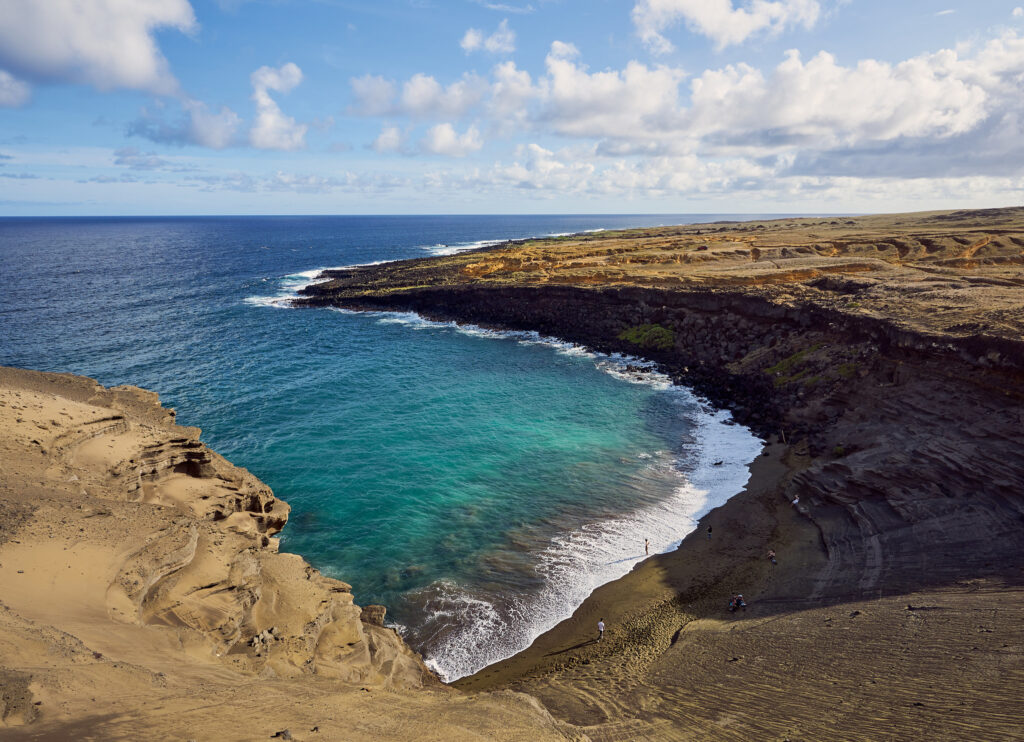
Papakolea Beach, also known as Green Sand Beach, is located on the Big Island of Hawaii. The sand is green due to the presence of the mineral olivine, which forms from volcanic lava. This rare occurrence makes Green Sand Beach one of only four green sand beaches in the world. The striking green sand against the blue waters creates an unforgettable scene.
The beach is located in a remote area, requiring a hike to reach it. Olivine is a mineral that can be found in volcanic rocks, and it gives the sand its distinct color. Visitors often walk to the beach from the parking area, as no roads lead directly there. The unique color and remote location make Green Sand Beach an exciting destination for adventurous travelers.
Rainbow Beach – Australia
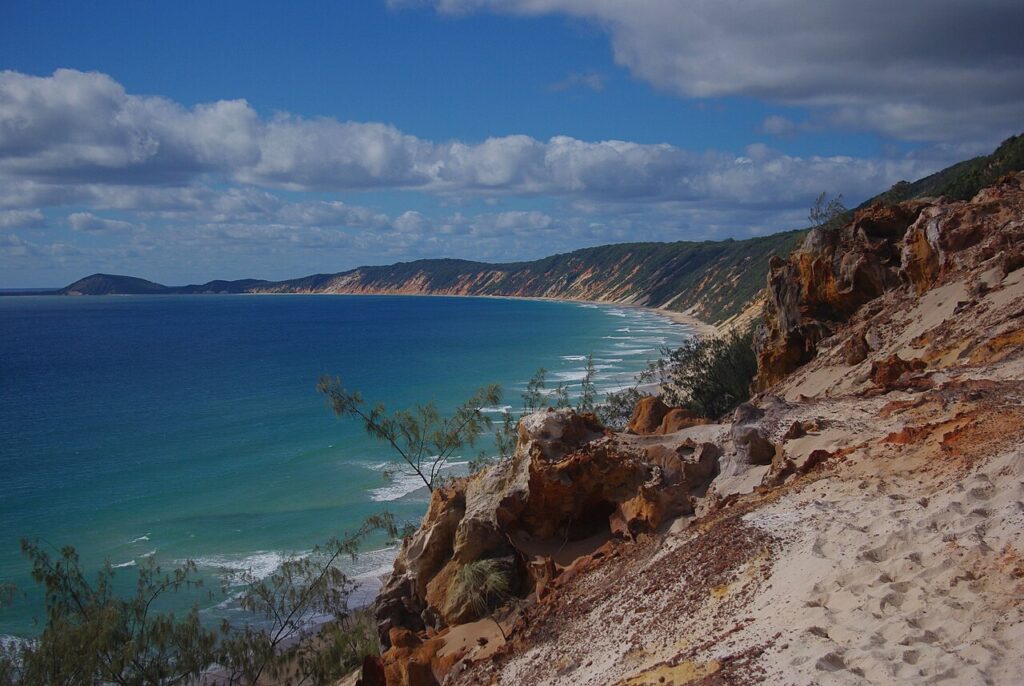
Rainbow Beach, located in Queensland, Australia, is known for its colorful sand dunes. The sand here appears in shades of red, orange, and yellow due to the varying mineral content of the region’s dunes. The natural process of erosion has left these vivid hues, which create a striking and beautiful landscape. The nearby waters and lush vegetation further enhance the colorful surroundings.
The color variations in the sand are caused by the breakdown of minerals like iron and silica in the region. Rainbow Beach is a popular spot for four-wheel driving, hiking, and enjoying the scenic beauty. It’s also close to Fraser Island, another natural wonder in the area. The colorful sand dunes make it a perfect place for outdoor activities and photography.
Golden Beach – Greece
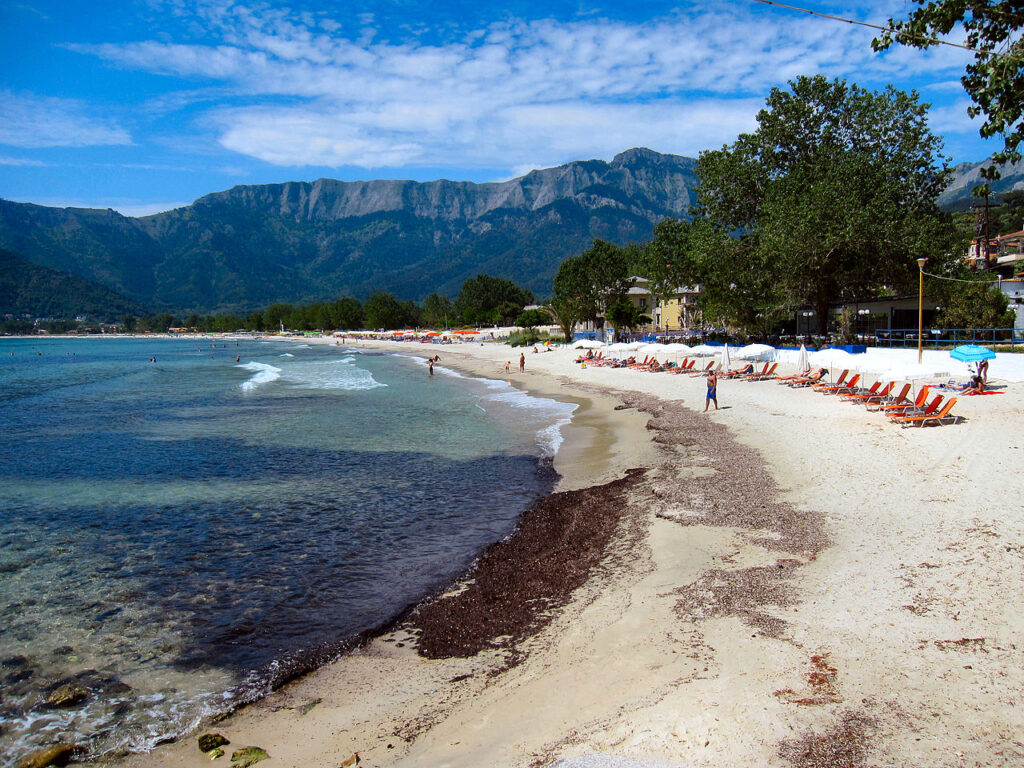
Golden Beach on the Greek island of Thassos is famous for its soft, golden sand. The sand is rich in minerals and has a warm, golden hue that glistens under the Mediterranean sun. This beach is often considered one of the best in Greece due to its clean, clear waters and calm atmosphere. Visitors enjoy relaxing on the golden sand while taking in the beautiful surroundings.
The warm color of the sand is created by the natural breakdown of granite and other minerals found in the area. Golden Beach is a popular destination for those looking to enjoy a peaceful, picturesque beach experience. The nearby town offers charming Greek cafes and restaurants, making it an ideal spot for a day trip. The stunning sand and serene atmosphere make Golden Beach a must-visit location.
Pink Beach – Indonesia
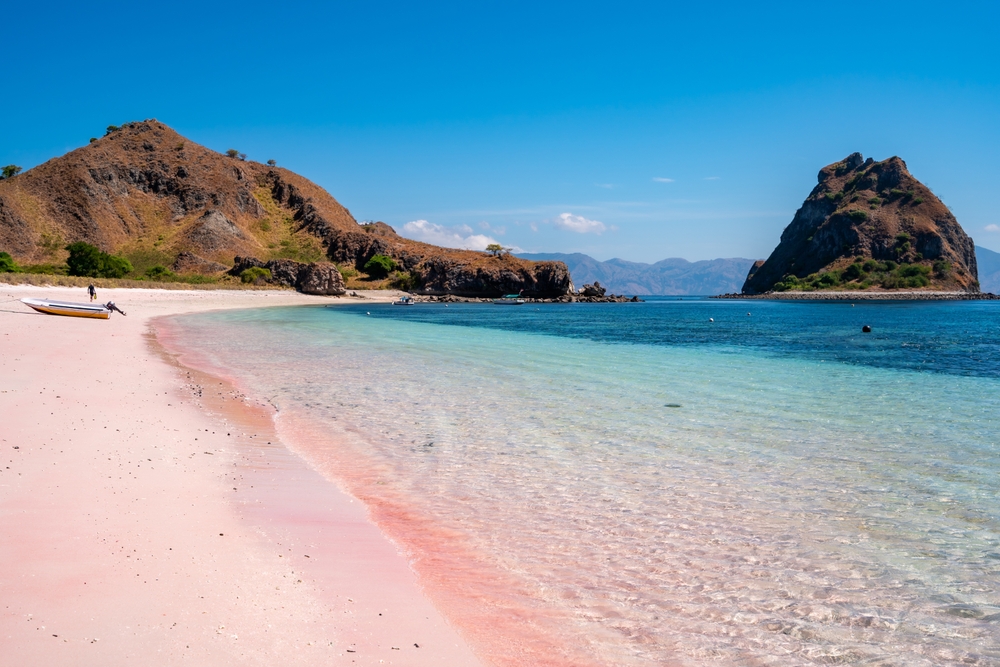
Pink Beach, located on Komodo Island in Indonesia, is one of the few beaches in the world with naturally pink sand. The unique color comes from a mix of red coral fragments and white sand, which creates a beautiful pink hue. The beach is part of the Komodo National Park, a UNESCO World Heritage site. The striking color of the sand makes this location stand out among Indonesia’s many beaches.
The coral fragments that contribute to the pink sand are abundant in the surrounding waters. This beach is not only famous for its sand but also for the nearby marine life and vibrant coral reefs. Visitors to Pink Beach can enjoy snorkeling or diving in the clear waters to explore the underwater ecosystem. The natural beauty of Pink Beach makes it one of Indonesia’s most famous and rare destinations.
Black Sand Beach – Santorini, Greece
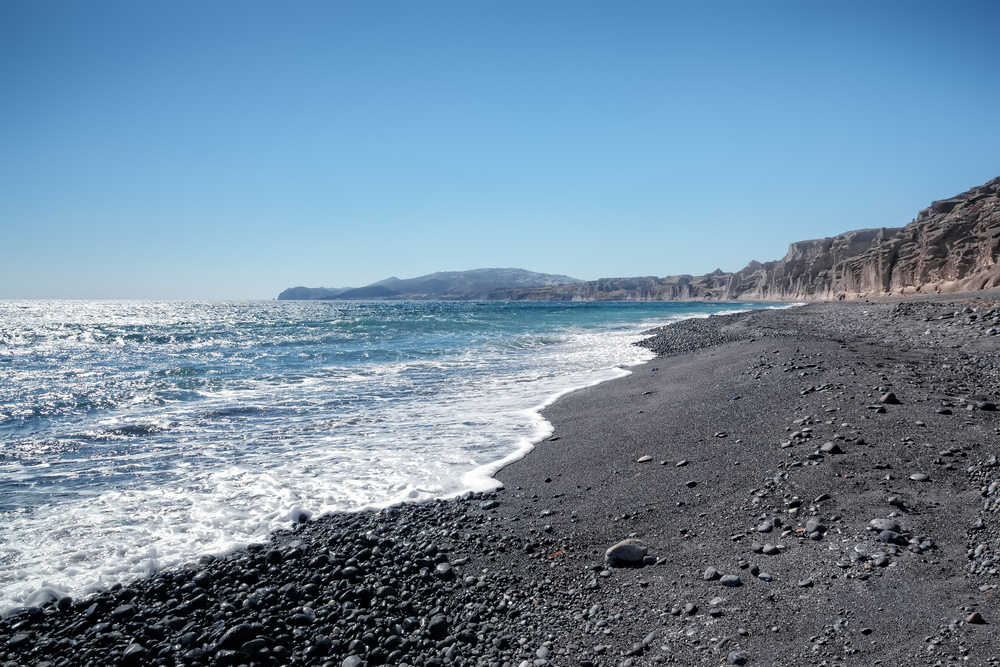
Santorini’s Black Sand Beach is famous for its volcanic black sand, formed by the island’s volcanic history. The sand here is made of volcanic ash and rock, giving it a striking dark color that contrasts beautifully with the blue sea. This beach is a popular tourist destination, with visitors coming to enjoy the warm waters and unique scenery. The volcanic activity in the area is responsible for creating the black sand.
The sand’s deep color provides a stark contrast to the whitewashed buildings that dot the landscape of Santorini. The beach is lined with sunbeds and offers easy access to restaurants and cafes. Its volcanic origin gives the sand a unique texture, making it a memorable destination. Black Sand Beach is one of Santorini’s most popular spots, especially for those wanting to enjoy a sunny, relaxing day by the sea.
Muriwai Beach – New Zealand
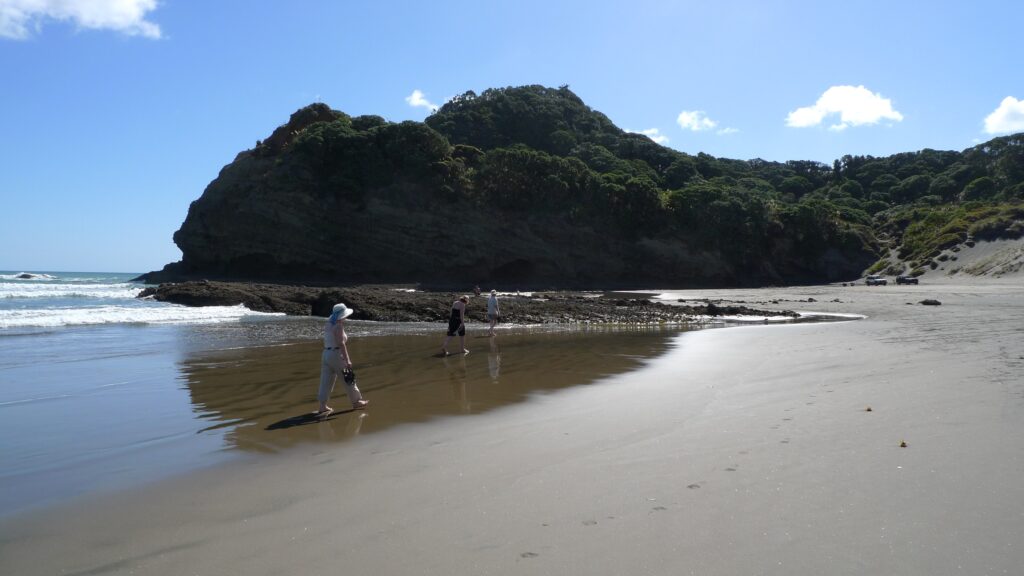
Muriwai Beach in New Zealand is known for its black sand, formed from volcanic minerals. This beach is part of the Auckland region and has a rugged, wild beauty, with powerful waves and dramatic cliffs. The black sand comes from the region’s volcanic activity, which is why it’s darker than typical beach sand. Muriwai is a favorite for those looking for a more remote and scenic beach experience.
The black sand is rich in iron, which gives it its dark color. Muriwai Beach is also home to a gannet colony, making it a prime location for birdwatching. Its unique landscape and striking contrast between the dark sand and bright surf make it an unforgettable destination. Whether you’re a surfer, photographer, or nature enthusiast, Muriwai offers something for everyone.
Glass Beach – California
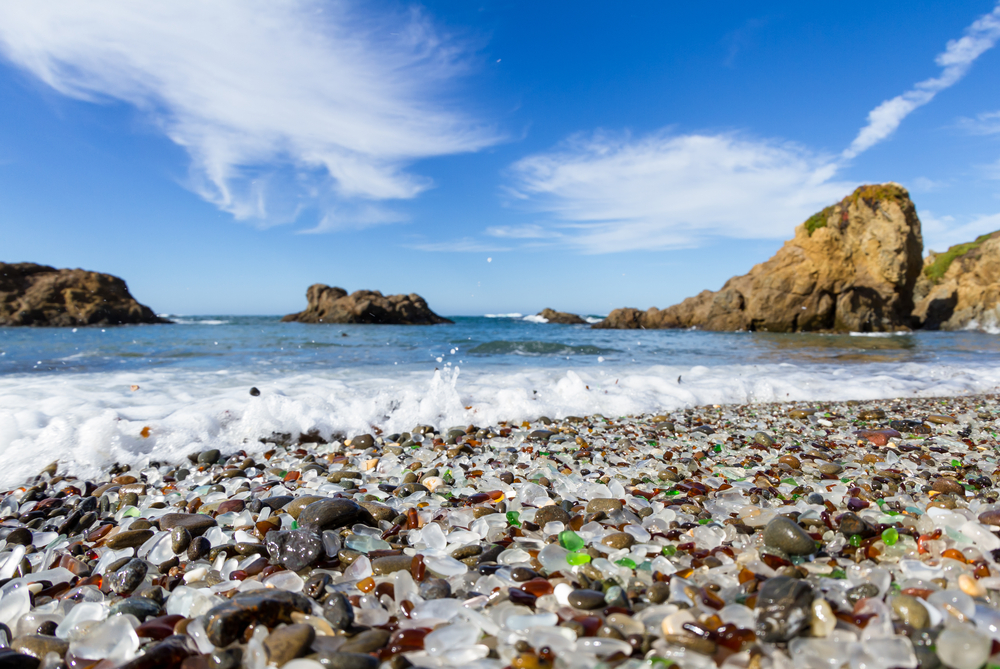
Glass Beach, located in Fort Bragg, California, is famous for its colorful sea glass that has been smoothed by years of ocean waves. The beach was once a dump site, but over time, the glass and debris were transformed into beautiful, smooth pieces of glass. These colorful glass pieces create a sparkling effect on the beach, making it an extraordinary sight. The smooth sea glass has created a unique sandy surface that is unlike any other beach.
The glass comes in a variety of colors, including green, brown, and clear, creating a mosaic of hues. Glass Beach is a popular spot for beachcombers looking to collect pieces of sea glass, though visitors are asked to leave the glass for others to enjoy. The transformation of discarded glass into something beautiful makes this beach a reminder of nature’s ability to repurpose and heal. Glass Beach is a must-see location for anyone visiting Northern California.
Punaluu Black Sand Beach – Hawaii
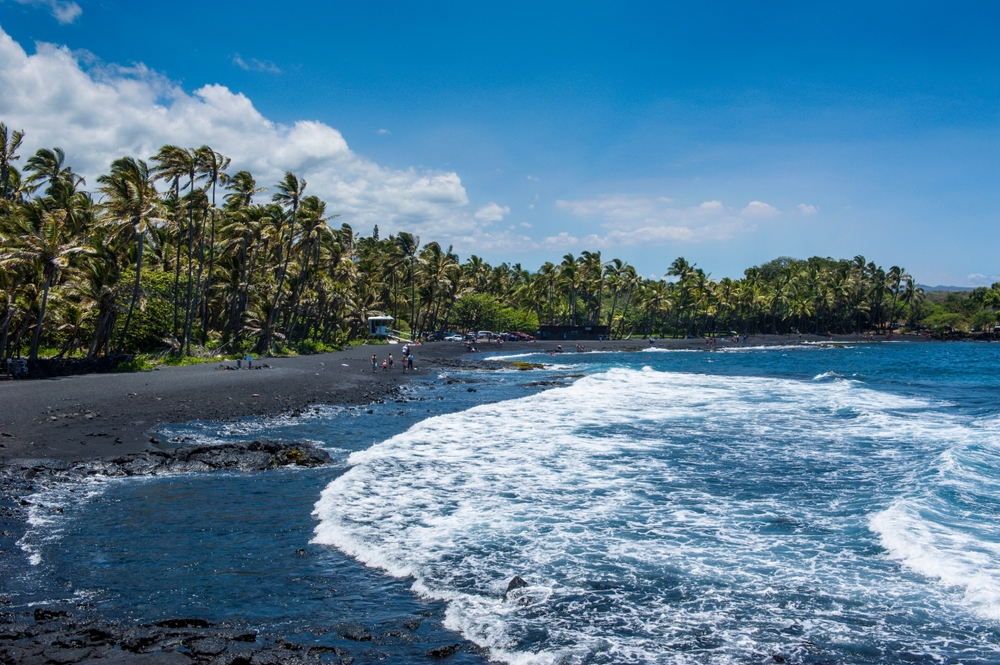
Punaluu Black Sand Beach, located on the Big Island of Hawaii, is known for its striking black sand, created by lava flow from nearby volcanoes. The black color comes from the basaltic lava rock, which breaks down over time, creating the dark sand. This beach is famous for its black sand and is also a popular spot for spotting sea turtles. The dramatic contrast between the black sand and the blue ocean makes this beach a stunning sight.
The volcanic activity in Hawaii is what gives the sand its black color. Punaluu Black Sand Beach is a perfect spot for photography, sunbathing, or even a picnic. The beach is surrounded by palm trees, adding to its tropical charm. Its striking black sand and unique ecosystem make it one of Hawaii’s most notable beaches.
Whitehaven Beach – Australia
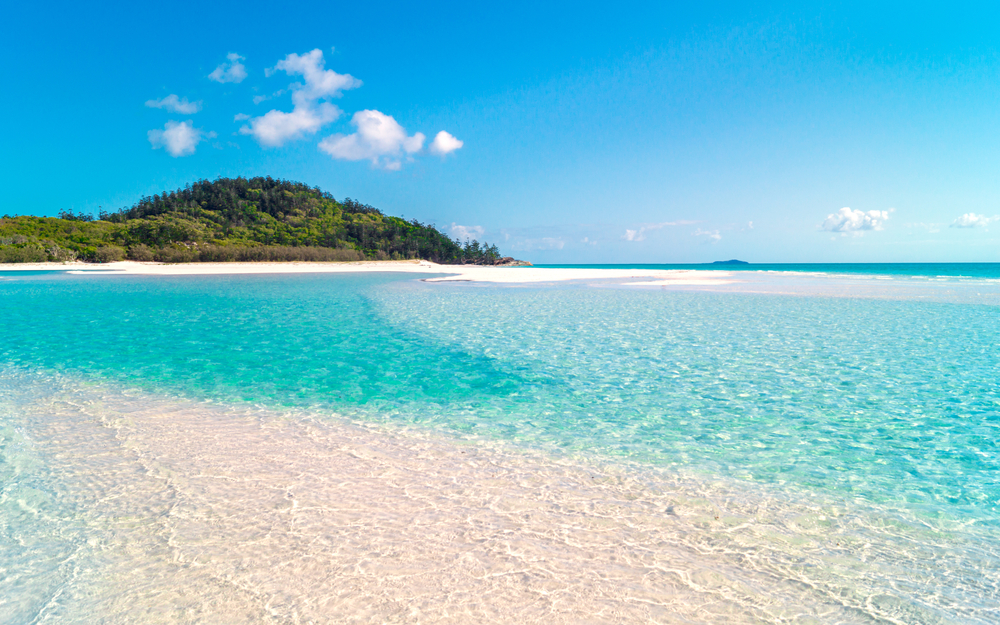
Whitehaven Beach, located in the Whitsunday Islands of Australia, is known for its stunning white sand made from 98 percent pure silica. The sand’s purity and fine texture make it some of the whitest and softest sand in the world. The beach stretches over 7 kilometers, offering incredible views of the surrounding turquoise waters. Its pristine, powdery white sand and clear water make it one of the most photographed beaches in the world.
The white sand is the result of thousands of years of natural processes, including the erosion of surrounding mountains and the action of waves. Whitehaven Beach is a popular destination for travelers looking to experience one of the world’s most beautiful beaches. Its untouched beauty and tranquil environment make it a perfect place for relaxation and exploration. Whitehaven remains one of Australia’s most iconic natural wonders.
This article originally appeared on Avocadu.