
10 Rare Pieces of Paper Money with Star Notes and Fancy Serial Numbers
Rare paper money, especially those with star notes and fancy serial numbers, holds a special place in the hearts of collectors. These notes are unique because of their limited production, often due to printing errors or as replacements for damaged bills. Star notes are particularly sought after, as they are issued when a bill needs to be replaced for various reasons during the printing process. Fancy serial numbers, whether due to repetition or patterns, also add to the allure of these rare bills. The history behind each note makes it even more valuable, as many of them have seen a range of uses before being taken out of circulation. Collecting these rare notes is not just about owning a piece of currency, but about owning a piece of history. These bills are not just about their monetary value; they are reminders of the past and the stories that shaped them.
This post may contain affiliate links, which helps keep this content free. Please read our disclosure for more info.
1934 $100,000 Bill – Gold Certificate
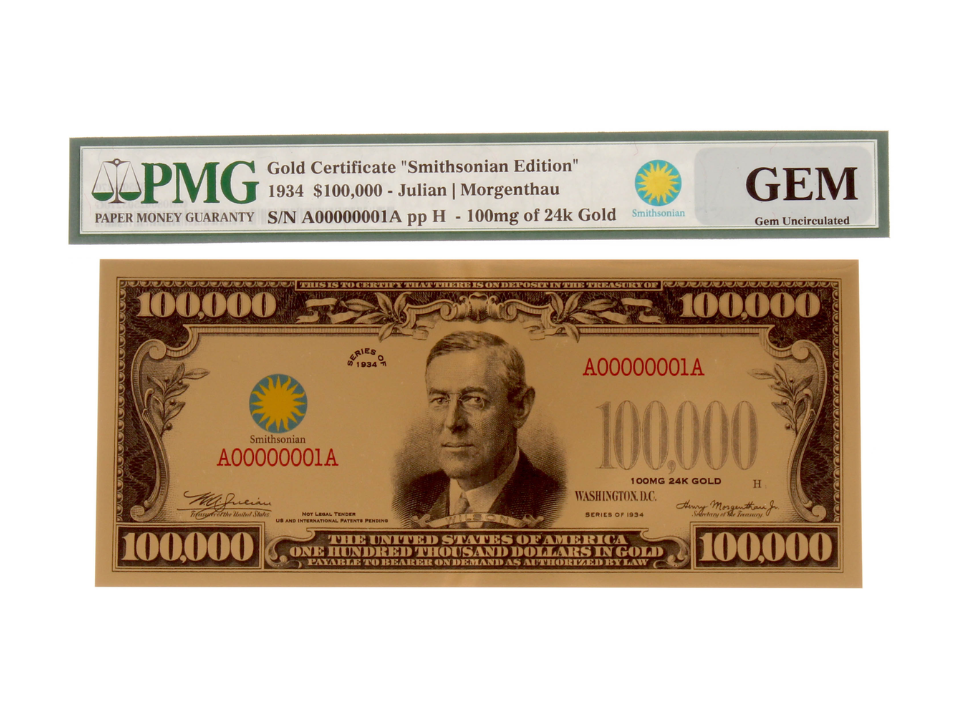
The 1934 $100,000 bill is one of the rarest pieces of U.S. currency. This bill was issued as a gold certificate but was never circulated among the public. Only 42,000 bills were printed, and they were only used for transactions between Federal Reserve Banks.
Its value is derived not only from its rarity but also from its connection to a significant period in U.S. history. Star notes on this bill are particularly rare, as most of them were kept in circulation between financial institutions. Today, these bills can fetch prices around $150,000 or more, depending on their condition.
1890 $1,000 Treasury Note
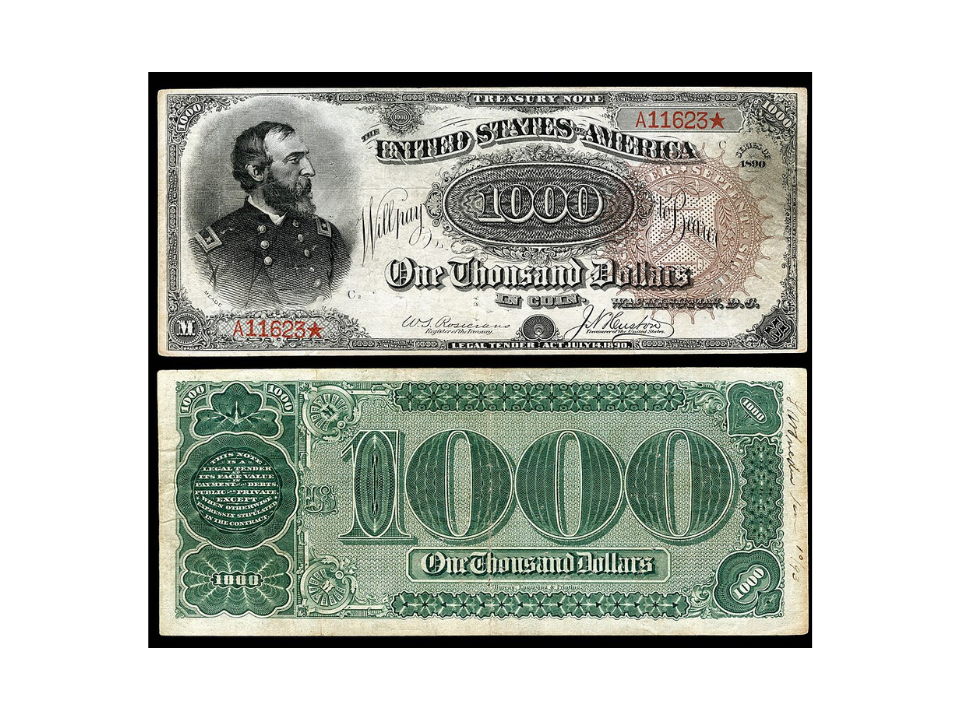
This large denomination of U.S. currency was known as the “Grand Watermelon” due to the large size of the numbers on the bill, resembling watermelons. The 1890 $1,000 Treasury Note features a star note variant that has a fancy serial number. Star notes are replacement notes issued when the original bills are misprinted or damaged during the printing process.
This bill is known for its distinctive design, which includes a portrait of Treasury Secretary George W. Morgan. A bill in good condition with a fancy serial number can sell for around $1,500 to $2,000.
1928 $500 Bill
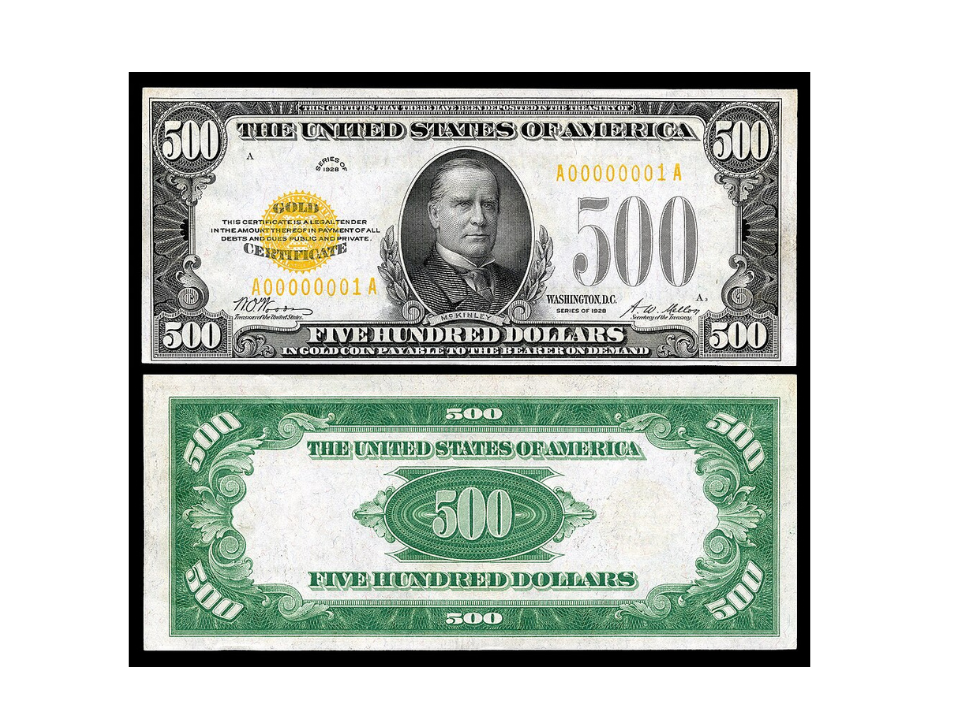
The 1928 $500 bill is another rare piece of currency, featuring a portrait of President William McKinley. These bills were issued before the series changes in 1934 and were used for high-value transactions. Star notes for the 1928 $500 are extremely scarce, with few examples still remaining in circulation.
A bill in good condition can be valued at around $5,000 or more, while those with unique serial numbers can go even higher. Collectors prize these bills due to both their rarity and historical significance.
1950 $10 Bill – Star Note
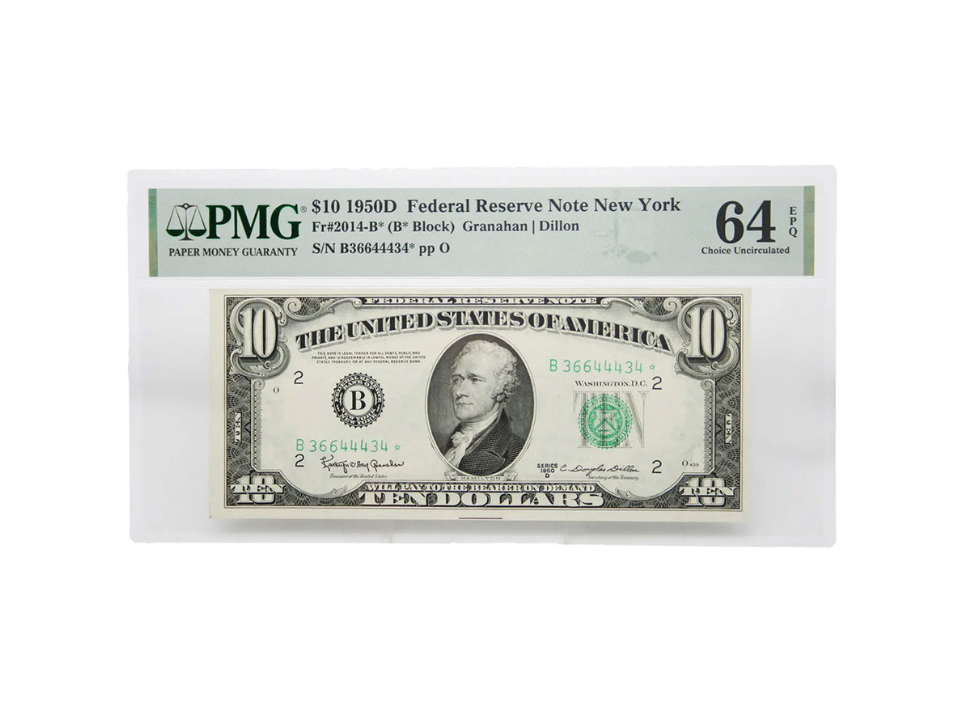
The 1950 $10 bill has gained attention among collectors due to its star notes and unique serial numbers. The star notes issued for this series are rarer than the regular notes and are highly sought after.
While many of these bills were circulated, the star note variant has become a symbol of rarity. These bills feature a portrait of Andrew Jackson, and their value today depends on their condition and serial number. In good condition, a 1950 $10 star note could be valued at approximately $500 to $800.
1934 $500 Bill – Silver Certificate
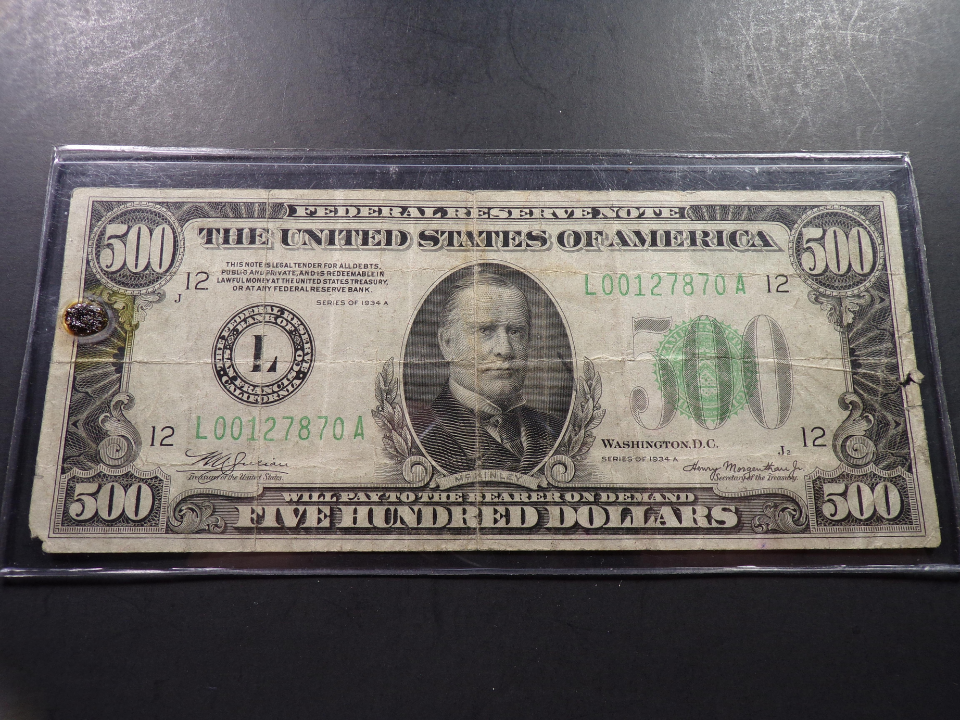
The 1934 $500 Silver Certificate is a rare bill that is highly sought after in the collector’s market. These notes were issued during a time when silver was an important commodity, and their historical significance makes them valuable.
Star notes of this series are even rarer, as many were destroyed or damaged. A 1934 $500 bill with a fancy serial number and star note can be worth upwards of $4,000, depending on its condition. Star notes with unique serial numbers can even fetch more from collectors.
1896 $5 Bill – Educational Series
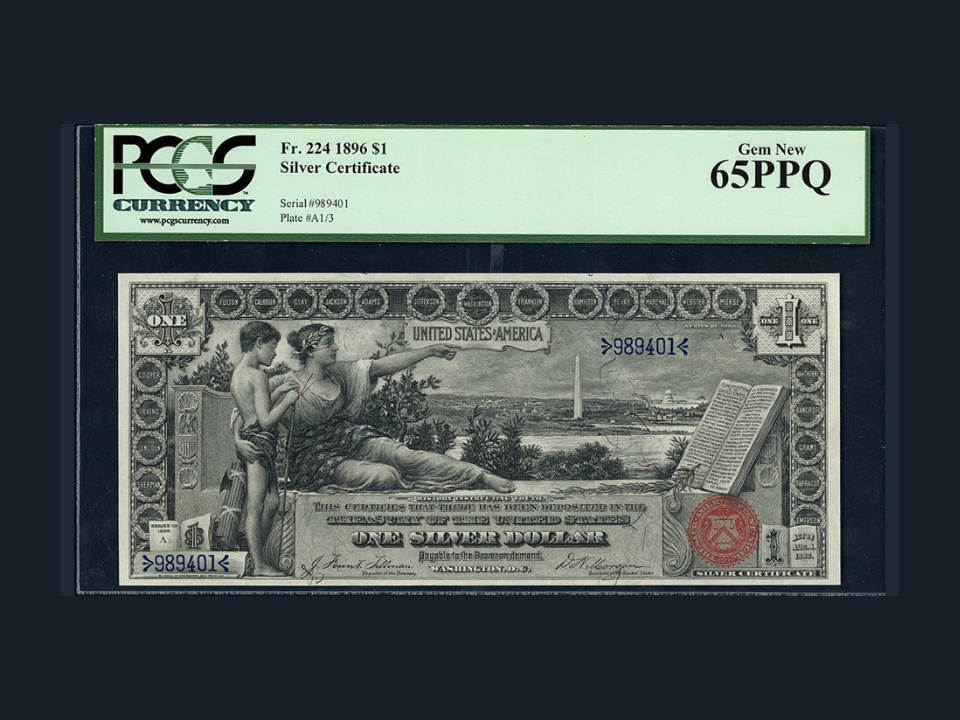
The 1896 $5 Educational Series bill is one of the most iconic pieces of paper currency in the U.S. The bill features allegorical figures representing “History” and “Electricity as the Dominant Force in the World.” Star notes for this bill are extremely rare and highly valuable.
The value of an 1896 $5 bill depends on its condition, but a star note could easily sell for around $5,000 or more, with bills in top condition fetching even higher amounts. Collectors value the design and historical importance of this bill.
1934 $10,000 Bill – Federal Reserve Note
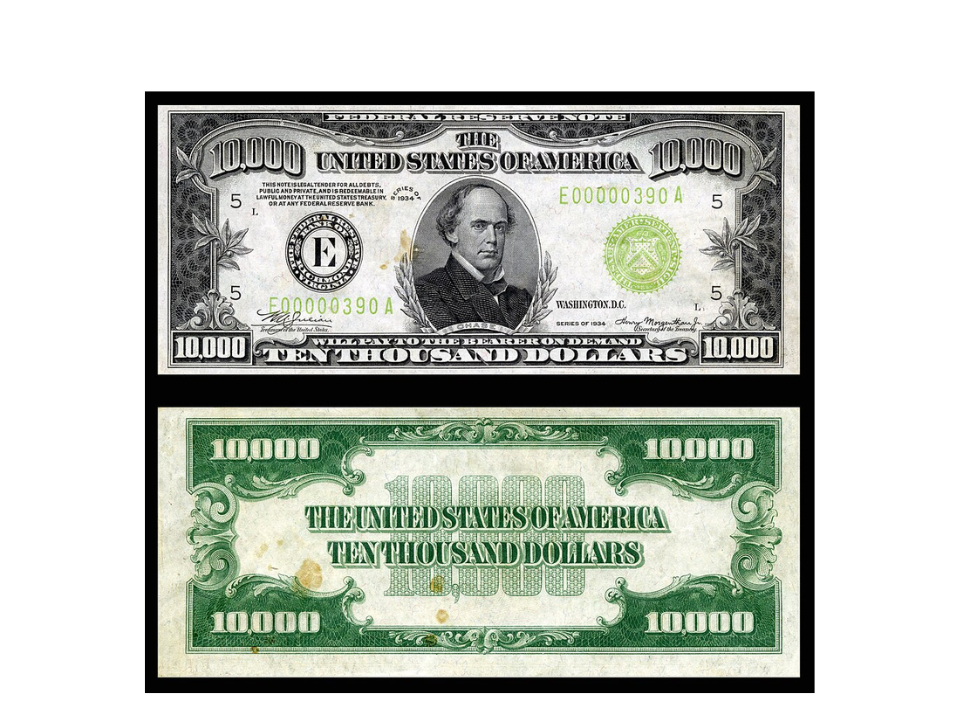
The 1934 $10,000 bill was issued during a time when large denominations were necessary for business transactions. These bills feature a portrait of Salmon P. Chase, the Secretary of the Treasury under President Lincoln. Star notes from this series are very rare and sought after by serious collectors.
The $10,000 bills were primarily used for transactions between banks, and most of them were destroyed after being issued. Today, a 1934 $10,000 bill can fetch over $100,000, with star notes being even more valuable, depending on their condition and serial number.
1953 $2 Bill – Star Note
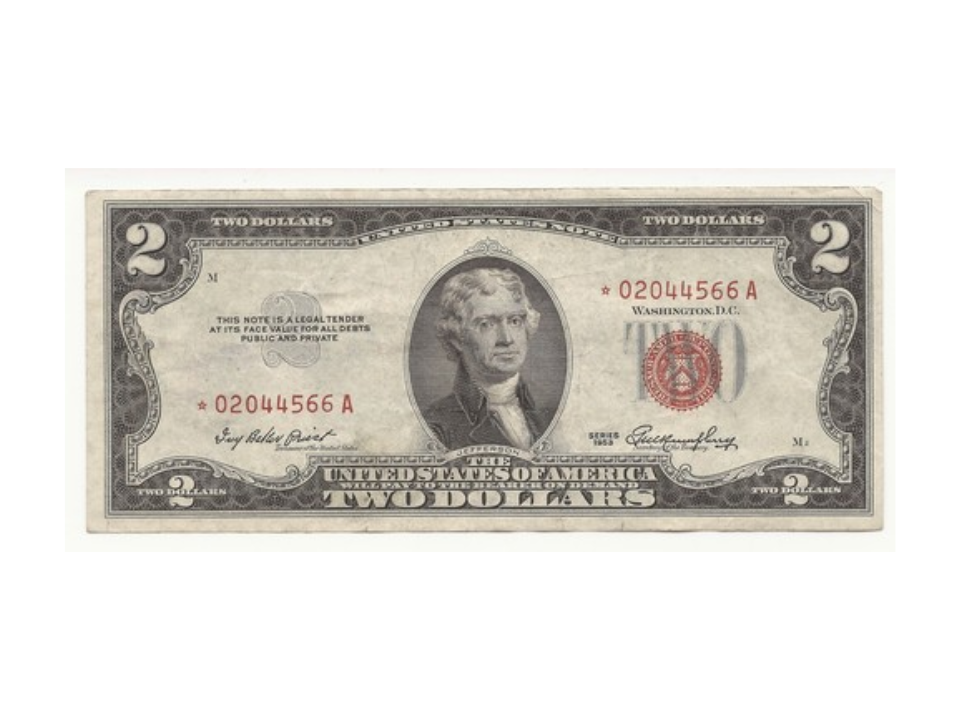
The 1953 $2 bill, though not as high in denomination as others, is highly collectible due to its rarity and the star note variants. These bills feature a portrait of Thomas Jefferson and were issued during a time of change in U.S. currency design.
Star notes of the 1953 $2 bill are more uncommon, with only a small percentage of bills issued as star notes. A well-maintained star note in good condition could be valued around $200 to $300, while rare fancy serial numbers can drive the price even higher.
1928 $10,000 Bill – Federal Reserve Note
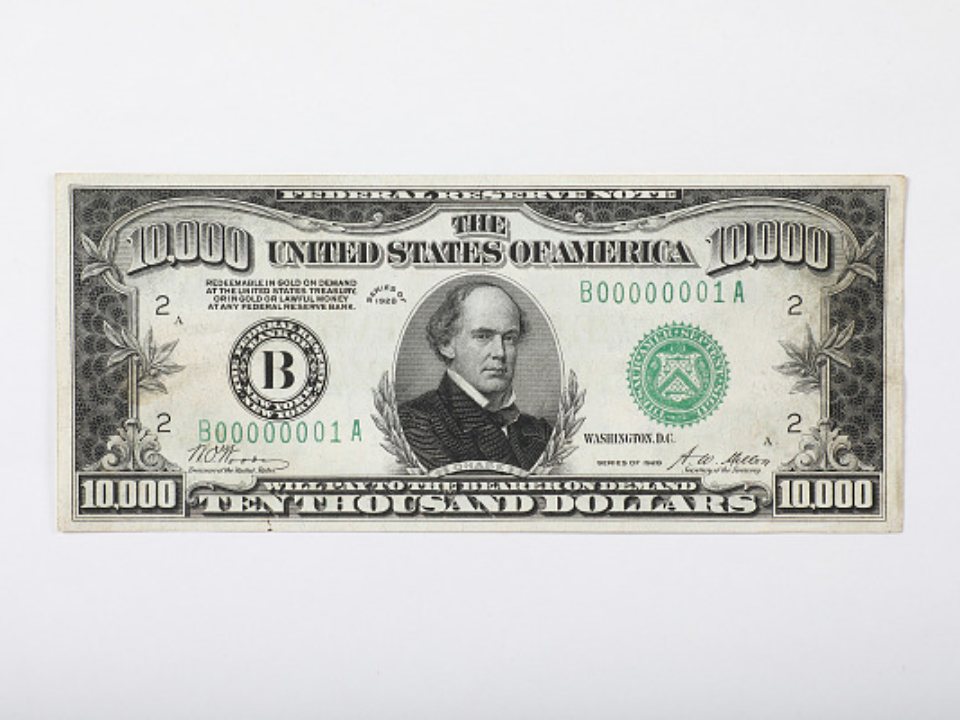
The 1928 $10,000 bill is a highly sought-after piece of currency. With a portrait of Salmon P. Chase, this bill was used in high-stakes financial transactions and is extremely rare. The star note variants of this bill are among the most coveted pieces in currency collections, as only a small number were issued.
Due to their limited production and historical significance, a 1928 $10,000 bill with a star note can be valued at $75,000 to $150,000, depending on its condition and rarity of serial numbers.
1918 $1,000 Bill – Federal Reserve Note
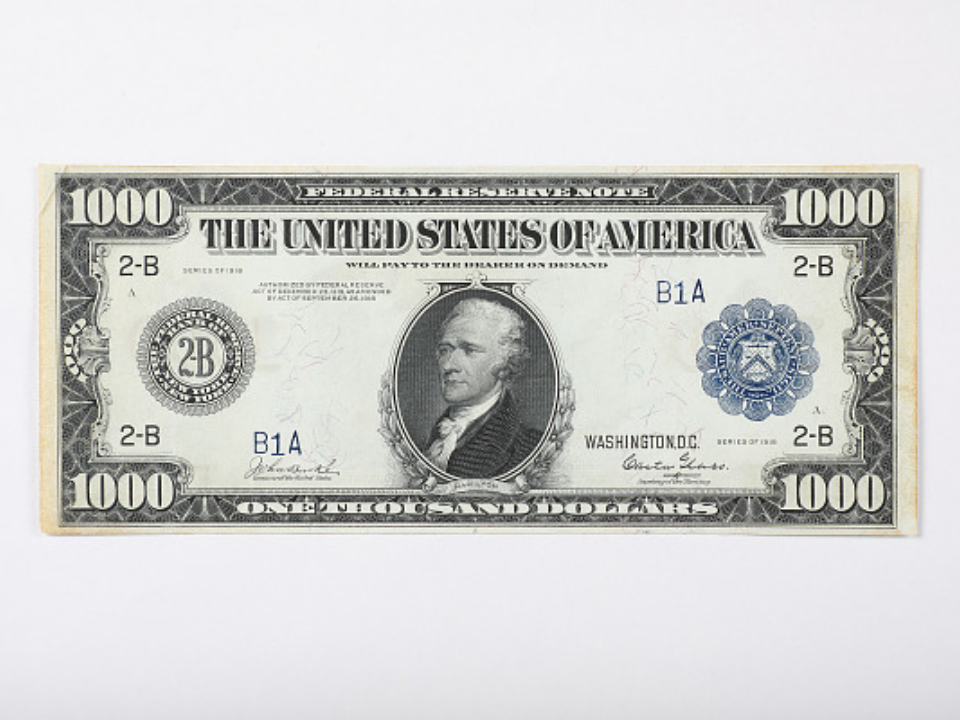
The 1918 $1,000 bill is considered one of the most beautiful bills ever issued by the U.S. government, featuring a portrait of Alexander Hamilton. Star notes from this series are exceptionally rare, and their value skyrockets among collectors.
Most of the 1918 $1,000 bills were retired, and those that remain are highly coveted. A bill in good condition can fetch anywhere between $7,000 and $10,000, while those with unique star notes and fancy serial numbers can exceed those values.
This article originally appeared on Avocadu.