
15 Rare Orchids with Shocking Shapes and Secret Pollinators
Orchids are some of the most fascinating plants in the world, and among them are species that look nothing like what you might expect. These rare orchids have evolved in ways that make them stand out, often sporting shocking shapes and intriguing adaptations. What truly sets them apart, however, is their ability to attract specific pollinators with their unique features. From flowers that mimic animals to those with intricate designs, each one has its own clever strategy for survival. Despite their unusual appearance, these orchids have learned to thrive by developing secret methods to ensure their pollination. For anyone captivated by the wonders of nature, these orchids offer a glimpse into the remarkable world of plant evolution.
This post may contain affiliate links, which helps keep this content free. Please read our disclosure for more info.
Ghost Orchid (Dendrophylax lindenii)
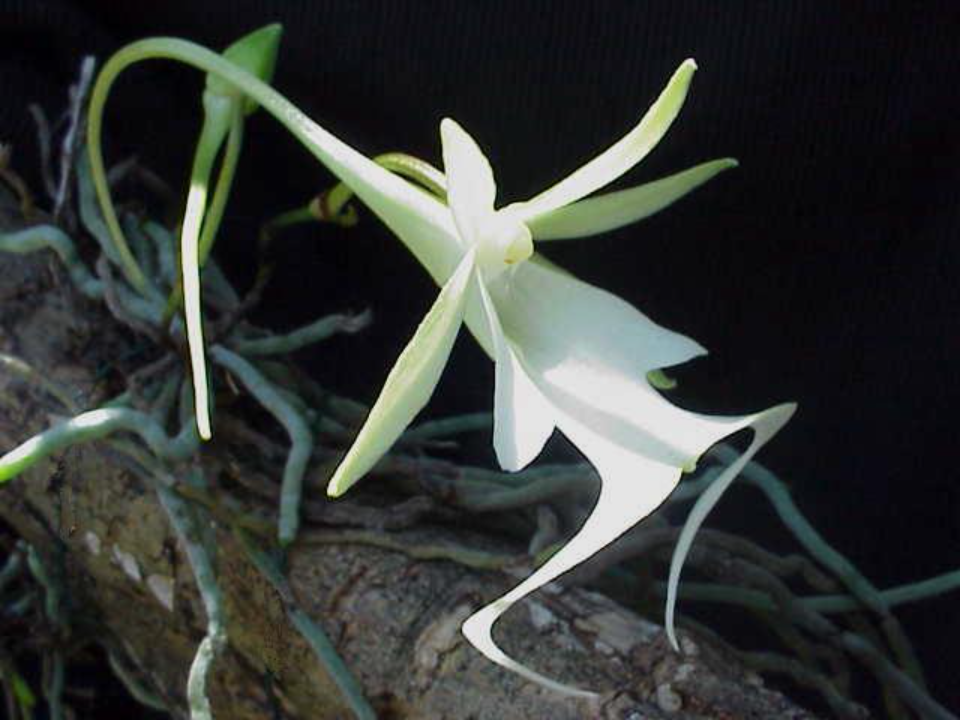
The Ghost Orchid, found in the swamps of Florida and parts of Central America, is one of the most intriguing orchids due to its unique appearance. Its long, slender petals and ethereal white bloom give it a ghostly appearance, making it a favorite among orchid enthusiasts. This orchid is rare and elusive, as it thrives in deep, humid environments, often growing high in trees. Its pollination is a mystery in itself; it is believed to be pollinated by the sphinx moth, which uses its long proboscis to reach the nectar deep within the flower.
Ghost Orchids are incredibly difficult to cultivate outside their natural habitat, making them highly prized in botanical collections. Despite their fragile beauty, these orchids have adapted to survive in very specific environments, making them a symbol of nature’s complexity and fragility. Conservation efforts are ongoing to preserve these rare plants, as they face threats from habitat destruction and illegal collection.
Monkey Face Orchid (Dracula simia)

Native to the cloud forests of Ecuador and Peru, the Monkey Face Orchid is an extraordinary plant known for its unique flower shape that resembles a monkey’s face. This orchid is part of the Dracula family, which are renowned for their bizarre and strikingly beautiful flowers. The Monkey Face Orchid thrives in cooler, shaded areas with high humidity, typically found at altitudes above 1,200 meters.
The orchid’s flowers have a reddish-brown color with features resembling a primate’s face, including eyes, a nose, and a mouth. This curious appearance serves to attract specific pollinators, such as the small fruit flies that are drawn to the scent. The flower’s deep, tubular shape allows only the tiny pollinators to access the nectar, ensuring that only the correct species can perform pollination. The Monkey Face Orchid has become a symbol of the mysterious beauty found in the hidden corners of the world’s cloud forests.
Shenzhen Nongke Orchid (Dendrobium cunninghamii)
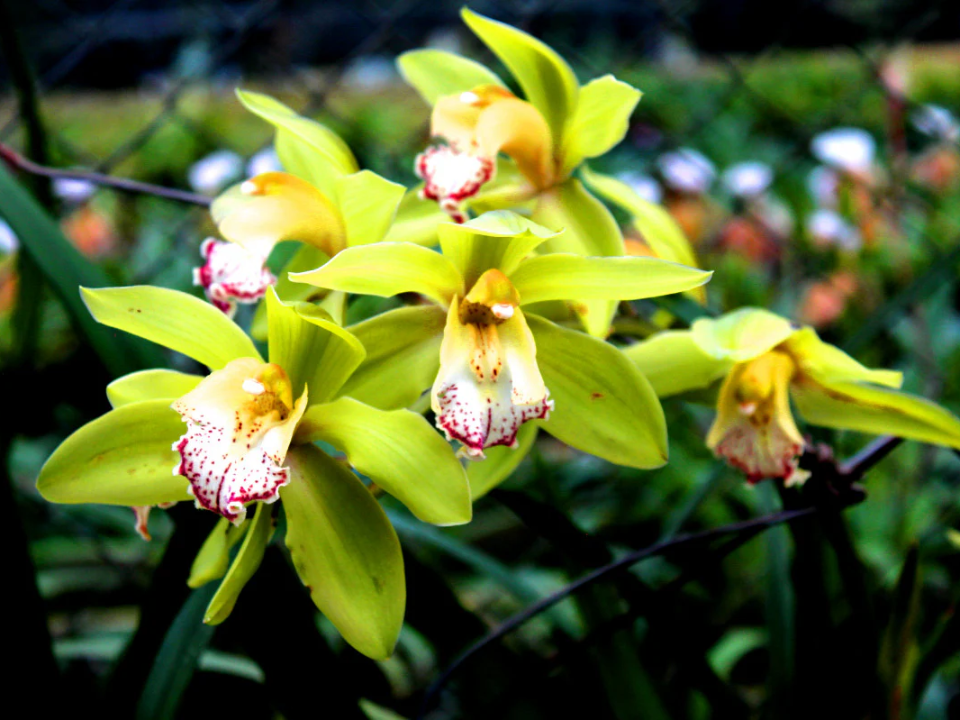
One of the rarest and most expensive orchids in the world, the Shenzhen Nongke Orchid was created through artificial cultivation and took eight years to develop. This hybrid orchid is prized not only for its rarity but also for its incredible beauty. The orchid’s flowers are a stunning shade of green, with delicate purple markings that make them stand out in any collection. They are highly sought after by collectors, especially after the Shenzhen Nongke Orchid fetched a record price at auction.
The orchid’s pollination is aided by its attraction to local insect species, which are drawn to its sweet fragrance. Despite its origins in cultivation, the Shenzhen Nongke Orchid is now regarded as a symbol of human ingenuity in the world of botany. Its ability to bloom after such a long cultivation process makes it a testament to patience and dedication. Today, it is cherished for both its beauty and the story behind its creation.
Titan Arum (Amorphophallus titanum)
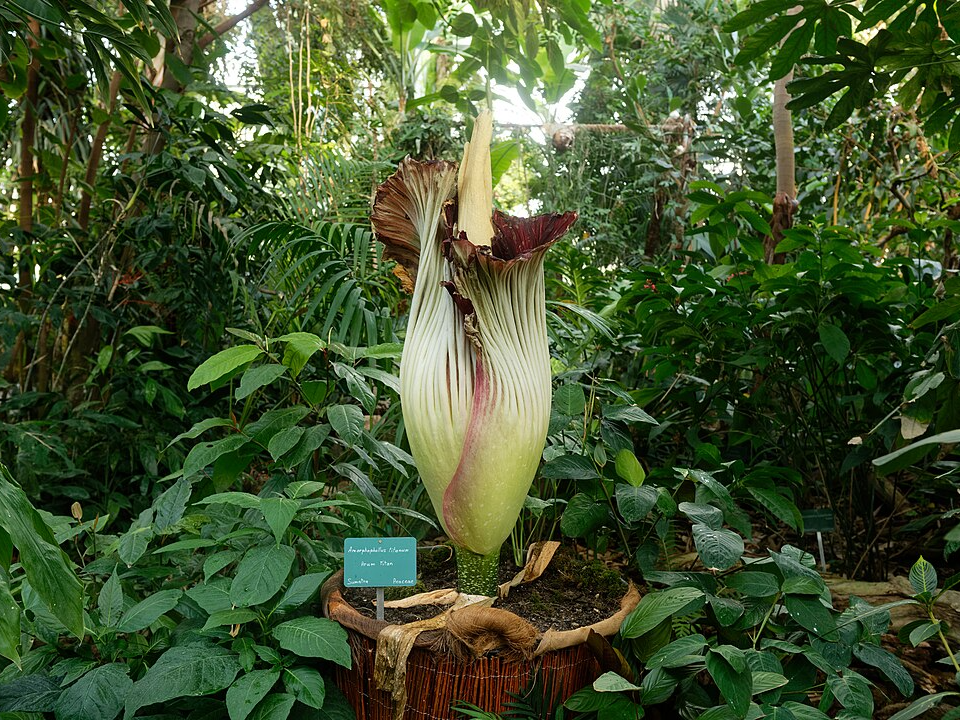
While not technically an orchid, the Titan Arum, often known as the “Corpse Flower,” is a rare plant that shares some pollination features with orchids. It is famous for producing the world’s largest unbranched flower. The Titan Arum’s bloom can reach up to 10 feet tall and emits a foul odor that resembles rotting flesh, which is what attracts its primary pollinators—carrion beetles and flies.
The flower blooms infrequently, often only once every few years, making it a rare and highly anticipated event when it does bloom. Its striking appearance and strong smell are a clever adaptation to lure its specialized pollinators. This orchid-like flower grows in the rainforests of Indonesia, where it thrives in the rich, moist soil. Conservationists monitor the Titan Arum closely, as its native habitats are being threatened by deforestation and climate change.
Cattleya Orchid (Cattleya trianae)
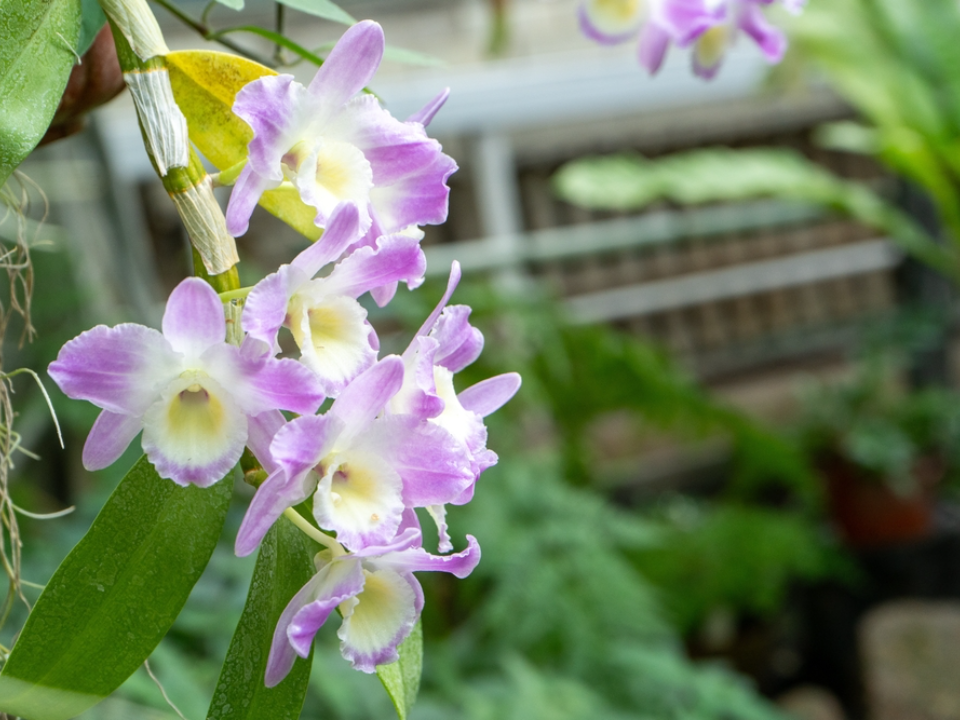
The Cattleya Orchid, also known as the “queen of orchids,” is admired for its large, colorful flowers that can be white, purple, pink, or yellow. Native to the cloud forests of Colombia and Venezuela, this orchid species has a strong connection to both natural pollinators and human cultivation.
The Cattleya’s vibrant petals and large, aromatic blooms attract bees, which help pollinate the flower by transferring pollen as they visit for nectar. The flower’s size and vivid colors make it one of the most visually striking orchids in the world. In addition to its beauty, the Cattleya has historical significance as the orchid species used in the creation of many hybrid varieties. It is considered a symbol of elegance and is highly valued in both floral displays and private orchid collections. With its stunning beauty, this orchid has become a representation of the classic allure of orchids.
Lady Slipper Orchid (Cypripedium calceolus)
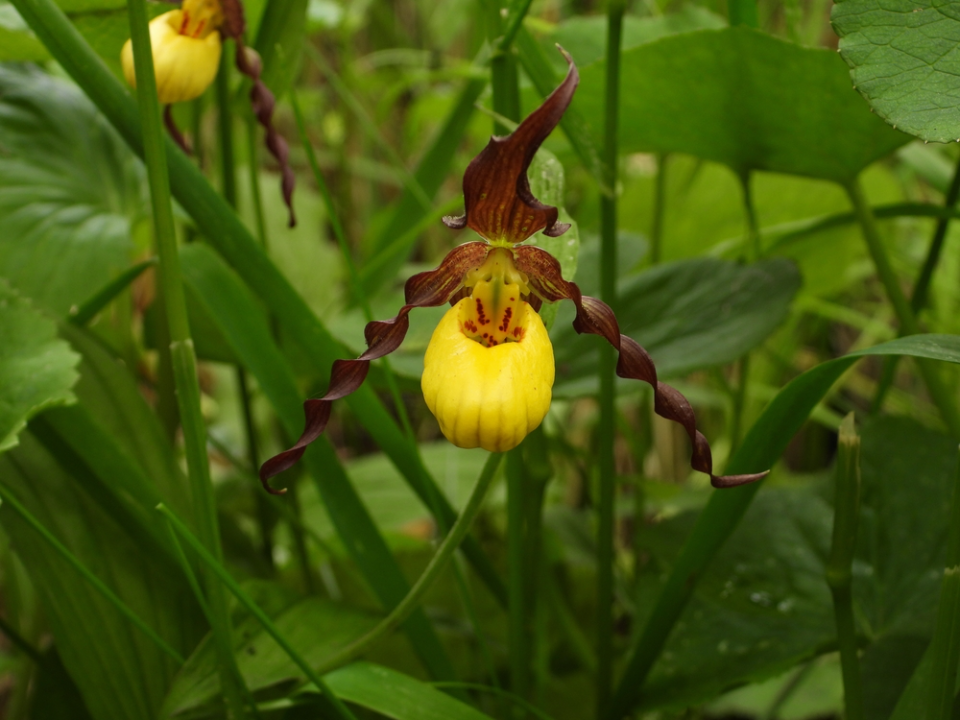
The Lady Slipper Orchid, found across parts of Europe, Asia, and North America, is famous for its slipper-shaped flowers that have been compared to an elegant shoe. The large, fleshy lip of the flower forms a “slipper,” which attracts its primary pollinators like bees. The bees are tricked into entering the slipper for nectar, and in the process, they become covered in pollen.
The Lady Slipper thrives in shady, moist areas, particularly in woodlands and meadows. Due to its unique shape and elusive pollination process, the Lady Slipper is one of the more fascinating species to study. It is also an endangered species in many parts of its range due to habitat destruction and overcollection. As a result, conservation efforts focus on protecting its natural habitats and preserving this iconic orchid.
Bat Orchid (Tacca palmata)
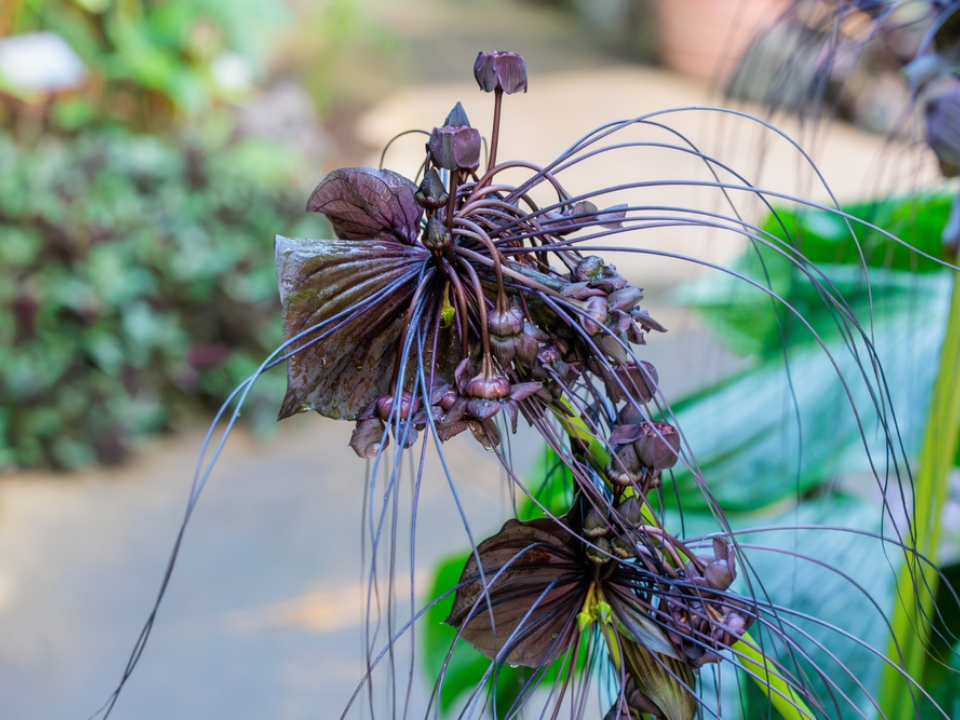
The Bat Orchid, native to Southeast Asia, has flowers that resemble a bat in flight. The flower’s dark purple petals and long, tendril-like projections give it an eerie appearance, which is perfect for attracting its pollinator, the bat. The Bat Orchid’s flowers emit a scent similar to decaying organic matter, which lures the bats.
As they feed, the bats brush against the flowers, transferring pollen and aiding in pollination. This orchid grows in tropical rainforests and prefers areas with high humidity and moderate sunlight. Its unusual shape and reliance on bats for pollination make it a rare and mysterious specimen. The Bat Orchid’s ability to survive in its environment and adapt to its pollinator makes it an intriguing subject for botanical research.
Pink Lady’s Slipper (Cypripedium acaule)
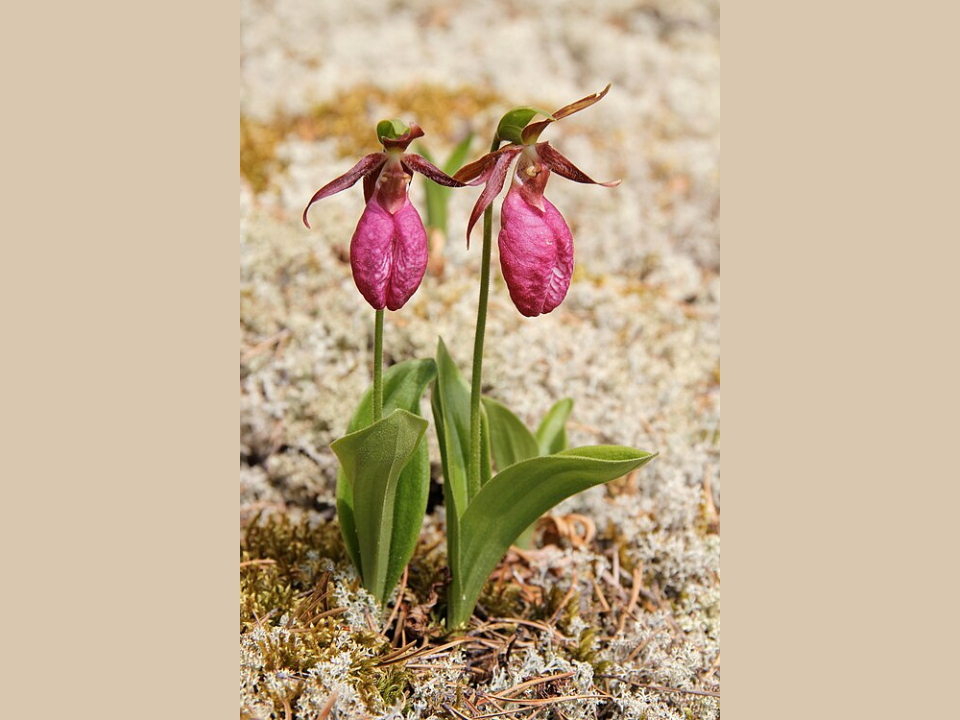
The Pink Lady’s Slipper is another variety of the Lady Slipper Orchid, but it stands out with its bright pink, bulbous slipper-shaped flower. This orchid is native to North America, particularly in the eastern United States, where it thrives in cool, acidic soils. The Pink Lady’s Slipper has a unique pollination system involving bees, which are attracted to the flower’s sweet scent and color.
Once the bees enter the flower’s slipper, they are unable to escape until they have made contact with the pollen. This mutualistic relationship ensures that the orchid is pollinated efficiently. The Pink Lady’s Slipper is highly prized by gardeners and collectors due to its rarity and the elegance of its bloom. However, it is also considered endangered in many areas due to habitat loss and illegal collection. Conservation efforts are in place to protect this delicate orchid and its unique beauty.
Rothschild’s Orchid (Paphiopedilum rothschildianum)
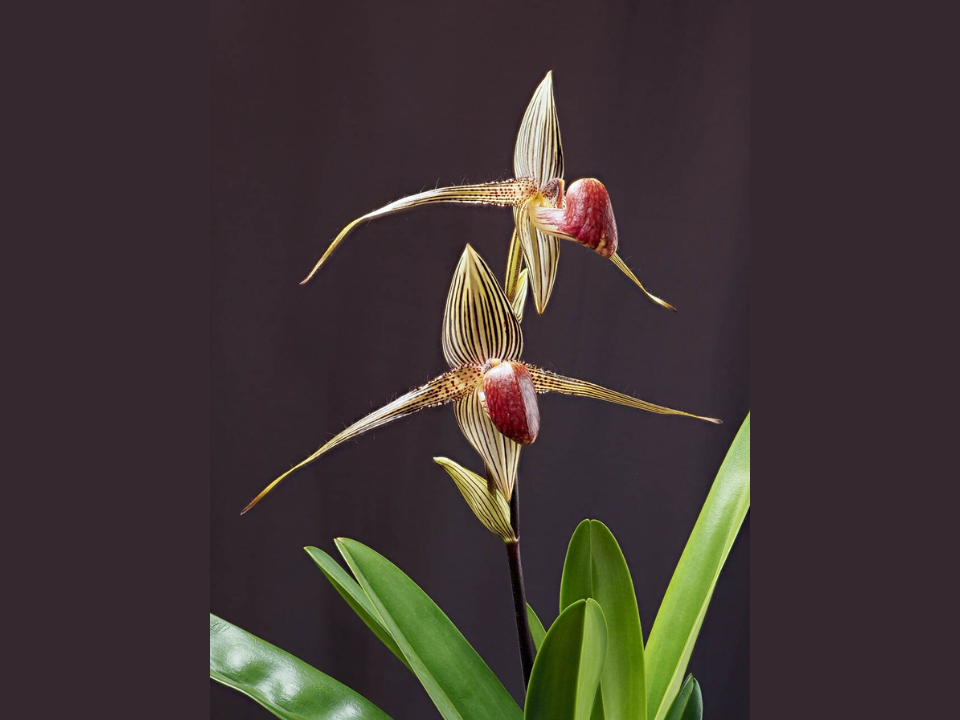
Rothschild’s Orchid is one of the rarest and most valuable orchids in the world. Native to the rainforests of Borneo, this orchid has large, showy flowers with striking yellow and red markings. The petals of the flower are long and pointed, giving it an almost regal appearance. Pollinated by specialized bees, Rothschild’s Orchid thrives in shaded, humid environments, often found at higher elevations in its native range.
The orchid is known for its challenging cultivation, as it requires specific conditions to survive outside its natural habitat. Because of its rarity and demand, it is considered one of the most expensive orchids to buy. Conservation efforts focus on preserving its native habitats and preventing overcollection, ensuring that future generations can appreciate its beauty.
Snow Orchid (Dendrobium speciosum)
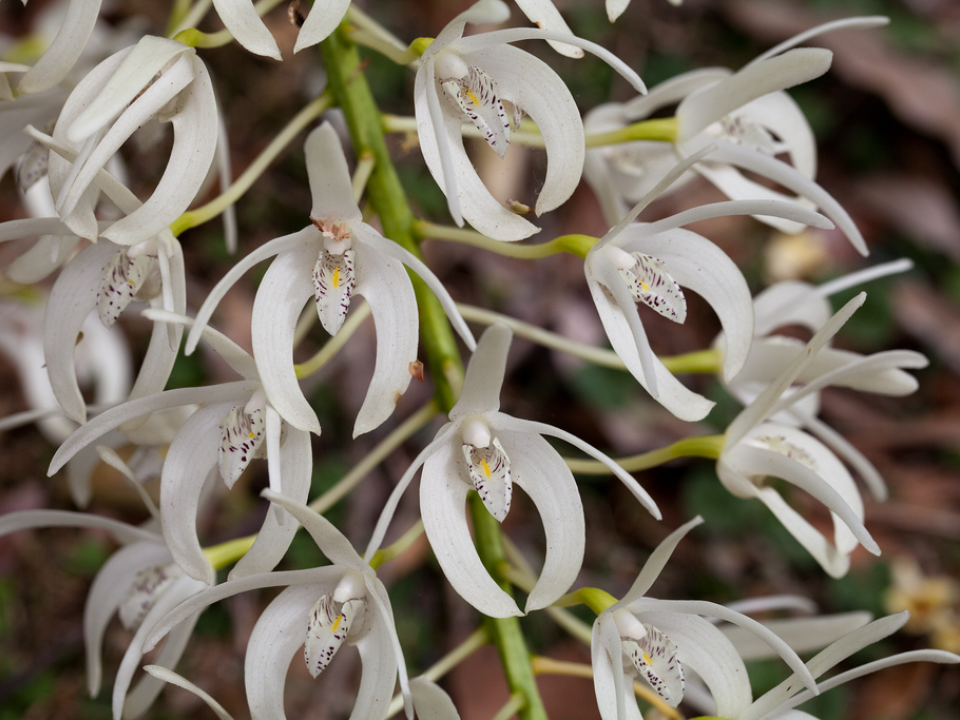
The Snow Orchid, native to parts of Australia, is known for its stunning white flowers that bloom in clusters. This orchid species grows in a wide variety of habitats, from forests to rocky outcrops, where it thrives in both sunny and shady conditions. The Snow Orchid’s flowers have a striking, pure white appearance, and its delicate blooms make it a favorite among collectors. It is pollinated by bees, which are attracted to the flowers’ fragrance and nectar.
The Snow Orchid has an impressive ability to adapt to its environment, growing in both tropical and temperate regions. Its resilience and beauty make it a prized specimen in the orchid world, though it is still considered rare in some parts of its range. Efforts to protect this orchid focus on preserving its natural environments and encouraging sustainable cultivation practices.
White Egret Orchid (Habenaria radiata)
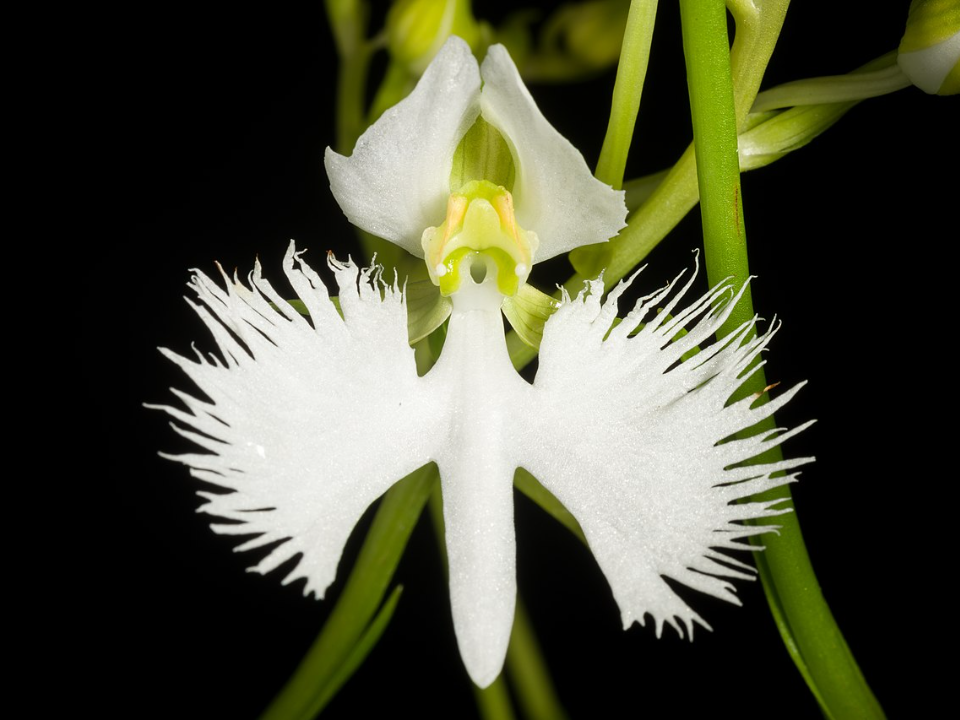
The White Egret Orchid, found in Japan and parts of China, is a stunning flower that resembles an elegant egret bird in flight. Its long, delicate white petals fan out like wings, making it one of the most visually striking orchids. This orchid thrives in humid, shaded environments and blooms during the summer months. It is pollinated by moths, which are drawn to its subtle fragrance. The
White Egret Orchid’s ability to mimic the shape of a bird is thought to be a way to attract the right pollinators. This fascinating mimicry has made it a subject of study among botanists and naturalists. While it is not as widely distributed, conservation efforts are in place to protect its natural habitats, ensuring that its ethereal beauty is preserved for future generations.
Vanda Orchid (Vanda coerulea)
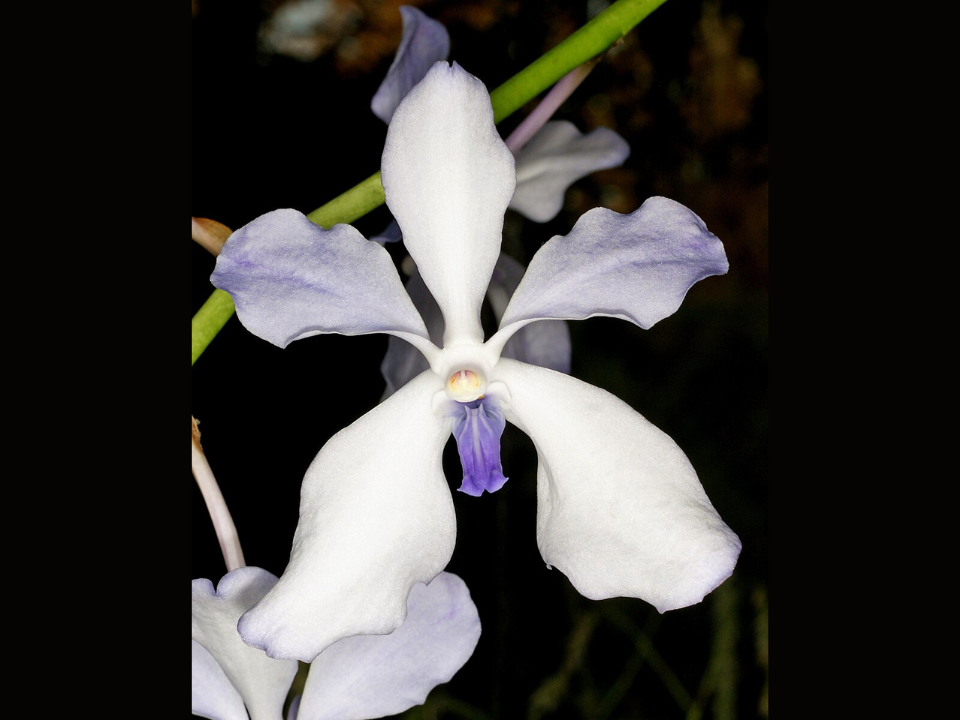
Native to Southeast Asia, the Vanda Orchid is known for its striking blue to purple flowers, which are among the rarest in the orchid world. These orchids thrive in warm, tropical climates and are often found in regions with high humidity. Their striking flowers make them a favorite among collectors, though they require very specific growing conditions to thrive outside their native habitat.
The Vanda Orchid is pollinated by a variety of insects, including bees and butterflies, which are attracted to its vibrant color and sweet fragrance. In cultivation, Vanda Orchids are often grown in hanging baskets or mounted on tree bark to mimic their natural growth conditions. Due to their high value and challenging care requirements, they are not commonly found outside specialized orchid collections. Their beauty and rarity make them a highly coveted species in the orchid community.
Clown Orchid (Cyrtochilum ventricosum)
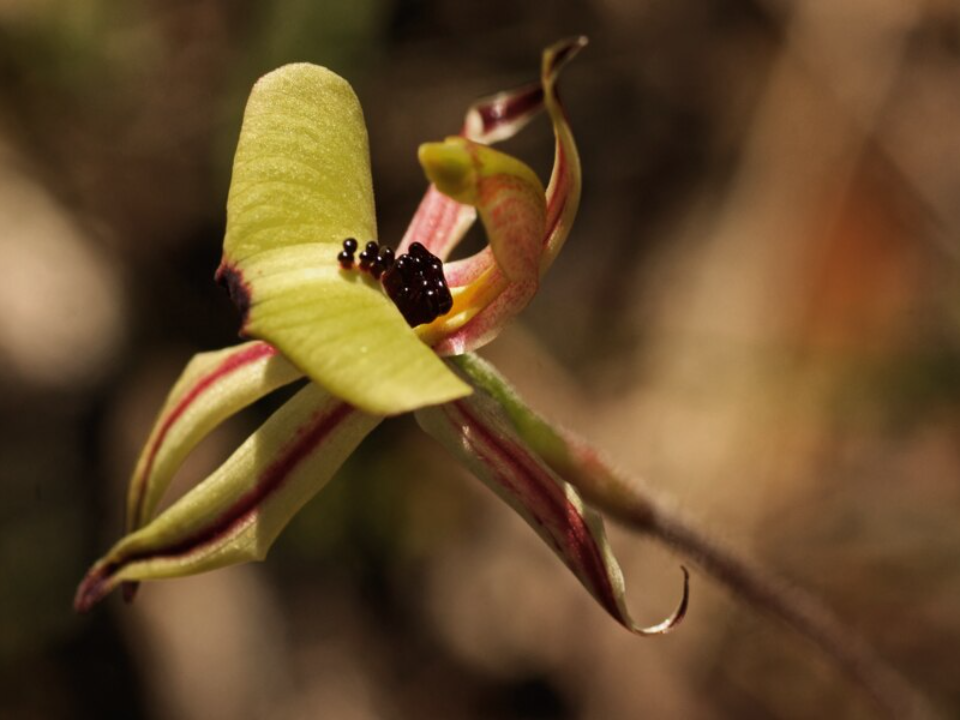
The Clown Orchid is native to the cloud forests of Ecuador and Colombia and is named for the flower’s peculiar resemblance to a clown’s face. The orchid has large, bulbous petals that form a striking resemblance to a wide, smiling face. Its bright, yellow and orange colors add to its distinctive appearance, making it one of the most unique orchids in the world.
The Clown Orchid attracts pollinators such as bees, which are drawn to the orchid’s sweet scent. Its ability to mimic a human face is thought to play a role in attracting the correct pollinators, though the exact mechanics of this are still not fully understood. As a high-altitude orchid, the Clown Orchid requires cooler temperatures and plenty of humidity to grow properly. Its unusual shape and limited distribution make it a rare and highly sought-after orchid species.
Pink Butterfly Orchid (Phalaenopsis amabilis)
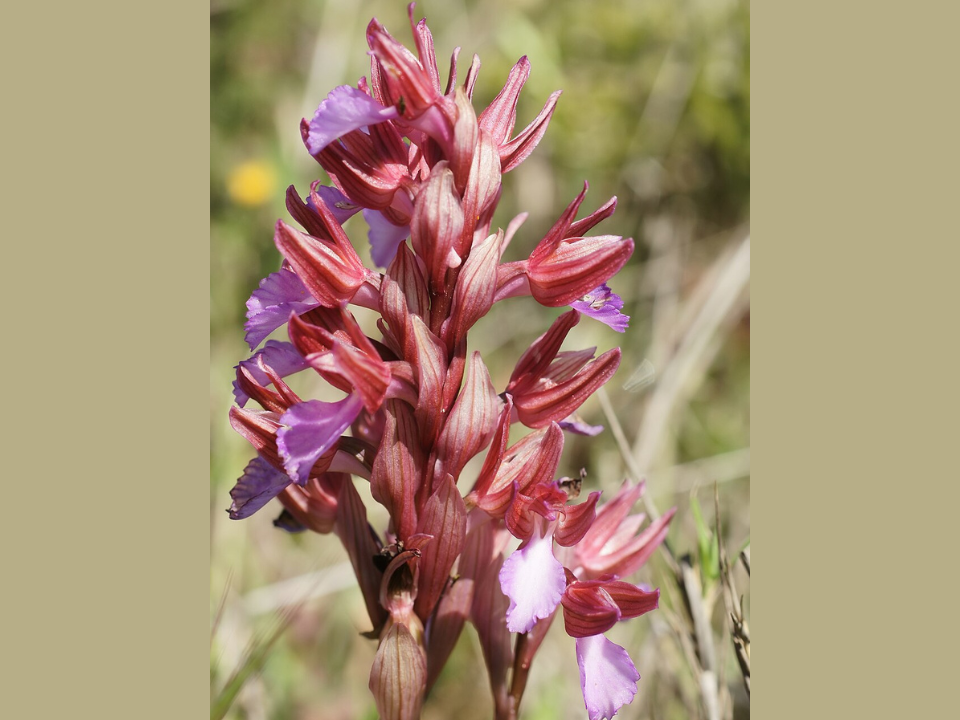
The Pink Butterfly Orchid is a captivating species that is native to Southeast Asia. Its large, soft-pink petals resemble the wings of a butterfly, giving it its common name. Known for its graceful shape and elegant color, this orchid has become a favorite in floral arrangements and private collections.
The Pink Butterfly Orchid thrives in humid, tropical conditions and requires indirect light and moist soil to flourish. Its flowers bloom in clusters, producing a delicate fragrance that attracts pollinators such as moths and small bees. This orchid is relatively easy to cultivate, making it a popular choice for orchid growers. Despite its ease of care, the Pink Butterfly Orchid is still considered rare in the wild, where it faces threats from deforestation and habitat destruction.
Coryanthes (Coryanthes macrantha)
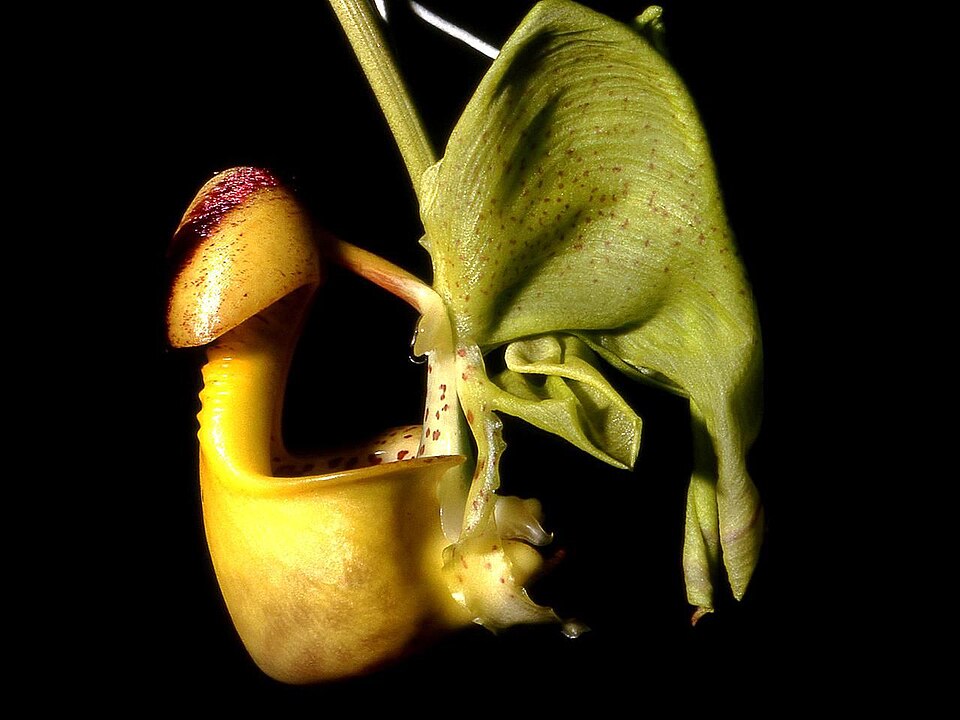
Coryanthes orchids, found in the rainforests of Central and South America, are famous for their unusual, bucket-like flower shape. The flower’s structure is designed to trap its pollinators, typically male orchid bees, which are lured by the sweet fragrance and vibrant color. Once the bee enters the flower, it is trapped until it is forced out through an opening, transferring pollen in the process.
This fascinating method of pollination has earned the Coryanthes its nickname, the “bucket orchid.” The orchid’s flowers are often large, with a striking combination of yellow, purple, and green hues. Because of their complex pollination system, these orchids are challenging to cultivate and are rarely seen outside their native environments. They remain a prized specimen for orchid collectors due to their unique pollination process and their visually arresting blooms.
This article originally appeared on Avocadu.