
15 Rare Orchids That Fascinate Plant People
Orchids have long captivated plant enthusiasts with their incredible beauty and unique characteristics. From their vibrant colors to their fascinating shapes, these flowers never fail to make a lasting impression. What makes orchids especially interesting is the wide variety of species, each with its own set of traits that set it apart from the rest. Some orchids are known for their exotic fragrances, while others stand out because of their unusual forms. Collectors and gardeners alike are drawn to these rare specimens, often seeking out plants that are harder to find.
This post may contain affiliate links, which helps keep this content free. Please read our disclosure for more info.
Ghost Orchid (Dendrophylax lindenii)
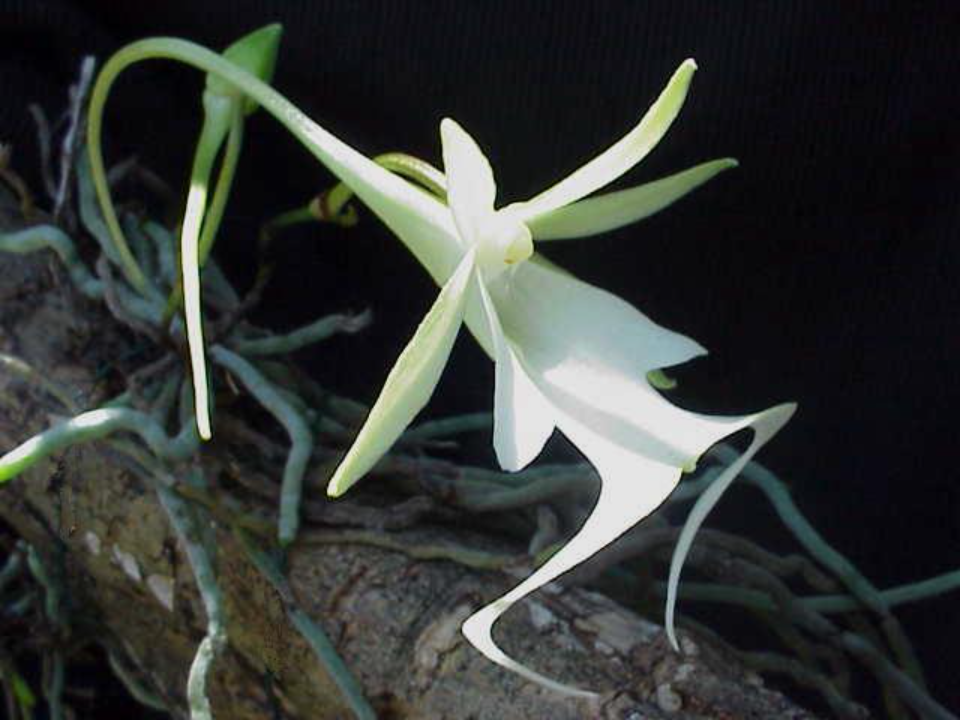
The Ghost Orchid is one of the most sought-after and enigmatic species among orchid collectors. Native to the swamps of Florida and parts of the Caribbean, this orchid is famous for its delicate, almost ethereal white flowers that seem to float in midair. The flower’s shape is unique, resembling a spectral figure, which is where it gets its name. Growing in low-light environments, the Ghost Orchid requires very specific conditions to thrive, including high humidity and warm temperatures. It is particularly rare due to its specialized growing conditions and its tendency to grow in hard-to-reach areas.
In addition to its beauty, the Ghost Orchid’s flowers only bloom once a year, making it even more coveted among orchid enthusiasts. As one of the rarest orchids in the world, it often fetches significant prices in the plant market. If you are fortunate enough to find one in bloom, the experience is nothing short of magical. However, conservationists are concerned about its declining numbers due to habitat loss and overcollection.
Chocolate Orchid (Oncidium Sharry Baby)
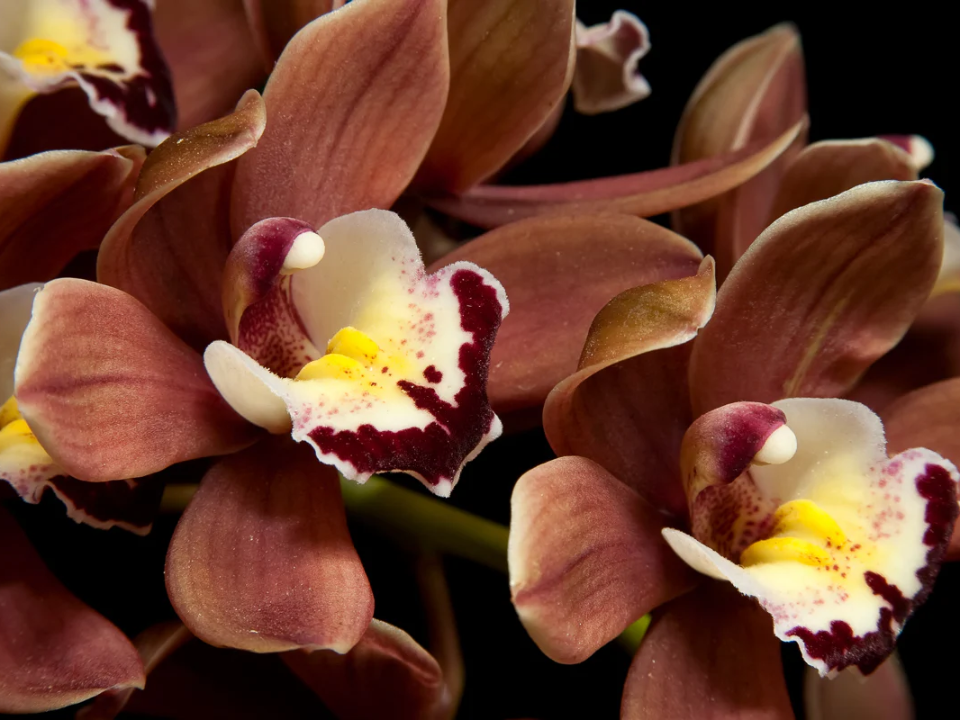
The Chocolate Orchid is a hybrid species that is often admired for its unique scent, which closely resembles the fragrance of chocolate. Originating from a cross between Oncidium and Odontoglossum orchids, this plant produces small, speckled flowers that appear in clusters. The blooms of the Chocolate Orchid can vary in color from deep brown to a reddish hue, which enhances the visual appeal. Growing well in moderate light, the Chocolate Orchid is easier to care for compared to some other rare orchids.
Despite its more accessible growing conditions, it is still regarded as a specialty plant due to its striking appearance and aromatic properties. The plant’s sweet fragrance is what truly sets it apart from other species. In addition to its scent, it has a long blooming period, providing an extended window of enjoyment for plant enthusiasts. The Chocolate Orchid’s popularity continues to rise, and it is often a favorite among orchid collectors seeking something unique for their collections.
Jewel Orchid (Ludisia discolor)
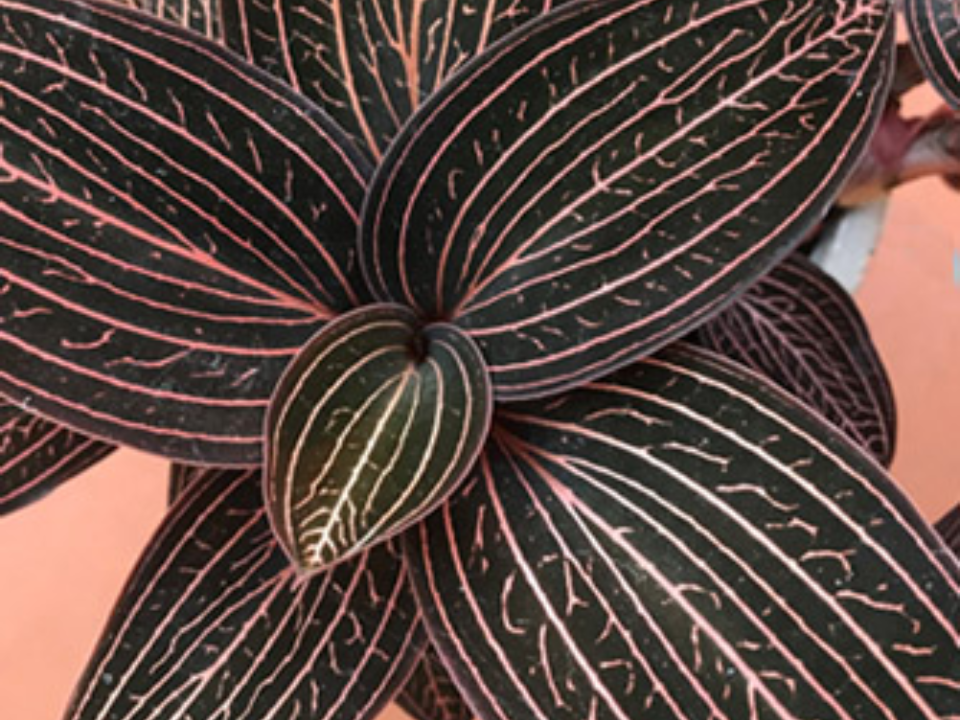
The Jewel Orchid stands out for its vibrant, patterned foliage rather than its flowers. Its leaves are rich in colors, ranging from deep green to purple, with striking veins of white and red. Native to Southeast Asia, this orchid is found in shady forest floors, where it thrives in low-light conditions. While its flowers are small and white, they are often overshadowed by the plant’s stunning foliage. Jewel Orchids are not as difficult to grow as some other rare orchids, making them a popular choice for beginners in the orchid world.
They thrive in warm, humid conditions, and their care involves maintaining a steady environment with well-draining soil. These orchids are often prized for their ornamental beauty, adding an exotic touch to any collection. Their unique appearance and ease of care make them a must-have for those interested in indoor gardening. As an added bonus, they are relatively low-maintenance compared to other orchids.
Cattleya Orchid (Cattleya labiata)
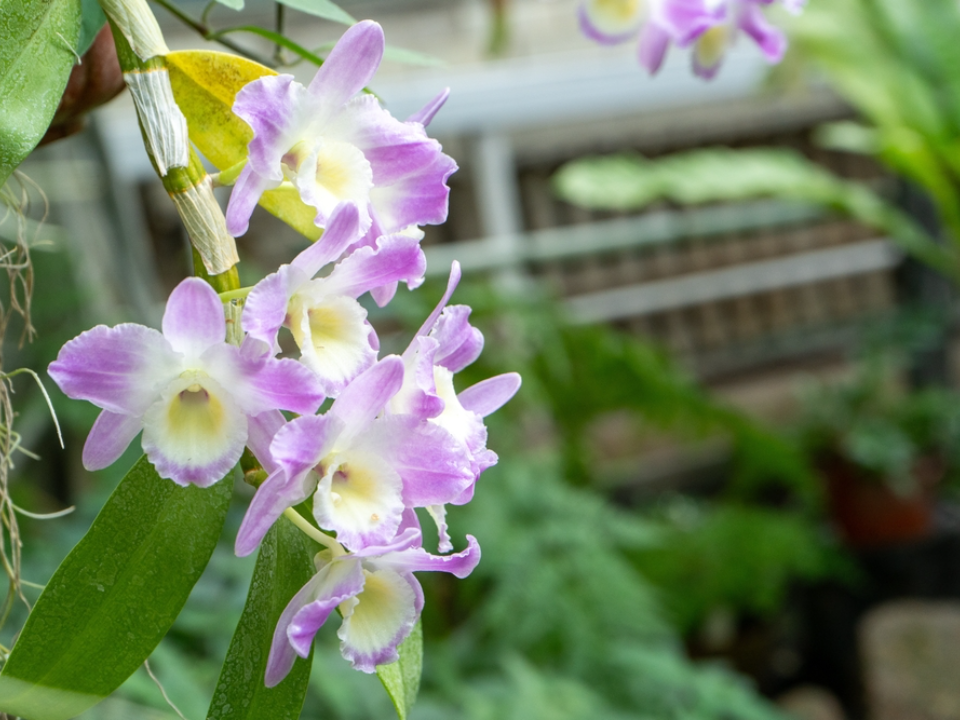
The Cattleya orchid is often considered the queen of orchids due to its large, vibrant flowers. Native to South America, these orchids are highly prized for their large, fragrant blooms that come in a variety of colors, including pink, purple, yellow, and white. The flowers are particularly known for their striking lip, which often contrasts with the rest of the petals. Cattleya orchids are considered more challenging to grow than some other types due to their need for strong light, a stable temperature, and a well-draining growing medium.
Despite these requirements, they are a favorite among collectors due to their size and the dramatic impact of their blossoms. Many hybrid varieties of Cattleya have been developed, further increasing its popularity among enthusiasts. With proper care, the Cattleya can bloom multiple times a year, making it a rewarding plant for dedicated gardeners. Cattleyas have also been widely used in the production of cut flowers for floral arrangements, thanks to their longevity and appeal.
Lady Slipper Orchid (Cypripedium calceolus)
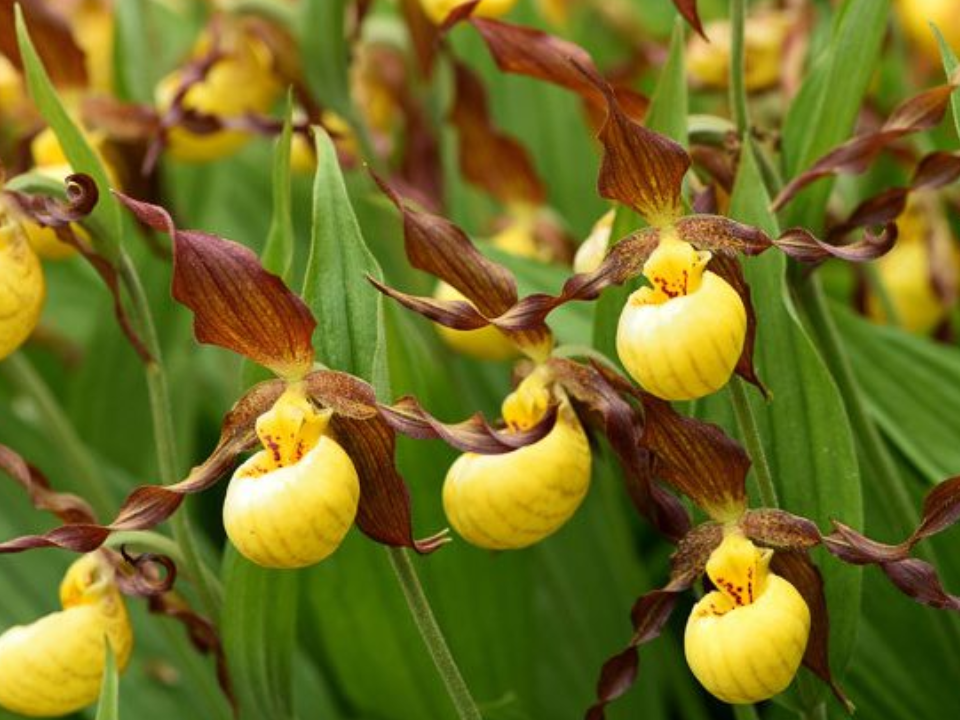
The Lady Slipper Orchid, also known as the Yellow Lady Slipper, is one of the most iconic orchids, particularly admired for its unique flower shape. The flower resembles a slipper, making it a favorite for plant enthusiasts and collectors. Native to Europe and parts of Asia, it thrives in temperate climates and is commonly found in woodlands. The Lady Slipper Orchid is a terrestrial species, meaning it grows directly in the ground, as opposed to many other orchids that are epiphytic.
This species is quite rare and can be difficult to cultivate in non-native environments due to its specific soil and moisture needs. Despite its rarity, it remains highly sought after due to its dramatic, unusual flower structure and historical significance in botanical gardens. Conservation efforts are underway to protect the Lady Slipper Orchid, as it faces threats from habitat loss and illegal collection. Growing this orchid requires patience and care, as it can take several years to reach flowering age.
Paphiopedilum (Paphiopedilum glaucophyllum)
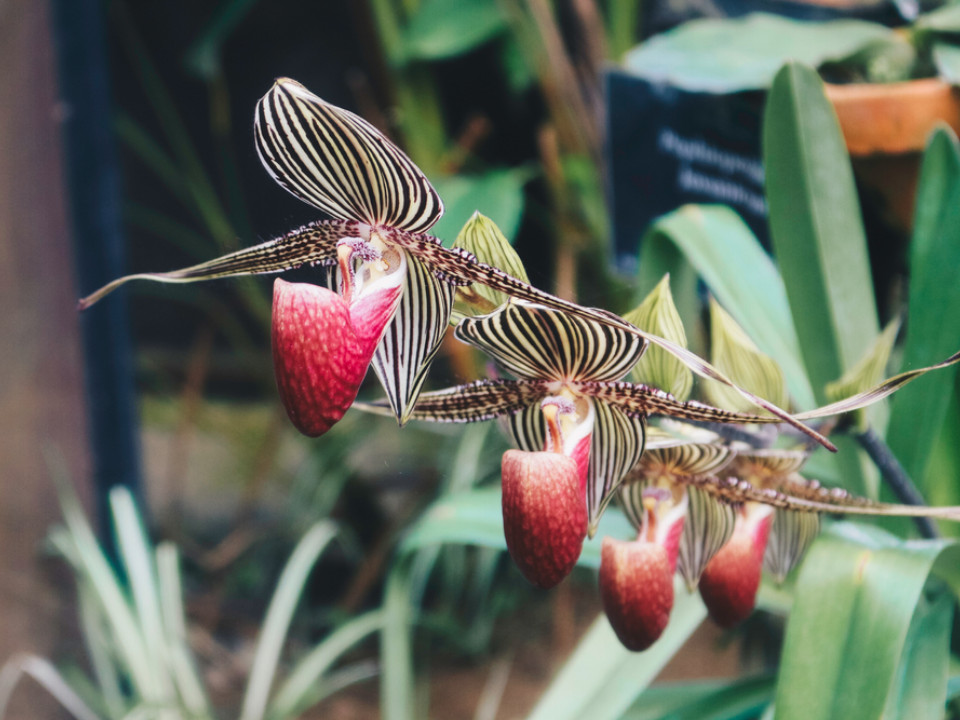
Paphiopedilum orchids, commonly known as the “Slipper Orchids,” are renowned for their unique and beautifully structured flowers. The Paphiopedilum glaucophyllum, in particular, stands out due to its large, showy blooms that can range in color from greenish-yellow to shades of brown. These orchids are native to Southeast Asia, and they thrive in shaded environments with cool to warm temperatures.
Unlike many orchids that grow on trees, Paphiopedilum species are terrestrial, meaning they prefer to grow in the ground. They require well-draining, moist conditions to flourish and often do best in a slightly acidic soil mix. These orchids are prized for their striking floral patterns, which often resemble a slipper or pouch, making them particularly captivating to collectors. Paphiopedilum orchids are relatively slow-growing, and it can take a few years for them to mature enough to bloom. The challenge of cultivating them, along with their distinct appearance, makes them a highly valued species among orchid aficionados.
Vanda Orchid (Vanda coerulea)
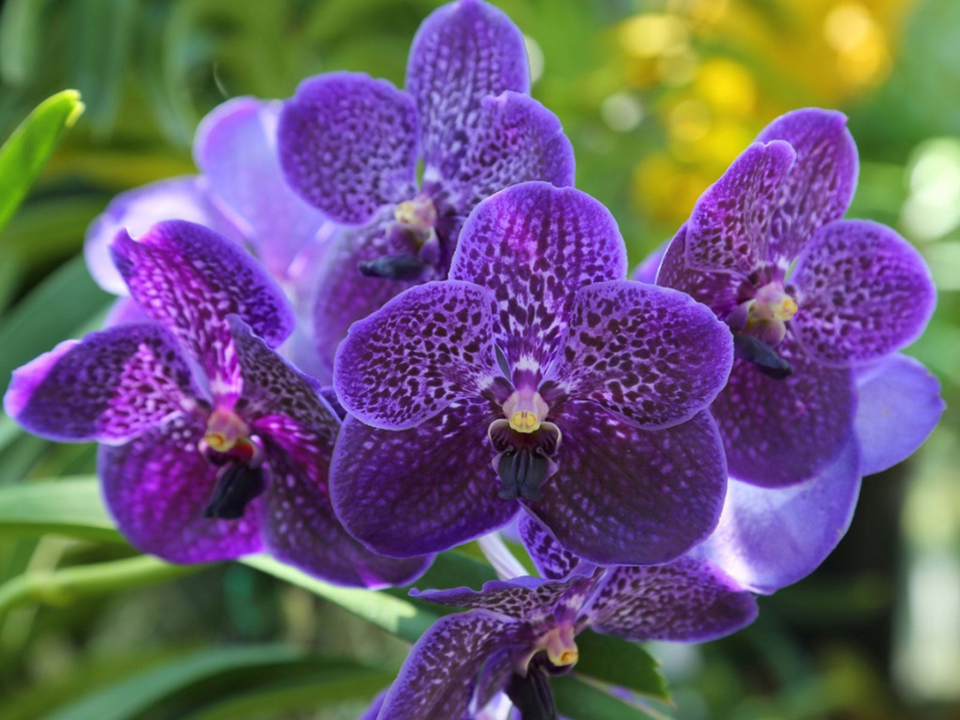
The Vanda orchid is a stunning species, famous for its vibrant blue flowers that often have a mesmerizing, almost iridescent quality. Native to Southeast Asia, Vandas are epiphytic orchids that grow on trees or rocks in their natural environment, thriving in warm, humid conditions. The Vanda coerulea, also known as the Blue Vanda, is especially rare due to the difficulty in cultivating its striking blue hue.
These orchids are known for their large blooms and strong, pleasant fragrance, which makes them a favorite among orchid enthusiasts. They require bright, indirect light and regular watering to maintain their health. The Blue Vanda is particularly valued in the orchid community for its rarity, as true blue orchids are relatively uncommon. They are often used in floral arrangements, adding a touch of exotic beauty. The plant can take a few years to reach maturity and requires patience and dedication from growers.
Dendrobium Orchid (Dendrobium nobile)
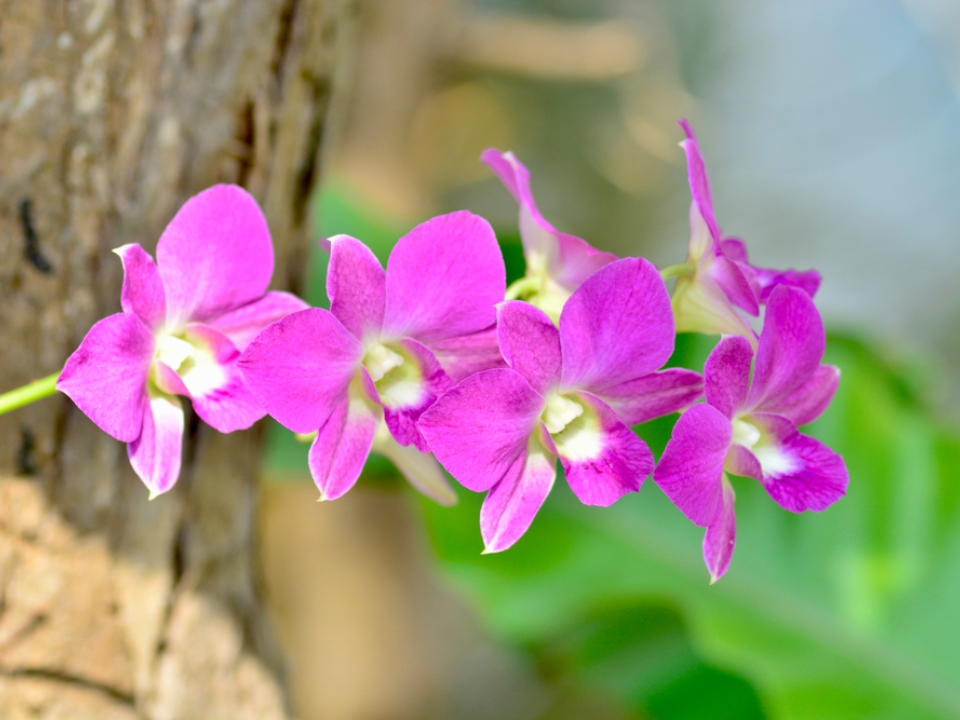
The Dendrobium Orchid is one of the largest and most diverse genera of orchids, encompassing hundreds of species. The Dendrobium nobile, a particularly rare and valuable variety, is known for its striking, colorful flowers that can range from white and pink to purple and yellow. These orchids are native to the mountainous regions of Southeast Asia, where they thrive in cool, high-altitude environments.
Dendrobium nobile orchids are epiphytic, meaning they grow on trees or rocks, and they need a well-draining growing medium to thrive. The flowers of this species bloom in clusters, creating a stunning display of color that is sure to catch anyone’s attention. However, these orchids require specific care, including a period of rest during the winter months, where they must be kept cool and dry to trigger blooming. The Dendrobium nobile’s beauty and rarity make it a prized possession for serious orchid collectors.
Zygopetalum Orchid (Zygopetalum mackayi)
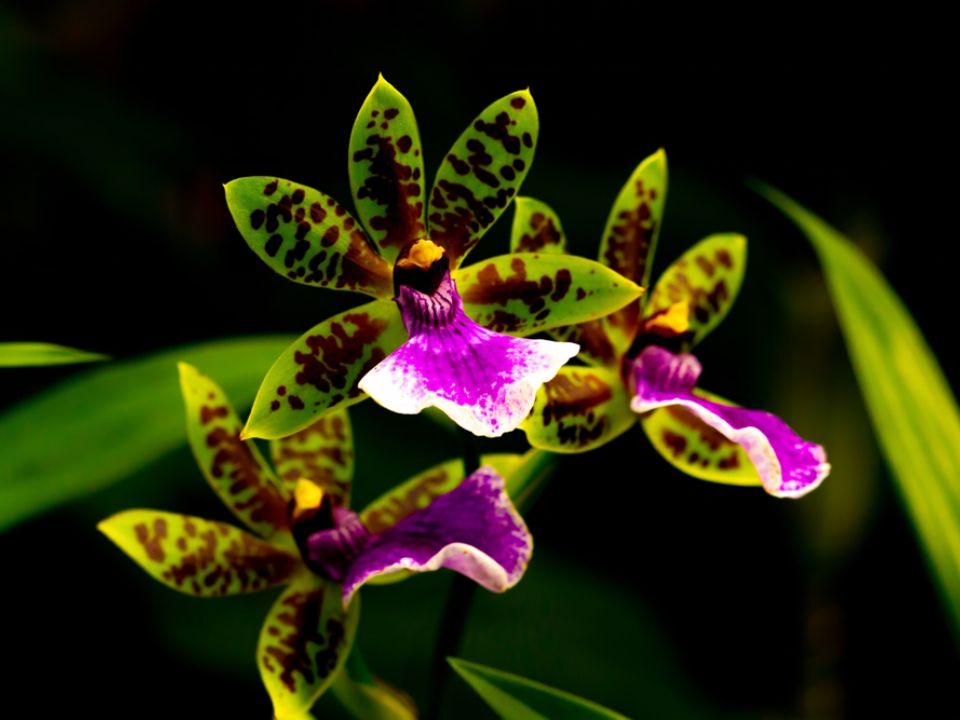
The Zygopetalum mackayi is known for its fragrant, multi-colored flowers that can range from purple to greenish-yellow. This orchid species is native to South America and is often found in cloud forests, where it grows in the shade of taller trees. The Zygopetalum is a relatively large orchid, with its flowers being some of the most fragrant in the entire orchid family. They require cool to intermediate temperatures and thrive in high humidity.
This species can be a bit challenging to care for, as it demands careful attention to light, temperature, and water. Despite its requirements, the Zygopetalum is highly valued by orchid collectors because of its stunning appearance and sweet fragrance. It is not as commonly found in the market as some other species, which adds to its allure and rarity. With proper care, the Zygopetalum can bloom multiple times a year, making it a rewarding orchid for dedicated growers.
Maxillaria Orchid (Maxillaria tenufolia)
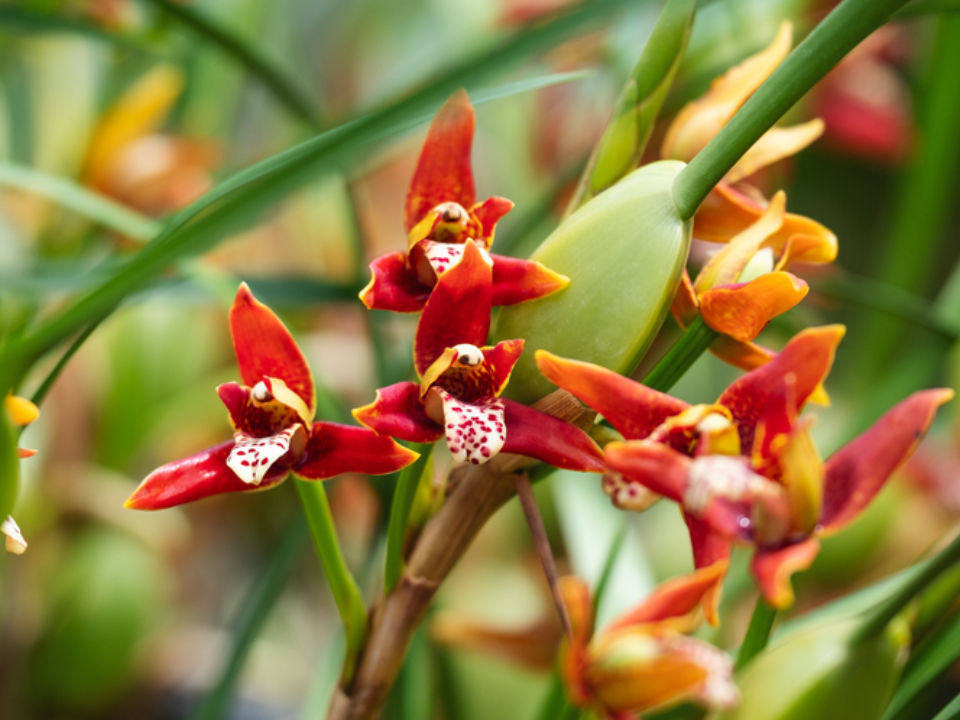
The Maxillaria tenufolia, commonly known as the “Coconut Orchid,” is highly prized for its unique fragrance, which closely resembles fresh coconut. Native to the rainforests of Central America, this orchid produces small, white flowers with a reddish center, often appearing in clusters. The flowers bloom in spring and can fill a room with their tropical scent, making them particularly popular for indoor gardeners.
The Maxillaria is a relatively low-maintenance orchid, thriving in bright, indirect light with regular watering and high humidity. Despite its appealing fragrance and ease of care, it is still considered a specialty plant due to its limited availability. This species is often cultivated by orchid enthusiasts who are looking for an orchid with both beautiful flowers and an enticing scent. The plant’s compact size makes it an ideal choice for smaller spaces or as part of a mixed collection. In the wild, it grows as an epiphyte, clinging to trees and shrubs in the shaded understory.
Angraecum Orchid (Angraecum sesquipedale)
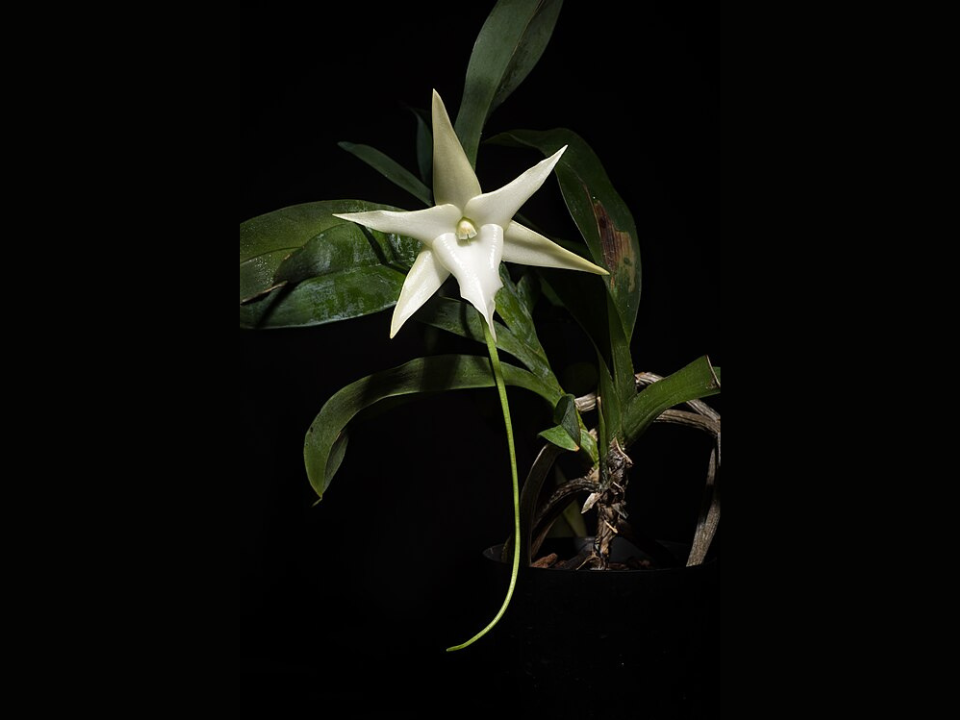
The Angraecum sesquipedale, often referred to as the “Comet Orchid,” is renowned for its large, star-shaped white flowers that have a distinctive long spur. Native to Madagascar, this orchid is famous for its intriguing appearance and its fascinating relationship with the long-tongued moth, Xanthopan morganii, which is the only pollinator capable of reaching the flower’s nectar. The Comet Orchid thrives in warm, humid environments, making it a suitable plant for tropical greenhouses. While its flowers are striking, they are also incredibly fragrant, releasing a sweet scent during the evening hours.
Growing the Angraecum orchid requires patience, as it can take years to mature enough to flower. Its rarity, coupled with its remarkable pollination story, makes it a highly sought-after species among orchid collectors. The plant also requires careful attention to light, temperature, and water, which makes it a challenge for some growers. However, when in bloom, the Angraecum is a stunning addition to any orchid collection.
Vanda Orchid (Vanda tricolor)
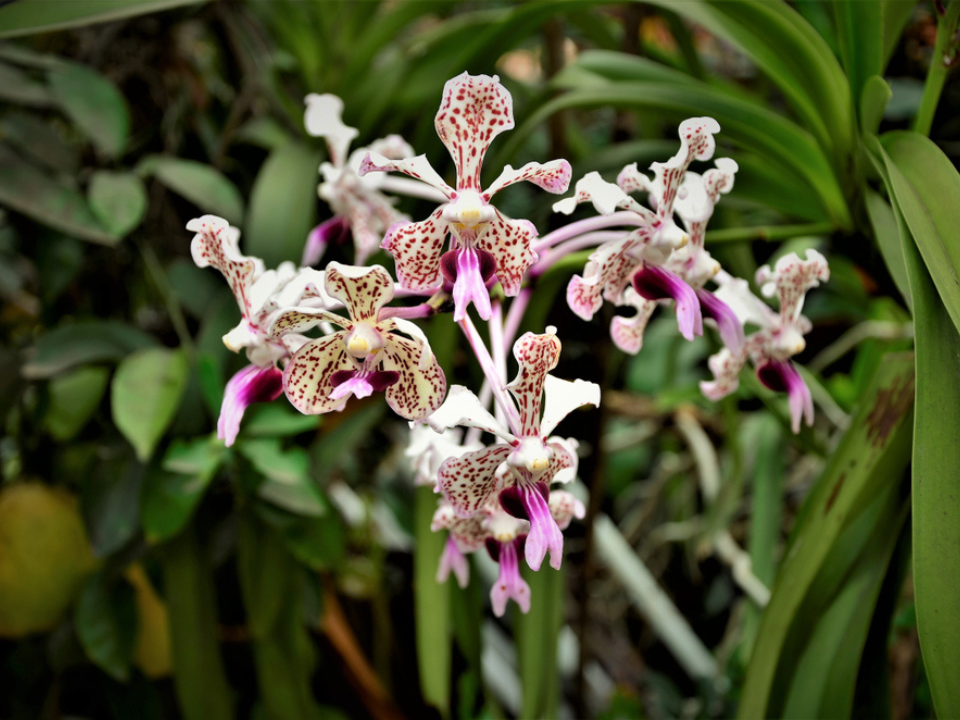
The Vanda tricolor, often referred to as the “Three-Colored Vanda,” is a rare orchid known for its vibrant, multi-colored flowers. Native to Southeast Asia, the blooms of this species are often marked by a combination of yellow, purple, and orange, with a unique pattern that makes each flower truly one of a kind. Vandas are epiphytic orchids, meaning they grow naturally on trees, and they thrive in warm, humid environments with plenty of bright, indirect light. The Vanda tricolor’s flowers can last for several weeks, offering a long period of enjoyment when in bloom.
These orchids are highly valued for their striking appearance and are often used in flower arrangements due to their large, dramatic blooms. However, the Vanda tricolor requires a great deal of care, particularly in terms of humidity and watering, as it does not tolerate dry conditions well. The orchid is relatively slow to grow, and it can take a few years before it is ready to bloom. Despite these challenges, it is a sought-after plant for orchid enthusiasts looking to add something extraordinary to their collections.
Dendrochilum Orchid (Dendrochilum magnum)
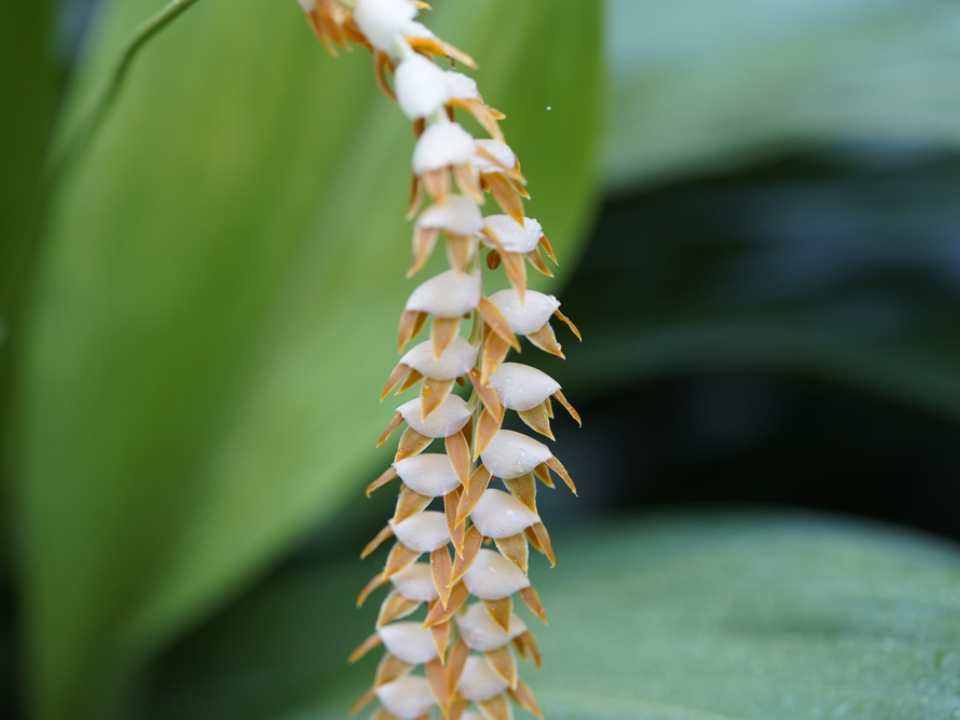
The Dendrochilum magnum is known for its long, arching inflorescences that are densely covered with small, fragrant flowers. This species hails from the Philippines and thrives in cool, shaded conditions typical of its native mountain habitats. The Dendrochilum’s flowers are usually a pale yellow or cream, often resembling tiny bells or stars. The plant has a cascading growth habit, with its long flower spikes adding a graceful touch to any collection.
These orchids are generally easy to care for, as they prefer low to medium light and regular watering, provided the water drains well. The Dendrochilum magnum is prized for its unique floral arrangement, which makes it stand out from other orchids that typically have more compact blooms. Though relatively uncommon, this orchid is highly sought after by those who appreciate rare and elegant plant specimens. With its long-lasting flowers, the Dendrochilum magnum provides extended enjoyment for collectors.
Cymbidium Orchid (Cymbidium ensifolium)
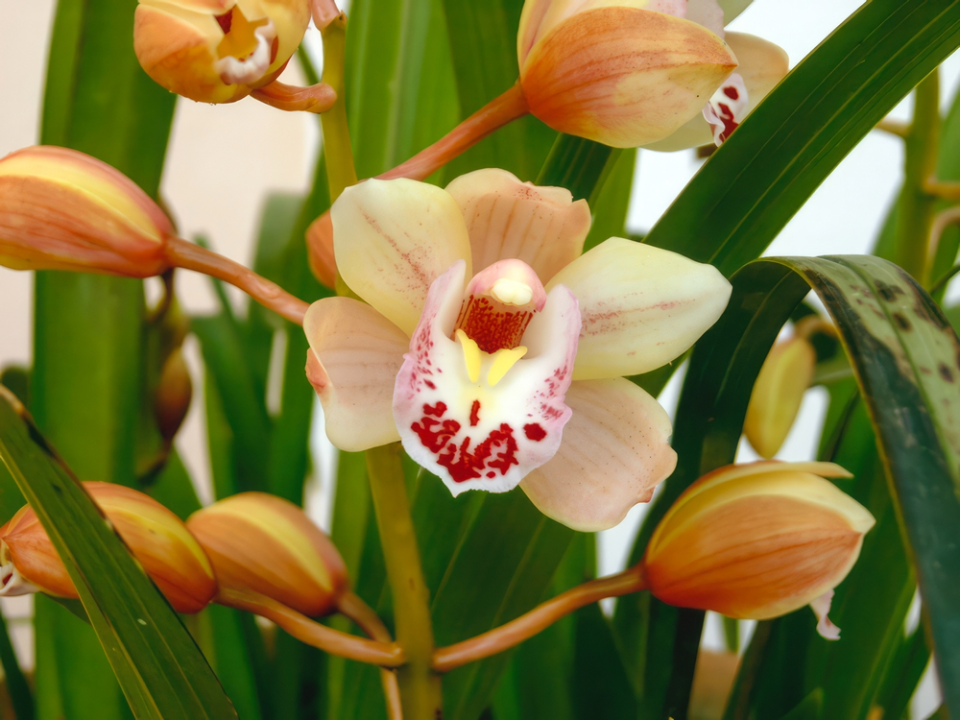
The Cymbidium ensifolium, also known as the “Sword-leaved Cymbidium,” is a highly collectible orchid known for its graceful, elongated flowers that come in various shades of yellow, white, and pink. Native to China and other parts of East Asia, this orchid thrives in cool to moderate temperatures and is often grown in gardens or greenhouses. The flowers of the Cymbidium ensifolium are quite large compared to other orchids, and they are highly fragrant, making them a popular choice for floral arrangements.
While this orchid is relatively easy to grow compared to some other species, it does require a period of cool temperatures to encourage flowering. It is best suited to gardeners who can provide the right environment, including proper lighting and humidity. Cymbidiums can bloom several times a year, and their long-lasting flowers make them a favorite among collectors. The Cymbidium ensifolium is particularly prized for its elegant appearance and its relatively straightforward care requirements, which make it a desirable addition to any orchid collection.
Masdevallia Orchid (Masdevallia caudata)
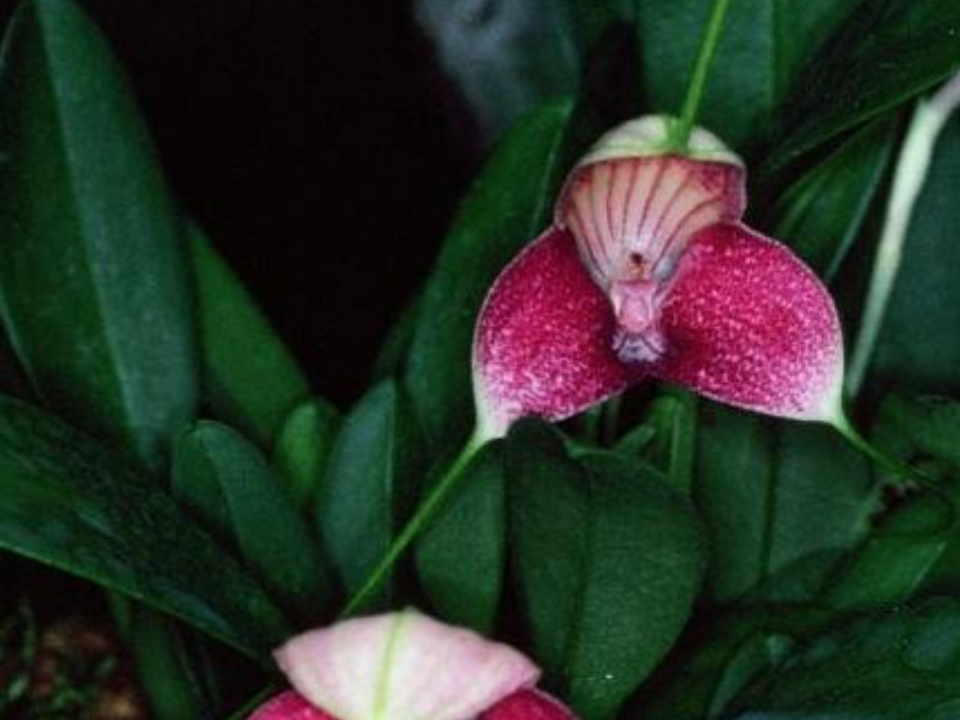
The Masdevallia caudata is a rare and unique orchid with a dramatic appearance that catches the eye of any orchid lover. Native to the cloud forests of South America, this orchid produces small, tubular flowers with long, narrow tails. The flowers are often bright yellow or orange, contrasting with the deep green foliage of the plant. Masdevallias are known for their striking, almost alien-like flowers, which can appear to be suspended in mid-air due to their long tails.
They prefer cool conditions with high humidity, making them best suited for greenhouses or humid indoor environments. Unlike many other orchids, Masdevallias do not need a lot of light, which makes them ideal for shaded spaces. Their unique flowers and rare appearance make them a coveted species for collectors, although they are often harder to grow due to their specific care needs. Despite these challenges, Masdevallias are highly valued for their distinct floral characteristics and their ability to bloom in cool, shaded environments.
This article originally appeared on Avocadu.