
15 Rare Natural Phenomena You Can Only See In A Few Places
Across the world, there are remarkable natural phenomena that only appear in a select few locations. These extraordinary events captivate all who are lucky enough to witness them. From the shimmering glow of bioluminescent waves to the beauty of rare rainbows, the world is full of surprises.
This post may contain affiliate links, which helps keep this content free. Please read our disclosure for more info.
Sailing Stones

On the flat salt pans of Death Valley, enormous rocks leave long trails behind them that look like they slipped across the ground by themselves. Scientists have found that thin sheets of ice form under the rocks at night and then crack as temperatures rise, letting them slide a short distance when the ice melts and wind moves them. You can see the paths stretch out for tens to hundreds of feet, creating a strange pattern on the dry surface. This phenomenon attracts photographers and curious travelers to the remote Racetrack Playa.
Wind, temperature, and low humidity make this place ideal for the sailing stones effect to happen. Not many sites on Earth show such long and clear trails from rocks that begin to move without human help. Park officials allow visitors on marked roads to protect the fragile ground while people watch and take photos. Weather conditions play a major role each year in how visible the trails are.
Bioluminescent Waves

On warm tropical shores, waves can glow at night with shimmering blue-green light that seems magical at first glance. This glow comes from tiny marine organisms that emit light when they are disturbed by water movement. The effect often appears on beaches after dusk when the sea is calm and there is little moonlight making the sparkle more visible. Maldives, Thailand, and parts of Puerto Rico are known for these glowing waves.
The light is a chemical reaction that helps these tiny organisms attract mates or defend themselves from predators. When millions of them gather near shore, their combined flashes of light can make the water seem alive in the dark. The best time to see this is usually on warm summer nights or after plankton blooms. Guides in some coastal towns offer night tours to safely witness the glow.
Flammable Ice Bubbles

In winter at Lake Abraham, frozen bubbles trapped under clear ice look like floating ornaments beneath the surface. These bubbles are pockets of methane gas released by decaying plants and organic material on the lake bed that rose toward the surface as winter set in. The gas becomes frozen in place as layers of ice build up, freezing them in suspended shapes. The result is a dramatic winter pattern unique to very cold, methane-rich lakes.
The methane inside can be dangerous because it is flammable and can burn if ignited when the ice is thick. The phenomenon is a visual sign of the natural gas process that happens during microbial decay. Photographers often plan trips to visit the frozen sea of bubbles in mid-winter, when ice is thickest and bubbles are easiest to see. Strong cold snaps that form smooth ice make the best conditions to observe this sight.
Blue Lava

At night on the slopes of Kawah Ijen volcano, you can see bright blue flames pouring down in what looks like blue lava flowing through a crater. The colour is not from molten rock but from burning sulfuric gases that ignite at high temperatures and create a striking visual pattern against the dark rock. The blue fire meets cooler daylight colours later on, so night or early morning visits give the most dramatic views. This place is famous among travellers who seek unusual volcanic displays.
Local guides lead hikers to safe viewpoints to watch the glowing sulphur flame flicker like liquid light. The sulphur that fuels the fire comes from pockets of volcanic gas rising through cracks and mixing with oxygen at the surface. These fiery streams of sulphur sometimes flow down slopes during strong gas emissions. It is one of the few known places on the planet where this colour of flame can be consistently observed at night.
Waitomo Glowworm Caves
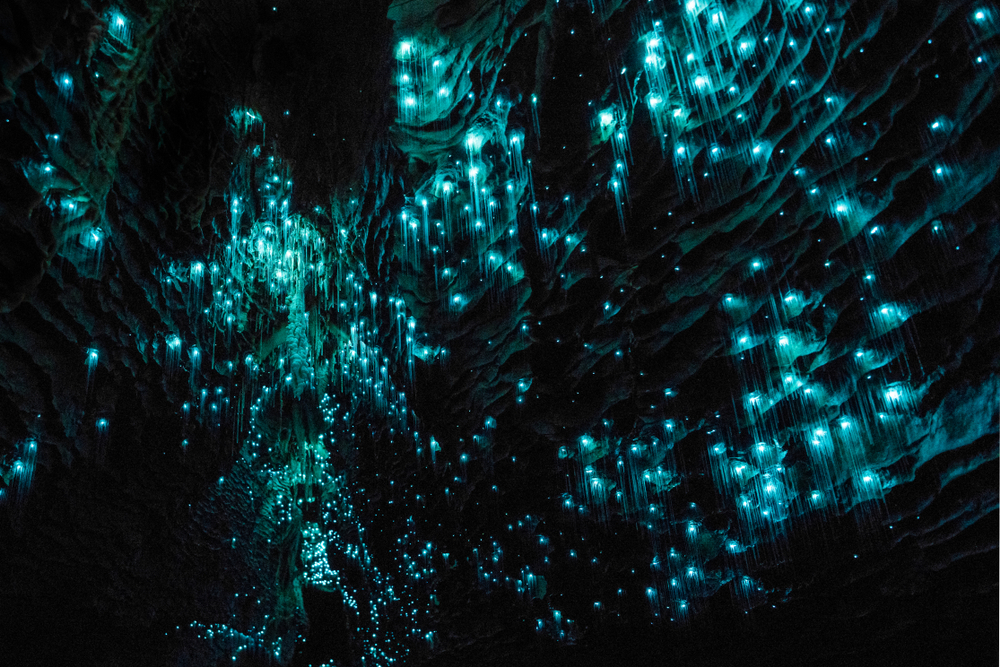
Deep in limestone caves on New Zealand’s North Island, thousands of tiny glowworms hang from the roof and shine like stars in the dark. These are not true worms but the glowing larvae of a small fly unique in this region, which emit light from their tails to attract prey in the moist cave air. Visitors often float silently on boats through chambers where these lights paint a gentle blue-green scene on the stone walls.
The cave system formed millions of years ago as water carved channels through limestone. Today, this living light show is one of the most visited cave experiences in the world. Guided tours explain how the larvae build threads that trap insects, and why the glow seems brighter in certain seasons. Seeing the glowworms reveals how even dark underground places can have a surprising natural beauty.
Cano Cristales water

In a national park of Colombia, a river called Cano Cristales looks like someone painted it with vivid colours of red, yellow, green, and blue during certain months of the year. These colours come from a rare aquatic plant that grows on the riverbed and changes hue when water levels and sunlight hit just the right balance. The effect is sometimes called the river of many colours because of the way these hues spread along the water’s course.
This striking display is only seen during specific seasonal conditions when clear water exposes the plant colours that thrive on the river rocks. Local guides sometimes cap daily visitor numbers to protect the delicate ecosystem that makes this sight possible. The combination of quartzite rocks and clear mountain water gives the river its lens-like clarity, showing the plant colours vividly. Snowmelt and sun angles help bring the colours out in their brightest form.
Blood Falls
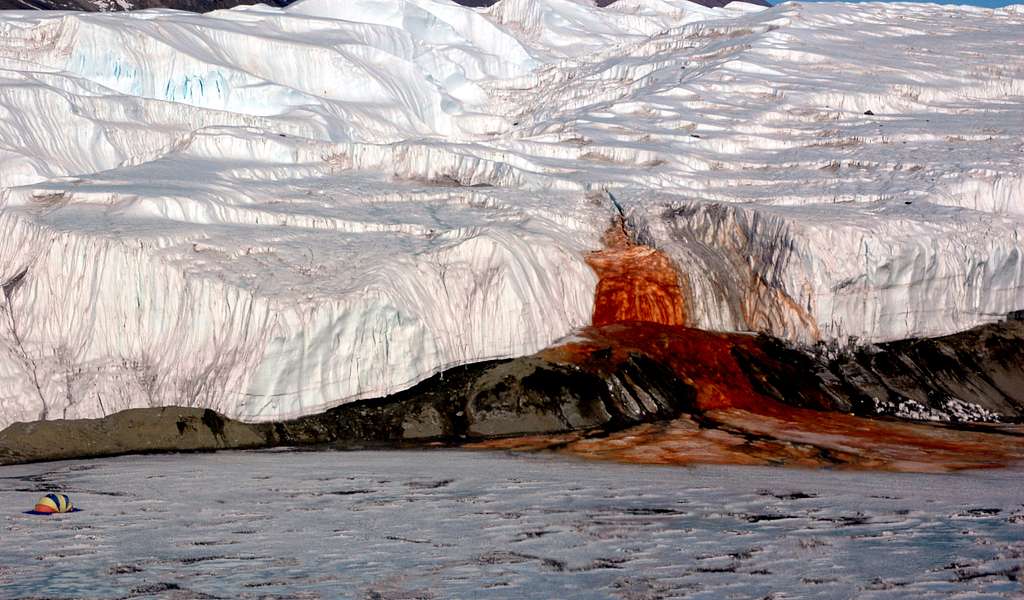
At the edge of a glacier in Antarctica’s Dry Valleys, a waterfall pours out deep red-toned water that looks startling against the white ice. This flow comes from a reservoir of salty, iron-rich water trapped beneath the glacier, when the iron-rich water reaches the surface and meets air, it changes colour as the iron interacts with oxygen.
The water remains liquid under extreme cold because its salt content lowers the freezing point below typical temperatures. Scientists have found evidence of microbial life deep under the glacier that survives without light and oxygen, using chemical reactions that involve iron and sulfur. This combination of chemistry and life makes the red flow a rare phenomenon in one of Earth’s most extreme landscapes.
Hessdalen Lights
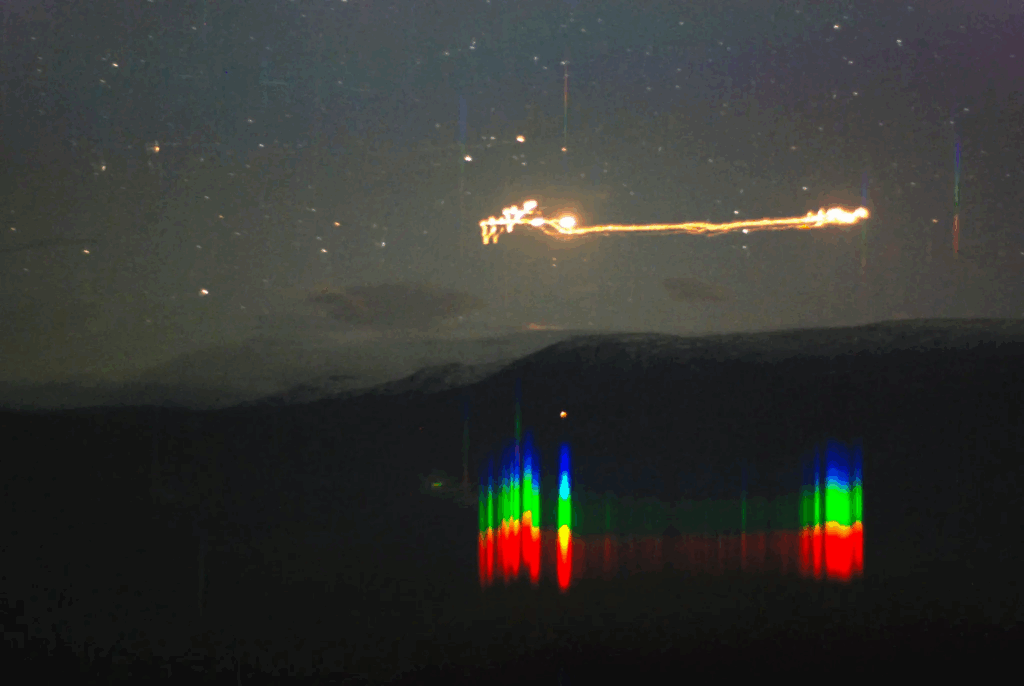
In a remote valley in Norway, glowing lights flicker and float across the sky both at night and during the day. These unusual lights have been reported for decades and vary in colour from white to red or yellow, making them appear mysterious to those who witness them.
Despite many investigations, scientists still do not have a complete explanation for the cause of the lights, with ideas including charged particles interacting with atmospheric dust and other possible effects. A small research station has been set up to record sightings and gather scientific data in hopes of explaining this unusual sky pattern. Visitors who stay overnight in the valley sometimes see these lights move slowly across the horizon.
Catatumbo Lightning

Over a marshy area by a large lake in Venezuela, storms can produce continuous lightning flashes that light up the night sky for hours. This phenomenon is linked to frequent clashes of warm and cool air over the region, plus moisture rising from swampy ground that helps build thunderclouds.
The lightning can be seen at very high frequency compared with typical storms in other parts of the world. Locals have known about this spectacle for centuries and it is part of the cultural lore of the area, often appearing in local music and symbols. Early morning or after sunset can be the best times to watch the lightning flicker nearly nonstop for many minutes at a time.
Pink Beaches

Harbour Island, located in the Bahamas, is famous for its stunning pink sand beaches. The unique color of the sand comes from tiny red shells of marine organisms that mix with the white sand, creating a soft pink hue. The combination of turquoise waters and pink sand makes this beach one of the most picturesque in the world.
The pink beaches are best seen under bright sunlight, when the pink color is most vibrant and visible. Harbour Island is a popular destination for those seeking a tranquil, scenic escape, with luxury resorts offering views of the iconic shoreline. The vibrant colour of the sand is one of nature’s rarest coastal displays and a must-see for beach lovers.
Eye of the Sahara

In the vast sands of the Sahara in Mauritania, a large circular geological formation looks like a bullseye when seen from above, revealing layers of rock pushed upward by ancient movements deep underground.
The formation is visible in satellite photos and attracts scientists and adventure travellers who want to see how wind and water have carved out the circle over millennia. Erosion and uplift of rock layers made concentric rings which stand out against the flat desert around them. Because of its size and symmetry, it’s one of the most photographed desert landforms in the region.
Northern Lights

The Northern Lights, or aurora borealis, are visible in the night skies of northern latitudes where charged particles from the sun interact with Earth’s magnetic field. This light show appears in vivid green, purple, and pink colours as gases in the atmosphere are ionized.
You can see the lights in places like Iceland, northern Norway, Finland, and parts of Canada, particularly during the colder months. The best time to catch the Northern Lights is in winter when the nights are longest and skies are clearest. The lights are a spectacular reminder of how dynamic Earth’s atmosphere can be.
Geysers
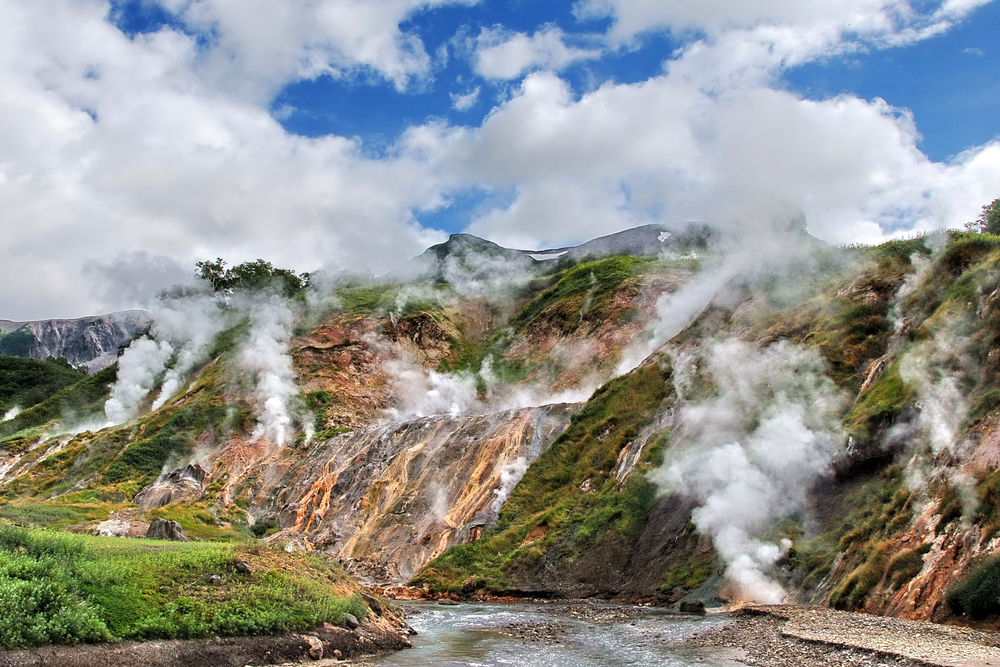
Yellowstone National Park is home to many geysers, including the famous Old Faithful, which erupts regularly in a powerful blast of steam and water. Geysers are formed when water below the surface is heated by geothermal activity and pressure builds until it erupts.
The hot springs and geysers at Yellowstone release minerals and gases into the air, creating unique steaming landscapes. These eruptions are predictable to some extent, and many visitors come to watch Old Faithful’s regular bursts. The geothermal activity is a powerful reminder of the heat beneath our feet.
Pink Lakes

Pink lakes, such as Lake Hillier in Australia, owe their unique colour to algae that thrive in salt-heavy, brine environments. The algae produce a reddish pigment in response to the high salinity, creating a stunningly vibrant, pink landscape.
Australia’s Lake Hillier is perhaps the most famous of these, but similar lakes can be found in Senegal and Argentina. The phenomenon remains a mystery to some extent, but scientists believe the high salt concentration and algae’s natural processes create the distinct colour. These surreal lakes draw visitors for their unusual beauty and incredible photography opportunities.
Salar de Uyuni

Salar de Uyuni is the world’s largest salt flat, covering over 10,000 square kilometers in southwestern Bolivia. After rainfall, the flat becomes a giant mirror, reflecting the sky so perfectly that it’s difficult to tell where the ground ends and the sky begins. This stunning visual effect is created by a thin layer of water that covers the salt crust, creating a nearly seamless reflection.
During the dry season, the salt flat offers a different kind of beauty, with its vast, cracked surface stretching out in all directions. Salar de Uyuni is also known for its rich deposits of lithium, and it’s a major spot for photographers due to its unique landscape. The mirror effect is most dramatic right after the rainy season when the flat is at its most reflective.
This article originally appeared on Avocadu.