
15 Rare Mushrooms With Bright Colors That Look Like Cartoon Props
Nature has a way of surprising us with its creativity, and mushrooms are no exception. Some species sport vivid hues that seem to jump right out of a cartoon. These rare, colorful mushrooms add a whimsical touch to the forest floor.
This post may contain affiliate links, which helps keep this content free. Please read our disclosure for more info.
Amethyst Deceiver (Laccaria amethystina)
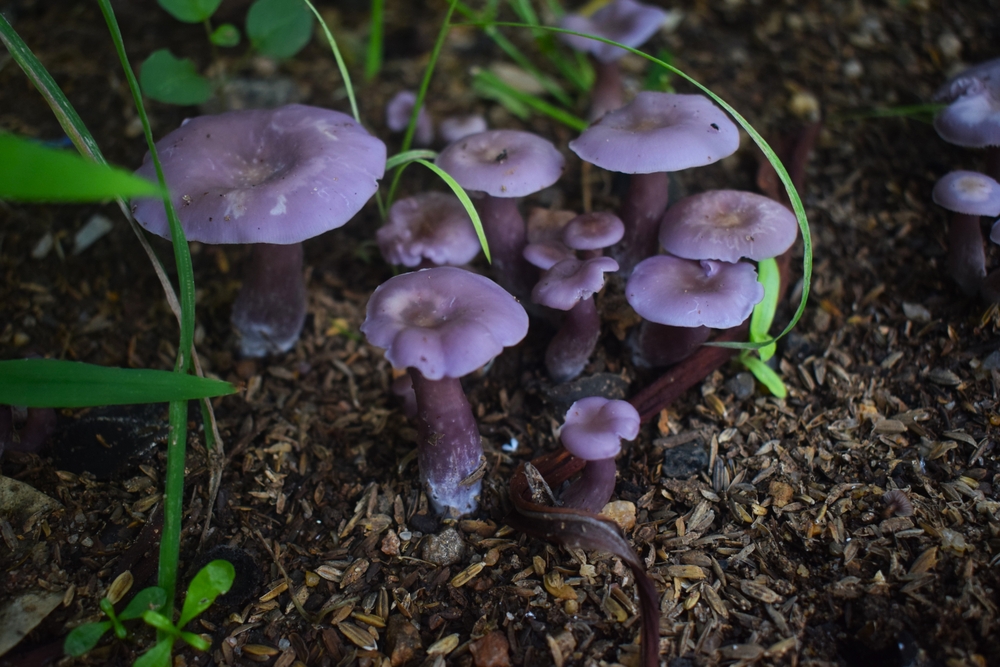
Found in Europe and North America, the Amethyst Deceiver is a striking purple mushroom. Its bright violet hue, which intensifies with age, is the feature that sets it apart from other fungi. This mushroom’s color comes from the presence of anthocyanins, pigments also found in fruits like blueberries. While rare, they can be spotted in coniferous forests, typically during late summer and fall.
The Amethyst Deceiver’s bright color makes it appear almost artificial, but it’s completely natural. The intense color helps the mushroom stand out in the forest floor’s earthy environment. It thrives in acidic soil and is often found near the roots of trees. Despite its vibrant appearance, it’s safe to handle and non-toxic.
Scarlet Elf Cup (Sarcoscypha coccinea)
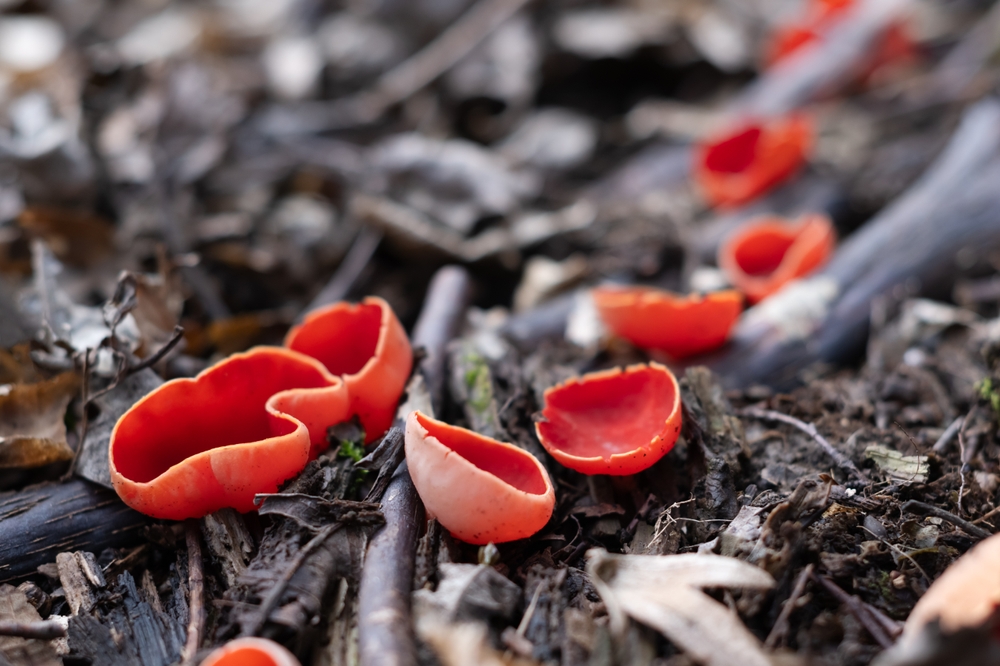
Originating in temperate regions of Europe, North America, and Asia, the Scarlet Elf Cup is known for its brilliant red color. Its cup-shaped fruiting body looks almost like a tiny red chalice, a stark contrast to the usual earthy tones found in forests. The vivid red color is a result of carotenoid pigments, which help it attract specific pollinators.
These mushrooms grow on decaying wood, and their bright color serves as a warning to animals that they may not be edible. Although their vivid hue makes them stand out, they are relatively rare, often found only during early spring. The Scarlet Elf Cup is typically discovered in damp, shaded areas.
Fly Agaric (Amanita muscaria)
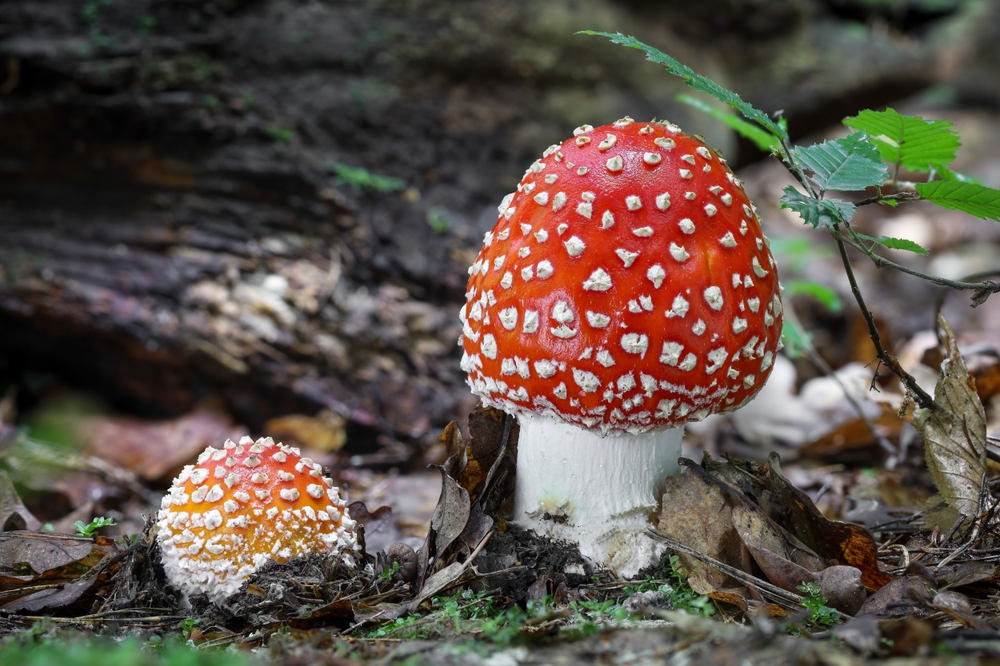
One of the most iconic mushrooms, the Fly Agaric is native to the temperate and boreal regions of the Northern Hemisphere. Its red cap dotted with white spots makes it look like something straight out of a fairy tale. This mushroom’s bright color acts as a deterrent for herbivores, signaling toxicity, which helps it survive in the wild.
The Fly Agaric’s distinctive appearance comes from its psychoactive compounds, which also contribute to its unusual coloring. Its vivid red cap has evolved to stand out against the green forest floor, making it easily visible. While this mushroom is toxic, it’s widely known and has been featured in folklore and pop culture.
Golden Jelly Fungus (Dacrymyces palmatus)
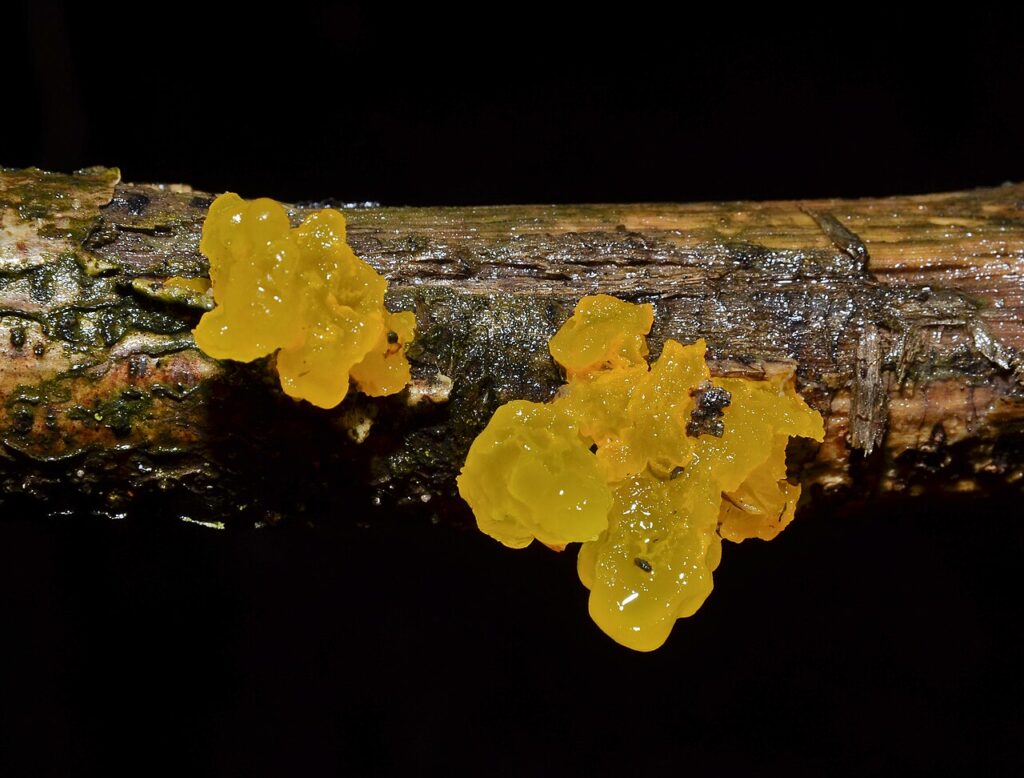
The Golden Jelly Fungus is found in temperate forests across Europe, Asia, and North America. This fungus has a gelatinous texture and bright yellow-orange color, which is quite rare among mushrooms. Its color is caused by the presence of carotenoid pigments, which also give it a jelly-like consistency.
Golden Jelly Fungus grows on dead or decaying wood and thrives in moist environments. It is not often seen due to its delicate structure, but it stands out when it does appear, often resembling golden blobs on fallen branches. The bright color aids in spore dispersal, attracting the right environment for growth.
Parrot Mushroom (Tricholoma pardinum)
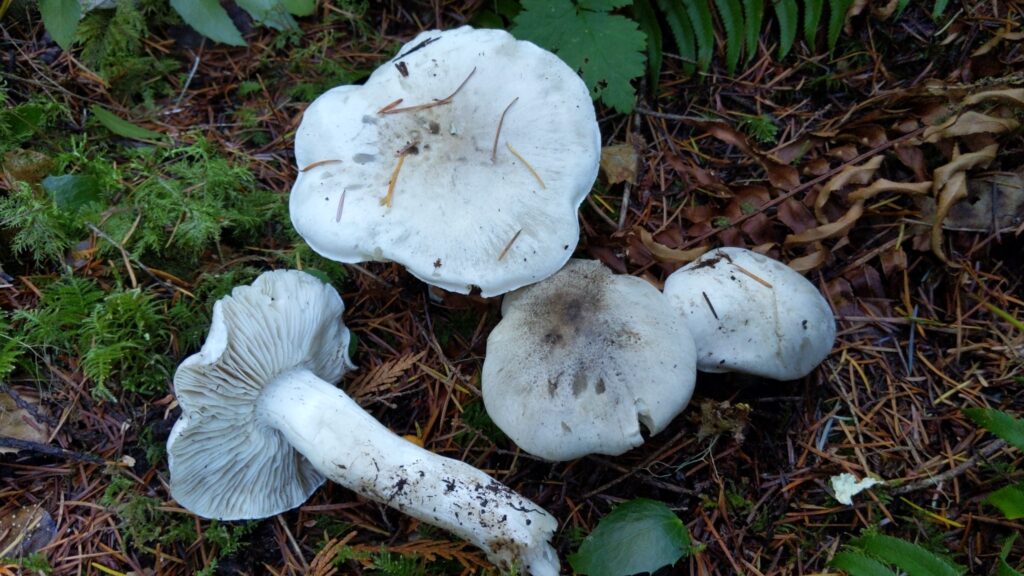
Native to parts of Europe and Asia, the Parrot Mushroom gets its name from its vivid green and yellow cap, reminiscent of a parrot’s feathers. The mushroom’s unusual coloration comes from its pigment production, specifically the presence of chlorophyll. Though it looks striking, it is considered quite rare, often spotted in mixed woodlands and grasslands.
The Parrot Mushroom’s bold colors help it stand out, despite its scarcity. These hues also protect it from certain pests that are sensitive to its pigments. Unlike other mushrooms, this one thrives in specific soil conditions and a balanced ecosystem, which is why it is not commonly found.
Purple Coral Fungus (Clavaria zollingeri)
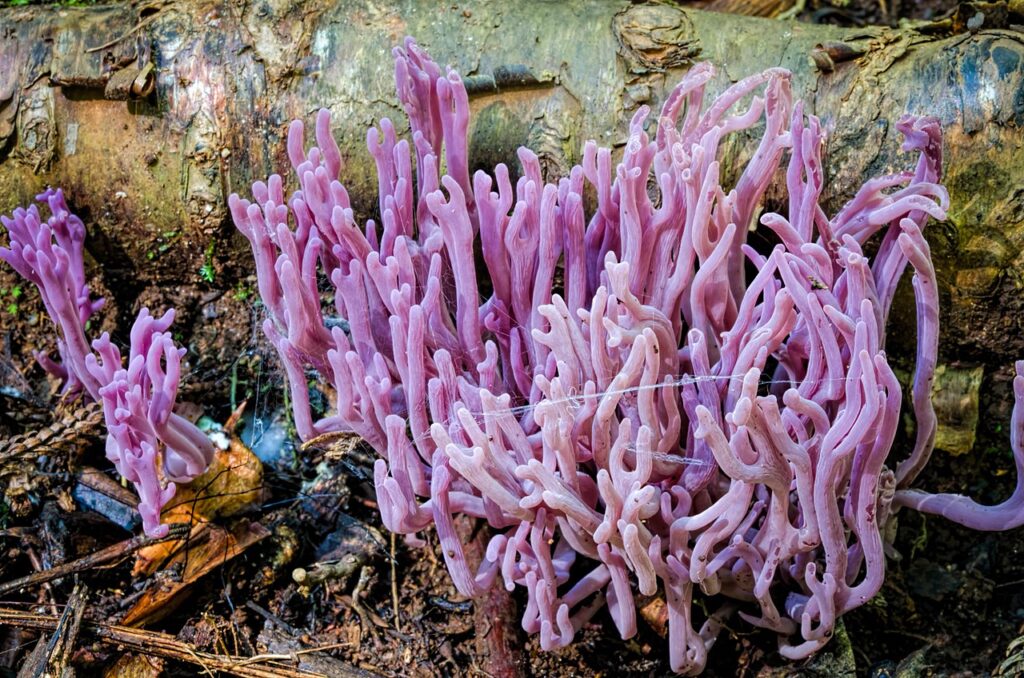
The Purple Coral Fungus is native to tropical regions, particularly in Southeast Asia. Its bright purple, coral-like structure makes it one of the more visually unique fungi. The color comes from the presence of a compound called anthocyanin, which gives it its vivid hue and helps protect it from UV rays.
This mushroom grows on decomposing organic matter and is often found in mossy areas. Its rarity comes from its need for specific environmental conditions, making it difficult to find in many regions. The vibrant purple color is an effective way for this fungus to stand out against its natural surroundings.
Orange Peel Fungus (Aleuria aurantia)
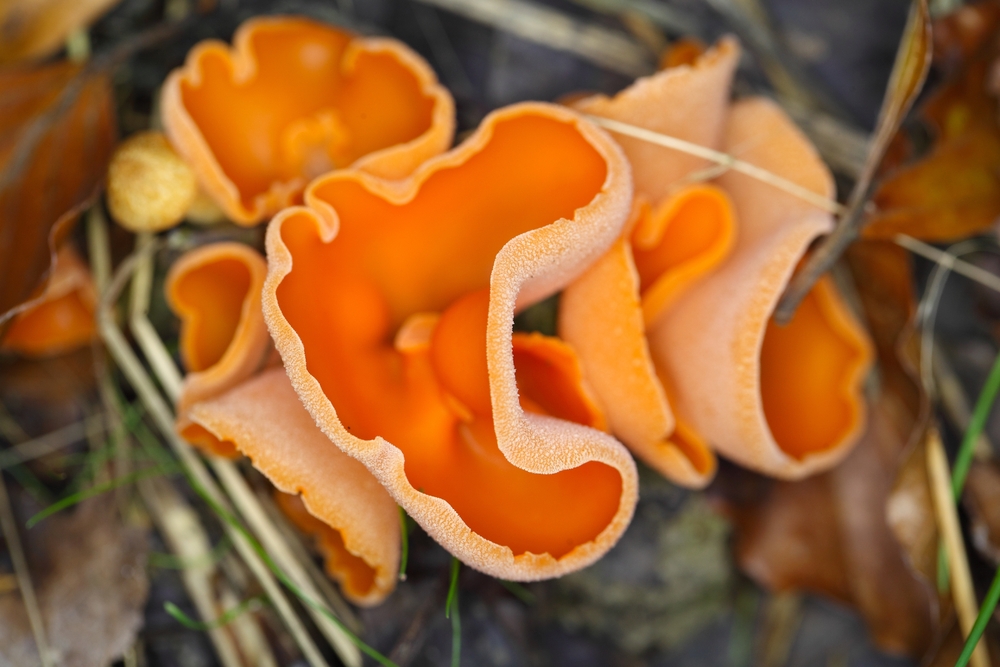
The Orange Peel Fungus is a striking orange mushroom that originates from North America and parts of Europe. Its cup-like shape, resembling an orange peel, gives it a unique appearance in the wild. The vibrant orange color is a result of its carotenoid pigment, which helps it stand out among decaying leaves and wood.
These mushrooms are usually found in damp forests, often emerging after heavy rainfall. While they can be found in temperate regions, their bright color makes them rare and sought after by fungi enthusiasts. The color attracts pollinators, assisting in the fungus’s reproductive cycle.
Crimson Caterpillar Fungus (Cordyceps militaris)
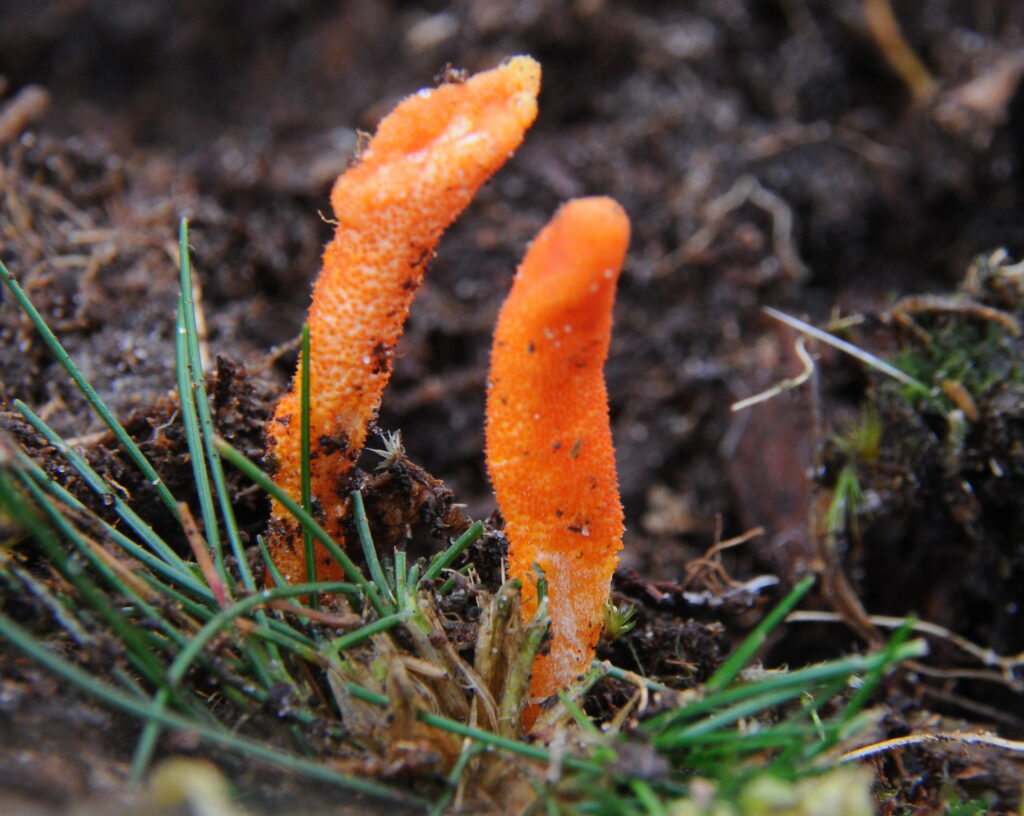
The Crimson Caterpillar Fungus, native to parts of Asia, is a parasitic fungus known for its bright orange to red coloring. It grows by infecting caterpillars and turning them into a host for its spores. The color is due to a combination of pigment production and the natural processes within the fungus that give it a reddish-orange appearance.
This rare fungus is found in high-altitude regions and is highly prized in traditional medicine. Its striking, bright color is a result of the carotenoid pigments that it produces. Despite its unusual appearance, it is considered highly valuable and is used in various cultural practices.
Chicken of the Woods (Laetiporus sulphureus)
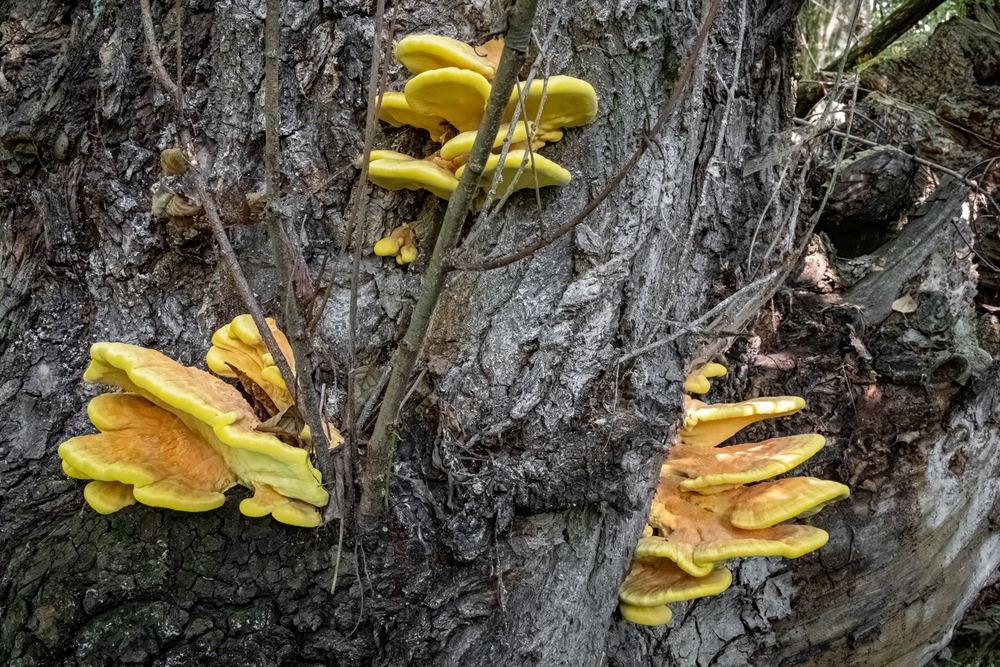
The Chicken of the Woods, found in temperate forests of North America, Europe, and Asia, gets its name from its resemblance to cooked chicken. Its bright orange to yellow cap is another feature that makes it stand out in the wild. The color is due to the pigments found in the fruiting body of the fungus, which help it catch the attention of potential spore-dispersing creatures.
This mushroom grows on decaying trees and can be quite large, with some fruiting bodies weighing several pounds. The vibrant yellow-orange color attracts various animals, which aids in its reproduction. It is edible, though it can be tough, and is often used in cooking as a meat substitute.
Pink Oyster Mushroom (Pleurotus djamor)
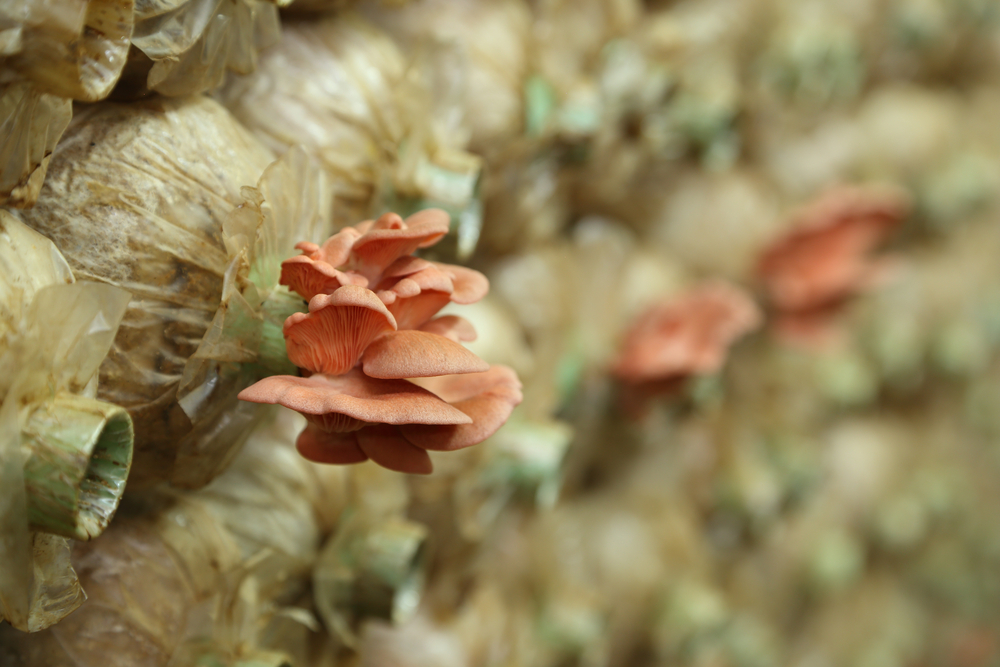
Native to tropical and subtropical regions of the world, the Pink Oyster Mushroom is known for its stunning pink color. The bright hue is caused by the presence of anthocyanin pigments, which give the mushroom its signature look. Though this mushroom is found in many parts of the world, it is still considered rare in certain environments.
This fungus grows on decaying wood and is popular in gourmet cooking. The pink color is a natural adaptation that helps the mushroom stand out from its surroundings. It is not only rare but also edible, making it a sought-after mushroom for both collectors and chefs.
Rainbow Fungus (Trametes versicolor)
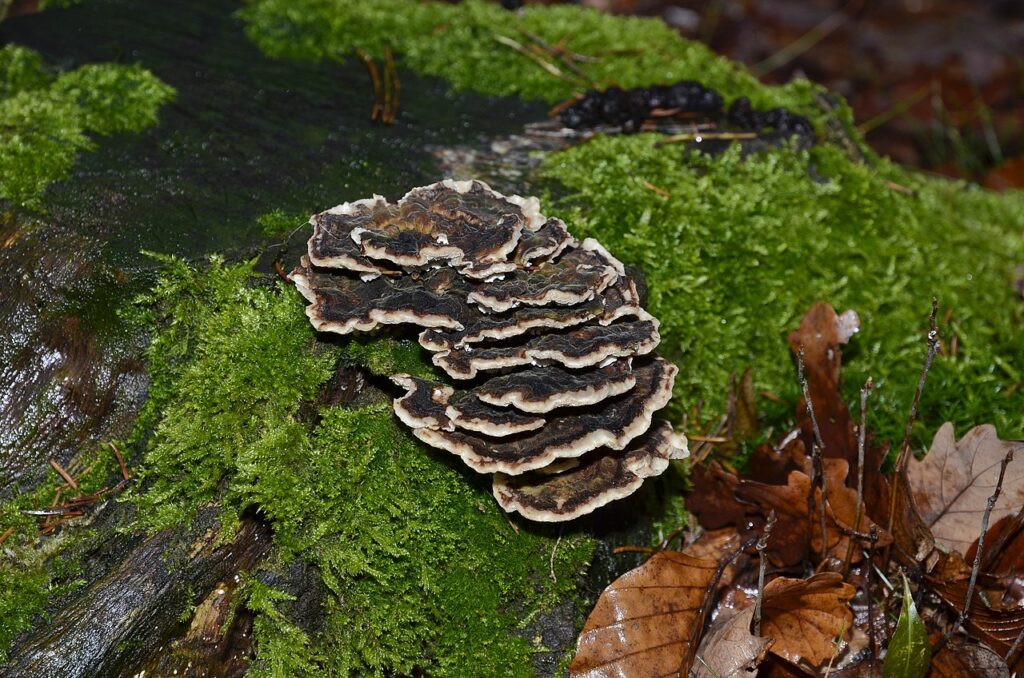
The Rainbow Fungus, or Turkey Tail Mushroom, is found in many parts of the world, including North America, Europe, and Asia. Its vivid, multicolored appearance makes it one of the most striking fungi in nature. The colors are due to the varying pigments in the fruiting body, which change with age and environmental conditions.
This mushroom typically grows on decaying wood, particularly dead logs. Its bright colors, ranging from yellow to red to blue, are a result of its natural processes. Though common in some areas, its colorful appearance makes it a rare find in others, especially when the full spectrum of colors is visible.
Blood Red Mushroom (Hygrocybe punicea)
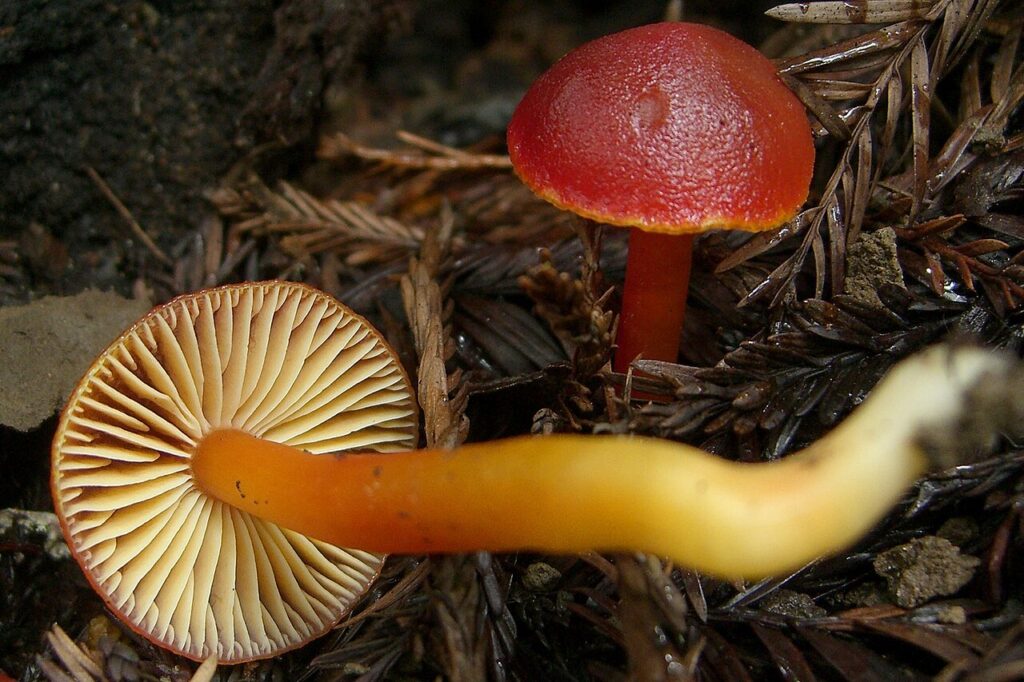
The Blood Red Mushroom, native to Europe, stands out with its intense red color, making it resemble something from a vivid dream. This mushroom’s deep red hue is a result of the pigment, hygrine, which is found in its cells. It is a rare sight, often spotted in moist meadows or woodland areas during the late summer or early fall.
The bright color of this mushroom is not just for show-it helps the fungus attract insects, which aid in spreading its spores. Its scarcity comes from its preference for specific soil conditions and its limited growth areas. Despite its alarming color, this mushroom is not harmful and is mostly overlooked due to its small size.
Yellow Stagshorn (Calocera viscosa)
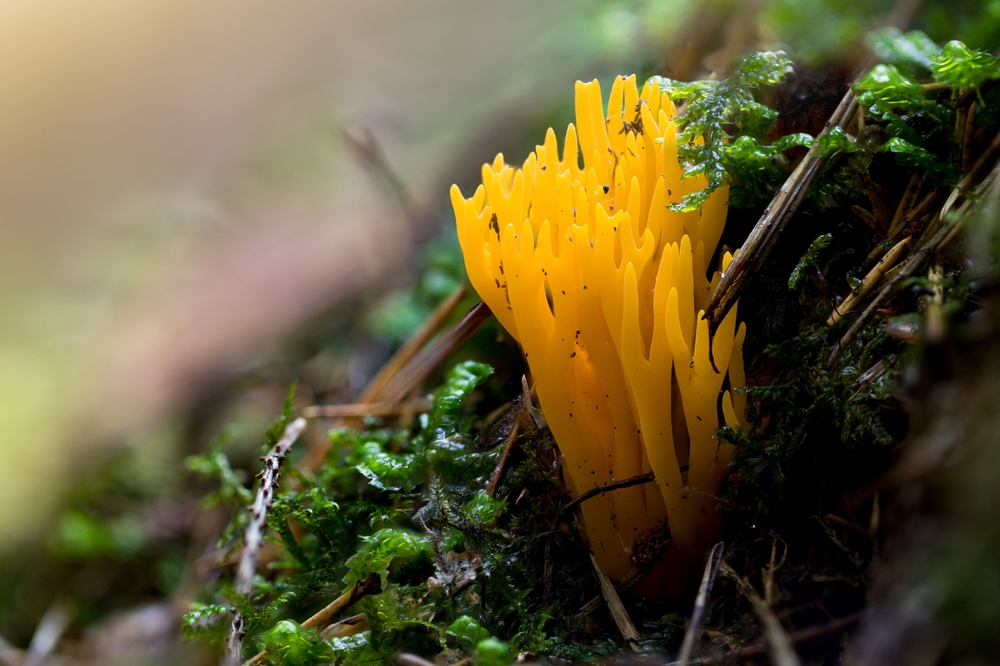
The Yellow Stagshorn is a bright yellow fungus found primarily in Europe and North America. Its vibrant color, which resembles antlers or horns, is a result of its unique fruiting body structure. The yellow hue is caused by carotenoid pigments, which are also found in other yellow-colored plants and fungi.
This rare mushroom is typically found on decaying wood and prefers damp, shaded areas. The bright yellow color serves as a visual signal to insects that help distribute its spores. Though rare in many regions, it can be a common sight in certain woodlands, especially after a wet period.
Cinnabar Red Mushroom (Hygrocybe coccinea)
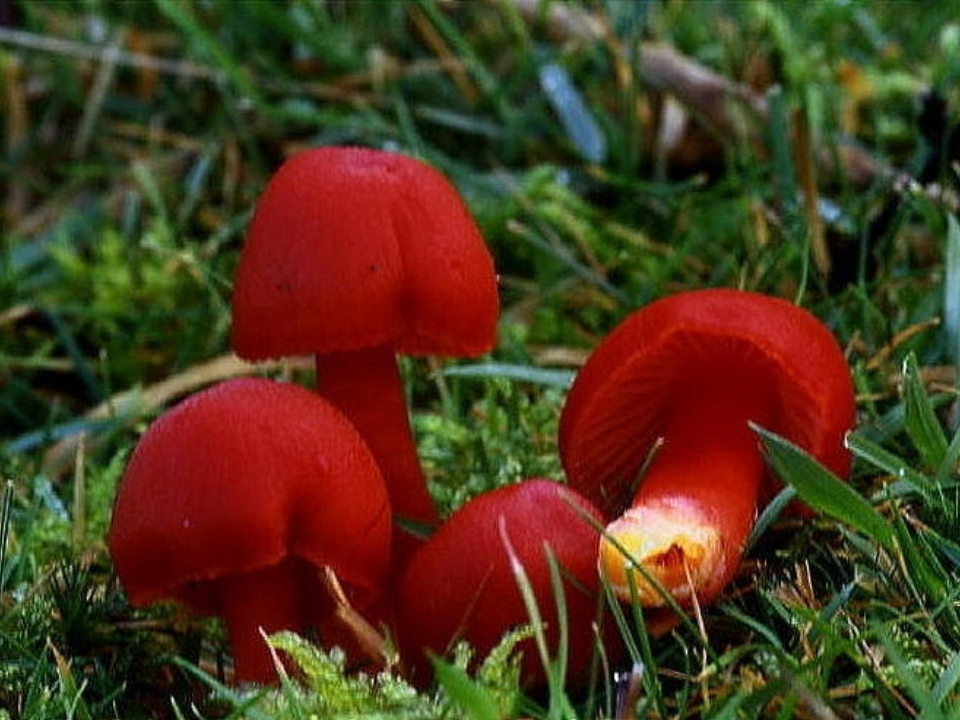
The Cinnabar Red Mushroom is found in various regions of Europe and North America. Its rich red color gives it a striking resemblance to fire, making it one of the most visually unique mushrooms in the wild. The color is caused by the presence of anthocyanin pigments, which also help it adapt to different environmental conditions.
This mushroom is typically found in grassy meadows and woodlands. Its bright color is a natural deterrent for herbivores, signaling that it may be toxic. The cinnabar red mushroom is considered rare in many parts of the world, though it can be spotted during late summer and fall.
Pink-Edged Brown Cup (Peziza repanda)
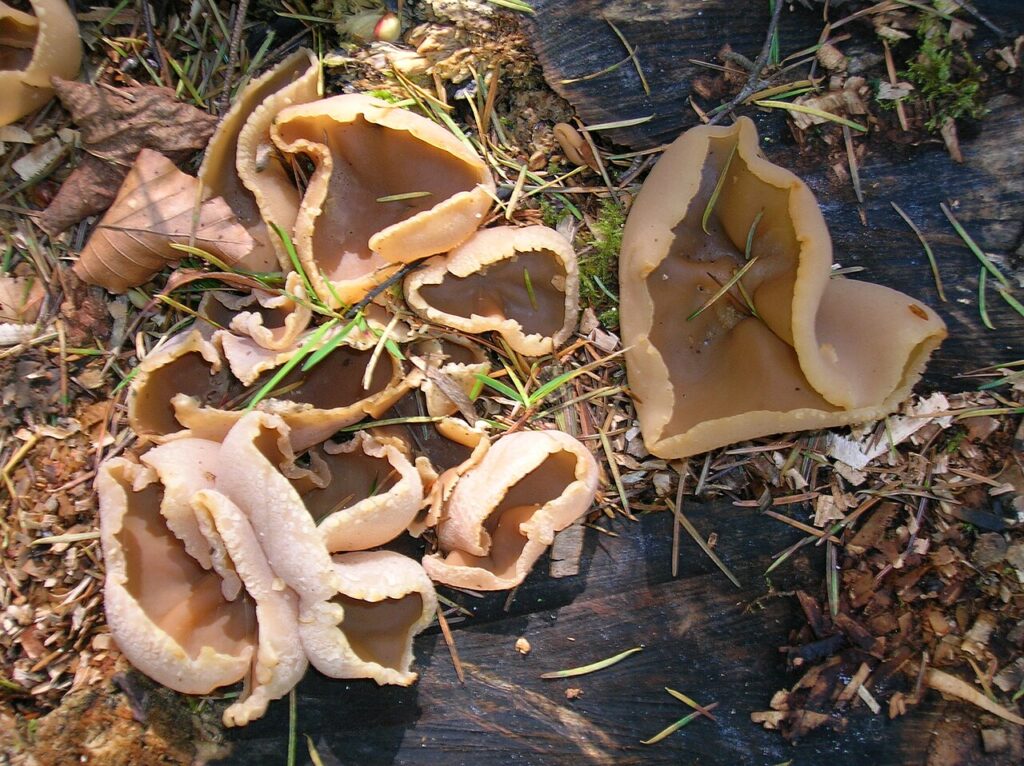
Native to parts of Europe and North America, the Pink-Edged Brown Cup is a mushroom with an unusual appearance. Its brown cap is edged with a bright pink or red border, giving it a cartoon-like look. The color contrast is due to the unique way the mushroom’s pigments interact with its environment.
The Pink-Edged Brown Cup thrives in decaying organic material and is often found in moist woodlands. Its bright pink edge helps it stand out against its more subdued, brown surroundings. Although rare, this mushroom is a fascinating find for mycologists and nature enthusiasts alike.
This article originally appeared on Avocadu.