
13 Rare Muscle Cars With Strange Ideas That Paid Off
Some of the most memorable muscle cars were not the ones that played it safe or followed popular trends. These cars stood out because they looked different, felt different, or arrived from brands people did not expect to compete at that level. Their unusual designs or odd combinations often raised eyebrows at first, yet time has been kind to them. Today, these machines remind us that taking risks can leave a lasting mark. They carry stories of daring ideas, unexpected speed, and moments that surprised drivers and spectators alike. Looking back at them now feels like uncovering forgotten chapters of automotive history.
This post may contain affiliate links, which helps keep this content free. Please read our disclosure for more info.
1970 Plymouth Superbird
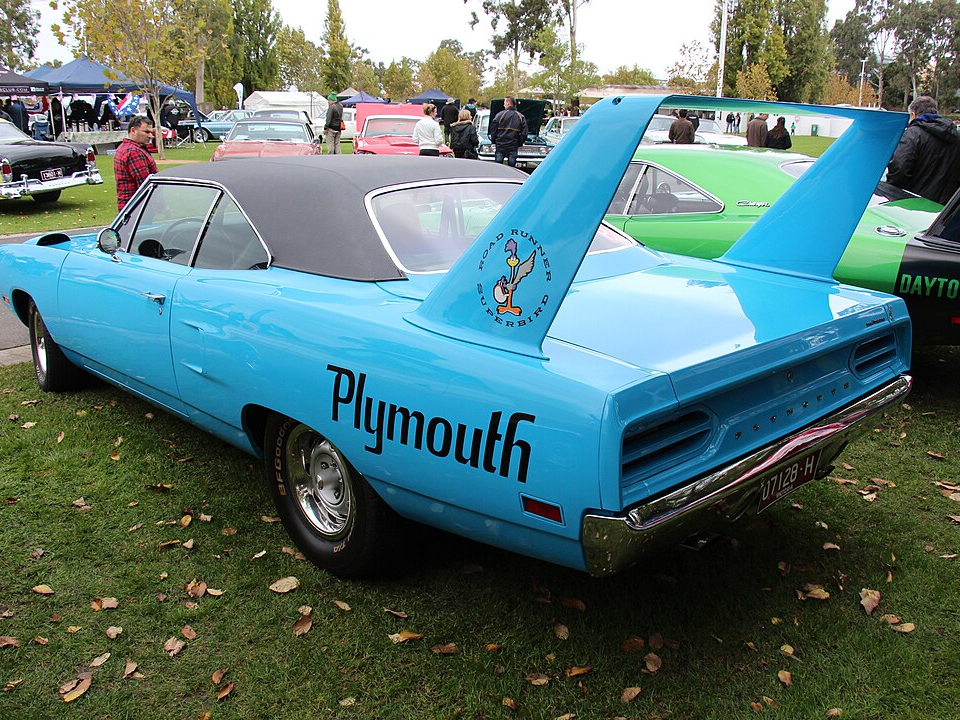
The 1970 Plymouth Superbird stands apart because of its tall rear wing and sharp nose that changed how people thought about muscle cars. It was built to compete on racing circuits where speed straight ahead was key and it helped make Plymouth a name that mattered in NASCAR. The body is elongated and looks like it was pulled from a science fiction movie, yet it was very real and powerful on the road.
Many collectors want one because, so few were made with the high-performance engines that gave it its reputation. This car offers a strong connection to American motorsport history that few others can match. A properly preserved example today can fetch around $300,000 or more among serious car enthusiasts.
1969 Dodge Charger Daytona
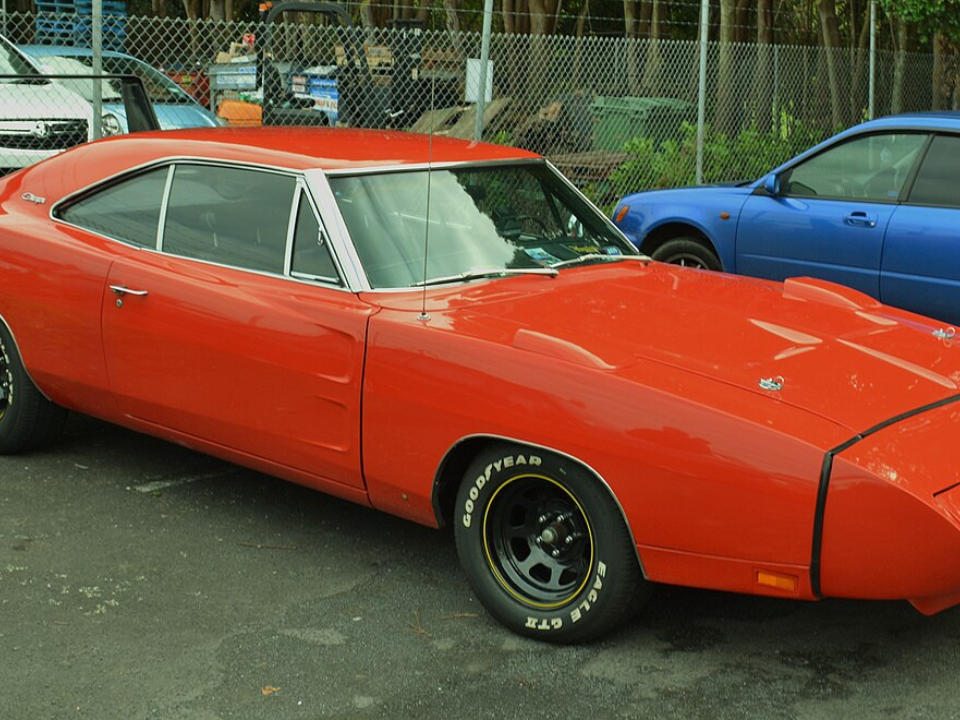
The Dodge Charger Daytona shares a similar odd appearance with its tall wing and extended nose. These features were built for aerodynamic reasons, not street appeal, which made it look almost cartoonish to casual buyers. Power came from large V8 engines with options reaching 426 cubic inches.
The car used rear wheel drive and heavy-duty suspension components meant for high-speed tracks. Inside, the cabin stayed fairly standard for the era with bucket seats and simple gauges. Well preserved examples now sell for around $350,000.
1969 Dodge Dart GTS 440
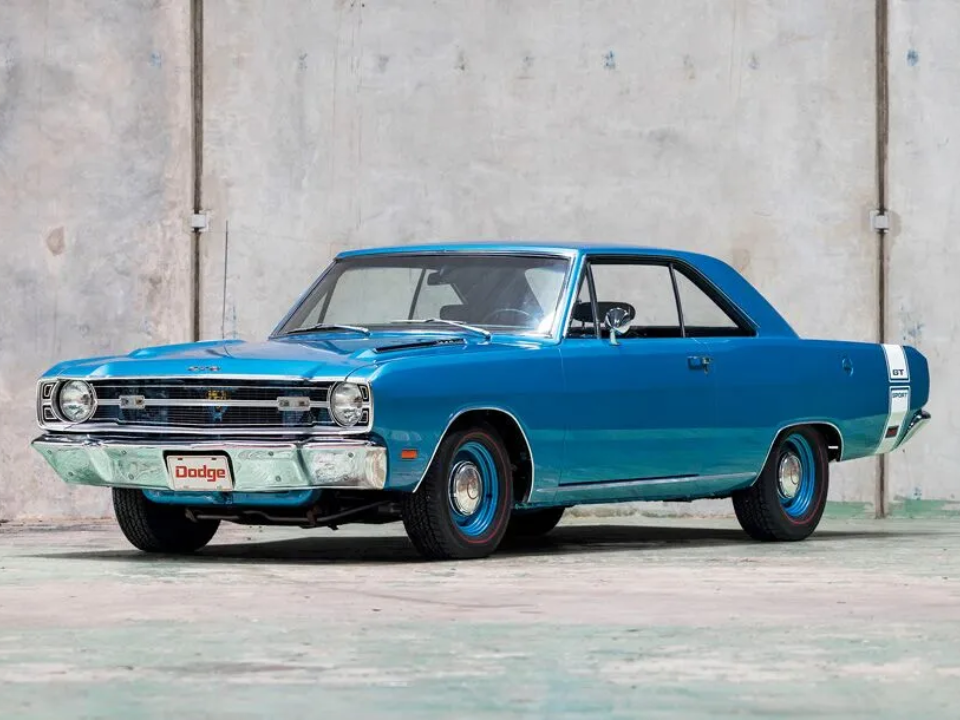
The 1969 Dodge Dart GTS 440 looks strange because of its compact body hiding an oversized engine. Dodge installed a 440 cubic inch V8 into a small chassis, which made the car difficult to control but incredibly fast in a straight line. The suspension struggled to manage the power, adding to its wild reputation.
Exterior styling stayed fairly plain, which made the performance even more surprising. Inside, features were minimal and focused on driving rather than comfort. Because few were built, it has become highly desirable among collectors. Current value often sits near $160,000.
1970 AMC Rebel Machine
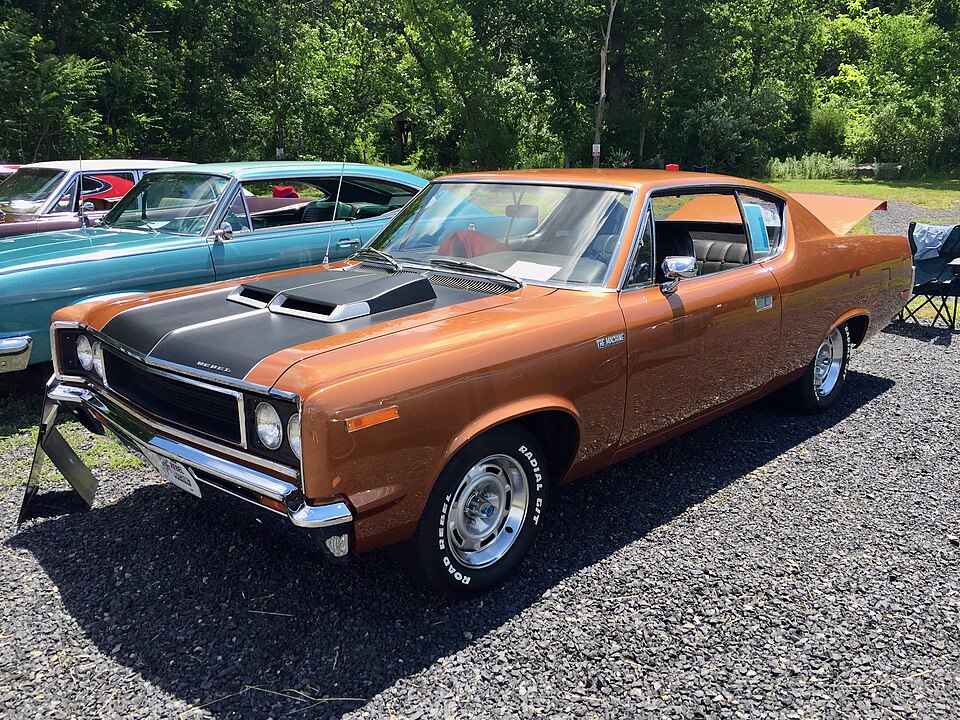
The AMC Rebel Machine looks unusual due to its patriotic paint scheme and aggressive front end. It featured a large V8 engine producing serious power for a brand not known for performance.
The car used a rear-wheel-drive layout and heavy-duty suspension upgrades. Interior details were simple, with bucket seats and a floor shifter on many examples. That same look now makes it stand out at auctions. Market values are commonly around $120,000.
1970 Chrysler 300 Hurst
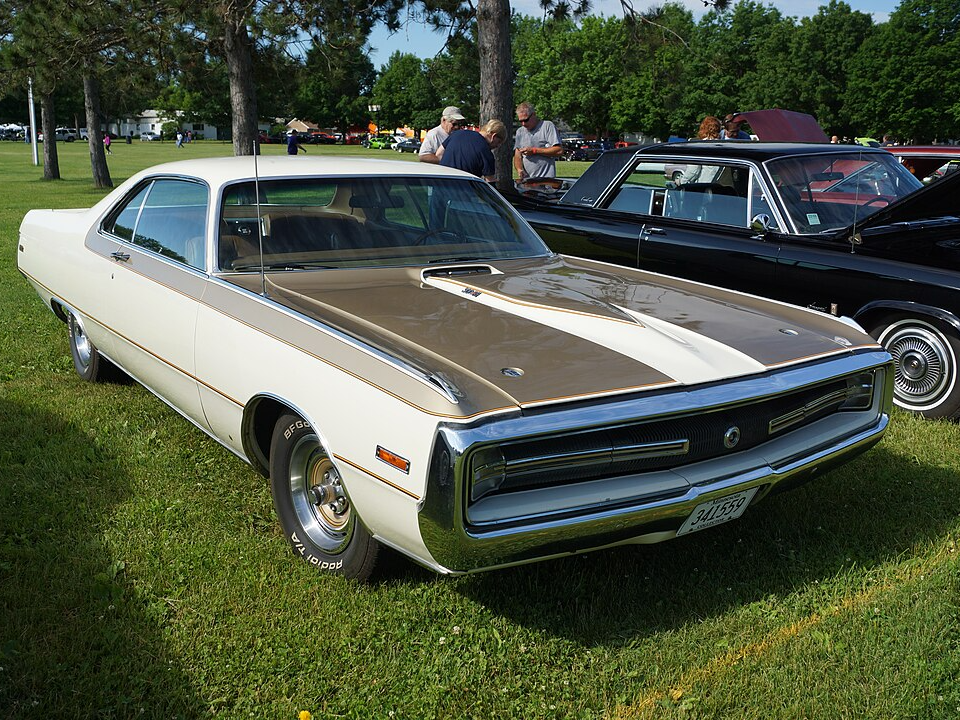
The Chrysler 300 Hurst appears odd because it mixes luxury size with race inspired exterior touches. It came only in a white and gold color combination that made it instantly recognizable. Power came from a large V8 engine paired with an automatic transmission.
The suspension was tuned more firmly than standard Chrysler models of the time. Inside, buyers got upscale materials along with performance-oriented instrumentation. Its limited production run increased its long-term appeal. Collectors now pay roughly $130,000 for clean examples.
1966 Chevrolet Biscayne L72
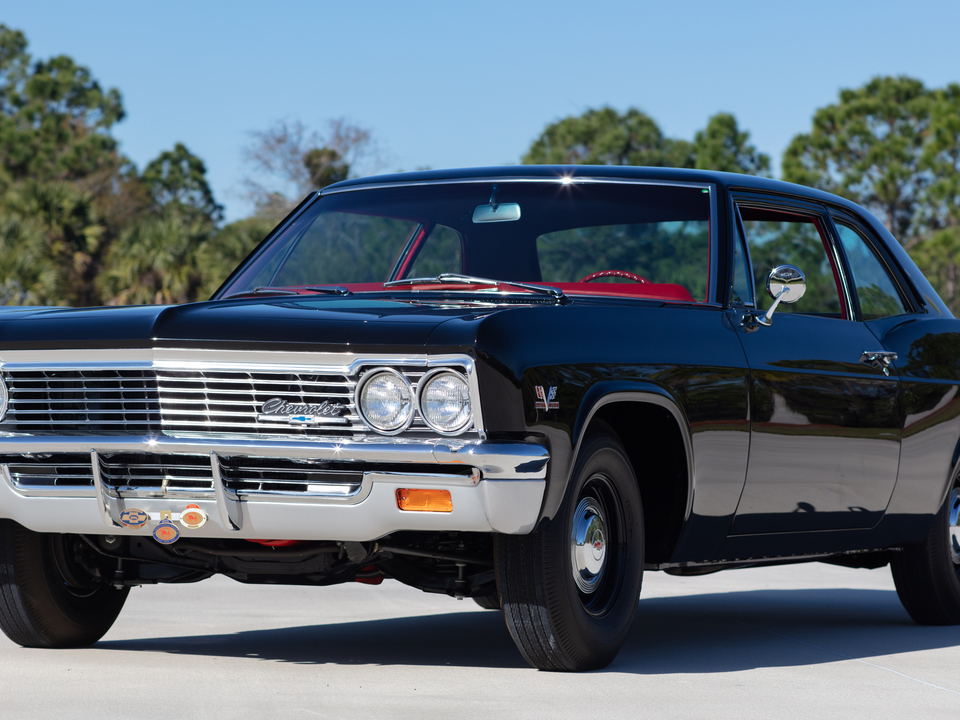
The Chevrolet Biscayne L72 looks strange because it appears like a basic family sedan hiding extreme power. Chevrolet equipped it with a 427 cubic inch engine meant for racing use. The exterior lacked flashy trim, which kept attention low when new.
The car used a manual transmission and heavy-duty cooling components. Inside, features were very basic with bench seating and simple controls. Many were raced hard, reducing survivors. Current collector value is around $140,000.
1971 Plymouth GTX 426
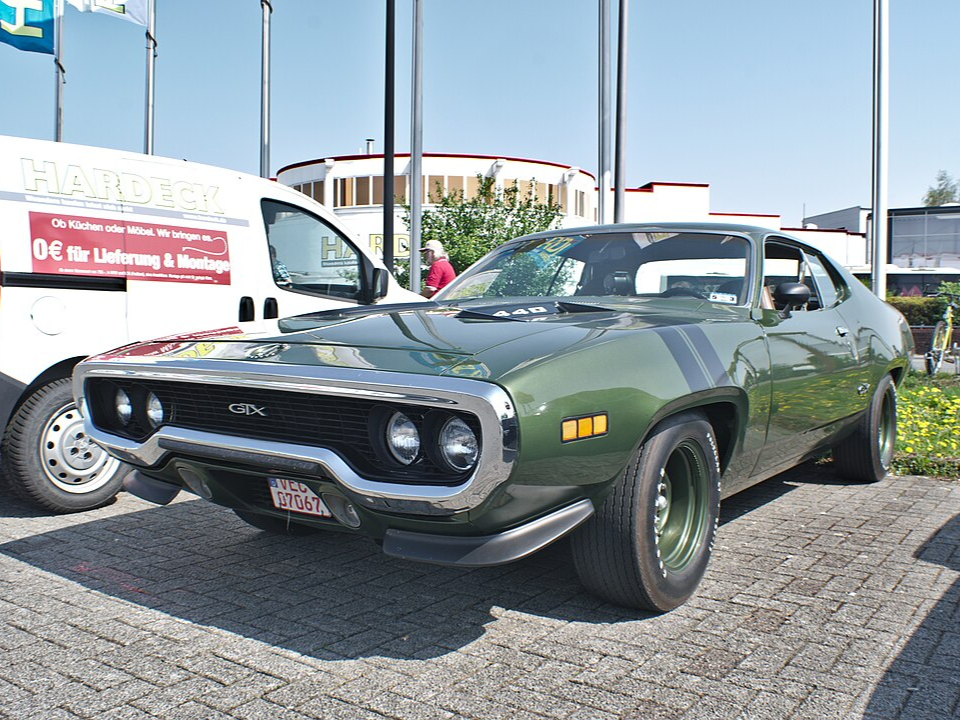
The 1971 Plymouth GTX looks bulky and heavy compared to earlier muscle cars, which made it less popular at release. Despite its size, it offered a powerful 426 cubic inch engine option. The body featured wide rear quarters and a thick front end that gave it a tough appearance.
Interior features leaned toward comfort with upgraded seats and trim. The car used rear wheel drive and strong braking components. It’s unusual proportions have grown on collectors over time. Market value today often reaches $160,000.
1969 Mercury Cyclone Spoiler
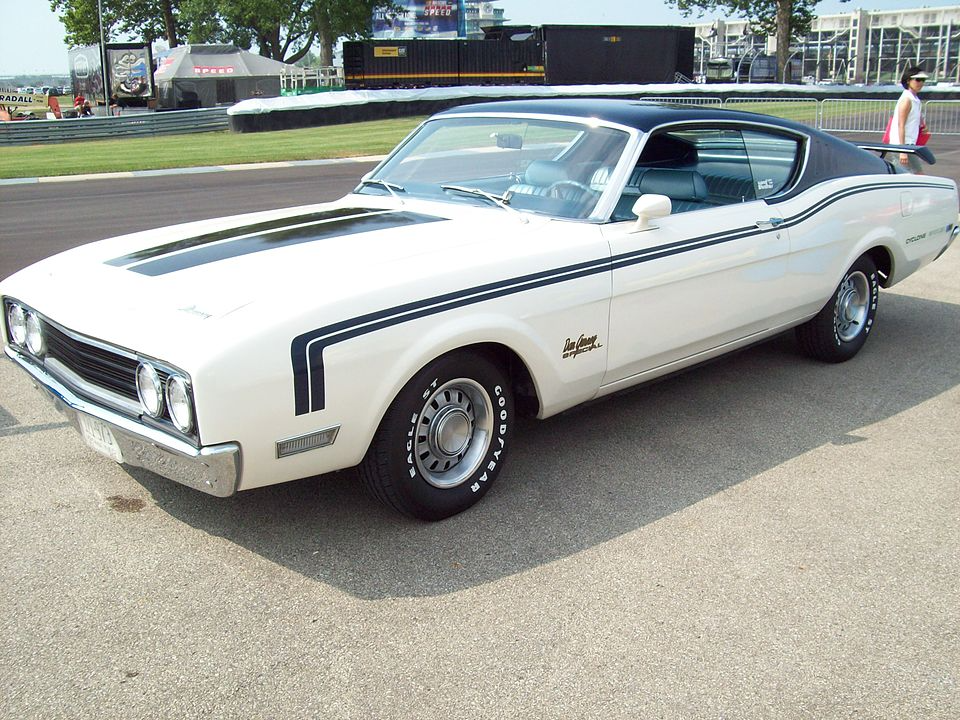
The Mercury Cyclone Spoiler looks unusual because of its long nose and rounded rear shape. These changes were made for racing stability rather than street style. Engine options included large displacement V8s paired with manual or automatic gearboxes.
The suspension was reinforced to handle high speed driving. Inside, the layout stayed simple and driver focused. Few were produced, making it rare today. Values often climb to about $220,000.
1970 Buick GSX Stage 1
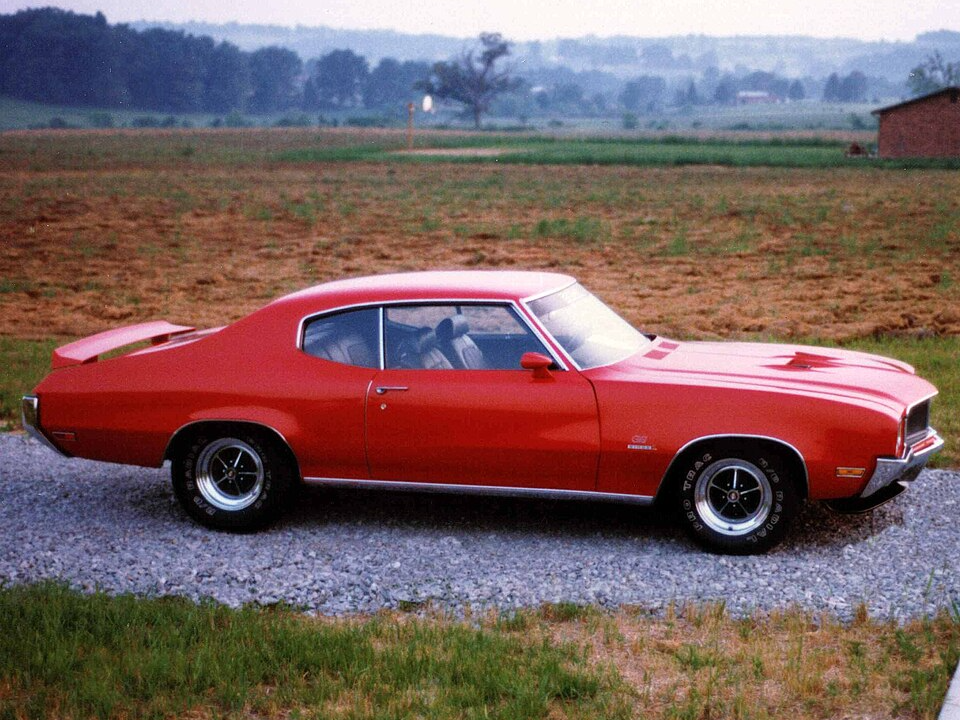
The Buick GSX Stage 1 looks unusual because of its bright colors and oversized stripes paired with a large body. Underneath, it used a high torque V8 engine known for strong low speed pull. The car featured upgraded suspension and braking systems compared to standard Buicks.
Interior features included bucket seats and a center console on many models. The size made it look more like a luxury car than a performance one. That contrast now attracts collectors. Market value often sits around $220,000.
1971 Dodge Demon 340
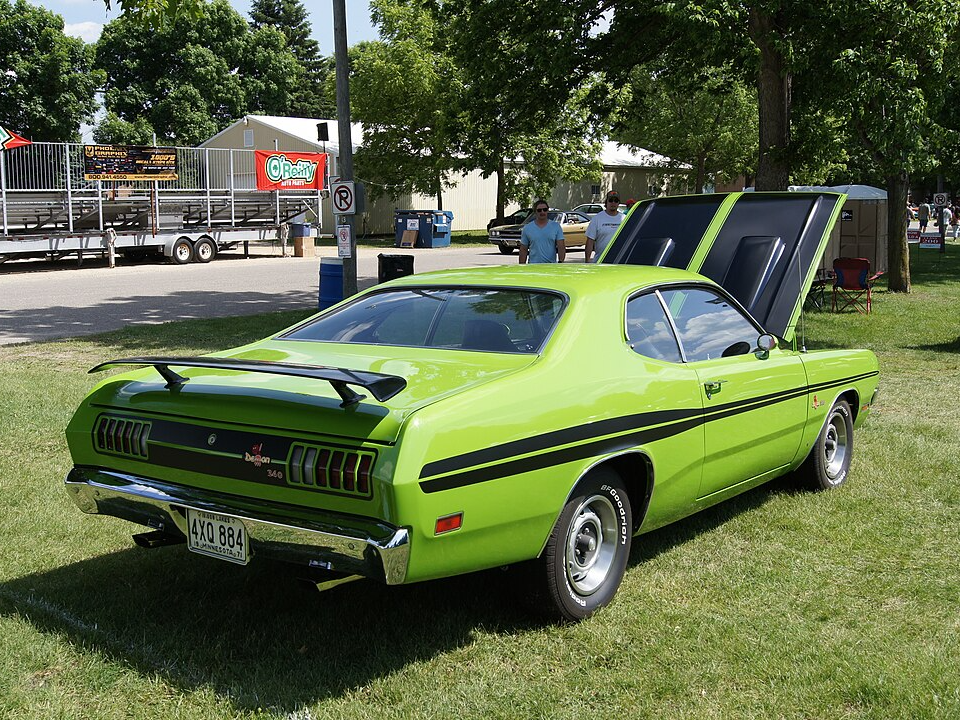
The Dodge Demon 340 looks strange due to its cartoon style graphics and compact proportions. It came with a 340 cubic inch V8 that offered quick acceleration in a small package.
Rear wheel drive and a short wheelbase made it lively to drive. Interior features were modest, focusing on gauges and seating rather than extras. Many buyers overlooked it when new because of its appearance. Survivors are now much harder to find. Current value is often around $90,000.
1968 Oldsmobile 442 Hurst Olds
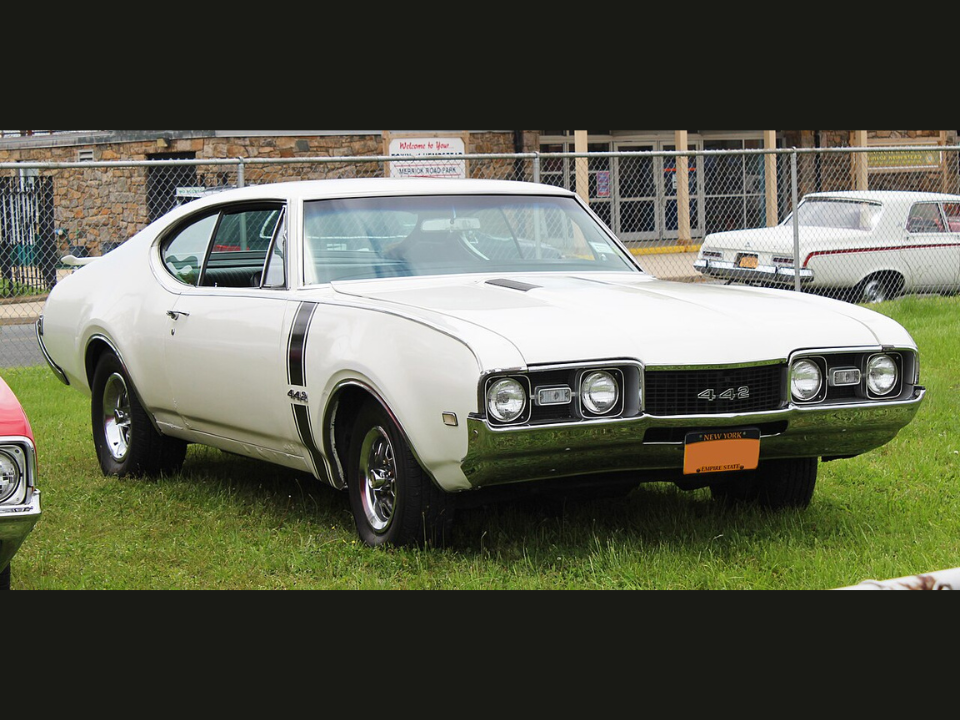
The Hurst Olds looks unusual because of its black and gold color scheme and raised hood design. It combined Oldsmobile power with Hurst performance hardware. The V8 engine delivered strong acceleration paired with a special automatic transmission.
Suspension tuning was firmer than standard models. Interior details included sport seating and unique trim pieces. Production numbers were limited. Market value today often reaches $140,000.
1969 Mercury Marauder X 100
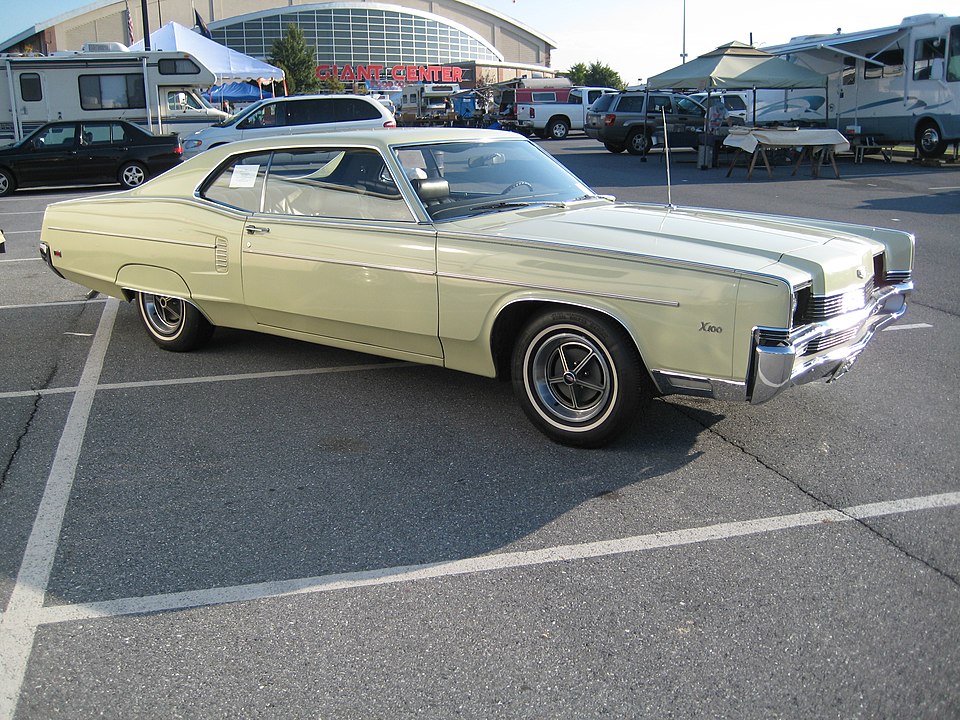
The Marauder X 100 looks odd because of its long fastback roof and oversized proportions. It combined luxury styling with large V8 engine choices. The car focused more on high-speed cruising than short bursts.
Interior features included upscale seating and trim for the time. Its size turned away many buyers when new. That rarity now works in its favor. Market value is commonly around $100,000.
1968 Dodge Coronet R T 426
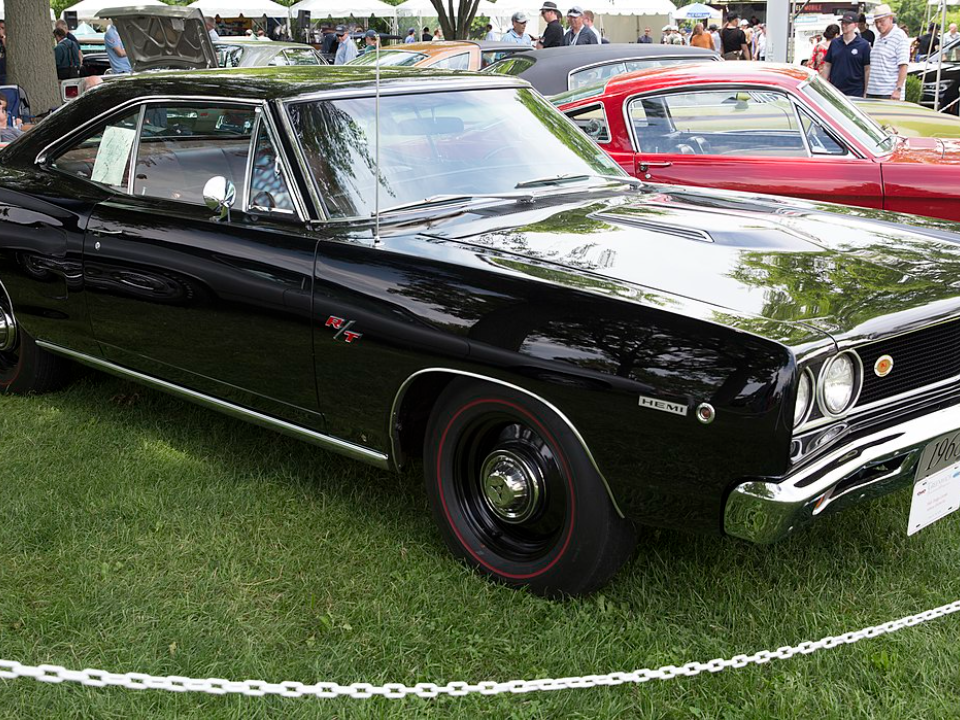
The Dodge Coronet R T looks understated for the level of power it offered. The 426 cubic inch engine delivered strong acceleration without dramatic styling cues. Rear wheel drive and heavy duty components supported its output.
Interior features included bucket seats and performance gauges. Many buyers chose flashier models instead. Survivors are now highly valued. Current prices often reach $170,000.
This article originally appeared on Avocadu.