
13 Rare Muscle Cars Collectors Still Chase at Auctions
Muscle cars started as affordable performance cars that regular drivers could actually buy. They stood out for their rumbling engines and aggressive looks. Decades later, the rarest versions have become auction stars. Many collectors wait years for the right example to surface. Take a closer look at why these cars continue to spark serious interest.
This post may contain affiliate links, which helps keep this content free. Please read our disclosure for more info.
1970 Plymouth Hemi Cuda
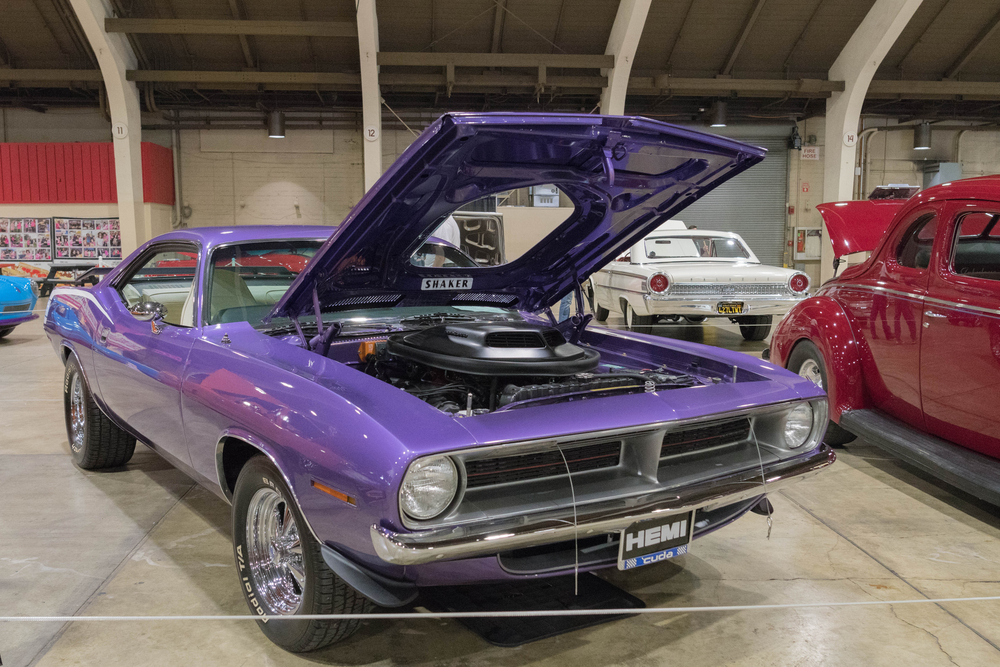
Plymouth released the Hemi Cuda in 1970 during the height of American muscle. Well preserved examples can sell for over $2,000,000 at major auctions. Production numbers were extremely low, especially with manual gearboxes. The large engine and compact body made it famous almost immediately. That reputation has only grown with time.
Collectors often look for original paint colors and drivetrain parts. Cars with full ownership records tend to perform better at sale time. Modified examples usually bring less interest from purists. Some have spent decades in private collections. Each auction appearance creates strong anticipation.
1971 Dodge Challenger R T Hemi
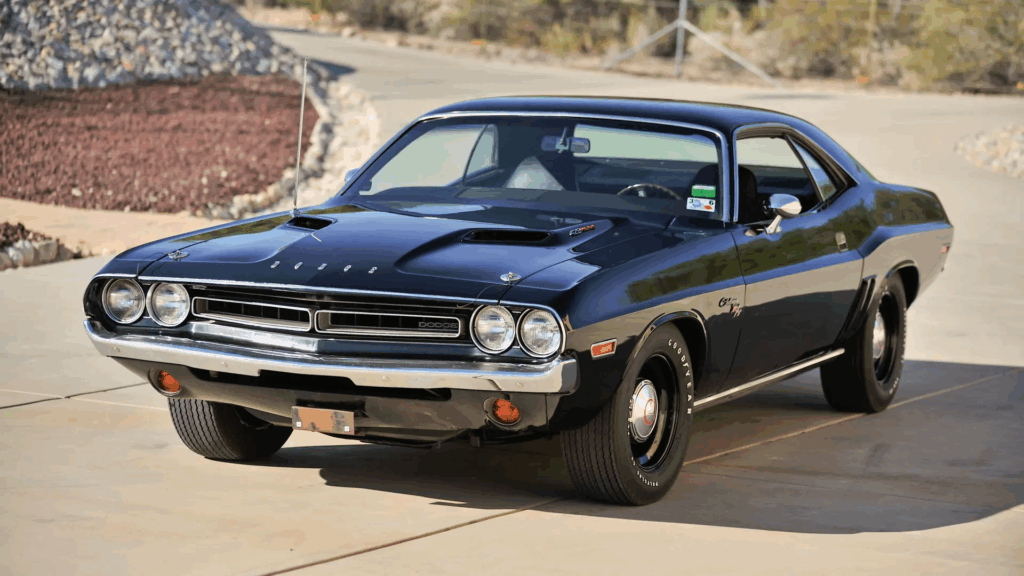
Introduced in 1971, this Challenger combined striking styling with serious engine output. Auction values today often reach $300,000 or higher. Few were ordered with the Hemi option, which makes surviving cars uncommon. Its long hood and wide stance add to its appeal. Many fans still recall its presence from classic car shows.
Interior condition and original trim pieces affect bidding activity. Cars that avoided heavy modification are more desirable. Some were hidden away for years before resurfacing. Driving impressions often mention how raw it feels. Auctions bring renewed attention whenever one is listed.
1969 Chevrolet Camaro ZL1
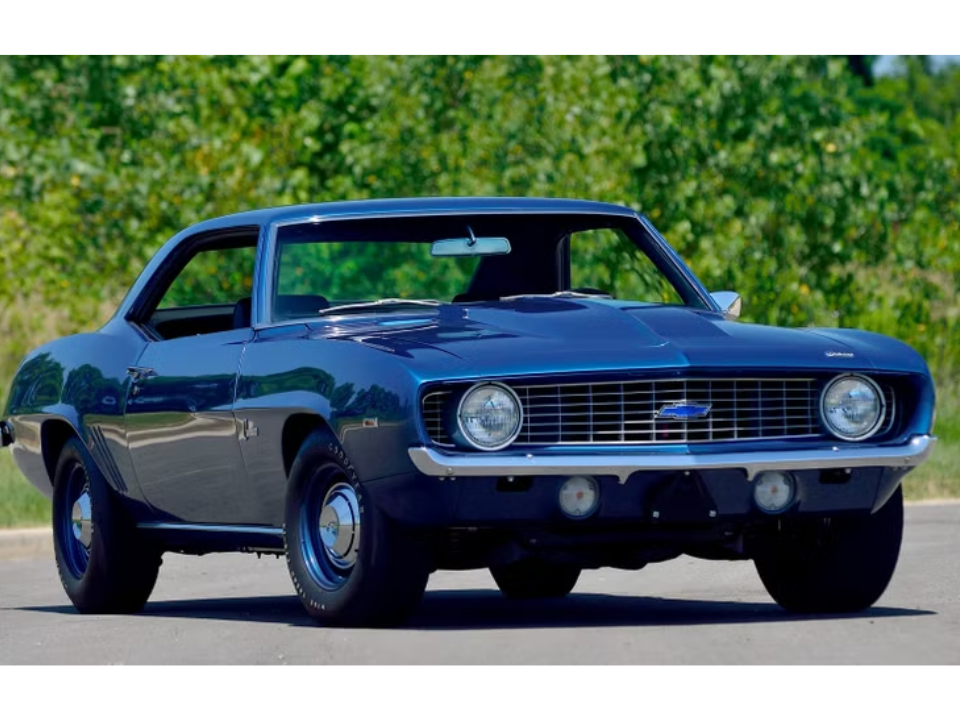
Released in 1969, the Camaro ZL1 was built with racing in mind and came with a large aluminum V8. Current auction values often fall between $300,000 and $500,000 depending on condition and history. Very few were produced, which is a key reason collectors pursue it. Many were raced hard early in life, leaving fewer original examples today. Its sound and presence still turn heads whenever one appears.
Original paperwork and factory components play a major role in value. Cars that retain correct engine parts usually bring higher bids. Rust repair history is closely examined by buyers. Some examples have undergone careful restorations over many years. Auction crowds tend to gather quickly when this model is announced.
1967 Shelby GT500
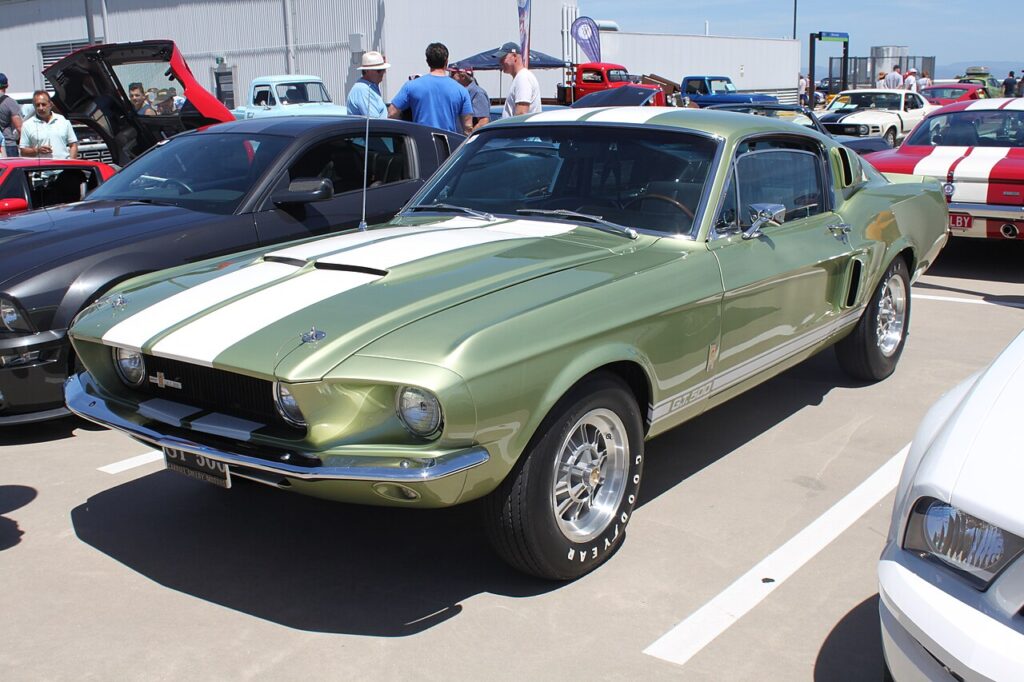
The Shelby GT500 arrived in 1967 with performance upgrades over the standard Mustang. Current values often range from $250,000 to $400,000. Limited production numbers and Shelby branding add to its appeal. Many people recognize it from films and magazines of the era. Its exhaust note remains a defining feature.
Buyers focus on matching numbers and factory details. Original interiors tend to raise interest. Cars stored in dry conditions often show better body integrity. Some examples carry long documented histories. Auction listings often attract bidders early.
1970 Pontiac GTO Judge
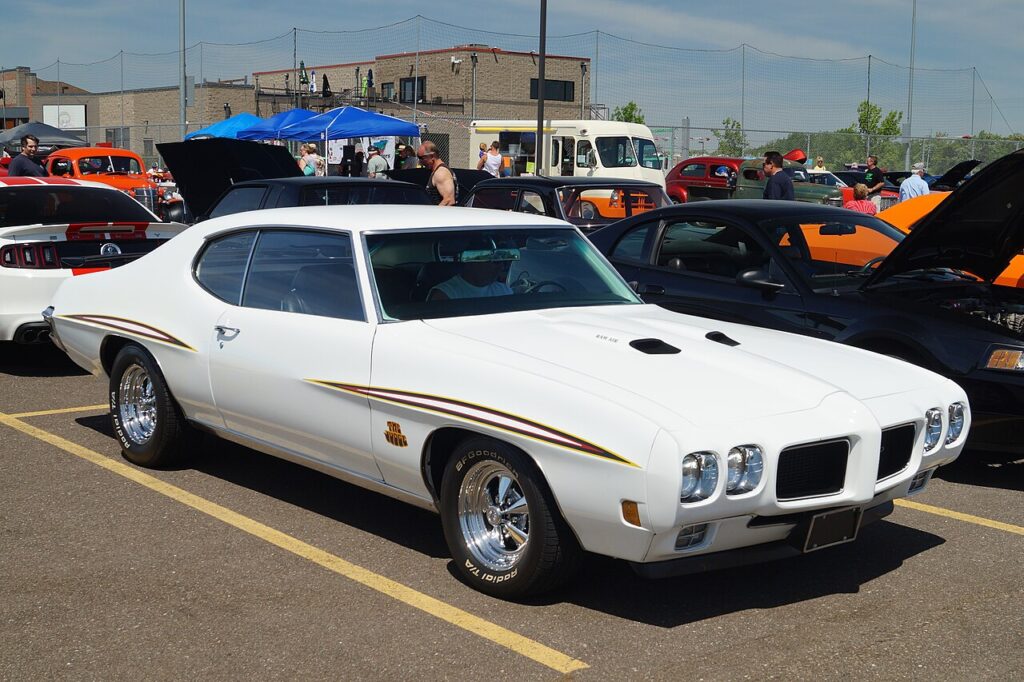
Pontiac introduced the GTO Judge in 1970 as a performance focused variant. Auction prices often sit between $150,000 and $180,000. Special graphics and performance options set it apart from standard GTO models. Production totals were limited compared with regular versions. That separation makes it easier to identify and value.
Factory engines and original trim matter to collectors. Cars with extensive records usually attract stronger bids. Some examples were used regularly and show wear. Others were preserved as show cars. Auction floors often see steady interest around this name.
1968 Ford Mustang GT500KR
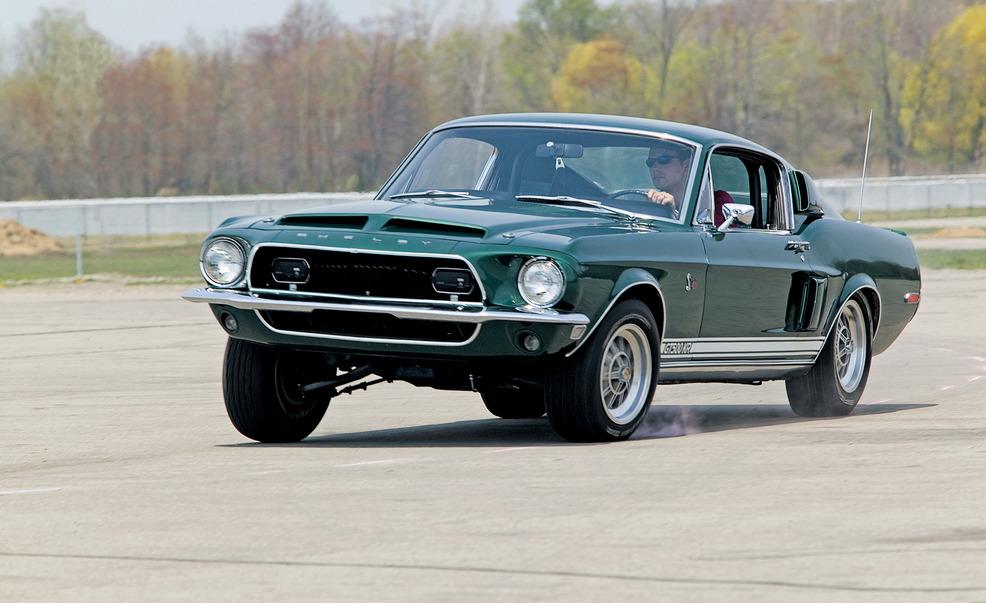
Released in 1968, the GT500KR carried a powerful Cobra engine and special badging. Values often hover near $200,000 for clean examples. The KR designation stood for King of the Road, which became part of its legend. Production numbers were lower than standard Mustangs. Its mix of comfort and strength appealed to many buyers.
Original drivetrains often raise final sale prices. Rust free bodies are especially valued. Mileage history plays a role in buyer confidence. Some cars have remained in single ownership for years. Auctions provide rare chances to compare multiple examples.
1971 Buick GSX Stage 1
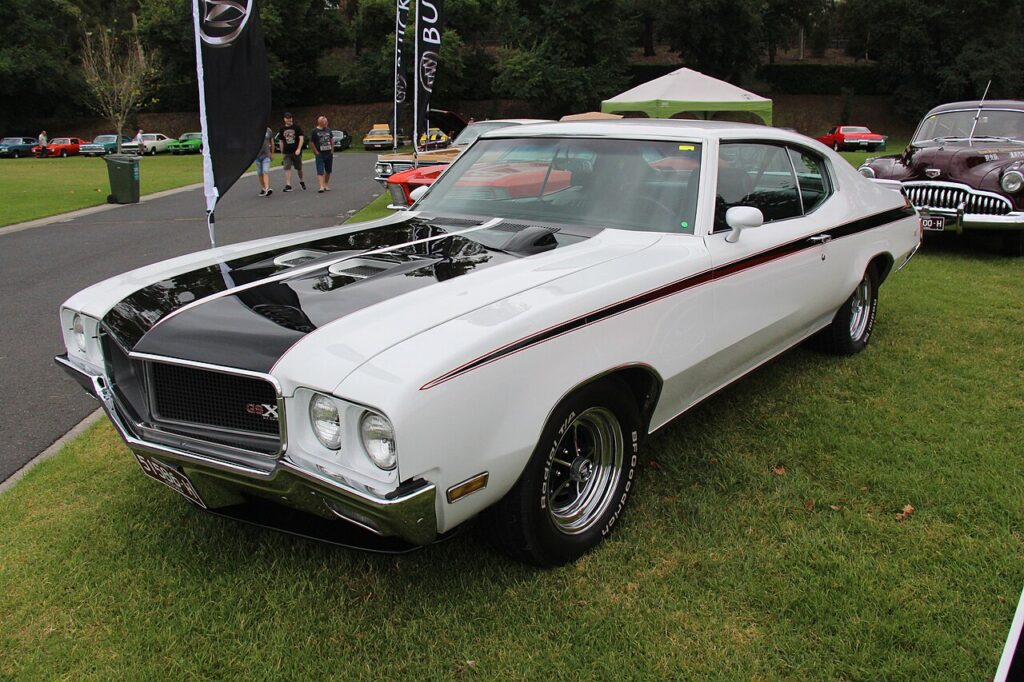
Buick offered the GSX Stage 1 in 1971 with a powerful engine and upscale feel. Auction values often approach $180,000. Few were built, especially in factory correct condition. Its appearance was understated compared with rivals. That contrast adds to its appeal today.
Collectors examine suspension and carburetor components closely. Interior condition can influence bidding. Some examples were parked early and avoided heavy use. Others show signs of past restoration. Auction interest remains steady for well kept cars.
1970 Oldsmobile 442 W30
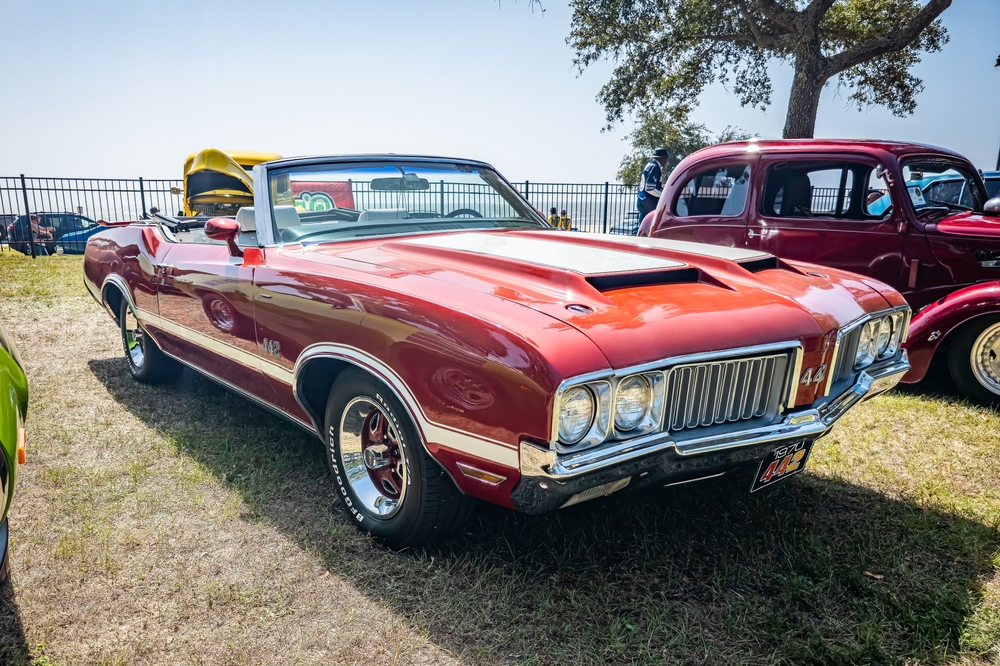
The 442 W30 was released in 1970 with special performance equipment. Clean examples often sell near $150,000. Factory options made it different from standard 442 models. Many fans appreciate its balanced road manners. Its reputation has grown steadily over time.
Buyers often review transmission and engine documentation. Rust around floors and panels affects value. Some cars were repainted long ago. Original wheels and trim raise appeal. Auction listings often draw focused attention.
1972 Dodge Dart Swinger 340
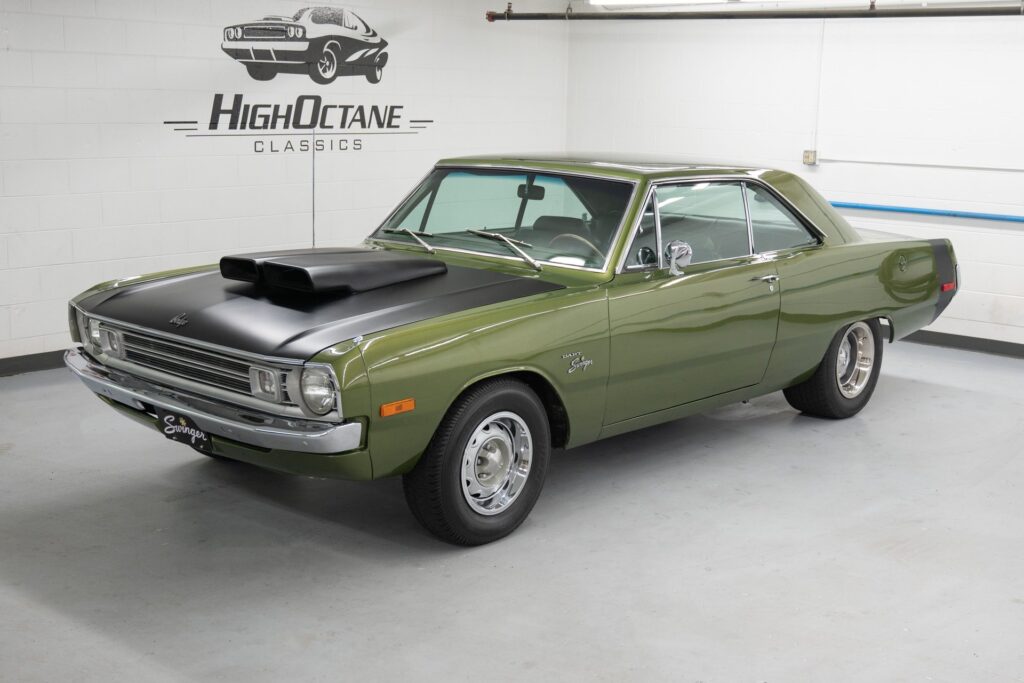
Dodge released the Swinger 340 in 1972 as a smaller muscle option. Auction prices can reach around $80,000 for preserved cars. Many were driven hard and modified, reducing survivor numbers. Lightweight design contributed to strong performance. That history makes clean examples appealing.
Buyers watch for correct engine codes and parts. Long term ownership records add value. Interior trim can be difficult to replace. Rust repair history matters greatly. Auctions tend to attract buyers who want originality.
1969 Plymouth Road Runner Superbird

The Superbird debuted in 1969 with a distinctive nose and tall rear wing. Auction values often exceed $500,000. It was built to meet racing requirements and produced in limited numbers. Its appearance set it apart immediately. That look still draws attention decades later.
Matching engine and transmission numbers matter greatly. Many examples were raced or altered early on. Restoration quality plays a large role in pricing. Paint accuracy and trim details are closely checked. Auction rooms often grow quiet when one rolls forward.
1969 Mercury Cougar Eliminator
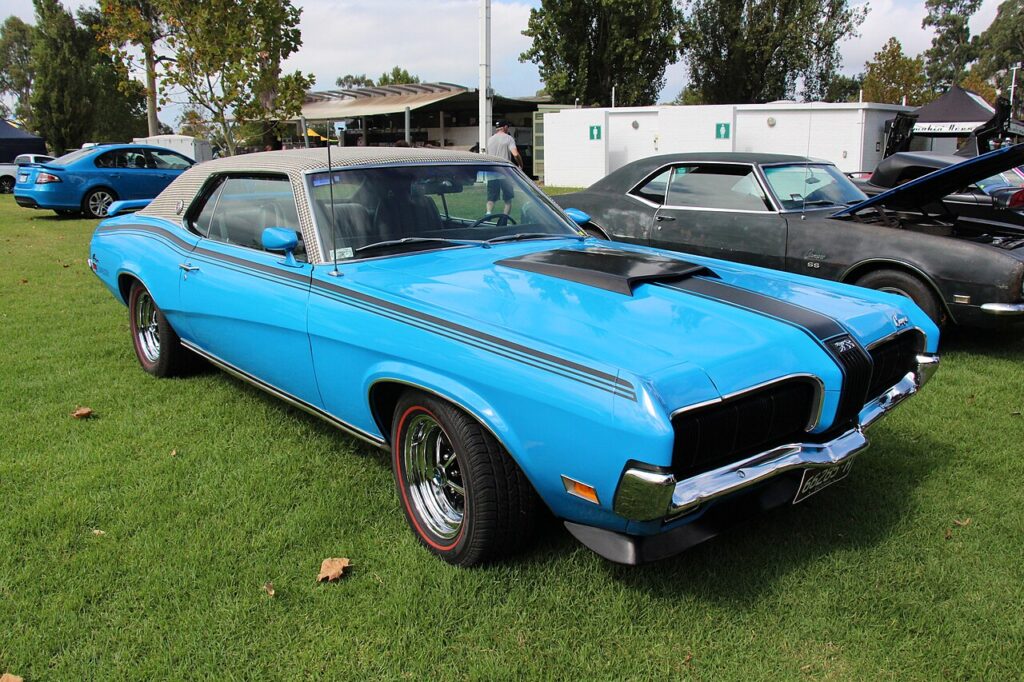
Mercury introduced the Eliminator package in 1969 to add performance focus. Auction values often land near $100,000. Fewer were produced compared with Mustang counterparts. Its styling combined muscle cues with refined lines. That mix gives it lasting appeal.
Collectors review suspension and drivetrain originality. Modified cars usually sell for less. Rust prone areas receive close inspection. Original interiors raise buyer interest. Auctions offer rare opportunities to find clean examples.
1973 Pontiac Trans Am Super Duty 455
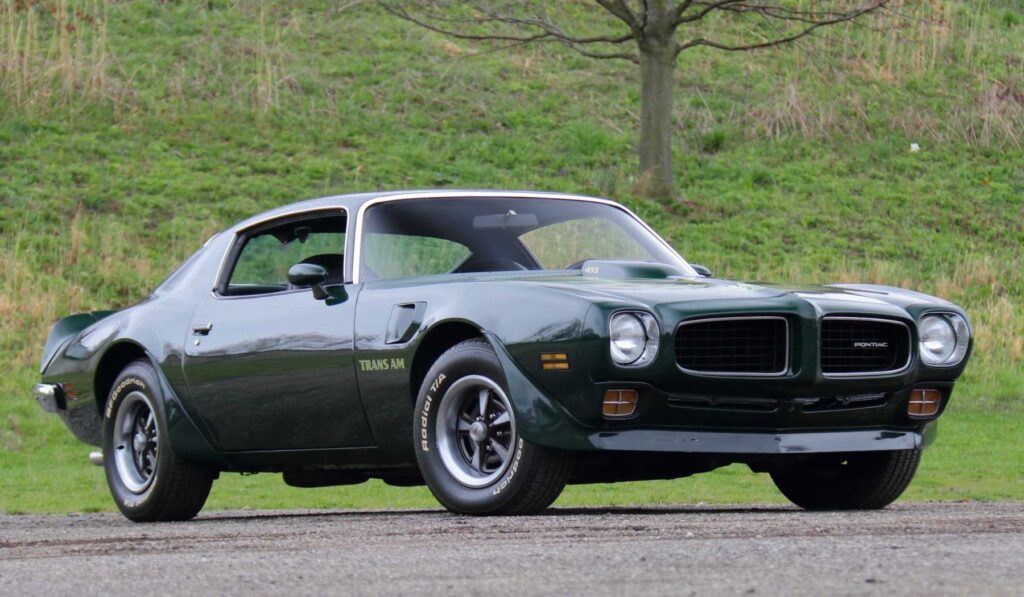
Pontiac released the Super Duty 455 in 1973 with heavy duty engine parts. Auction values often reach around $250,000. Production numbers were limited, adding to its appeal. It stood out during a period of tightening regulations. Many fans admire its balance of power and handling.
Engine documentation is closely reviewed by buyers. Some examples show very low mileage. Paint and body condition vary widely. Original seats and trim raise interest. Auction appearances tend to draw serious bidders.
1970 Chevrolet Chevelle SS 454 LS6
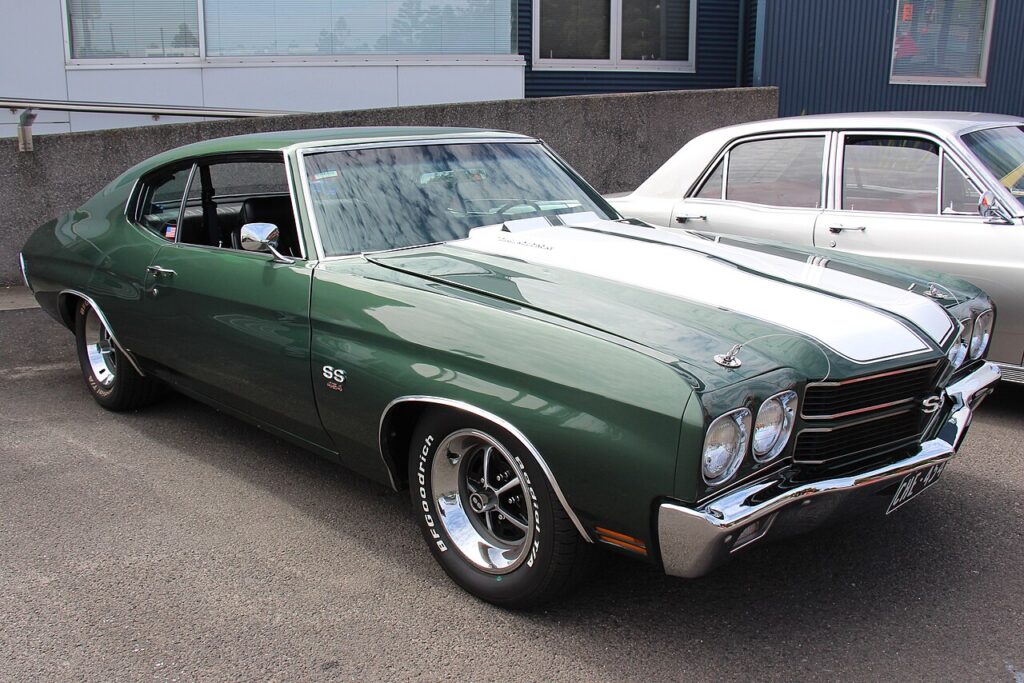
Chevrolet offered the LS6 powered Chevelle SS in 1970 as a high output option. Auction prices often approach $200,000. Few buyers ordered this setup when new. Its reputation spread quickly through racing and street use. Many still remember its aggressive acceleration.
Collectors focus on casting numbers and engine parts. Cars with major body repairs sell for less. Original interior panels matter to buyers. Some examples have detailed restoration records. Auction crowds often respond strongly when this model is announced.
This article originally appeared on Avocadu.