
15 Rare Mountain Plants That Live Above the Tree Line
High in the mountains, where the tree line ends, a different world of plants begins. These plants are built to withstand some of the most challenging environments on Earth. From cold temperatures to strong winds, they have adapted in incredible ways. Whether you’re hiking or simply curious, the plants that live above the tree line are worth exploring.
This post may contain affiliate links, which helps keep this content free. Please read our disclosure for more info.
Alpine Forget-Me-Not (Myosotis alpestris)
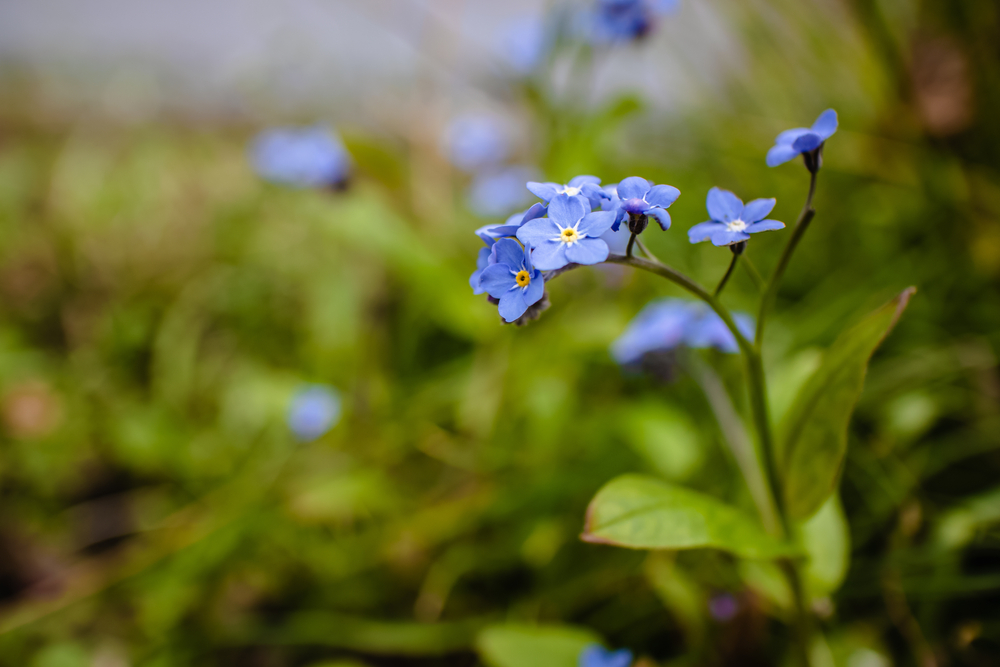
This small, delicate flower blooms in high mountain regions, often above the tree line. Its bright blue flowers stand out against the rugged terrain where it thrives. The Alpine Forget-Me-Not has adapted to cold climates, blooming short but vibrant periods during the summer months. Found mainly in alpine meadows, this plant plays a key role in its ecosystem by attracting pollinators like bees. Its beauty and rarity make it a favorite among nature enthusiasts and hikers.
Although small in size, the Alpine Forget-Me-Not is highly resilient. It survives the harsh conditions of high elevations with minimal water and enduring low temperatures. The plant’s ability to bloom in such an unforgiving environment makes it a symbol of endurance. This hardy flower is one of the most recognizable mountain plants above the tree line.
Edelweiss (Leontopodium alpinum)
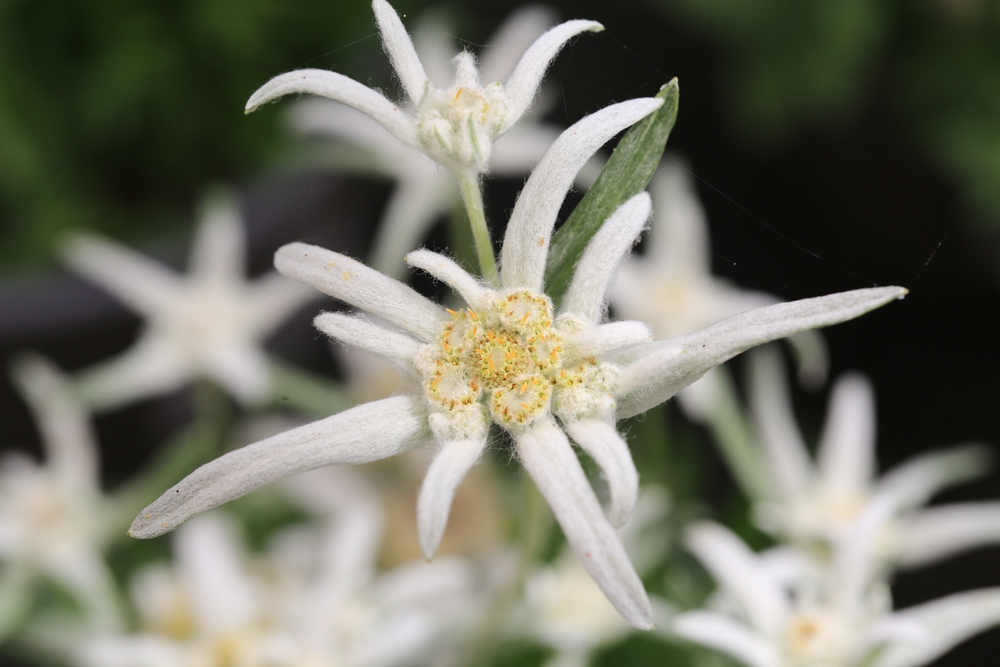
Edelweiss is a symbol of the Alps, known for its woolly white petals that protect it from cold winds. This rare flower grows at high altitudes, where the air is thin and temperatures dip below freezing. It thrives in rocky, inaccessible areas, often growing between 1,800 to 3,000 meters above sea level. The plant is celebrated for its resilience and has been part of mountain folklore for centuries.
Edelweiss is not only iconic in appearance but also highly valued by collectors and mountaineers. The plant’s medicinal properties are a part of its cultural significance in the Alps. With its stunning beauty and ability to endure extreme conditions, Edelweiss continues to captivate those who venture into high-altitude regions. Its rare status adds to its mystique, making it a prized find.
Alpine Aster (Aster alpinus)
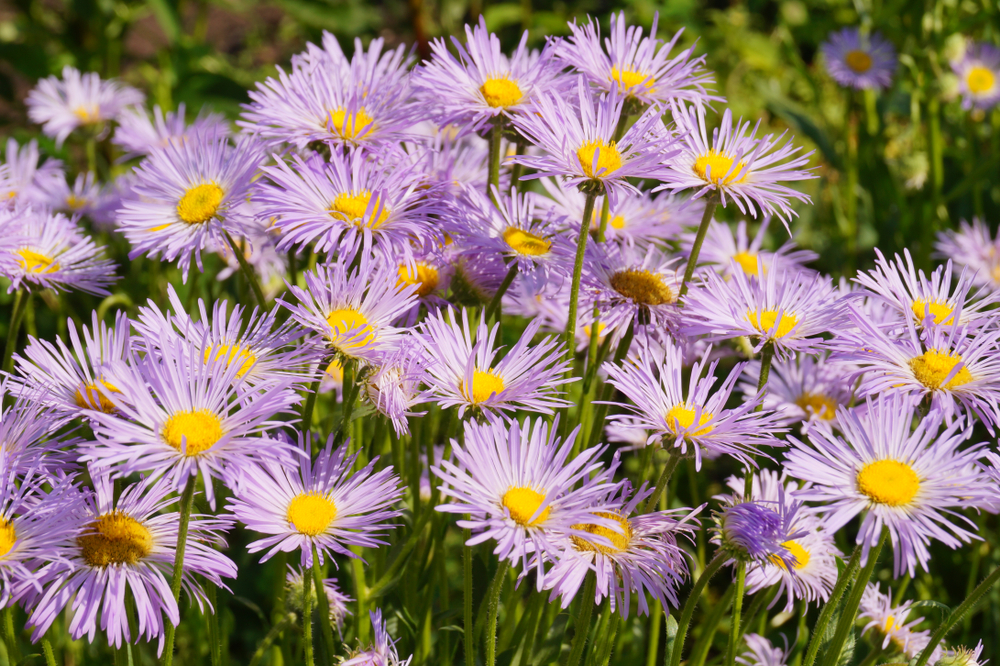
The Alpine Aster is known for its vivid purple flowers, which stand out in the stark rocky landscape. It grows at high altitudes, often above the tree line, where it flourishes in well-drained soils. This plant blooms during the summer, with its blossoms attracting pollinators such as butterflies and bees. Alpine Aster is a resilient species, able to survive in low-nutrient conditions and extreme weather.
This plant’s ability to grow in such tough conditions speaks to its remarkable adaptation. Alpine Aster thrives in regions that experience freezing temperatures and high winds, demonstrating its capacity to endure. It’s often found in alpine meadows and rocky slopes, where it adds color to the barren landscape. The plant’s beauty makes it a popular choice for those interested in high-altitude flora.
Snow Buttercup (Ranunculus glacialis)
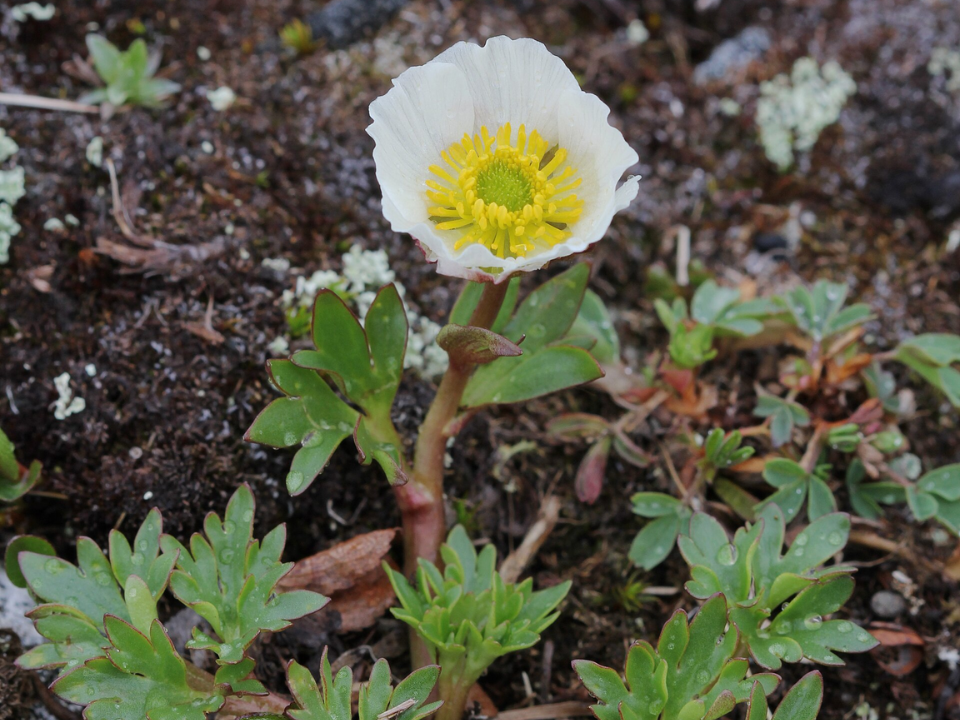
The Snow Buttercup is one of the hardiest plants, thriving in snowy regions where few other plants can survive. It is found in mountainous areas where the snow melts slowly, allowing the plant to bloom early in the spring. Its bright yellow flowers are a striking contrast against the white snow, making it a popular sight for mountain explorers. The Snow Buttercup has adapted to cold, harsh environments with a low-growing structure to avoid strong winds.
In addition to its aesthetic appeal, the Snow Buttercup is well-suited to the high-alpine ecosystems. Its flowers provide an important food source for pollinators during the early spring months. Despite its delicate appearance, this plant is tough, enduring the harsh conditions of high elevations. Its early bloom marks the arrival of warmer weather in alpine meadows.
Alpine Primrose (Primula minima)
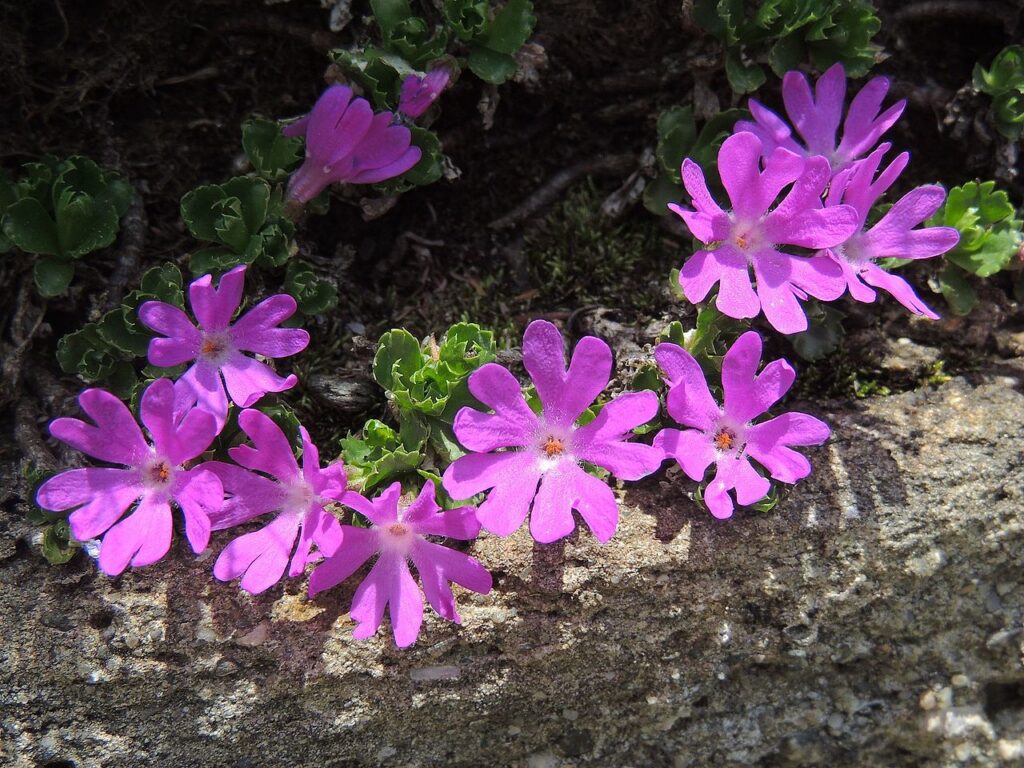
Alpine Primrose is a stunning flower that blooms in high-altitude meadows, where it thrives in the cool, short summer. Its small, colorful flowers add vibrancy to the rocky terrain above the tree line. The plant’s ability to grow in alpine conditions with low light and brief growing seasons makes it particularly remarkable. Alpine Primrose is often found in moist, rocky areas where it can benefit from the limited water available in these regions.
This hardy plant is well-suited for the high-altitude environment, where it can withstand freezing temperatures. Its bright blossoms attract pollinators, adding to its importance in the ecosystem. Alpine Primrose is not only admired for its beauty but also for its ability to survive in such extreme conditions. It has become a symbol of nature’s ability to adapt to the harshest climates.
Arctic Poppy (Papaver radicatum)
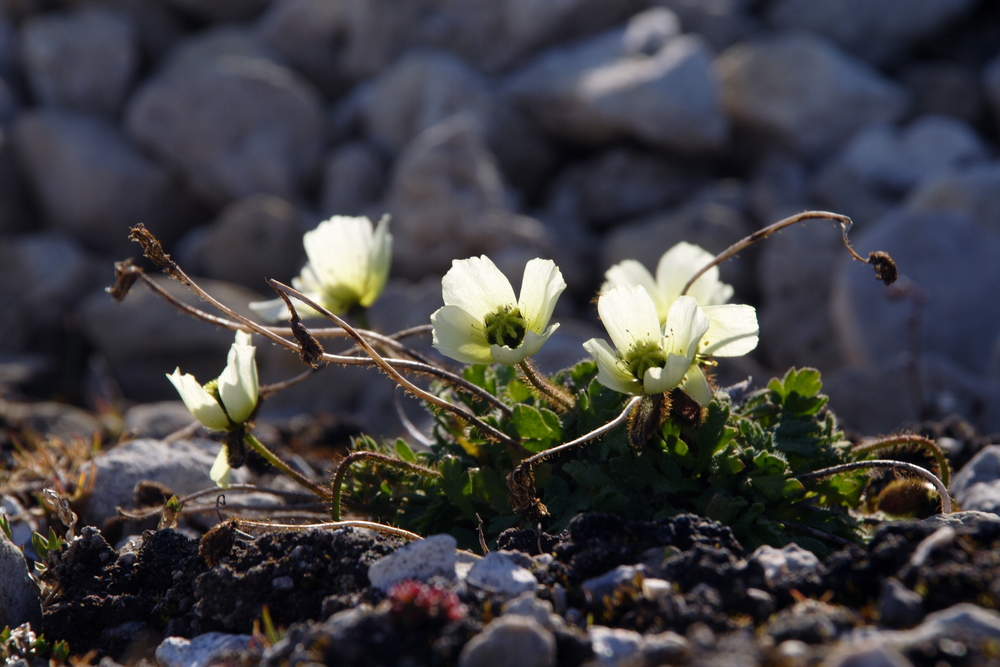
The Arctic Poppy is a hardy plant found in the cold, rocky regions above the tree line. Its bright yellow flowers provide a striking contrast to the barren landscapes it inhabits. The plant blooms in the summer when temperatures are slightly warmer, using the short growing season to its advantage. Arctic Poppy is found in alpine tundra regions, where it thrives in well-drained soils and is resistant to high winds.
Known for its resilience, the Arctic Poppy can survive the harsh conditions of the highest mountain ranges. Its flowers, though delicate in appearance, are tough enough to endure the cold winds and rocky terrain. This plant is highly valued by those exploring high-altitude regions, as it’s one of the few that can grow in these extreme conditions. The Arctic Poppy is a true testament to the strength of life at the top of the world.
Alpine Gentian (Gentiana alpina)
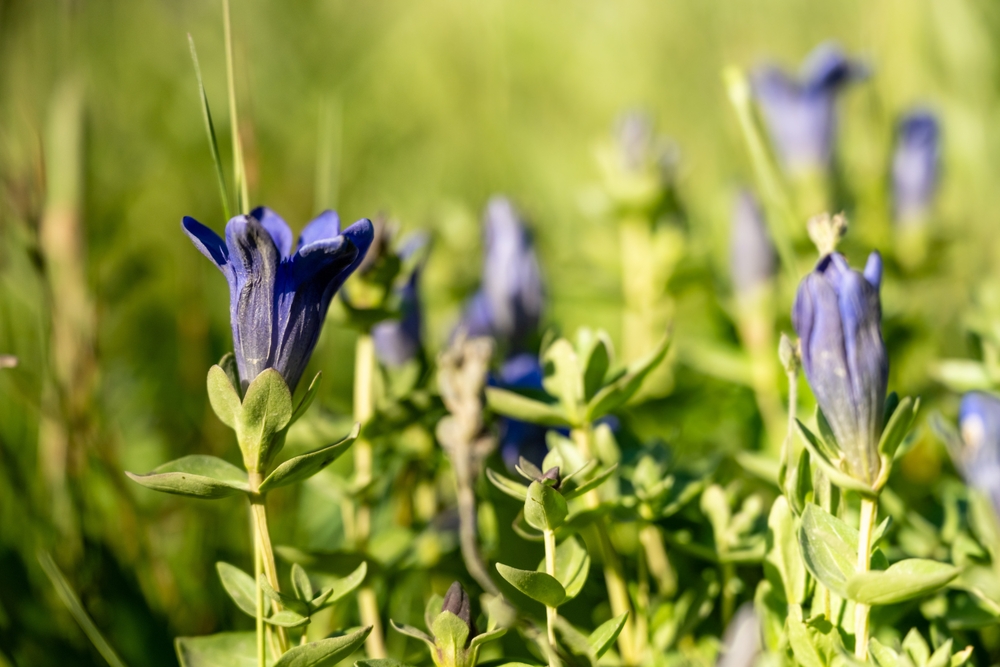
Alpine Gentian is a stunning blue-flowered plant that grows in the rocky, harsh conditions above the tree line. Its striking blue petals are a rare sight in the otherwise barren alpine meadows, adding color to the rugged landscape. The plant thrives in nutrient-poor, well-drained soils and can survive extreme cold temperatures. Alpine Gentian is a symbol of the beauty and resilience of life at high altitudes.
The plant’s bright flowers bloom during the summer months, attracting pollinators such as bees and butterflies. Due to its location in high mountain ranges, Alpine Gentian is not easily accessible, making it a rare find for collectors. Despite its delicate appearance, it is well adapted to survive in the harshest environments, enduring freezing temperatures and strong winds. The Alpine Gentian’s rarity and vibrant color make it a prized plant in alpine ecosystems.
Mountain Avens (Dryas octopetala)
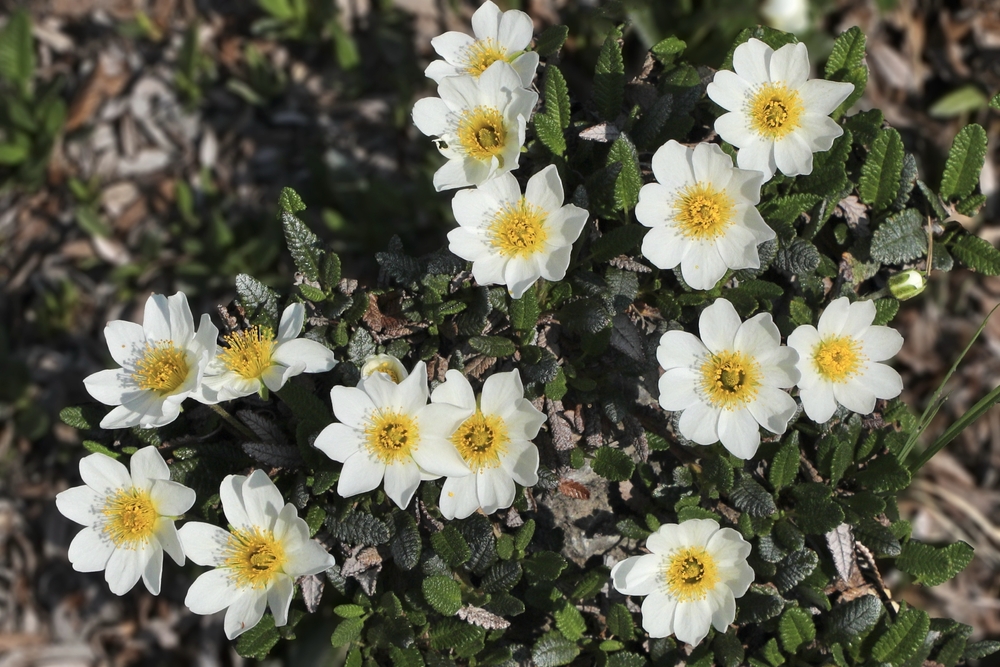
Mountain Avens is a small, low-growing shrub that thrives in the Arctic and sub-Arctic regions. This plant is often found above the tree line, where it plays a crucial role in stabilizing the soil. Its white or pink flowers bloom in the short summer months, offering a beautiful display in otherwise barren landscapes. Mountain Avens is known for its ability to endure freezing temperatures and strong winds.
The plant’s thick leaves and deep root system help it survive extreme conditions, making it a key player in alpine ecosystems. Its adaptability to nutrient-poor soils also contributes to its success in such challenging environments. The Mountain Avens is a symbol of life’s persistence in harsh climates, growing in places where few other plants can manage. It’s an essential part of the ecosystem, supporting a variety of alpine wildlife.
High Alpine Buttercup (Ranunculus acris)
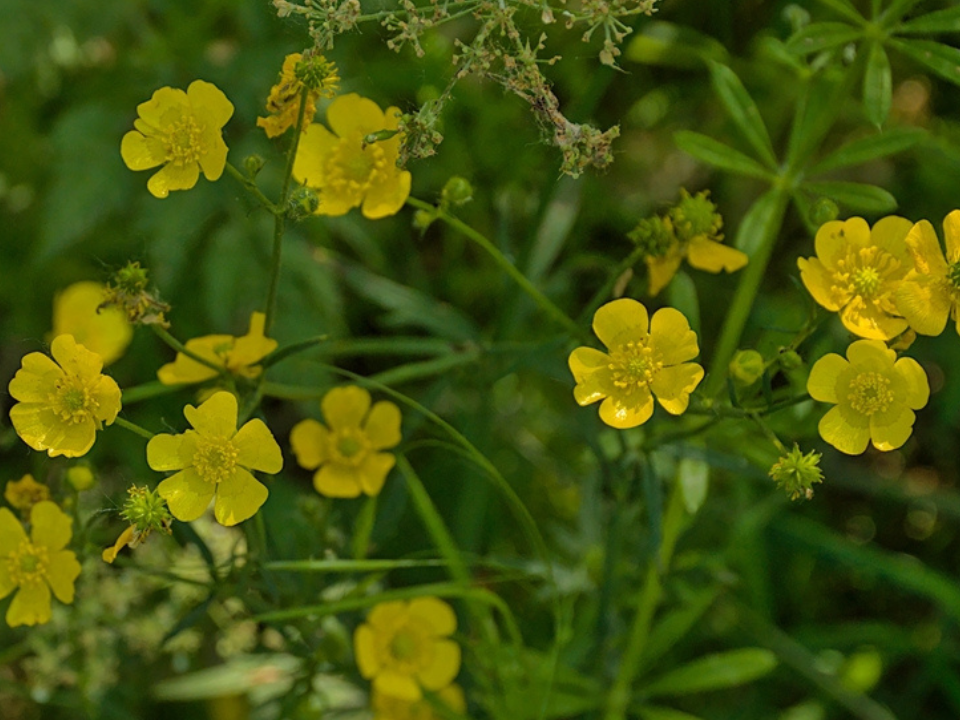
High Alpine Buttercup is a species of buttercup that thrives in the cold, rocky areas of high-altitude mountains. Its bright yellow flowers bloom during the short summer, adding a splash of color to the rugged terrain. This plant is well-adapted to the high-altitude environment, where it can survive harsh winds and freezing temperatures. High Alpine Buttercup is often found in alpine meadows, where it can take advantage of the brief growing season.
Its ability to grow in such extreme conditions speaks to its remarkable resilience. The High Alpine Buttercup provides food for pollinators during the summer months, playing an important role in the alpine ecosystem. The plant’s striking flowers and ability to endure make it a favorite among mountain explorers. If you encounter it, you’ll be seeing a plant that thrives where few others can survive.
Silene acaulis (Moss Campion)
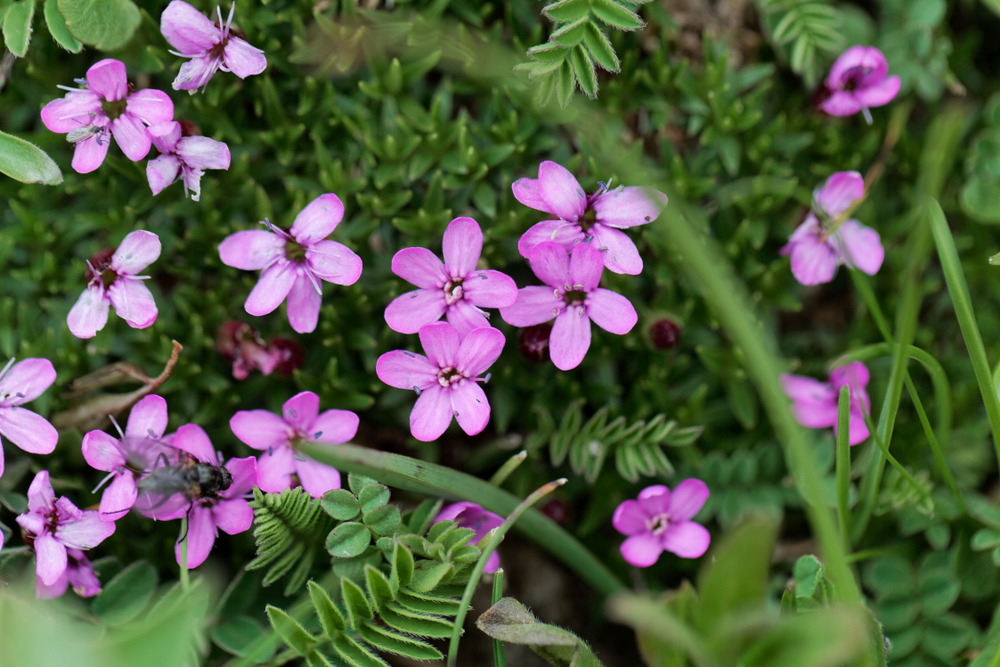
Silene acaulis, commonly known as Moss Campion, is a small, cushion-like plant that grows in the cold, high-altitude regions above the tree line. This low-growing plant thrives in rocky, barren soils, where it forms dense mats of green. Its pink or purple flowers bloom in the short summer, attracting pollinators that help ensure the plant’s survival. Moss Campion is found in alpine regions across North America and Europe, often at elevations above 3,000 meters.
Despite its small size, Moss Campion is incredibly resilient, able to withstand freezing temperatures and strong winds. Its dense growth habit helps protect it from the harsh environmental conditions. Because it survives in such extreme conditions, Moss Campion is considered a symbol of alpine endurance. Collectors and nature enthusiasts alike are drawn to this rare, hardy plant.
Alpine Bellflower (Campanula alpina)
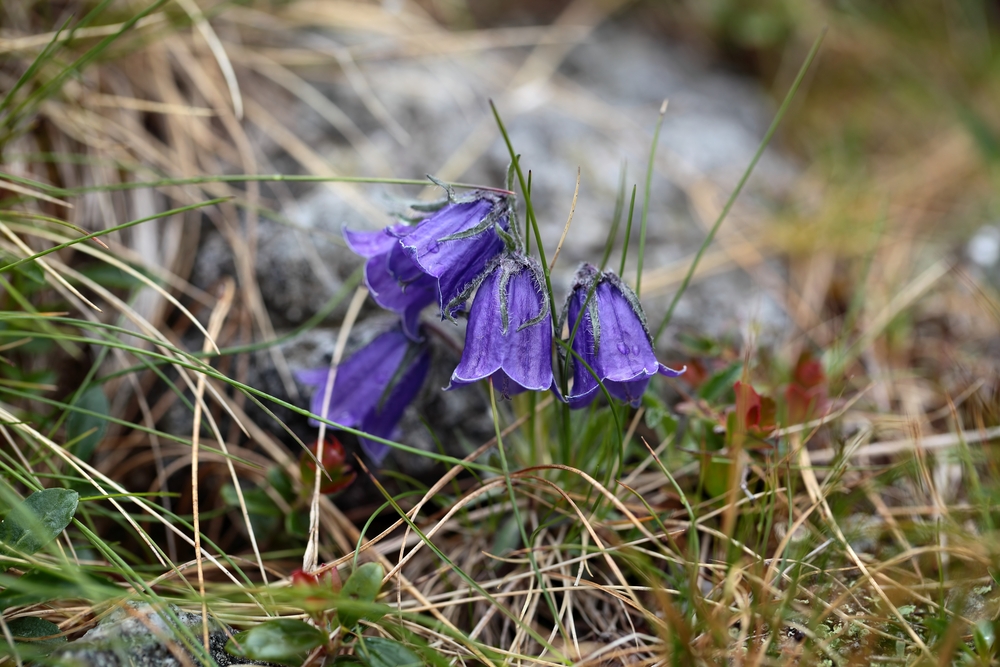
The Alpine Bellflower is a charming plant with bell-shaped flowers that bloom in high mountain regions. This plant thrives in rocky, well-drained soils, where it endures freezing temperatures and high winds. The Alpine Bellflower is often found in alpine meadows, where it provides a splash of color during the short summer. Its ability to survive in such harsh environments makes it a fascinating species for botanists and nature lovers alike.
This flower is known for its resilience, able to withstand the challenges of high-altitude living. Its blue or purple flowers attract pollinators like bees and butterflies, helping to support the local ecosystem. The Alpine Bellflower’s ability to thrive in difficult conditions makes it a rare find in the high mountains. Its striking appearance and unique habitat make it a special plant for anyone interested in alpine flora.
Alpine Sorrel (Oxyria digyna)

Alpine Sorrel is a small plant found in the high, rocky regions above the tree line. Known for its sour, tangy taste, this plant grows in alpine meadows and is often found in areas with short growing seasons. Alpine Sorrel is well-adapted to survive in nutrient-poor soils, where it has developed the ability to tolerate cold temperatures and dry conditions. Its green leaves and small flowers add to the plant’s appeal in high-altitude environments.
The plant’s leaves are edible, and in some regions, they are used in traditional mountain cuisine for their tart flavor. Alpine Sorrel plays an important role in its ecosystem, as it provides food for grazing animals and supports pollinators. Despite its small size, the plant’s resilience in harsh conditions makes it an essential part of alpine ecosystems. It’s a true testament to the survival of plant life in extreme conditions.
Alpine Fleabane (Erigeron alpinus)
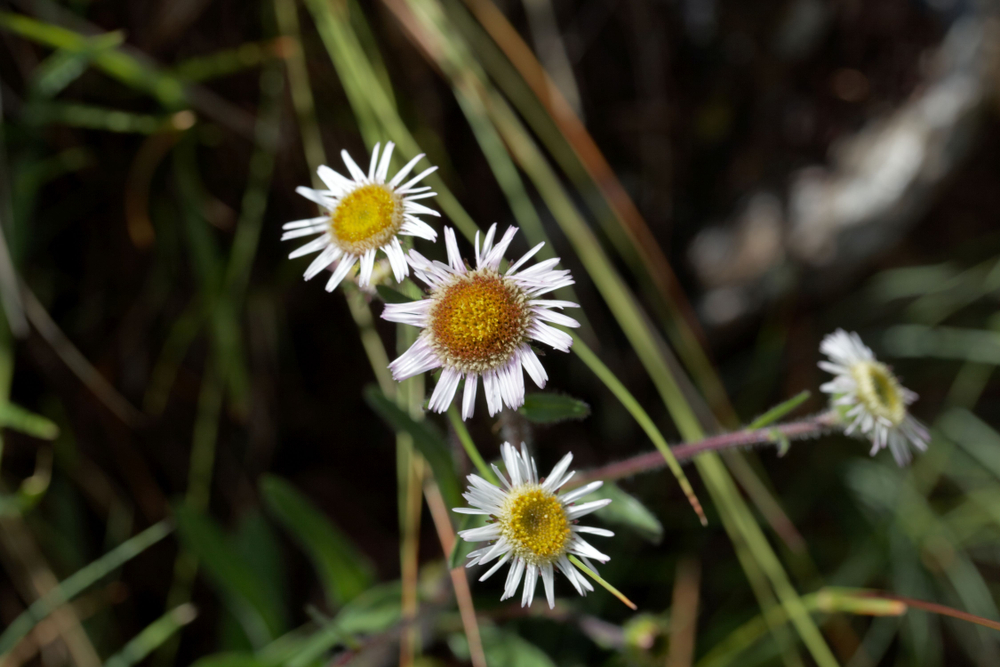
Alpine Fleabane is a hardy flower that grows in the cold, rocky conditions above the tree line. It is often found in alpine meadows, where its purple or white flowers bloom in the summer months. This plant is well-suited to the high-altitude environment, where it can withstand freezing temperatures and high winds. Alpine Fleabane thrives in poor soils, making it a common sight in alpine habitats.
The plant’s ability to endure harsh conditions makes it a symbol of life in extreme environments. Its colorful flowers provide a valuable resource for pollinators during the short growing season. Alpine Fleabane is a vital part of the alpine ecosystem, supporting biodiversity and maintaining the balance of the mountain landscape. Its resilience and beauty make it a favorite among hikers and botanists.
Alpine Cinquefoil (Potentilla crantzii)
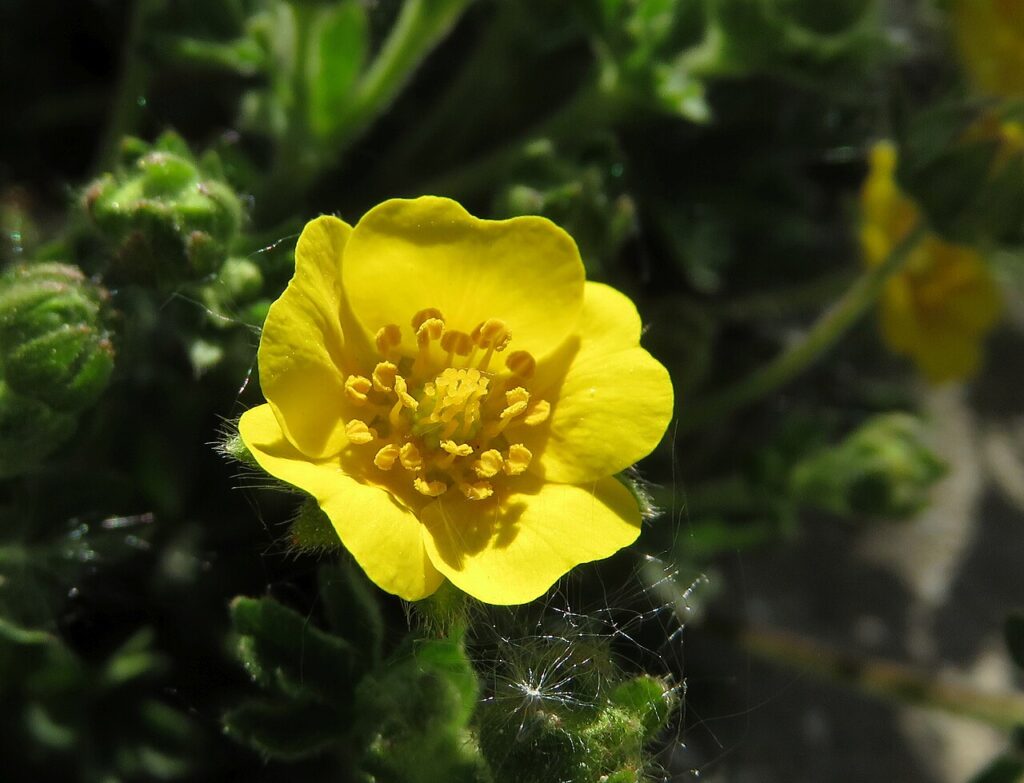
Alpine Cinquefoil is a small, yellow-flowered plant that grows in rocky, high-altitude environments. It thrives in the harsh conditions above the tree line, where temperatures can drop significantly. The plant is often found in alpine meadows and rocky slopes, where it survives in nutrient-poor soils. Despite its delicate appearance, Alpine Cinquefoil is a resilient plant that endures strong winds and low temperatures.
The plant’s bright flowers are a welcome sight in the stark mountain landscape, attracting pollinators during the brief summer season. Alpine Cinquefoil plays a crucial role in stabilizing the soil and supporting the alpine ecosystem. Its ability to survive in such extreme conditions makes it an important species in high-altitude environments. Alpine Cinquefoil is a symbol of the resilience of plant life at the top of the world.
Alpine Toadflax (Linaria alpina)
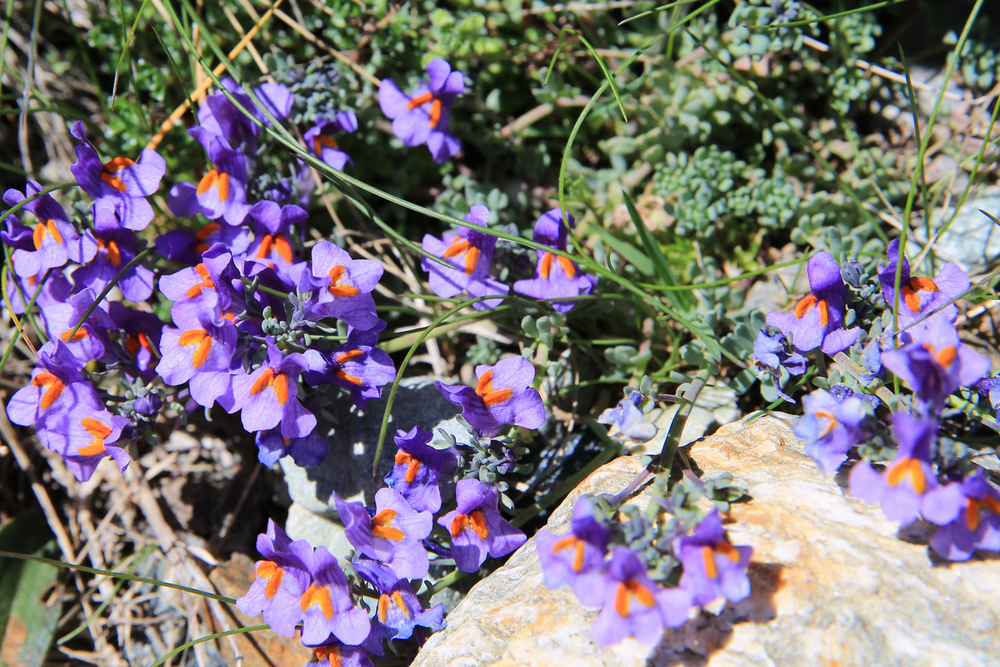
The Alpine Toadflax is a hardy flower that grows in the rocky, high-altitude regions above the tree line. Its purple or yellow flowers add color to the stark mountain landscape, blooming during the short summer season. Alpine Toadflax thrives in cold, dry conditions and can survive in poor soils, making it well-suited for the alpine environment. It is often found in rocky meadows and cliffs, where few other plants can survive.
This plant’s ability to withstand freezing temperatures and harsh winds makes it an essential part of the alpine ecosystem. The flowers of Alpine Toadflax attract pollinators, which help to maintain the biodiversity of the high-altitude meadows. The plant’s resilience and unique appearance make it a valuable addition to any collection of alpine flora. Its ability to thrive in such extreme conditions makes it a symbol of the strength of life in the mountains.
This article originally appeared on Avocadu.