
15 Rare Mosses and Liverworts That Look Like Tiny Forests
When you think of a forest, you might picture towering trees and sprawling landscapes, but did you know that some of the smallest plants can create their own miniature forests? Mosses and liverworts, often overlooked, are masters of this art. These tiny plants form lush, dense mats that look like miniature woodlands, bringing a touch of green to shaded corners and damp spots. Whether growing on rocks, tree trunks, or the forest floor, they create intricate, layered structures that mimic the forests we know and love. Their ability to thrive in moist, shaded environments makes them a crucial part of the ecosystem, offering shelter and moisture to countless small creatures.
This post may contain affiliate links, which helps keep this content free. Please read our disclosure for more info.
Plagiochila spp. (Shiny Leafed Liverwort)
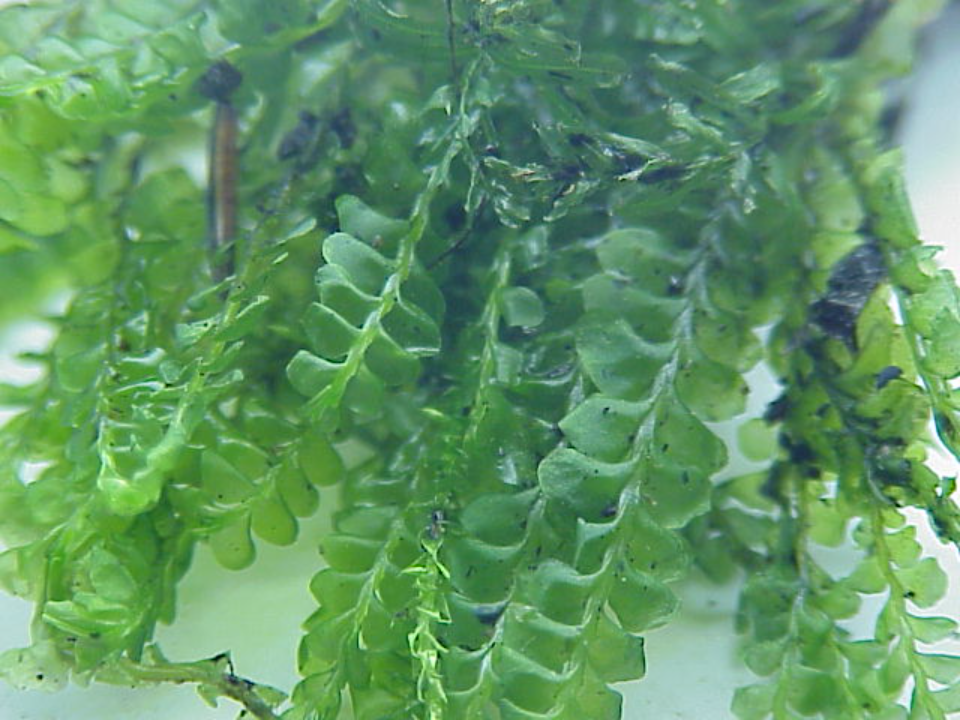
Plagiochila is a genus of liverworts that grow in dense mats, often resembling tiny, vibrant forests. The leaves of this liverwort are distinctively shiny, giving it a polished, almost lacquered appearance. These mosses typically grow in shaded environments, thriving in humid and moist conditions, such as on the forest floor or along streams.
The plant’s intricate leaf arrangement forms overlapping layers, providing a dense texture that mimics the appearance of a miniature woodland. Found in temperate regions around the world, this species is often appreciated for its ability to create a lush, green carpet in shaded areas. Its vibrant green hue is often a striking contrast against the earthy brown tones of the surrounding environment. This moss is a valuable component of the ecosystem, as it provides shelter for small invertebrates and helps maintain soil moisture.
Riccia fluitans (Floating Crystalwort)
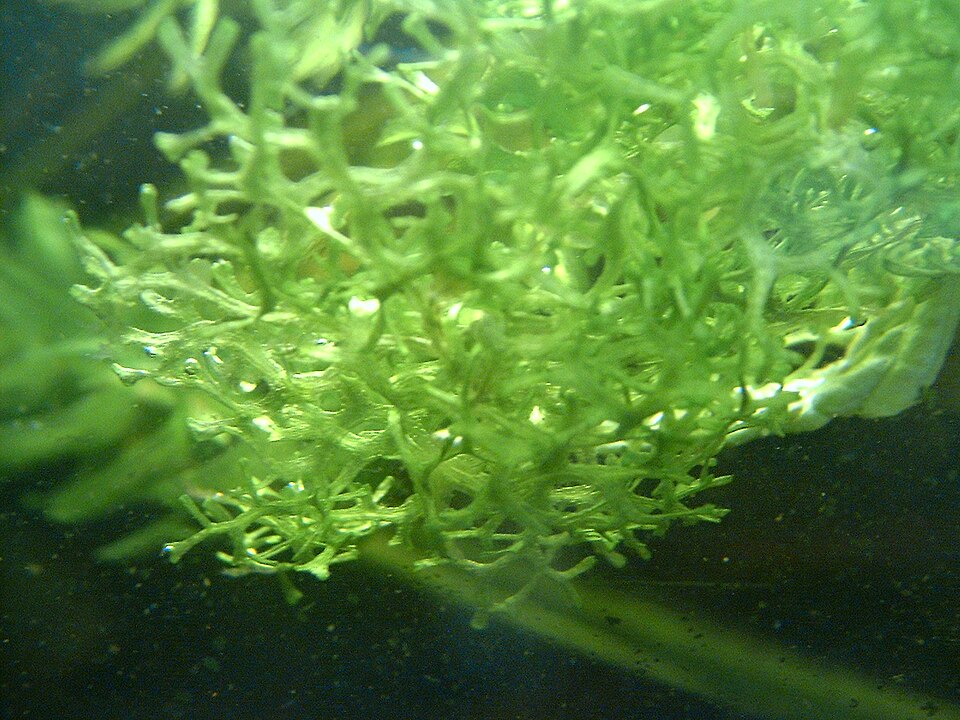
Riccia fluitans, also known as floating crystalwort, is a delicate liverwort that can appear as a floating green mat over water. When it forms dense colonies, it resembles a tiny forest of miniature leaves. It thrives in clear, slow-moving waters, where its green thallus spreads like a carpet across the surface. The small, lobed leaves give it an almost fractal appearance, creating the illusion of a forest when viewed from a distance.
This liverwort is commonly found in freshwater environments across temperate and tropical regions, particularly in ponds and shallow lakes. Its ability to float allows it to act as a natural filter, improving water quality by absorbing excess nutrients. This species is often utilized in aquariums for its aesthetic appeal and its role in creating a healthy aquatic environment.
Marchantia polymorpha (Common Liverwort)
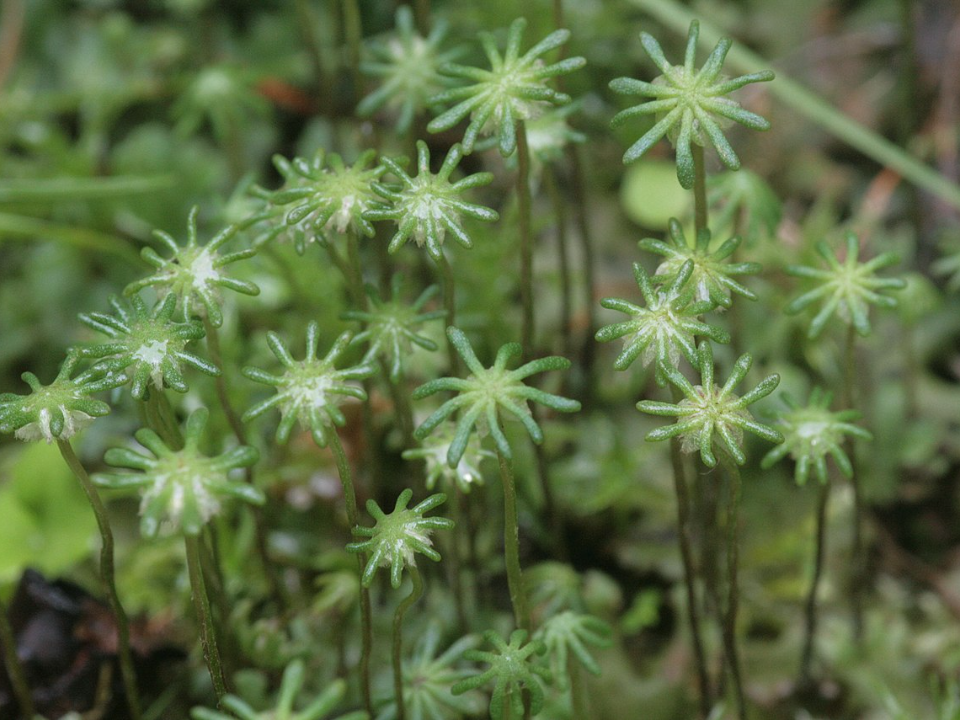
Marchantia polymorpha is one of the most recognizable liverworts, often found in moist, shady areas. Its body consists of a broad, flat thallus, which looks like a tiny forest in miniature, especially when it grows densely. The liverwort thrives in environments such as forest floors, moist rocks, and even along riverbanks. Its unique branching pattern gives it an almost fractal-like structure, with intricate veins running through its leaf-like structures.
This liverwort produces distinctive reproductive structures called gemma cups, which help in its propagation. It is commonly found in temperate and tropical regions, making it one of the most widely distributed liverworts globally. Marchantia polymorpha is an important species for researchers studying plant evolution, as it provides insight into the development of land plants.
Hypnum cupressiforme (Cypress-leaved Plait-moss)
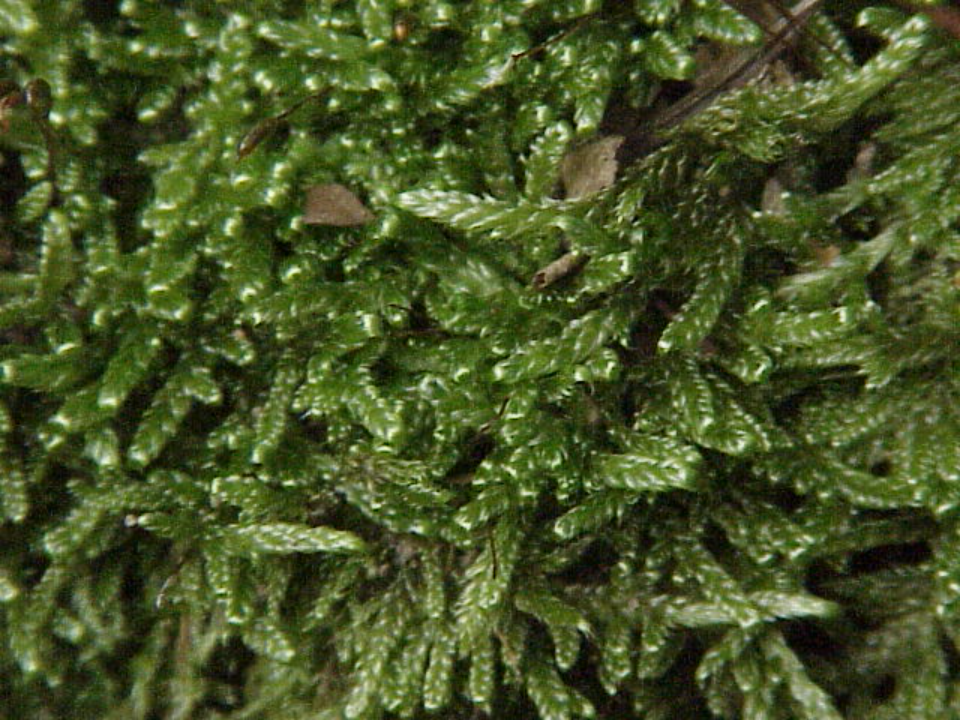
Hypnum cupressiforme, commonly known as the cypress-leaved plait-moss, grows in dense, intertwined mats that can resemble tiny forests. The moss features finely divided leaves with a lush, overlapping structure that contributes to its forest-like appearance. Typically, it thrives in shady, moist environments such as forests, riverbanks, and rock crevices.
The delicate, fern-like texture of its leaves gives it a soft, feathery look, making it a popular choice for moss gardens. This moss species is known for its ability to absorb and retain moisture, which helps prevent soil erosion in forest ecosystems. It also serves as a habitat for various tiny organisms, contributing to the biodiversity of its environment. This moss is widely distributed, found in temperate regions across North America and Europe.
Sphagnum moss (Peat Moss)
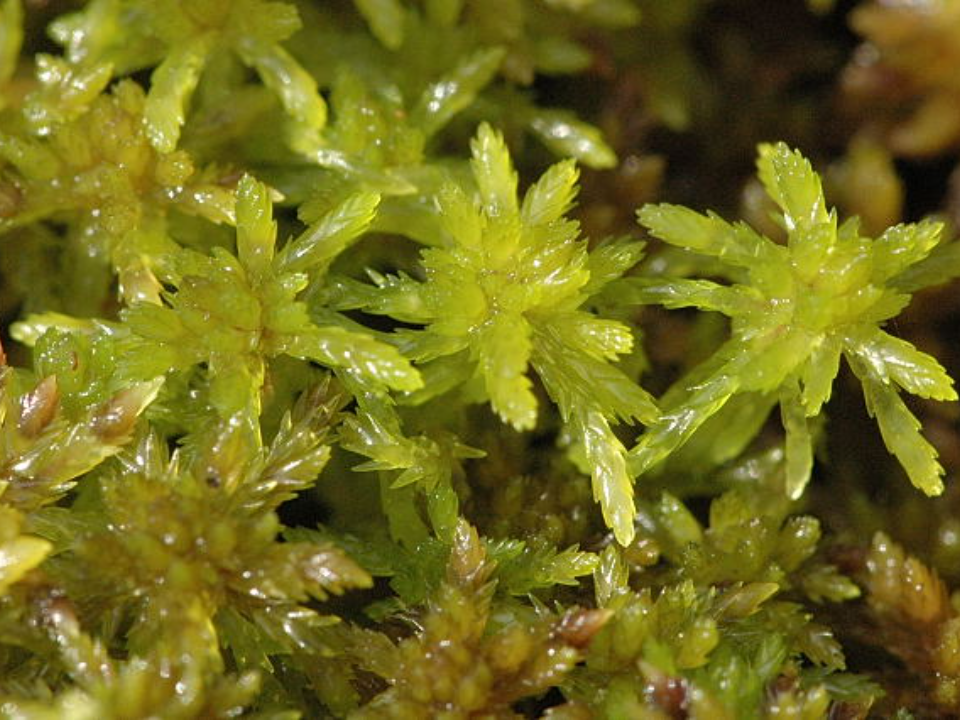
Sphagnum moss is a genus that forms dense, cushion-like mats, often resembling the texture of a miniature forest. It thrives in acidic, waterlogged conditions such as bogs, wetlands, and marshes, where it contributes to the formation of peat. The moss itself is soft and spongy, capable of absorbing large amounts of water, which allows it to create a mini-ecosystem for small organisms.
The branches of Sphagnum are often arranged in dense clusters, giving the appearance of a small forest under the right conditions. Sphagnum moss plays a critical role in carbon storage and soil formation, which makes it essential to wetland ecosystems. This moss is also used in gardening, particularly in the creation of terrariums or as a soil amendment due to its moisture-retaining properties. The vibrant green or yellow-green color of the moss provides a striking contrast to the darker hues of surrounding plants.
Anthelia julacea (Fringed Liverwort)
Anthelia julacea is a unique liverwort that forms clusters of small, cup-like structures, giving it the look of a tiny, clustered forest. The liverwort grows in a range of habitats, including damp rocks and shaded forest floors, often in moist conditions where it can spread out in dense mats. Its lobed structures are often green and yellowish, with a fringe-like edge that gives the plant a distinctive, fringed appearance.
This species thrives in tropical and subtropical regions, where it adds texture and color to the landscape. Like other liverworts, it plays a vital role in its ecosystem, helping to stabilize soil and retain moisture. The plant’s ability to form dense colonies makes it a popular choice for cultivating in terrariums, where its tiny, intricate structure can create the illusion of a lush, miniature forest. It is also valued by researchers for its resilience in diverse growing conditions.
Lophocolea bidentata (Lobed Liverwort)
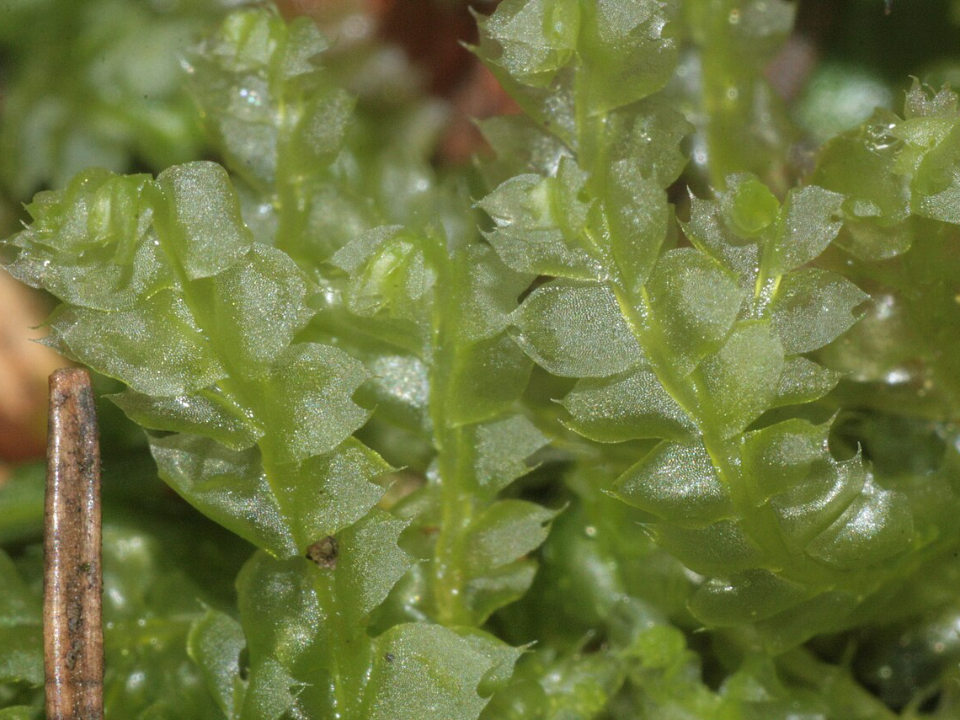
Lophocolea bidentata is a species of liverwort with large, distinctly lobed leaves, giving it a forest-like appearance when growing in dense colonies. It prefers to grow in humid, shaded environments, where it thrives in moist, nutrient-rich soil. The lobed structures of the leaves give this liverwort an almost fern-like look, with overlapping layers that form dense, textured mats.
This species is commonly found in temperate regions and plays an essential role in the local ecosystem by preventing soil erosion and retaining moisture. It also provides a home for small invertebrates, such as insects and spiders. In terms of cultivation, it is used in some specialized moss gardens, adding depth and texture to the landscape. Lophocolea bidentata has become popular among those interested in using moss for decorative purposes due to its unique shape and vibrant green hue.
Frullania tamarisci (Tamarisk Liverwort)
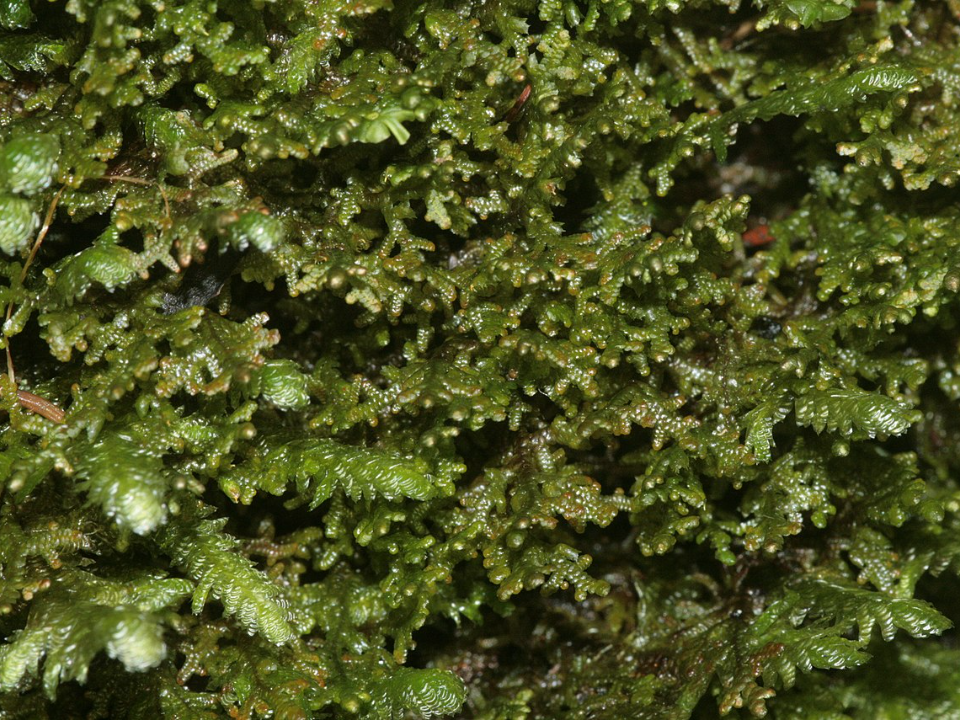
Frullania tamarisci, also known as the tamarisk liverwort, grows in small, tightly packed colonies that resemble a tiny, delicate forest when observed closely. It has a distinct, layered appearance, with small, overlapping leaves that provide a dense, textured look. This liverwort is typically found on tree trunks, rocks, or even fences in humid, shady environments.
The plant is notable for its ability to tolerate a wide range of environmental conditions, from temperate to subtropical climates. As it grows, it forms a lush, green carpet that enhances the natural beauty of its surroundings. Frullania tamarisci is often found in old forests or areas where trees have begun to decay, creating a vibrant ecosystem for microfauna. Its ability to grow on vertical surfaces also makes it an interesting choice for moss enthusiasts looking to add texture to walls or other structures.
Tetraphis pellucida (Transparent Moss)
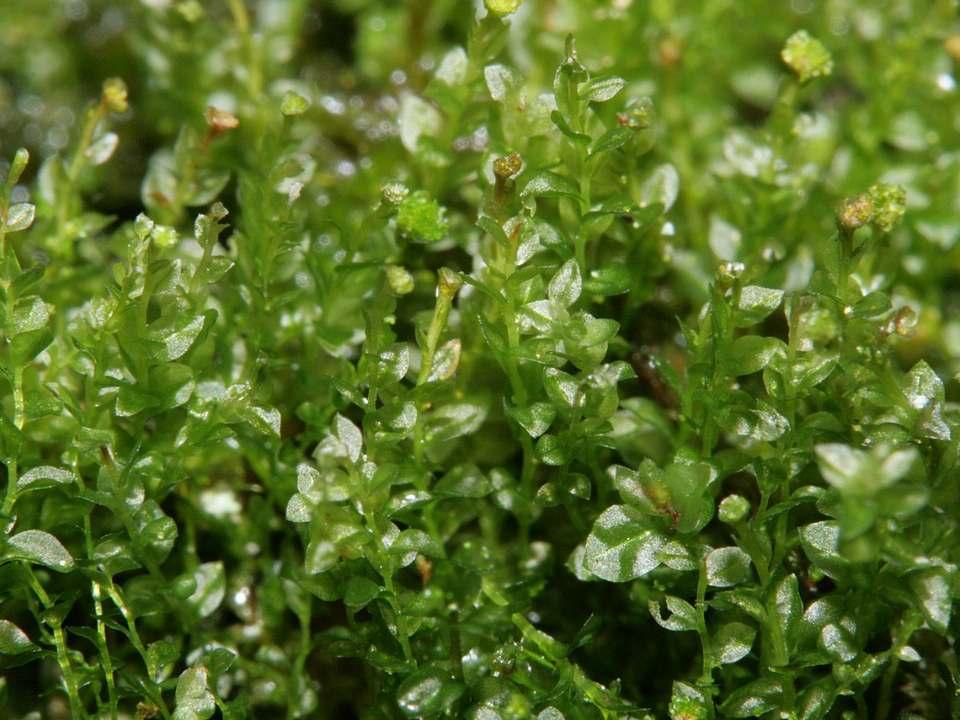
Tetraphis pellucida is a fascinating moss that grows in dense patches, creating the appearance of a tiny, delicate forest. The moss is characterized by its translucent, glass-like leaves that give it an ethereal quality when seen in the right light. It grows in shaded, moist environments, often in forested areas or on decaying logs where it can form dense mats. The plant’s unique structure allows light to pass through its leaves, giving it a shimmering, almost magical appearance.
Tetraphis pellucida plays an important role in its habitat by providing ground cover that helps retain moisture and supports a variety of small organisms. It is a species that thrives in temperate climates, where it can be found growing in the understory of forests or along the edges of streams. Its aesthetic appeal has made it popular in moss gardens and as an accent plant in terrariums.
Aneura pinguis (Fat Liverwort)
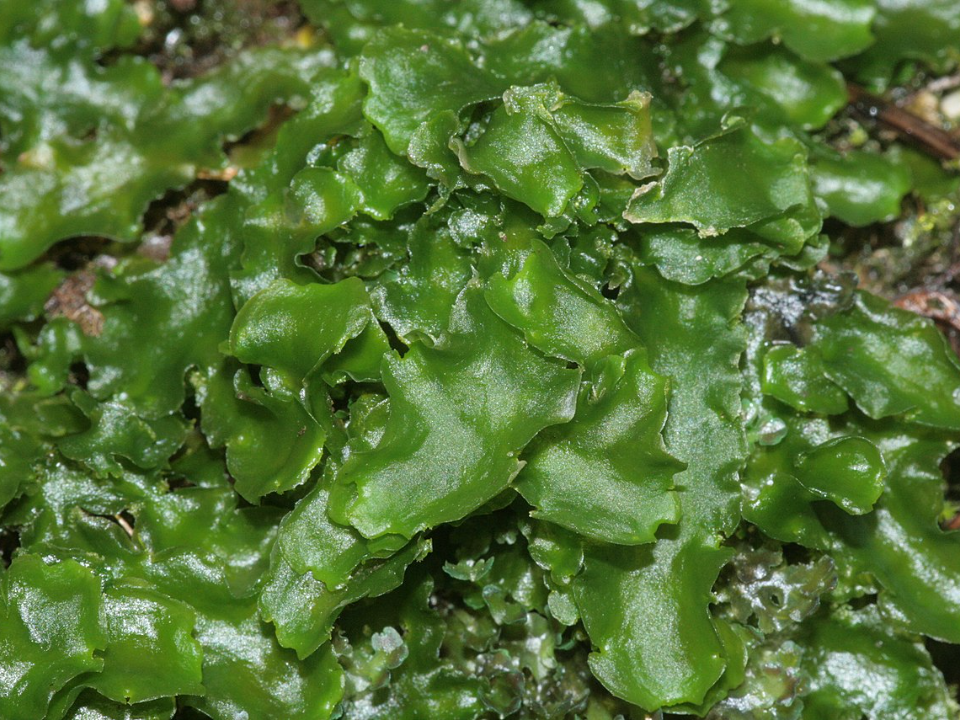
Aneura pinguis, also known as fat liverwort, forms large, fleshy mats that give it the appearance of a tiny, dense forest. The plant’s leaves are thick and fleshy, with a distinct bluish-green hue that stands out in shaded areas. Typically found in damp, nutrient-rich soils, it thrives in temperate forest ecosystems where moisture is abundant. The structure of this liverwort is robust and leathery, making it one of the more resilient mosses to grow.
Its dense mats can accumulate in shady, forested areas, where it contributes to the overall health of the ecosystem by helping to retain soil moisture and prevent erosion. Aneura pinguis is an important habitat for microfauna, offering a protective shelter for tiny insects and microorganisms. Its unique appearance and resilience make it a popular choice for collectors of rare mosses and liverworts.
Plagiochila asplenioides (Asplenium-like Liverwort)
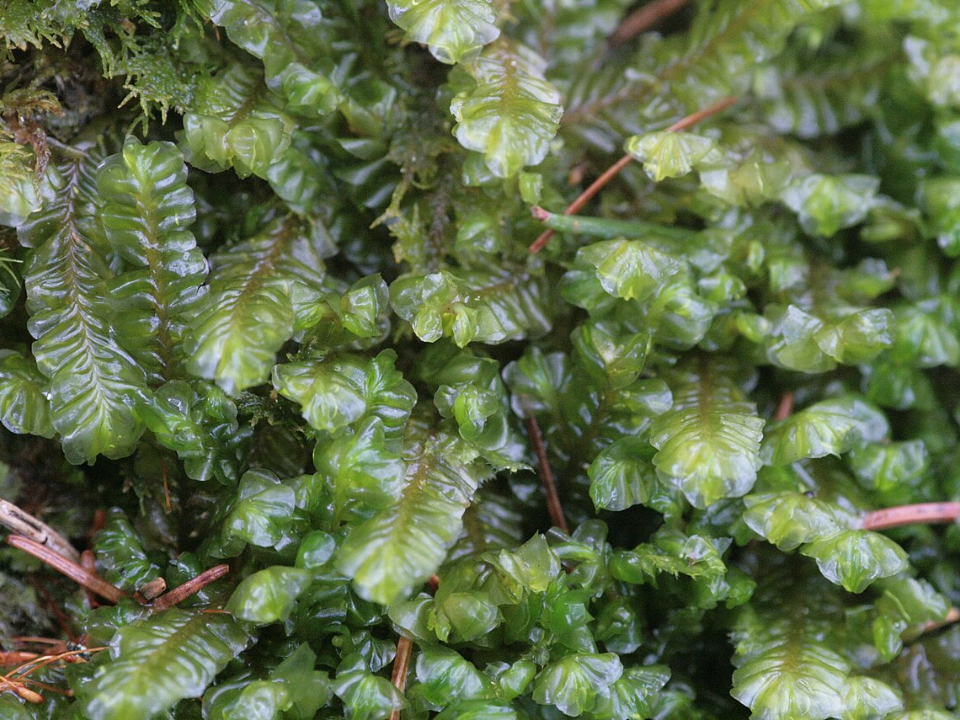
Plagiochila asplenioides is a liverwort that closely resembles a miniature fern, making it look like a tiny, delicate forest when it grows in dense mats. Its long, linear leaves are deeply lobed, giving it an intricate and feathery appearance. This liverwort prefers shaded, humid environments such as forest floors or moist, rocky outcrops.
The plant’s natural habitat is typically in temperate regions where it thrives in the cool, damp conditions of moss-rich ecosystems. It plays a vital role in preventing soil erosion and helping to stabilize the ground. The thick, overlapping leaves form intricate networks that provide a dense, green carpet underfoot, enhancing the lush forest environment. This species is admired for its unique fern-like structure and is often cultivated for its ornamental value in shaded moss gardens.
Riccardia multifida (Forked Liverwort)
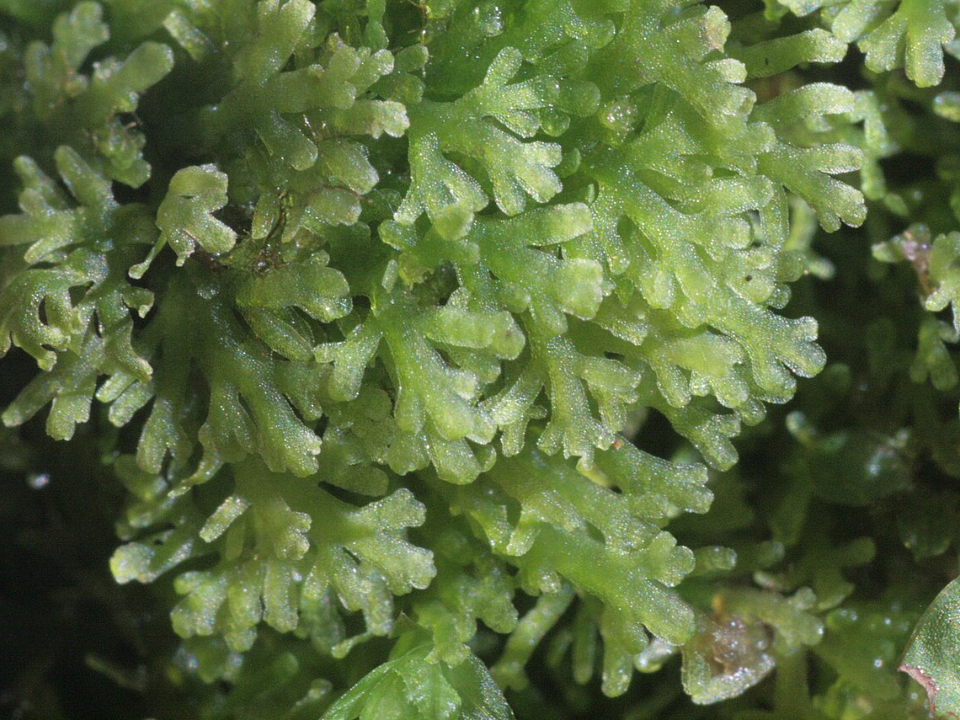
Riccardia multifida is a small, forked liverwort that forms intricate, branched colonies resembling a miniature, highly detailed forest. The plant’s lobed leaves grow in a symmetrical pattern, creating a dense, textured mat that provides habitat and shelter for various small organisms. It thrives in moist, shaded environments, often found growing on the forest floor or along the edges of streams.
Its ability to form dense clusters of tiny, forked structures makes it stand out among other liverwort species. Found in temperate regions, this liverwort prefers nutrient-rich soil and shaded areas where it can establish its dense mats. Riccardia multifida is often used in creating moss gardens or terrariums, where its unique branching pattern adds texture and interest. This species is not only visually striking but also ecologically valuable for its role in maintaining soil structure and moisture levels.
Bazzania trilobata (Three-lobed Liverwort)
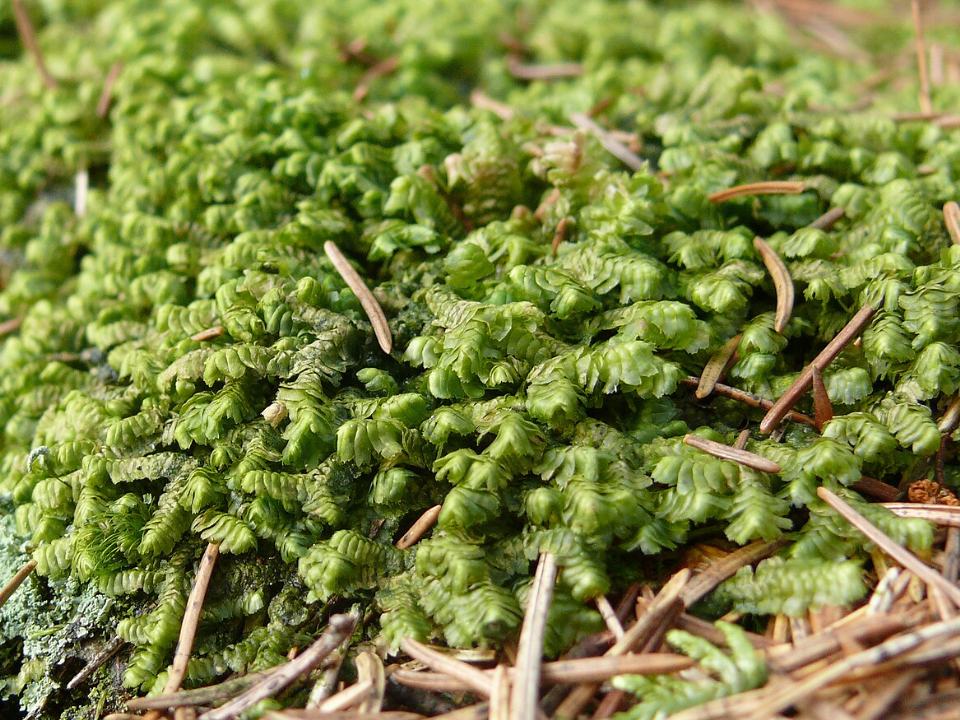
Bazzania trilobata, or the three-lobed liverwort, is named for its distinct three-lobed leaf structure that forms dense mats resembling miniature forests. The liverwort’s leaves are shiny and leathery, with a deep green color that is often a striking contrast to its surrounding environment. This species is commonly found in tropical and subtropical regions, where it thrives in shaded, humid conditions.
The overlapping leaves create a rich, textured layer on the forest floor, helping to retain moisture and create a stable habitat for small creatures. Bazzania trilobata is often seen growing on decaying wood or in dense forest understories, where its dense mats can be easily overlooked unless one is paying attention. Its ability to form thick, cushion-like colonies is what makes it such an interesting specimen for collectors and moss enthusiasts. It’s valued for its ornamental properties, often used in terrariums or as ground cover in shaded garden spaces.
Lophocolea heterophylla (Varied-leaved Liverwort)
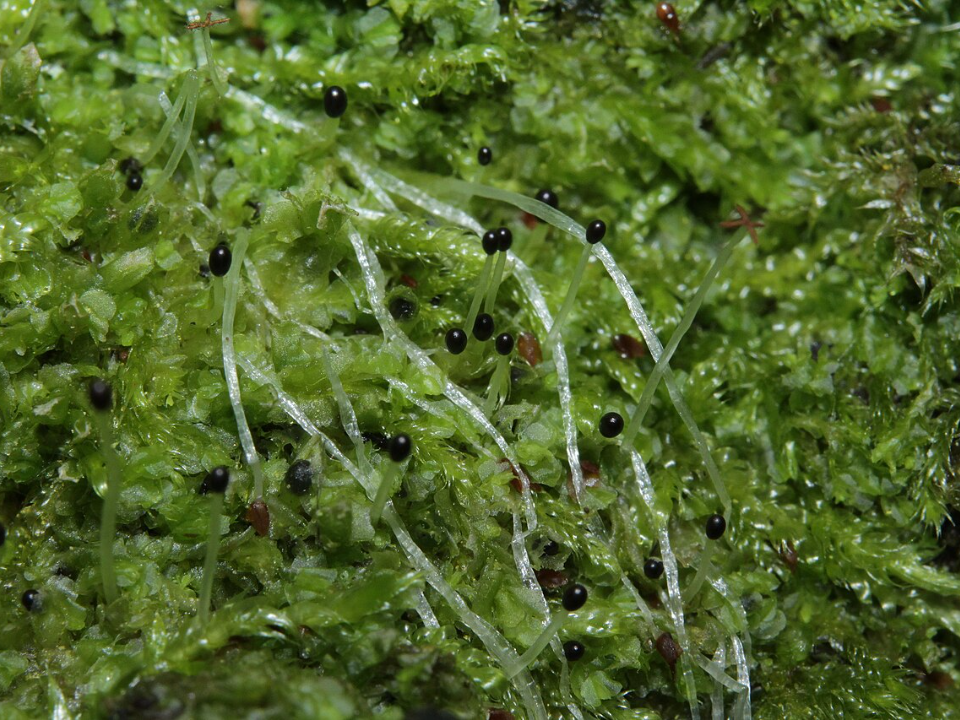
Lophocolea heterophylla is a unique liverwort that displays highly variable leaf shapes, giving it the appearance of a diverse and intricate miniature forest. Its leaves can range from broad to narrow, creating a layered effect as they overlap in dense mats. This liverwort is typically found in shaded, damp environments, where it thrives on the forest floor or along the edges of streams and wet rocks.
The plant’s distinctive shape and leaf arrangement make it a popular choice for those interested in the diversity and complexity of mosses and liverworts. Lophocolea heterophylla’s dense growth helps prevent soil erosion and contributes to the stabilization of its environment by retaining moisture. It also provides valuable habitat for tiny insects and other small organisms that rely on the protection of the liverwort. This species is typically found in temperate climates, where it forms lush green carpets in moist, shaded areas.
Lunularia cruciata (Moon Liverwort)
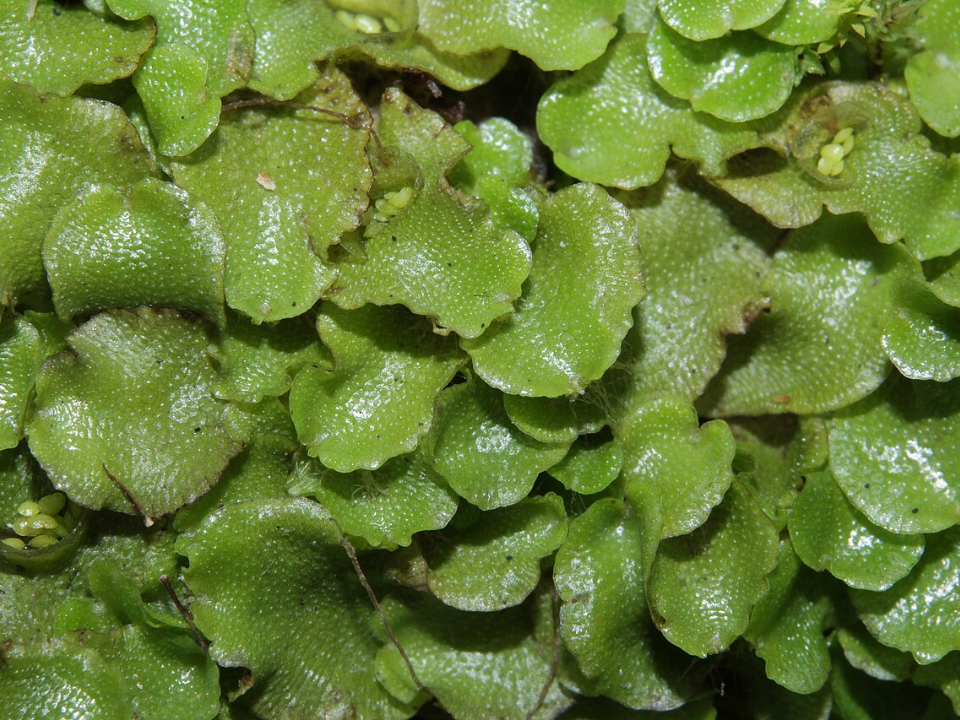
Lunularia cruciata, commonly known as the moon liverwort, is a distinctive species that forms dense, disk-shaped colonies resembling tiny, circular forests. The liverwort’s leaves are crescent-shaped, often giving the plant a moon-like appearance. It thrives in moist, shaded environments, often growing on the surface of rocks or on the ground in humid forests.
Its ability to form tight, circular patterns adds a unique aesthetic to the forest floor, providing a lush carpet of green. Lunularia cruciata is typically found in temperate and tropical regions, where it enjoys high humidity and moderate temperatures. Its distinct, circular leaf structure makes it a favorite among collectors and moss enthusiasts, who appreciate its ornamental value and rarity. This liverwort is also important ecologically, as it helps retain moisture and provides shelter for small invertebrates.
This article originally appeared on Avocadu.