
13 Rare Model Train Pieces Collectors Hunt Down for Years
Model train fans often talk about the ones that got away, the rare cars and engines they saw once and have been trying to track down again. Pieces that keep collectors interested usually have strong stories behind them, such as a link to a real historic route, a short-lived maker, or a unique factory run. Condition matters too, with original decals, smooth wheels, and unbroken details helping a model stand out from piles of common rolling stock.
This post may contain affiliate links, which helps keep this content free. Please read our disclosure for more info.
1934 Lionel Standard Gauge 400E State Set
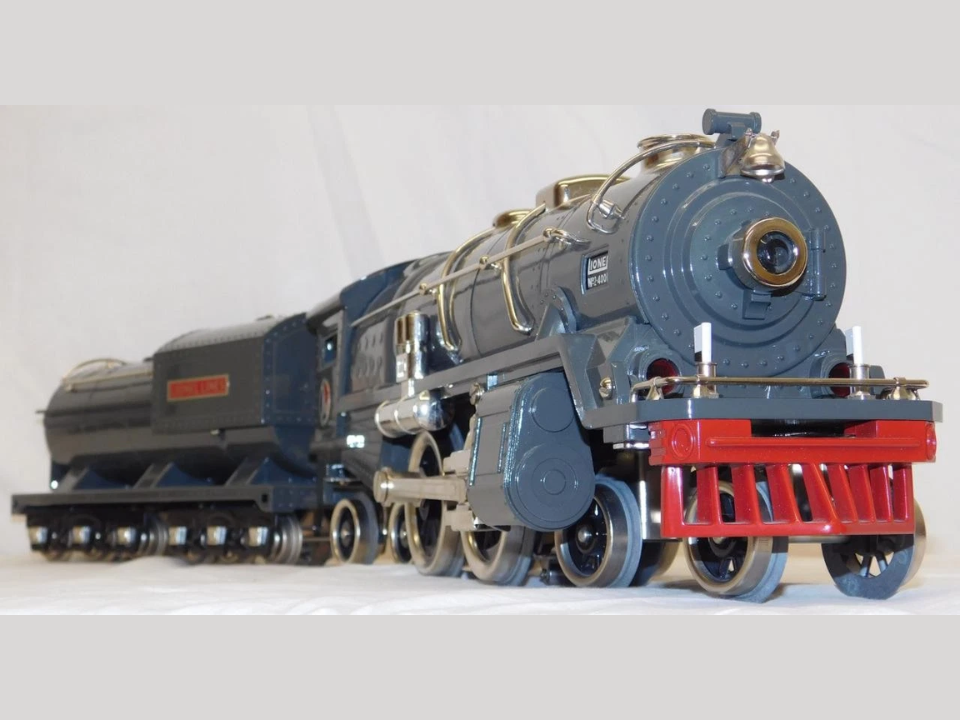
Among classic Lionel pieces, the standard gauge 400E with State passenger cars from around 1934 sits near the top of many wish lists. This large set was produced by Lionel in the mid 1930s and paired a powerful 400E steam locomotive with heavy, detailed State series cars. The best feature is the combination of sheer size and elegant trim that makes the whole train look like a miniature luxury express on the track. In today’s market, a complete high grade set with original boxes can reach roughly $150,000 to $250,000.
Serious buyers look for strong paint, matching State cars, original inserts, and crisp labels on every box. Even small chips, mismatched cars, or later replacement parts can bring the value down sharply. When all the colors still look rich and the metal trim shines evenly, the set becomes a true centerpiece for a standard gauge display. The main appeal comes from seeing the full train glide along the rails as one impressive scene.
Brass Prototype Lionel 700E Hudson
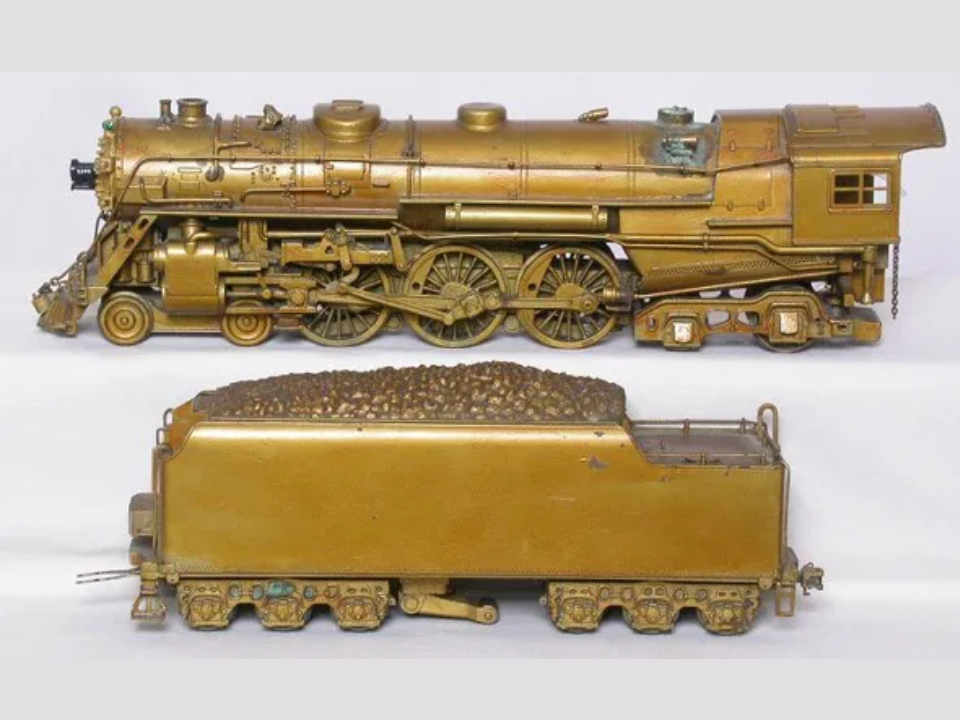
In the Lionel world, the brass prototype of the 700E Hudson from the late 1930s feels almost like a museum showpiece. Lionel created this model as a design and display locomotive rather than a regular catalog item, which keeps the number of survivors extremely small. Its best feature is the all brass construction that shows factory workmanship and detail in raw metal form. A fully documented example today can reasonably fall between about $70,000 and $100,000, depending on condition and history.
Documentation plays a huge role when people try to judge this locomotive, since fakes or altered pieces would seriously affect value. Collectors want original finish, correct parts, and strong evidence that ties the model back to Lionel offices or early display layouts. Any polishing, replacement detail, or heavy repair can soften interest and push prices down. The great attraction comes from owning a design stage version of a famous Lionel engine instead of only the production model.
Lionel 2 7-8 Gauge 200 Electric Express Motorized Gondola
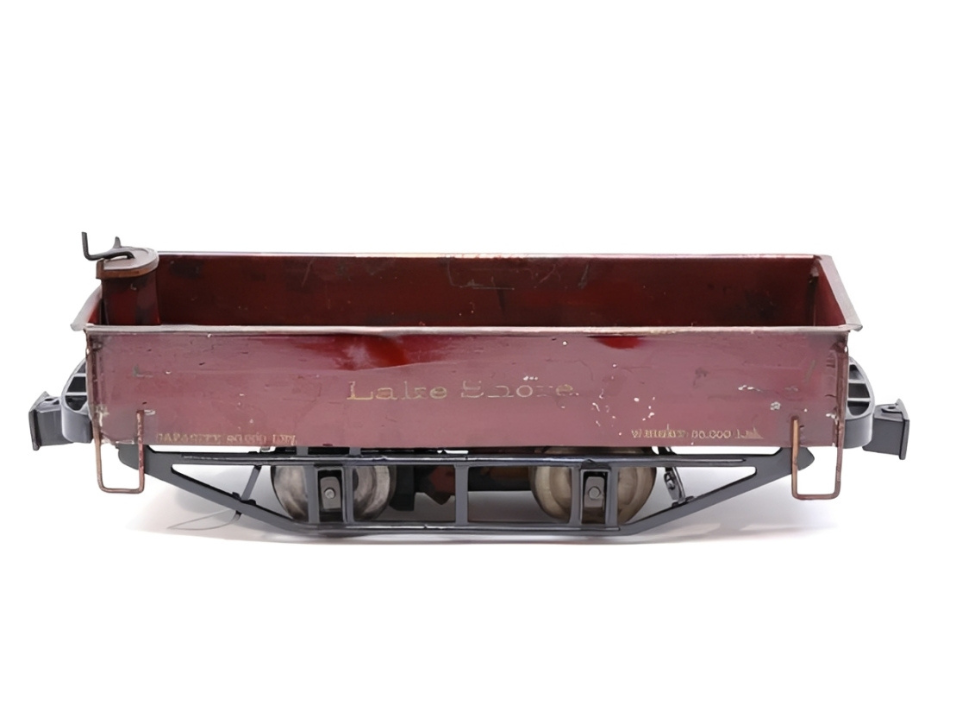
From the very early days of the company, the Lionel 2 7-8 gauge 200 Electric Express motorized gondola stands apart from later trains. This car dates to the early 1900s and was designed as a store display piece that moved small goods along a track in a shop window. Its best feature is the clever motorized gondola body that lets cargo ride inside while the car itself does the work, which would have caught many shoppers’ eyes. A surviving example in strong original condition can bring roughly $25,000 to $50,000 in today’s market.
Condition on these early cars can vary widely, so patient inspection of the paint, motor, and wheels is essential before anyone sets a price. Original early track sections and accessories, if present, can strengthen the package further. Heavy repainting or improvised repairs may keep the car running, but will hold value down. The draw of this piece comes from its role as a bridge between a window display gadget and the model train hobby that followed.
Lionel 700E Scale Hudson Production Locomotive
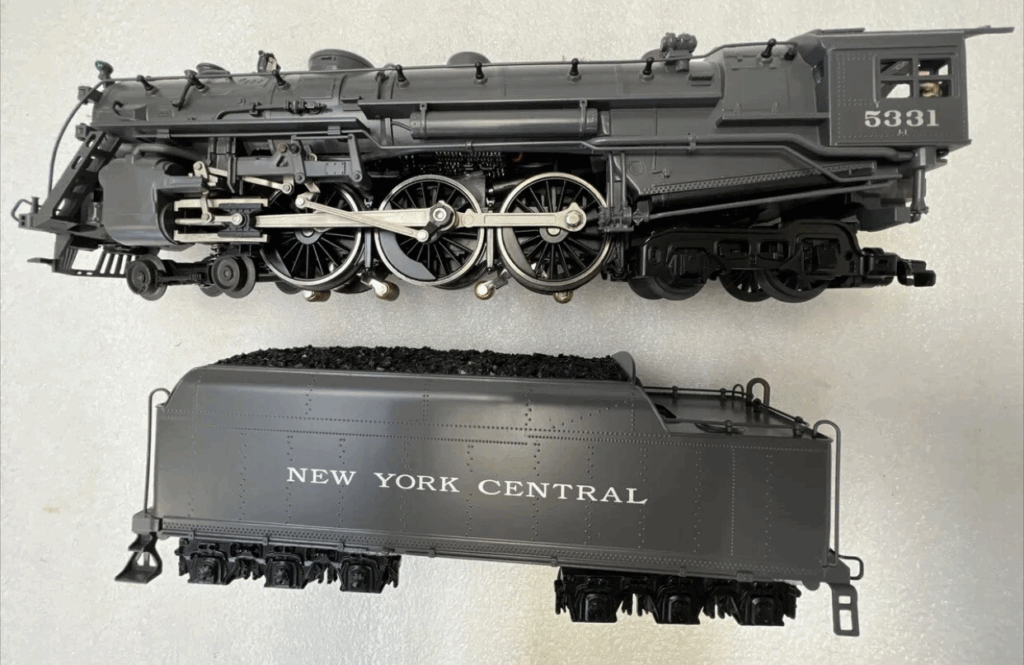
For many fans of O gauge steam, the regular production 700E Hudson from about 1937 to 1940 is the classic Lionel engine. This locomotive was built by Lionel with fine piping, accurate driver spacing, and a matching tender that suited serious hobbyists of the era. The best feature is the blend of scale proportions and strong performance that lets it look and run well on a layout. A clean original engine and tender typically sit in the $2,000 to $3,000 range, with especially nice examples reaching a bit higher.
When a collector studies a 700E in person, the first concern is usually the condition of the die cast body. Cracks, missing trim, and signs of metal fatigue can lower the value quickly, even when the engine still runs. Original paint, clear lettering, and a tender that matches correctly add strength to the final price. The special charm of this model comes from watching a serious looking steam locomotive roll through realistic curves in O scale.
Lionel Girl’s Train Set 1957
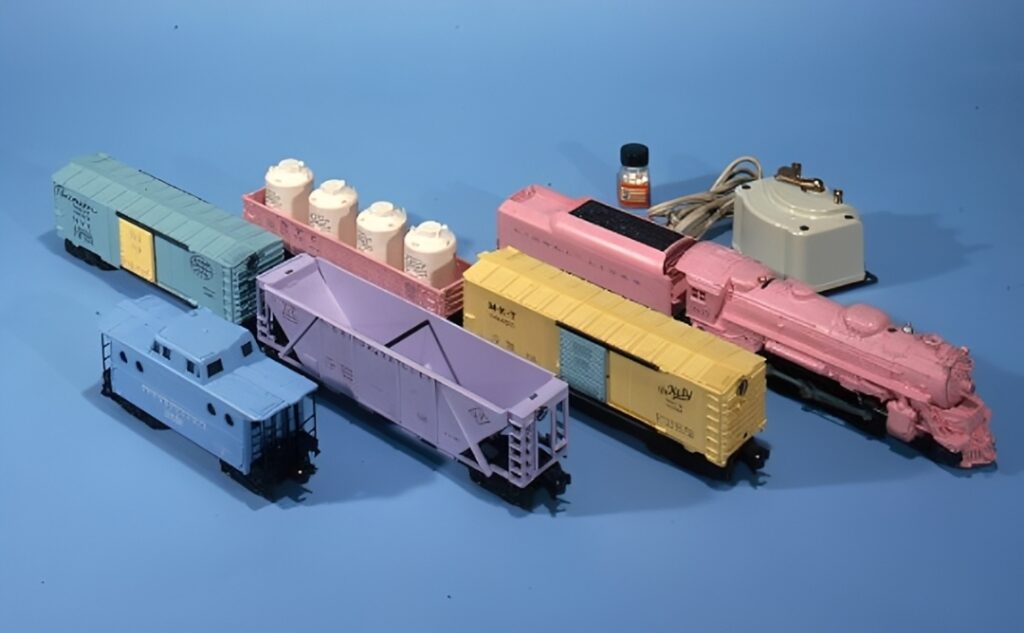
Viewed among postwar Lionel sets, the 1957 Girl’s Train stands out instantly because of its unusual color choices. Lionel released this O gauge set with a pink locomotive and pastel cars at a time when most trains used dark railroad schemes. Its best feature is the playful color palette, which turns a standard freight train into something that looks like a toy store window from the mid century period. In high grade with boxes, values often fall between about $3,000 and $9,000, depending on condition and demand.
People who shop for this set pay close attention to how bright and even the pastel shades still appear. Repaints, swapped cars, or missing boxes will pull the value down, though even incomplete sets can draw strong interest. When all the pieces are present and the paint remains clean, the train tends to stand out on any display table. The appeal lies in how it breaks away from dark railroad colors while still being a true Lionel product.
Lionel Brute Standard Gauge Locomotive
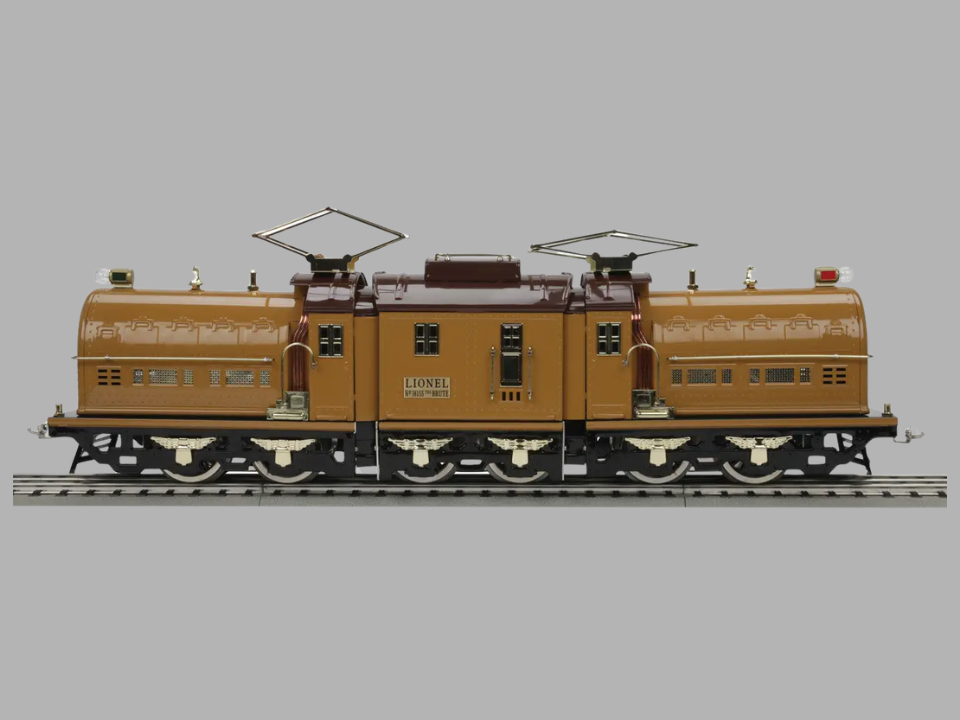
One of the most imposing standard-gauge locomotives that Lionel made is the Brute from the late 1920s. This huge electric outline locomotive was produced in very small numbers and designed to pull large, heavy cars. The best feature is its sheer size, with a long body, tall profile, and rich trim that make it an instant focal point on any layout. A genuine original Brute with strong paint and good documentation can fall somewhere between about $75,000 and $125,000.
Careful buyers will inspect every casting and corner on a Brute, since repairs on such a large body rarely hide well. Over the years, several reproductions have appeared, so serious collectors study records and photos closely before a purchase. Even among advanced collections, a real Brute is uncommon, which keeps interest high whenever one is offered. The thrill comes from watching such a massive locomotive inch forward under its own power on classic tinplate track.
Lionel 2360 Single Stripe Pennsylvania GG1
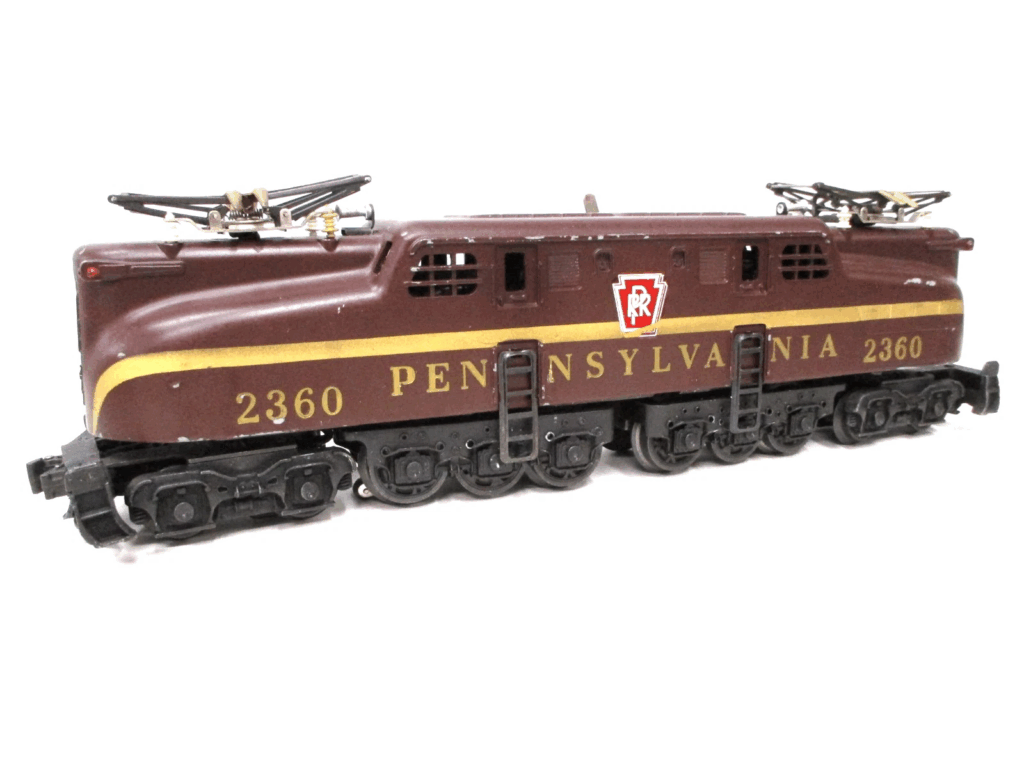
Within the postwar era, the Lionel 2360 Tuscan Pennsylvania GG1 with a single stripe from about 1957 has steady appeal. Lionel modeled this electric after the real GG1 and finished it in Tuscan red with one gold stripe and PRR lettering. Its best feature is the elegant body shape, which mirrors the full-size locomotive while still fitting classic O gauge curves. A clean example with strong paint and a good box can sit in the $400 to $700 range.
Owners who want top dollar for this GG1 keep the stripe clean and protect the roof and edges from new chips. Collectors watch for original pantographs, insulators, and factory-style lettering, since replacements can lower interest. Engines that still run smoothly while showing only gentle wear usually sit at the upper end of the value spread. The main charm comes from watching that long, streamlined body glide past a row of tinplate catenary poles.
Lionel 6464 Western Pacific Boxcar Rare Variation
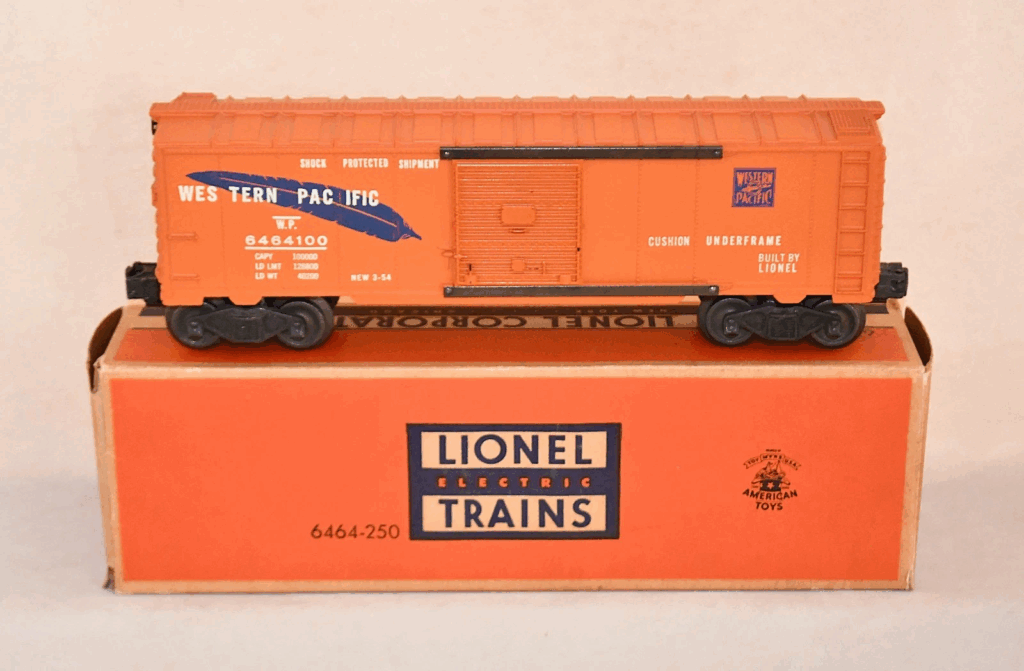
Boxcar fans often place the Lionel 6464 Western Pacific from the 1950s high on their hunting list, especially rare variations. Lionel released this car in silver with dark lettering and produced several small changes in paint shade, lettering style, and door design. Its best feature is the bright silver body with strong Western Pacific graphics, which stands out sharply when the car rolls in a freight train. Rare variations in high grade can reach around $300 to $600, while common ones sit lower.
Exact details such as shade of silver, letter style, door design, and truck type decide whether a car is common or a prize. Factory errors or unusual early runs can turn an ordinary-looking boxcar into a serious target. Original boxes in good condition raise interest further, especially when the stamps match the variation.
Marklin CCS 66 12920 Crocodile O Gauge
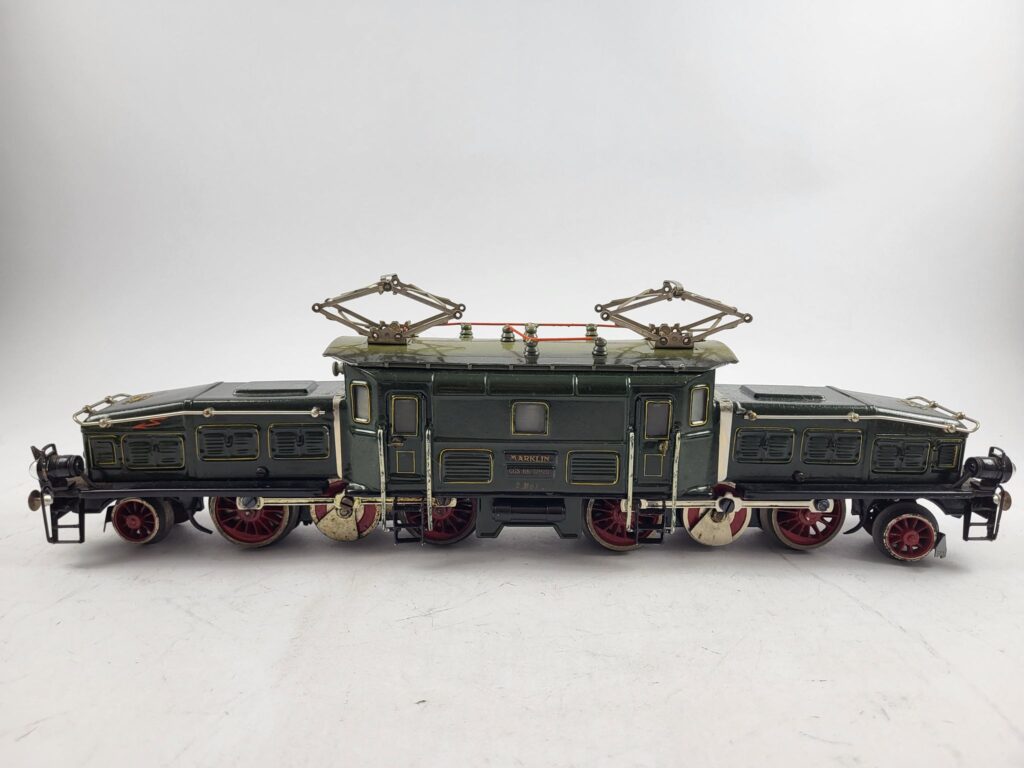
Among Marklin locomotives, the CCS 66 12920 Crocodile in O gauge from the mid 1930s holds nearly legendary status. This articulated electric was built by Marklin with a heavy metal body and detailed running gear that make it impressive in both size and motion. The best feature is the jointed frame that lets the locomotive bend smoothly through curves while both ends carry serious weight and detail. Well kept examples with original boxes can reach from about $10,000 to $25,000, depending on grade and completeness.
Close examination of a CCS 66 12920 starts with its paint and pantographs, since wear in those areas tells a lot about a train’s life. Collectors also check wheels, couplers, and screws to see whether parts still match factory style. Restored or heavily repaired locomotives can look attractive, yet they usually bring less than untouched originals. The main draw comes from seeing that long articulated body move like a real electric through tight model curves.
Marklin ST 800 Streamlined Diesel Railcar
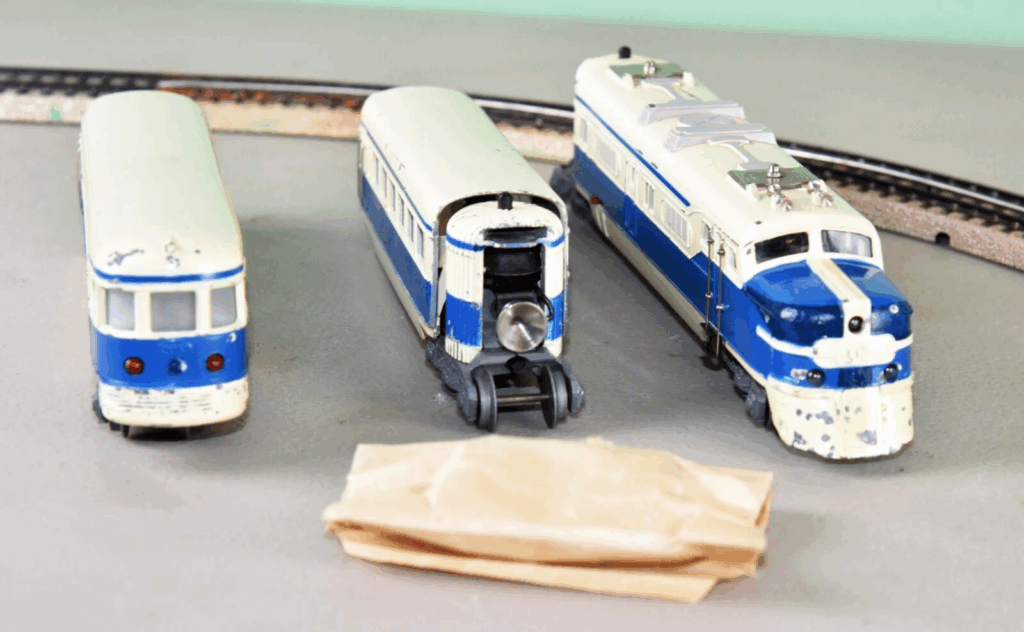
Fans of early European streamliners are always drawn to the Marklin ST 800 diesel railcar from the late 1930s and 1940s. Marklin built this HO gauge unit with an articulated body and matching coaches, often sold as a complete set in a special box. Its best feature is the smooth rounded streamlined shape that captures the look of early diesel passenger trains on the continent. Depending on version and condition, values for a complete set can fall anywhere from about $1,500 to $4,000.
Every ST 800 set rewards a methodical check of the castings, the joints, and the motor before a buyer agrees to the asking price. Sets that keep their original coaches, transformer, and box often rise above the rest. Restored examples can still be fun to run, yet untouched pieces in strong condition usually draw more competition. The big appeal of the ST 800 is how it presents a full miniature streamliner in one coordinated metal set.
Marklin SK 800 Steam Locomotive
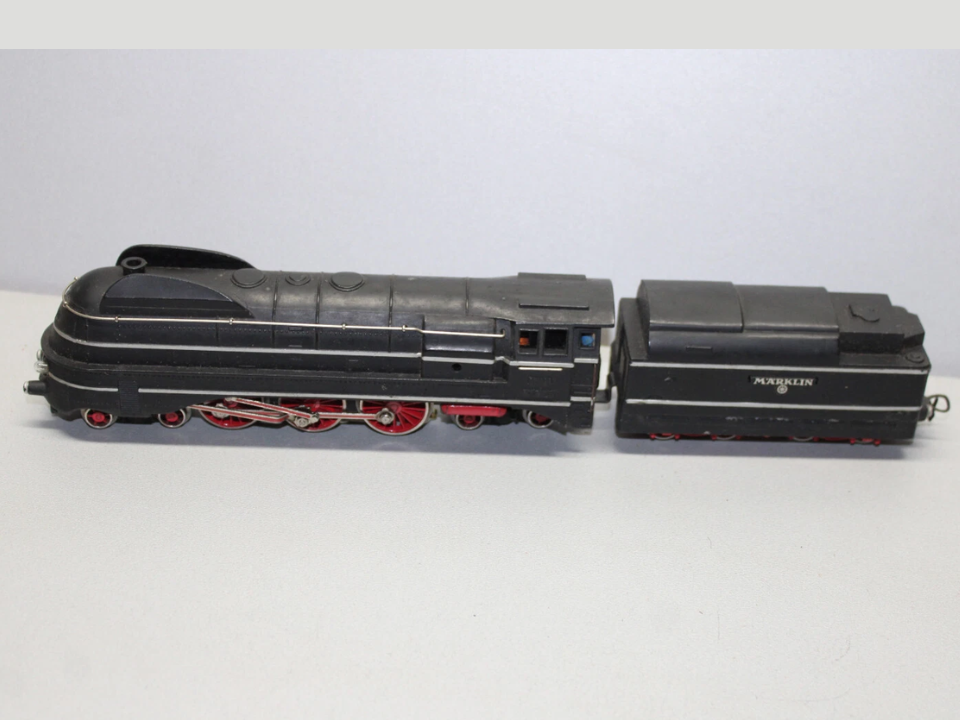
Classic Marklin steam power would feel incomplete without the SK 800 locomotive from the 1940s and early 1950s. Marklin built this HO gauge engine with a metal body, tender, and strong drive system for regular running. The best feature is how solid and detailed it appears for its era, with plenty of visible piping and side rods in motion. Depending on version and condition, an SK 800 can bring around $400 to $800, with top examples and boxes sometimes higher.
Variations and road names in the SK 800 line give collectors many choices, so some decide to focus on more than one version. Buyers check for fatigue cracks in the metal, missing trim, and non original repainting before they commit. A matching tender with correct lettering and trucks strengthens the value, as do boxes and instructions. The pleasure of owning an SK 800 lies in watching a serious looking steam train work its way around a classic Marklin layout.
American Flyer Advanced President’s Special Set
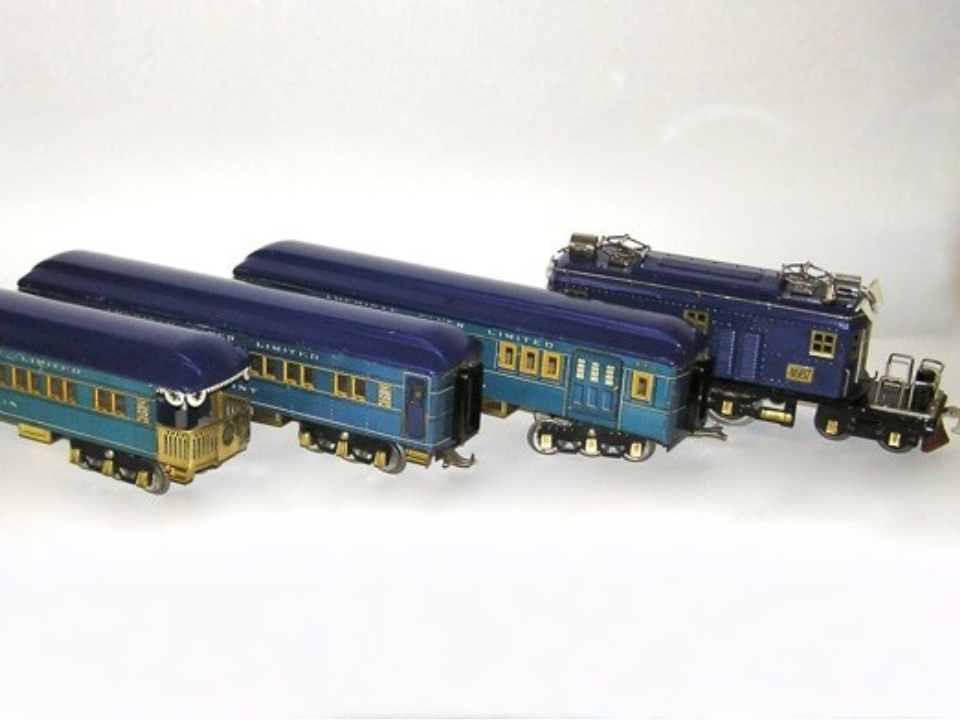
In the American Flyer wide gauge lineup, the Advanced President’s Special set from around 1930 sits near the top for many collectors. This train set includes an impressive electric locomotive and blue passenger cars with rich trim and interior lighting. Its best feature is the way those blue cars glow when lit, turning a simple loop of track into a miniature grand express. In strong condition, values often rest between about $4,000 and $6,000, and especially clean sets can climb higher.
Blue paint that still looks rich, unbroken windows, and clean trim help separate an ordinary set from an outstanding one. Original transformers, track, and boxes can add to the package and push prices upward. Wear on roofs and car sides is common on played sets, so pieces with only light marks receive extra attention. The lasting appeal of this train comes from how it brings the look of a luxury passenger service to the wide gauge format.
American Flyer 9915 Aeolus Passenger Set
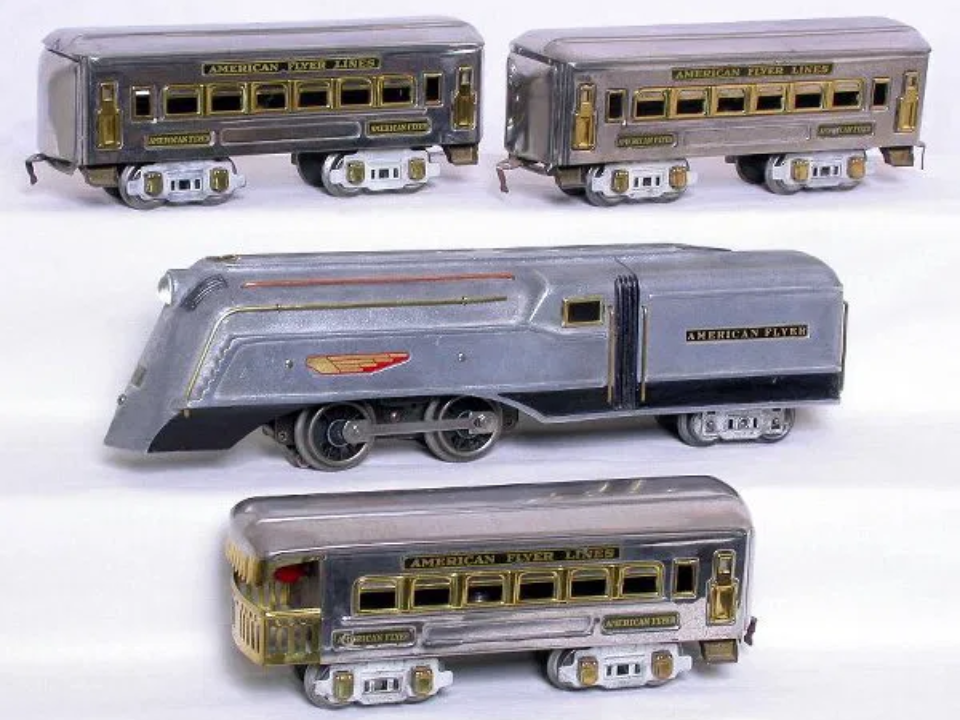
Streamlined design fans often point to the American Flyer 9915 Aeolus passenger set from the mid 1930s as a highlight. This wide gauge set features an Aeolus locomotive with matching passenger cars that share a smooth modern style for the time. Its best feature is the rounded front end of the locomotive, which copies the real Aeolus with a sleek nose and bright trim. Depending on condition and completeness, values can range roughly from $500 to $1,500 or more.
Finish on both locomotive and cars matters a great deal, and collectors usually check names, numbers, and trim before anything else. Working lights, intact interiors, and original couplers help a set reach the upper end of its value range. Loose cars or engines without their mates still attract buyers, though at reduced prices. The attraction here is watching a full streamlined passenger train sweep past older, boxier equipment on the same layout.
This article originally appeared on Avocadu.