
13 Rare Meteorites You Can Hold in Your Hand
Meteorites are fascinating remnants of space, offering a rare glimpse into the history of our solar system. Many of these celestial travelers have journeyed across the vastness of space for millions or even billions of years before reaching Earth. Holding a piece of a meteorite is like touching a fragment of the universe, offering a tangible connection to the cosmos. These ancient objects carry secrets about the formation of planets, the early solar system, and even the possibility of life elsewhere. Whether it’s a shiny piece of metal or a rockier fragment, each meteorite tells a unique story about our universe.
This post may contain affiliate links, which helps keep this content free. Please read our disclosure for more info.
Allende Meteorite
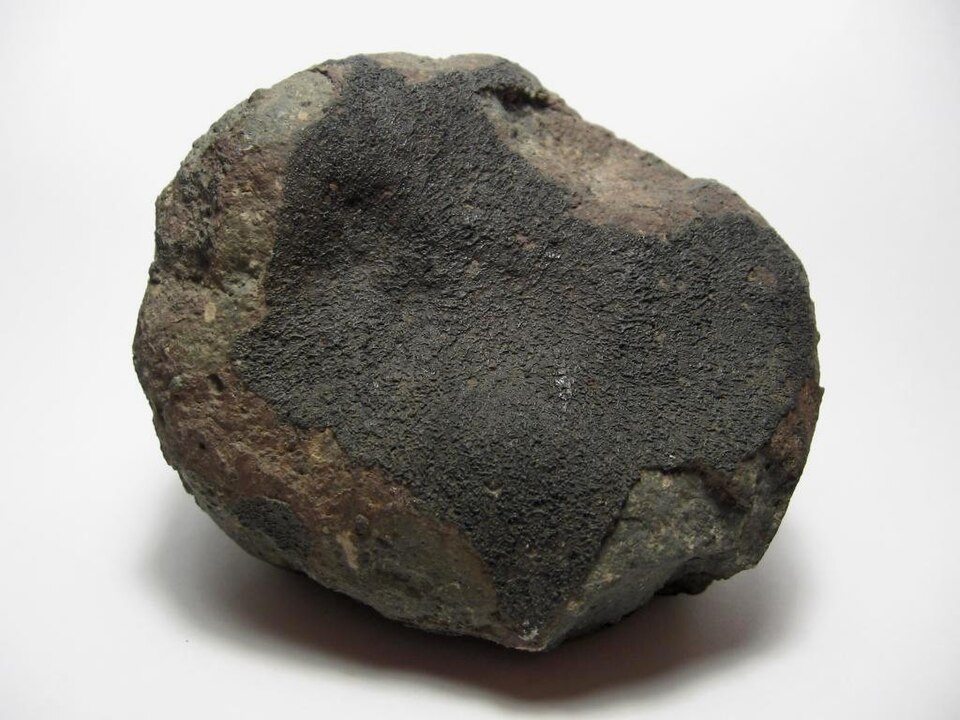
The Allende meteorite is one of the most famous and scientifically significant meteorites. It fell in Mexico in 1969, spreading fragments over a wide area. It is classified as a carbonaceous chondrite, a type of meteorite rich in carbon compounds and water, which makes it especially interesting to scientists. What sets this meteorite apart is its age, with scientists estimating it to be about 4.56 billion years old, dating back to the formation of the solar system.
The Allende meteorite also contains unique chondrules tiny spherical structures that provide valuable clues about early solar system conditions. Holding a piece of this meteorite offers a tangible connection to the formation of our planetary system. It is an essential specimen for collectors and scientists alike, as it provides insight into the chemical processes that shaped the Earth and other planets.
Murchison Meteorite
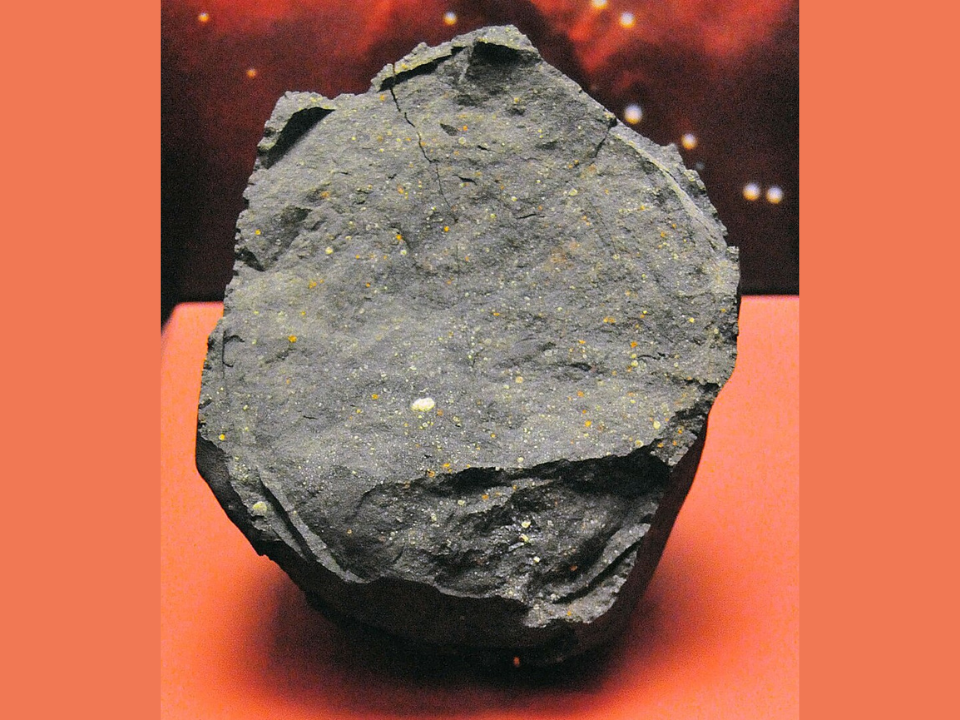
Falling in Australia in 1969, the Murchison meteorite is another remarkable carbonaceous chondrite. This meteorite is famous for its high content of organic compounds, including amino acids, which are the building blocks of life. Scientists believe the Murchison meteorite provides evidence that the building blocks of life may have been brought to Earth from space. Its fragments, which range from small pebbles to larger chunks, are highly sought after for research and display.
The Murchison meteorite has given us insight into the processes that may have led to the origin of life on Earth. Pieces of Murchison are often used to study the conditions in space where organic molecules are formed. Holding a piece of the Murchison meteorite allows you to touch a physical artifact that could have played a role in the early development of life on Earth.
Chelyabinsk Meteorite
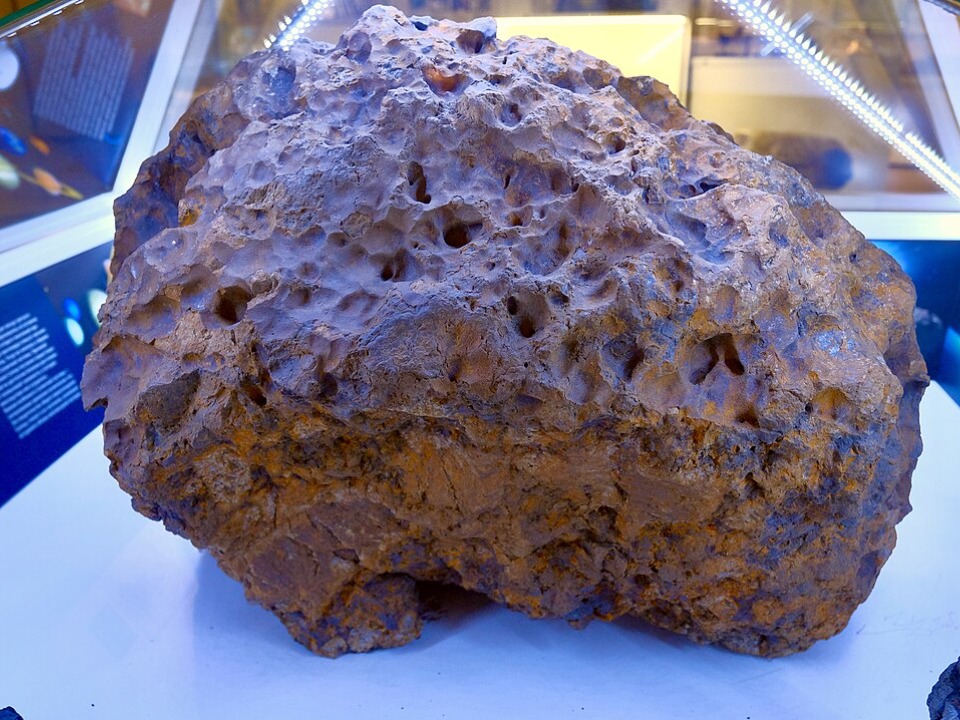
The Chelyabinsk meteorite entered Earth’s atmosphere over Russia in 2013, creating a bright flash in the sky and a shockwave that caused significant damage on the ground. It is classified as a stony-iron meteorite, and its fall is the most well-documented meteorite event in recent history. The meteorite’s explosion released a massive amount of energy, making it the largest recorded meteor impact in over a century.
Fragments of the Chelyabinsk meteorite were found across a vast area, and many of these pieces are now in the hands of collectors and researchers. The meteorite provides valuable data on how objects from space behave when entering Earth’s atmosphere. Holding a piece of the Chelyabinsk meteorite is like holding a piece of history, from a rare event witnessed by millions around the world.
Tissint Meteorite
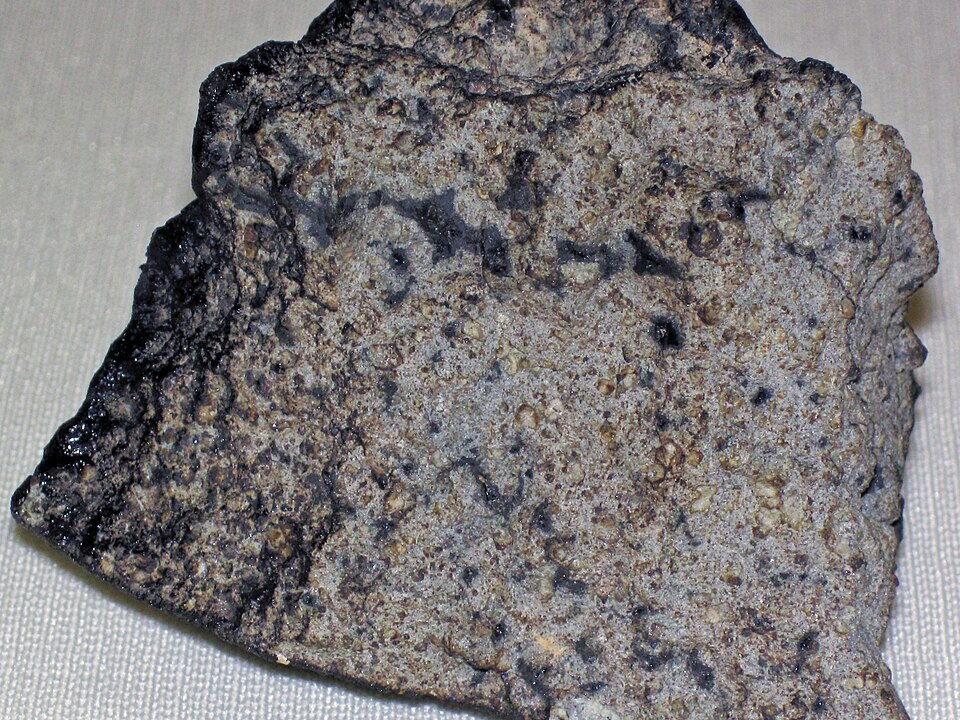
Falling in Morocco in 2011, the Tissint meteorite is a rare Martian meteorite that made headlines due to its dramatic entry into Earth’s atmosphere. This stony meteorite is one of the few known to have been ejected from Mars after an impact event. It is composed mainly of basalt, which is formed from solidified lava.
The Tissint meteorite provides a direct link to the Red Planet and offers clues about Mars’ past geological and volcanic activity. Scientists have used samples of Tissint to study the atmospheric composition of Mars and to learn more about the potential for past life on the planet. Holding a fragment of the Tissint meteorite allows you to touch a piece of Mars, making it a prized item for collectors and enthusiasts alike.
Sikhote-Alin Meteorite
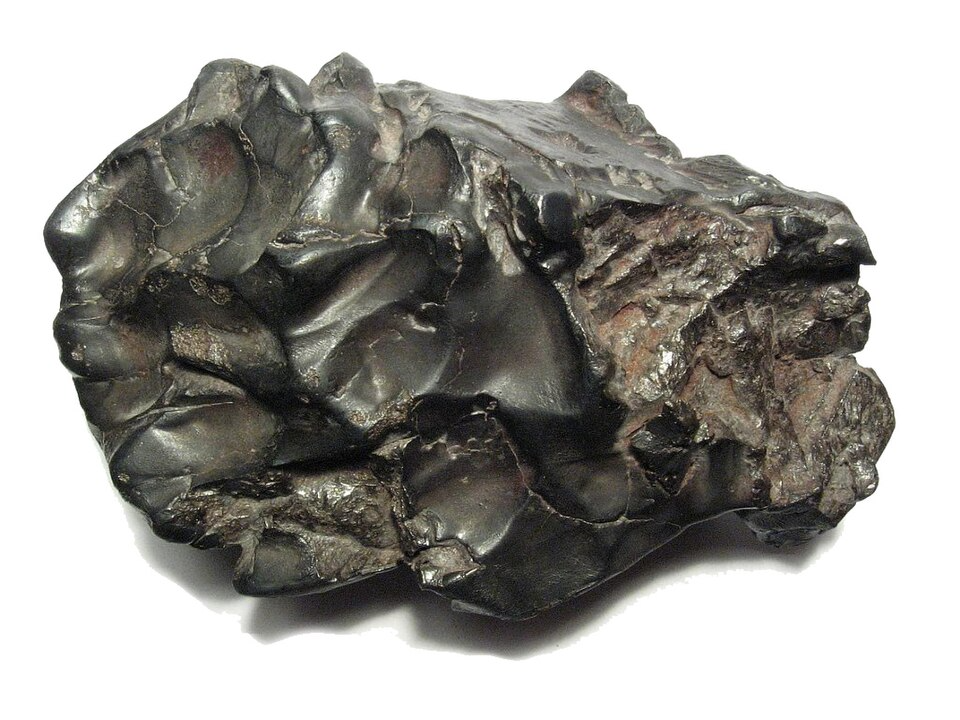
The Sikhote-Alin meteorite is a famous iron meteorite that fell in Russia in 1947. It is one of the largest and most well-known meteorite falls of the 20th century. Pieces of this meteorite can be found in various locations, and some fragments weigh several tons. The Sikhote-Alin meteorite’s fall created a massive fireball visible over a large area, and its debris covered a wide stretch of land in Siberia.
It is classified as a nickel-iron meteorite and is highly valued for its aesthetic appearance, with some pieces showcasing beautiful Widmanstätten patterns—unique markings formed during the slow cooling of the meteorite’s metallic structure. Holding a piece of the Sikhote-Alin meteorite is like holding a remnant of a celestial event that illuminated the skies of Russia in the mid-20th century.
Willamette Meteorite
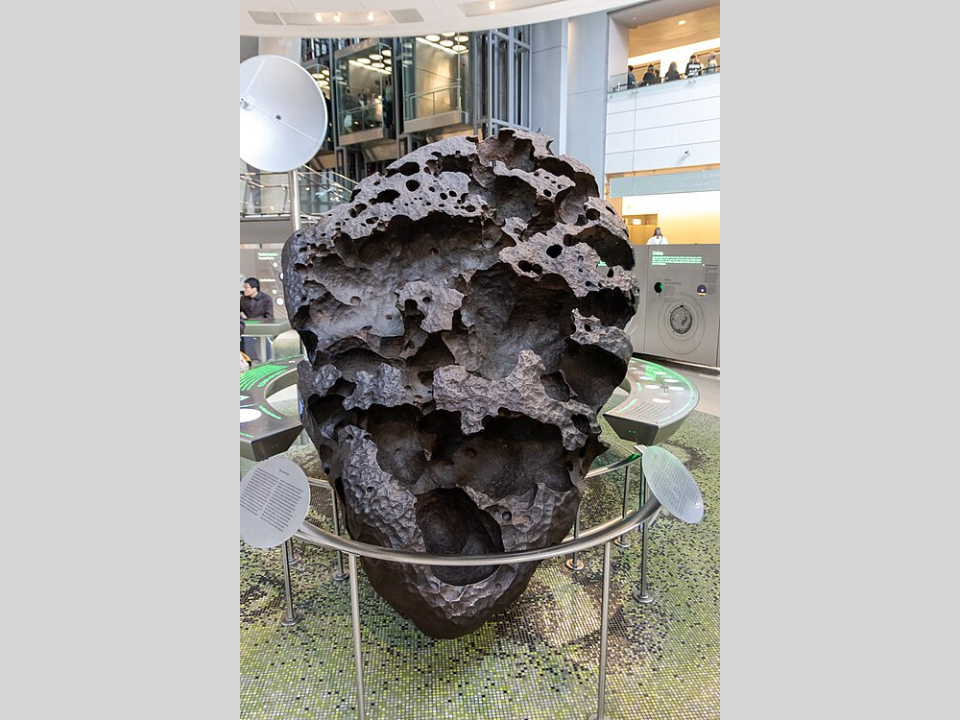
The Willamette meteorite is the largest meteorite ever found in the United States. It weighs about 15.5 tons and is primarily composed of iron and nickel, typical of meteorites of this type. Discovered in Oregon in 1902, the Willamette meteorite has a fascinating history, with Native American tribes such as the Clackamas believing it to be a sacred object.
The meteorite’s metallic surface is marked with deep grooves and ridges, known as the Widmanstätten patterns, making it an attractive piece for collectors. In 1947, the meteorite was moved to the American Museum of Natural History in New York, where it remains on display. Holding a fragment of the Willamette meteorite offers a glimpse into the past and an opportunity to hold a piece of history that has been cherished for centuries.
Canyon Diablo Meteorite
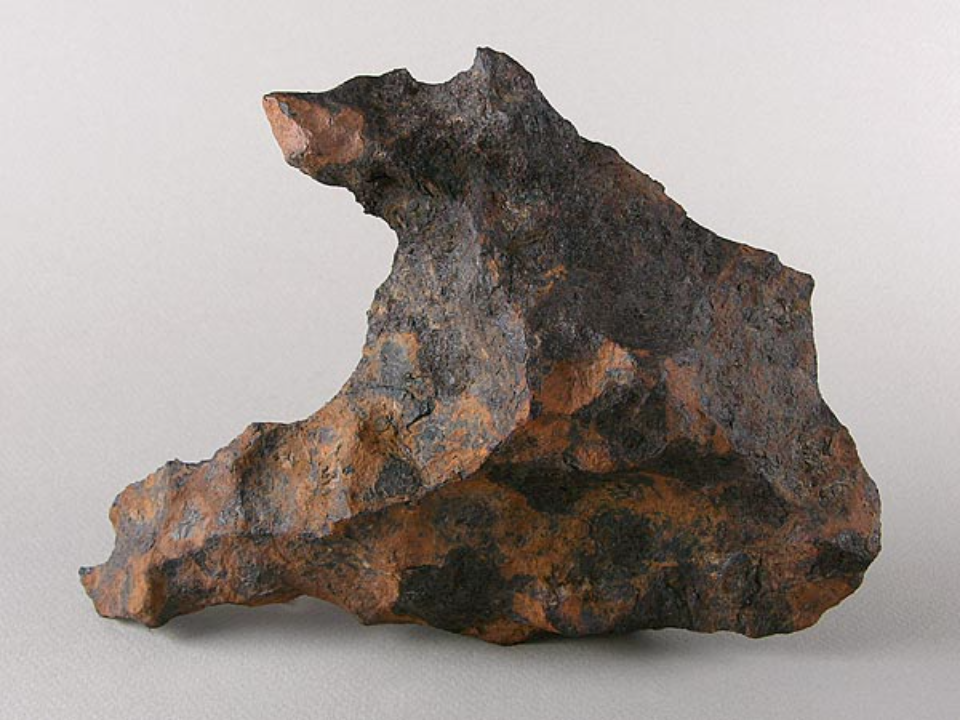
The Canyon Diablo meteorite, found near Meteor Crater in Arizona, is one of the most significant meteorites in the United States. It is an iron meteorite, containing a high amount of nickel, and it was responsible for creating the Meteor Crater, a massive impact crater nearly a mile wide. This meteorite fell to Earth around 50,000 years ago, and fragments of it have been found around the crater.
It has been studied extensively due to its unique chemical composition and its role in creating one of the most famous impact sites on Earth. Holding a piece of the Canyon Diablo meteorite connects you with the powerful force of nature that shaped this iconic landscape. This meteorite is one of the most studied due to the unique geological insights it provides.
Nakhlite Meteorite
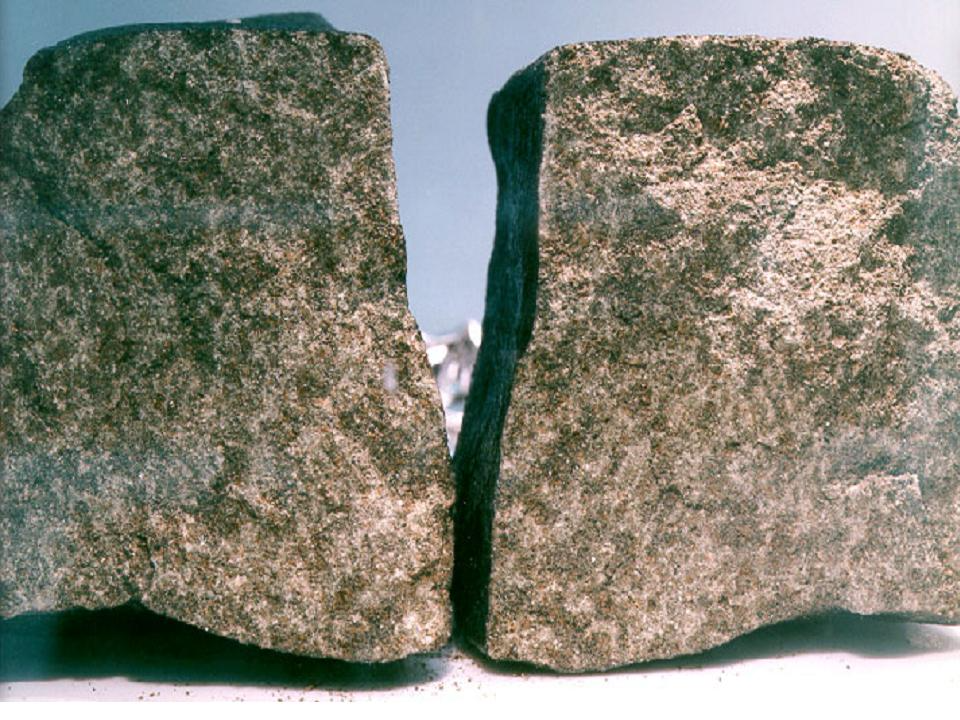
The Nakhlite meteorite is another Martian meteorite, known for its high concentration of water-bearing minerals. It fell in Egypt in 1911 and is a rare specimen that has sparked scientific curiosity due to its possible connection to ancient Martian oceans. Nakhlite is classified as a type of basalt, and it is thought to have formed in the volcanic regions of Mars.
Pieces of the Nakhlite meteorite are rare and highly valued for their connection to Mars’ volcanic history and their potential to provide clues about the planet’s past habitability. Holding a fragment of Nakhlite brings you one step closer to understanding the history of Mars and its potential to support life. It is an exceptional piece for those interested in both meteorites and the exploration of the Red Planet.
Fukang Meteorite
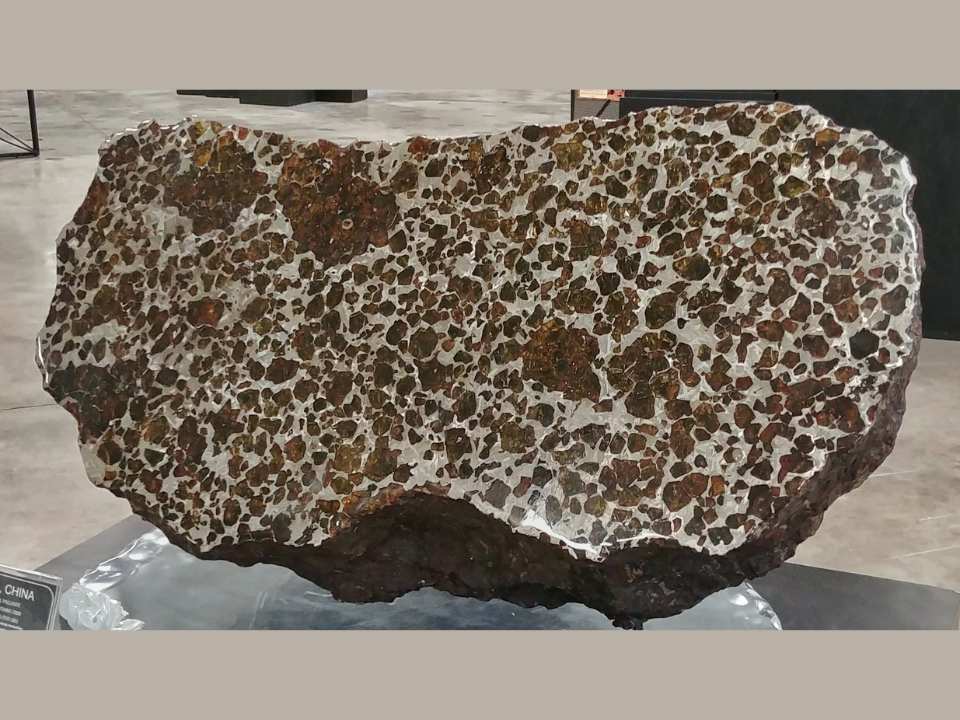
The Fukang meteorite, found in China in 2000, is one of the most spectacular and visually stunning meteorites ever discovered. It is a pallasite, a rare type of stony-iron meteorite that contains beautiful translucent olivine crystals embedded in a metallic matrix. The Fukang meteorite is renowned for its striking appearance, which has made it a favorite among collectors and meteorite enthusiasts.
The olivine crystals in the Fukang meteorite are often referred to as “space peridot” due to their gemstone-like quality. These rare and visually impressive pieces are prized for their unique combination of metallic and crystalline materials. Holding a fragment of the Fukang meteorite is a unique experience, offering a glimpse into the beauty and complexity of meteorites from beyond Earth.
Brenham Meteorite
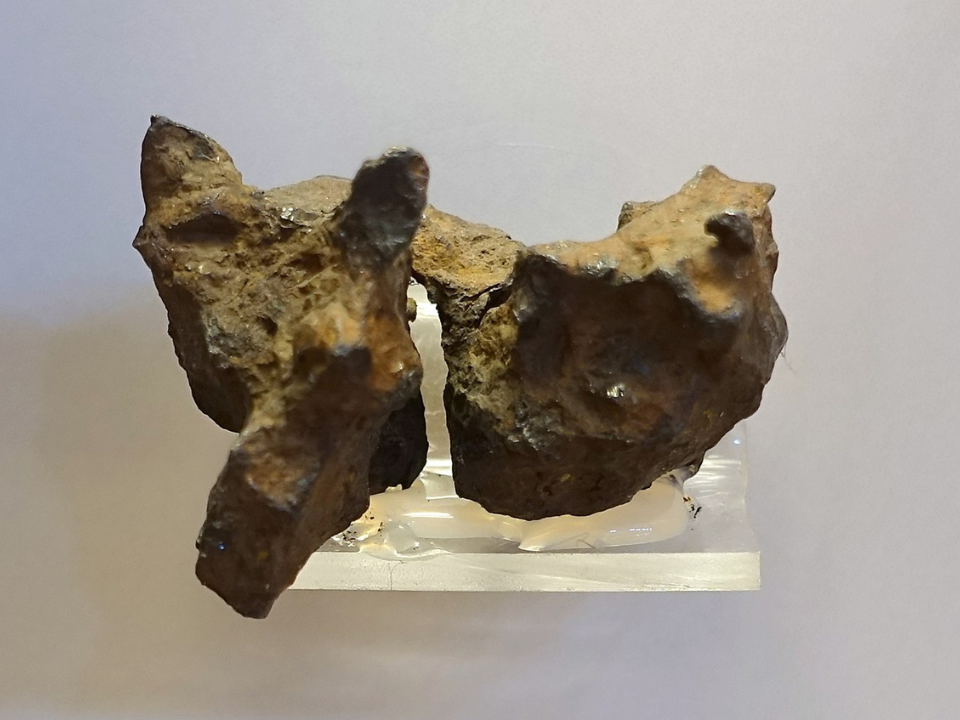
The Brenham meteorite is a large pallasite meteorite found in Kansas in 1882. Pallasites are known for their combination of metallic and silicate materials, which create a stunning contrast in the specimen. The Brenham meteorite is especially known for the beauty of its olivine crystals, which are often referred to as “space peridot” due to their resemblance to the green gemstone.
This meteorite is relatively rare, and it provides scientists with valuable information about the processes that occur deep inside asteroids. The meteorite’s pieces are prized not only for their scientific value but also for their aesthetic appeal. Holding a fragment of the Brenham meteorite gives you a tangible link to the distant reaches of space and a piece of cosmic history that has been preserved for millions of years.
Hocheppan Meteorite
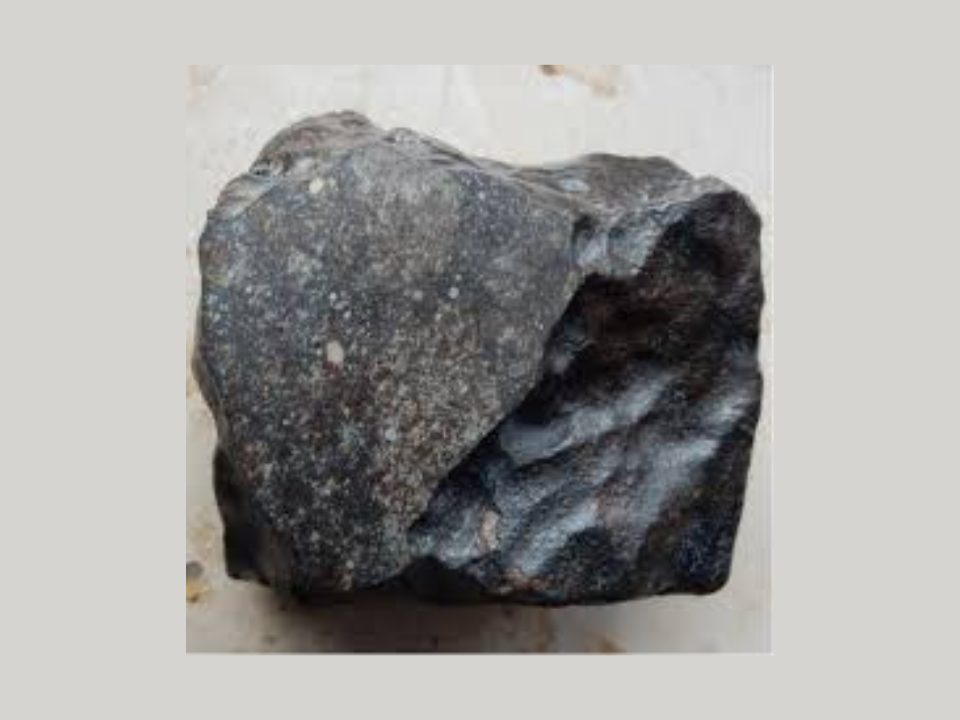
Discovered in 1954 in Germany, the Hocheppan meteorite is a rare example of a stony-iron meteorite. This meteorite is classified as an IAB group iron meteorite, and it is primarily made up of iron and nickel, with traces of silicate minerals. The Hocheppan meteorite is fascinating because it contains some of the most unusual mineral compositions found in meteorites. It is believed that this meteorite originated from a small asteroid that experienced a violent collision.
Holding a piece of the Hocheppan meteorite is an opportunity to study a rare mixture of materials and understand more about the asteroid belt’s formation. It is a prized specimen for collectors who appreciate both the scientific significance and rarity of such meteorites.
Sutter’s Mill Meteorite
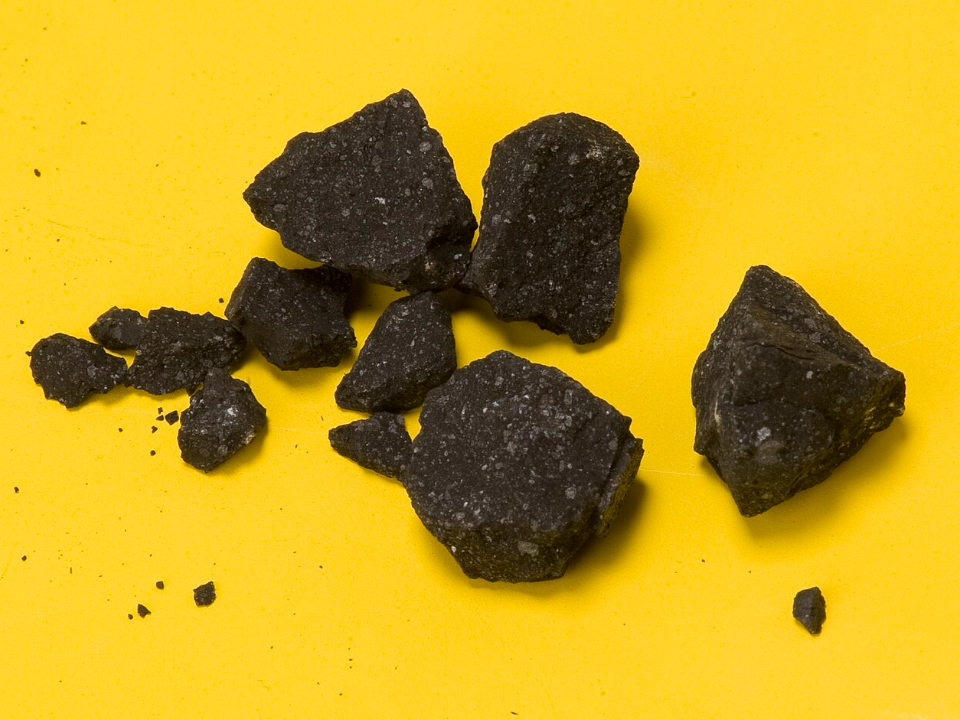
Falling to Earth in California in 2012, the Sutter’s Mill meteorite is a rare carbonaceous chondrite that is of particular interest to scientists. It is notable for the fact that it was the first meteorite of its kind to be recovered shortly after falling, making it one of the best-documented meteorite falls in history. The Sutter’s Mill meteorite contains valuable organic compounds, including amino acids, which could offer clues about the origins of life on Earth.
Its fragments were quickly collected and studied, providing new insights into the early solar system and the potential role meteorites played in the development of life. The meteorite’s composition is rich in carbon, nitrogen, and water, all of which are essential ingredients for life. Holding a piece of the Sutter’s Mill meteorite brings you a direct link to the processes that may have seeded life on Earth.
Campo del Cielo Meteorite
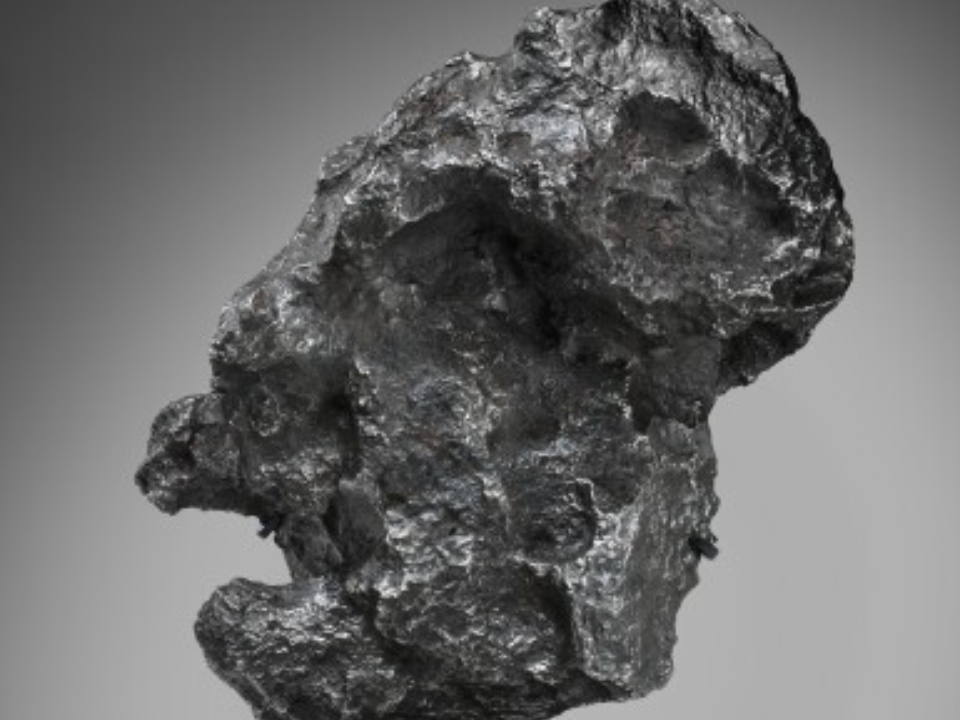
The Campo del Cielo meteorite, which fell in Argentina thousands of years ago, is one of the largest iron meteorites ever discovered. Weighing over 30 tons, it is primarily composed of iron and nickel, and it has been a subject of fascination for scientists and collectors alike. The meteorite’s fragments are scattered over a vast area, and the site where it fell, known as the Campo del Cielo, has been used for both research and tourism.
The meteorite is believed to have broken off from a larger asteroid, and its heavy metal composition has provided valuable insights into the structure of asteroids and planetary bodies. Holding a piece of this meteorite allows you to feel the immense power that it carries, a fragment from a cosmic event that occurred eons ago. It is a rare and prized specimen, both for its size and scientific importance.
This article originally appeared on Avocadu.