
11 Rare Mammals That Nearly Vanished and Are Making a Comeback
Some mammals have faced unimaginable threats to their survival, yet they are now rebounding thanks to dedicated conservation work. These creatures were once on the edge of extinction, but today they are returning to their natural habitats. This shift is a clear example of how human intervention can help protect vulnerable species. Read on as we explore how these mammals are proving that recovery is possible. Their journey is a powerful reminder of the importance of preserving wildlife.
This post may contain affiliate links, which helps keep this content free. Please read our disclosure for more info.
Vaquita
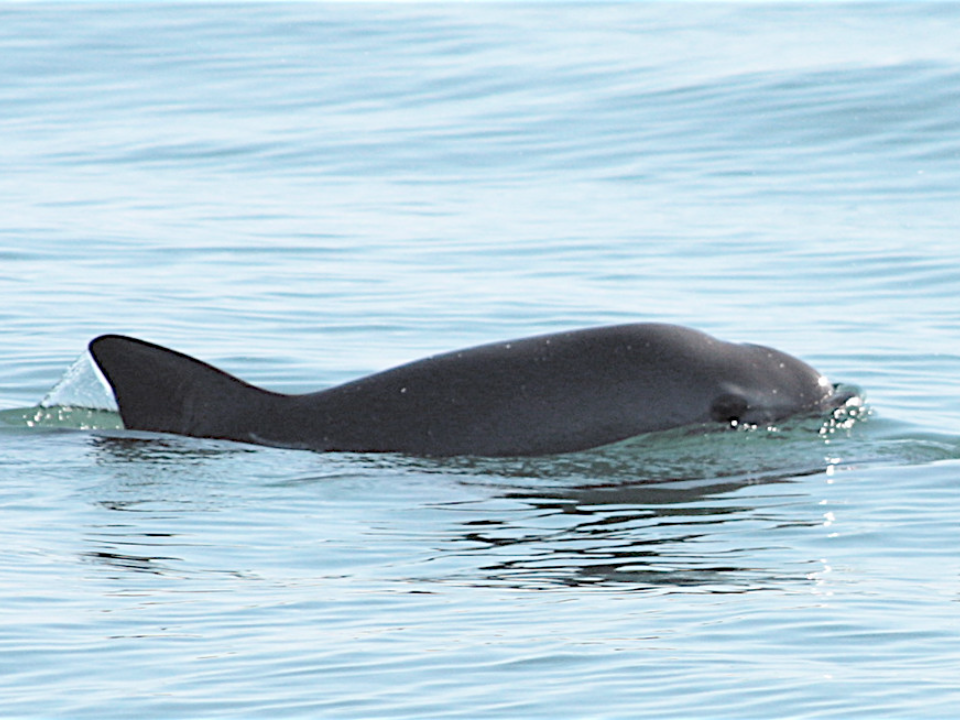
The vaquita is a small porpoise found in the northern part of the Gulf of California. This species has been critically endangered for years due to bycatch in illegal fishing nets. Conservation efforts, including increased patrols and net bans, are slowly improving their numbers. Despite the challenges, some success is seen as their population begins to stabilize, though they remain on the edge of extinction.
Efforts to protect the vaquita have been backed by numerous environmental groups, highlighting the importance of stopping illegal fishing practices. These efforts are crucial, as the species’ range is very limited, and their habitat is rapidly shrinking. With continued protection, there is hope that the vaquita can recover over time. The story of this small mammal showcases how small changes can make a big difference in preserving endangered species.
Amur Leopard
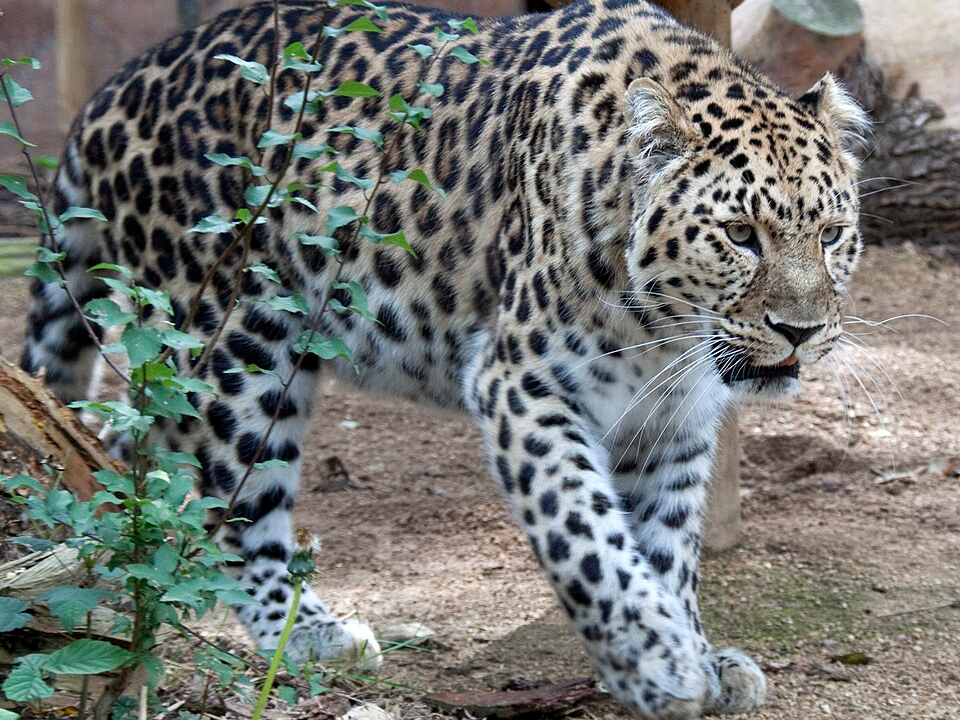
The Amur leopard, native to the forests of the Russian Far East, was once on the verge of extinction due to habitat loss and poaching. Today, thanks to improved anti-poaching measures and conservation programs, their numbers have slightly increased. While still critically endangered, the Amur leopard is slowly returning to its range. Their natural habitat has been expanded through efforts to protect forests and reintroduce prey species.
Conservationists have focused on preserving the leopard’s habitat and preventing further fragmentation. Additionally, partnerships between Russian and Chinese authorities have strengthened efforts to protect the species. This collaborative approach has been vital in curbing poaching and protecting the leopard’s prey. With continued vigilance, the Amur leopard’s comeback is a promising example of the power of international conservation efforts.
Przewalski’s Horse
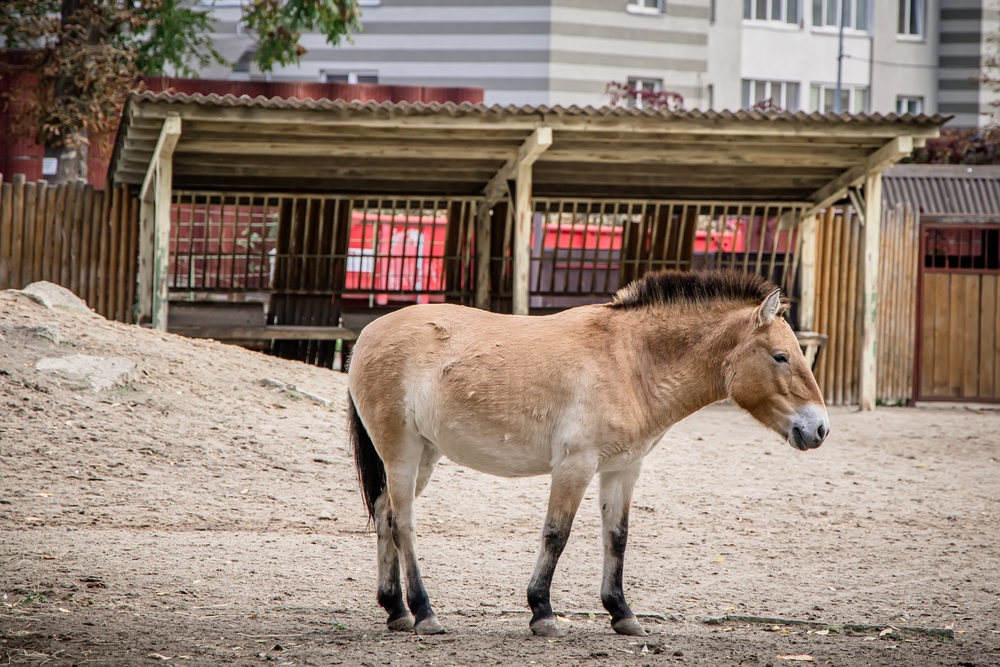
Przewalski’s horse, also known as the Mongolian wild horse, was once extinct in the wild but is now being reintroduced to its native range. Originally hunted for food and habitat loss, this species vanished from its natural environment in the mid-20th century. However, successful breeding programs and reintroduction efforts have led to a steady increase in their population. Today, Przewalski’s horses are found in both protected reserves and rewilded areas in Mongolia and China.
These horses are now part of significant wildlife management programs that aim to maintain stable populations. Their reintroduction has helped restore balance in the ecosystem by enabling natural grazing patterns. Przewalski’s horses are an excellent example of how a species, once lost to the wild, can be brought back with the right conservation actions. Their story is one of resilience, hope, and the strength of preservation programs.
Asiatic Cheetah
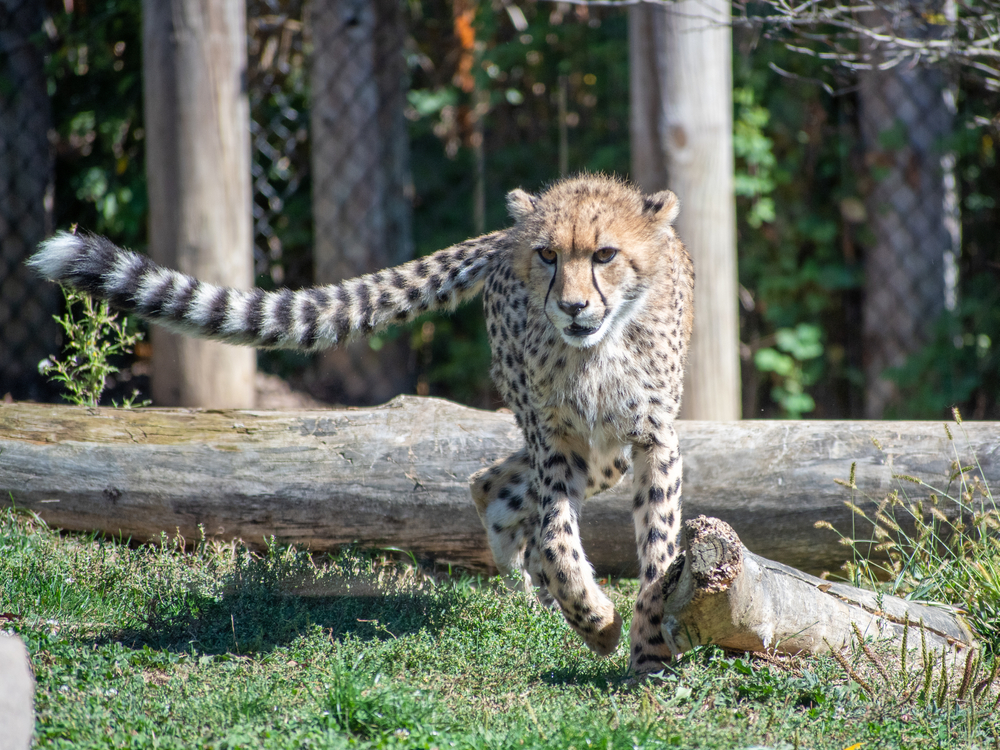
The Asiatic cheetah is a subspecies of the cheetah, native to Iran, and is critically endangered. Once widespread across the Middle East, their numbers drastically declined due to habitat destruction, poaching, and the loss of prey. Conservationists in Iran have been working on various programs, including the establishment of protected reserves, to help the cheetah population grow. Although their numbers remain small, they are starting to show signs of recovery thanks to careful management and a reduction in human-wildlife conflict.
A key part of the recovery efforts has been the use of monitoring technology to track their movements and avoid poaching. The government of Iran, alongside international organizations, is investing in sustainable conservation practices that focus on habitat restoration and prey replenishment. The recovery of the Asiatic cheetah remains slow, but every positive development reinforces the importance of targeted efforts to preserve these magnificent animals.
Black-Footed Ferret
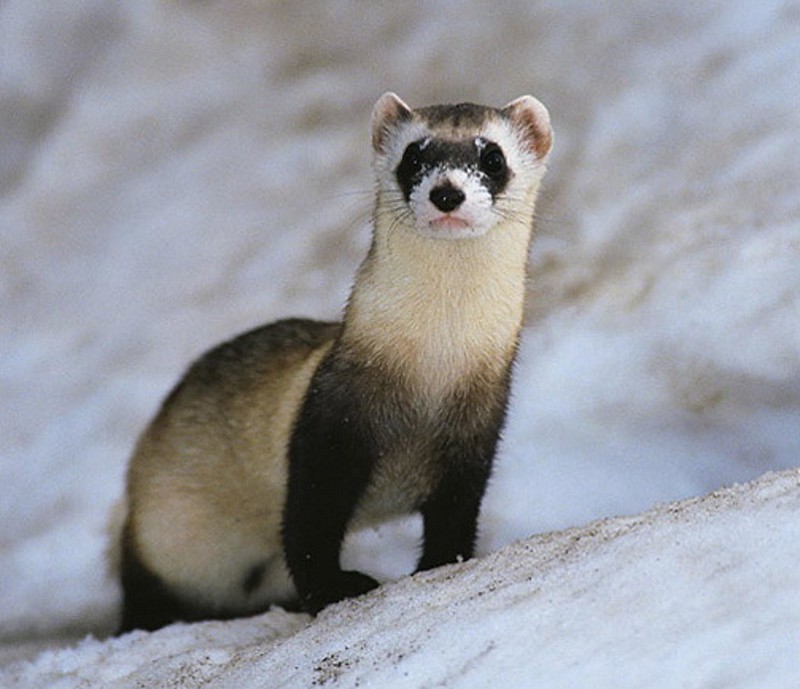
The black-footed ferret was thought to be extinct in the 1980s, but a small population was rediscovered in Wyoming. Since then, recovery programs have been underway to restore their numbers. The black-footed ferret is heavily dependent on prairie dogs for food, so conserving both species has been vital for their survival. Today, black-footed ferrets are making a comeback through captive breeding programs and successful reintroductions to the wild.
Thanks to conservation efforts, the ferret population is slowly increasing, though they remain vulnerable. Efforts focus on managing prairie dog populations and preventing disease outbreaks, which have historically devastated ferret populations. These small but mighty mammals have proven that with careful management, even species on the brink of extinction can be brought back to life. Their recovery is a great example of how cooperation between wildlife agencies and communities can yield results.
Kakapo
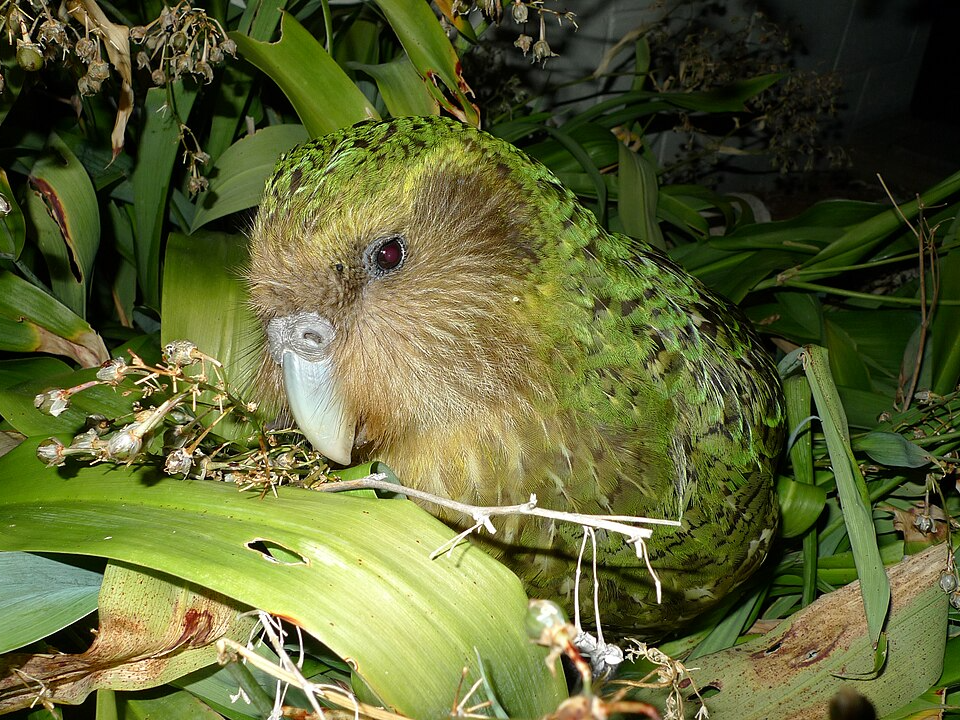
The Kakapo, a flightless parrot from New Zealand, was once thought to be extinct, but a small population was discovered in the 1970s. Conservationists quickly took action to protect the remaining birds, and today, the species is seeing a gradual population increase. With no natural predators on the island, the Kakapo has made a strong recovery, although it remains critically endangered. Its unique lifestyle, which includes nocturnal habits and a diet of native plants, has made it a fascinating subject of study.
Efforts to protect the Kakapo have included relocating the birds to predator-free islands, where they can safely breed. The species’ social structure and mating habits are closely monitored, and every new hatchling is celebrated. While still extremely rare, the Kakapo’s return is a remarkable success story for conservation. This parrot’s gradual recovery proves that with the right interventions, even the most unusual species can bounce back.
Iberian Lynx
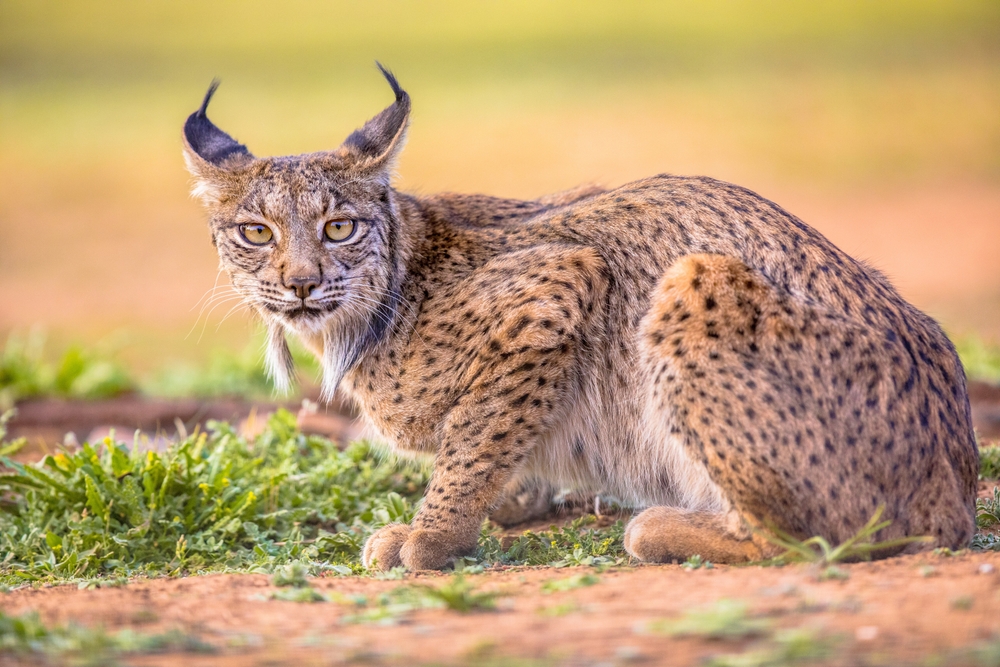
The Iberian lynx, once considered one of the world’s most endangered wildcats, has made a surprising recovery. In the early 2000s, only a few dozen lynx remained in the wild, mainly in southern Spain. Through reintroduction programs and habitat restoration, their numbers have grown significantly, and the lynx now has a more secure place in the wild. Conservation efforts have focused on rebuilding the lynx’s habitat and restoring its prey base, particularly rabbits, which are a primary food source.
As a result, the Iberian lynx population has more than tripled, moving the species off the brink of extinction. Continued efforts to manage their habitat and prevent poaching have been key to this progress. Though still listed as endangered, the species’ survival is no longer in jeopardy. The Iberian lynx’s comeback is a perfect example of how targeted efforts can lead to successful species recovery.
Lowland Gorilla
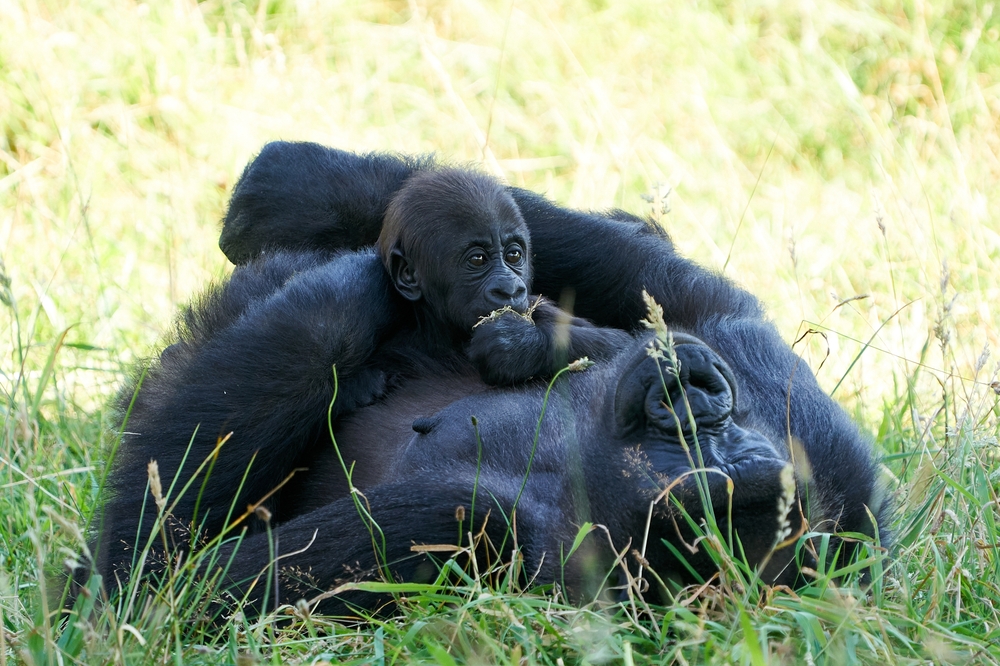
The lowland gorilla, once found in vast areas of Central Africa, has been pushed to the edge of extinction due to habitat loss, poaching, and disease. Today, thanks to various conservation initiatives, their numbers are slowly increasing. Wildlife protection groups have worked on enforcing anti-poaching laws and establishing protected areas where gorillas can thrive. Alongside these efforts, programs to promote eco-tourism and raise awareness have gained traction.
With these protections, the lowland gorilla is beginning to see a slow recovery. Education campaigns about the importance of preserving their habitats have helped improve local community support. While they are still critically endangered, the gorillas’ recovery gives hope for other endangered species in similar situations. The fight to save the lowland gorilla continues, but positive strides have already been made.
European Bison
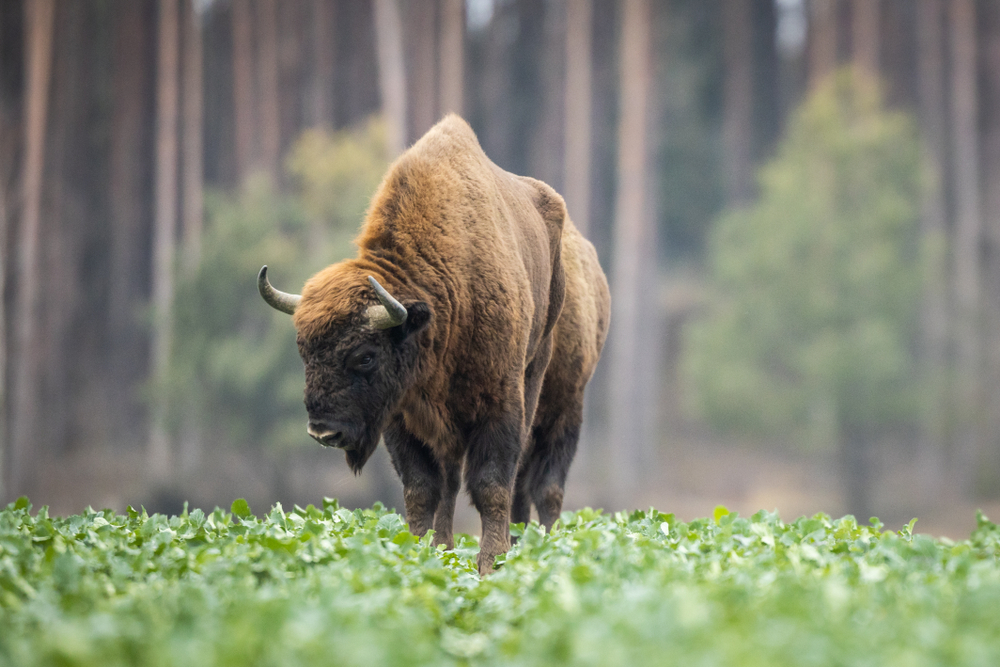
The European bison, once roaming freely across Europe, became extinct in the wild by the early 20th century due to overhunting. However, a handful of individuals were kept in zoos, and these animals became the foundation for successful breeding programs. Today, the European bison is making a strong comeback, with wild populations now living in forests across Poland, Belarus, and the Carpathian Mountains. These animals are essential for the health of the ecosystems they inhabit, as they help maintain the balance of plant life in the forests.
Efforts to protect these animals have included both captive breeding and the careful restoration of their habitats. The European bison’s resurgence is an example of how human intervention can have a lasting, positive effect on species conservation. While they are still considered vulnerable, their steady recovery shows the power of determined conservation work. This species’ comeback is a powerful testament to the importance of long-term wildlife protection efforts.
Arabian Oryx
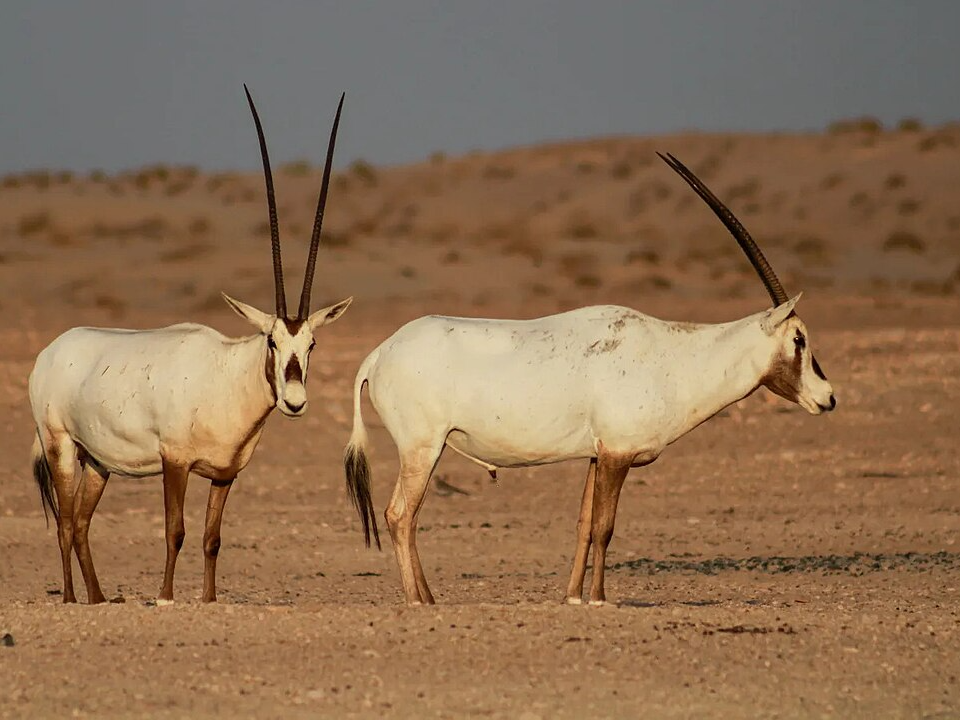
Once considered extinct in the wild due to hunting and habitat loss, the Arabian oryx has made a stunning recovery. Conservation efforts began in the 1960s with a small group of oryx taken into captivity. Today, the Arabian oryx has been successfully reintroduced into the deserts of Oman and the United Arab Emirates. It is now one of the few large mammals to be re-established in its natural environment after being wiped out in the wild.
Conservation programs have focused on managing their habitat, ensuring there is enough grazing land for the oryx to thrive. Their successful comeback is largely due to the protection provided by national parks and protected reserves. The Arabian oryx is now a symbol of conservation success, showing that species that once seemed lost can return with careful management. Their survival is a beacon of hope for other endangered species around the world.
Giant Panda

The giant panda, once considered a symbol of extinction, is now slowly making a comeback thanks to decades of dedicated conservation work. Habitat loss and a limited diet of bamboo were once major threats to the panda’s survival. However, with the establishment of protected areas and efforts to restore bamboo forests, the giant panda population has started to grow. In recent years, the panda has been moved from “endangered” to “vulnerable,” showing significant progress.
Breeding programs, combined with international support, have allowed for increased panda births in the wild and in captivity. The successful reintroduction of pandas to areas where they were once lost is a sign of hope for other endangered species. The continued efforts to safeguard their habitat and prevent human encroachment are essential for their future survival. The giant panda’s comeback is one of the most celebrated success stories in conservation history.
This article originally appeared on Avocadu.