
14 Rare Island Plants That Evolved with No Natural Predators
Islands often hold secrets that the rest of the world has yet to uncover, with unique environments that allow certain plants to thrive in isolation. Without the usual threats from predators, these plants have evolved in ways that make them unlike any other species on the planet. The absence of natural grazers has given them the freedom to develop extraordinary traits that help them adapt to their surroundings. From vibrant flowers to thick protective leaves, these plants have learned to survive and even flourish in their remote habitats. As human activity increases and climate conditions shift, many of these rare plants are facing new challenges.
This post may contain affiliate links, which helps keep this content free. Please read our disclosure for more info.
Saint Helena Gumwood
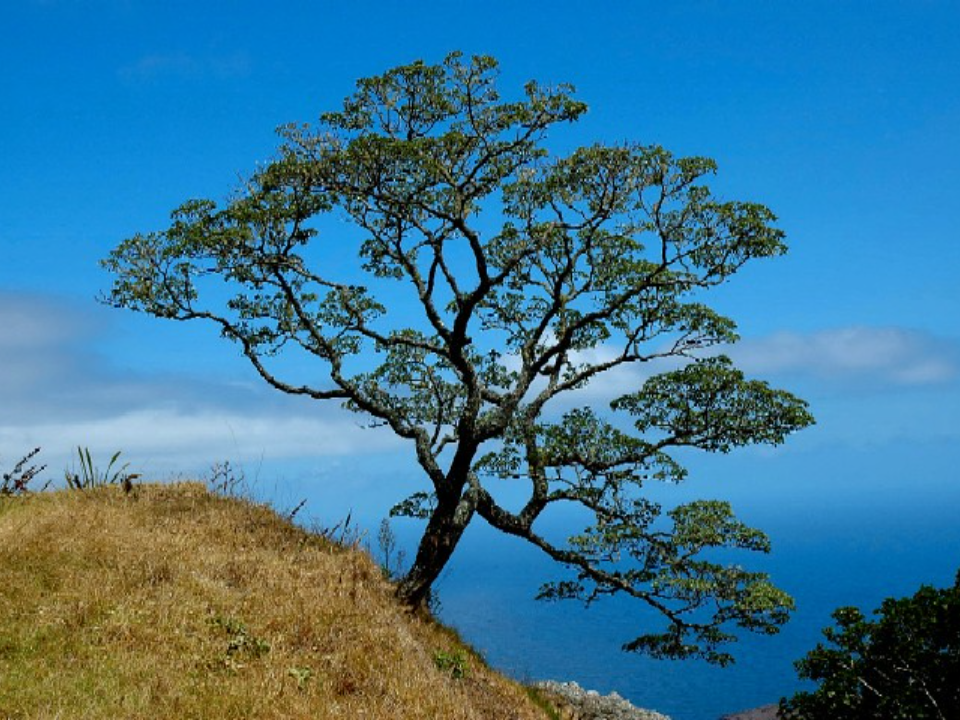
The Saint Helena Gumwood is endemic to the island of Saint Helena in the South Atlantic Ocean. It is considered a living relic, having survived for centuries in an environment with minimal natural predators. The tree grows in the island’s dry, rocky soil and is well adapted to withstand harsh weather conditions. With few large herbivores present, the gumwood has developed a thick bark to protect itself from the occasional browsing of smaller animals.
Its striking appearance, with a twisted trunk and sparse foliage, stands out in the island’s rugged terrain. Despite the challenges of its isolated habitat, the gumwood has survived, thanks to its resilience and the lack of significant predation pressure. Efforts to protect the tree are ongoing, as its numbers have dwindled due to invasive species and habitat destruction.
Alder Tree of the Galápagos
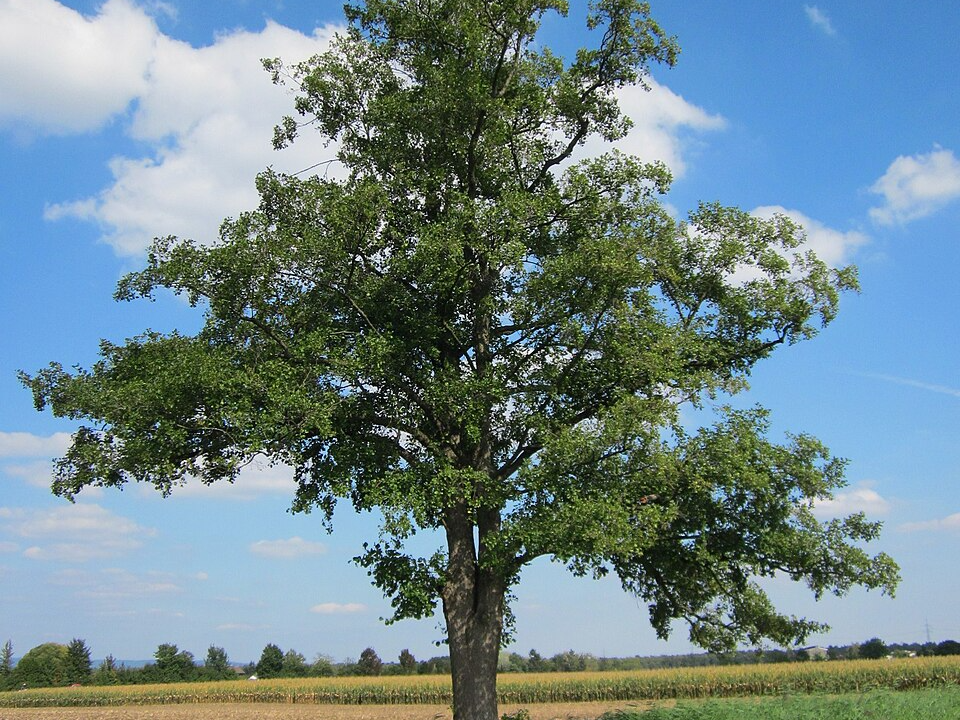
The Alder tree, native to the Galápagos Islands, is an example of a species that thrived in an environment with few natural predators. Growing primarily in the highland regions of the islands, it has adapted to the volcanic soil and high moisture levels. With its dense canopy and fast-growing roots, it competes well with other vegetation, benefiting from the absence of large grazers. The
Alder tree’s primary defense mechanism comes from its ability to regenerate quickly after disturbance, which has helped it maintain its presence in the ecosystem. As part of the island’s unique flora, the alder has become an essential part of the landscape. However, invasive species now pose a threat to the plant’s survival. Conservationists are working to remove non-native species and protect the native ecosystem of the Galápagos.
Pineapple Guava
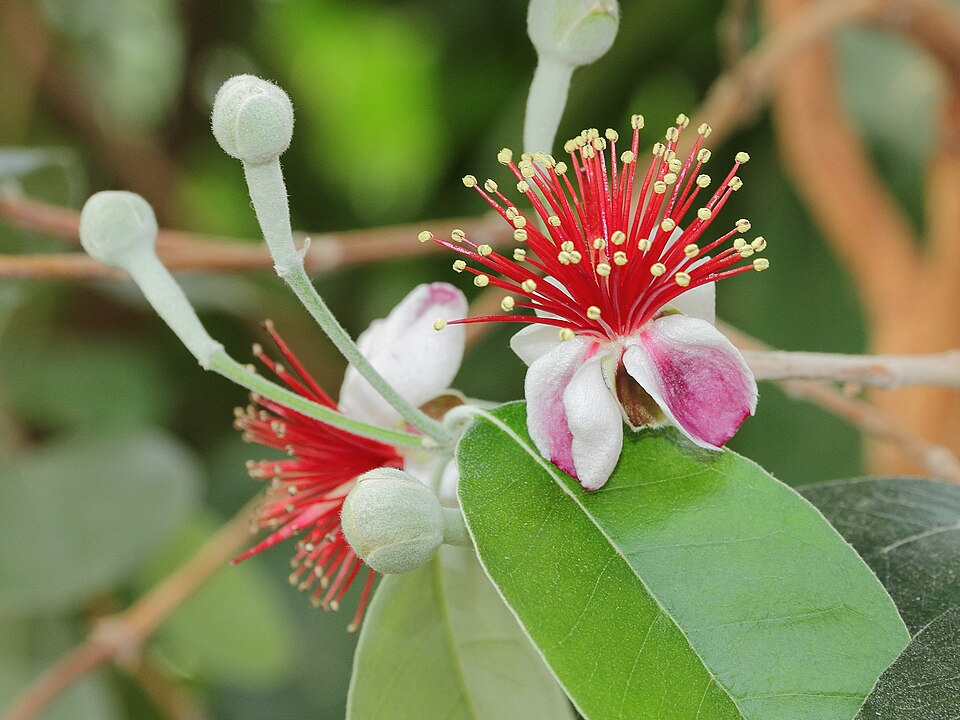
Native to the islands of New Zealand, the Pineapple Guava has evolved in an environment with very few natural predators. Its thick leaves and fragrant flowers are not only attractive to pollinators but also help it retain moisture in the dry island climate. This evergreen shrub is highly resilient, thriving in the volcanic soils of the region.
It has adapted to the occasional grazing by small herbivores by developing a strong, bitter taste, which deters most potential predators. With its unique flavor and hardiness, the Pineapple Guava has become a staple in local gardens. The plant’s long-term survival depends on maintaining a balanced ecosystem, as human activities and invasive species pose ongoing threats.
Norfolk Island Pine
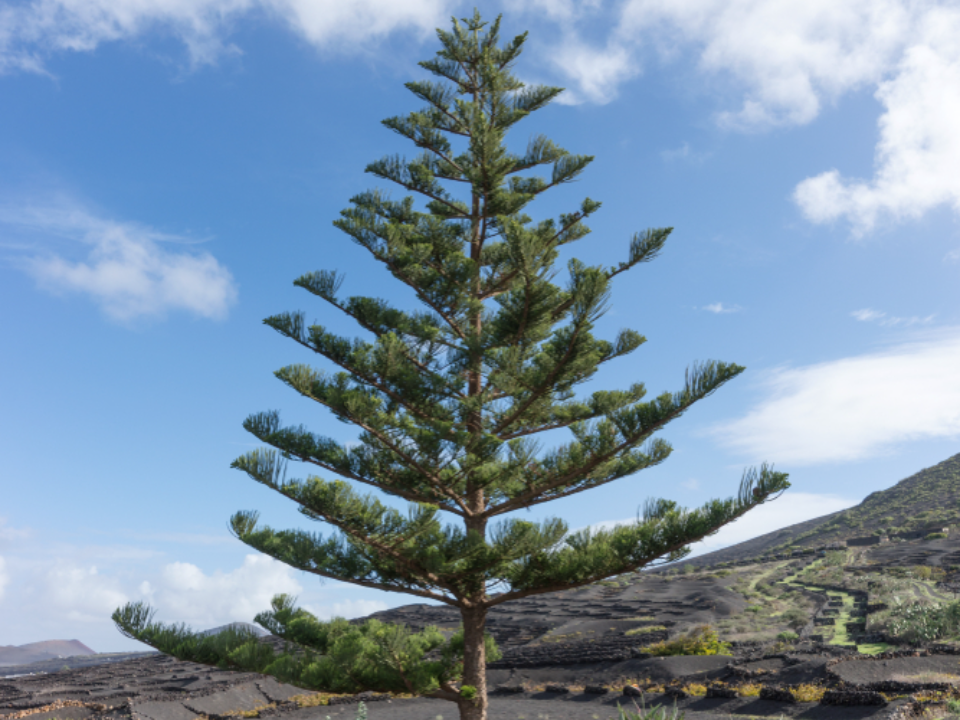
The Norfolk Island Pine, native to Norfolk Island in the Pacific Ocean, is a towering tree that has evolved without major predation pressures. The tree’s thick, spiky needles make it unappealing to most herbivores, allowing it to grow tall and strong. It thrives in the island’s temperate climate, where it benefits from the rich soil and the absence of large grazers.
Its distinctive shape and towering height make it a defining feature of Norfolk Island’s landscape. Though the tree is not heavily threatened by natural predators, it is vulnerable to human activity and invasive species. Conservation efforts are focused on preserving the island’s native flora and maintaining the delicate balance of its ecosystem.
Saddleback Plant
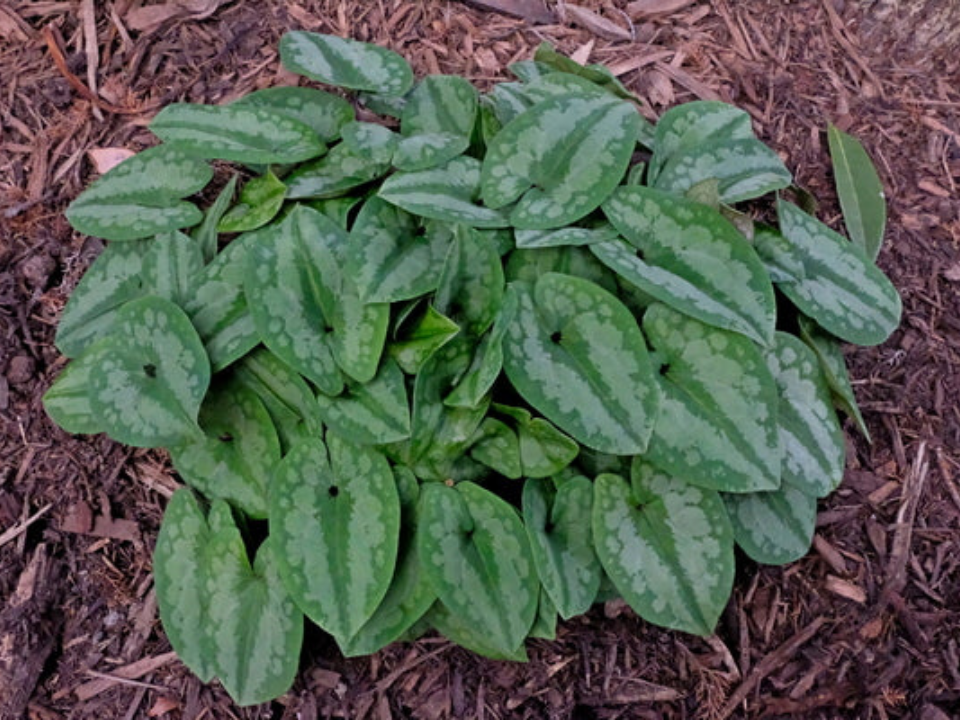
The Saddleback Plant is found on the isolated islands of New Zealand and is known for its unique ability to survive with no significant natural predators. It has adapted to the harsh conditions of the island’s coastal environment by developing thick, waxy leaves that protect it from saltwater and high winds.
This plant flourishes in areas where larger animals do not roam, giving it an advantage over other species. The Saddleback Plant plays an important role in the island’s ecosystem, providing food and shelter for smaller creatures. Its ability to withstand the elements makes it a valuable example of how plants can thrive in environments free from the pressures of predation.
Coco de Mer
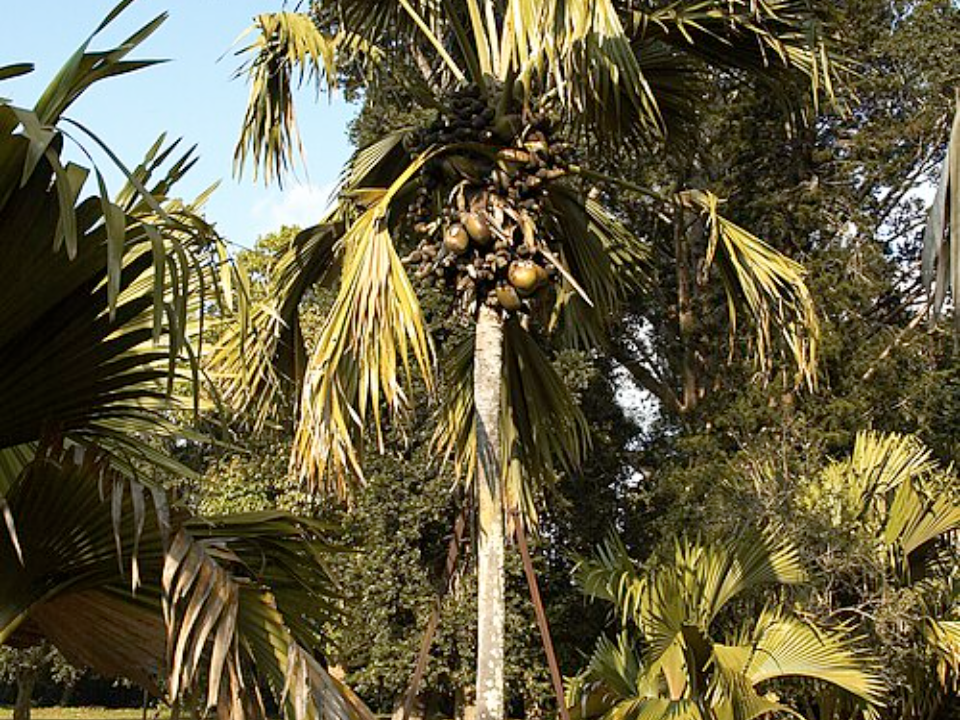
The Coco de Mer, native to the Seychelles Islands, is a rare and iconic plant that has evolved in an environment without natural predators. Known for its enormous seeds, which can weigh up to 40 pounds, the Coco de Mer grows in the tropical forests of the islands. The plant’s large size and dense foliage help protect it from the limited herbivores found on the islands.
It thrives in the absence of major threats, which has allowed it to grow and develop in a highly specialized habitat. The Coco de Mer’s remarkable seeds are not only a botanical wonder but also an example of how isolation can lead to the development of unique traits. However, the plant faces challenges from habitat destruction and climate change, which threaten its delicate existence.
Norfolk Island Hibiscus
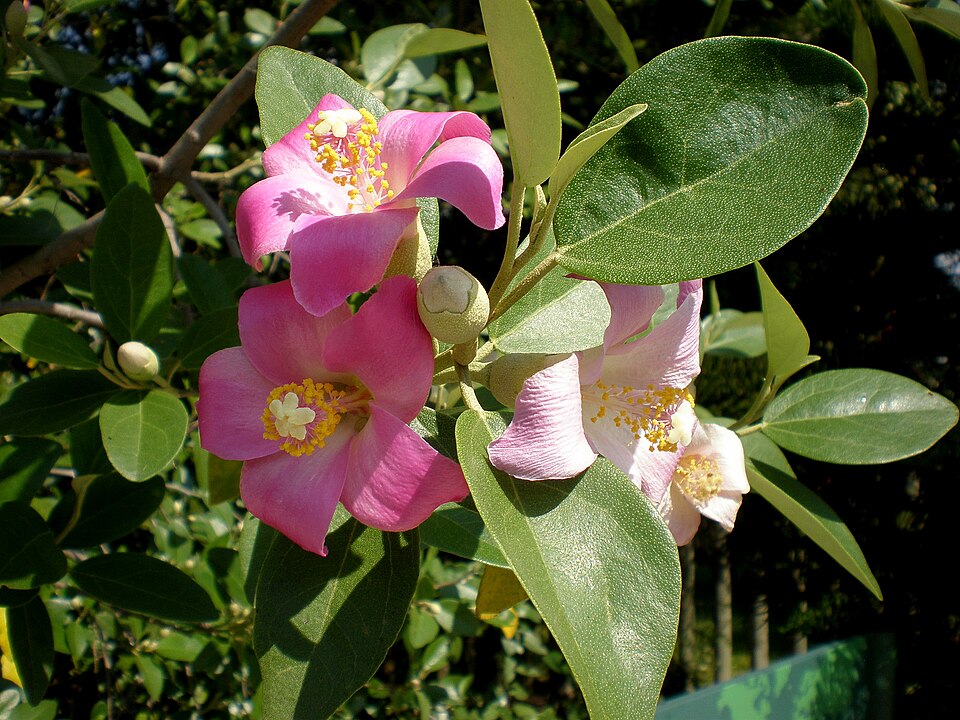
The Norfolk Island Hibiscus is another plant that has evolved in isolation, free from many natural predators. This vibrant flowering plant thrives in the rich, volcanic soil of Norfolk Island, where it is protected by its thick, leathery leaves. The hibiscus’ large, colorful flowers are not only attractive to pollinators but also serve as a sign of the plant’s health and resilience.
The plant has developed a strong resistance to disease and pests, which has allowed it to survive in the island’s unique ecosystem. Despite its isolation, the Norfolk Island Hibiscus is at risk from human activity and the introduction of invasive species. Conservation efforts are ongoing to preserve this rare species.
Haitian Black Cacao
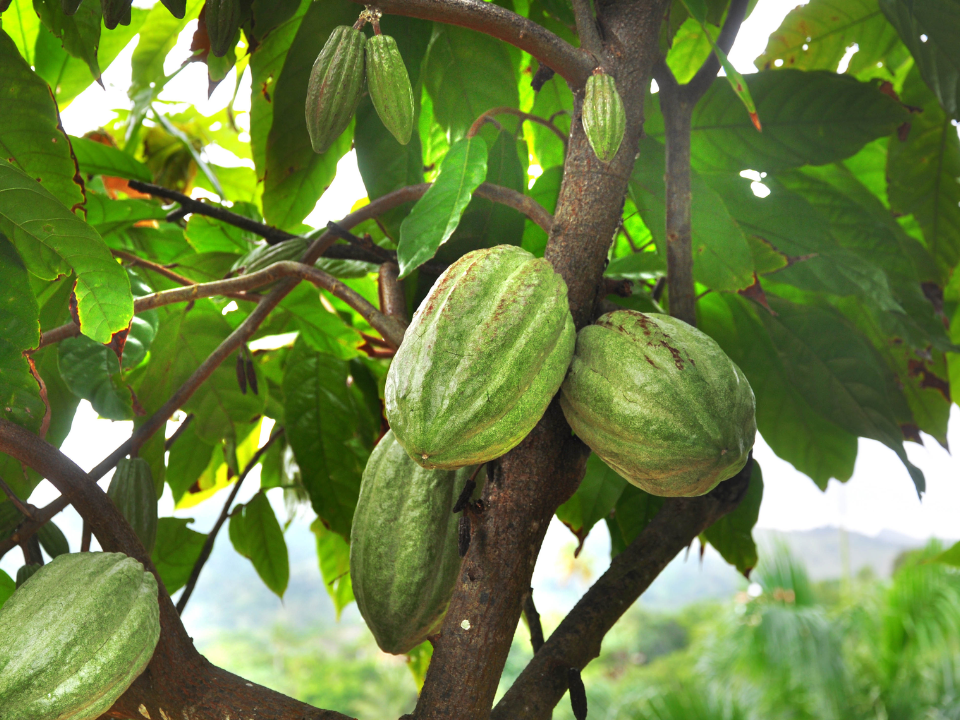
Native to the island of Hispaniola, the Haitian Black Cacao plant has thrived in a unique environment with few natural predators. The plant’s dark-colored pods have evolved to help protect its seeds from potential threats, allowing it to reproduce and spread in the absence of significant herbivores. It grows best in the island’s moist, nutrient-rich soil, which supports its development and fruit production.
The cacao’s resilience and unique adaptation to its isolated environment have made it a valuable part of the island’s biodiversity. Although cacao itself is well-known, the Haitian Black Cacao stands out due to its specific evolutionary path, shaped by the absence of predators. Conservation efforts are focused on protecting its habitat from deforestation and invasive species, ensuring the continued survival of this remarkable plant.
Tasmanian Blue Gum
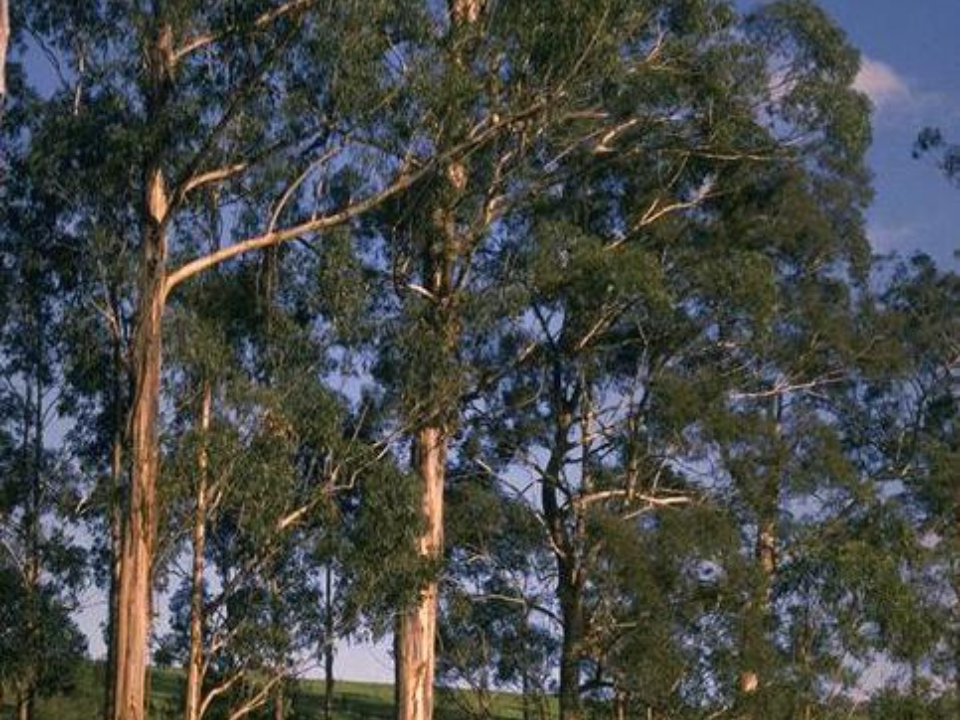
The Tasmanian Blue Gum is endemic to the island of Tasmania and is one of the largest and fastest-growing eucalyptus species. This tall tree has evolved without the threat of major predators, allowing it to grow to towering heights. Its thick bark and aromatic leaves serve as natural defenses against insects, and the absence of significant grazing animals on the island has allowed the tree to dominate the landscape.
The Blue Gum’s ability to regenerate quickly after disturbance ensures its continued presence in Tasmania’s forests. The tree is an important part of the island’s ecosystem, providing habitat for various bird species. Despite its resilience, the Tasmanian Blue Gum faces threats from invasive plants and changing climate conditions. Efforts are in place to monitor and protect the species.
Palawan Cherry
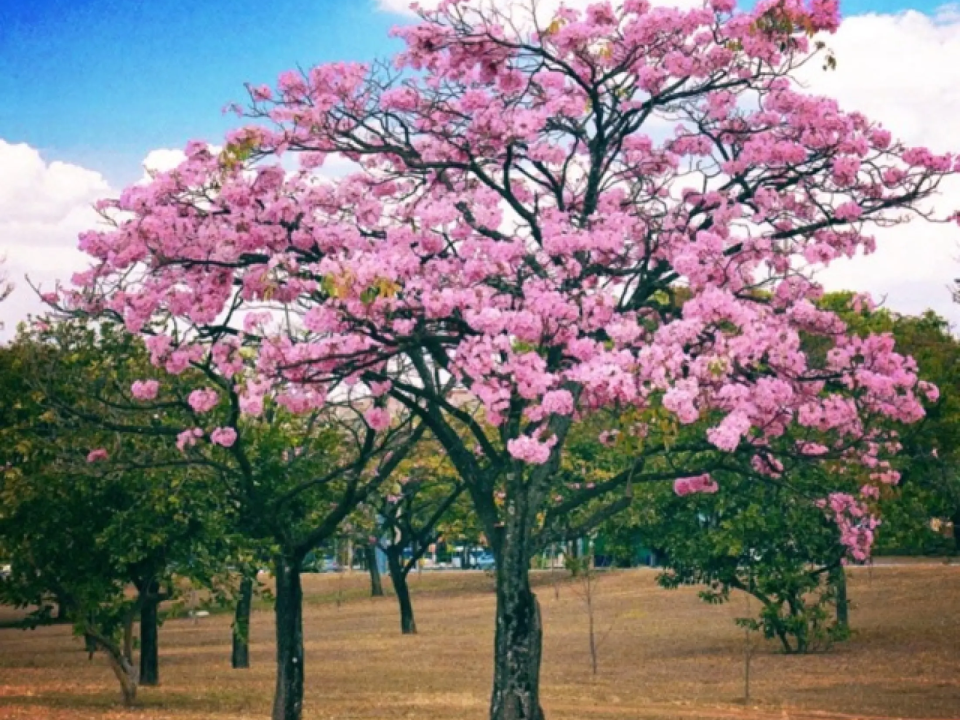
The Palawan Cherry, endemic to the island of Palawan in the Philippines, is a stunning flowering tree that has evolved in a relatively predator-free environment. This tree produces bright pink blossoms that attract pollinators but are not significantly preyed upon by animals. The absence of large herbivores has allowed the Palawan Cherry to thrive in the island’s rich, volcanic soil.
It grows in the dense forests of Palawan, where its flowers are an iconic sight during the blooming season. The tree plays an essential role in the local ecosystem, providing food and shelter for various species of birds and insects. Although not heavily threatened, the Palawan Cherry faces challenges from logging and habitat destruction. Efforts are underway to conserve the island’s native forests and protect this unique species.
Falkland Island Cabbage
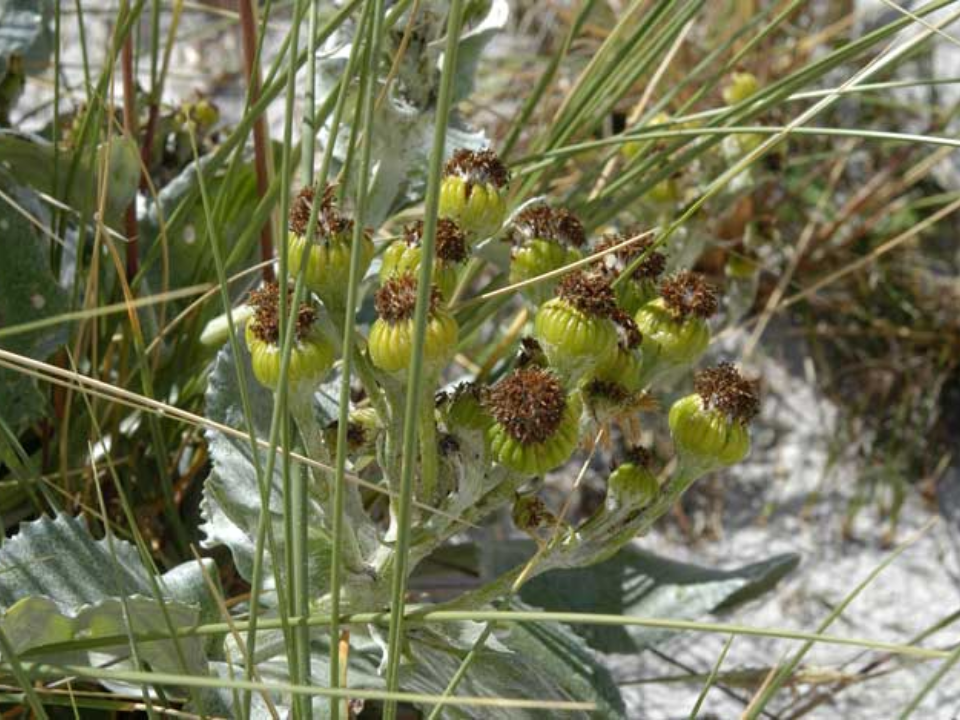
The Falkland Island Cabbage, found only on the remote Falkland Islands, is a hardy plant that has evolved with no significant natural predators. Its thick, waxy leaves help it retain moisture in the island’s harsh, windy climate. The cabbage has adapted to the cold, nutrient-poor soil by growing low to the ground, where it is sheltered from the strong winds that sweep across the island.
Its ability to survive in such an isolated and extreme environment is a testament to its resilience. Although the plant has no major herbivores to contend with, it is vulnerable to climate change and human activity. Conservationists are working to protect the island’s fragile ecosystem and prevent further habitat degradation. The Falkland Island Cabbage is an important part of the region’s unique flora.
Mount Saint Helens Bluebell
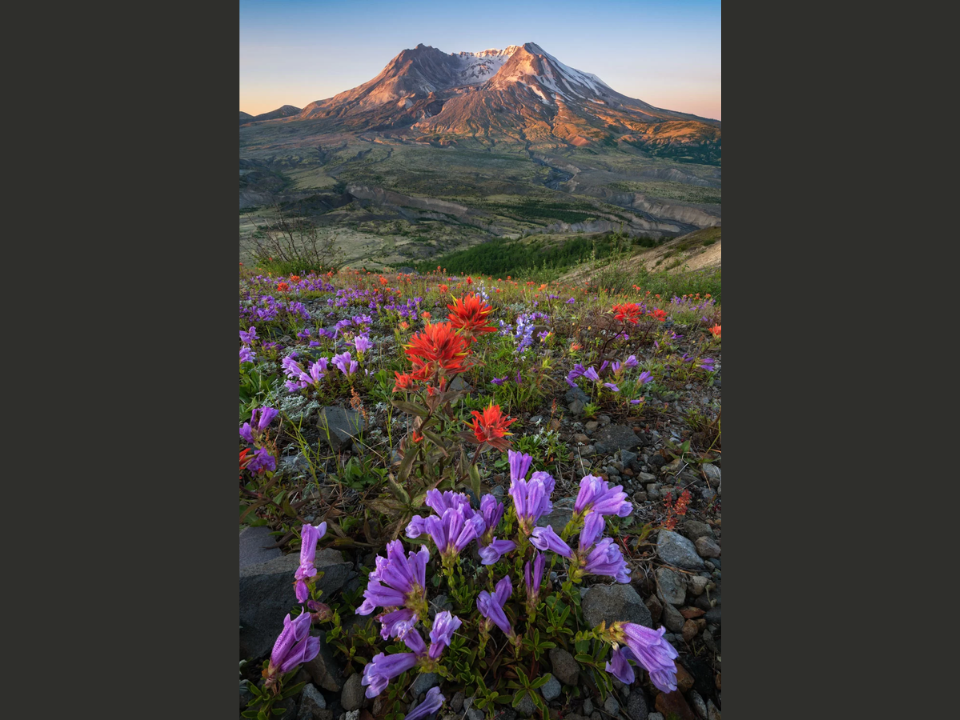
Endemic to the area surrounding Mount Saint Helens, the Mount Saint Helens Bluebell is a rare flower that has thrived in the volcano’s nutrient-rich soils. The plant’s bright blue flowers have evolved to attract pollinators, but it has few natural threats in the surrounding ecosystem. After the eruption of Mount Saint Helens in 1980, this plant began to recolonize the area, taking advantage of the disturbed soil.
The absence of large grazing animals allowed the bluebell to spread quickly across the volcanic landscape. Although it is not yet endangered, the Mount Saint Helens Bluebell faces challenges from invasive species that compete for its habitat. Efforts are being made to monitor and preserve the plant in its native environment.
Socotra Dragon Tree
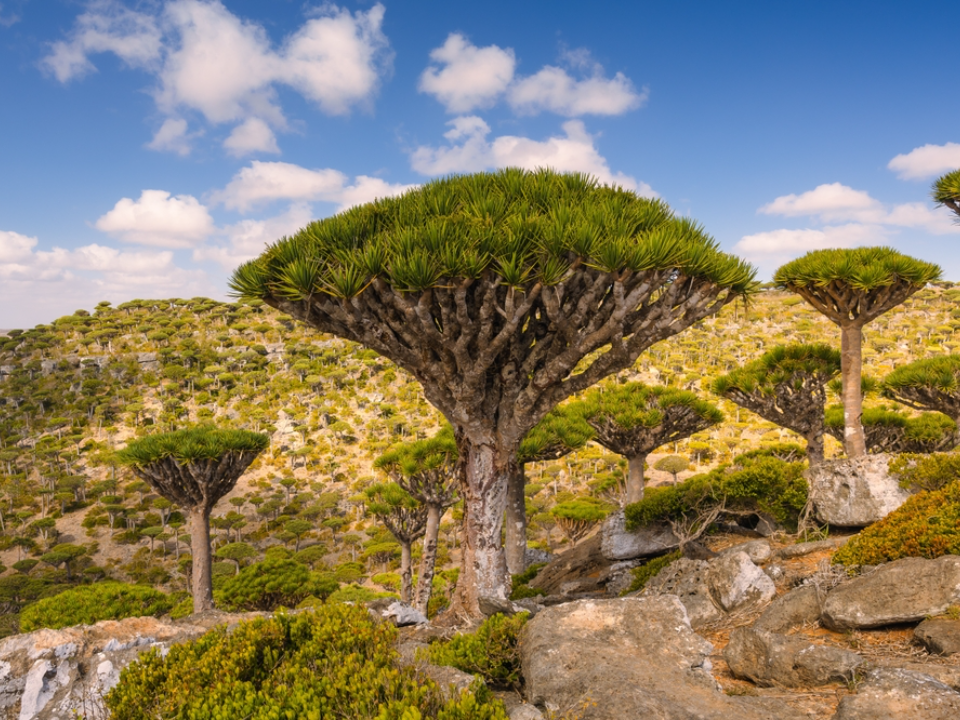
The Socotra Dragon Tree, native to the island of Socotra in the Arabian Sea, is an iconic plant that has evolved to survive in an environment with little predation. The tree is known for its unique, umbrella-like canopy and its red sap, which is highly prized for its medicinal and commercial uses. It thrives in the island’s arid conditions, where few herbivores exist to consume its leaves or bark.
The Socotra Dragon Tree has developed a distinctive appearance, with twisted branches and thick, leathery leaves that help it retain water. This ancient tree is well-adapted to the harsh, dry climate of Socotra, which has allowed it to survive in isolation for centuries. However, the tree faces threats from climate change and overharvesting. Conservation efforts are critical to preserving this unique species.
Bermuda Petunia
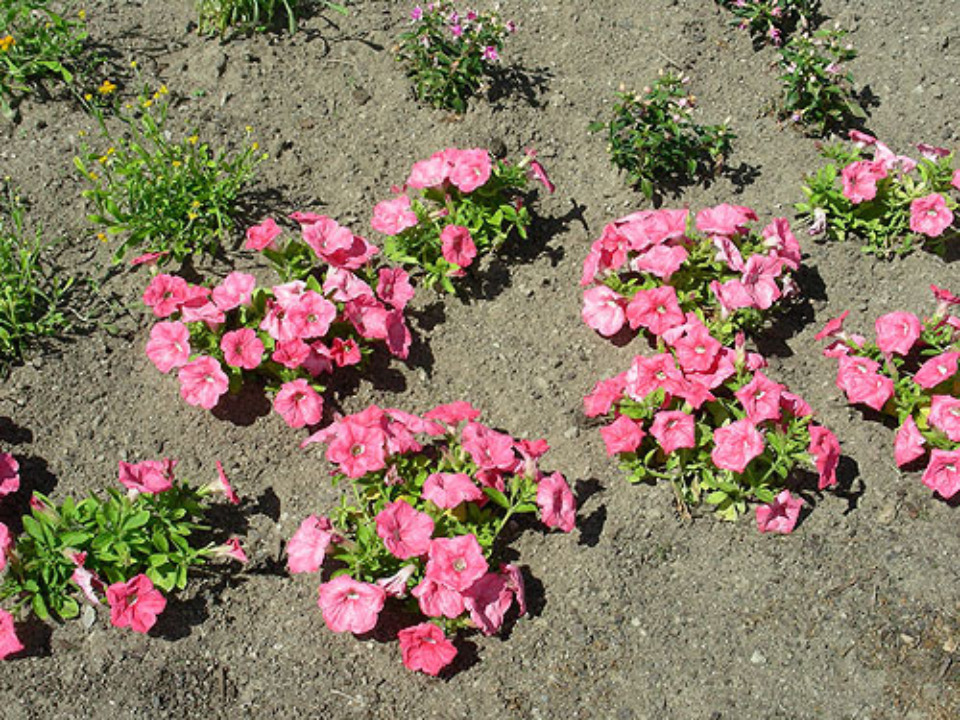
The Bermuda Petunia is a rare flowering plant found only on the island of Bermuda. It thrives in the island’s sunny, coastal environment, where it has evolved with few natural predators. The plant’s brightly colored flowers attract a variety of pollinators, but it faces little competition from herbivores.
The Bermuda Petunia has become an important part of the island’s landscape, providing color and beauty throughout the year. Its survival has been aided by its ability to withstand the island’s humid climate and occasional dry spells. However, invasive species and human activity threaten its natural habitat. Efforts are underway to conserve this rare species and protect its home.
This article originally appeared on Avocadu.