
15 Rare Island Plants That Evolved in Total Isolation
Islands around the world have created the perfect conditions for plants to evolve in complete isolation, developing unique traits that set them apart from anything else found on the mainland. Without the influence of external ecosystems, these plants have adapted in fascinating ways to thrive in their specific environments. Some have developed striking colors, others have evolved to withstand extreme weather, and many have become integral parts of their island ecosystems. These plants often survive in harsh, isolated conditions where they face little competition and few predators. Over time, they have evolved to fill niches that are unlike anything on the mainland.
This post may contain affiliate links, which helps keep this content free. Please read our disclosure for more info.
Silversword (Argyroxiphium sandwicense)
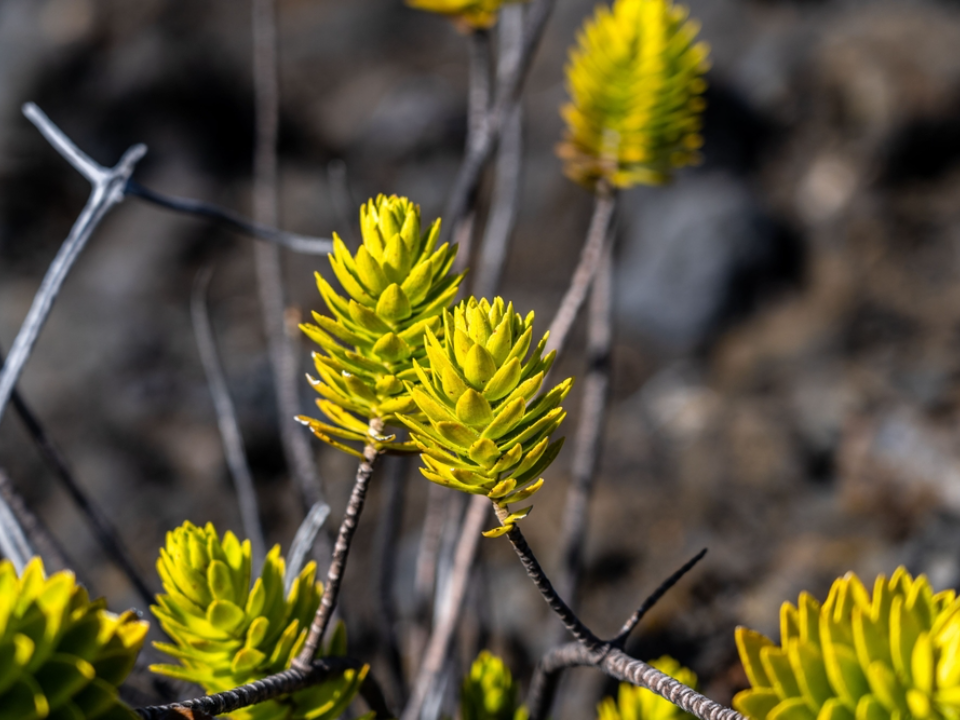
The Silversword is a striking plant native to the volcanic slopes of Hawaii’s Maui Island. It has evolved in isolation over thousands of years, adapting to the harsh, rocky conditions of the high-altitude terrain. The plant features silvery, sword-shaped leaves that form rosettes, creating a dramatic appearance against the barren landscape. It is known for its vibrant purple flowers that emerge during the late summer months.
The Silversword’s ability to thrive in such an environment with minimal resources is a testament to its unique evolutionary path. Over time, it has developed a tolerance for extreme temperatures and drought. This plant is a symbol of the Hawaiian Islands and is protected by conservation efforts due to its rarity.
Kākāwahī (Cyanea superba)
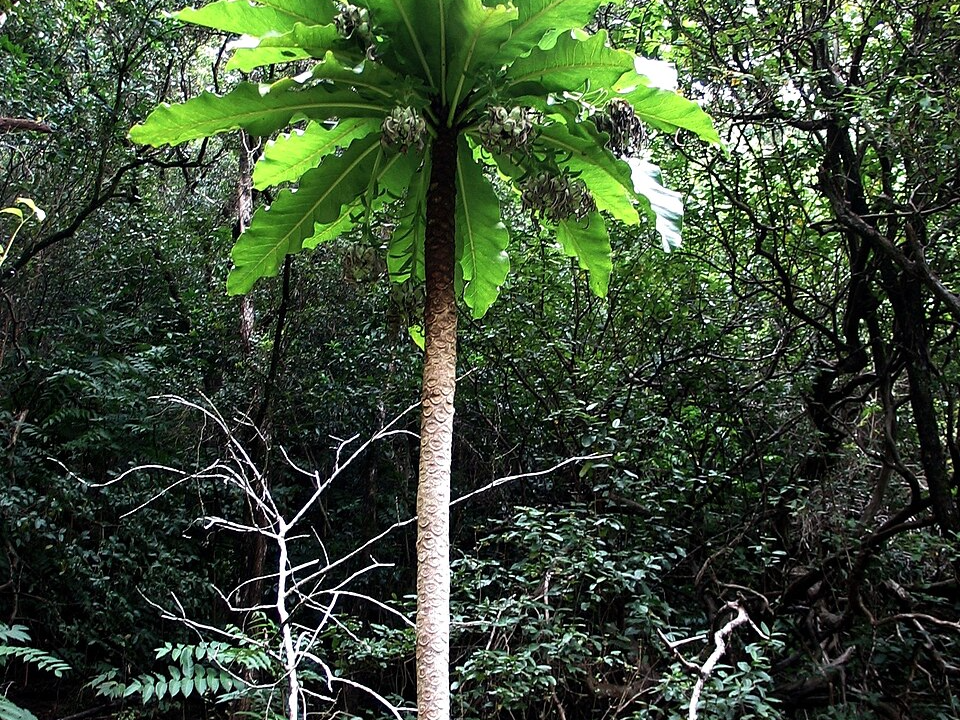
Endemic to the Hawaiian Islands, the Kākāwahī is a rare flowering plant found in isolated areas of the island of Kaua’i. It is part of the Campanulaceae family and features striking purple and blue flowers that bloom from a rosette of thick, leathery leaves. This plant thrives in the deep rainforests of the island, where the humid environment and frequent rainfall create the perfect conditions for its growth.
Due to the island’s isolation, the Kākāwahī has developed unique characteristics that set it apart from mainland relatives, including its ability to survive in lower light conditions. However, it remains critically endangered, with only a handful of plants left in the wild. Preservation programs are working tirelessly to protect this native species. The Kākāwahī’s delicate beauty and isolation make it a rare and valuable part of Hawaii’s natural heritage.
Jellyfish Tree (Medusagyne oppositifolia)
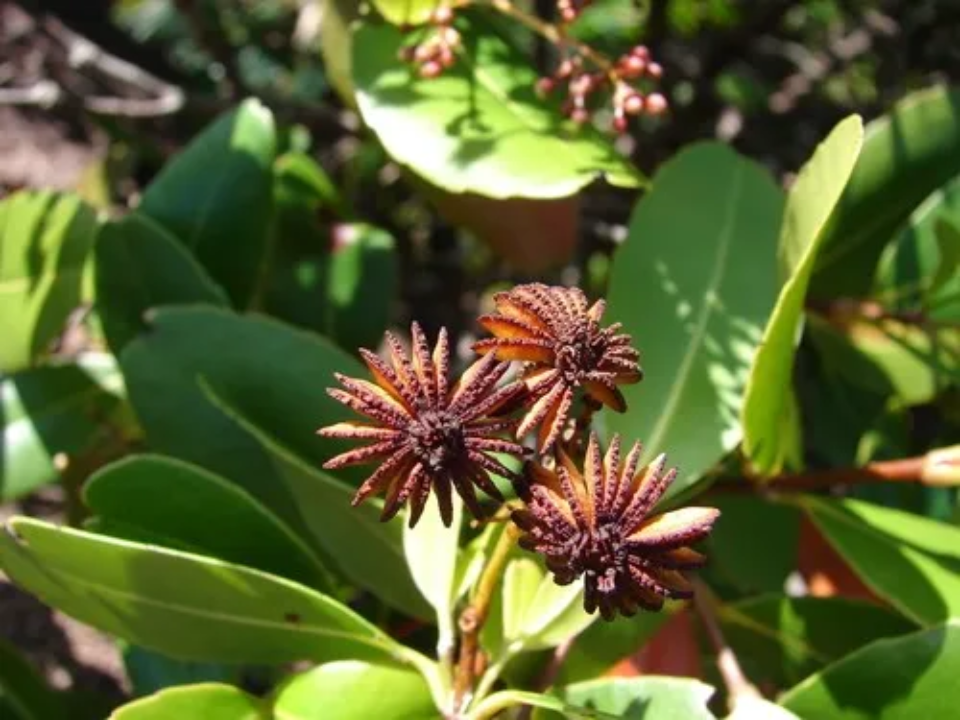
The Jellyfish Tree, native to the island of Mauritius, is a rare and fascinating plant that grows in coastal forests. It has evolved to thrive in the island’s unique ecosystem, developing a structure that resembles the shape of a jellyfish. The plant is known for its broad, fleshy leaves that help it conserve water in the dry seasons.
Its striking white flowers, which bloom in the early spring, are a significant attraction for local pollinators. Due to its limited range and the specific conditions it needs to thrive, the Jellyfish Tree is classified as critically endangered. Conservation efforts are ongoing to protect its fragile habitat. This plant’s isolation and distinctive appearance make it a remarkable example of island evolution.
Guam Kingfisher Plant (Guilandina bonduc)
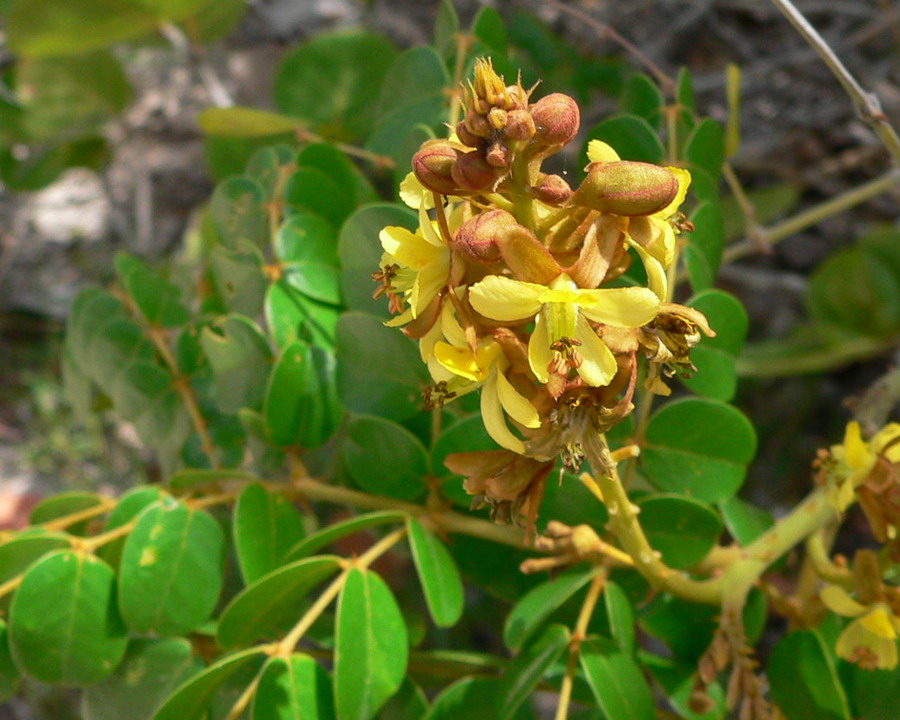
Native to the tropical island of Guam, the Guam Kingfisher Plant is a rare species that has adapted to the island’s specific environmental conditions. It grows along coastal areas and is known for its vibrant yellow and orange flowers, which attract pollinators native to the island. The plant has evolved to withstand the saltwater and high humidity of coastal regions. Its sprawling vines provide shade and shelter to smaller island species, contributing to the local ecosystem’s balance.
However, the Guam Kingfisher Plant faces numerous threats, including habitat destruction and the introduction of invasive species. Efforts to protect this rare plant are crucial to preserving its role in the island’s natural landscape. Its isolation on Guam has led to a unique set of characteristics that make it an essential part of the island’s flora.
Kokee Fern (Cibotium menziesii)
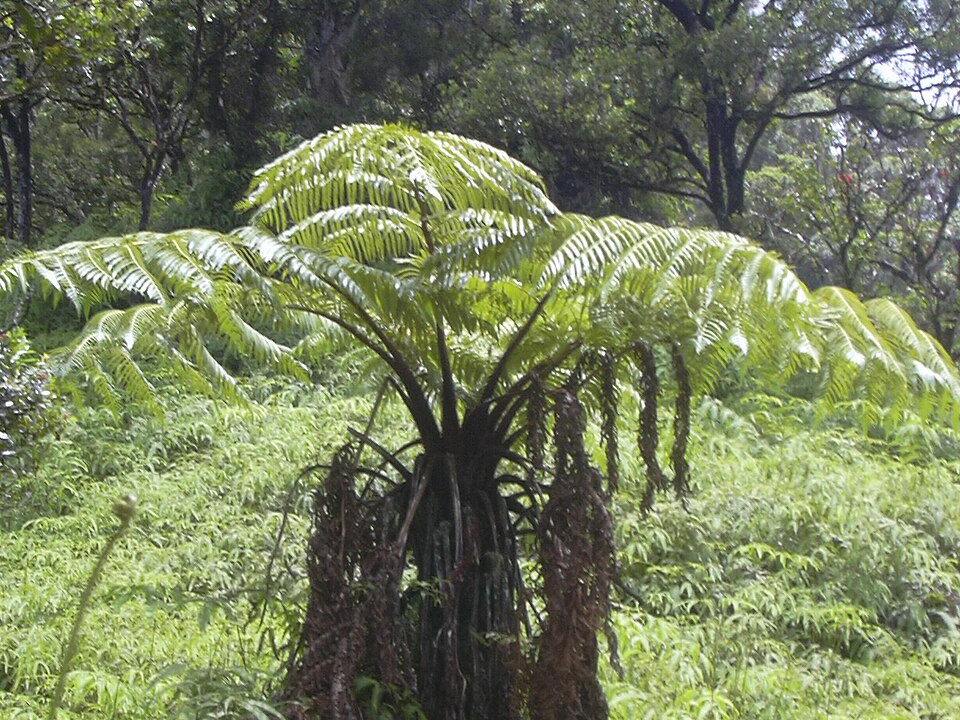
Found in the isolated rainforests of Kaua’i, Hawaii, the Kokee Fern is an ancient plant species that has evolved to thrive in the island’s humid environment. This fern is notable for its large, feathery fronds that can grow up to 10 feet long, making it one of the largest ferns in Hawaii. The Kokee Fern thrives in the sheltered valleys of the island, where the consistent rainfall and rich soil provide the ideal conditions for growth.
It has a deep connection to the island’s cultural heritage and is often found in the sacred forests of native Hawaiians. The fern’s ability to survive in such a specific niche makes it a rare and vital species within Kaua’i’s ecosystem. Conservation efforts are in place to protect this ancient plant from habitat loss. The Kokee Fern’s isolation and resilience are a testament to its evolutionary adaptability.
Lignum Vitae (Guaiacum officinale)
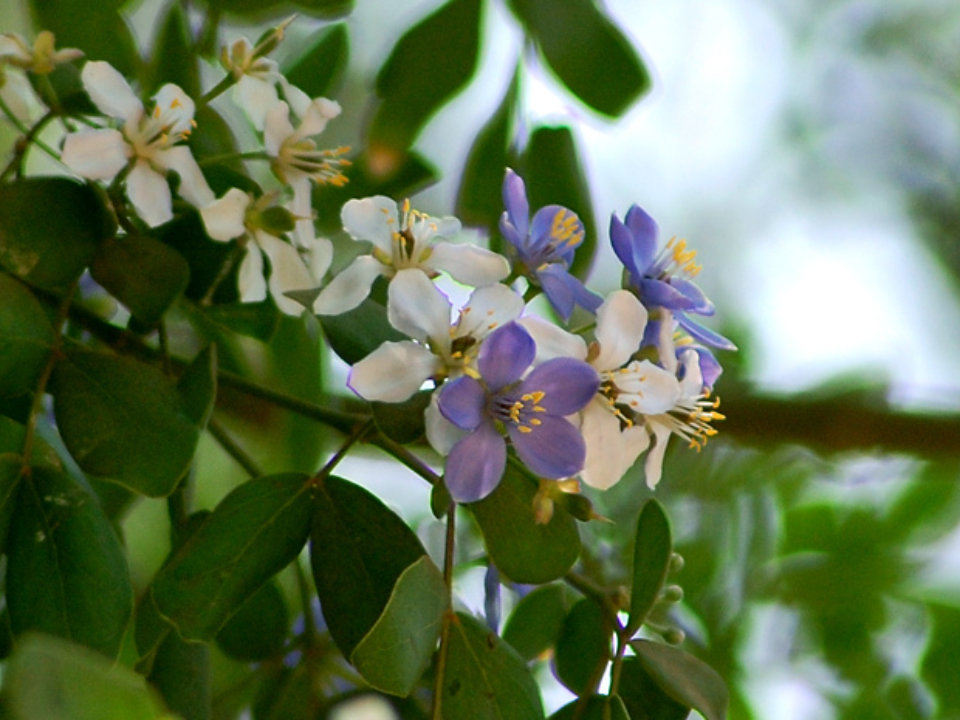
Native to the remote island of Hispaniola, the Lignum Vitae is a rare, evergreen tree known for its dense, resinous wood. The plant is particularly famous for its medicinal properties, which have been used by local communities for centuries. The Lignum Vitae tree grows in the coastal forests of the island, where it has adapted to thrive in the dry, rocky terrain.
The plant’s deep green foliage and striking blue flowers make it an iconic part of the island’s natural beauty. Despite its hardiness, the Lignum Vitae is endangered due to overharvesting and habitat loss. Conservation programs are focused on protecting this unique tree and ensuring its survival for future generations. The tree’s isolation on Hispaniola has contributed to its specialized evolution, making it a valuable species for both ecological and cultural reasons.
Socotra Dragon Tree (Dracaena cinnabari)
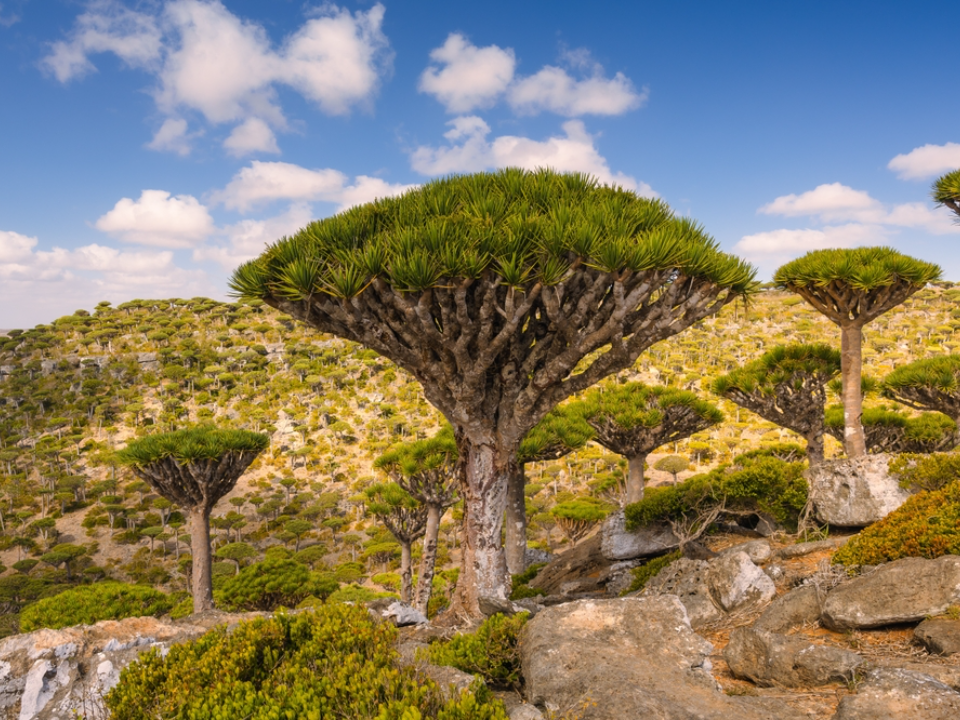
The Socotra Dragon Tree is a fascinating plant that grows exclusively on the island of Socotra, located off the coast of Yemen. It is known for its distinctive umbrella-shaped canopy and the red resin it produces, which has been used in traditional medicine and as dye. The tree’s ability to survive in the arid conditions of Socotra, with its minimal rainfall and harsh sunlight, showcases its remarkable adaptation to isolation.
The Socotra Dragon Tree can live for hundreds of years, growing slowly but steadily. Its unusual appearance and longevity have made it one of the island’s most iconic species. However, the tree faces threats from climate change and overexploitation. Efforts to protect the Socotra Dragon Tree are critical to preserving the unique flora of the island.
Baobab (Adansonia grandidieri)

The Baobab tree, found on the island of Madagascar, is one of the most iconic and rare plants in the world. Known for its massive, swollen trunk, the Baobab has evolved to store water in its trunk, allowing it to survive the island’s dry seasons. The tree’s distinctive silhouette, with its broad canopy and gnarled appearance, has earned it the nickname “upside-down tree.”
Baobabs can live for over a thousand years, with some trees estimated to be around 6,000 years old. The isolation of Madagascar has led to the Baobab developing unique characteristics that are not found in other regions of the world. The tree’s fruit, which is rich in vitamin C, is also a valuable resource for local communities. Unfortunately, the Baobab faces threats from deforestation and climate change, making conservation efforts essential.
Algarrobo Tree (Prosopis juliflora)
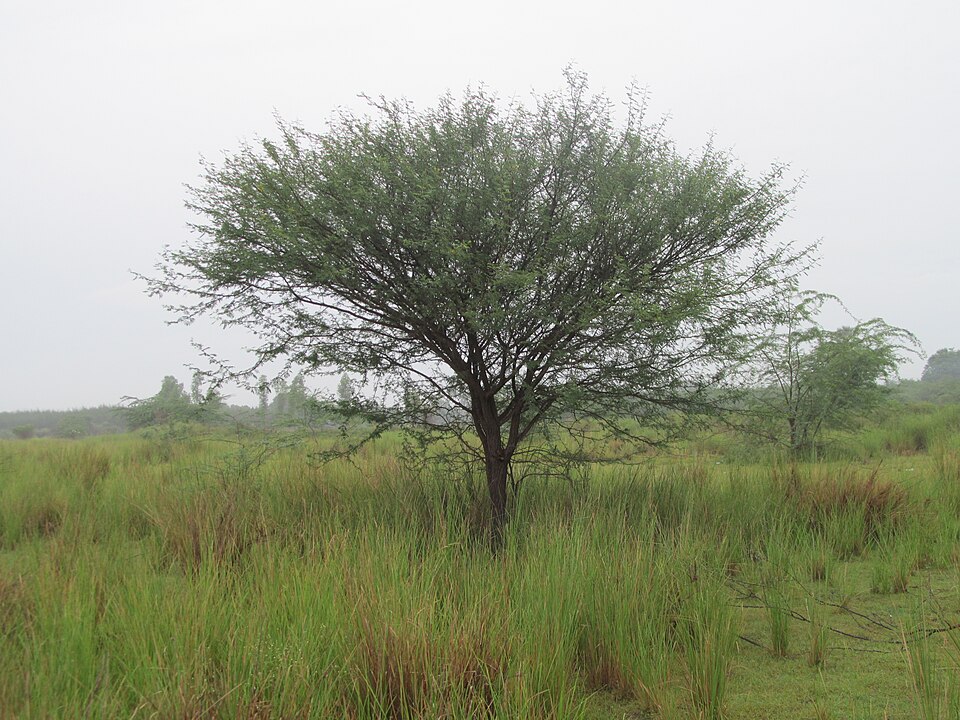
Native to the Galápagos Islands, the Algarrobo tree is a rare species that has adapted to the island’s dry, rocky terrain. It has evolved to survive in the harsh conditions of the archipelago, with its deep roots allowing it to access underground water sources. The tree produces sweet, edible pods that provide sustenance to both wildlife and humans.
The Algarrobo’s ability to thrive in such an isolated environment has made it a vital part of the local ecosystem. It provides shade and shelter for a variety of island species, contributing to the biodiversity of the islands. Despite its resilience, the Algarrobo tree is facing threats from invasive species and climate change. Conservation programs are working to protect this unique tree and ensure its survival in the Galápagos.
Titan Arum (Amorphophallus titanum)
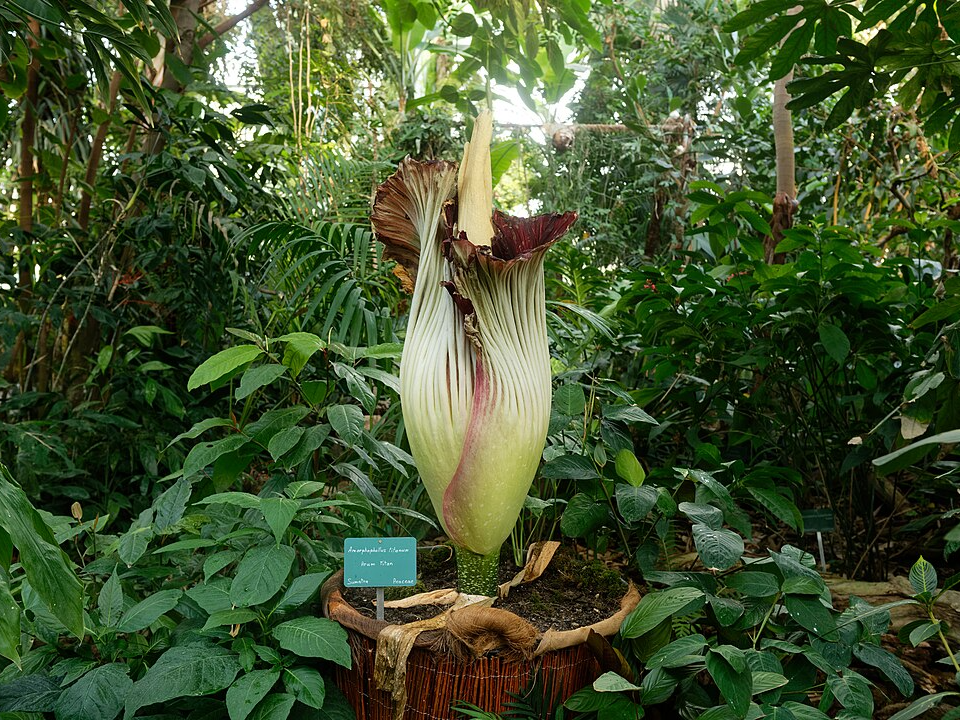
The Titan Arum, also known as the corpse flower, is native to the rainforests of Sumatra, Indonesia. It is famous for its large, pungent flowers, which emit the smell of rotting flesh to attract pollinators such as carrion beetles and flesh flies. The plant is a rare sight in the wild, often blooming only once every few years. Its enormous flower can reach over 10 feet in height, making it one of the largest flowers in the world.
The Titan Arum’s ability to survive in the dense, humid jungles of Sumatra is a result of its adaptation to the unique conditions of the island. Its bloom is a spectacular event, drawing attention from researchers and tourists alike. Despite its size and distinctive smell, the plant is endangered due to habitat destruction and climate change, making its preservation a priority.
Rothschild’s Slipper Orchid (Paphiopedilum rothschildianum)
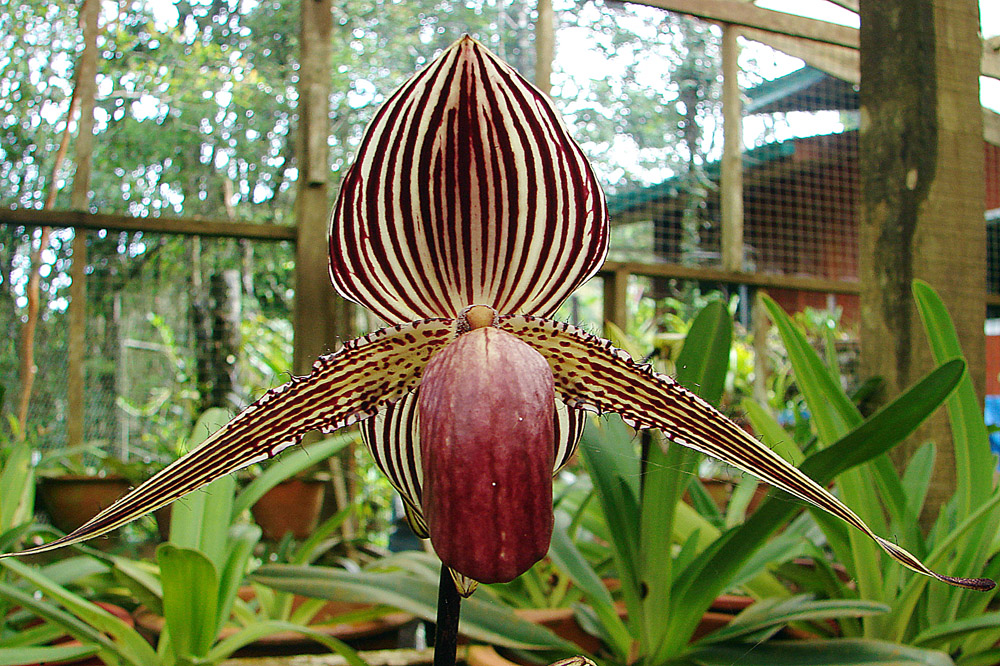
Native to the remote highlands of Borneo, Rothschild’s Slipper Orchid is a rare and exquisite species found in the cloud forests. It is known for its striking appearance, with large, colorful flowers resembling a slipper, often featuring vibrant hues of green, white, and purple. The orchid thrives in the cool, moist environment of the mountains, where it is protected from the harsh tropical heat of lower elevations.
Due to its beauty and rarity, the Rothschild’s Slipper Orchid is highly sought after by collectors and has been listed as critically endangered. Conservation efforts are focused on protecting its natural habitat, which is threatened by deforestation and illegal orchid collection. Its isolation in the highlands has led to the development of its unique and captivating features, making it a symbol of Borneo’s rich biodiversity.
Crinum asiaticum (Giant Crinum Lily)
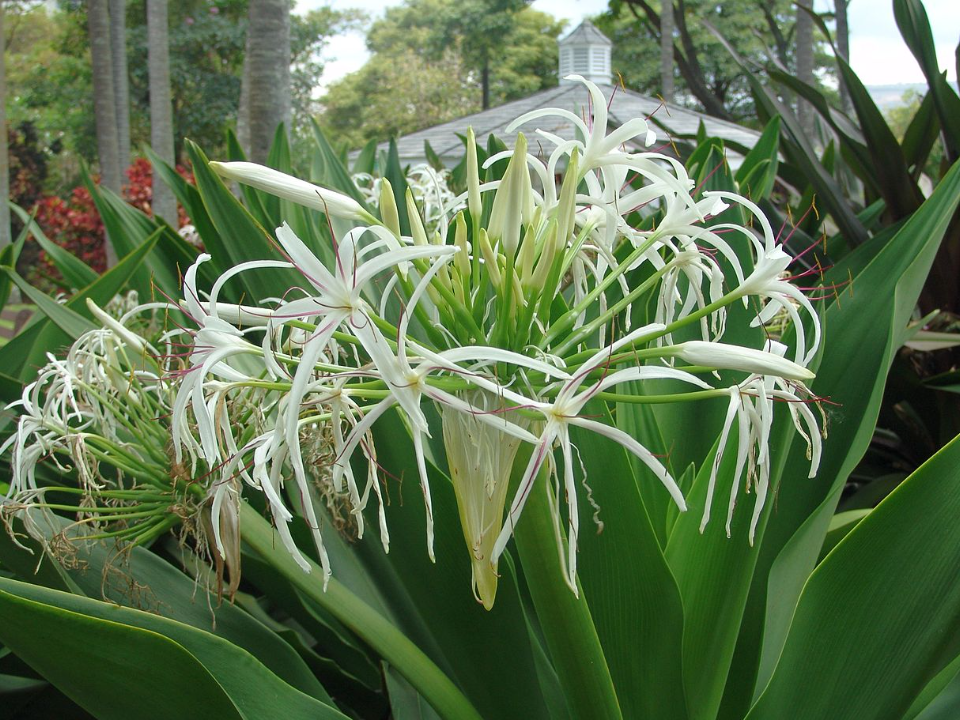
Found in the remote coastal areas of the Indian Ocean, Crinum asiaticum is a stunning plant that has evolved to survive in the island’s salty, tropical climate. This plant is known for its long, narrow leaves and fragrant, white flowers that bloom in clusters. The Giant Crinum Lily thrives in areas with high humidity and abundant rainfall, making it a common sight along the coastlines of islands such as Sri Lanka and the Maldives.
It has adapted to grow in sandy, well-drained soil, making it resilient to the challenges posed by the coastal environment. The plant has been used in traditional medicine for its healing properties, further increasing its value to island communities. Due to its beauty and medicinal uses, Crinum asiaticum is increasingly being cultivated on other islands, but it remains a significant part of the native flora of the Indian Ocean region. Conservation efforts are focused on preserving its natural habitat and ensuring its survival in the face of climate change.
Giant Taro (Alocasia macrorrhizos)
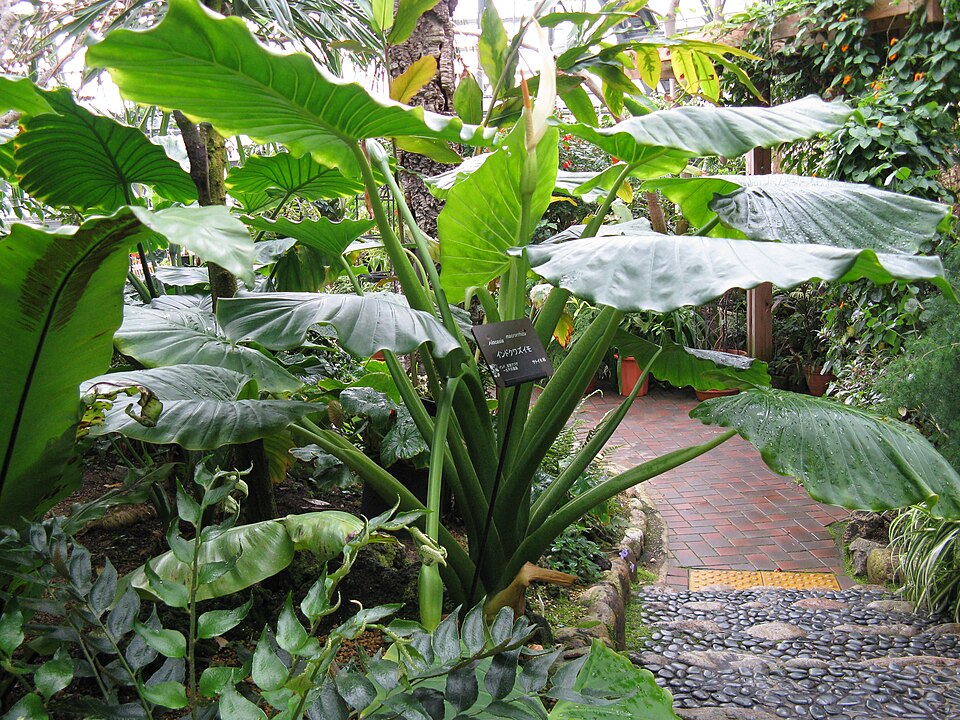
Native to the isolated islands of the Pacific, Giant Taro is a remarkable plant known for its large, heart-shaped leaves that can grow up to 3 feet long. This plant thrives in the humid, tropical conditions found in volcanic soils, where it is often found growing along riverbanks and in marshy areas. The Giant Taro has evolved to survive in the wetland conditions of these islands, with its thick roots helping it to anchor firmly to the ground. Its edible corms have been a staple food source for island communities for centuries.
The plant’s resilience to wet conditions and its widespread cultivation across the Pacific Islands are testaments to its ability to adapt to its isolated environment. Giant Taro is culturally significant, used in traditional ceremonies and feasts across many Pacific Islands. The plant faces some threats from habitat loss, but its widespread cultivation ensures its continued presence on many islands.
Canary Island Date Palm (Phoenix canariensis)
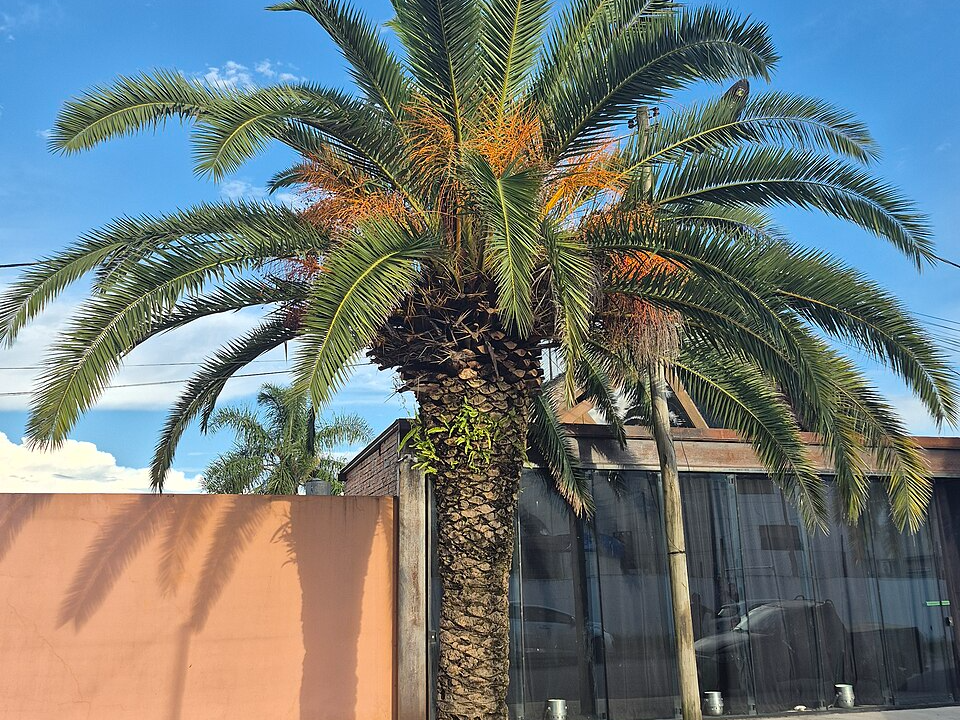
The Canary Island Date Palm is native to the Canary Islands, an isolated archipelago off the coast of northwest Africa. This palm tree has adapted to the island’s dry climate and is able to survive in poor, sandy soils. Its tall, graceful form and large, feathery fronds make it an iconic feature of the Canary Islands’ landscapes. The plant produces sweet, edible dates that have been harvested for centuries, making it an important food source for the local population.
The Canary Island Date Palm is also used for its timber and fronds, which are used in the construction of traditional thatched roofs. Despite its hardiness, the species is threatened by a fungal disease known as the Canary Palm Decline, which has led to significant population declines. Conservation efforts are in place to combat this disease and protect the palm tree from further decline.
Seaside Daisy (Erigeron glaucus)
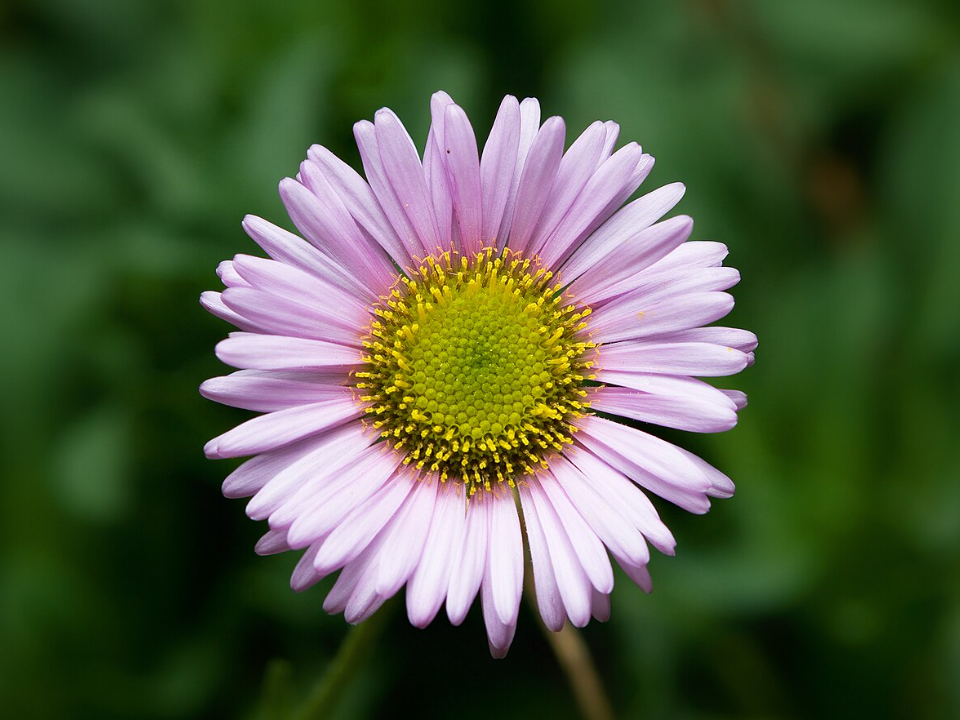
The Seaside Daisy is a rare and resilient plant that grows along the rugged coastlines of California. It thrives in the sandy, salty soil found in coastal regions, where few other plants can survive. The Seaside Daisy produces vibrant purple or pink flowers that add a pop of color to the coastal landscape. Its ability to tolerate saltwater and strong winds makes it an ideal plant for the harsh conditions of the coast.
The plant has evolved to withstand dry summers and occasional saltwater inundation, making it a unique species in the coastal ecosystem. Although the Seaside Daisy is not endangered, it faces pressure from urban development along the coast, which threatens its natural habitat. Conservation efforts focus on preserving the coastal ecosystems where this resilient plant grows, ensuring its continued survival.
This article originally appeared on Avocadu.