
12 Rare Honey Types with Strong Regional Flavor Notes
Honey is one of nature’s most delightful treats, offering a wide range of flavors that vary depending on the flowers the bees visit. Some honey types stand out not only for their taste but also for their strong regional characteristics, giving each variety its own unique twist. These honeys are influenced by the local flora, weather, and even the methods used in their production. Whether you are savoring the deep, earthy tones of buckwheat honey or enjoying the subtle sweetness of orange blossom honey, each type brings something special to the table. Many of these rare honey varieties are also prized for their health benefits, adding extra value to their already distinct flavor profiles.
This post may contain affiliate links, which helps keep this content free. Please read our disclosure for more info.
Manuka Honey (New Zealand)
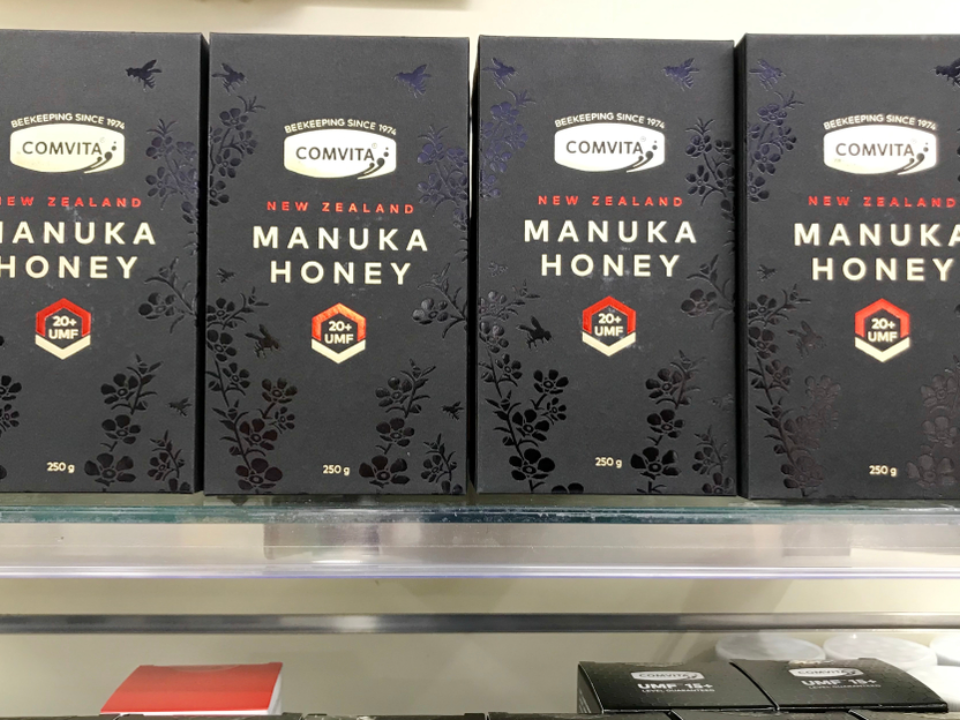
Manuka honey, sourced from the nectar of the Manuka bush, has a distinct flavor that is often described as earthy and rich with a slight herbal bitterness. Known for its dark amber color, this honey is not just valued for its unique taste, but also for its medicinal properties. It contains methylglyoxal (MGO), which contributes to its antibacterial qualities.
Manuka honey is produced primarily in New Zealand, where the native Manuka bush thrives in the remote, untouched areas of the country. The flavor of Manuka honey can range from mildly sweet to intensely robust, depending on the concentration of MGO. It is a favorite among those who appreciate bold, natural flavors and is often used in teas, on toast, or as a natural remedy. The honey’s rarity comes from the limited growth areas of the Manuka bush, making it a highly sought-after product.
Sidr Honey (Yemen)

Sidr honey is a rare honey derived from the nectar of the Sidr tree, which grows in the wild regions of Yemen. The honey is often described as having a deep, rich flavor with notes of floral sweetness and a subtle, herbal aftertaste. It is produced in small batches and is highly prized for its health benefits, particularly for digestive issues and skin conditions.
The Sidr tree, which is known for its resilience in harsh desert conditions, only blooms during certain seasons, making this honey especially scarce. The flavor profile of Sidr honey varies, but it generally has a complex taste with hints of caramel and a mild spiciness. It is often used in traditional medicine, in teas, or as a luxurious ingredient in desserts. Because of its rarity and the labor-intensive process of harvesting, Sidr honey is considered a premium product.
Heather Honey (United Kingdom)
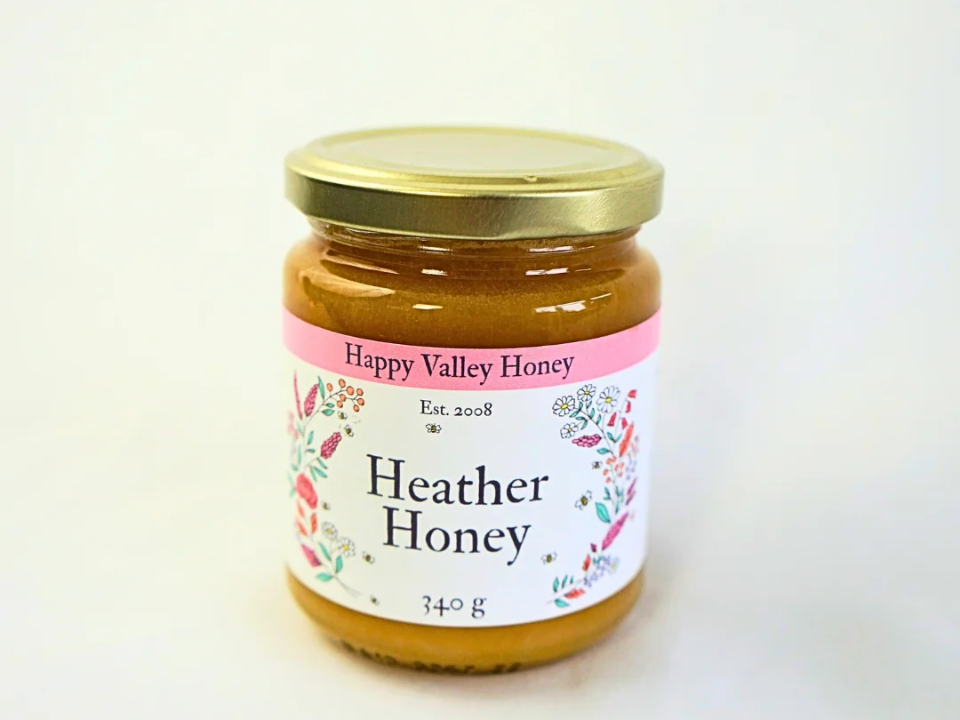
Heather honey is produced by bees that gather nectar from the heather plant, which grows abundantly in the wild landscapes of the United Kingdom. This honey has a unique, earthy taste with a touch of floral sweetness, and it is known for its rich, deep amber color. The flavor can be somewhat tangy and slightly bitter, which sets it apart from milder varieties of honey.
Heather honey is often thicker and more viscous than other types, which is a result of the high pollen content from the heather flowers. This honey is highly valued for its medicinal qualities, particularly in soothing sore throats and digestive issues. It also pairs well with strong cheeses and roasted meats. The scarcity of heather flowers and the short flowering season make this honey a rare and treasured find.
Acacia Honey (Hungary)
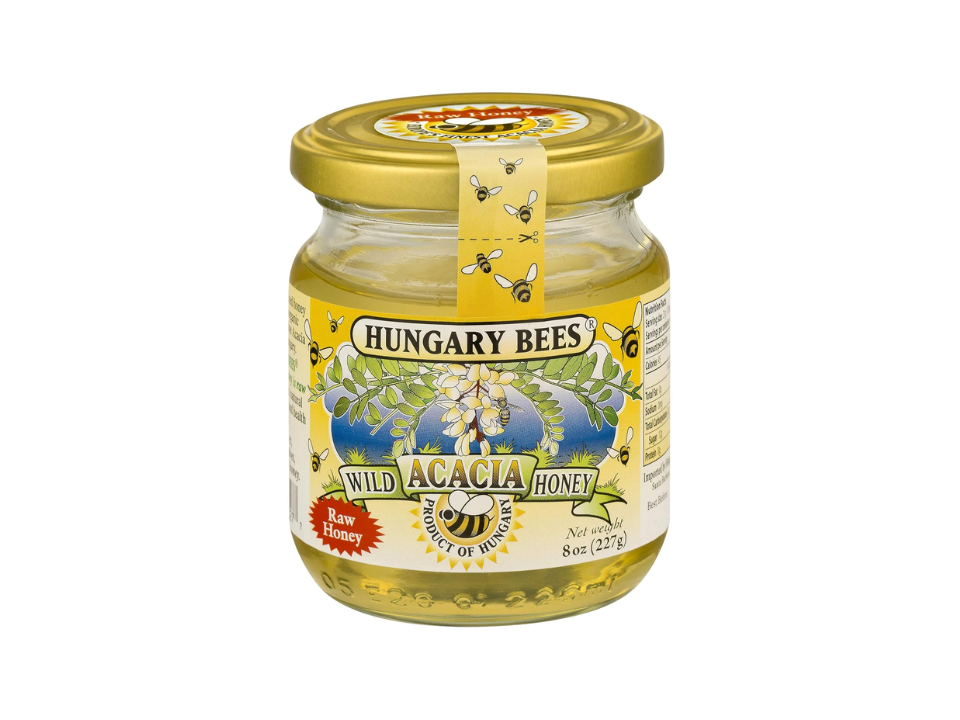
Acacia honey from Hungary is known for its light, delicate flavor with subtle floral notes and a mild sweetness. It is produced by bees that forage on the nectar of the acacia tree, which blooms in the spring months.
The honey is clear, almost transparent, with a light golden color. Its flavor is smooth and gentle, making it perfect for those who prefer a less intense taste. Acacia honey is also prized for its slow crystallization process, which allows it to remain liquid for a longer period than other types of honey. This honey is often used in desserts, beverages, or as a sweetener for teas. Its light profile makes it an excellent addition to dishes that require a more understated sweetness, such as fruit salads or yogurt.
Eucalyptus Honey (Australia)
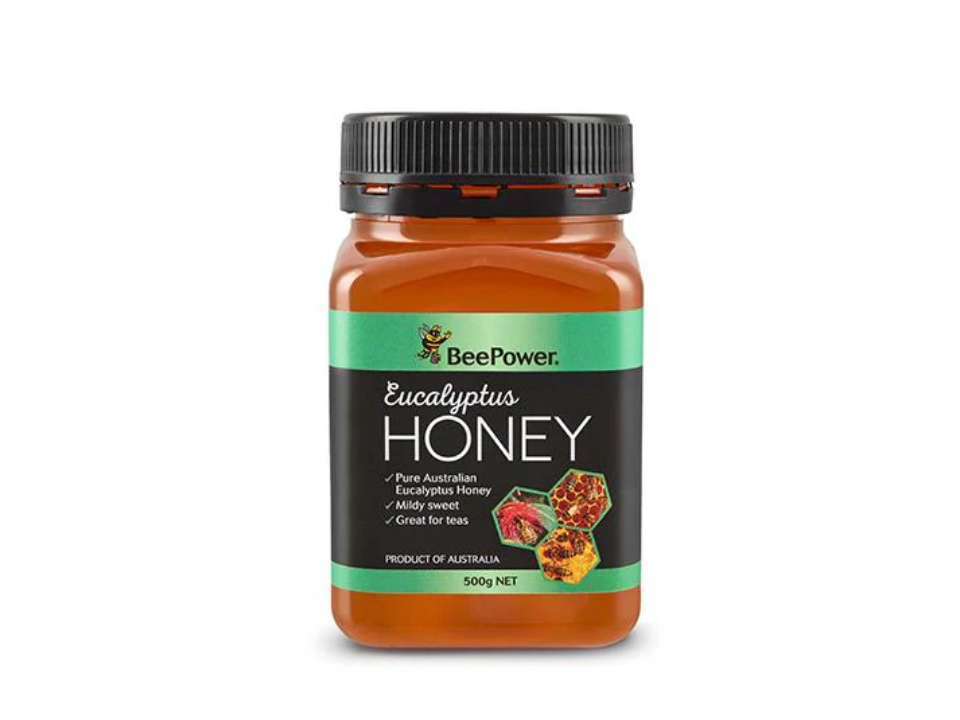
Eucalyptus honey is harvested from the nectar of eucalyptus trees, which are native to Australia. The honey has a unique flavor that is both herbal and slightly medicinal, with hints of menthol and a subtle floral sweetness. It has a smooth, thick consistency and is known for its dark amber color. Eucalyptus honey is often used in remedies for colds and respiratory issues, as it contains natural antibacterial properties.
The flavor profile varies depending on the species of eucalyptus tree, but it is generally robust and slightly tangy, with earthy undertones. This honey is often enjoyed in teas, where it can provide a soothing, aromatic experience. Eucalyptus honey is not only valued for its flavor but also for its potential health benefits, making it a popular choice for those seeking natural remedies.
Buckwheat Honey (United States)
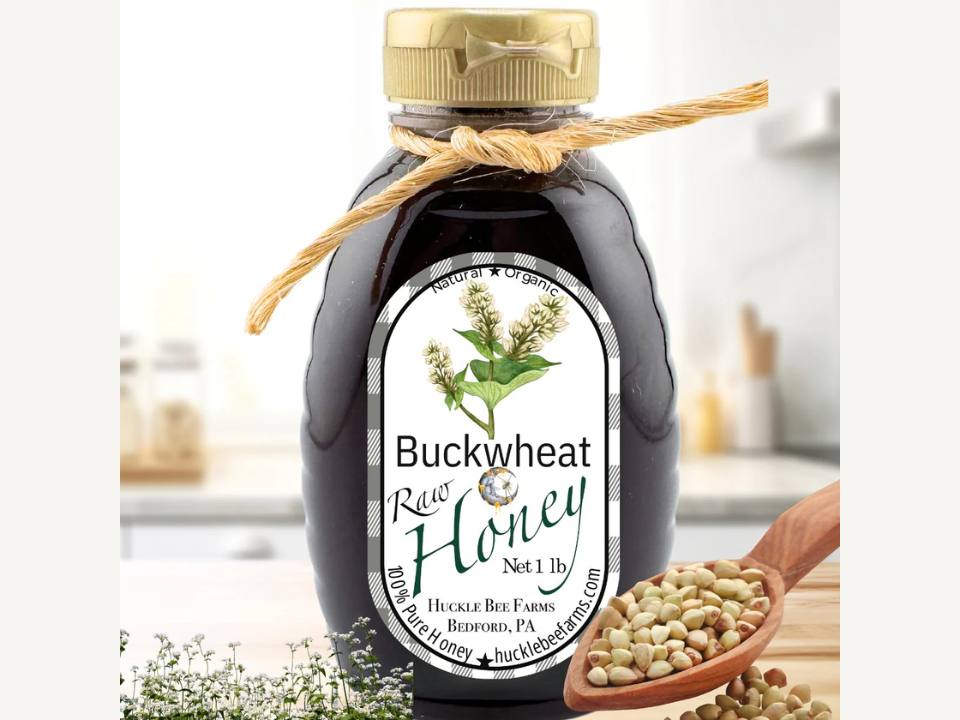
Buckwheat honey is a dark, rich honey produced by bees that forage on the nectar of buckwheat flowers. It has a strong, bold flavor with malty undertones and a slightly tangy finish. The color of buckwheat honey is deep brown, almost black, and it is known for its thicker, more viscous texture. This honey is highly nutritious, containing high levels of antioxidants and vitamins, making it a popular choice for those seeking a health boost.
Its robust flavor makes it a great addition to hearty dishes such as barbecue sauces or marinades. Buckwheat honey is also commonly used in baking, where it adds a rich, deep flavor to cakes, muffins, and cookies. While it may not be as well-known as other honey types, its intense taste and nutritional benefits have earned it a loyal following.
Orange Blossom Honey (United States)
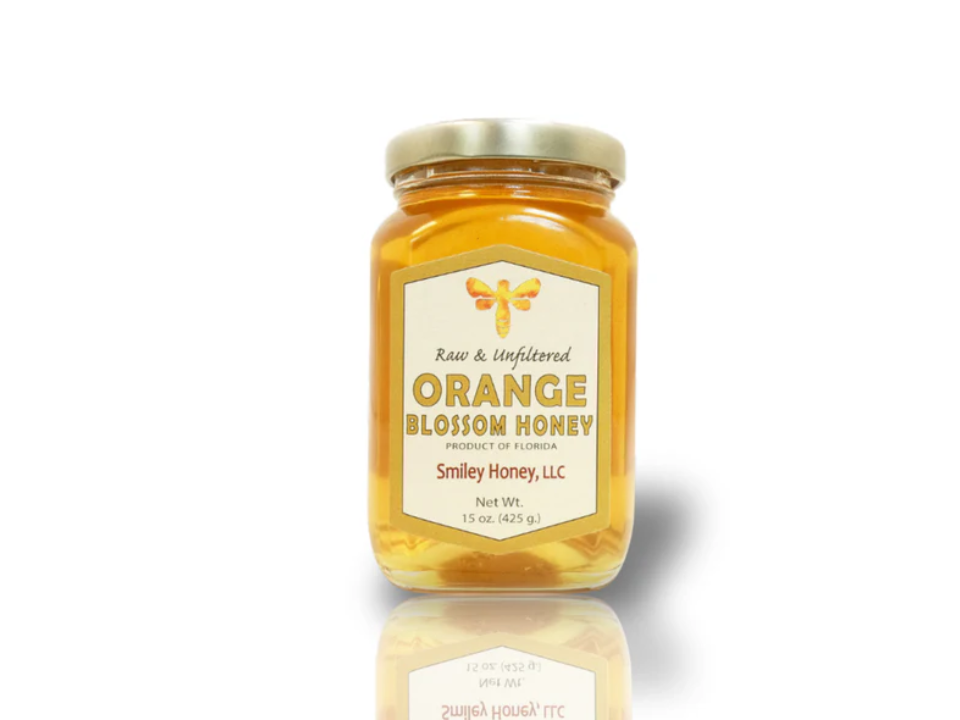
Orange blossom honey is a light, fragrant honey that is harvested from the nectar of orange tree flowers. It has a delicate citrus flavor with hints of orange zest and a mild floral sweetness. This honey is produced in regions where citrus trees are abundant, such as California and Florida.
The flavor of orange blossom honey is smooth and light, making it a popular choice for those who prefer a more subtle sweetness. It is often used in teas, fruit salads, or drizzled over yogurt for a refreshing, natural sweetness. Orange blossom honey is also a common ingredient in baked goods, where it adds a light, fruity note. The honey’s light color and sweet aroma make it a favorite among honey lovers.
Thyme Honey (Greece)
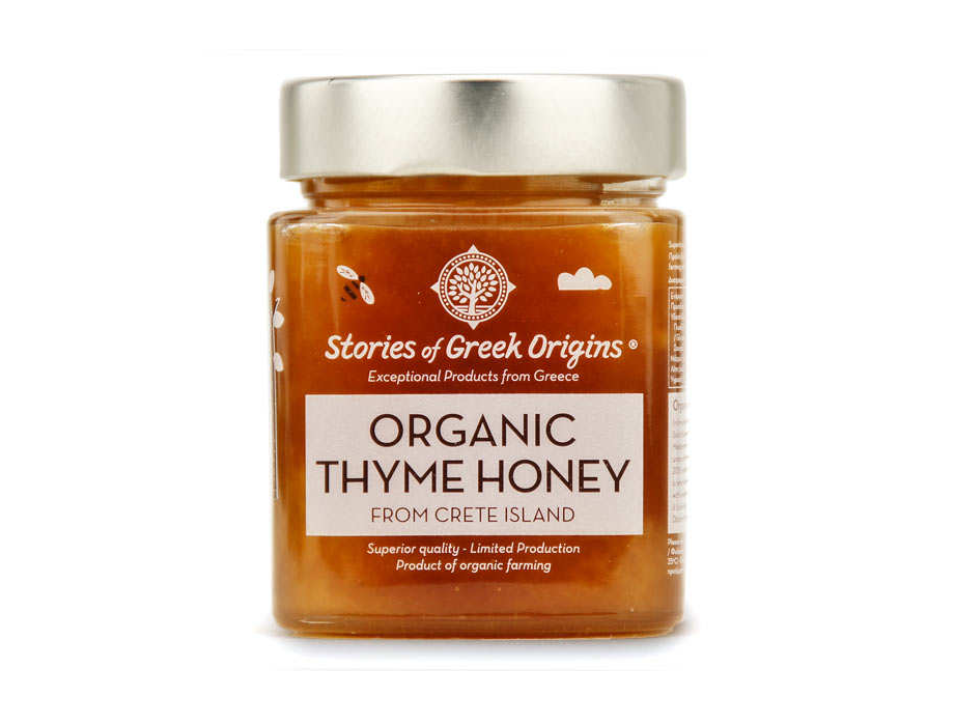
Thyme honey is a rare and flavorful honey produced by bees that forage on the nectar of thyme flowers. It has a distinctive herbal flavor with floral undertones, and it is often described as having a slightly tangy and savory taste. The honey’s color ranges from amber to a darker shade of brown, depending on the thyme variety.
Thyme honey is produced mainly in Greece, where the thyme plant grows in abundance in the Mediterranean climate. The honey has a strong aroma and a rich, complex flavor that pairs well with savory dishes, cheeses, and roasted meats. It is also prized for its antimicrobial properties and is often used as a natural remedy for coughs and sore throats. Thyme honey’s unique flavor profile makes it a rare treat for those who enjoy more distinctive honey varieties.
Lavender Honey (France)
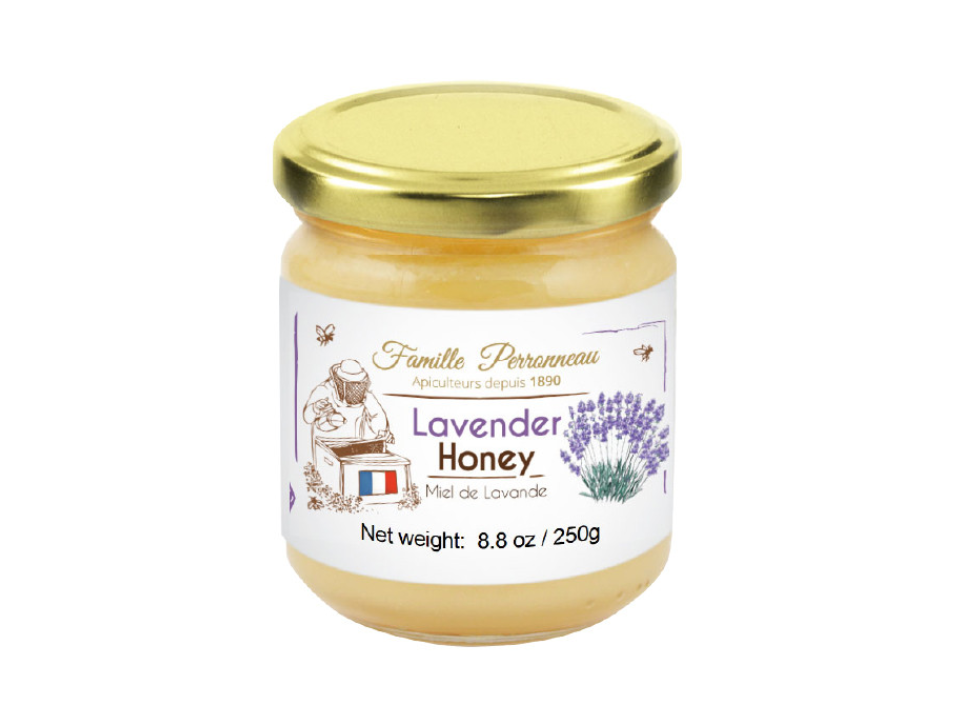
Lavender honey is produced by bees that gather nectar from lavender flowers, which are found in the Provence region of France. This honey has a floral, fragrant flavor with hints of citrus and a mild sweetness. The color of lavender honey can range from light amber to a darker golden hue, depending on the specific variety of lavender. It is known for its smooth texture and is often used in culinary applications where its floral flavor can shine.
Lavender honey is a popular choice for drizzling over baked goods, using in teas, or pairing with soft cheeses. Its calming aroma and subtle flavor make it a favorite among honey enthusiasts. Lavender honey is also known for its therapeutic qualities, such as promoting relaxation and aiding sleep.
Sage Honey (United States)
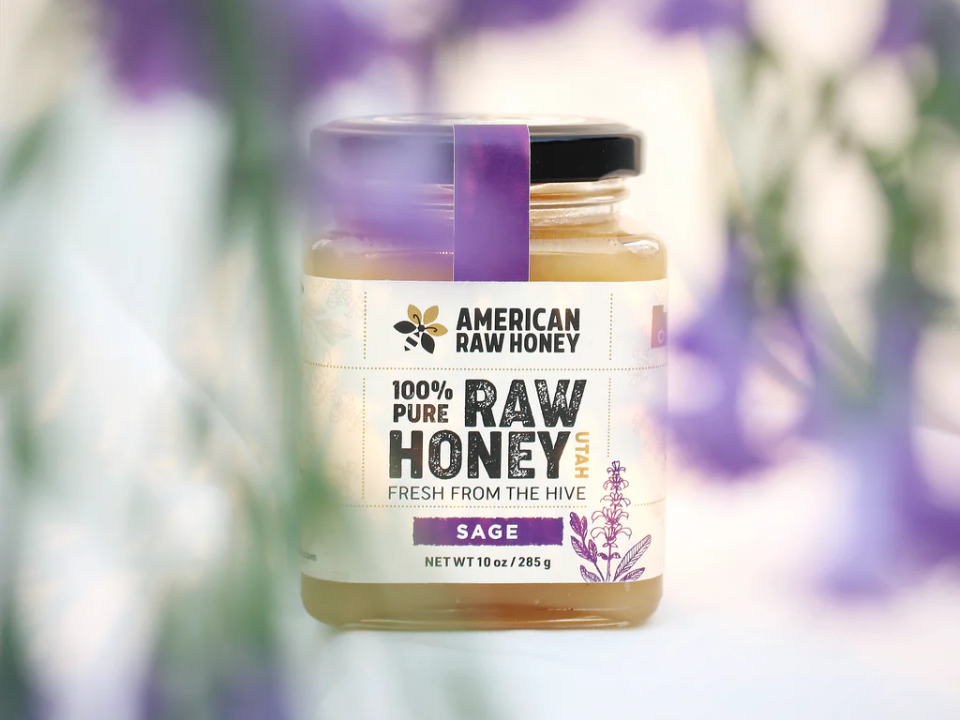
Sage honey is harvested from the nectar of sage plants, which grow in the warm regions of the United States, particularly California. It has a light, mild flavor with hints of herbaceous and floral notes. The honey is pale amber in color and has a smooth, creamy texture. Sage honey is prized for its clean, crisp taste, which makes it an ideal addition to teas, salad dressings, or desserts.
Its mild flavor does not overpower other ingredients, making it a versatile choice in the kitchen. Sage honey is also used in traditional medicine for its antiseptic properties, and it is often employed to help soothe sore throats or digestive issues. The honey’s subtle yet distinctive flavor makes it a rare find for those seeking a gentle, aromatic honey.
Tualang Honey (Malaysia)
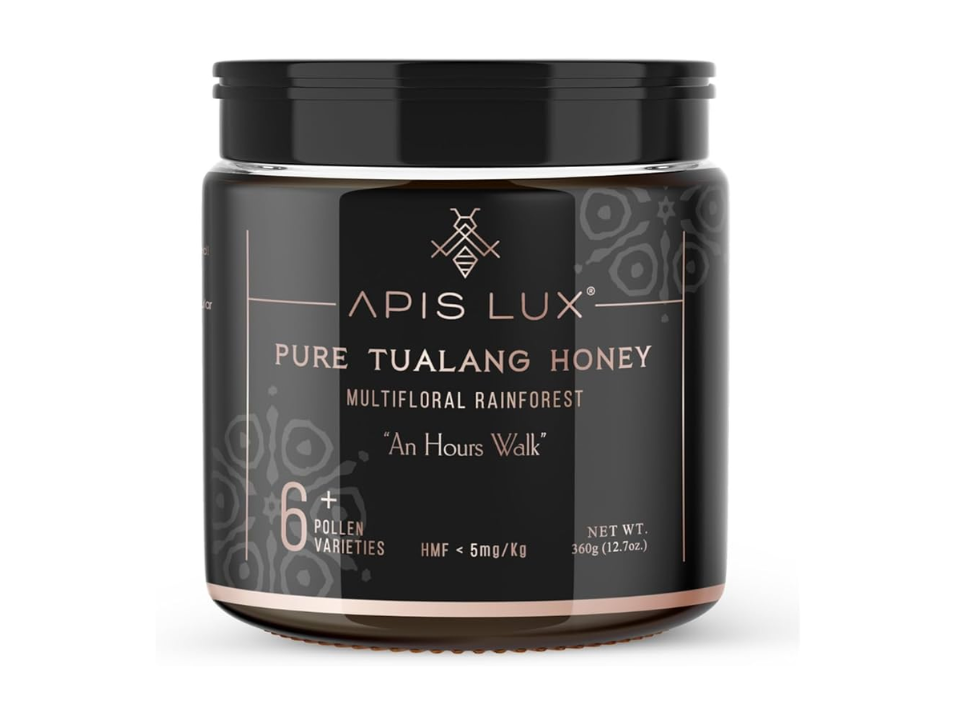
Tualang honey is a rare, wild honey harvested from the nests of the giant honeybees that make their homes in the Tualang trees of Malaysia. This honey is highly sought after due to its distinctive flavor and medicinal properties. The flavor of Tualang honey is robust, with floral and herbal notes, accompanied by a slight bitterness that adds to its complexity.
Tualang honey is often thick in texture, with a deep amber color, and is renowned for its high nutritional value. It is believed to have numerous health benefits, particularly for boosting the immune system and promoting wound healing. This honey is also used in traditional Malaysian remedies to treat a variety of ailments. Due to the difficulty of harvesting and its limited production, Tualang honey is considered a rare delicacy.
Linden Honey (Germany)
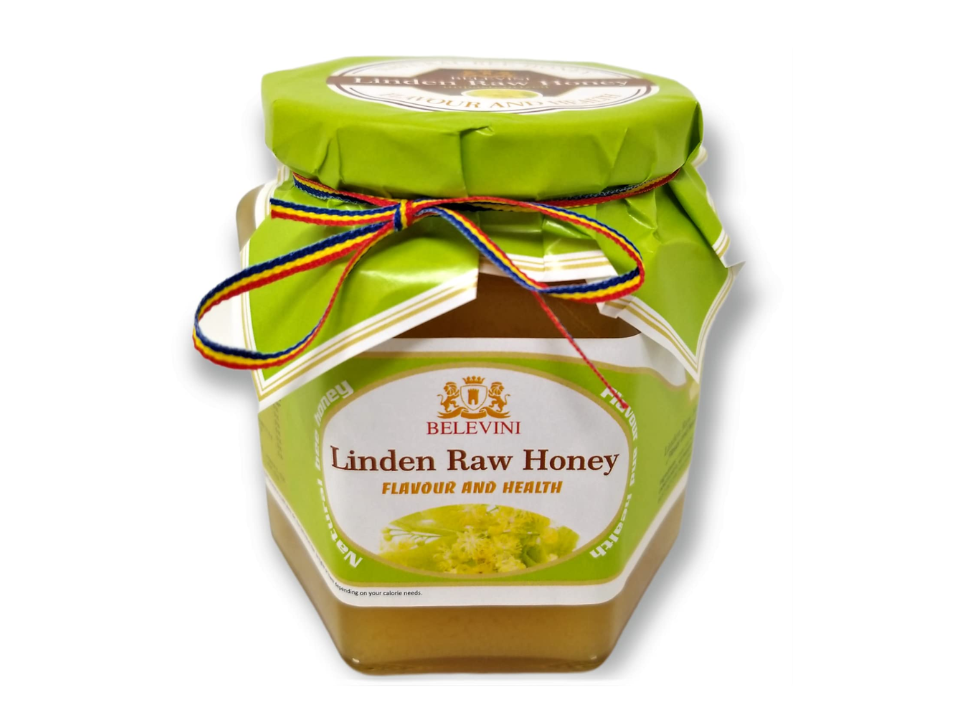
Linden honey, also known as basswood honey, is produced by bees that gather nectar from the flowers of the linden tree, which is prevalent in Germany’s forests. The honey has a light amber color and a sweet, floral flavor with hints of lime and citrus. Linden honey is known for its refreshing taste and delicate texture, which makes it a popular choice for those who prefer lighter, more aromatic honey varieties. The honey is also appreciated for its health benefits, particularly for its soothing effects on the throat and its ability to help with digestive issues.
Linden honey is commonly used in herbal teas, where its light floral notes can enhance the drink’s flavor. It is also a favorite in desserts, where its subtle sweetness complements other flavors without overpowering them. The honey’s association with the ancient linden trees gives it a sense of historical significance in European cultures.
This article originally appeared on Avocadu.