
10 Rare Garden Plants People Hunt Down for Unique Blooms
Gardeners who appreciate unique and rare blooms are constantly seeking out special plants to enhance their collections. These plants offer a level of elegance and charm that sets them apart from the ordinary. Whether you’re hunting for the perfect addition to your garden or simply enjoy having something truly one-of-a-kind, these rare plants are essential. There’s a distinct joy in cultivating something that’s not commonly seen.
This post may contain affiliate links, which helps keep this content free. Please read our disclosure for more info.
Ghost Orchid (Dendrophylax lindenii)
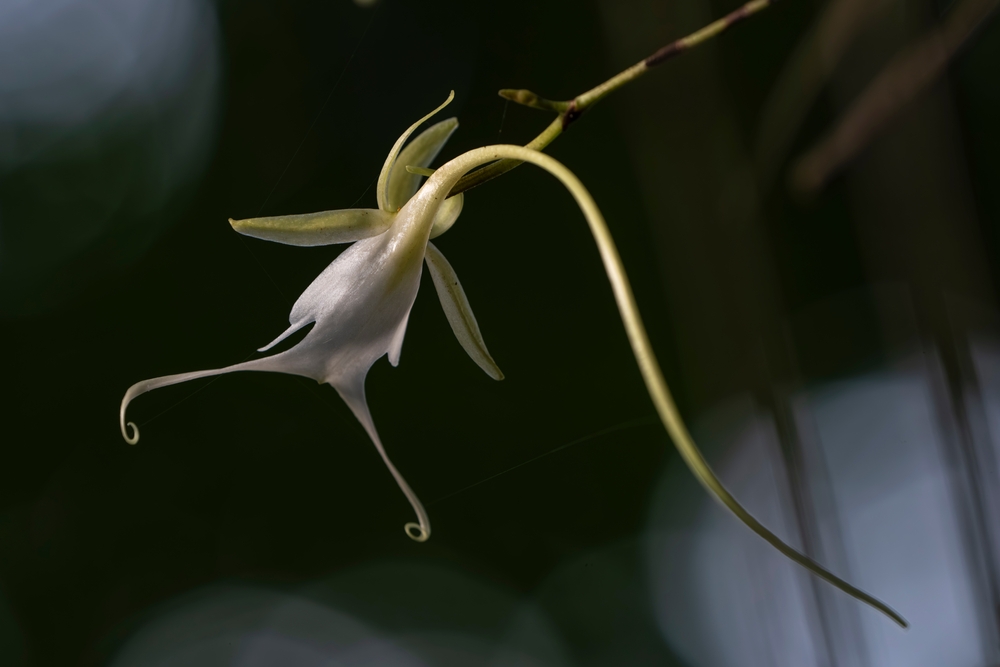
The Ghost Orchid is one of the most sought-after plants due to its unusual and elusive appearance, with blooms that seem to float in the air. It thrives in the humid, shaded environments of tropical forests, so growing it outside of these conditions can be a challenge. This rare flower needs high humidity, indirect light, and well-draining orchid bark to bloom successfully. While it can be grown as a houseplant, it requires careful attention to temperature and humidity, making it more suited for a greenhouse or conservatory. For the best results, use a misting system and ensure the roots don’t stay too wet.
When cultivating the Ghost Orchid indoors, you must mimic its native environment as closely as possible. Keep the plant in a warm, moist area that gets filtered sunlight. It’s important to use an orchid potting mix and to avoid overwatering to prevent root rot. If you provide the right care, you’ll be rewarded with one of nature’s most unique blooms. Its white, delicate petals and long-lasting fragrance make it a stunning addition to any collection.
Black Bat Flower (Tacca palmata)
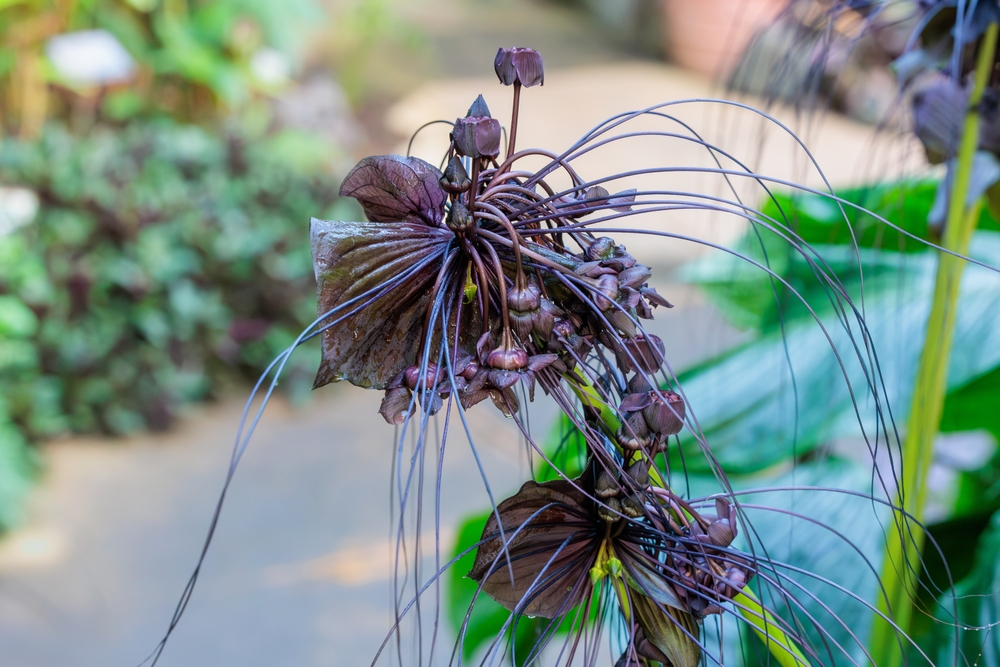
The Black Bat Flower is a rare and exotic plant known for its striking, dark blooms that resemble bat wings. Native to Southeast Asia, this plant requires consistently warm temperatures and high humidity to thrive, making it more suited for tropical climates or a greenhouse. To ensure it produces its unique blooms, keep the plant in indirect light and provide a rich, well-drained soil mix. While it can be grown as a houseplant, it does require a large space due to its size and the need for humidity. Regularly misting the leaves or using a humidity tray can help maintain the necessary moisture.
To care for the Black Bat Flower, avoid placing it in direct sunlight, as this can scorch the leaves. It’s important to water it regularly, but make sure the soil has proper drainage to prevent root rot. Additionally, the plant needs a steady, warm temperature, ideally between 70-90 degrees F, to flourish. During blooming, the unique black flowers appear with long, dramatic whiskers, making it one of the most unusual plants to grow. Keep it in a spot that provides both space and proper care for the blooms to fully develop.
Corpse Flower (Amorphophallus titanum)
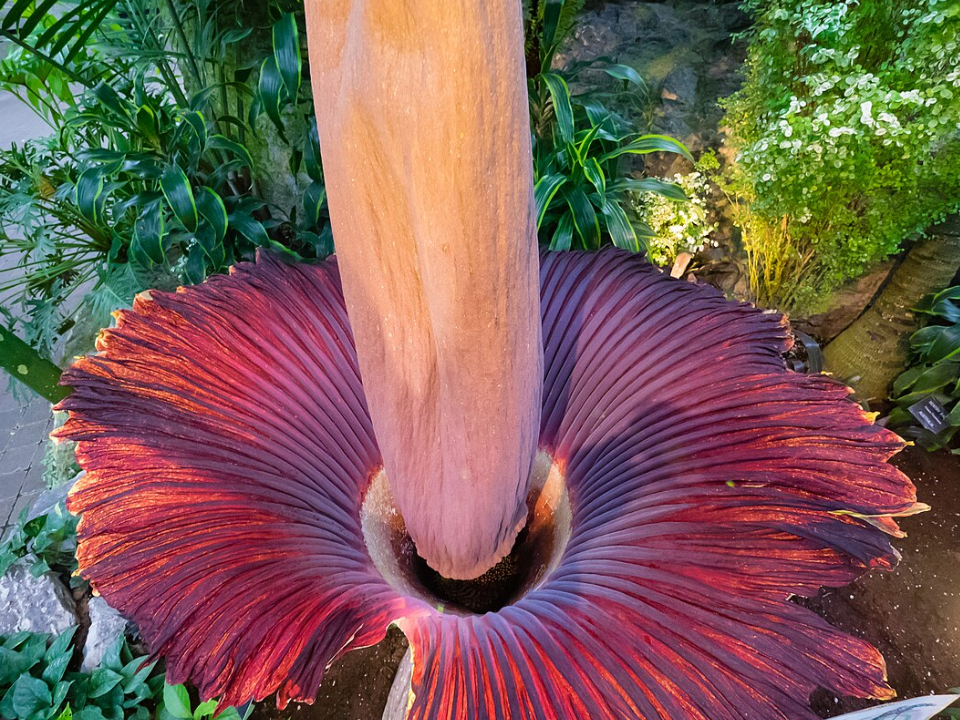
The Corpse Flower is notorious for its giant bloom that emits an unpleasant odor similar to rotting flesh, but it’s prized for its rare and dramatic flowering event. Native to Sumatra, this plant requires a tropical environment, well-draining soil, and a period of dormancy to bloom. Growing it as a houseplant is possible, but it’s a challenging plant that needs a lot of space and patience, as it only blooms every several years. To care for it properly, keep it in a warm, humid area with temperatures between 75-95 degrees F, ensuring the plant receives indirect light.
Taking care of the Corpse Flower means maintaining a carefully balanced environment with consistent moisture and proper drainage. During its non-blooming phase, it requires a dormant period where you reduce watering, and it will go underground to rest. When the flower finally blooms, the scent is intense, but the size and appearance of the flower more than make up for it. If you have the patience and space, this rare bloom is a fascinating addition to any collection, but be prepared for the unexpected scent.
Giant Arum (Amorphophallus paeoniifolius)
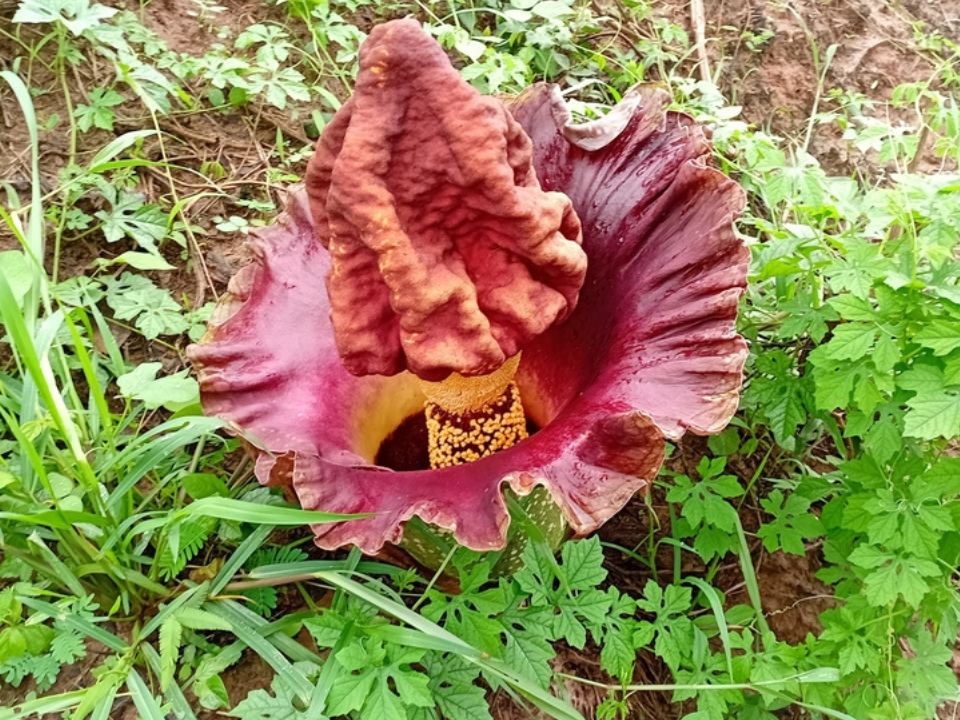
Often mistaken for the Corpse Flower, the Giant Arum is another large, unusual bloom with an intense odor that draws both curiosity and repulsion. This plant requires a tropical climate to thrive and needs well-draining soil with a steady supply of moisture. It can be grown as a houseplant, but, like its cousin, it needs a large space to accommodate its size. The Titan Arum has a lengthy dormancy period, during which it stores energy for its grand, infrequent blooming event. To encourage blooming, provide the plant with warm temperatures, high humidity, and a rich, fertile soil mixture.
Caring for the Giant Arum means being patient, as it may take several years to bloom. During its growing season, it requires ample water and regular feeding to support its large leaves. The plant’s unique flower stalk can grow up to 10 feet tall when in bloom. Once the flower blooms, it can last for a few days, and the signature foul odor is part of its attraction to pollinators like flies. Growing this rare plant is a rewarding challenge for dedicated gardeners.
Middlemist Red Camellia (Camellia japonica)
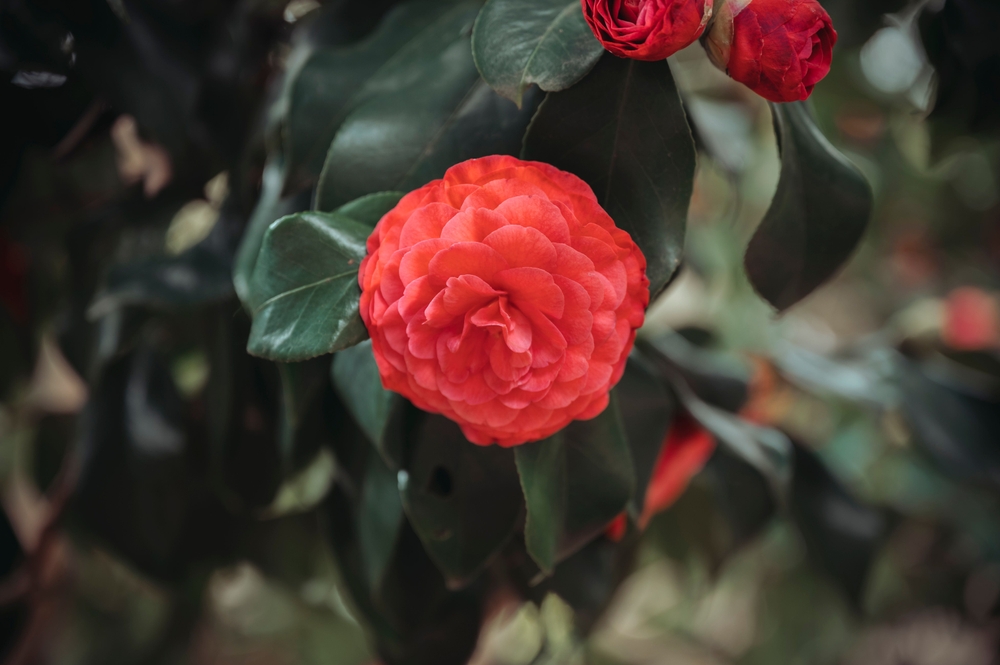
The Middlemist Red Camellia is one of the rarest flowering plants in the world, with only two known specimens outside of its native China. It thrives in cool, acidic, and well-drained soil with regular watering. This plant is not easily grown in many regions, as it needs a temperate climate and careful attention to temperature, moisture, and light levels. While it can be kept as a houseplant, it is best grown in a greenhouse with controlled conditions. To help it bloom, provide bright, indirect light and ensure that the soil stays consistently moist.
Middlemist Red Camellias are admired for their striking, red- flowers, which are large and abundant during the blooming season. The plant’s rarity makes it highly prized by collectors and enthusiasts. However, it requires careful care to produce those gorgeous blooms, especially in terms of soil quality and moisture levels. If you’re fortunate enough to grow this rare beauty, you’ll appreciate the elegant flowers that bloom only once a year, adding a touch of rarity to your garden.
Chocolate Cosmos (Cosmos atrosanguineus)
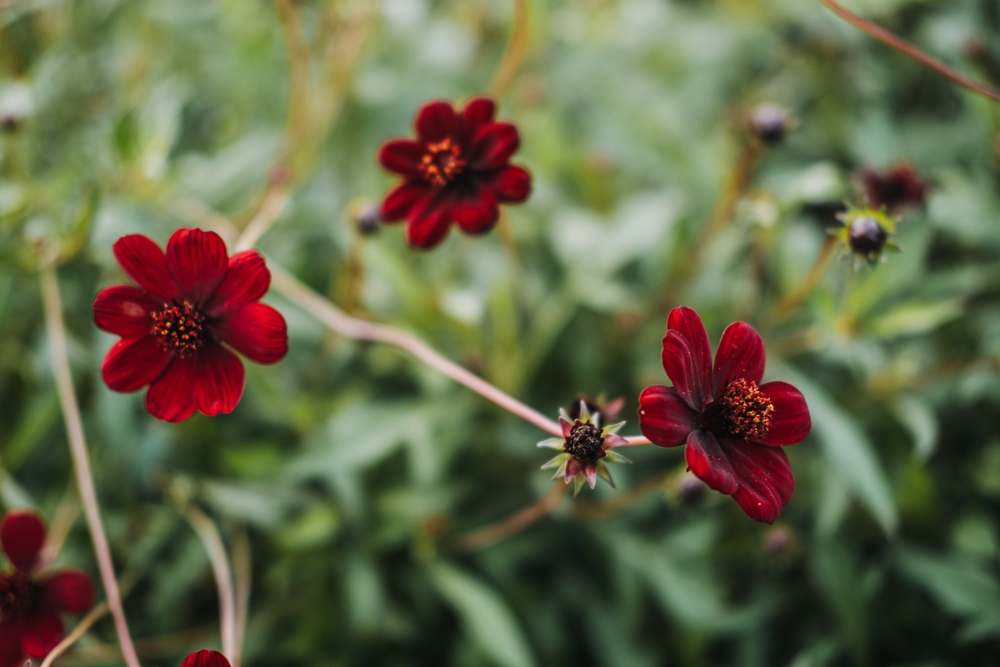
The Chocolate Cosmos is a stunning flower known for its dark red to black petals and rich chocolate fragrance, making it a favorite for collectors. Native to Mexico, it thrives in well-draining soil and needs a sunny spot with adequate moisture. It can be grown as a houseplant, but it requires a relatively large pot and a sunny, warm environment to thrive. The bloom lasts for a few weeks and has an intoxicating chocolate scent that draws gardeners in. To keep it blooming, regular watering and deadheading the flowers are essential.
Plant the Chocolate Cosmos in a soil mix that drains well, as it does not like its roots sitting in water. Ensure the plant gets full sun or at least 6 hours of sunlight daily for the best results. It is important to protect it from frost, as it is not frost-tolerant, and to bring it indoors or cover it during colder months. If you’re growing it in a pot, make sure it’s placed in a bright spot, and the chocolate scent will fill your home. This rare plant is as fragrant as it is visually stunning, making it a real treasure in any garden.
Himalayan Poppy (Meconopsis betonicifolia)
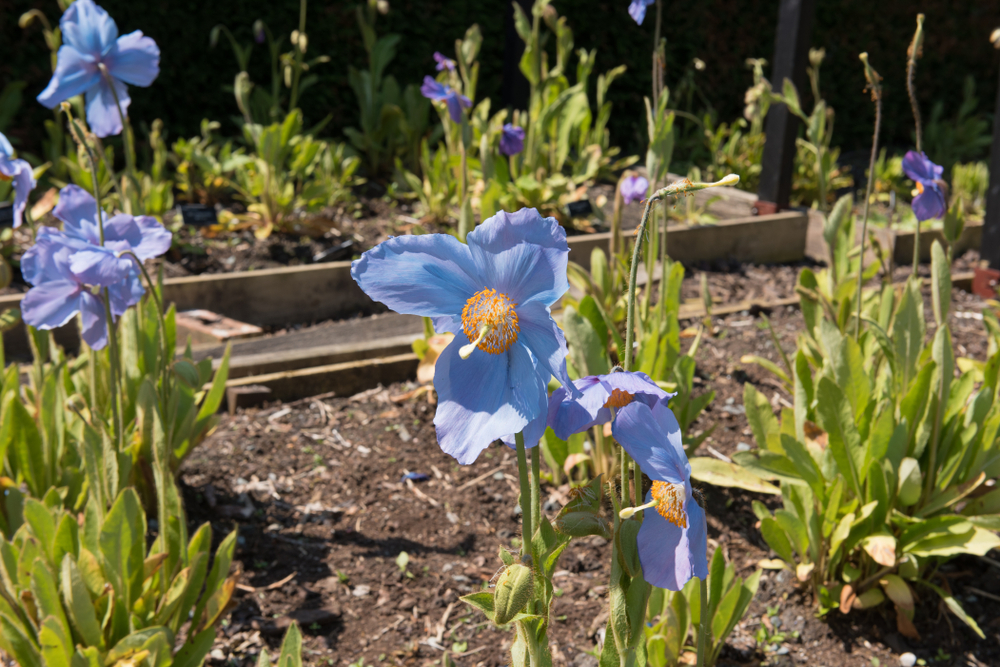
The Himalayan Poppy is a rare and beautiful plant known for its soft flowers that stand out in any garden. Native to the Himalayan region, this poppy requires cool temperatures and well-draining, acidic soil. It thrives in partial shade, making it a great option for gardens that don’t receive full sun. This plant can be tricky to grow, as it needs a specific balance of moisture, temperature, and light to bloom successfully. With patience, however, the Himalayan Poppy can reward gardeners with breathtaking blooms.
To grow this poppy successfully, make sure to plant it in a spot with cool temperatures and partial shade, away from direct afternoon sun. The soil should be rich in organic matter and have good drainage to prevent waterlogging. Keep the soil consistently moist, but not too wet, as this can cause the roots to rot. The poppy’s delicate petals are well worth the extra care, as they create a striking display when they bloom. When in bloom, the soft color adds elegance to any garden.
Lady Slipper Orchid (Cypripedium spp.)
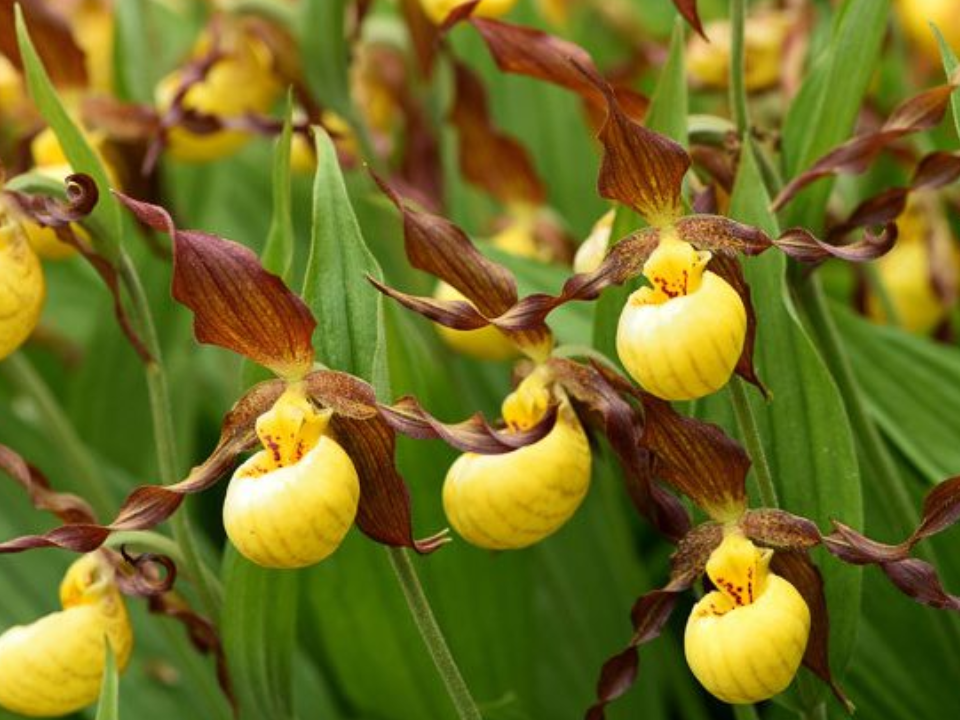
Lady Slipper Orchids are among the most sought-after orchids due to their unique slipper-shaped blooms and rarity. These plants thrive in cool, shaded woodland areas, making them ideal for a natural garden setup. Growing them as houseplants can be tricky, as they require high humidity, a cool environment, and a well-draining, acidic mix. The plant’s exotic blooms appear in late spring to early summer and last for several weeks. To care for them, you’ll need to mimic their natural environment as closely as possible.
Lady Slipper Orchids need to be planted in rich, organic soil with excellent drainage. Regular misting or placing them on a humidity tray is key to providing the moisture they need. These orchids prefer temperatures between 60-75 degrees F, and they can be grown in partial to full shade. While slow-growing, Lady Slippers are known for their striking appearance and rarity, making them a gem for collectors. Patience is required to see them bloom, but the reward is well worth the wait.
Blue Lotus (Nymphaea caerulea)
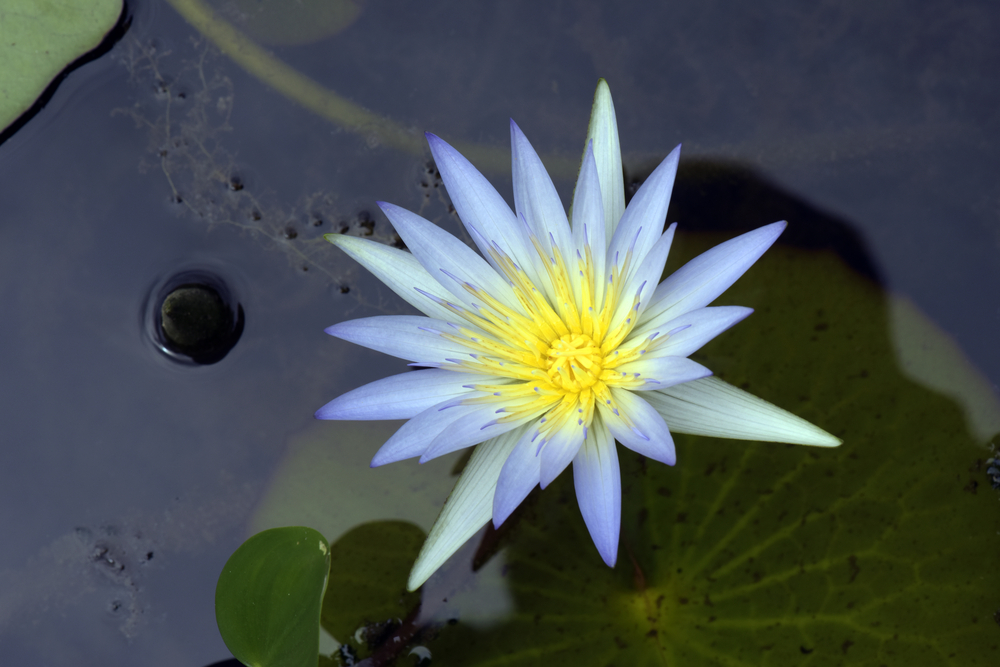
The Blue Lotus, also known as the Egyptian Lotus, is prized for its stunning blue flowers that open at sunrise and close at sunset. This aquatic plant is often grown in ponds or water gardens where it can fully spread out and bloom. While it is mainly grown outdoors, it can be cultivated as a houseplant in a water container or pond with the right setup. To care for the Blue Lotus, ensure it receives full sunlight for most of the day and that the water remains warm and clean.
Growing the Blue Lotus requires a large container with plenty of space for the roots to spread. It thrives in warm temperatures and needs a water depth of at least 12 inches. Keeping the water clean and free from debris is essential for the plant’s health. The vibrant blue blooms appear in late spring to early summer and bring a touch of serenity to any garden. This plant’s beauty and symbolism make it highly sought after by collectors.
Chocolate Vine (Akebia quinata)
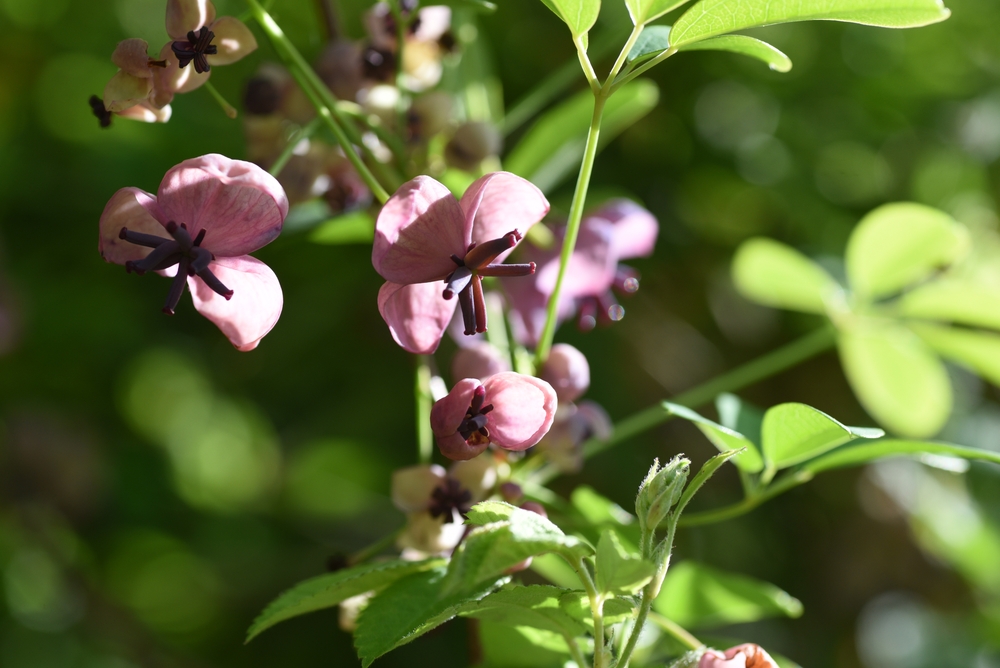
Chocolate Vine is a rare climbing vine that’s known for its fragrant flowers, which emit a chocolate-like scent. Native to East Asia, this plant grows quickly and can be trained to climb fences, trellises, or walls. It’s not commonly found in many gardens but is highly appreciated for its unique fragrance and purple-brown blooms. Though it can be grown as a houseplant, it requires a lot of space to spread and thrive. The plant’s ability to flower in spring and summer makes it a fantastic addition for gardeners looking for something unusual.
To care for the Chocolate Vine, make sure it has a sunny spot with well-draining soil. Water regularly, but don’t allow the soil to stay too moist. This vine grows best when it’s supported, so provide it with a sturdy structure to climb. The rich chocolate scent from the flowers is its signature feature, making it a popular plant for gardeners who want a fragrant garden. The vine also has attractive foliage that changes with the seasons, making it visually appealing year-round.
This article originally appeared on Avocadu.