
10 Rare Fossils Regular People Can Actually Own
Fossils are fascinating reminders of life from millions of years ago, and owning one can be a thrilling experience. Many people imagine that fossils are only for museums or expert collectors, but that is not the case. With a little knowledge, regular people can find and own some incredible pieces of history. From ancient seashells to massive dinosaur bones, there are plenty of fossils that can be purchased or found by anyone interested in this unique hobby.
This post may contain affiliate links, which helps keep this content free. Please read our disclosure for more info.
Ammonite Fossils
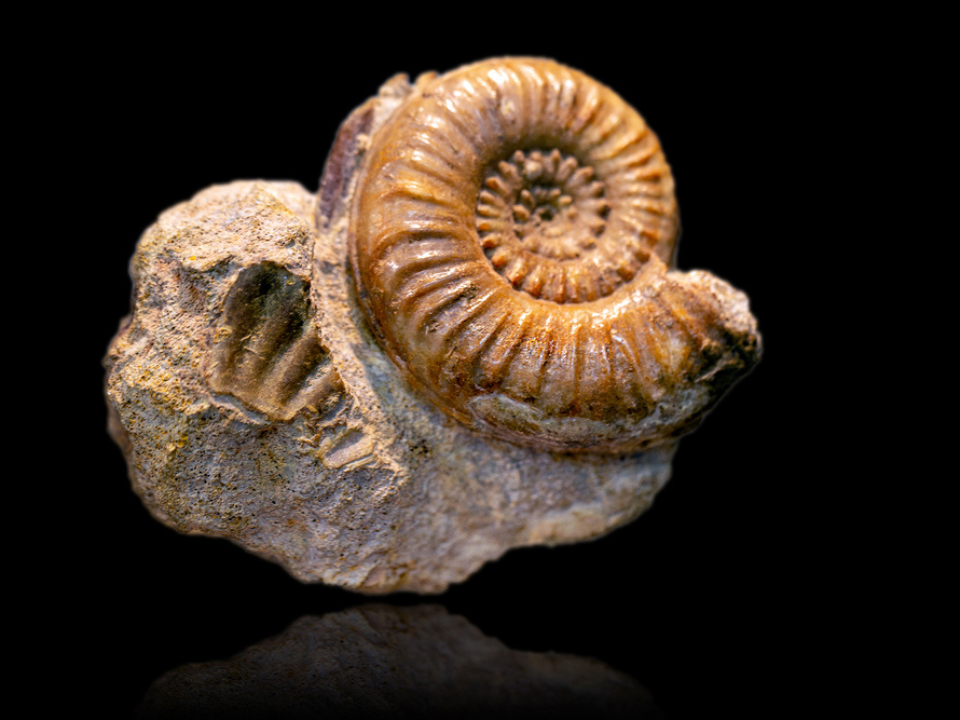
Ammonite fossils are some of the most striking and easily accessible fossils for collectors. These spiral-shaped fossils come from ancient marine mollusks that lived over 400 million years ago. Ammonites are often preserved in a range of vibrant colors, thanks to mineralization. Fossils can be found in regions like Morocco, Madagascar, and the United States.
Their distinctive spiral shape makes them a popular choice for those wanting to add something unique to their collection. Ammonites vary in size, with some measuring only a few inches, while others can reach several feet. You can usually find them sold as polished specimens, perfect for display or educational purposes. Prices for ammonite fossils can vary based on size and condition but expect to pay anywhere from $20 to several hundred dollars.
Trilobite Fossils
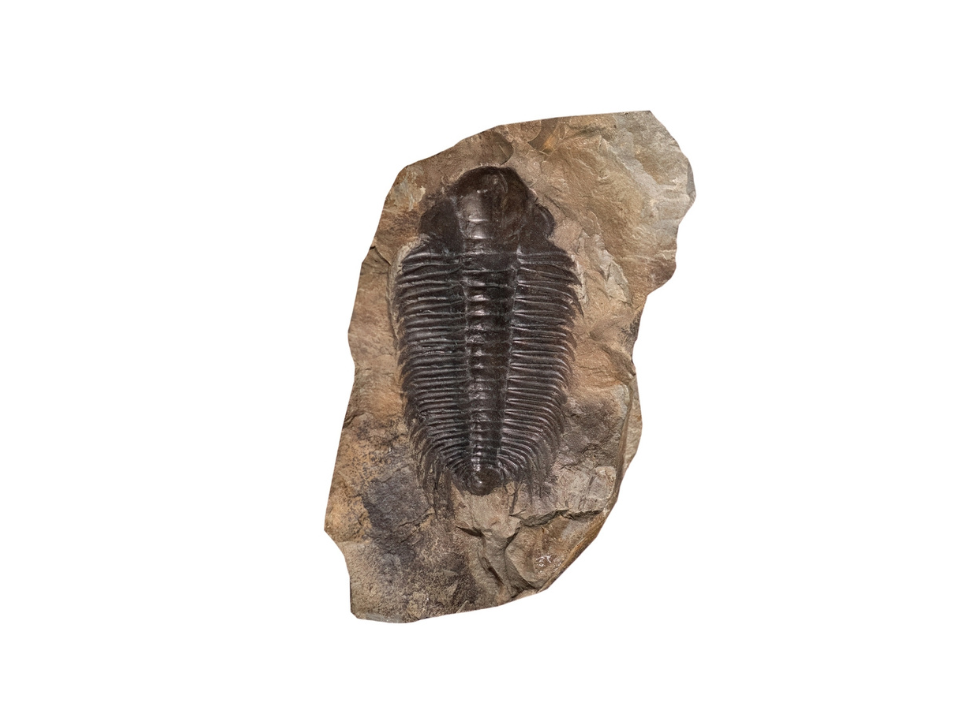
Trilobite fossils are among the oldest and most well-known fossils that collectors can find. These ancient creatures roamed the seas over 500 million years ago. Their distinctive, segmented bodies make them instantly recognizable and an intriguing piece for anyone interested in ancient life.
Trilobites come in different sizes, with some as small as a penny and others as large as a foot long. They are primarily found in shale deposits in areas like Morocco and Utah. The preservation of trilobites is impressive, and many are found with intricate details of their exoskeletons intact. These fossils are prized for their rarity and historical significance. Prices can range widely from under $50 for smaller specimens to thousands of dollars for rare, well-preserved ones.
Dinosaur Bone Fragments
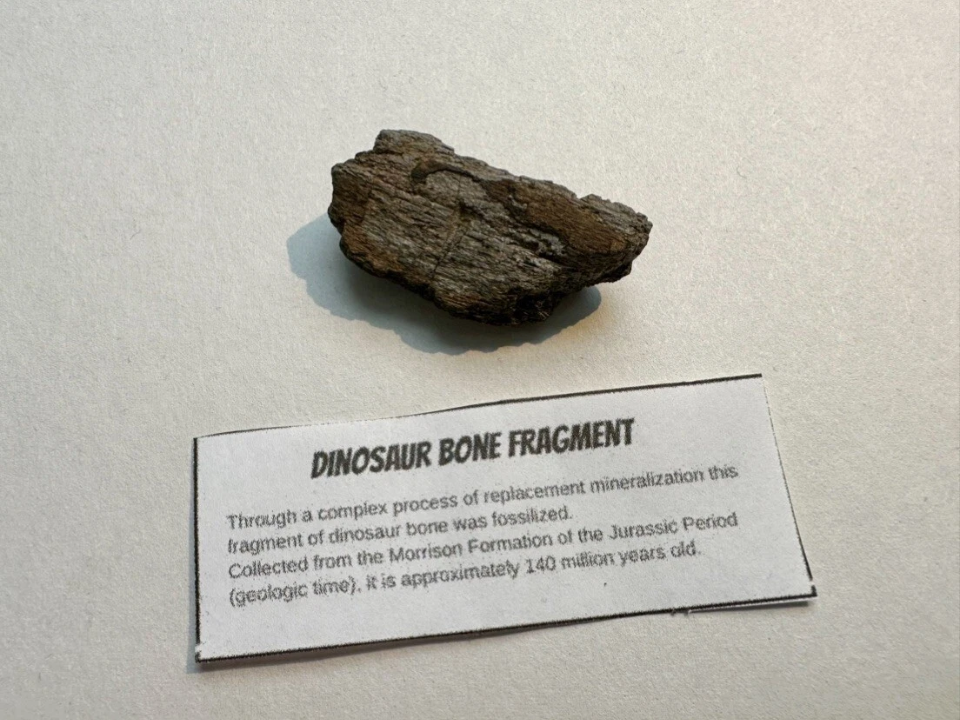
Dinosaur bone fragments offer a tangible connection to the creatures that once roamed Earth millions of years ago. These fragments can come in various sizes and conditions, from small pieces to larger chunks that have been preserved well enough for identification. Fossils of dinosaur bones are often found in parts of the United States, such as Montana and Wyoming, as well as places like Argentina and Mongolia.
These fragments can be easily identified due to their unique texture and fossilized characteristics. The thrill of owning a piece of dinosaur history is enough to excite collectors, especially when the bone comes from a well-known species. Prices for dinosaur bones vary depending on size and type, with smaller pieces starting at $20 and larger, more significant pieces reaching into the hundreds or thousands.
Shark Teeth Fossils
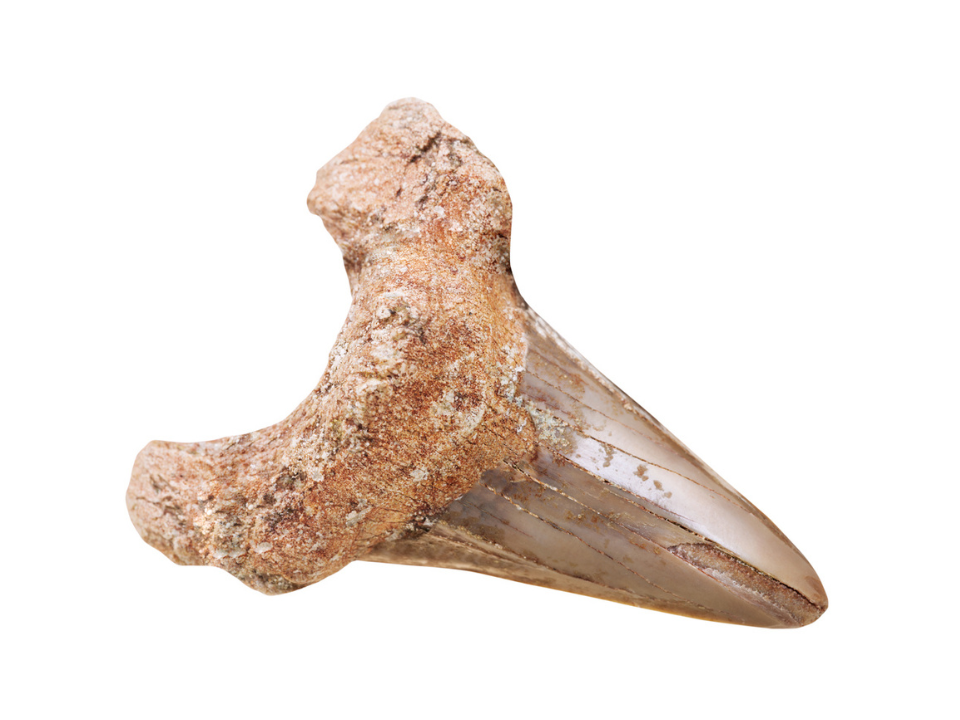
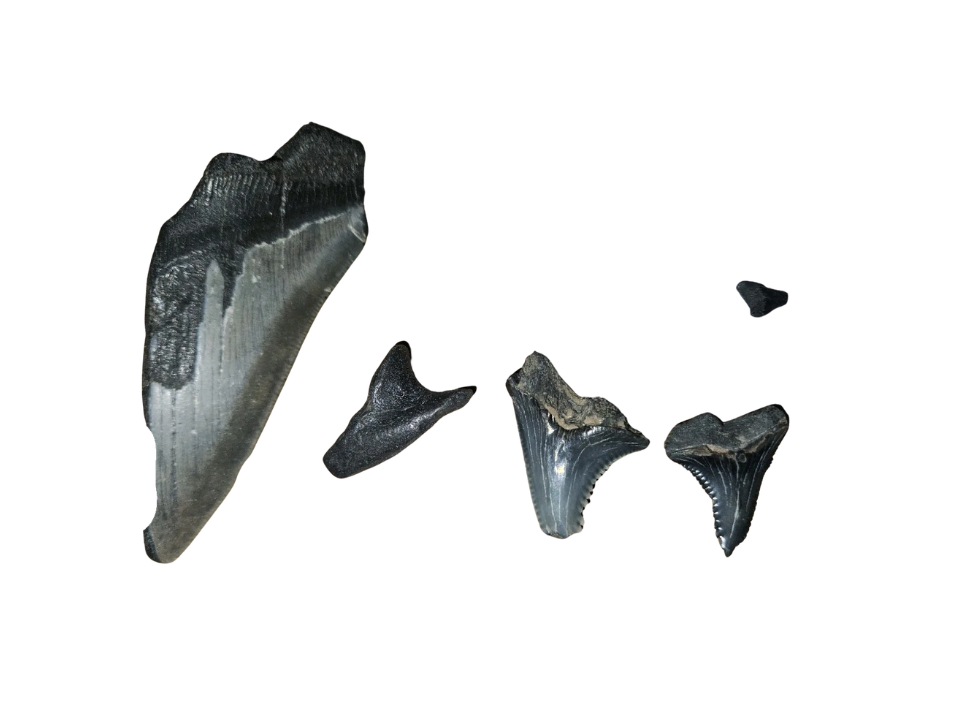
Shark teeth fossils are another popular item that regular people can own. Sharks have existed for over 400 million years, and their teeth are known for their durability and preservation. The teeth fossilize over time and can be found in a variety of locations, from beaches to ancient marine deposits. Fossils of prehistoric sharks, like the Megalodon, are especially sought after, though smaller shark species’ teeth are also highly collectible.
These fossils come in various shapes, sizes, and colors, making each one unique. Shark tooth fossils are a great way for collectors to start their fossil journey, as they are typically affordable and easy to find. The price range for shark teeth starts at a few dollars for smaller specimens, while rarer and larger teeth can cost hundreds of dollars.
Coprolite Fossils
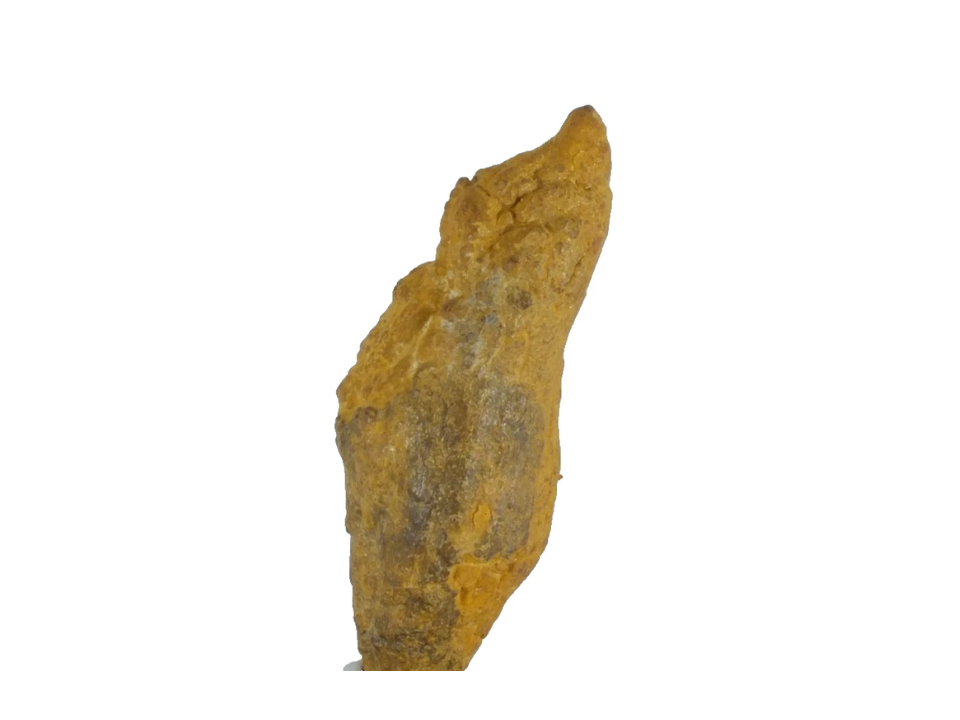
Coprolites, or fossilized dung, offer a fascinating glimpse into the diets of prehistoric animals. These fossils can be surprisingly well-preserved, showing evidence of the animal’s eating habits and the types of food they consumed. Coprolites can come from a range of creatures, including dinosaurs, ancient mammals, and even early birds. What makes them so intriguing is that they can offer more than just fossilized remains, they can help researchers learn about ancient ecosystems.
These fossils can vary in size and texture, often resembling rocks but sometimes showing distinct features such as plant material or bone fragments. Collectors often find coprolites in places like North America and South America. Prices vary depending on size and condition but typically start at around $30 and can increase depending on the fossil’s rarity.
Plant Fossils
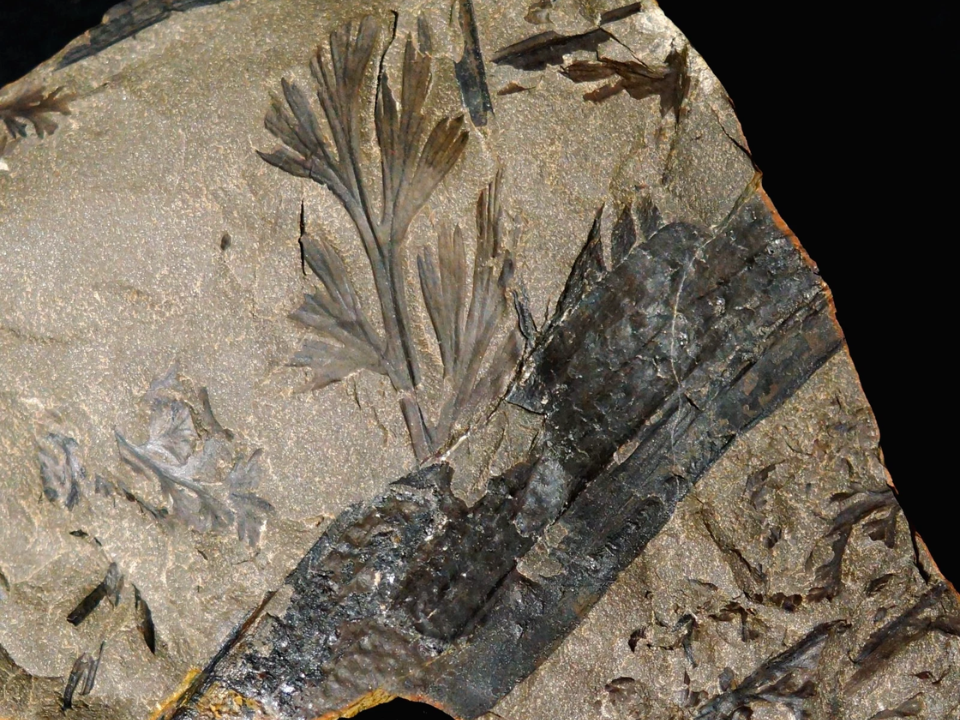
Plant fossils offer a glimpse into the lush vegetation of ancient Earth. These fossils can be found in various forms, from impressions of leaves and seeds to full, preserved plants. The best plant fossils are often found in shale or sandstone layers, where ancient plants were preserved in detail. Some notable examples include fossils of ferns, pine needles, and cycads, which were common in prehistoric times.
Plant fossils are commonly discovered in the United States, Canada, and Europe, with some impressive specimens coming from coal beds. These fossils are highly valued for their ability to provide insight into prehistoric climates and environments. The price for plant fossils can range from a modest $20 for smaller leaf impressions to several hundred dollars for complete, well-preserved specimens.
Trilobite Trace Fossils
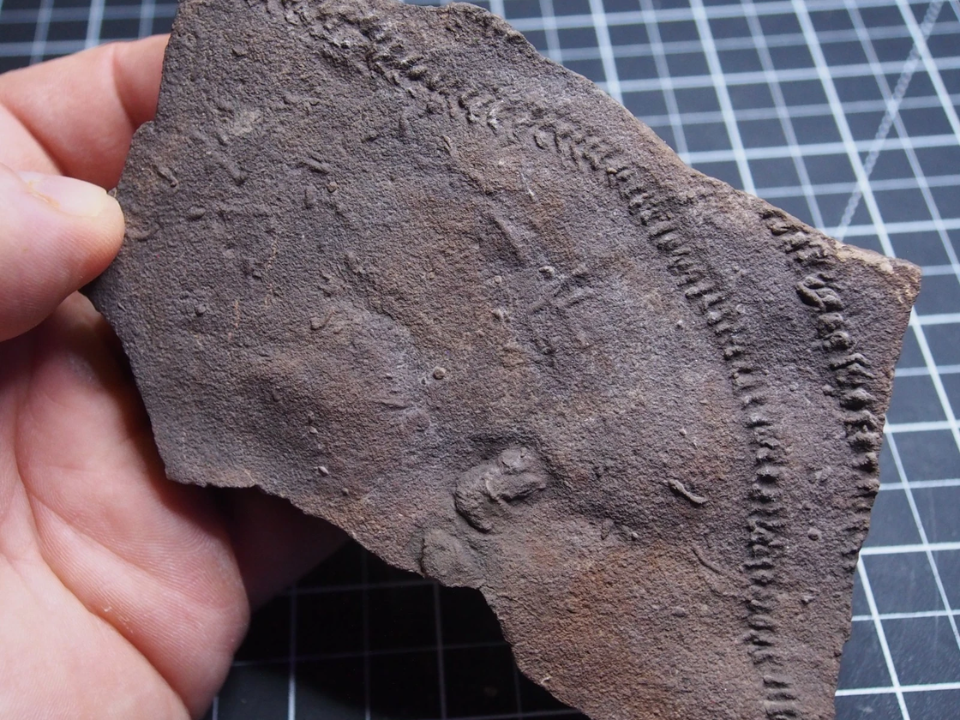
Trilobite trace fossils, also known as ichnofossils, are unique remnants of the movements and activities of trilobites. These fossils capture the patterns left by trilobites as they crawled along the sea floor, providing a rare look into their behavior. They can be found in limestone and shale deposits, often in regions like Morocco and the United States.
Trace fossils can include feeding marks, burrows, and even the prints of trilobite limbs. These are highly sought after because they provide a snapshot of life as it happened millions of years ago. The appeal of owning a trilobite trace fossil lies in its rarity and connection to the past. Prices vary widely depending on the complexity of the trace and can range from $30 to several hundred dollars.
Fossilized Shark Vertebrae
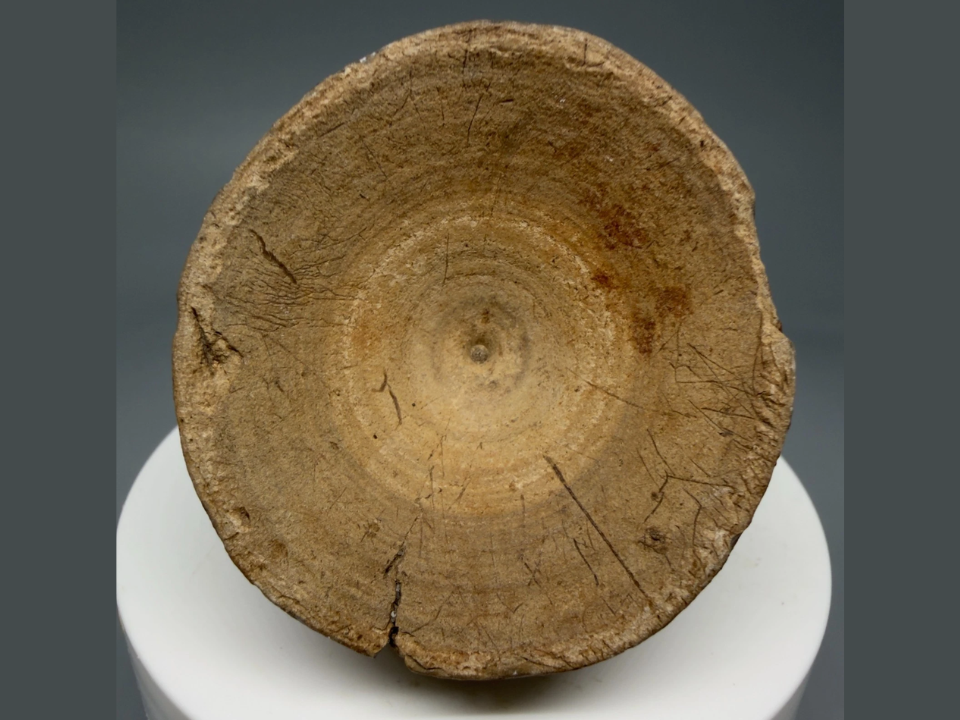
Fossilized shark vertebrae are a rare and fascinating collectible for anyone interested in prehistoric marine life. These vertebrae belong to ancient sharks that lived millions of years ago, offering a glimpse into the anatomy and evolution of these creatures. Fossils of shark vertebrae can be found in areas like Morocco, South Dakota, and parts of Texas, where ancient seas once covered the land.
These fossils can range from small, simple vertebrae to large, well-preserved specimens from sharks such as the Megalodon. Because shark vertebrae are not as common as shark teeth, they can be especially valuable. Collectors appreciate the rarity and historical significance of these fossils. Depending on the size and preservation, prices can range from $30 for smaller pieces to hundreds for rarer, larger specimens.
Mastodon Teeth
Mastodon teeth are fossils from an ancient relative of the elephant that roamed North America during the Pleistocene Epoch. These teeth are particularly remarkable because they reveal much about the diet and life of these massive animals. Mastodon teeth can be found in various states of preservation, often ranging from small fragments to nearly complete teeth.
The best specimens come from areas like the American Midwest, where large amounts of prehistoric animal remain have been discovered. Owning a piece of mastodon history is exciting for collectors who enjoy prehistoric mammals. The size of the tooth often influences the price, with larger, more complete teeth fetching prices in the hundreds or even thousands of dollars. Smaller fragments, however, can be obtained for less than $100.
Plesiosaur Vertebrae
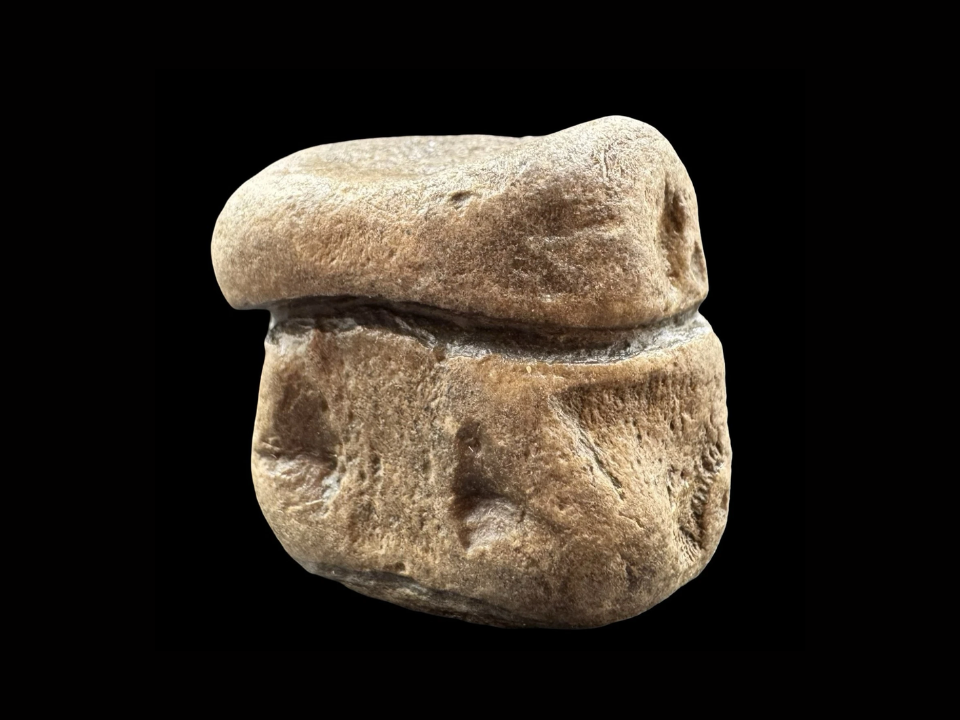
Plesiosaurs were large marine reptiles that lived during the time of the dinosaurs, and their vertebrae are highly prized by fossil collectors. These fossils are often found in marine deposits, particularly in places like the United Kingdom and parts of North America. Plesiosaur vertebrae are usually small but provide important information about these fascinating creatures.
While full skeletons of plesiosaurs are rare, vertebrae can offer a glimpse into their size and structure. Collectors value these fossils for their historical significance and connection to ancient marine life. A plesiosaur vertebra can range in price from $50 for smaller fragments to several hundred dollars for well-preserved specimens.
This article originally appeared on Avocadu.