
14 Rare Deep Sea Animals That Look Like They Are From Space
The deep sea is one of Earth’s final frontiers, full of strange creatures that appear as though they belong to another galaxy. Their glowing bodies, odd shapes, and unique adaptations make them seem alien in nature. Some of these creatures are so bizarre they almost appear to have stepped out of a science fiction movie. Let’s dive into the deep and meet these remarkable beings that blur the lines between reality and imagination.
This post may contain affiliate links, which helps keep this content free. Please read our disclosure for more info.
Vampire Squid
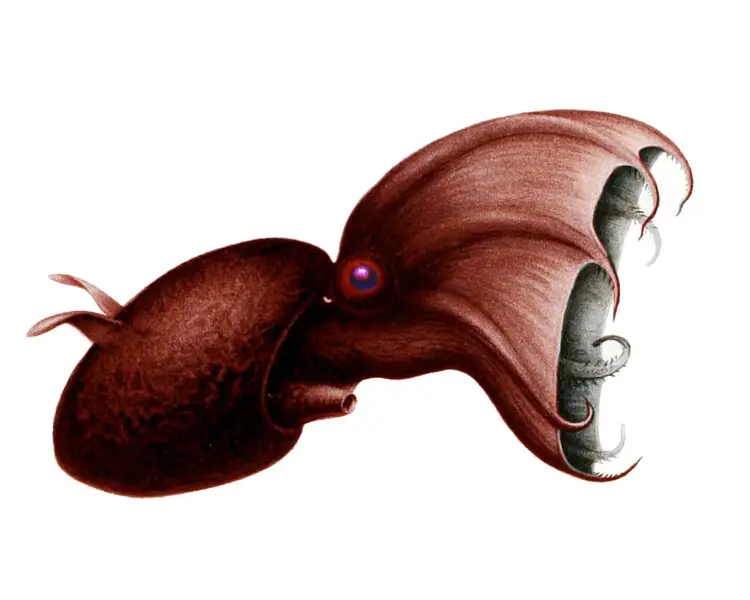
The vampire squid, with its glowing red eyes and webbed cloak, seems like it belongs in the depths of outer space. This creature thrives at depths between 2,000 to 3,000 feet where light is scarce, and its unique appearance helps it blend into its dark surroundings. Unlike typical squid, it is not an aggressive predator but feeds on detritus and plankton. Its rare, eerie look and deep habitat make it one of the most fascinating beings of the ocean.
The vampire squid’s bioluminescence helps it survive in its dark home. It can produce light to communicate or confuse potential predators. This adaptation allows it to float through the water, silently evading larger creatures. These features make the vampire squid stand out as a deep-sea oddity.
Anglerfish
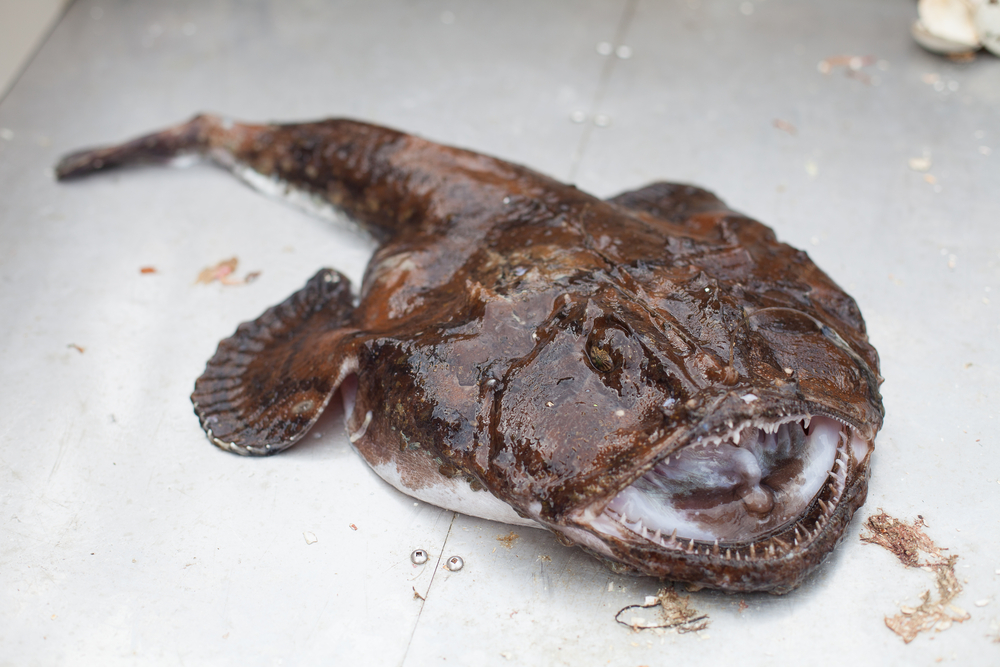
Anglerfish are known for their strange, glowing lure that extends from their heads, resembling something from a sci-fi movie. Found at depths of 2,000 to 3,500 feet, they inhabit the dark, pressure-filled waters of the deep ocean. The bioluminescent lure helps attract prey, while its large, fearsome teeth make it a predator in its environment. Despite its frightening appearance, this deep-sea dweller is adapted perfectly to life in the dark.
These fish are rare and hard to find due to their remote habitats. Anglerfish have adapted to survive in pitch-black waters with little food. Their strange, oversized mouths are a tool to catch prey that comes near their glowing light. They are often considered one of the most unusual creatures of the deep sea.
Goblin Shark
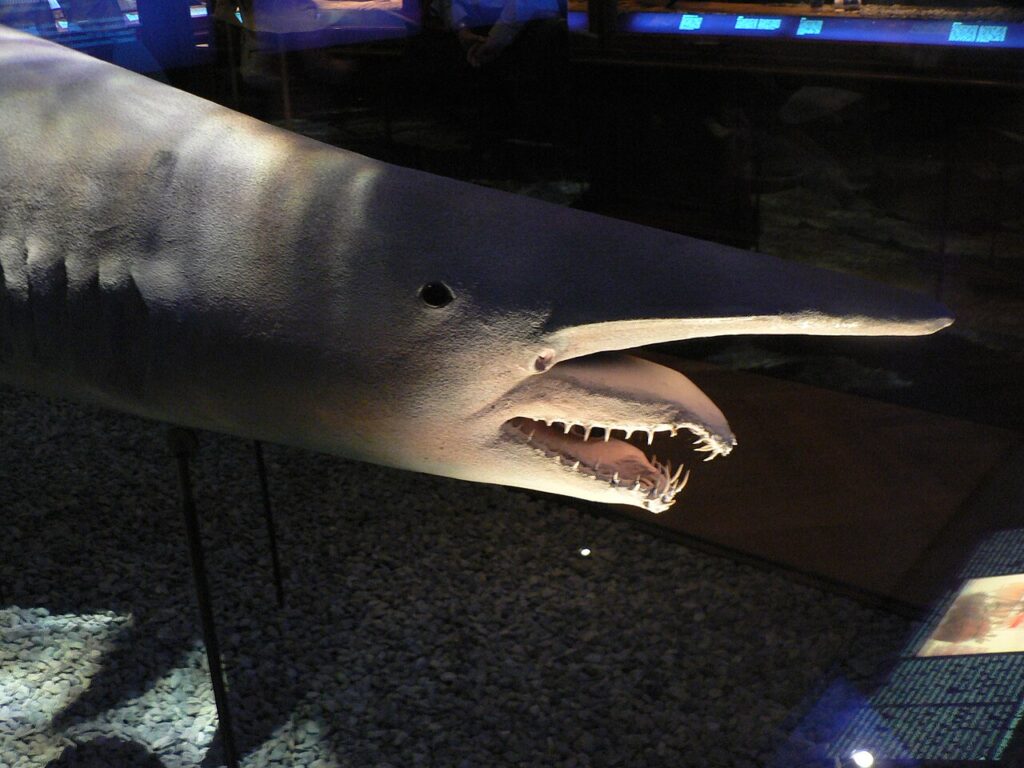
With its long, flattened snout and sharp teeth, the goblin shark looks like it belongs in another world. Found at depths of up to 4,300 feet, this rare species is rarely seen due to its deep-sea habitat. Its long snout helps it detect prey buried in the ocean floor, which it can strike with impressive speed. Despite its alien appearance, the goblin shark plays a key role in the ecosystem of the deep ocean.
The goblin shark’s unique features make it one of the more bizarre creatures on Earth. Its nearly translucent skin and protruding jaw contribute to its otherworldly look. Living in the depths where sunlight never reaches, it’s adapted to the pressure and cold. These features make it an enigma of the deep ocean.
Dumbo Octopus
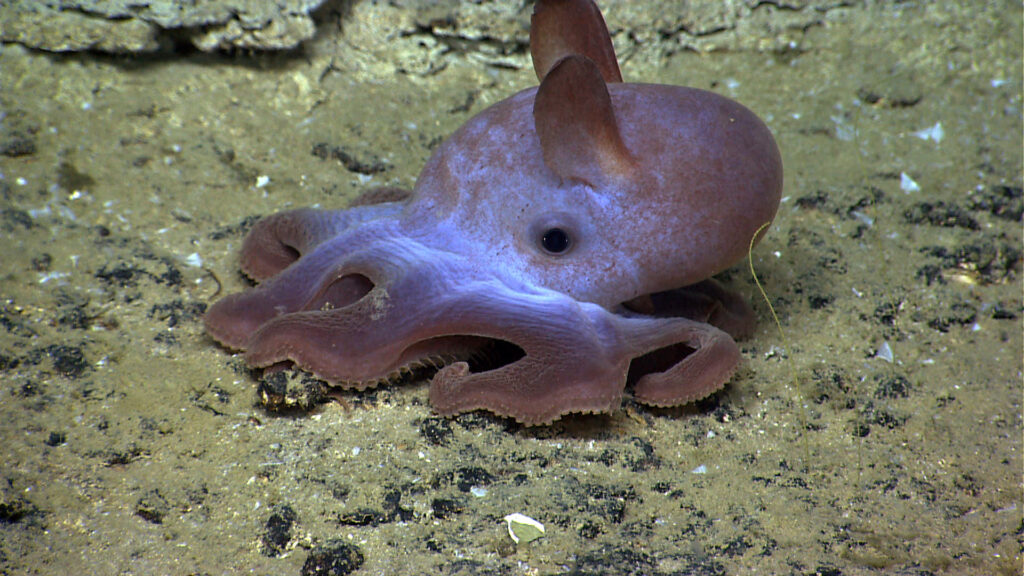
Resembling a cartoon character, the Dumbo octopus has large, ear-like fins that give it an almost whimsical appearance. This octopus lives at extreme depths, ranging from 1,500 to 23,000 feet below the surface. Its name comes from the Disney character, as its fins resemble the ears of Dumbo. Rare and elusive, the Dumbo octopus is rarely seen by humans due to its deep ocean habitat.
These creatures are fascinating due to their unique way of moving. Unlike other octopuses, they do not jet through the water but instead use their fins to fly gracefully. Their adaptability to the extreme pressures and temperatures of the deep ocean is a testament to their resilience. As such, the Dumbo octopus is a rare and unusual deep-sea dweller.
Deep Sea Dragonfish
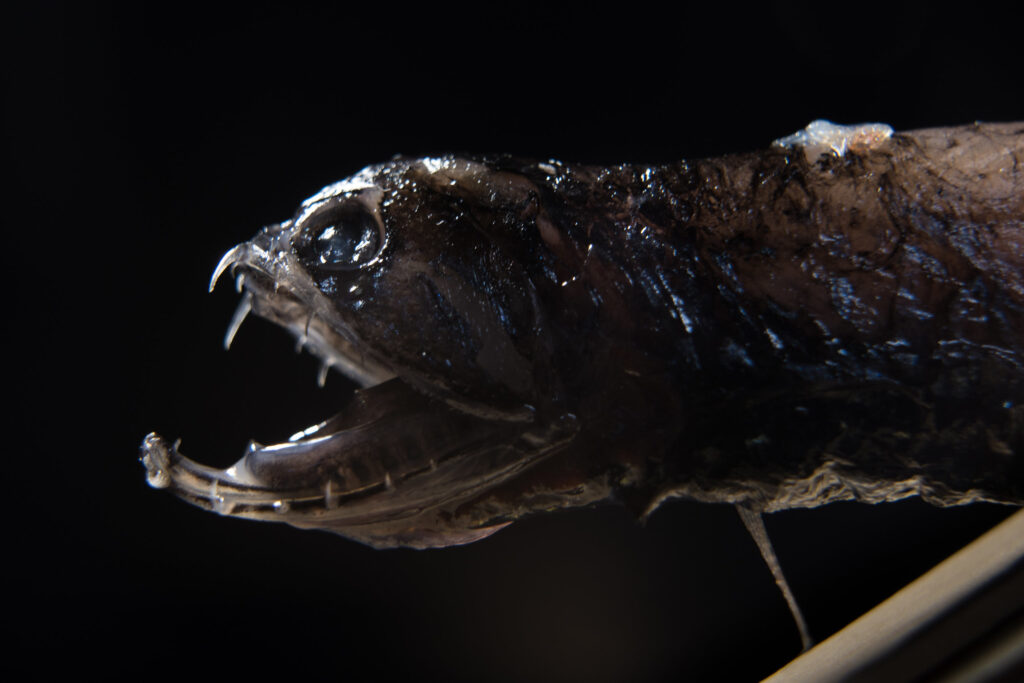
With its long, fang-like teeth and bioluminescent features, the deep-sea dragonfish looks like something straight from a horror movie. It resides at depths between 1,000 and 2,500 feet, where the water is pitch black and filled with pressure. The fish’s glowing organs help it attract mates and prey, making it a skilled hunter in its dark world. Its rare and terrifying look is part of what makes the dragonfish so captivating.
The deep-sea dragonfish is an excellent example of survival in extreme conditions. It can produce its own light using bioluminescent organs, allowing it to stand out in the dark depths. This adaptation helps it both hunt and communicate. The rarity of this fish, combined with its eerie appearance, makes it a true wonder of the deep sea.
Barreleye Fish
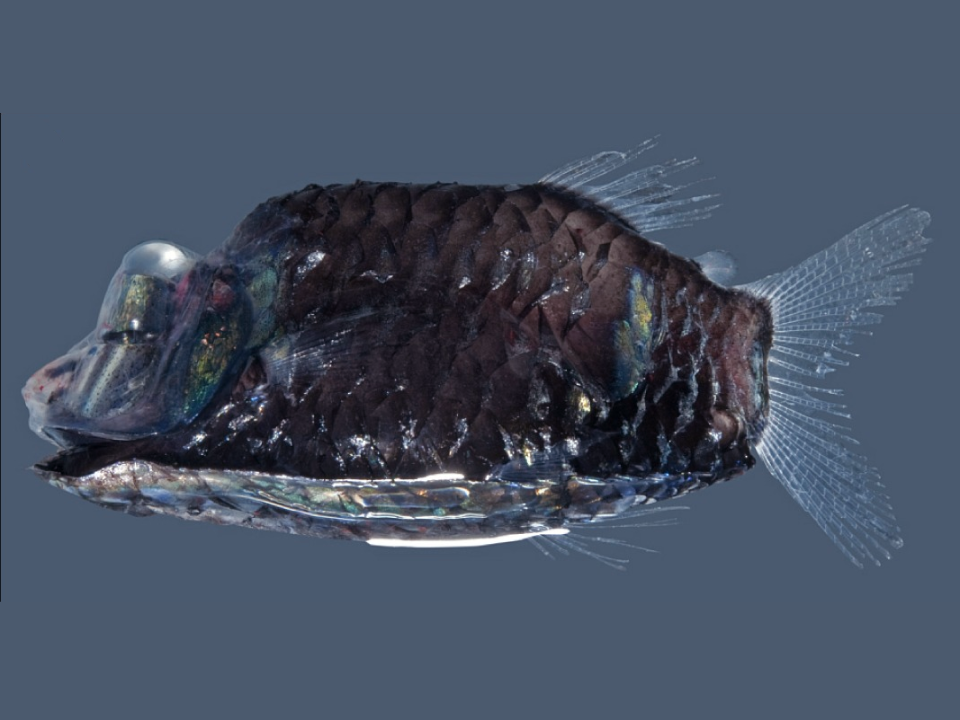
The barreleye fish is unique due to its transparent head and tube-shaped eyes, which are directed upward. It lives at depths of around 2,000 feet and uses its upward-facing eyes to spot predators or prey. Its unusual appearance is a result of evolution adapting it to its dark environment. Rarely seen, the barreleye fish’s transparent body and alien-like features make it one of the ocean’s most mysterious creatures.
This fish’s ability to see in the dark waters of the deep is remarkable. The transparent head allows it to avoid predators, while its specialized eyes give it a wide field of vision. The barreleye fish’s strange and unusual look contributes to its reputation as one of the more extraterrestrial creatures. Its deep-sea habitat makes it a rare and fascinating species.
Giant Squid
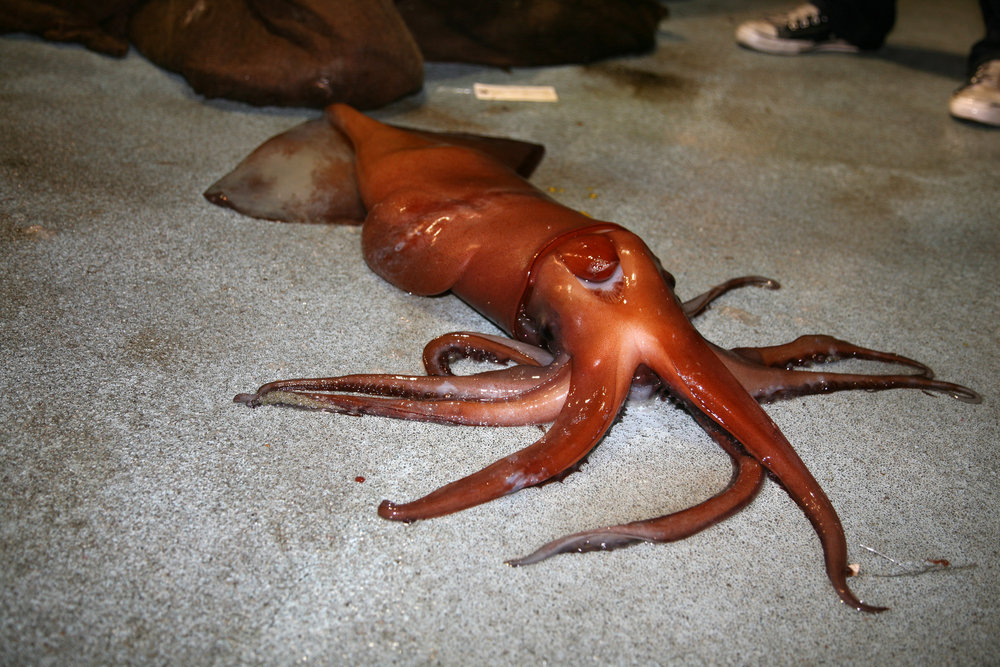
The giant squid is known for its massive size, reaching lengths of up to 40 feet, but its glowing red eyes and long tentacles make it appear almost otherworldly. Living in the deep, dark waters at depths of 3,000 feet, it is a rare creature rarely seen by humans. It has large eyes that help it navigate the depths, and its tentacles are equipped with suction cups to capture prey. The giant squid is also known for its ability to evade predators by using its jet propulsion.
Its rarity and alien-like features have made the giant squid the subject of many myths and stories. Despite its large size, it remains elusive and difficult to study. Its deep-sea lifestyle and remarkable adaptations make it a rare example of life in the most remote parts of the ocean. The giant squid’s otherworldly look and mysterious nature continue to intrigue researchers and enthusiasts alike.
Glass Squid
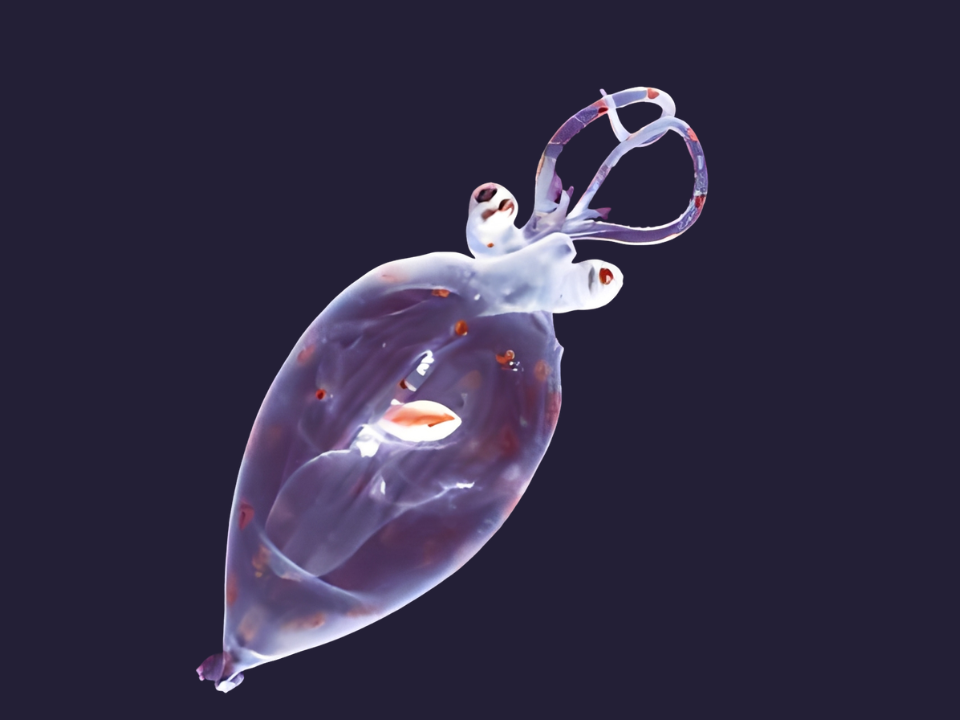
The glass squid, as its name suggests, has a nearly transparent body that makes it look like it is floating in space. This squid lives at depths of around 3,000 feet, where the lack of light makes its transparency an essential survival trait. The glass squid uses bioluminescence to help it communicate with others and to attract prey. Its delicate appearance and ability to blend into its surroundings make it a rare and elusive deep-sea dweller.
Its transparency makes it nearly invisible to both predators and prey. The glass squid’s bioluminescence also helps it to interact with its environment in unique ways. Its habitat in the deep ocean ensures that it remains a rare and mysterious creature. This squid’s ability to survive in such harsh conditions contributes to its fascinating and unusual nature.
Fangtooth Fish
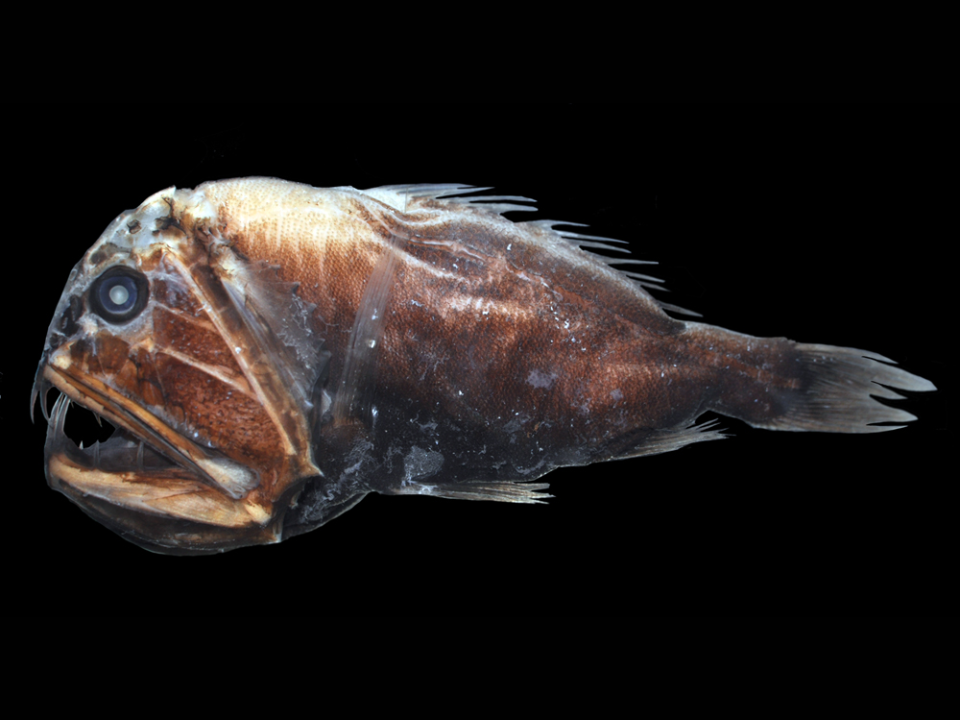
The fangtooth fish, named for its long, sharp teeth, has an unsettling look that seems almost otherworldly. Found at depths of up to 16,000 feet, it lives in the deepest parts of the ocean, where light never reaches. Its large teeth are perfect for catching small prey, while its small body helps it evade larger predators. The fangtooth’s unusual appearance and its rare deep-sea habitat make it a fascinating creature to study.
Despite its fearsome appearance, the fangtooth is relatively small, growing to only about 6 inches long. It is a predator in its dark home, using its sharp teeth to capture prey in the darkness. Its habitat in the deep sea ensures it is one of the rarest creatures to observe. The fangtooth fish’s combination of predatory instincts and unique features make it a prime example of deep-sea life.
Deep Sea Jellyfish
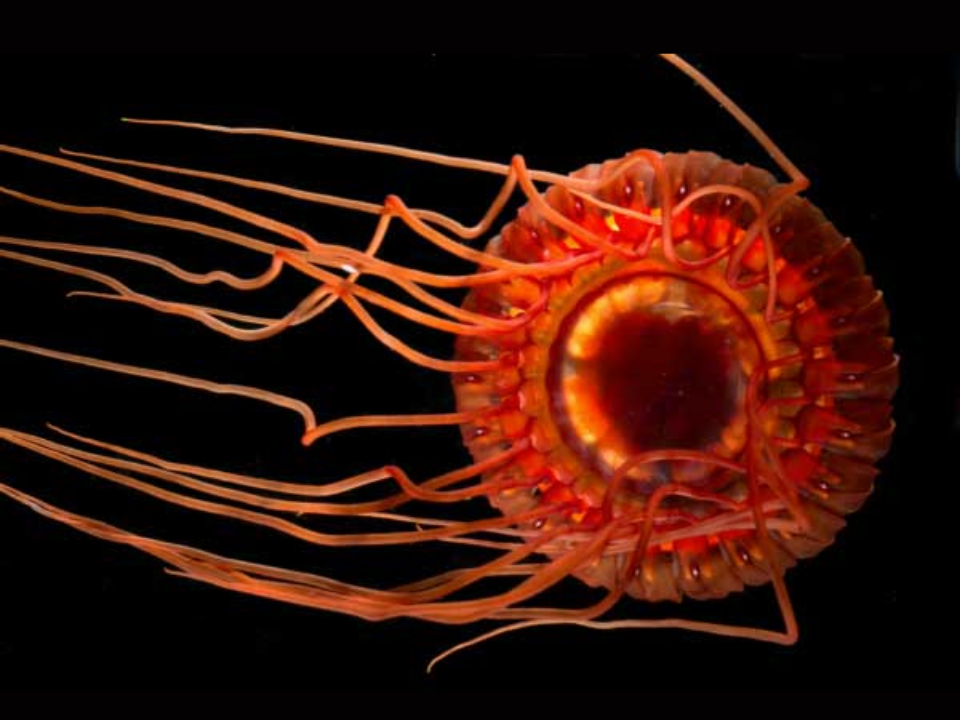
With its long, trailing tentacles and glowing body, the deep-sea jellyfish looks like something from an alien world. These jellyfish live at depths of up to 9,800 feet, where their bioluminescence helps them to attract prey and communicate. Their gelatinous bodies are perfect for surviving in the cold, high-pressure environment of the deep sea. Deep-sea jellyfish are rare due to their remote habitats and elusive nature.
The jellyfish’s ability to produce light makes it one of the most fascinating creatures in the deep ocean. Its transparent body helps it blend into its environment, making it difficult for predators to spot. The deep-sea jellyfish’s bioluminescence is an essential part of its survival, allowing it to attract food and evade danger. These creatures are as rare as they are beautiful, making them a true wonder of the ocean.
Blind Lobster
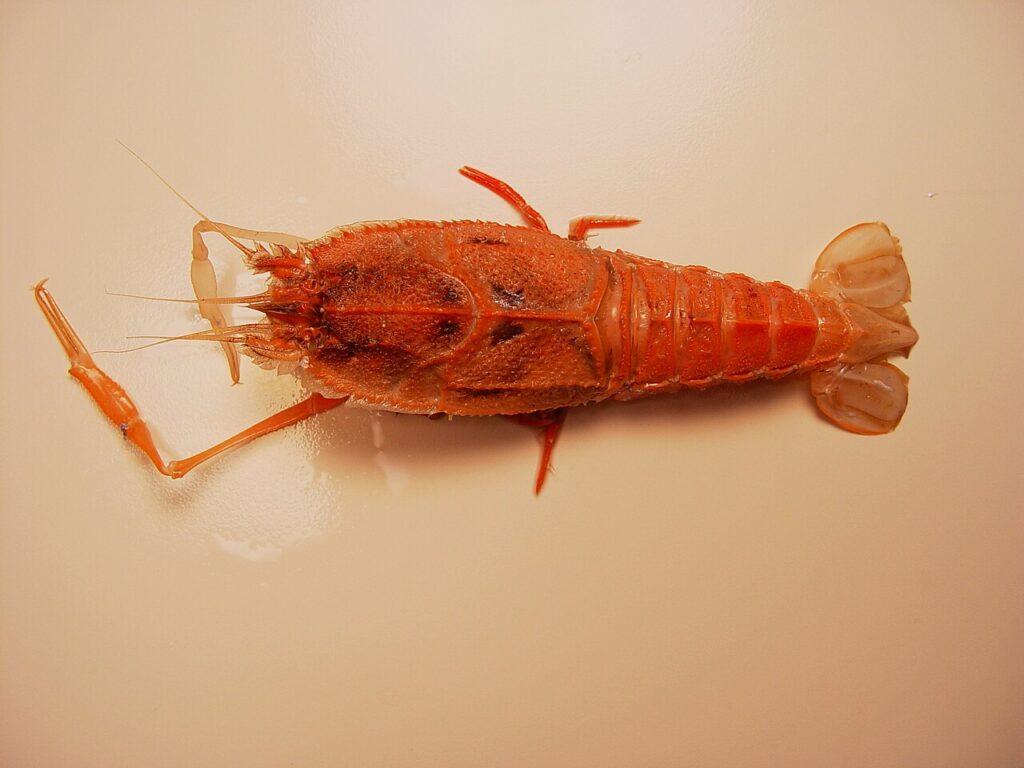
The blind lobster has adapted to life in the deep, dark ocean where light does not penetrate. Found at depths of around 5,000 feet, it has evolved without eyes, relying instead on its heightened sense of smell and touch. Its pale, almost translucent body is another sign of its life in the pitch-black depths. This lobster’s ability to thrive without sight makes it a rare and unique deep-sea dweller.
The lack of eyes is just one of the adaptations that help the blind lobster survive. Its body is designed to live in an environment where light is absent, and food is scarce. Its unusual appearance and lack of vision make it one of the more alien-like creatures of the deep. Despite its rarity, the blind lobster plays an important role in the deep-sea ecosystem.
Deep Sea Hatchetfish
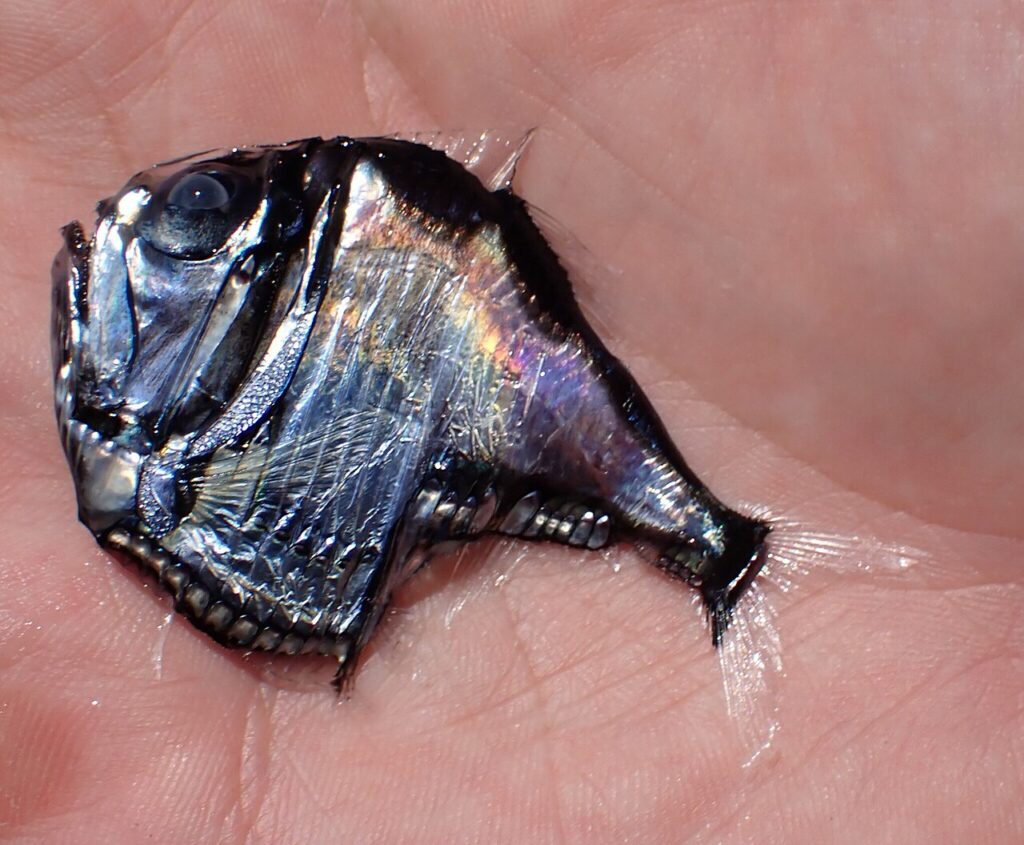
Named for its unique shape, the deep-sea hatchetfish has a body that resembles a flattened hatchet. It lives at depths of around 1,500 feet, where it uses bioluminescence to communicate and hunt. This rare fish has adapted to its dark world with large eyes to detect the faintest light. Its bioluminescent capabilities allow it to blend in with the faint light above and avoid predators.
The hatchetfish’s body shape helps it to move through the water with minimal effort. Its bioluminescence is used both for hunting prey and as a defense mechanism. These adaptations help the fish thrive in an environment with little food and no natural light. As a result, it remains a rare and mysterious creature of the deep sea.
Viperfish
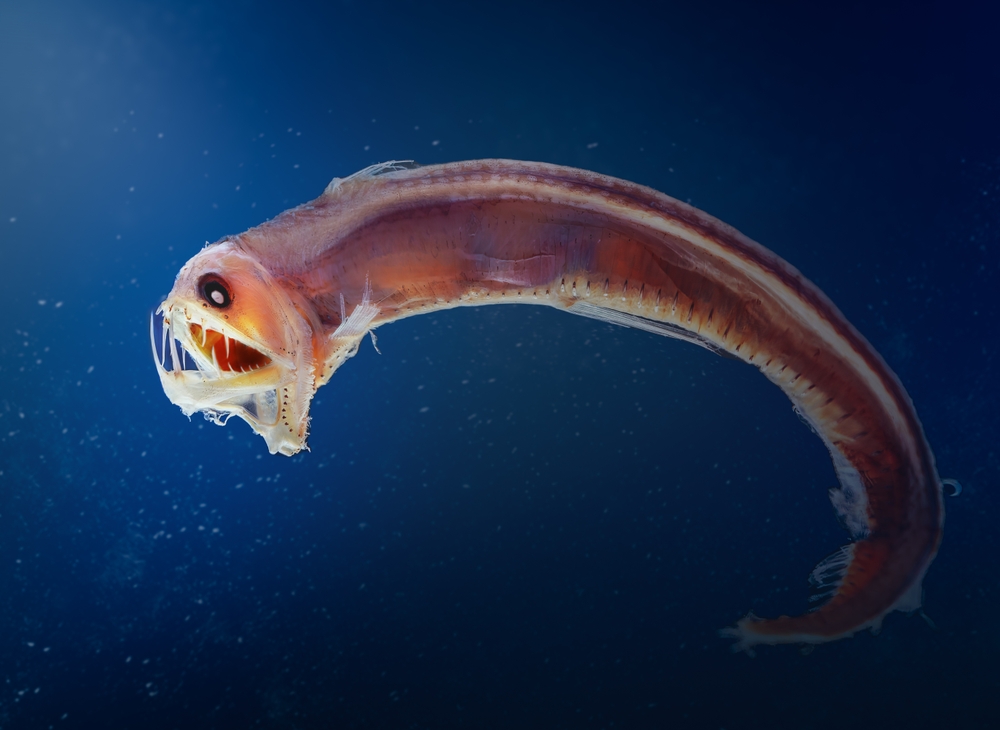
With its long, fang-like teeth and large, round eyes, the viperfish looks like it belongs in the depths of space. It lives at depths of 3,000 feet, where it preys on small fish and crustaceans. Its bioluminescent organs help it lure prey, while its large teeth are used to capture and hold on to them. The viperfish’s rare, alien-like features make it a perfect example of deep-sea evolution.
The viperfish uses its bioluminescence not just to find food but to communicate with other members of its species. Its large eyes help it to detect prey in the pitch-black waters of the deep. Despite its fearsome appearance, the viperfish is a small predator, rarely growing longer than 8 inches. Its appearance and adaptability to deep-sea life make it a unique creature of the ocean.
Giant Isopod
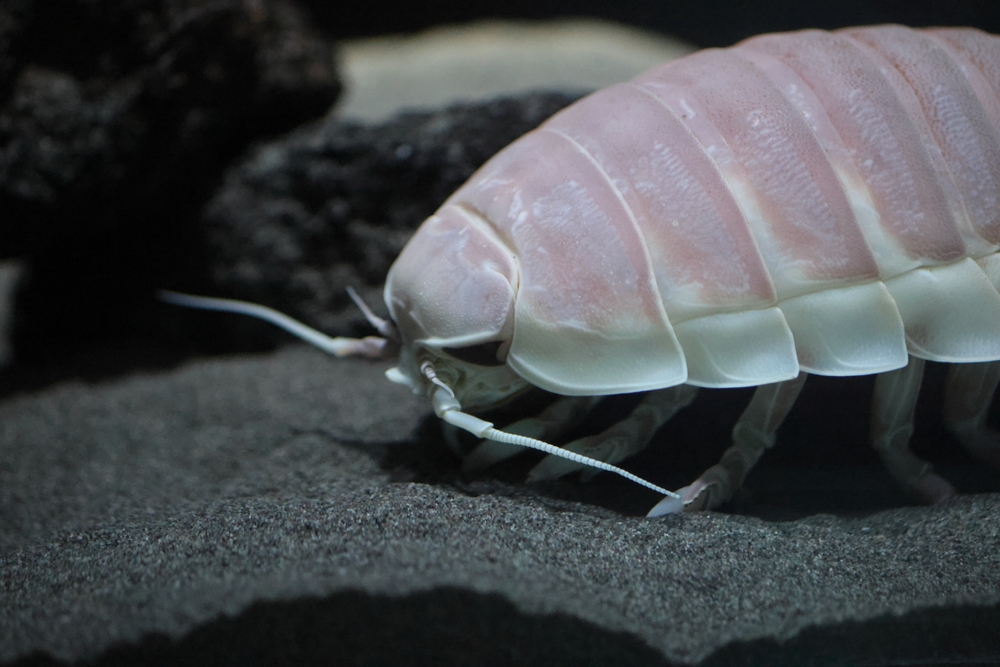
The giant isopod looks like something out of a science fiction film with its armored body and large, crab-like appearance. Found at depths of 1,600 to 7,000 feet, this deep-sea scavenger has adapted to the cold, dark environment of the ocean floor. Its large, segmented body and multiple legs allow it to move along the ocean floor, where it feeds on dead creatures and organic material. The giant isopod’s size and rare habitat make it an awe-inspiring deep-sea animal.
These creatures are capable of surviving long periods without food, storing nutrients in their body for times of scarcity. They have a robust exoskeleton that helps protect them from the high pressure of the deep sea. Although they are not aggressive, their size and eerie appearance make them stand out as one of the more alien-like deep-sea creatures. The rarity of spotting a giant isopod and its strange, prehistoric look make it a true wonder of the ocean.
This article originally appeared on Avocadu.