
10 Rare Currency Notes with Misprints That Make Them Valuable
Currency collectors often seek out rare and unique notes, and misprints can make certain bills far more valuable than their face value. While most currency is printed with precision, occasional mistakes during the production process lead to misprints that catch the attention of collectors. These misprints range from minor ink smudges to misaligned serial numbers, making each note a one-of-a-kind piece of history. In the world of rare currency, these errors are seen as treasures, and their scarcity only adds to their appeal. Whether due to design flaws or printing mistakes, these notes can command significant prices at auctions. For collectors and investors alike, misprinted currency is an exciting and lucrative field to explore.
This post may contain affiliate links, which helps keep this content free. Please read our disclosure for more info.
1890 $1,000 Treasury Note – The Grand Watermelon
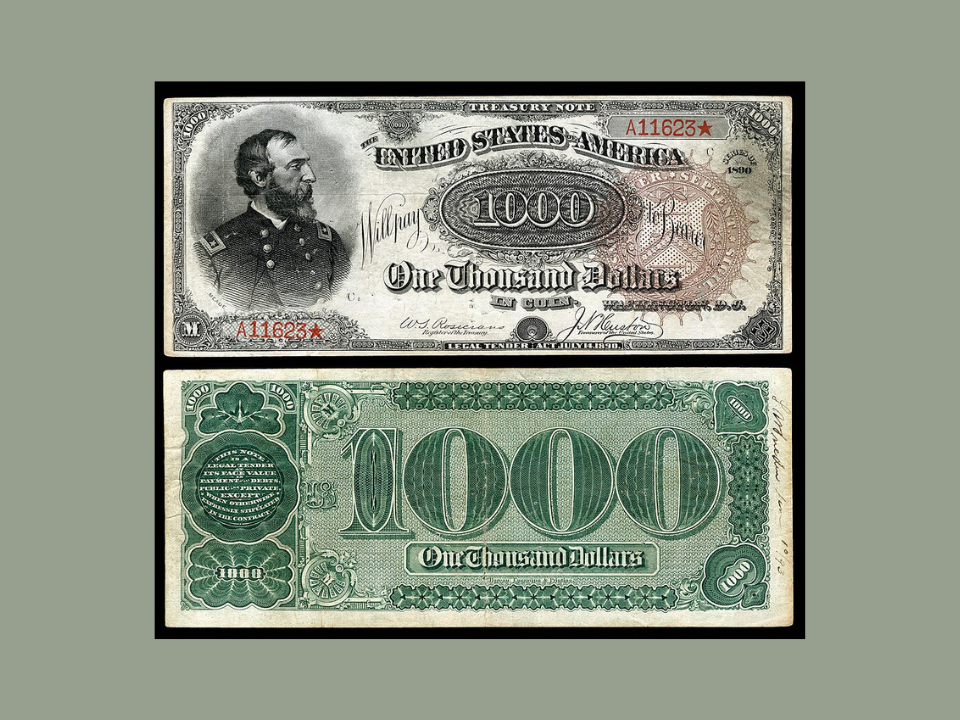
The 1890 $1,000 Treasury Note, famously known as “The Grand Watermelon,” stands out in the world of rare, misprinted currency notes. The error occurred when the printing plates used to create the note had misaligned printing that made the large “1,000” on the reverse side appear oversized, resembling the shape of a watermelon. This significant misprint, combined with the fact that only a few of these notes exist, has turned the Grand Watermelon into a prized artifact.
This note is especially valuable due to the uniqueness of the misprint, which is noticeable to collectors and makes it a key piece of U.S. currency history. The Grand Watermelon’s place in the annals of rare currency is firmly established due to its distinctive design flaw and its exceptionally high auction price. Given the historical context, condition, and sheer rarity, these notes are incredibly valuable and continue to drive interest among currency collectors and investors.
Estimated Value: $2,000,000 to $3,000,000
1996 $20 Federal Reserve Note Del Monte Note
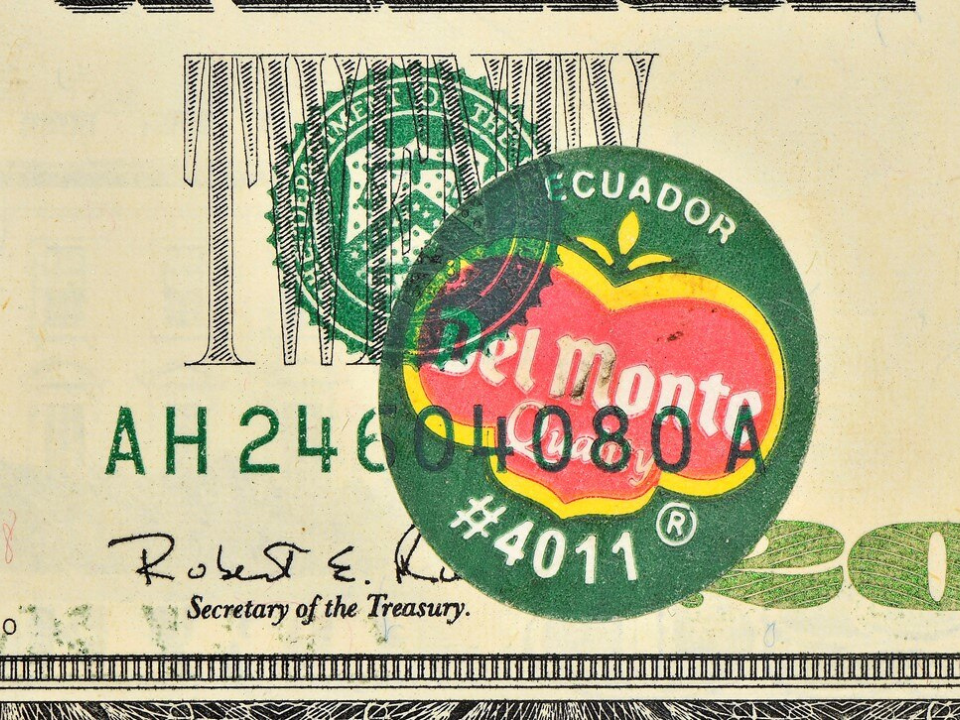
The 1996 $20 Federal Reserve Note, also known as the “Del Monte Note,” is a famous example of a misprinted note caused by a printing error where a Del Monte fruit sticker became stuck to the printing plate. The sticker was inadvertently printed on the bill, causing part of the Treasury seal and serial numbers to be misaligned. This rare and accidental mistake led to one of the most sought-after currency errors in modern history.
These notes are highly valued due to the highly unusual nature of the error and the fact that only a limited number of these notes exist in public collections. Its fame and market value stem from the fact that it was not just a printing mistake but one tied to a real-world object, the sticker, making the note both rare and historically significant. Collectors continue to actively seek these unique misprints, and the Del Monte Note remains one of the most famous modern-era currency errors.
Estimated Value: $300,000 – $396,000
Misprinted 2013 $1 Bills with Matching Serial Numbers
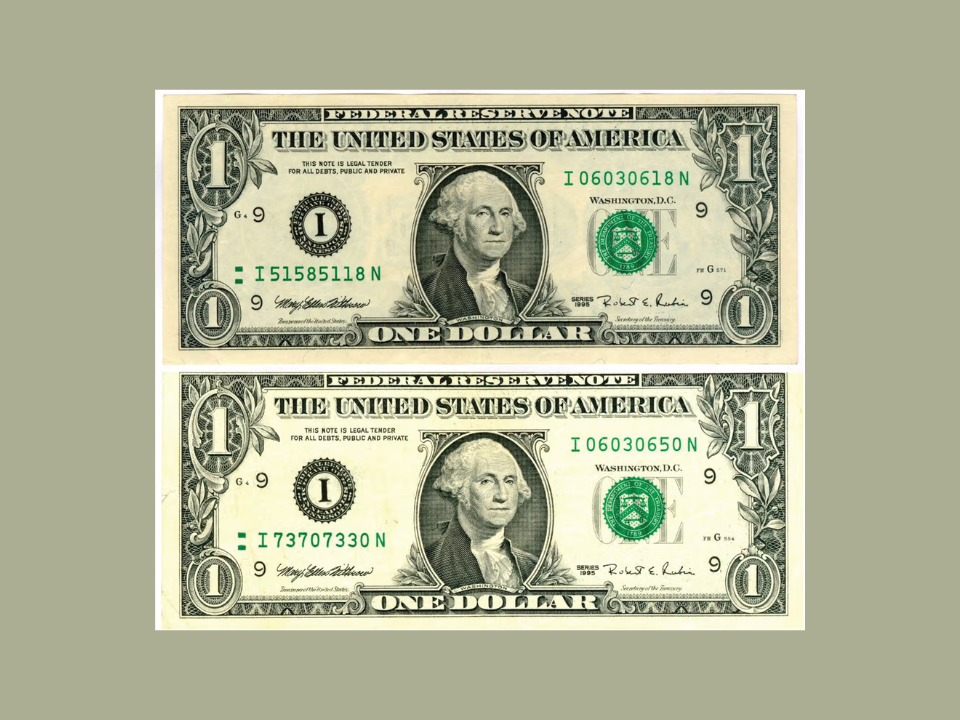
One of the most fascinating modern misprints is the occurrence of duplicate serial numbers on $1 bills. Normally, the Bureau of Engraving and Printing assigns unique serial numbers to every bill, but in rare cases, a printing error results in two bills with identical serial numbers. This kind of mistake is incredibly rare and makes these notes highly desirable for collectors. The intrigue around these notes is driven by the rarity of the error, with only a small handful of such misprints in existence.
Collectors who specialize in modern currency errors seek these notes for their rarity and the distinctiveness of having two identical serial numbers on different bills. Notes in good condition or those that have been graded by a reputable service can fetch premium prices. These bills are a reminder that even in the modern era, rare printing errors continue to capture the imagination of collectors.
Estimated Value: $150,000
Misaligned 2003 $5 Bills
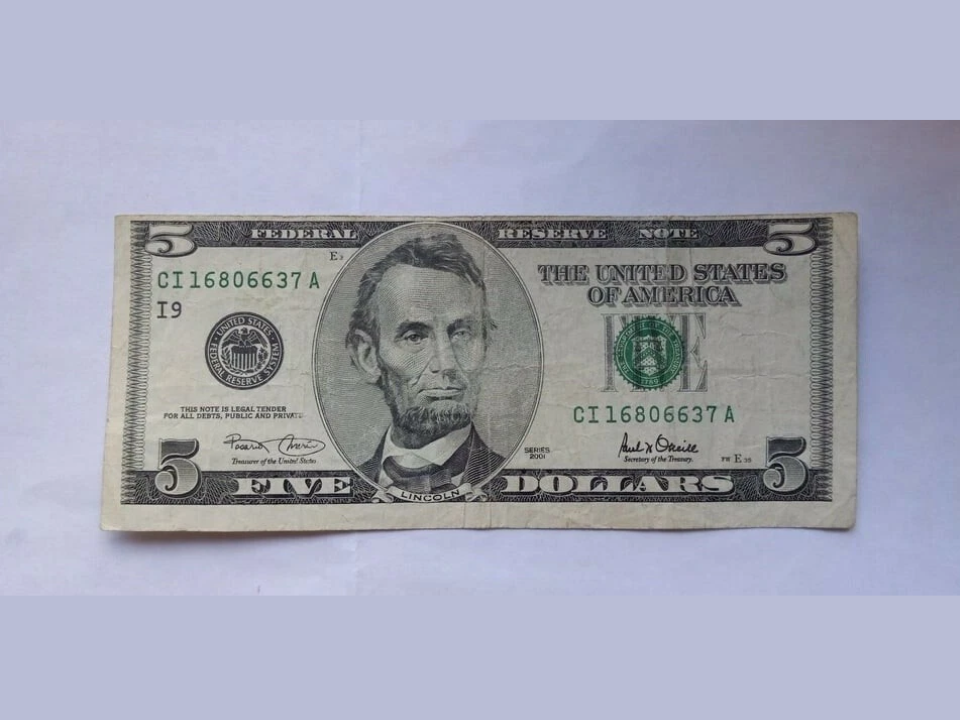
Misaligned or off-center printing errors often make certain bills more valuable to collectors. In the case of the 2003 $5 bill, some notes were printed with the front and back designs misaligned. This printing flaw is easily visible, making the misprinted notes highly desirable. The misalignment error on these $5 bills creates a noticeable difference between the front and back designs, giving the bill a unique appearance.
These notes are considered rare and valuable, and their price can increase based on the severity of the misalignment. The value of these misprinted $5 bills can vary depending on condition, but they are typically worth several hundred dollars or more. This error is a perfect example of how small printing issues can lead to large increases in value for certain pieces of currency.
Estimated Value: $500 – $1,000
1953 $2 Red Seal Legal Tender Note Serial Number Misprint
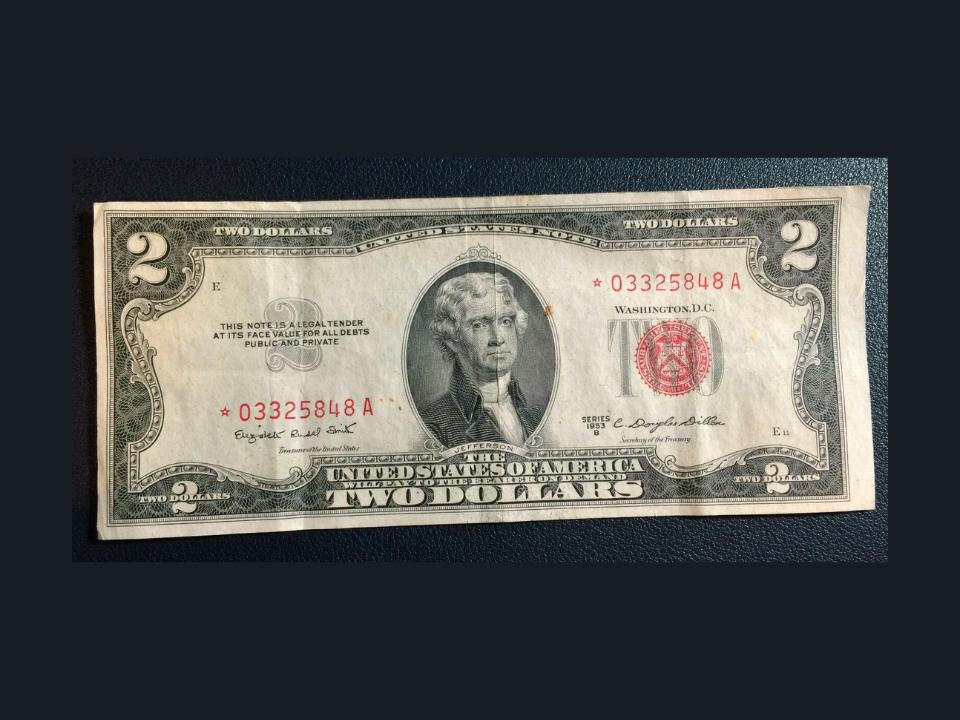
The 1953 $2 Red Seal Legal Tender Note features a serial number misprint, where the serial numbers were printed too faintly or unevenly. This subtle error has made these notes highly desirable to collectors of U.S. currency errors.
The 1953 $2 Red Seal notes are already popular among collectors due to their historical significance, but the misprint adds an extra layer of value. The rarity of the serial number misprint increases the desirability of these notes in the collector’s market. Well-preserved examples with noticeable errors are especially prized by currency enthusiasts.
Estimated Value: $500 – $5,000
1929 $5 National Bank Note Mismatched Charter Error
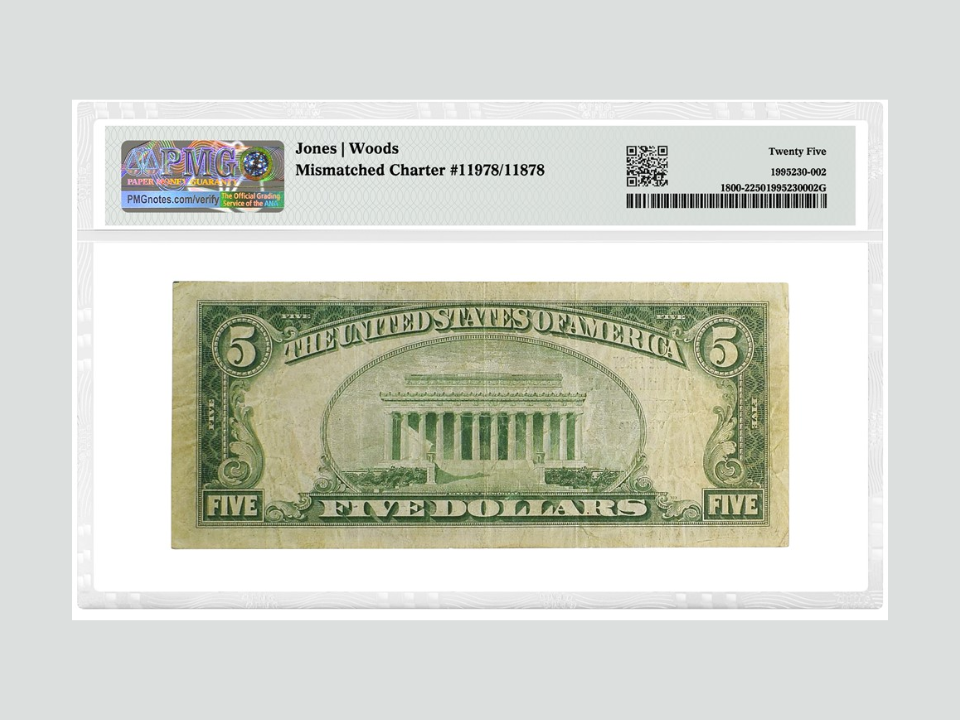
The 1929 $5 National Bank Note is a rare misprint that features Mismatched Charter Error and an off-center design. The misalignment of these elements was caused by a printing error during production, making the note visually distinct. These notes are considered highly valuable due to the misalignment error and their historical importance as part of the National Bank Note series.
The rarity and uniqueness of these misprints make them highly sought after by collectors who specialize in U.S. currency errors. These bills are an excellent example of how a small misprint can turn an otherwise ordinary note into a valuable collector’s item.
Estimated Value: $5,000 – $15,000
1977 $50 Federal Reserve Note Gutter Fold Error
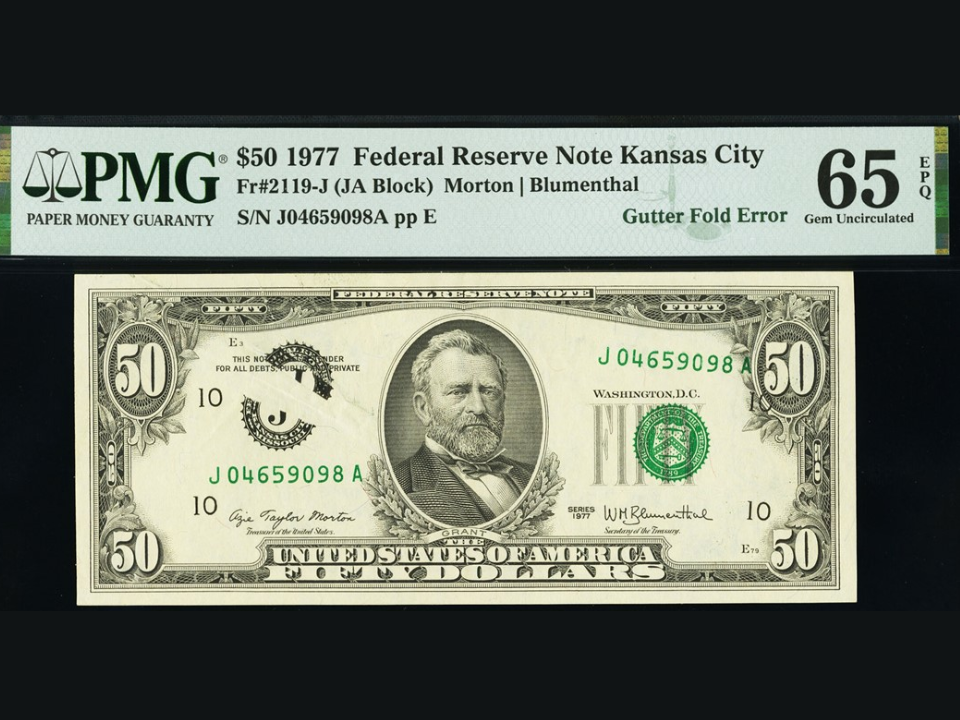
The 1977 $50 Federal Reserve Note is another example of a misprinted currency note where part of the design was partially printed. This occurred when the printing process was interrupted or misaligned, causing sections of the bill to be incomplete. These notes are rare and highly collectible, as they represent a unique error in the production of U.S. currency.
Collectors are especially interested in these notes because the misprint is visible and striking, making them stand out in a collection of regular notes. Due to their historical significance and the rarity of the printing mistake, these notes continue to attract significant attention in the currency collecting market.
Estimated Value: $10,000 – $20,000
1957 $1 Silver Certificate Mismatched Serial Number
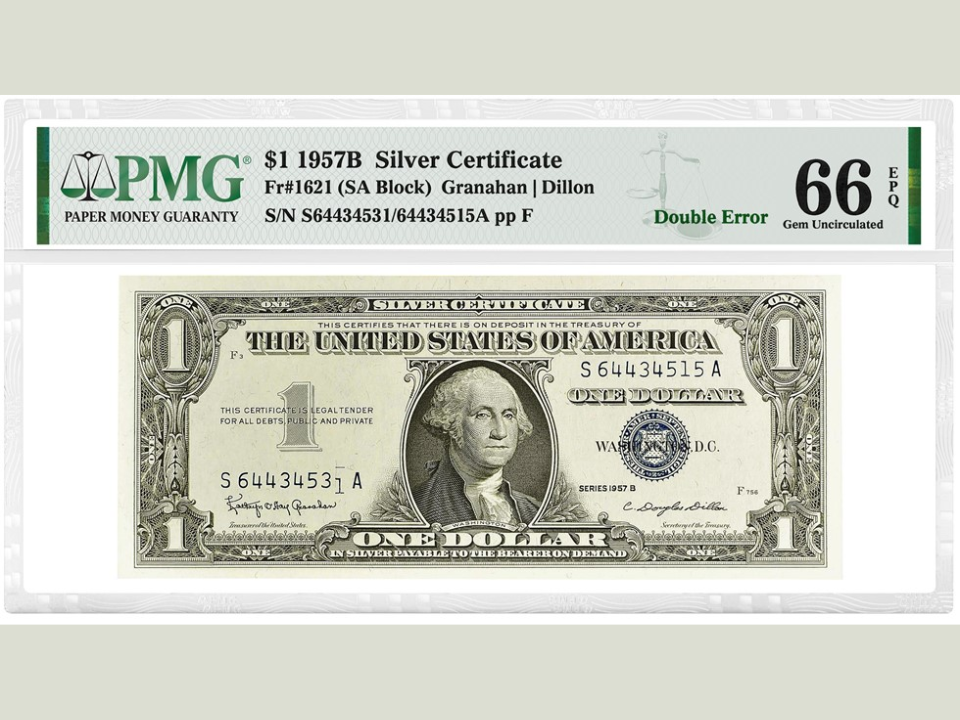
The 1957 $1 Silver Certificate is famous for the misprint of the serial numbers, which were applied incorrectly during the printing process. The blue ink was used where green ink was supposed to be, resulting in a noticeable difference from the standard issue. While the 1957 $1 Silver Certificate is already considered a collectible note, this misprint makes certain bills even more desirable.
The error is particularly intriguing to collectors because it represents a production mistake on a widely circulated note. Well-preserved examples with the visible blue ink error are highly valued in currency auctions and by collectors of U.S. silver certificates.
Estimated Value: $300 – $1,500
1977 $5 Federal Reserve Note Double Print Error
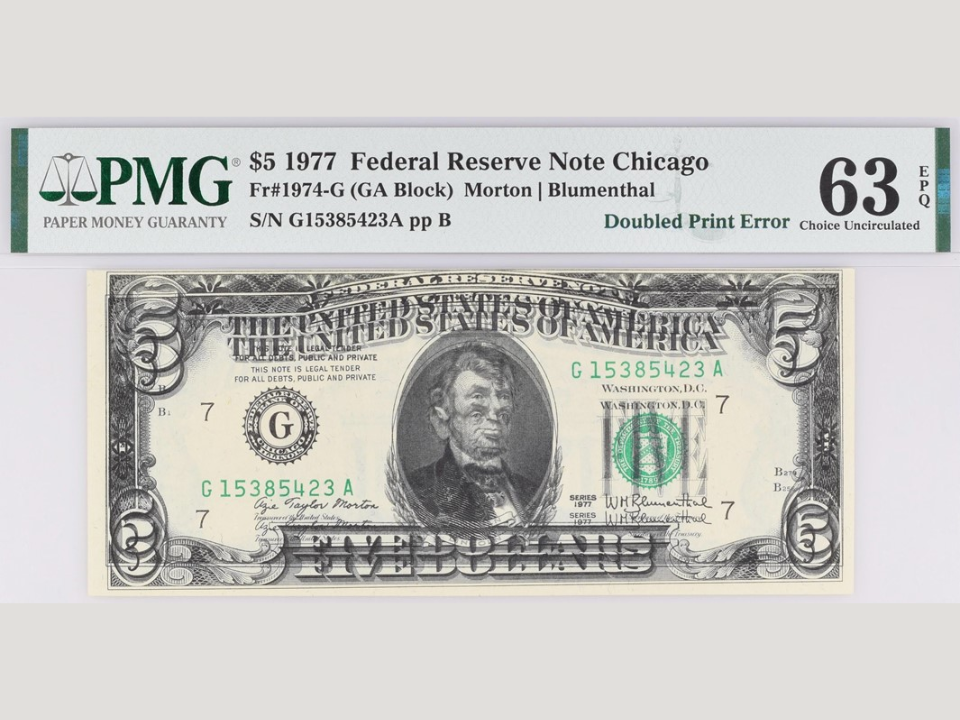
The 1977 $5 Federal Reserve Note features a rare printing mistake where part of the design was printed twice, resulting in a double-print error. This type of error happens when the printing plates overlap, creating a ghost image on the bill. Such double-print errors are highly valued in the currency collector community because they are visually distinct and rarely found.
The unique overlap in design makes these misprints especially collectible. As with other misprinted currency, the rarity of double print errors is what makes them particularly appealing to collectors looking for exceptional pieces of U.S. currency.
Estimated Value: $500 – $3,000
1974 $1 Federal Reserve Note Off-Set Printing Error
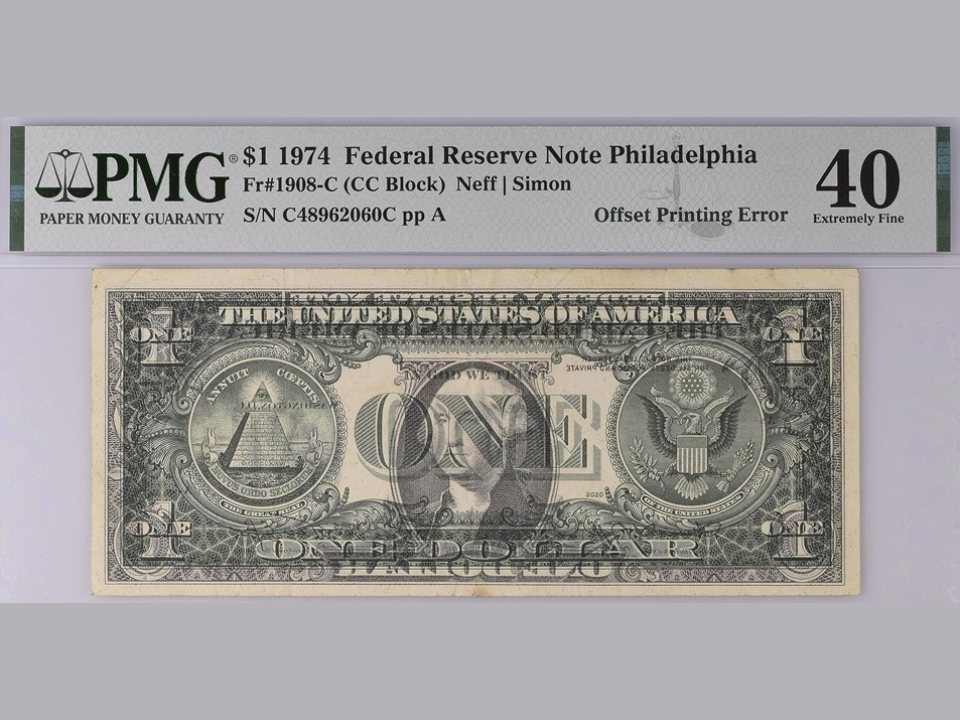
The 1974 $1 Federal Reserve Note is another highly valuable misprinted note that features an off-set printing error. This occurs when ink from one printing sheet transfers to another, resulting in a faint image or a “ghost” design on the back of the note. Off-set printing errors are rare and highly collectible because they result in a visually interesting flaw that collectors value.
The rarity of such errors, combined with the bill’s high denomination, makes this misprint a highly sought-after collector’s item. These notes are frequently sold at auction and are particularly appealing to those who specialize in modern currency errors.
Estimated Value: $500 – $2,500
This article originally appeared on Avocadu.