
11 Rare Compass and Navigation Tools With High Value
For centuries, compasses and navigation tools have been essential for guiding sailors across the seas and adventurers through uncharted territories. These devices, once vital for navigation, have transformed into coveted collectibles, with some fetching extraordinary prices. The rarity and value of these tools are influenced by their age, maker, and unique features. Many collectors seek out pieces that are linked to significant historical moments or figures in exploration.
This post may contain affiliate links, which helps keep this content free. Please read our disclosure for more info.
Mariner’s Astrolabe
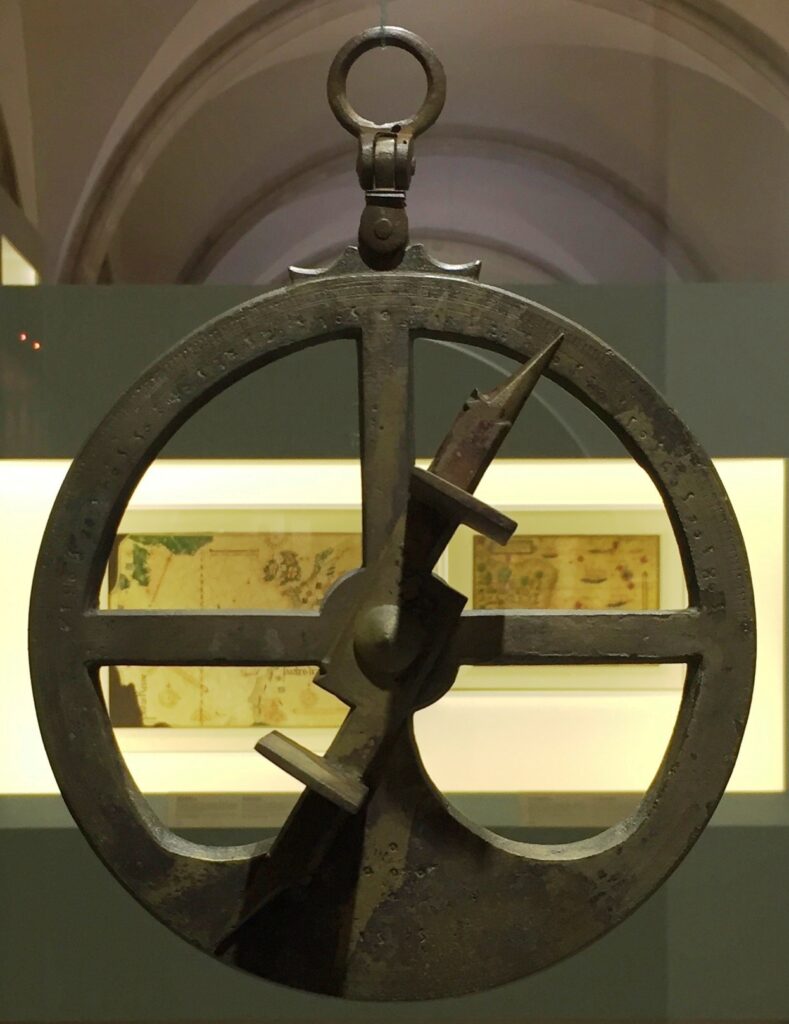
The mariner’s astrolabe, first used in the late 15th and early 16th centuries, was crucial for sailors to determine their position by measuring the angle between celestial bodies and the horizon. These instruments were often made from brass and had finely engraved scales, making them quite valuable today. The rarity of these items comes from the fact that many were lost at sea or destroyed over time. Because of their historical significance, well-preserved examples can fetch anywhere from $50,000 to $120,000, depending on their condition and maker. This tool is valued not just for its practical use but also for its connection to early navigation during the Age of Exploration.
Collectors seek these astrolabes for their craftsmanship and the stories they tell of early maritime voyages. These rare tools serve as a tangible link to the past, representing the ingenuity of explorers who charted unknown territories without modern technology.
Medieval Pocket Astrolabe Quadrant
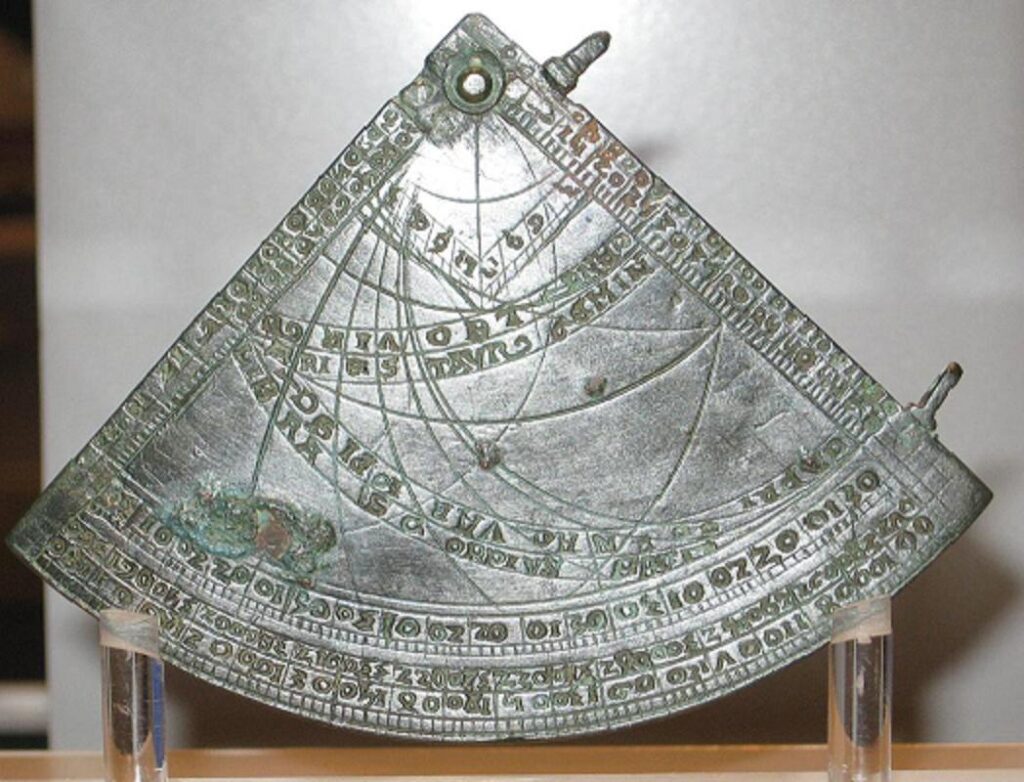
Pocket astrolabe quadrants, commonly used during the 14th and 15th centuries, were designed for navigators to measure the altitude of stars and determine their position. These small, portable tools were often made of brass or copper, which makes surviving examples rare today. Because so few were made and even fewer remain intact, these quadrants can be valued anywhere between $80,000 to $180,000 depending on their condition and historical significance. The rarity and appeal of these items lie in their craftsmanship and the important role they played in early navigation. Collectors value them for their role in advancing navigation during the Middle Ages.
The beauty and intricacy of these small, portable instruments add to their desirability among collectors. Each piece is a rare artifact that links us to an era of discovery and exploration, offering a glimpse into the past when celestial navigation was a skill that defined a navigator’s career.
19th-Century Ship Binnacle Magnetic Compass
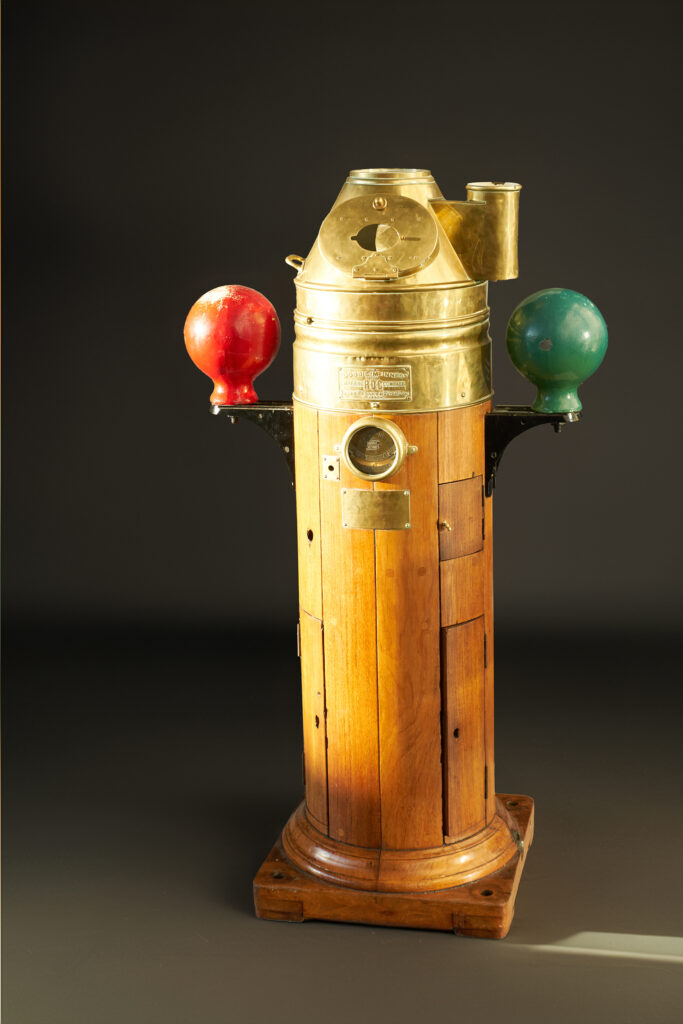
The 19th-century binnacle magnetic compass was a key navigation tool for sailors, mounted in a gimbal to maintain accuracy even in rough seas. These compasses were often housed in sturdy wooden or brass casings to protect them from the elements. Due to their durability and practical use, they are considered valuable items today, with well-preserved examples worth between $2,900 and $4,500. Their rarity is partly due to the fact that many were used extensively and have since deteriorated or been lost. They are highly prized for their historical connection to the golden age of maritime exploration.
Collectors admire these compasses not just for their functional design but for their aesthetic appeal. The combination of practical use and fine craftsmanship makes them sought after by those passionate about maritime history and the tools that enabled long voyages.
Late 19th-Century Pocket Compass
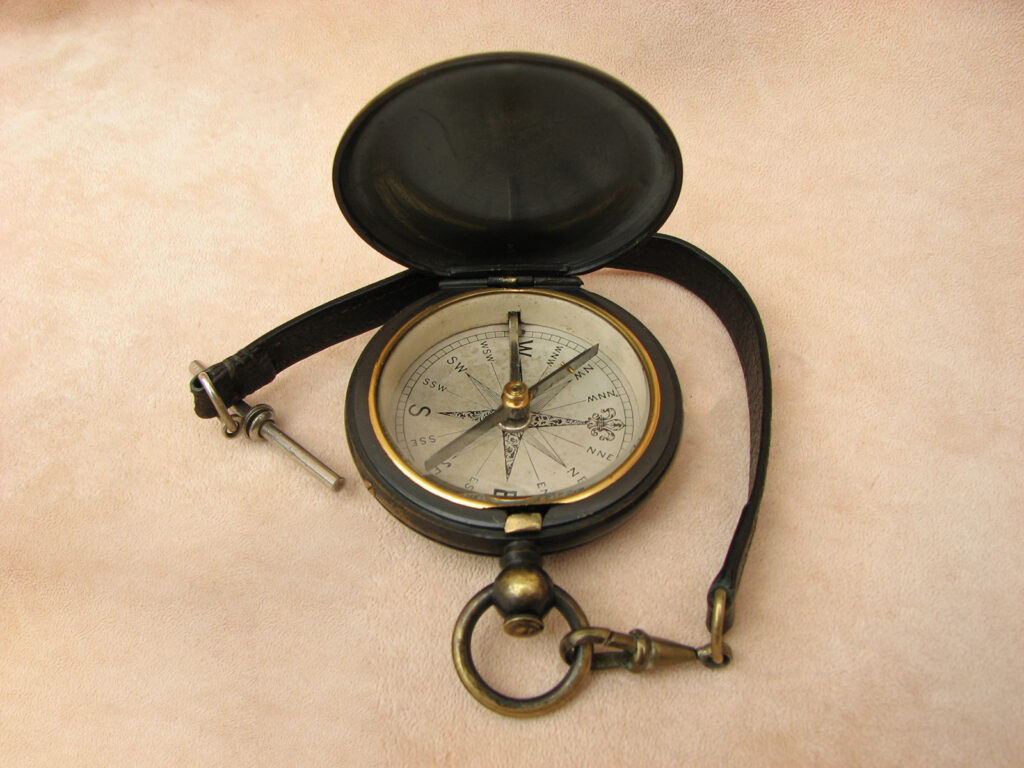
Late 19th-century pocket compasses were often used by explorers, surveyors, and travelers. These small, portable tools were typically encased in brass or wood, making them easy to carry while offering reliable navigation in the field. Due to their delicate size and the wear and tear they experienced over time, few of these compasses have survived in good condition. A rare, well-preserved pocket compass can be worth between $500 and $1,500. Their historical significance and rarity make them appealing to collectors who seek items connected to early exploration.
These compasses not only served as reliable tools for navigation but also reflect the ingenuity and craftsmanship of the time. Their portability and practical design make them valuable artifacts, offering a link to the past when these tools were essential for scientific exploration and surveying.
18th-Century Diptych Sundial Compass
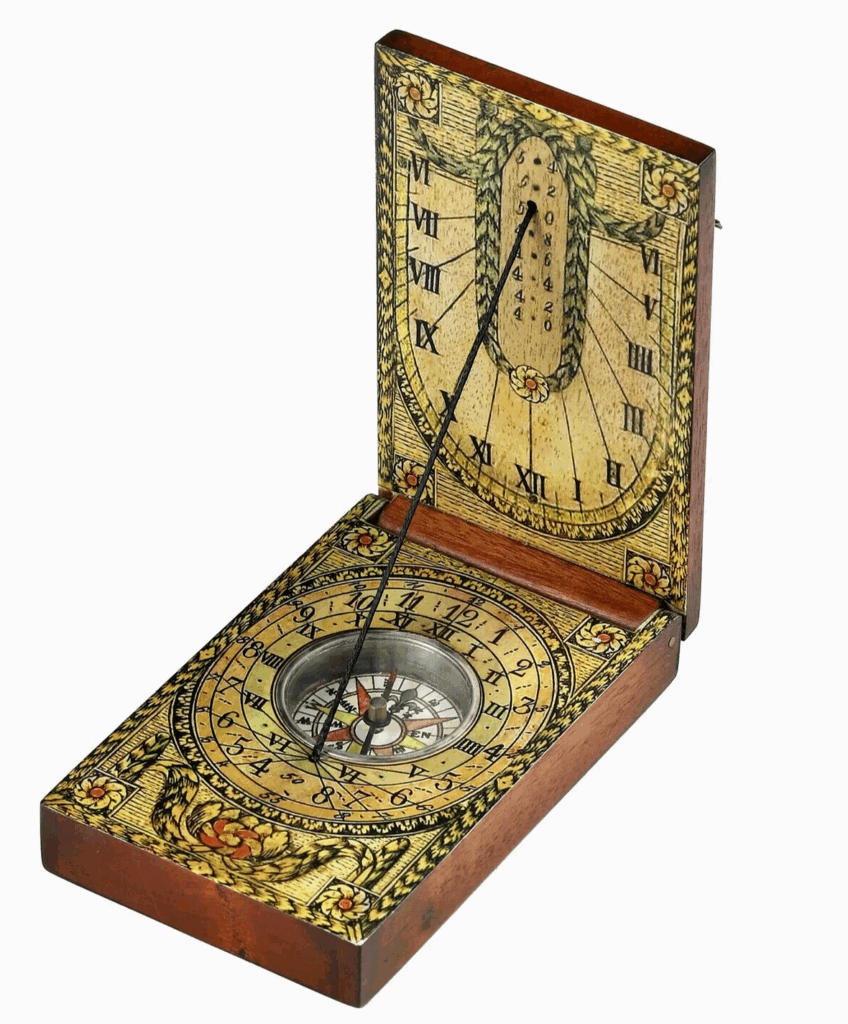
The 18th-century diptych sundial compass was a clever combination of a compass and a sundial, allowing travelers to measure both time and direction. These tools were often made from brass or other durable materials, making them sturdy enough for use in the field but still rare due to their dual function. Because of their complexity and rarity, surviving examples of diptych sundial compasses can be valued between $2,000 and $6,000. Many were lost or damaged over time due to their delicate design, adding to their rarity. Collectors seek these items for their historical importance and innovative design.
These compasses are not only valuable for their functionality but also for the historical context they represent. They are a tangible reminder of the ingenuity of early navigators who combined multiple tools in one compact, portable device to aid in their exploration of the world.
Early 20th-Century Maritime Desk Compass
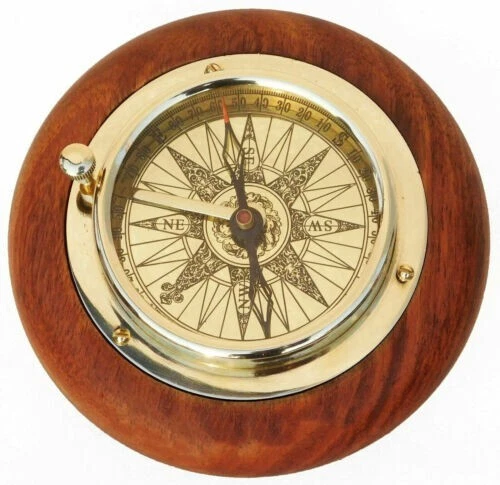
Maritime desk compasses from the early 1900s were used for planning and charting navigation routes while on ships. These compasses were often housed in sturdy brass or wooden casings to provide durability during use at sea. Desk compasses are relatively rare, and well-maintained examples can be valued between $1,000 and $3,000. The rarity of these items is due to the fact that many were either used extensively or replaced with newer models. Collectors prize these compasses for their historical significance as part of the shift from traditional methods to more modern forms of navigation.
In addition to their practical purpose, these desk compasses are also sought after for their aesthetic appeal. The fine craftsmanship and materials used in their construction make them valuable pieces of maritime history.
Early 20th-Century Pocket Nautical Compass
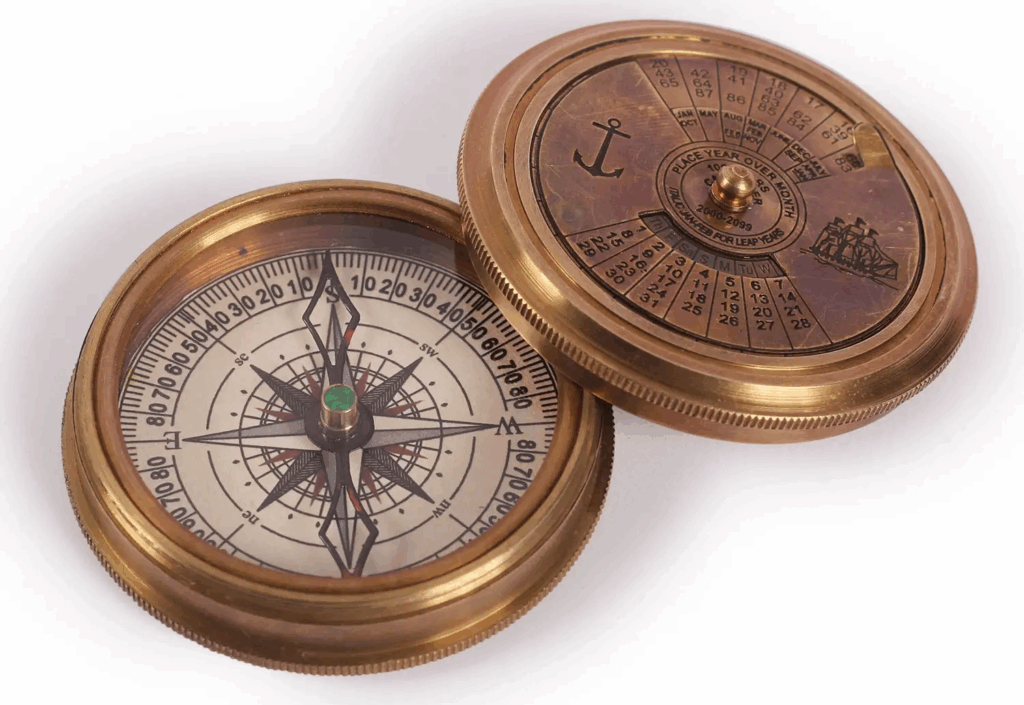
The early 20th-century pocket nautical compass was designed for easy portability, allowing sailors, explorers, and surveyors to carry a reliable navigation tool. These compasses were typically housed in compact brass or copper cases, making them easy to use in the field. The rarity of these compasses is due to the limited number made and the fact that many were used extensively, resulting in wear and tear. A well-preserved example can fetch between $800 and $2,000 at auction. These compasses are valuable because they were essential for travelers and sailors before the advent of modern navigation systems.
These pocket compasses are highly prized by collectors for their practical design and the historical context they represent. They are a reminder of a time when navigation relied on precision instruments like these, without the technology we take for granted today.
Antique German Reflecting Sextant
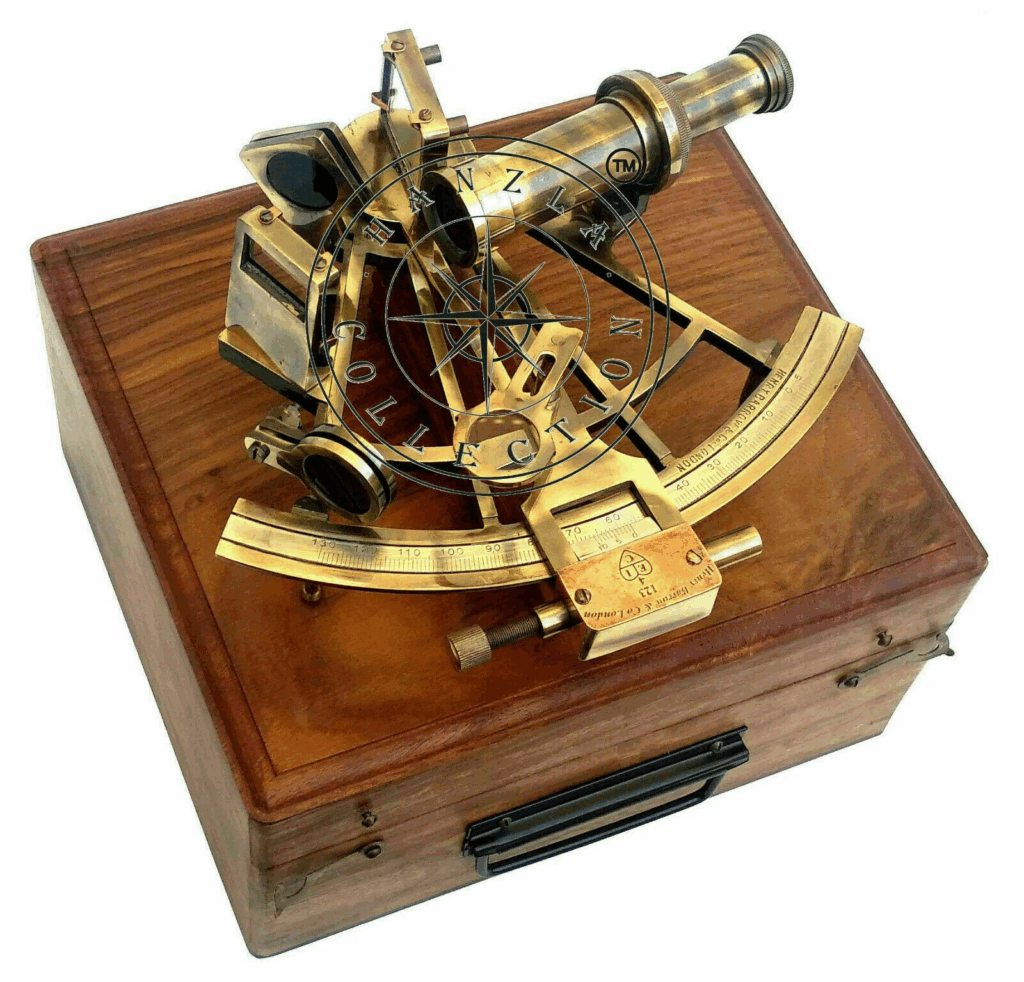
The German reflecting sextant, introduced in the early 19th century, was an advanced tool for measuring the angle between celestial bodies and the horizon. This instrument was prized for its precision and ability to improve navigational accuracy. Due to their fine craftsmanship and relatively low survival rate, these sextants can fetch prices between $4,000 and $7,000 at auction. Their rarity comes from the fact that they were made in limited numbers and many were damaged or lost over time. Collectors and historians value these sextants for their contribution to improving celestial navigation.
Reflecting sextants represent a significant advancement in navigational technology and are highly sought after for their historical importance. They mark a key moment in the development of navigational tools and are prized for their engineering and design.
19th-Century Octant or Reflecting Quadrant
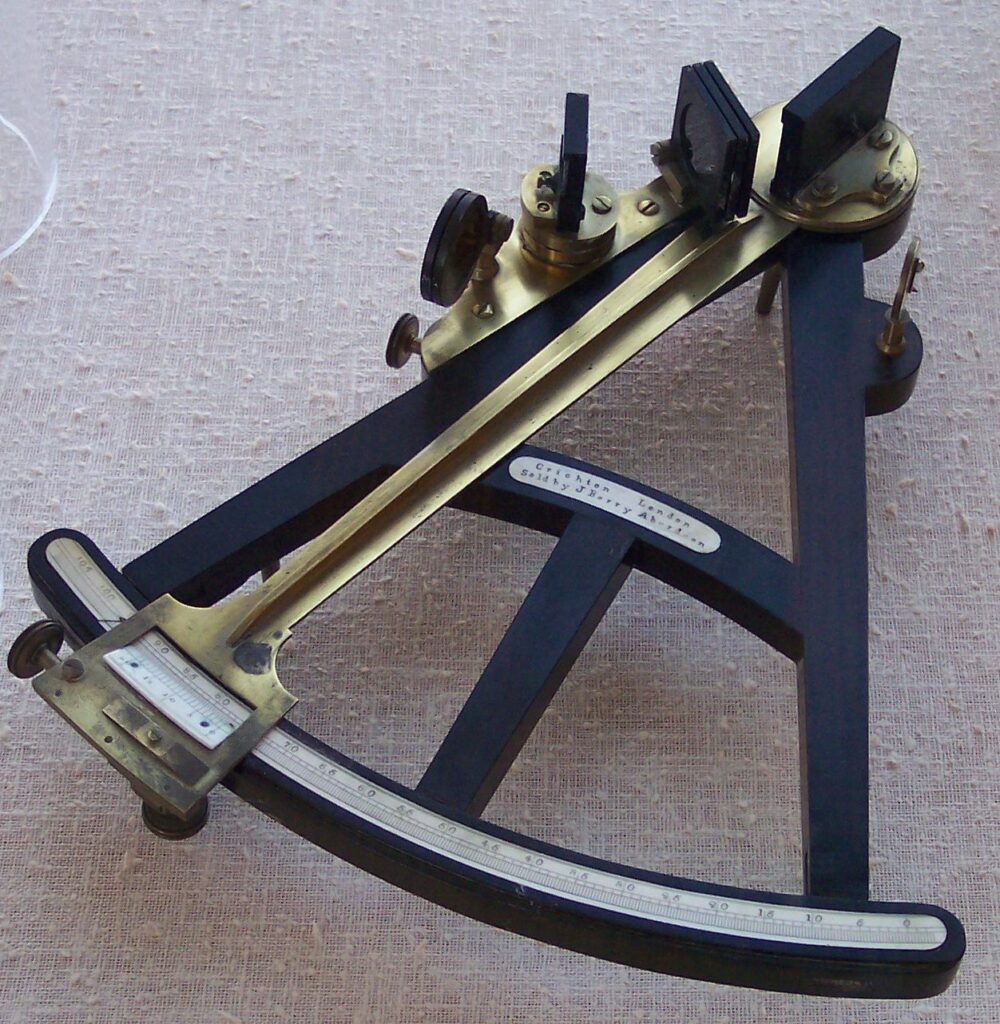
The octant, a precursor to the sextant, was widely used in the 18th and 19th centuries for measuring the altitude of celestial bodies. These tools were essential for sailors and navigators before the invention of the modern sextant. Octants and reflecting quadrants from this period are rare, and those in good condition can fetch between $3,000 and $6,000. Their value comes from the fact that few of these instruments remain intact, and they represent an important step in the evolution of navigation. Collectors appreciate them for their historical context and craftsmanship.
The octant’s role in early celestial navigation makes it a valuable piece of maritime history. It helped sailors improve their accuracy and enabled explorers to chart longer, more complex voyages with greater certainty.
18th-19th Century Maritime Compass Signed by Recognized Maker
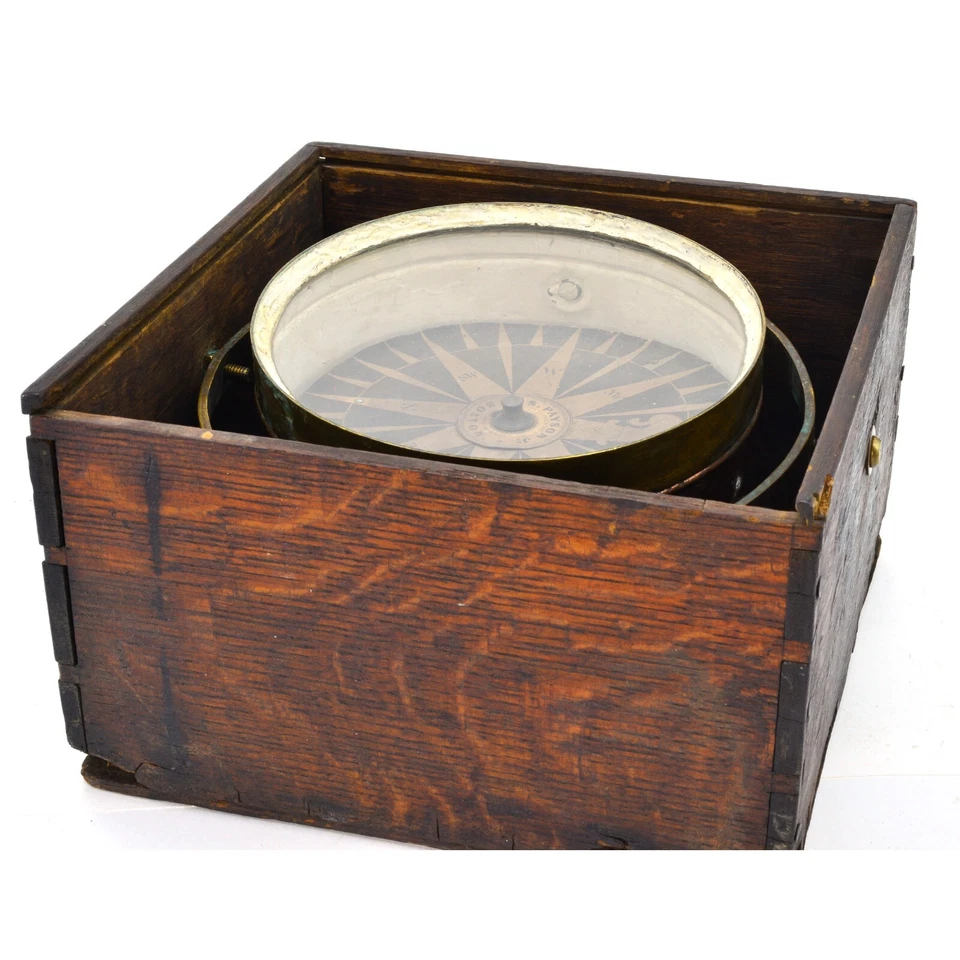
Maritime compasses from the 18th and 19th centuries, particularly those signed by well-known makers, are considered rare and highly valuable. These compasses were often crafted with precision and care, making them prized possessions for collectors today. A signed compass in good condition can fetch anywhere from $5,000 to $10,000, depending on the maker and provenance. Their rarity is due to the fact that many were used extensively and have since deteriorated or been lost. These compasses hold great historical value and are sought after for their connection to specific periods in maritime history.
Collectors value signed compasses because they provide a link to a renowned maker and a particular time in history. These instruments serve as both functional navigational tools and historical artifacts.
18th-Century Sundial-Compass Hybrid
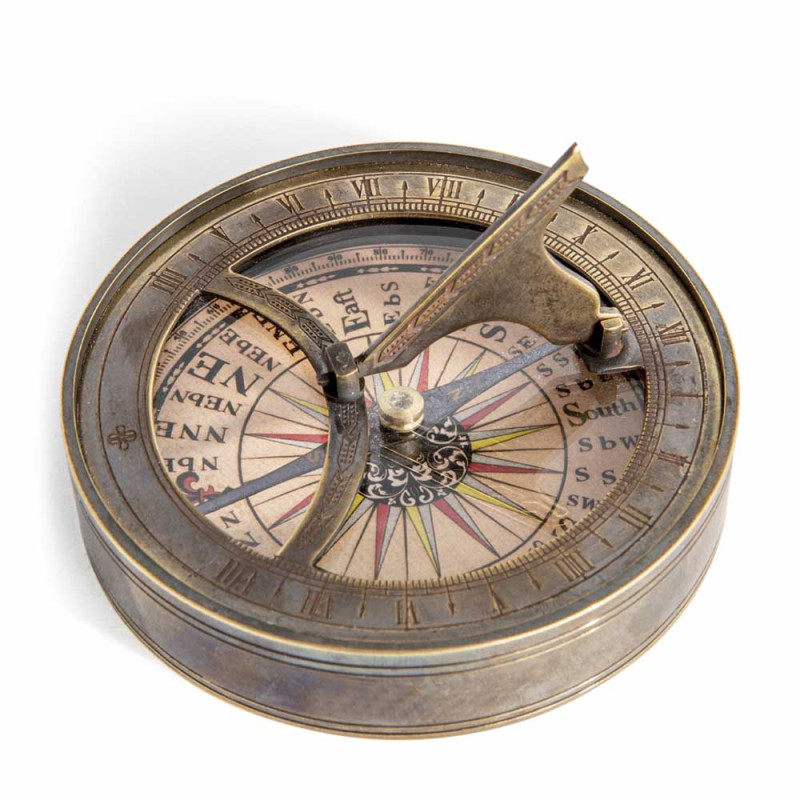
The sundial-compass hybrid, introduced in the 1800s, combined the function of a compass with the ability to tell time. These tools were especially useful for travelers, providing both direction and timekeeping in one compact device. Their rarity comes from the fact that many were damaged or lost due to their delicate design. A well-preserved example can be valued between $2,000 and $6,000. These hybrids are sought after for their innovative design and the dual purpose they served in early navigation.
These sundial-compass hybrids are valued for their ability to combine two essential tools into one portable device. Their rarity and craftsmanship make them a highly sought-after item for collectors.
This article originally appeared on Avocadu.