
10 Rare Coins With Weird Mistakes You Can Spot At Home
Collecting rare coins is thrilling, especially when you come across one with a mistake. These errors might seem small, but they can make your collection even more interesting. With a little attention, you might spot some of these mistakes right in your own collection. Let’s dive into the world of these unusual coins and learn what makes them so special.
This post may contain affiliate links, which helps keep this content free. Please read our disclosure for more info.
1955 Double Die Penny
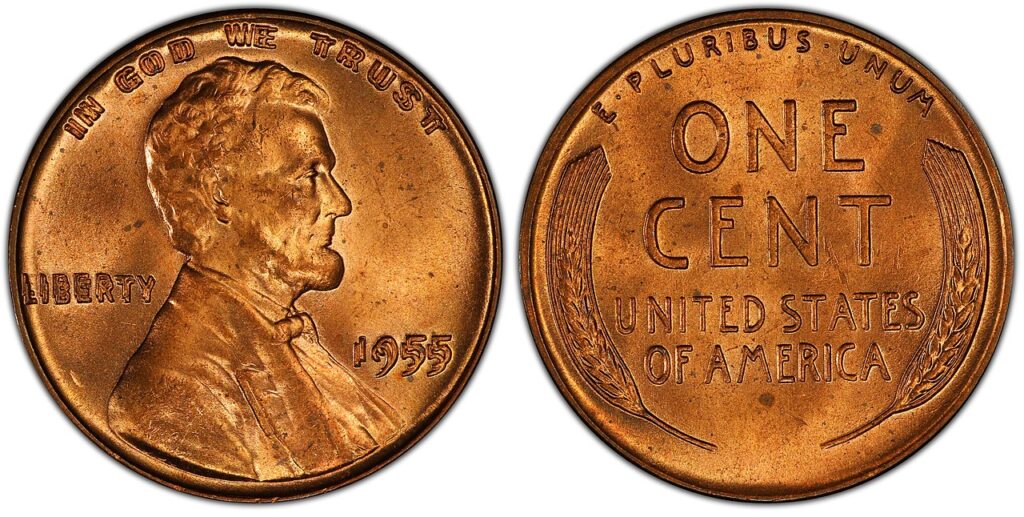
Released in 1955, this penny is famous for its double die error, where the image was struck twice, resulting in a blurred, doubled design. The most notable feature is the doubling on the obverse, particularly the word Liberty. Collectors often search for this error, making it a rare find. Depending on the condition, the value of this penny can range from $500 to $1,500.
The 1955 Double Die Penny is easily recognizable, even by casual collectors, due to the clear doubling. Many individuals find these in old coin jars or collections passed down through generations. Its rarity stems from the small mintage of error coins, with only a limited number in circulation. As a result, it remains one of the most sought-after coins from the era.
1943 Copper Penny
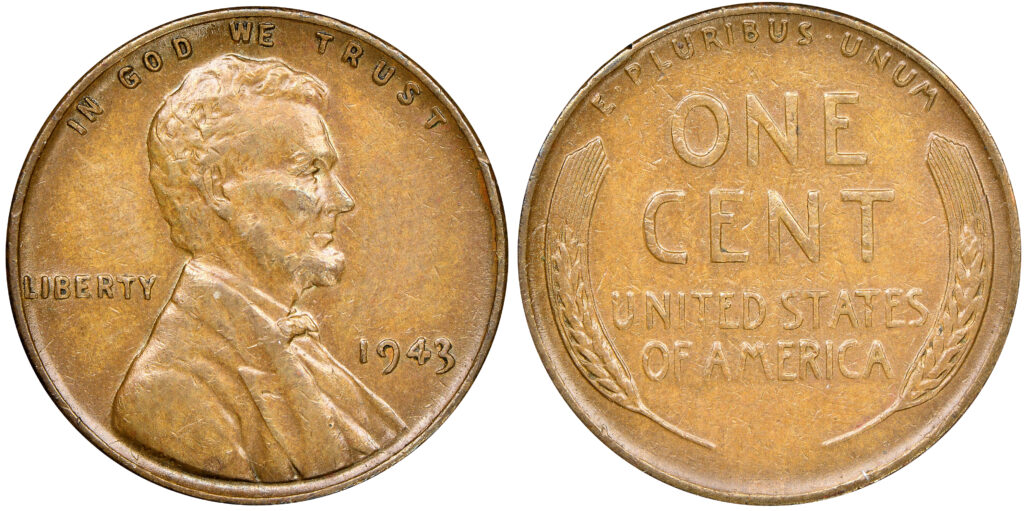
The 1943 copper penny is one of the most famous mistakes in coin history. During World War II, the U.S. Mint switched to making pennies out of steel due to a copper shortage. However, a few copper pennies were mistakenly struck, making them incredibly rare and valuable. With current values reaching anywhere from $100,000 to $1 million, depending on its condition, it’s one of the most sought-after errors in American currency.
What makes this coin unique is its high value compared to other pennies from the same year. The 1943 copper penny is often found in old collections, but it is extremely hard to come by. Its rarity, combined with the historical context of wartime production, gives it a significant place in numismatics. Keep an eye on your spare change, as spotting one of these could be a windfall.
1982 No Mintmark Roosevelt Dime
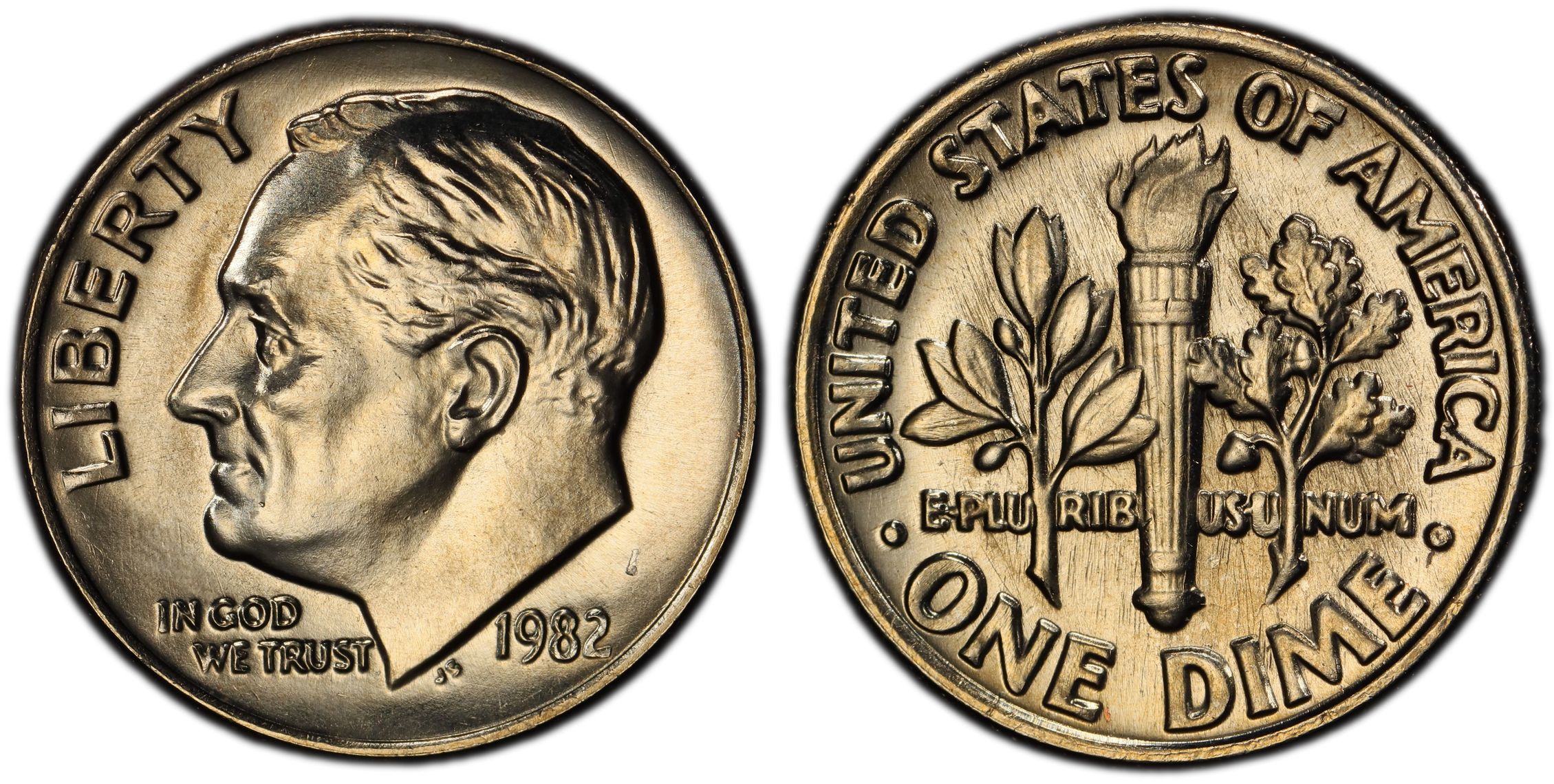
In 1982, a small batch of Roosevelt dimes was minted without a mintmark, which was a mistake at the Denver Mint. Normally, dimes produced in Denver would carry a D mintmark, but these error coins were struck without it. The missing mintmark makes these dimes a rare find, and they can fetch around $500 to $1,000, depending on their condition.
This error is easy to spot, as the absence of the D mintmark on the reverse side stands out. Despite the fact that the mintage was small, this error has gained recognition among collectors. As a result, these dimes are often included in error coin collections. Finding one of these dimes is a pleasant surprise for anyone with a keen eye for detail.
1972 Doubled Die Quarter
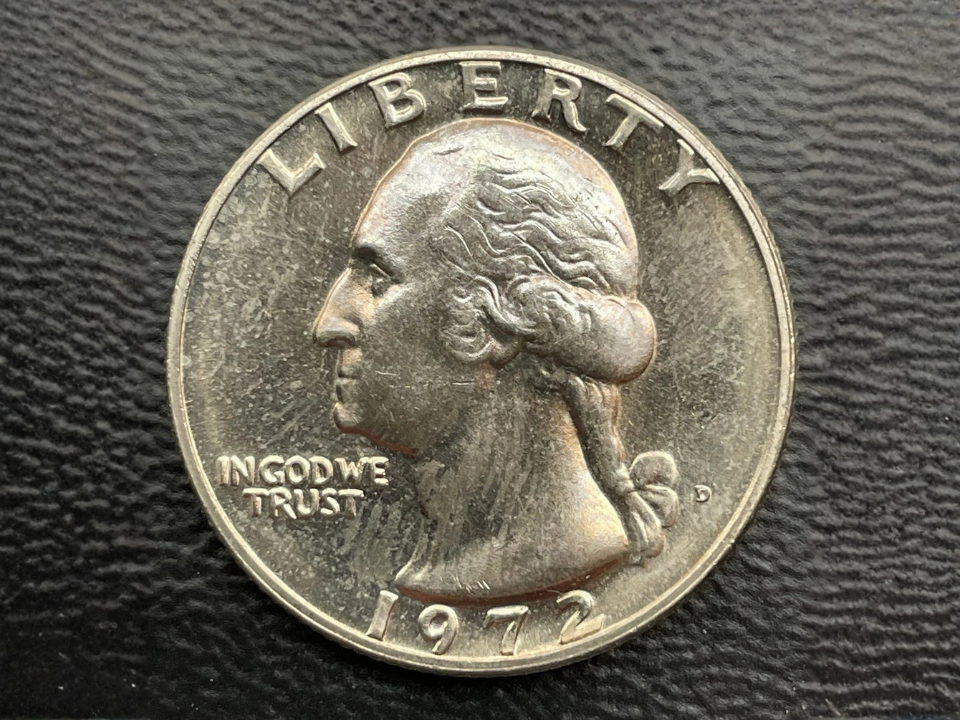
This 1972 quarter features a notable doubled die error where both the date and the word Liberty are struck with a double image. The coin is considered one of the most valuable modern errors and is rare enough to make any collector excited. Its value ranges between $50 to $200, depending on its condition and how noticeable the doubling is.
Collectors often find these coins by carefully examining older quarters, particularly from 1972. The doubling is clear and visible, making it easy to spot even with a basic magnifier. Though it’s not the rarest coin, the doubled die error adds significant value, making it an interesting piece for coin collectors. Keep an eye out in your change, as this error can sometimes pop up unexpectedly.
1959 DDR Lincoln Wheat Penny
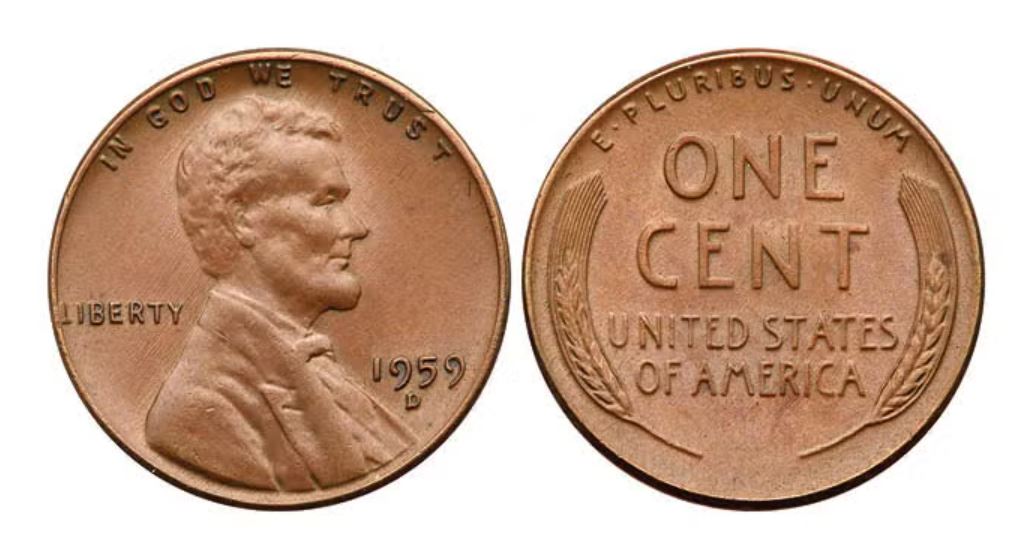
The 1959 DDR (Doubled Die Reverse) Lincoln Wheat penny is a rare example of an error that’s particularly noticeable on the reverse side of the coin. The doubling on the reverse, especially on the words E Pluribus Unum, makes it easily identifiable. This coin’s value can range from $200 to $1,500, depending on the degree of doubling and condition.
The 1959 DDR penny is notable because it combines both a famous design with a unique error. When inspecting these pennies, the doubled details are clear enough to stand out to any collector. Its value comes from the rarity of this specific error and its visual appeal. This makes the 1959 DDR a highly collectible piece among error coin enthusiasts.
1999 Wide AM Lincoln Cent
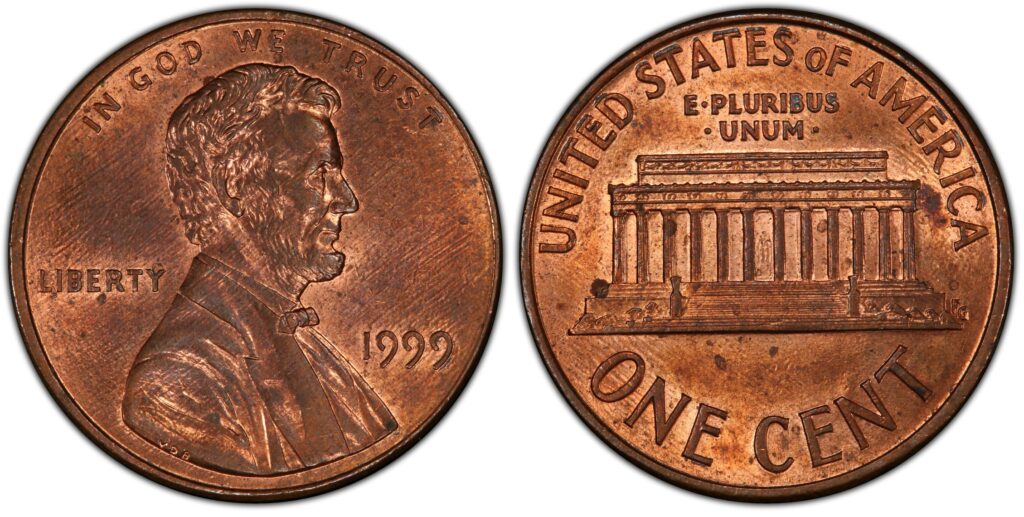
In 1999, the U.S. Mint produced a variety of Lincoln cents with a subtle error: a Wide AM on the reverse instead of the normal Close AM. This error occurred due to a misalignment of the reverse die, which caused the spacing of the letters to widen. The value of these coins ranges from $100 to $500, depending on the coin’s condition.
The Wide AM error is relatively easy to spot with a magnifier, as the distance between the A and M in AMERICA is noticeably wider than usual. While not the rarest, this coin is a popular find for collectors due to its clear error. It’s one of those coins you can spot at home with minimal effort. Its relative abundance still adds an interesting layer to the world of modern coin collecting.
2004 Wisconsin State Quarter with Extra Leaf
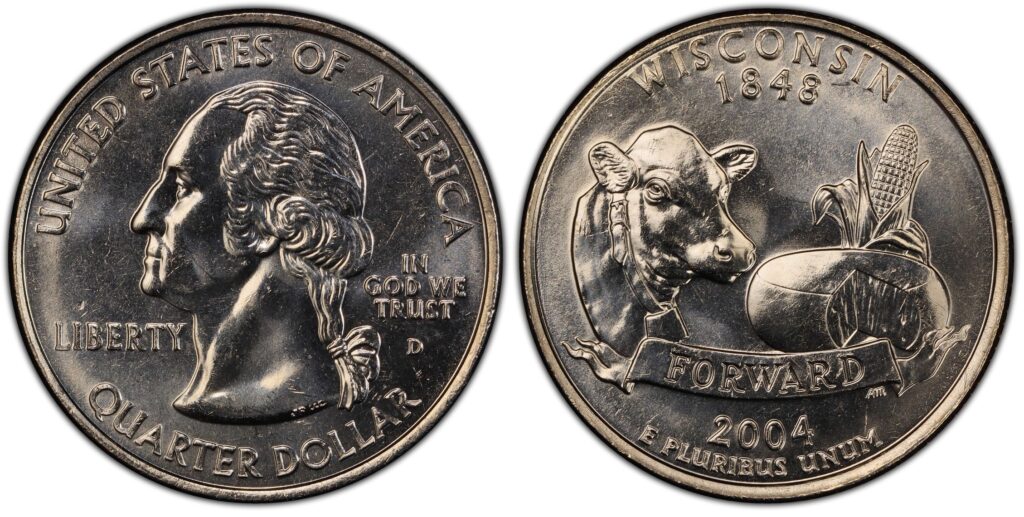
The 2004 Wisconsin State Quarter is famous for an error in which an extra leaf appears in the corn stalks of the reverse design. The extra leaf, which is located near the stalk, makes the coin a unique find. Depending on the condition, this coin can be worth anywhere from $50 to $400.
Collectors can spot this error by closely inspecting the corn stalks on the reverse side of the coin. The extra leaf error was caused during the minting process when a die with an additional marking was used. Because of its clear visual nature, it’s easy to identify and hold onto for anyone interested in rare finds. Despite the error’s uniqueness, the coin remains a popular collectible.
1970-S Small Date Lincoln Cent
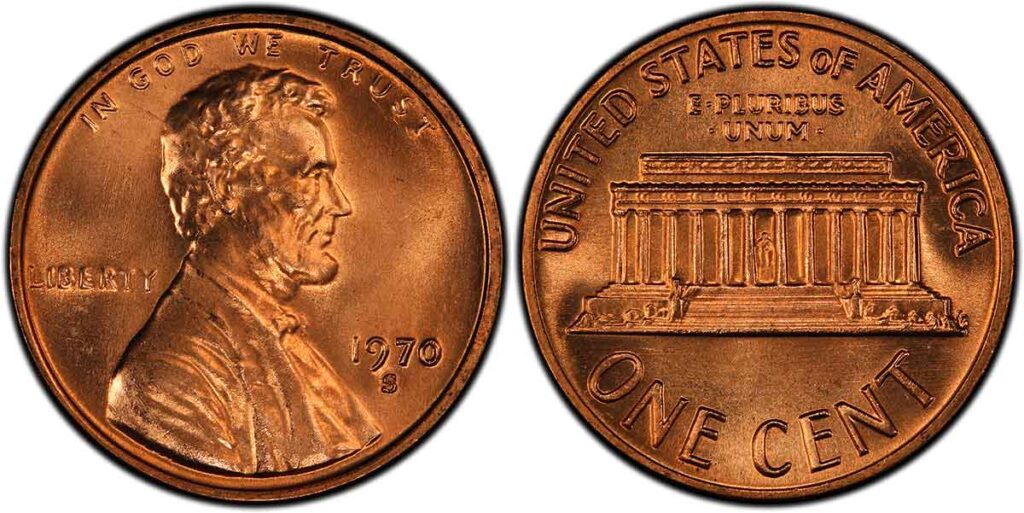
The 1970-S Small Date Lincoln cent is another example of a coin with a noticeable design error. This error involves the smaller size of the date, which was caused by using a worn die for the year’s production. These coins are valued at around $500 to $1,000, depending on their condition.
Unlike other coins from the same year, the small date on this penny can be easily identified by the size of the numbers in the year. With minimal effort, collectors can spot this coin by comparing it with a regular 1970 penny. Its rarity makes it an interesting find, especially for those who enjoy collecting coins with unique characteristics. As a result, it’s considered one of the more valuable coins from the era.
1937-D Three-Legged Buffalo Nickel
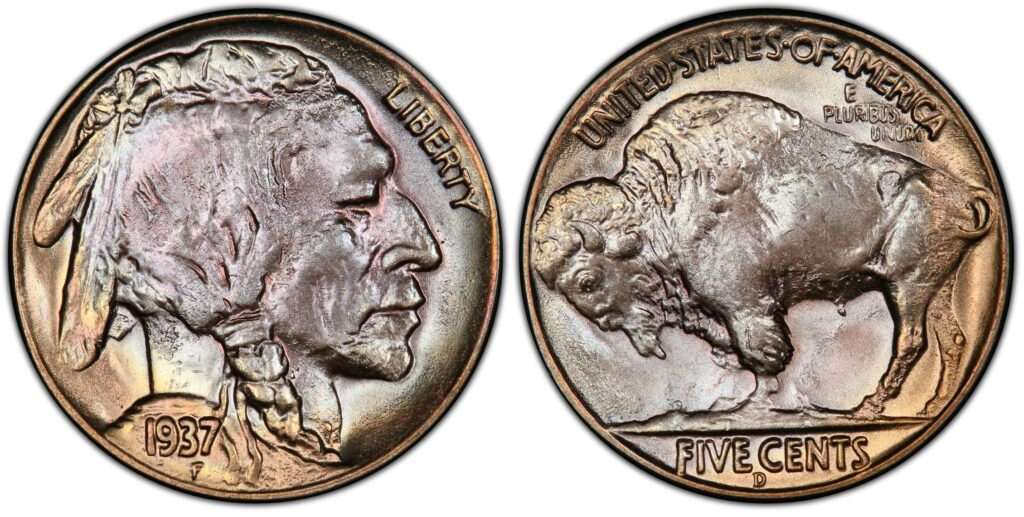
The 1937-D Three-Legged Buffalo Nickel is a famous error coin where one of the buffalo’s legs was unintentionally removed during the minting process. The missing leg gives the coin a unique appearance, making it instantly recognizable. Depending on its condition, it can be worth $500 to $10,000, with higher values for well-preserved specimens.
What makes this coin rare is the unusual nature of the mistake, as well as the fact that it occurred on a highly popular series of coins. Collectors can easily spot the missing leg on the buffalo’s design, which is absent on the reverse of the coin. The 1937-D Three-Legged Buffalo Nickel is a rare find, and spotting it is a thrilling experience for any collector. As a result, it remains a staple in error coin collections.
1942-1 Mercury Dime
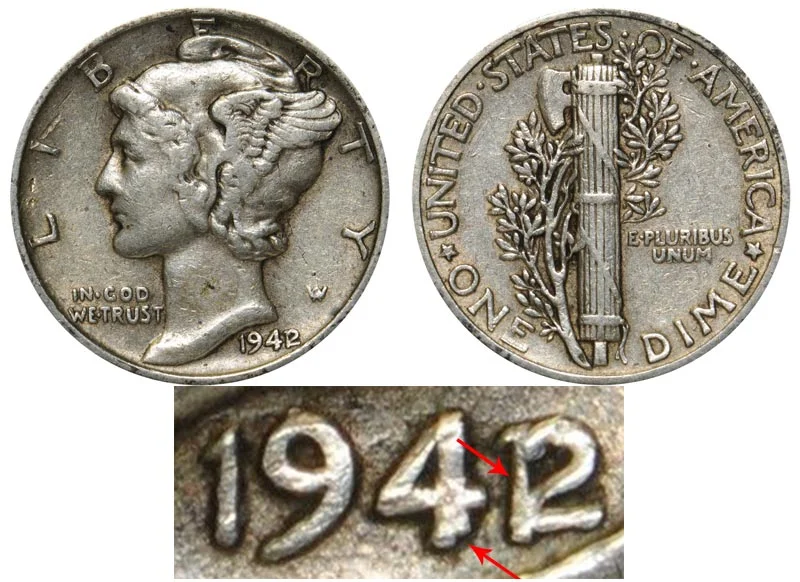
This coin is a result of a repurposed die from the previous year, creating the rare overdate error. The 1942 Mercury dime has the number 1 from 1941 visible under the 2 in the date, making it a distinctive coin. Its rarity, combined with the fact that the error occurred on a highly circulated coin, leads to a value of approximately $1,000 to $2,000 in good condition.
Collectors often recognize this error by the faint 1 visible beneath the 2 in the year 1942. The error is easily noticeable, even without magnification, due to the visible overdate. As the coin is from a popular series, finding one with this error is a rare and rewarding discovery. The historical context of the coin adds to its appeal, making it a prized find for anyone with a passion for rare currency.
This article originally appeared on Avocadu.