
11 Rare Coins That Are Worth More Because of Small Mint Errors
When a mint error occurs, it can have a significant impact on a coin’s value. What seems like a minor mistake can make a coin rare, which in turn increases its desirability. These imperfections often lead to coins being sold for far more than their face value. The allure of mint errors lies in their uniqueness and the story behind the flaw. Collectors know that these coins can be the gems of any collection, and they are willing to pay a premium for them.
This post may contain affiliate links, which helps keep this content free. Please read our disclosure for more info.
1955 Lincoln Penny Doubled Die
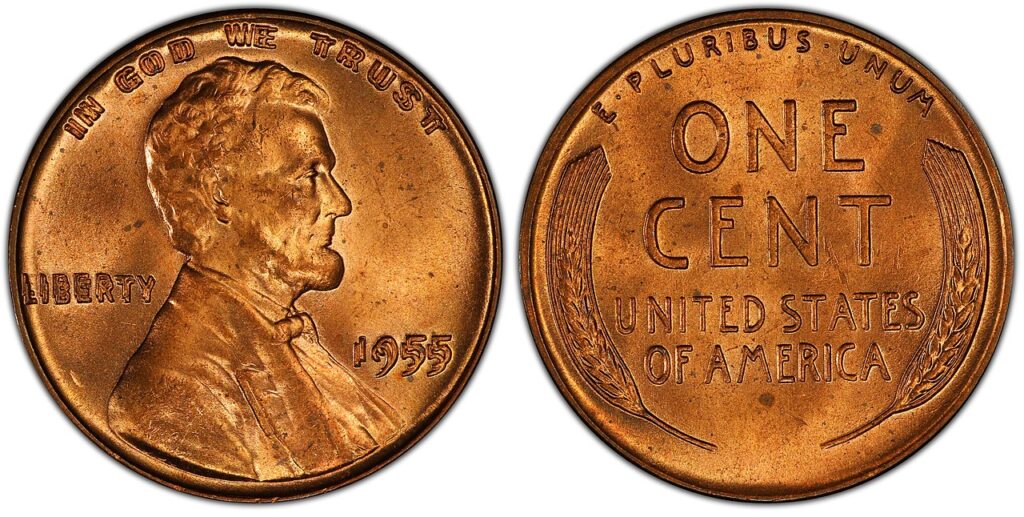
The 1955 Lincoln penny was released as part of the regular copper lineup and quickly became known for a striking error. A doubled die happened when the design was stamped twice in slightly different positions, which made the date and lettering look thick and blurred. People started noticing how unusual the coin looked, and collectors began to attach value to it because few were in circulation. Today, a well-preserved example can sell for $1,000 to $3,000.
Today’s interest in this penny comes from how few survived with such clear doubling and the story behind how the mistake happened at the mint. Some collectors focus on condition, which plays a big role in how much a coin will bring at sale. Coins with clear details and minimal wear are the ones that fetch higher amounts. If you are looking at this coin in a collection, the value will vary based on its state and certification.
1972 Doubling on Lincoln Cent
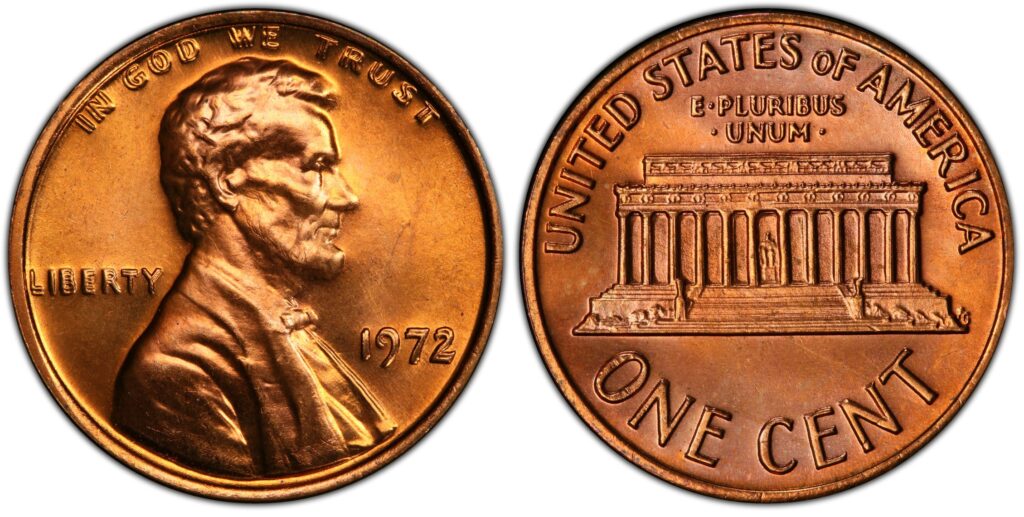
The 1972 penny was meant to be an ordinary coin but some ended up with a doubled image on the date and letters. This error occurred when the die shifted slightly between impressions creating two sets of details. Collectors noticed these doubled features and began paying attention to them because they looked unusual. A sharp example in good condition can be worth $300 to $500 today.
Collectors often compare this example with others to decide how distinct the doubling is, and that influences the price. This coin can be found in circulated condition, but those are worth less. Coins that are crisp and show the double image clearly are the ones that sell for higher amounts. Market values change over time, but the interest in this type of error tends to be steady.
1943 Copper Lincoln Penny
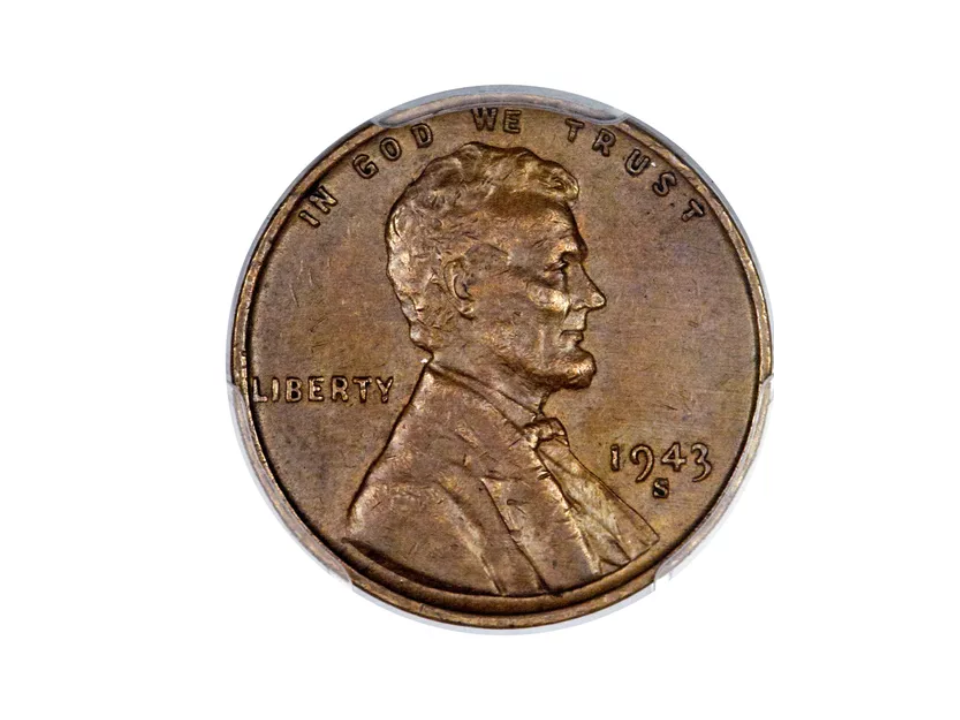
Most 1943 pennies were made in steel to save copper for the war, but a few were struck in copper by mistake. These copper examples were found much later and immediately caught collectors’ attention because of how rare they are. The contrast between the expected steel color and the copper surface makes them easy to spot once you know what to look for. These coins have sold for $100,000 to $200,000 at auction.
When one of these pennies is offered, it draws a lot of attention from serious collectors. The reason it sells for high sums is how few are known to exist. Condition and verification by experts are big factors in the final price. Even worn examples can be worth significant money because of the uniqueness of the error.
1999 Wide AM Lincoln Cent
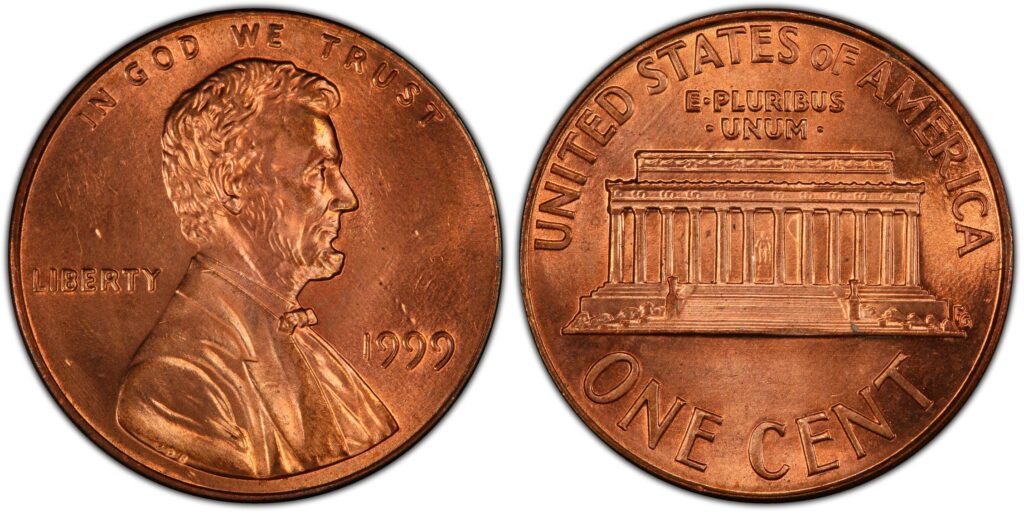
The 1999 Lincoln cent had two variations in the way the letters A and M appeared on the reverse. The Wide AM version has the letters spaced farther apart and some collectors value that difference. This variation was the result of different tooling used at the mint and was not intended to be an error. Coins with the Wide AM are generally worth $500 to $1,500 in the current market.
Collectors pay attention to how distinct the spacing is when deciding what a coin might be worth. Well-preserved examples can go for higher prices, especially if they are certified by a grading service. Lower grade coins still have value, but not as much as those in excellent shape. Many people enjoy searching through rolls of coins hoping to find this variation.
2004 Wisconsin Extra Leaf Penny
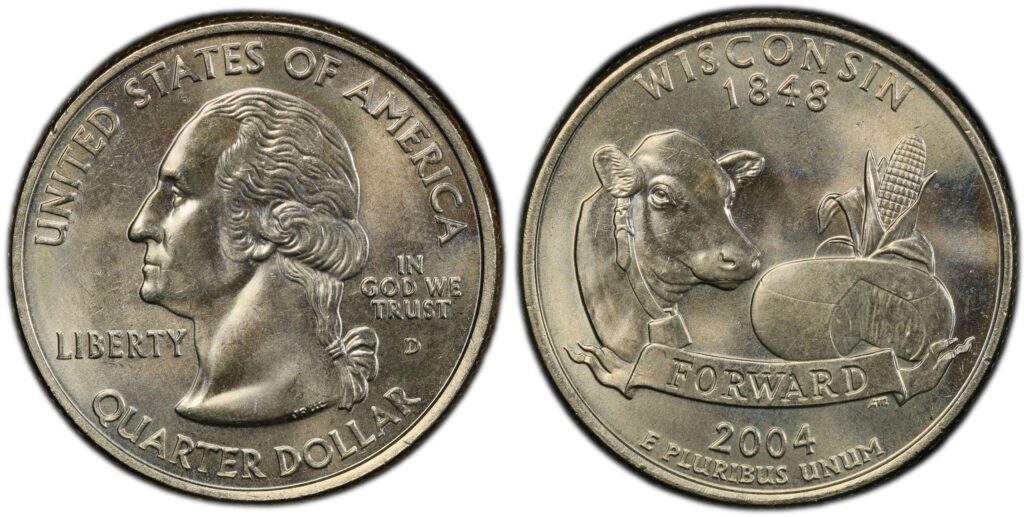
The 2004 Wisconsin penny has a small leaf near the ear of the cow that was added to balance the design. Some variations had an extra leaf placed above the regular one by mistake. The extra leaf error became popular with collectors because it was easy to spot and unusual. Coins with the extra leaf can fetch $200 to $500 more than the regular design.
This error variation tends to attract collectors who like modern coins with unusual details. The value depends on clarity of the leaf and overall condition of the coin. Pieces in top condition are valued higher and sometimes traded between enthusiasts. It remains a fun example of how even recent coins can have small details that matter to collectors.
1982 No Mintmark Penny
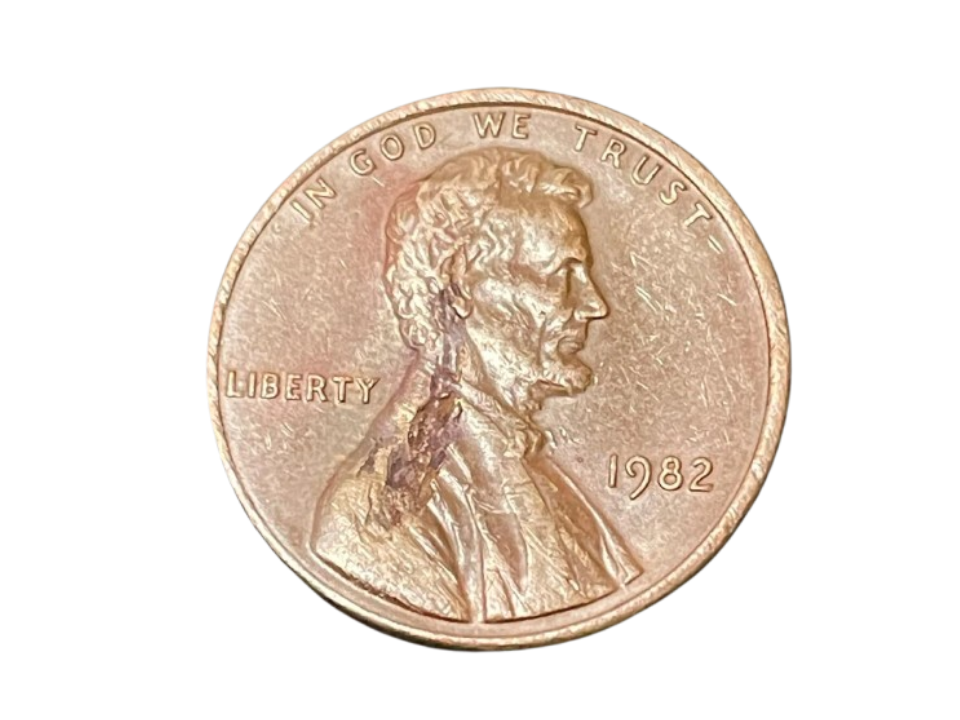
The 1982 Lincoln penny was struck in Philadelphia, where the mintmark was omitted on some pieces. This unexpected absence of a mintmark created a variation that collectors watch for. Since the mintmark was expected and most coins have it, the ones without it became more collectible. Today these no mintmark coins can be worth $50 to $200 in good condition.
Some collectors check every 1982 penny they find because this variation is fairly rare but not impossible to find. The value goes up when the coin shows minimal wear. Pieces that look nearly new bring stronger interest from buyers. Lower grade coins still have value, but at lower price points.
1969-S Doubled Die Obverse Lincoln Cent
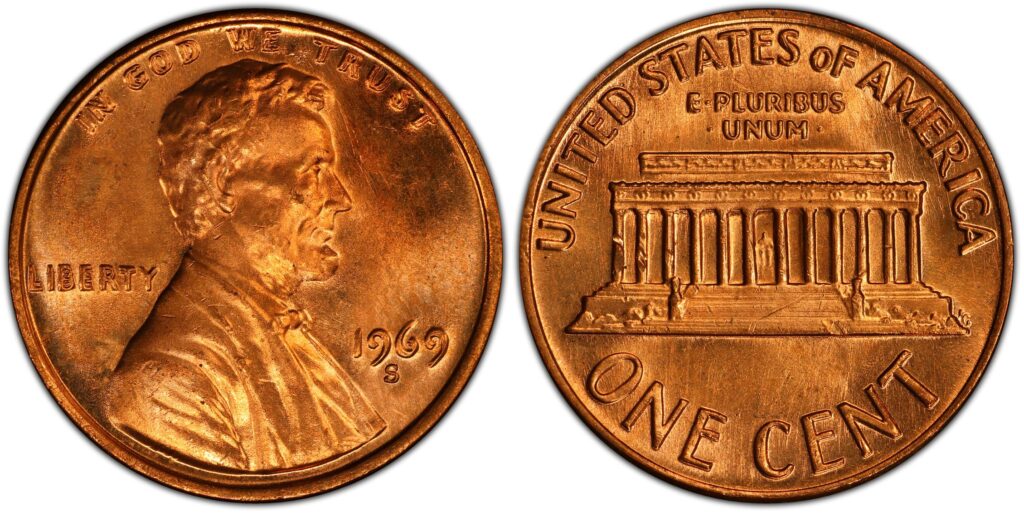
The 1969-S penny from San Francisco has a strong doubled die on the front that makes the lettering and date look thick and blurry. This error was caused by a shift in the die during striking, which impressed two slightly different images. Because only a few of these were released, the variation became quite collectible. A top-grade example can sell for $35,000 to $50,000 today at auction.
Collectors often compare the strength of the doubling when assessing value. Coins with very clear doubling bring more attention from buyers. Less worn pieces are priced higher than those with lots of circulation marks. This coin remains one of the more famous doubled dies among Lincoln cent enthusiasts.
1984-D Dime Doubled Die Obverse
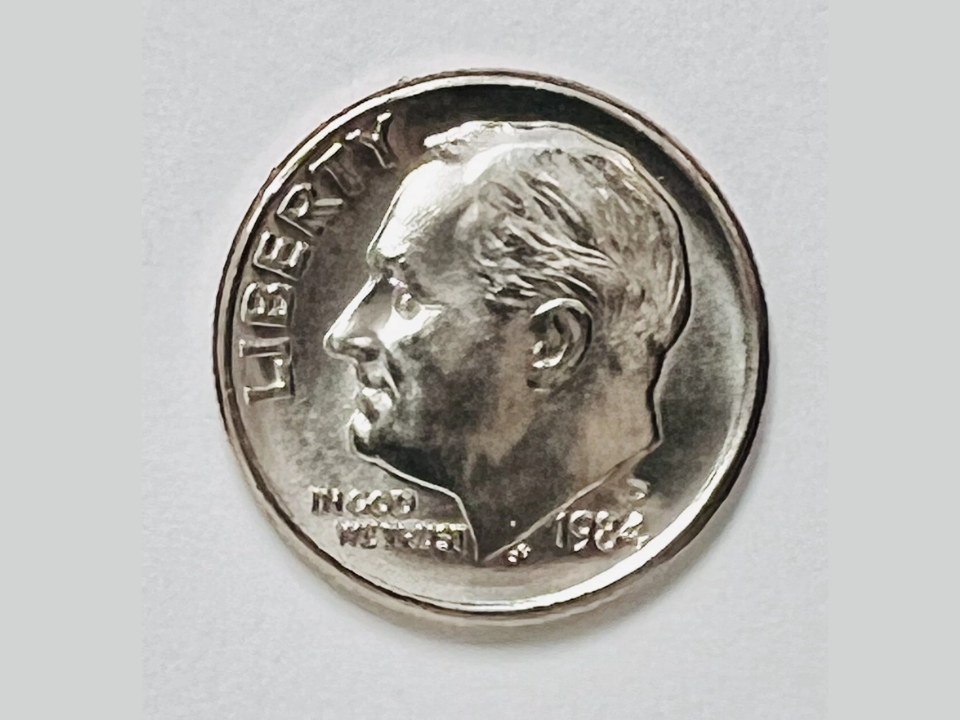
Some 1984 Denver dimes have a doubled obverse, which makes the lettering and date appear echoed. This resulted from an issue with the die and gives the coin a doubled image that is easy to spot. Collectors prize this type of error because it stands out on a small coin. In today’s market, a clear example can reach a value of $500 to $2,000.
Interest in this dime has grown as more people learn to spot the doubling with a magnifier. Coins that show the doubled image clearly and have clean surfaces are worth more. Lower grade ones still have value but are priced lower. This variation gives interest to a coin many people pass by every day.
1995 Doubled Die Penny
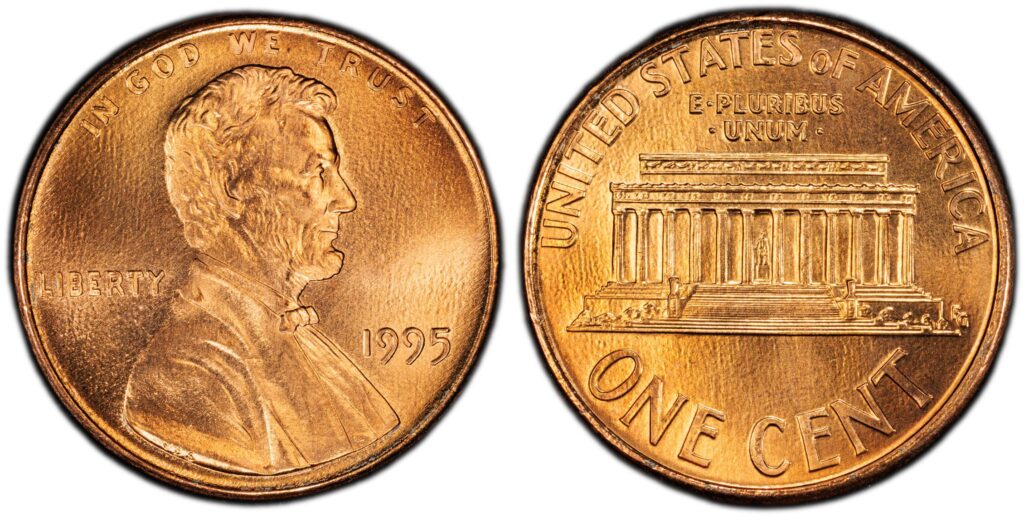
A few 1995 Lincoln cents were struck with a doubled image on the date and lettering. This happened when the die was misaligned and created an extra impression that is visible on the front. Collectors often look at these pennies with magnifiers to see how clear the doubling is. A well-kept example can fetch $300 to $500 in the market today.
Most of these doubled examples are found in circulated condition, but sharp examples are valuable. The condition of the coin and how well the doubling is shown affect its price. Lower-grade coins are still sought after but sell for less. Many collectors search through change for this error variation.
1990-D Lincoln Cent Doubled Die Obverse
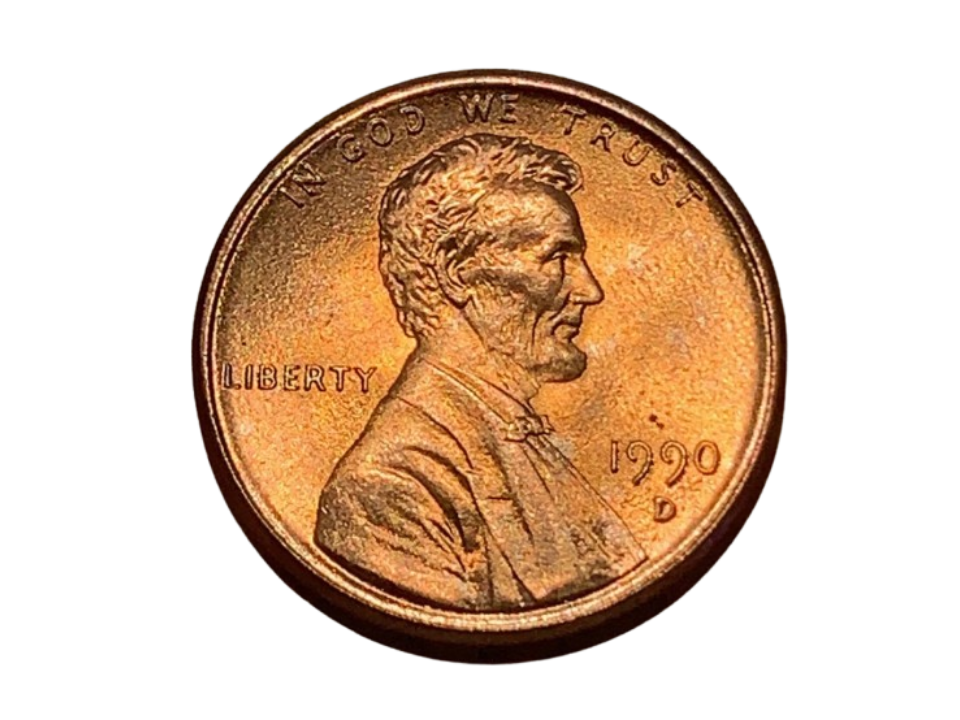
The Denver-minted 1990 Lincoln cent has a version with a doubled obverse. The error shows in the letters and date, which appear as if stamped twice. Because few were noticed early, the coins in good condition are rare today. A well-kept example can fetch $1,000 to $2,000 when sold to collectors.
This variation draws attention because the doubling is clear and the coin is familiar to many collectors. Those with little wear are more desirable. Market value depends on condition and collector demand. Pieces that look new have higher prices than worn ones.
2009 Ultra High Relief Double Eagle Missing Inscriptions
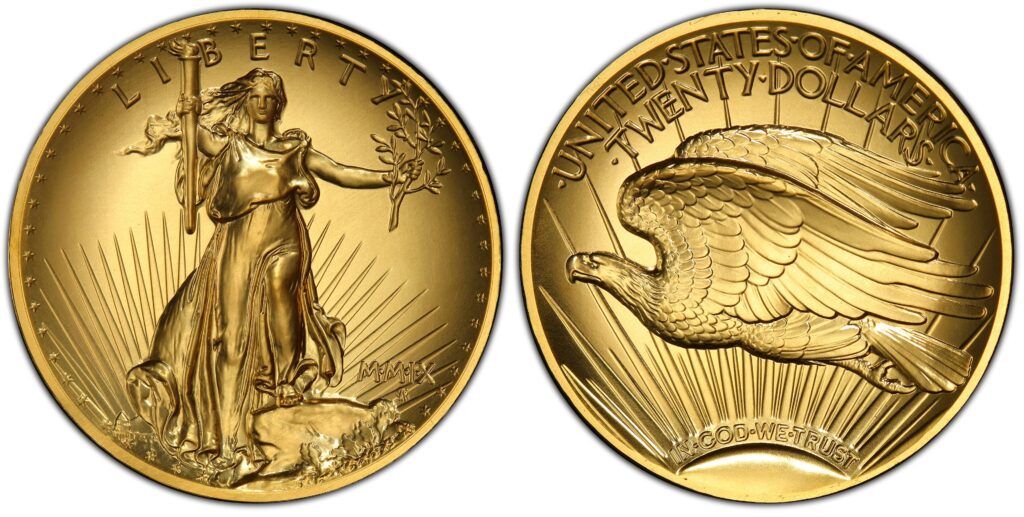
The 2009 Ultra High Relief double eagle was released with all details, but a handful were struck without some inscriptions. These missing letters were the result of a planchet not being fully prepared, which left areas blank. Since only a few of these errors exist, they attract interest and can be worth strong amounts of money. Certified examples have been known to fetch $10,000 to $20,000 because they are unusual.
Collectors compare these to regular examples to see how the missing details change the look. Condition again plays a big part in deciding what the final price might be. Coins without scratches and marks sell for more. This variation remains talked about by people who follow error coins.
This article originally appeared on Avocadu.